For Sale: 1 Million Non-fungible Tokens Each

“Ode to Jackson Pollock”, mixed media
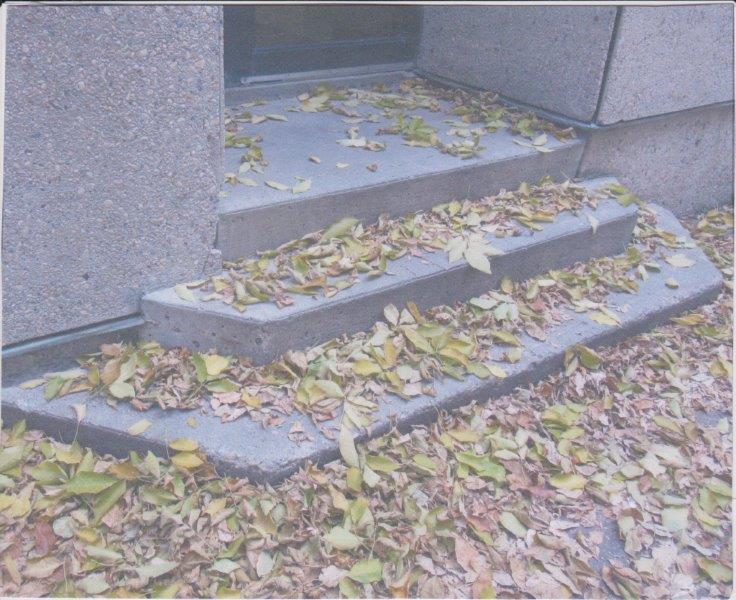
“Ode to Autumn”, digital pic

“The peace which passeth understanding”, digital pic

Posted in Uncategorized | Leave a comment

Re. Pills Making a Break for It!

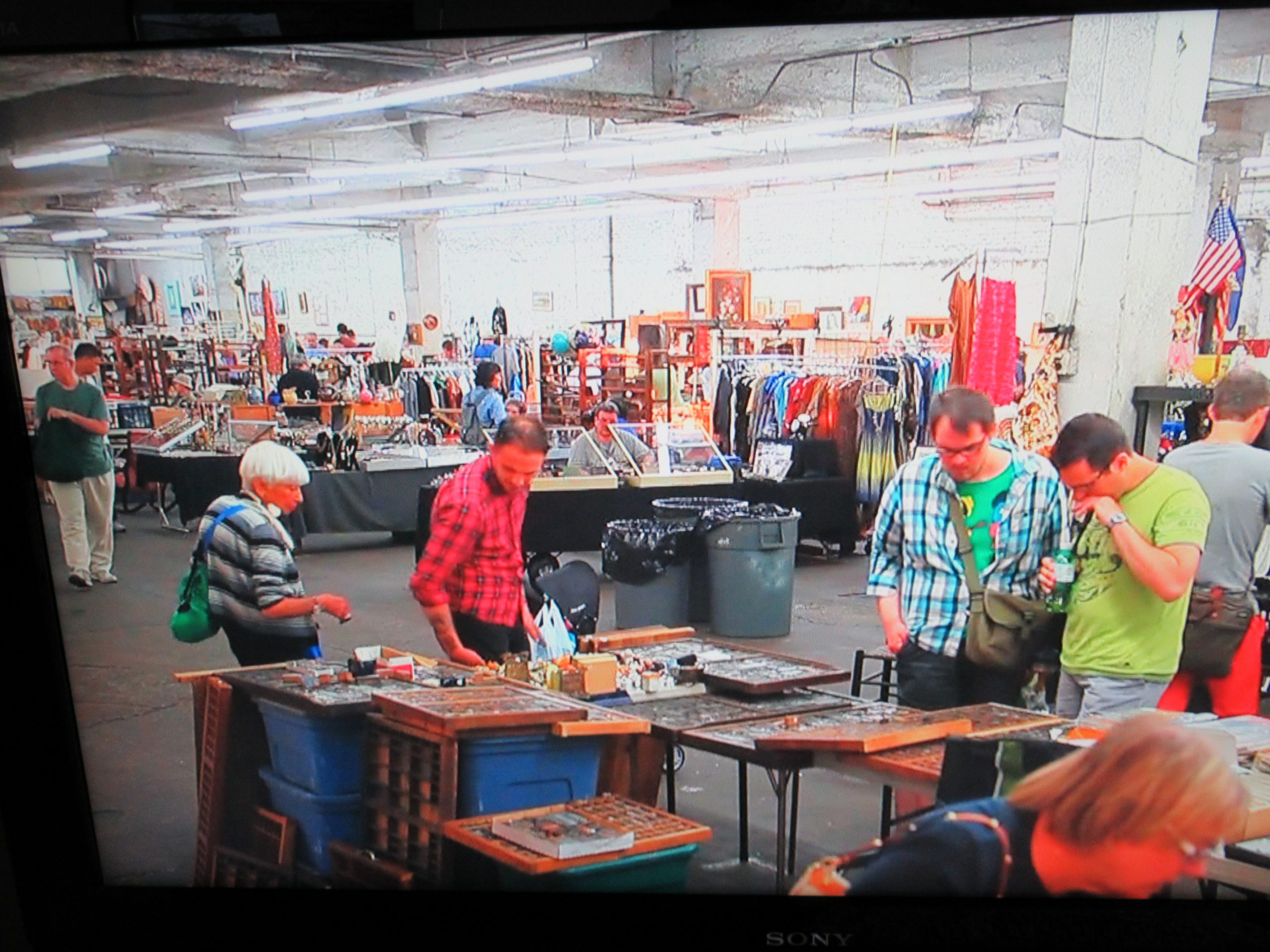
Ever notice when you’re opening round pill containers, how one, periodically, makes a break for it, not wanting to be swallowed whole by the taker.
No different than dogs making a break for it.
The universe continues to line up.
So many pills, dogs, and patterns; so little time to record, or share here.
Posted in Uncategorized | Leave a comment

Long after my Mother’s passing in 2007,

(connecting image: old woman with white hair)

I continue to see facsimiles of her (and my Dad–who passed in 1998–periodically from some some shots of David Suchet as Poirot–see below image) when least expected hither and yon. The attached image from a tv program. Previously, I have seen her at the symphony in the park, in a Victoria tea shop, and on a Westjet coming home from Victoria. ‘Spittin’ images’.

The dead, especially those of family, will continue to ‘haunt’ us years afterward. The dead are always with us one way or another and serve to remind us of their once living presences which somehow continue in physical reality as long as we’re here to remember.

A Suchet Poirot with a passing resemblance to my late Dad (only distortion basically being the moustache ends):
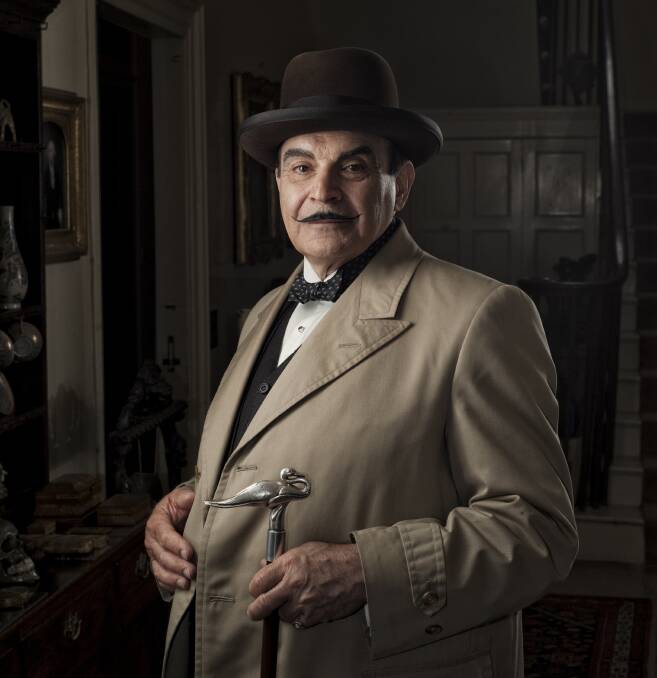
David Suchet comes to Canberra for Poirot and More: a Retrospective | The  Canberra Times | Canberra, ACT

Posted in Uncategorized | Leave a comment

Where there’s a will….

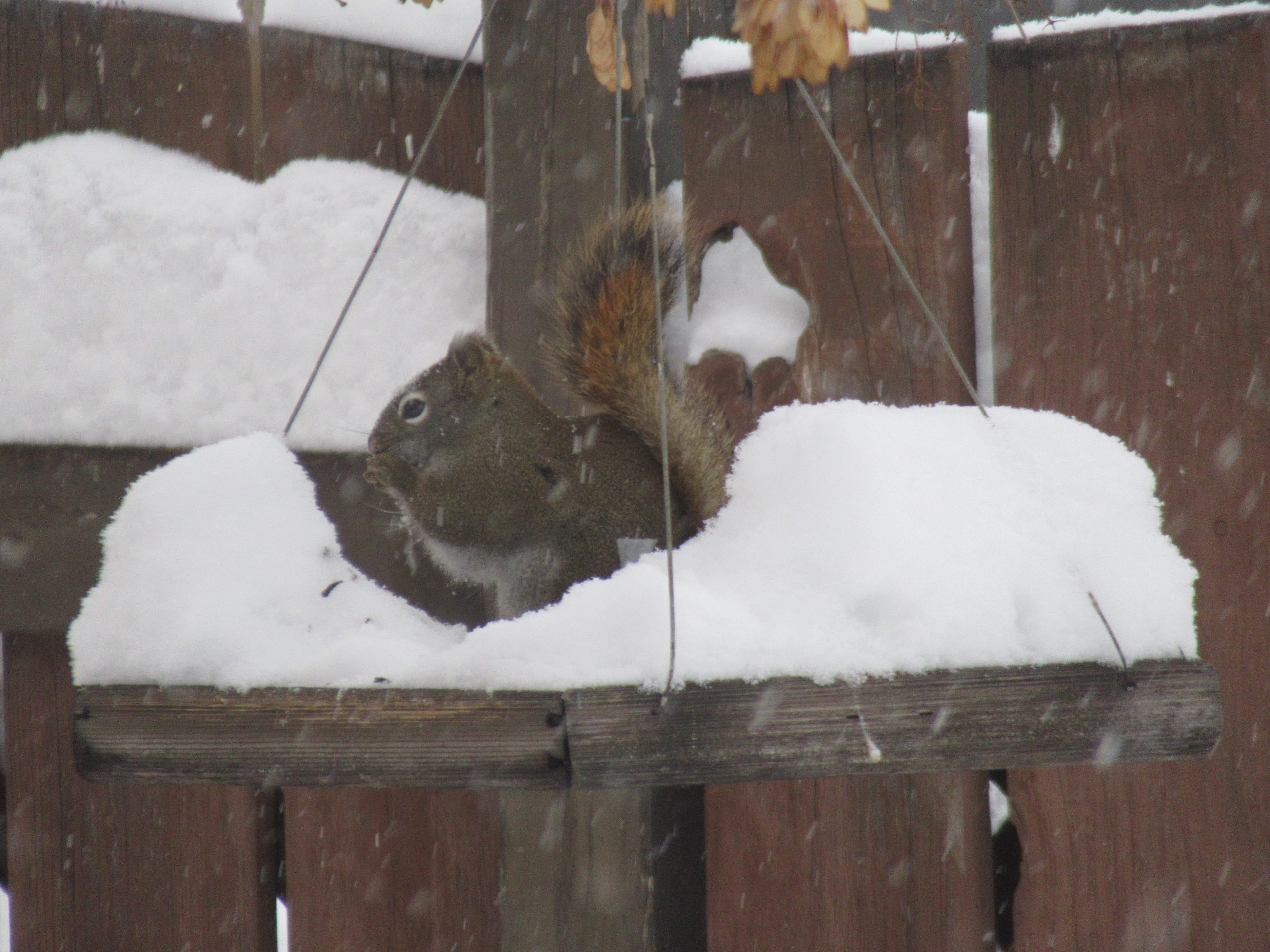
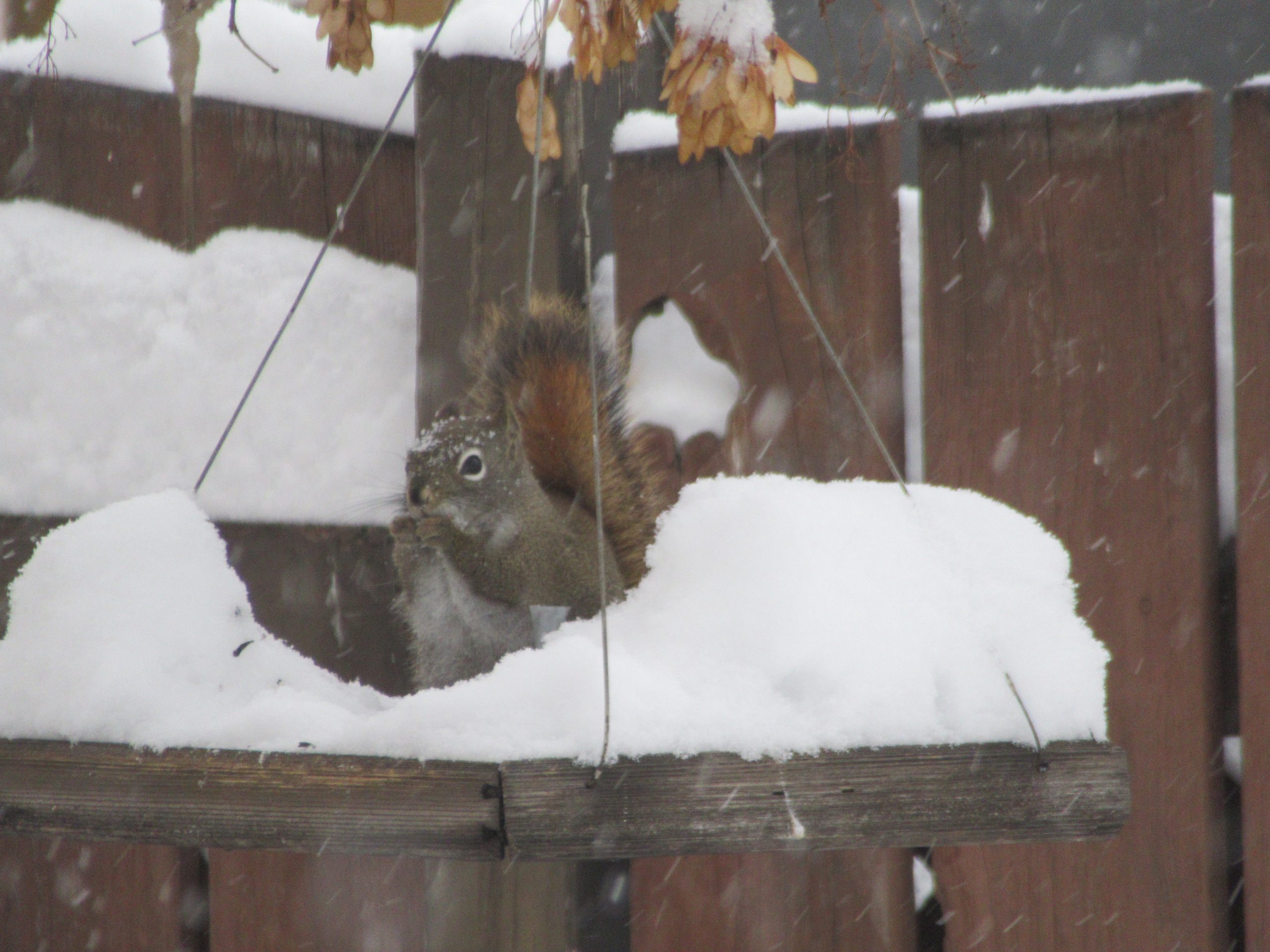
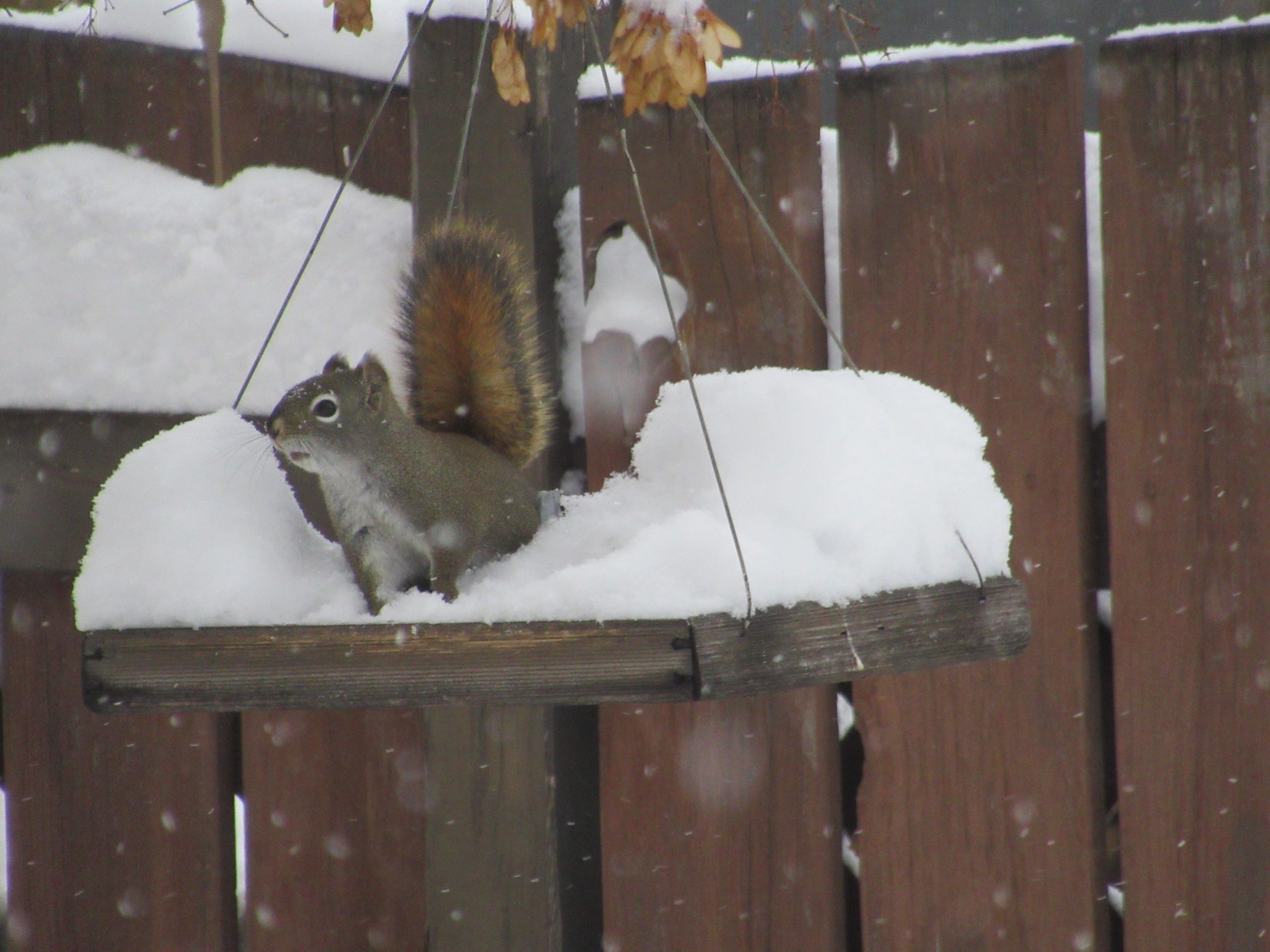
Our resident squirrel sweeps the outside tray to get at the sunflower seeds after a heavy snowfall.

(The movies with snow flying are even better.)

Posted in Uncategorized | Leave a comment

Is there nothing sacred anymore in advertising?

Pringles releases a tv commercial using Charles Darwin to shill its chips.

(Transfer technique: You’ll be a great discoverer and scientist if you eat Pringles? A brainier crisp?)
Posted in Uncategorized | Leave a comment

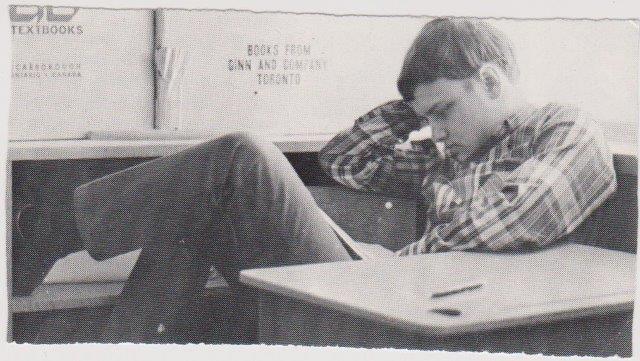
1967 A.D. Coming to Consciousness, The Word, Poetry, and the Arts

(1967/gr. 12: ripe for major language acquisition, reading, literature, poetry, and Hamlet)

(likewise, ready for performing in public; first musical aggregation–operetta cast party)

Timing, especially good timing.

Coming into the new year having just read Thomas Hardy’s romantically tragic The Return of the Native.

A grade 12 poetry unit with a super anthology featuring many of the classic English poems: Keats’ big two odes and Wordsworth’s “Tintern Abbey” with their flow of spirit, soulfulness, and consciousness of Beauty and the infinite in Nature.

Followed by a solid relevant immersion in a chaser of Hamlet.

There was simply no way back, what with my simultaneous awareness of great lyrics in folk and folk rock music: Dylan, Simon and Garfunkle, Lightfoot.

Simultaneously lining up with the height of my high-school writing (a memorable piece for the school newspaper on a hootenany) and two acting performances (the amusing butler in The Importance of Being Earnest, the ‘straight’ mayor in The Red Velvet Goat) and two musical performances (as the comic Usher in Gilbert and Sullivan’s Trial by Jury and playing reflective Simon and Garfunkle songs for an Alienation show at Manitoba Theatre Centre) co-written by two writer-friends.

Language, words, music, and drama had all bubbled up together in that memorable 6 month run.

I was marked from that point on to start a BA in English at the new University of Winnipeg, later training to become a high school English teacher at the University of Alberta.

And the musical public performances would continue up to 2002 with several groups which I organized and was the leader of.

And the poetry-writing, begun in 1967 at U of W would eventually find its way and bubble up in the 1980s, through many significant developments up to and including today.
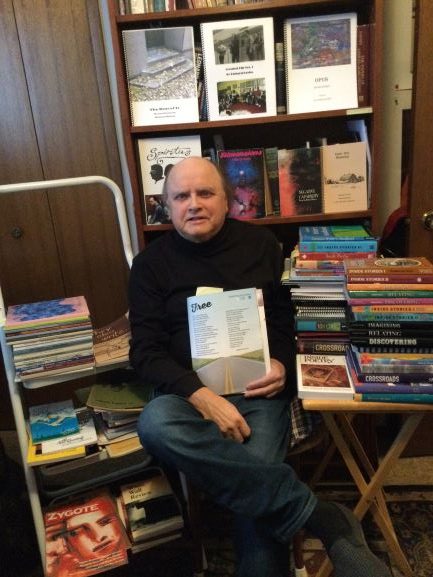
(Down to today, 55 years later, still writing/publishing poems and blog entries)


Posted in Uncategorized | Leave a comment

Tintern Abbey Revisited

Monmouthshire, Tintern Abbey, soft ground etching of about 1800
(Monmouthshire, Tintern Abbey, soft ground etching of about 1800)


Lines Composed a Few Miles above Tintern Abbey, On Revisiting the Banks of the Wye during a Tour. July 13, 1798

by William Wordsworth
 
Five years have past; five summers, with the length
Of five long winters! and again I hear
These waters, rolling from their mountain-springs
With a soft inland murmur.—Once again
Do I behold these steep and lofty cliffs,
That on a wild secluded scene impress
Thoughts of more deep seclusion; and connect
The landscape with the quiet of the sky.
The day is come when I again repose
Here, under this dark sycamore, and view
These plots of cottage-ground, these orchard-tufts,
Which at this season, with their unripe fruits,
Are clad in one green hue, and lose themselves
‘Mid groves and copses. Once again I see
These hedge-rows, hardly hedge-rows, little lines
Of sportive wood run wild: these pastoral farms,
Green to the very door; and wreaths of smoke
Sent up, in silence, from among the trees!
With some uncertain notice, as might seem
Of vagrant dwellers in the houseless woods,
Or of some Hermit’s cave, where by his fire
The Hermit sits alone.
 
                                              These beauteous forms,
Through a long absence, have not been to me
As is a landscape to a blind man’s eye:
But oft, in lonely rooms, and ‘mid the din
Of towns and cities, I have owed to them,
In hours of weariness, sensations sweet,
Felt in the blood, and felt along the heart;
And passing even into my purer mind
With tranquil restoration:—feelings too
Of unremembered pleasure: such, perhaps,
As have no slight or trivial influence
On that best portion of a good man’s life,
His little, nameless, unremembered, acts
Of kindness and of love. Nor less, I trust,
To them I may have owed another gift,
Of aspect more sublime; that blessed mood,
In which the burthen of the mystery,
In which the heavy and the weary weight
Of all this unintelligible world,
Is lightened:—that serene and blessed mood,
In which the affections gently lead us on,—
Until, the breath of this corporeal frame
And even the motion of our human blood
Almost suspended, we are laid asleep
In body, and become a living soul:
While with an eye made quiet by the power
Of harmony, and the deep power of joy,
We see into the life of things.
 
                                                        If this
Be but a vain belief, yet, oh! how oft—
In darkness and amid the many shapes
Of joyless daylight; when the fretful stir
Unprofitable, and the fever of the world,
Have hung upon the beatings of my heart—
How oft, in spirit, have I turned to thee,
O sylvan Wye! thou wanderer thro’ the woods,
How often has my spirit turned to thee!
 
   And now, with gleams of half-extinguished thought,
With many recognitions dim and faint,
And somewhat of a sad perplexity,
The picture of the mind revives again:
While here I stand, not only with the sense
Of present pleasure, but with pleasing thoughts
That in this moment there is life and food
For future years. And so I dare to hope,
Though changed, no doubt, from what I was when first
I came among these hills; when like a roe
I bounded o’er the mountains, by the sides
Of the deep rivers, and the lonely streams,
Wherever nature led: more like a man
Flying from something that he dreads, than one
Who sought the thing he loved. For nature then
(The coarser pleasures of my boyish days
And their glad animal movements all gone by)
To me was all in all.—I cannot paint
What then I was. The sounding cataract
Haunted me like a passion: the tall rock,
The mountain, and the deep and gloomy wood,
Their colours and their forms, were then to me
An appetite; a feeling and a love,
That had no need of a remoter charm,
By thought supplied, nor any interest
Unborrowed from the eye.—That time is past,
And all its aching joys are now no more,
And all its dizzy raptures. Not for this
Faint I, nor mourn nor murmur; other gifts
Have followed; for such loss, I would believe,
Abundant recompense. For I have learned
To look on nature, not as in the hour
Of thoughtless youth; but hearing oftentimes
The still sad music of humanity,
Nor harsh nor grating, though of ample power
To chasten and subdue.—And I have felt
A presence that disturbs me with the joy
Of elevated thoughts; a sense sublime
Of something far more deeply interfused,
Whose dwelling is the light of setting suns,
And the round ocean and the living air,
And the blue sky, and in the mind of man:
A motion and a spirit, that impels
All thinking things, all objects of all thought,
And rolls through all things. Therefore am I still
A lover of the meadows and the woods
And mountains; and of all that we behold
From this green earth; of all the mighty world
Of eye, and ear,—both what they half create,
And what perceive; well pleased to recognise
In nature and the language of the sense
The anchor of my purest thoughts, the nurse,
The guide, the guardian of my heart, and soul
Of all my moral being.
 
                                            Nor perchance,
If I were not thus taught, should I the more
Suffer my genial spirits to decay:
For thou art with me here upon the banks
Of this fair river; thou my dearest Friend,
My dear, dear Friend; and in thy voice I catch
The language of my former heart, and read
My former pleasures in the shooting lights
Of thy wild eyes. Oh! yet a little while
May I behold in thee what I was once,
My dear, dear Sister! and this prayer I make,
Knowing that Nature never did betray
The heart that loved her; ’tis her privilege,
Through all the years of this our life, to lead
From joy to joy: for she can so inform
The mind that is within us, so impress
With quietness and beauty, and so feed
With lofty thoughts, that neither evil tongues,
Rash judgments, nor the sneers of selfish men,
Nor greetings where no kindness is, nor all
The dreary intercourse of daily life,
Shall e’er prevail against us, or disturb
Our cheerful faith, that all which we behold
Is full of blessings. Therefore let the moon
Shine on thee in thy solitary walk;
And let the misty mountain-winds be free
To blow against thee: and, in after years,
When these wild ecstasies shall be matured
Into a sober pleasure; when thy mind
Shall be a mansion for all lovely forms,
Thy memory be as a dwelling-place
For all sweet sounds and harmonies; oh! then,
If solitude, or fear, or pain, or grief,
Should be thy portion, with what healing thoughts
Of tender joy wilt thou remember me,
And these my exhortations! Nor, perchance—
If I should be where I no more can hear
Thy voice, nor catch from thy wild eyes these gleams
Of past existence—wilt thou then forget
That on the banks of this delightful stream
We stood together; and that I, so long
A worshipper of Nature, hither came
Unwearied in that service: rather say
With warmer love—oh! with far deeper zeal
Of holier love. Nor wilt thou then forget,
That after many wanderings, many years
Of absence, these steep woods and lofty cliffs,
And this green pastoral landscape, were to me
More dear, both for themselves and for thy sake!
…………………………………………………
I first read this beautiful Romantic classic in gr. 12, 1967 AD and it made perfect sense as an inspired meditation on Nature, a taking stock on one’s life and past poem, a celebration of Nature’s many deep soulful benefits for us and those closest to us, and a beautiful escape from the city and the “still sad music of humanity”. It still works and helps to refocus these many years later. Truth in Beauty and Nature, and the transcendent spiritual powers therein.
 
Today I am still moved by these lines and images, in particular (as I was back then):
 
–“sensations sweet,/Felt in the blood, and felt along the heart: /And passing even into my purer mind/With tranquil restoration.”
–“that blessed mood”
–“we see into the life of things”
–“glad animal movements”
–“the still sad music of humanity”
–“I have felt/ A presence that disturbs me with the joy of elevated thoughts”
–A motion and a sprit that…rolls through all things”
 
When I go back and read this poem, I often think that is most who and what I desired to be and have in my life. Those have been the finer reachings of my life through Nature and the Arts. Browning’s transcendent “Ah, but a man’s reach should exceed his grasp,/Or what’s a heaven for?”
 
Posted in Uncategorized | Leave a comment

Fed PCs have ‘lost it.’

Wanna-be new head of the party Pierre Poilievre calls Trudeau “a fascist psychopath”. Whatever flaws Trudeau has and mistakes he’s made, he is not “a fascist psychopath”. The PCs lost credibility when they backed the trucker convoy.

Trudeau saved Ottawa and sent the rednecks packing. He was right. The PCs were wrong and their new leader, like the gun-totin’ redneck interim leader, seals the deal. Like the GOPs, they are no longer a credible Canadian party. They are Trumpians/GOPs in PC clothing; based on polls, they already support a real fascist psychopath–Trump.

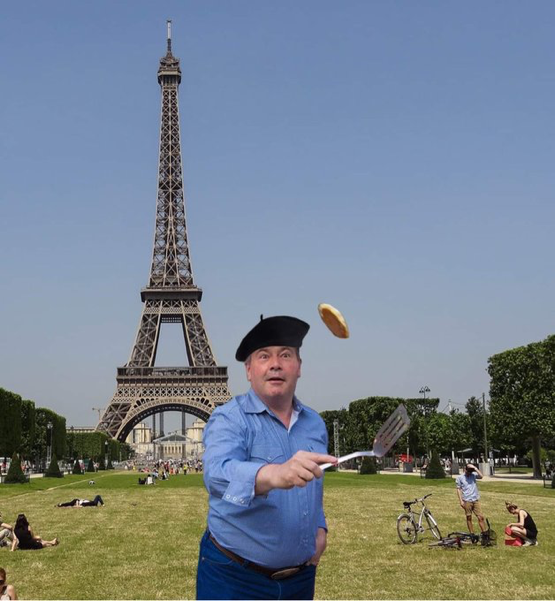
ps/ These daze if any Canadian politician is a “fascist psychopath”, it’s madman Kenney, desperately trying to save his job before the leadership review, by overreaching right, left, and centre.
Posted in Uncategorized | Leave a comment

Dictator of Alberta

flagrantly goes after Sohi and Edmonton mask bylaw this morning.
Everyone must line up.
So much for independence in Alberta.
So much for real Freedom in Alberta.

Mindless stroke of a pen stuff: “Hands have no tears to flow”–Dylan Thomas

……………………………………………….

Friday-Saturday-Sunday COVID results:

In that time, 1,435 cases were confirmed across the province or an average of 478 per day. Currently, there are 9,188 active cases. 

With 7,393 tests conducted over the weekend, the positivity rate was 19.4 per cent. (BTW/Hinshaw used to say below 5% was a good number.)

1,224 Albertans in hospital due to COVID-19. Of those, 83 were in intensive care units. “Sure thing, the pandemic’s over, Kenney. You know ‘better’ than facts, truth, and physical reality. So randomly run roughshod over Edmonton and Edmontonians. They’re troublemakers who didn’t vote for you.”

…………………………………………………

Doublethink/doublespeak:

‘We certainly shouldn’t allow political science to be a substitute for public health science,’ Kenney says

Reverse messaging right out of Orwell.

He, similarly, accuses municipalities of politicizing masks as he politically interferes in local government and politicizes masking in Edmonton.

(Oh, and love Shandro and Madu while you’re at it, y’all. The rules and laws don’t apply to them.)
Posted in Uncategorized | Leave a comment

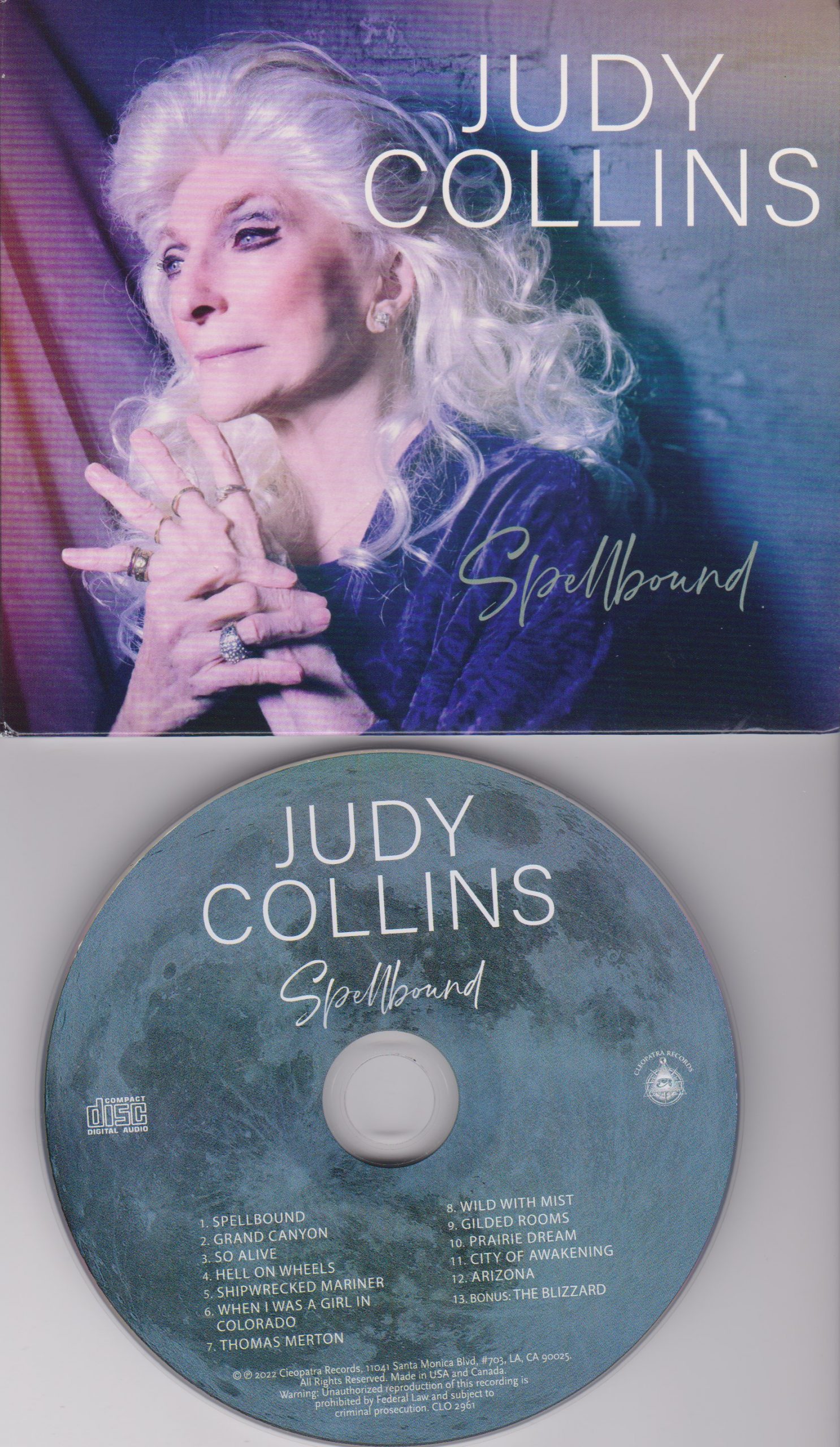
Judy, Amazingly, @82! Her Best Album Since ’68!

A brand-new album of 13 original songs, two years in the making, ably assisted on harmonies and acoustic guitar by Ari Hest, and 9 other crack musicians. Judy plays the main piano on all tracks but one (12 string acoustic).

Reviews have been unanimously stellar; she is in terrific voice, comparable to the ’60s albums. The songs are uniformly strong to excellent; no weak cuts. The use of echo is outstanding and her voice has never been better: ethereal, soft, and warm throughout the album.

Each song is a moment of being from her storied life, rendered in precise poetic imagery and rhyme (she uses 4-line stanzas). She tells about her alcoholism demons, her many love affairs, her Greenwich Village days, her Colorado youth, the beauty of Hawaii, a near-tragic driving incident (done as a rocker), the celebrated Catholic Trappist monk Thomas Merton’s death, the paintings of the English Romantic artist Turner, her T.B. episode in Arizona, an indigenous reservation, and a Colorado blizzard in the mountains.

Spellbound is easily her best, most complete album since her late 1960s Wildflowers and Who Knows Where the Time Goes LPs. It is a profoundly soulful and spirited tour de force from beginning to end, lyrically and musically. I would not be surprised if she wins a Grammy later this year for a totally unexpected artistic success at the improbable ripe age of 82. Highly recommended for fans and all folkies.

And, incidentally and amazingly, she is already on an international tour all this year. (Sadly, no Canada dates so far.)

Posted in Uncategorized | Leave a comment