The most prescient writer of the 20th century who anticipated 2016-2022.
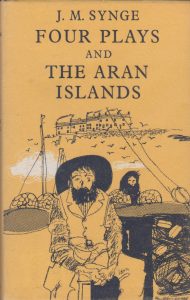
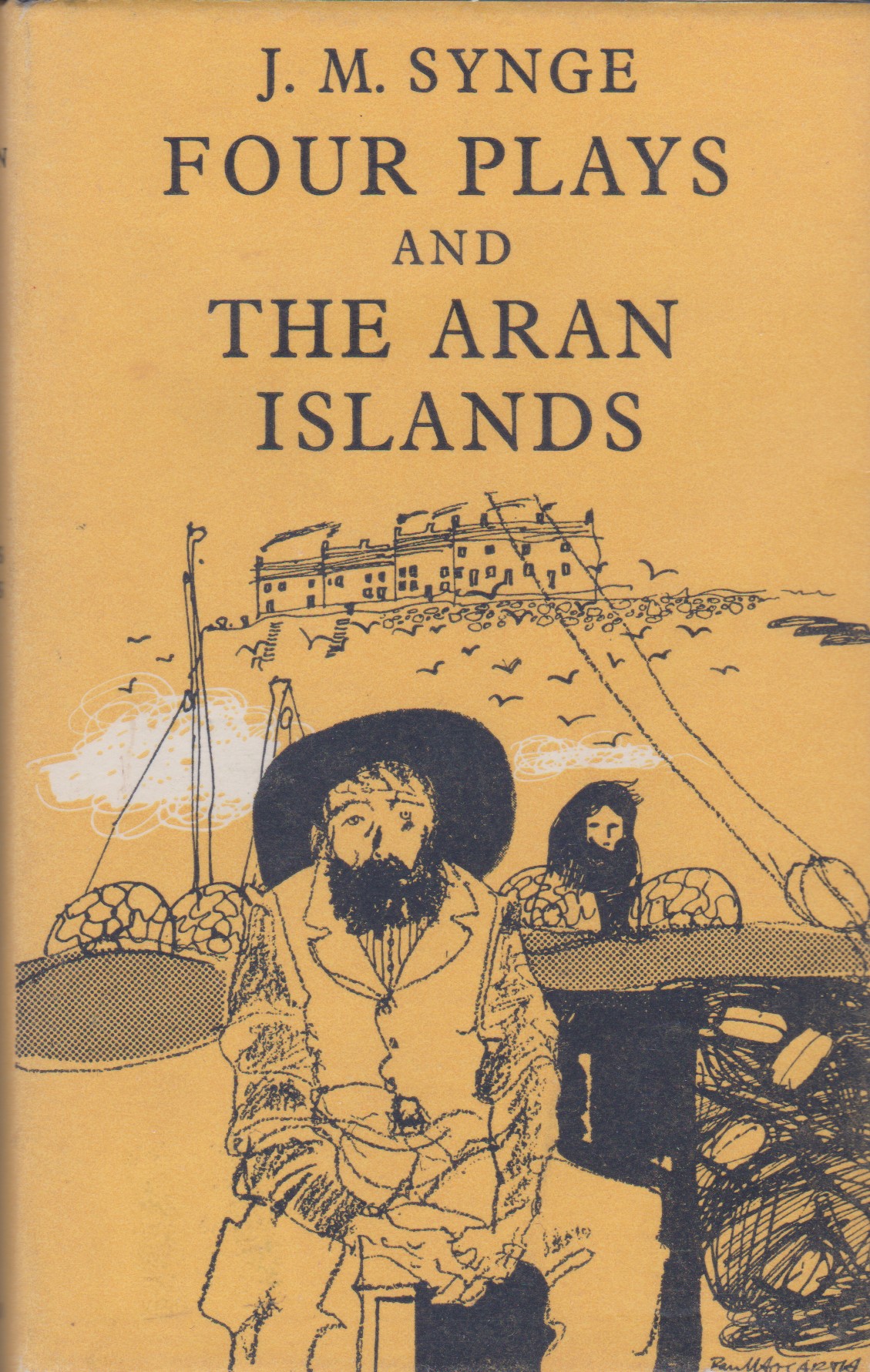
“The Aran Islands”, in particular, which I read at age 73.
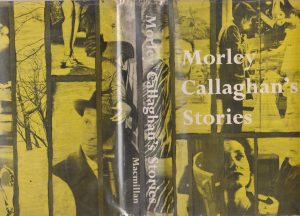
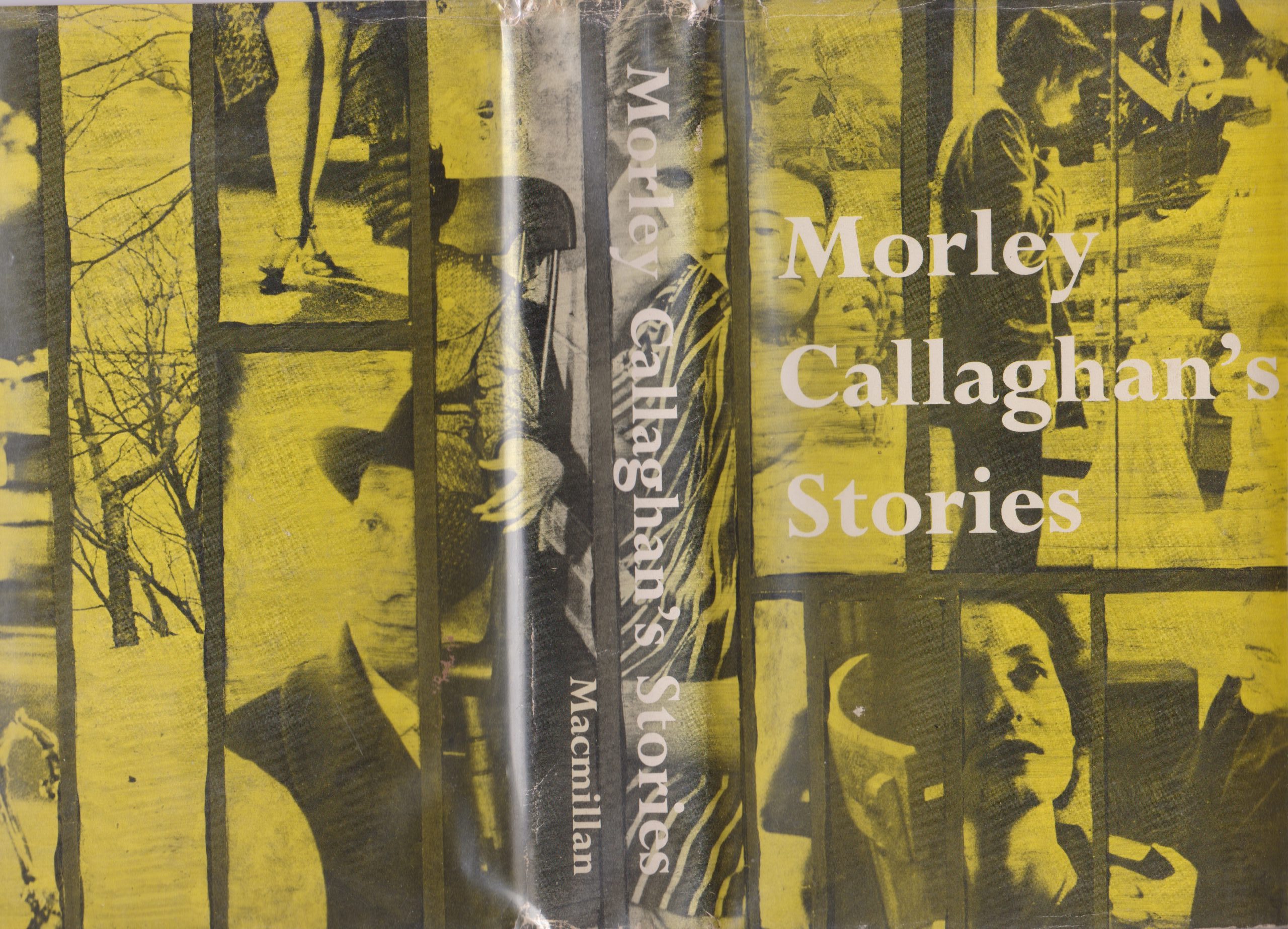
Back to my CanLit course, U of W 1969-70. I used many accessible Callaghan stories in my textbooks. One of Canada’s most undeservedly-ignored writers.
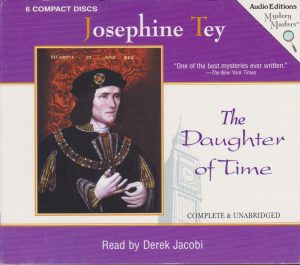
I taught Tey’s book back at Grand Centre High (now Cold Lake High) in 1973. An excellent book on agendas in history plus a whodunnit.
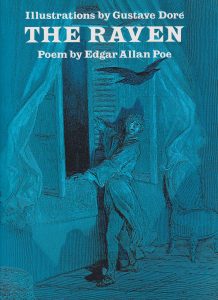
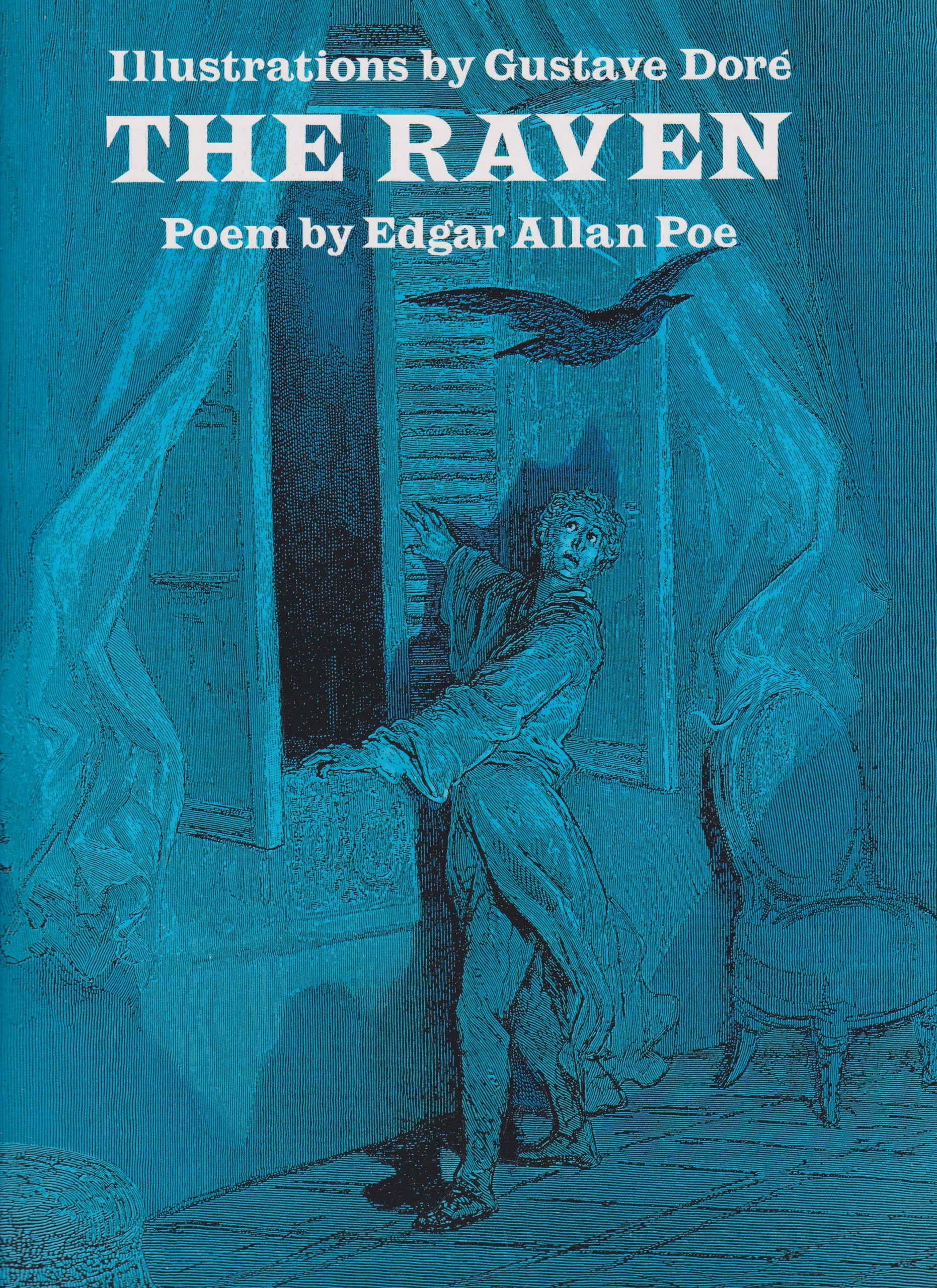
I have even written a poem based on this one called “Ode to a Raven.”
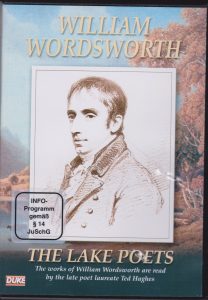
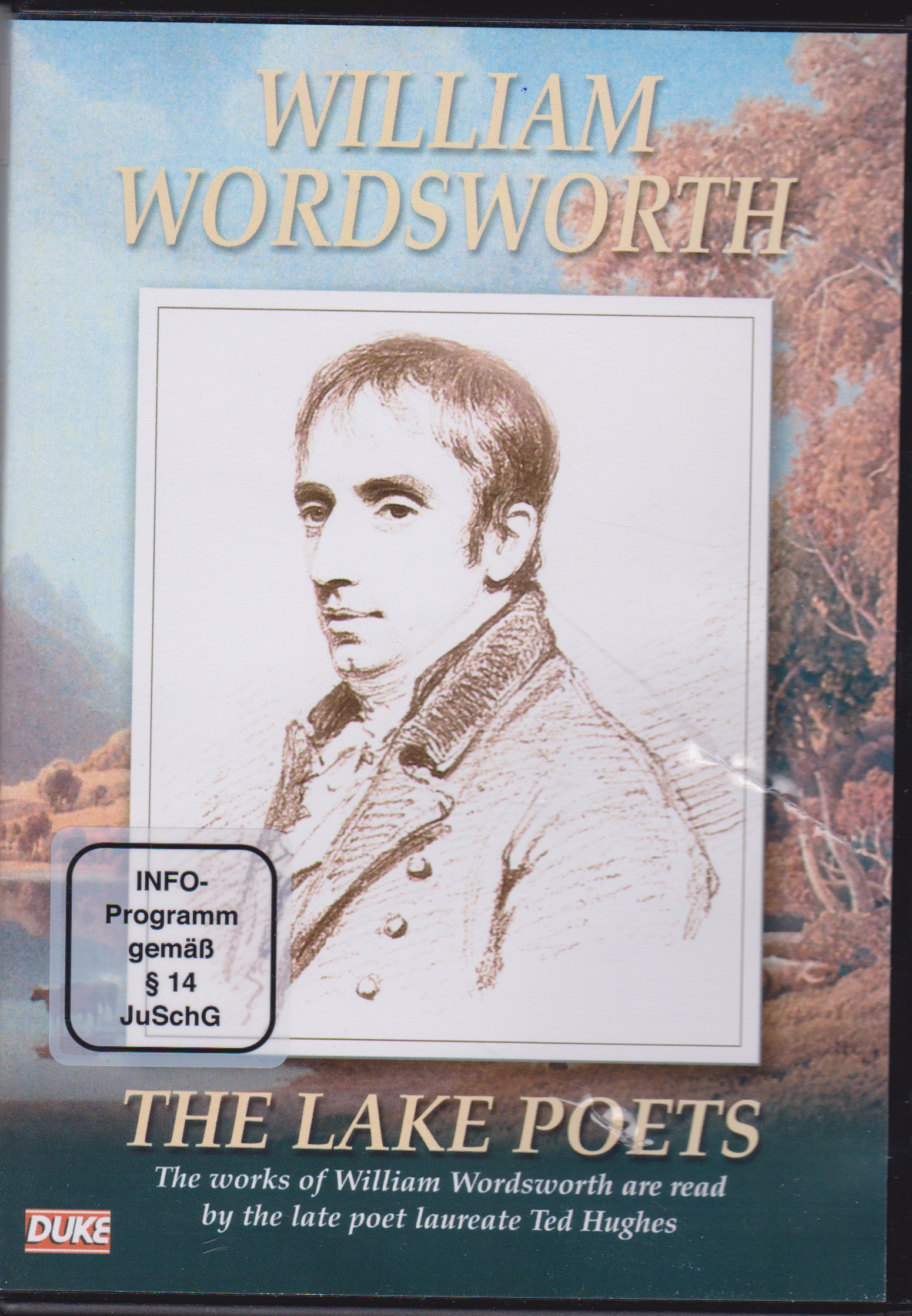
Many of his classic poems. The views of Nature and human process deeply connect for me.
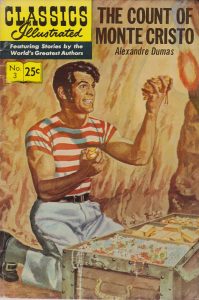
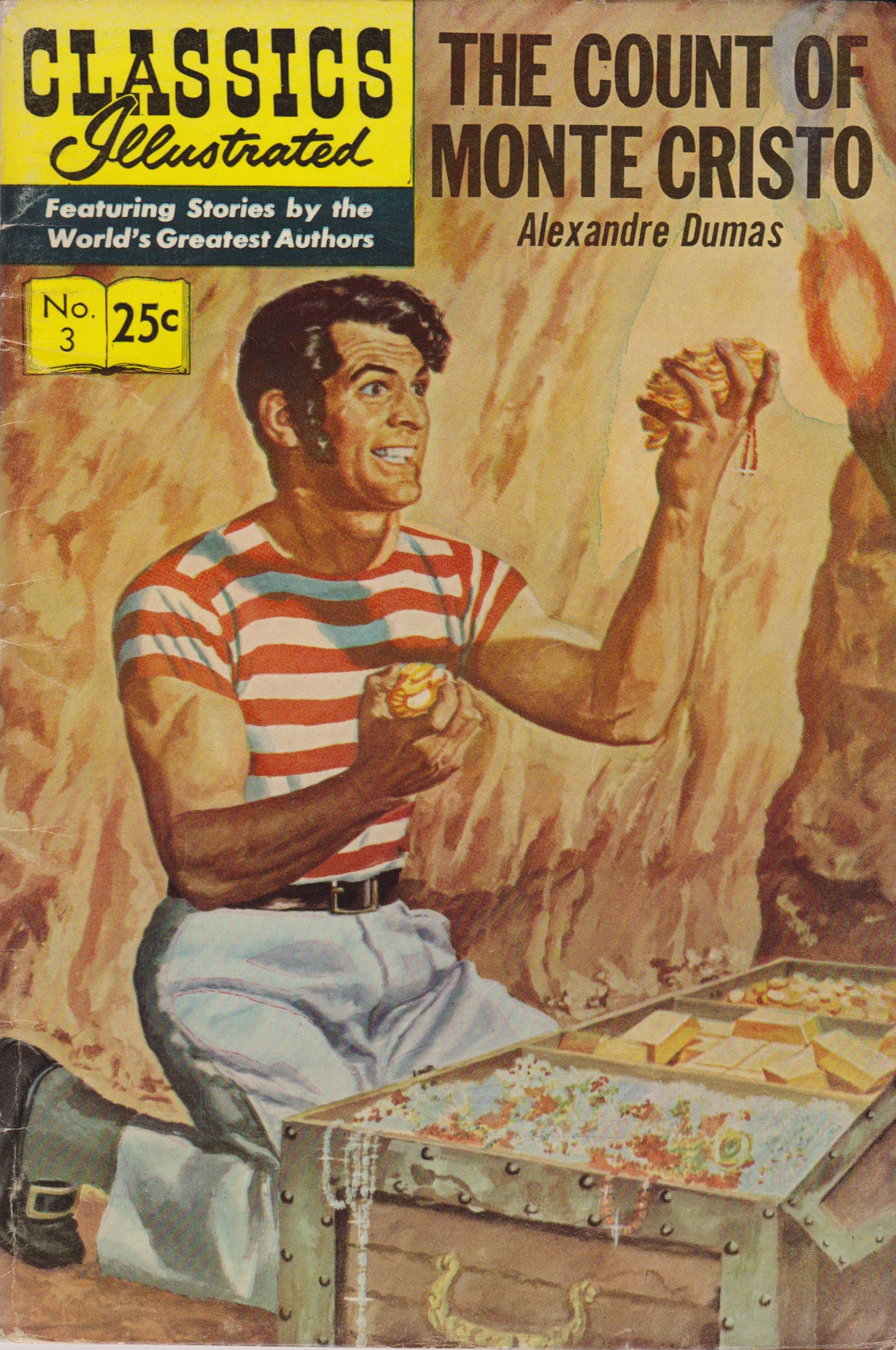
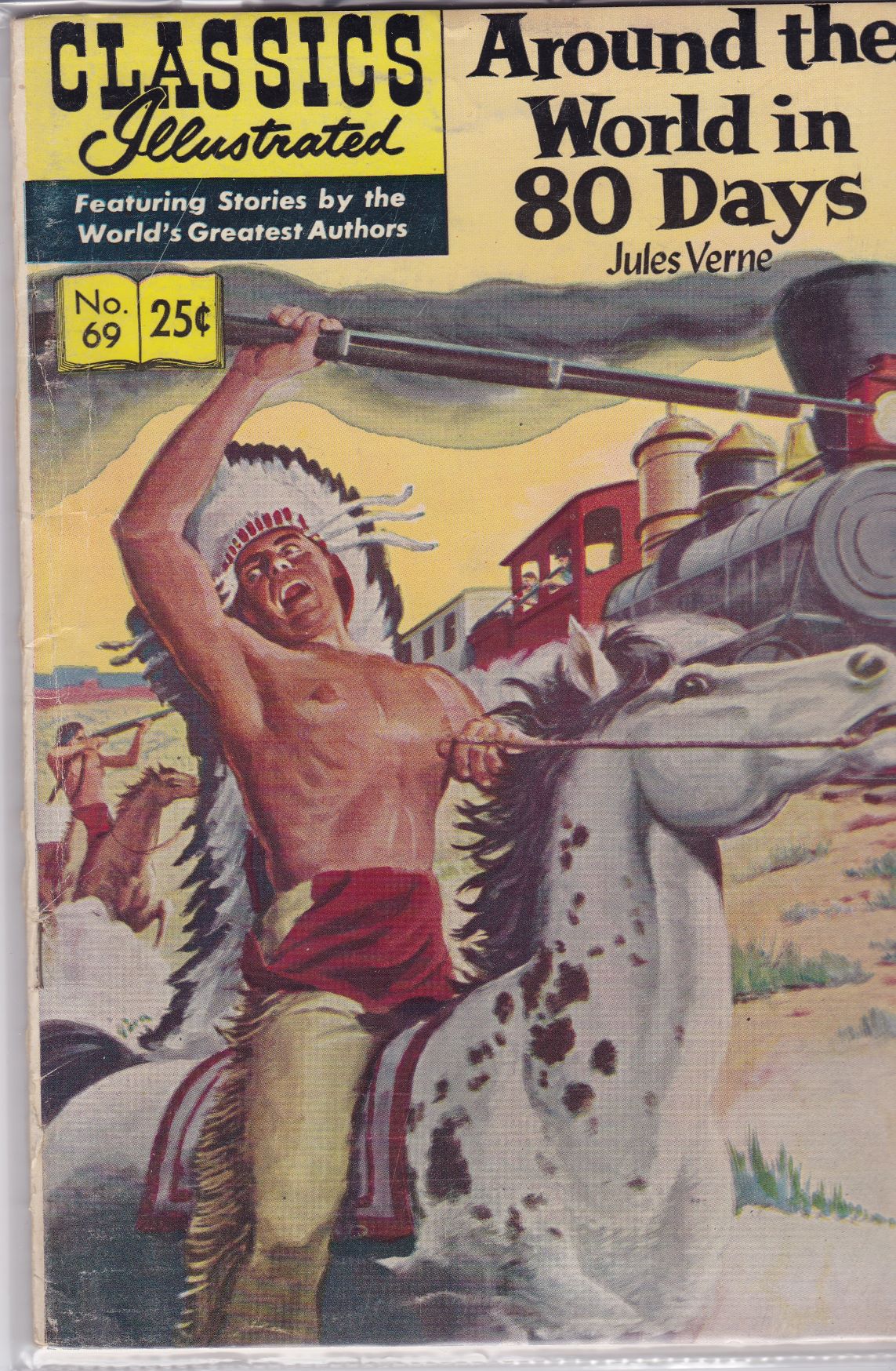
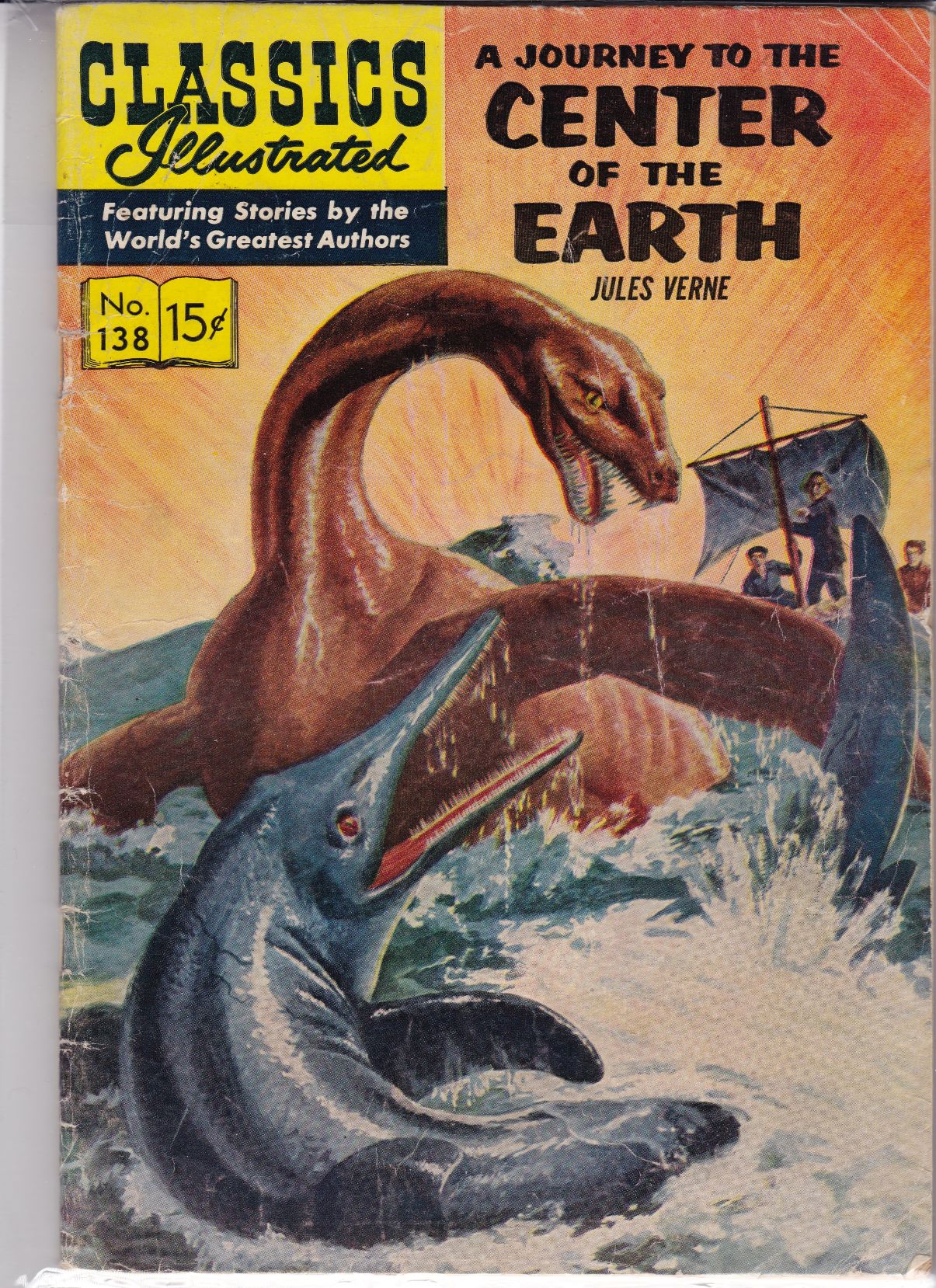
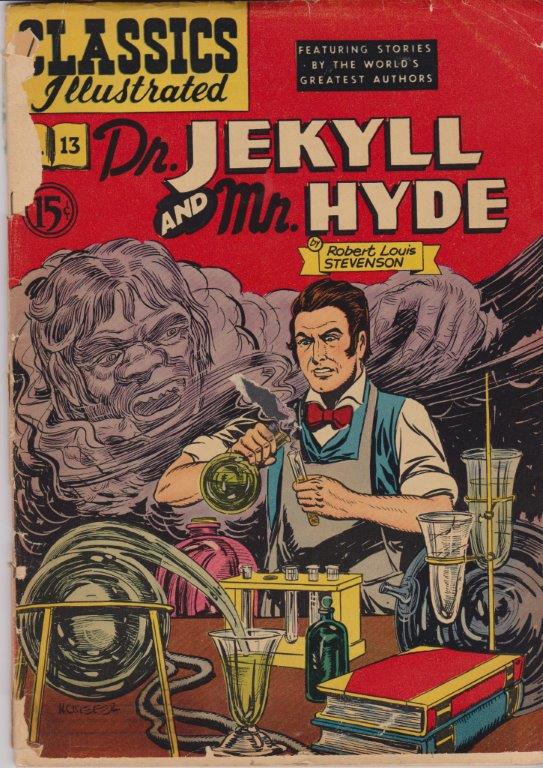
I got more into reading when I was 7-10 via Classics Illustrated comics.
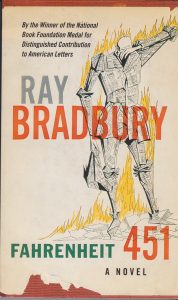
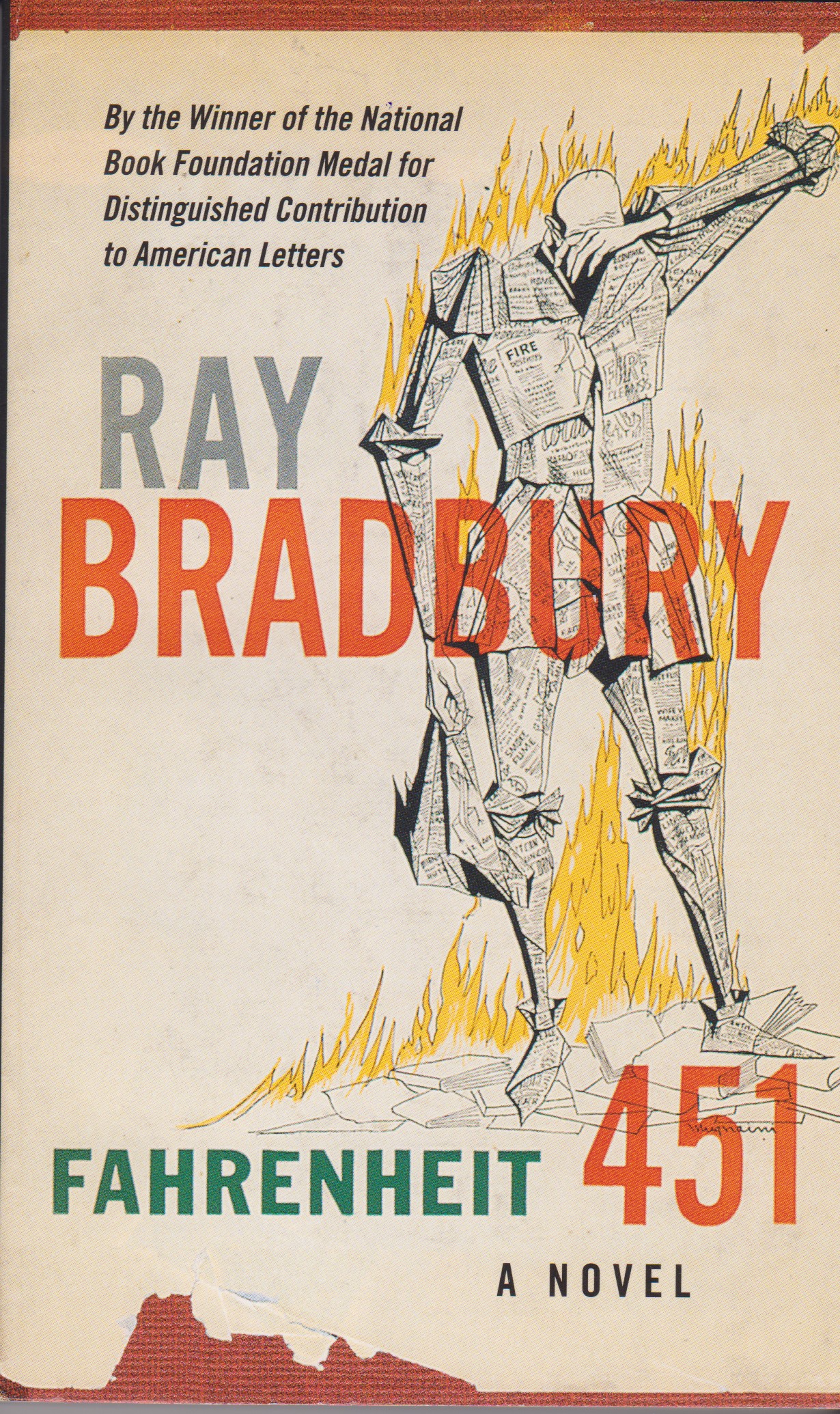
I first encountered Bradbury’s classic in 1972 when I started teaching English to grade 10s.
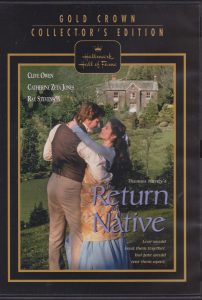
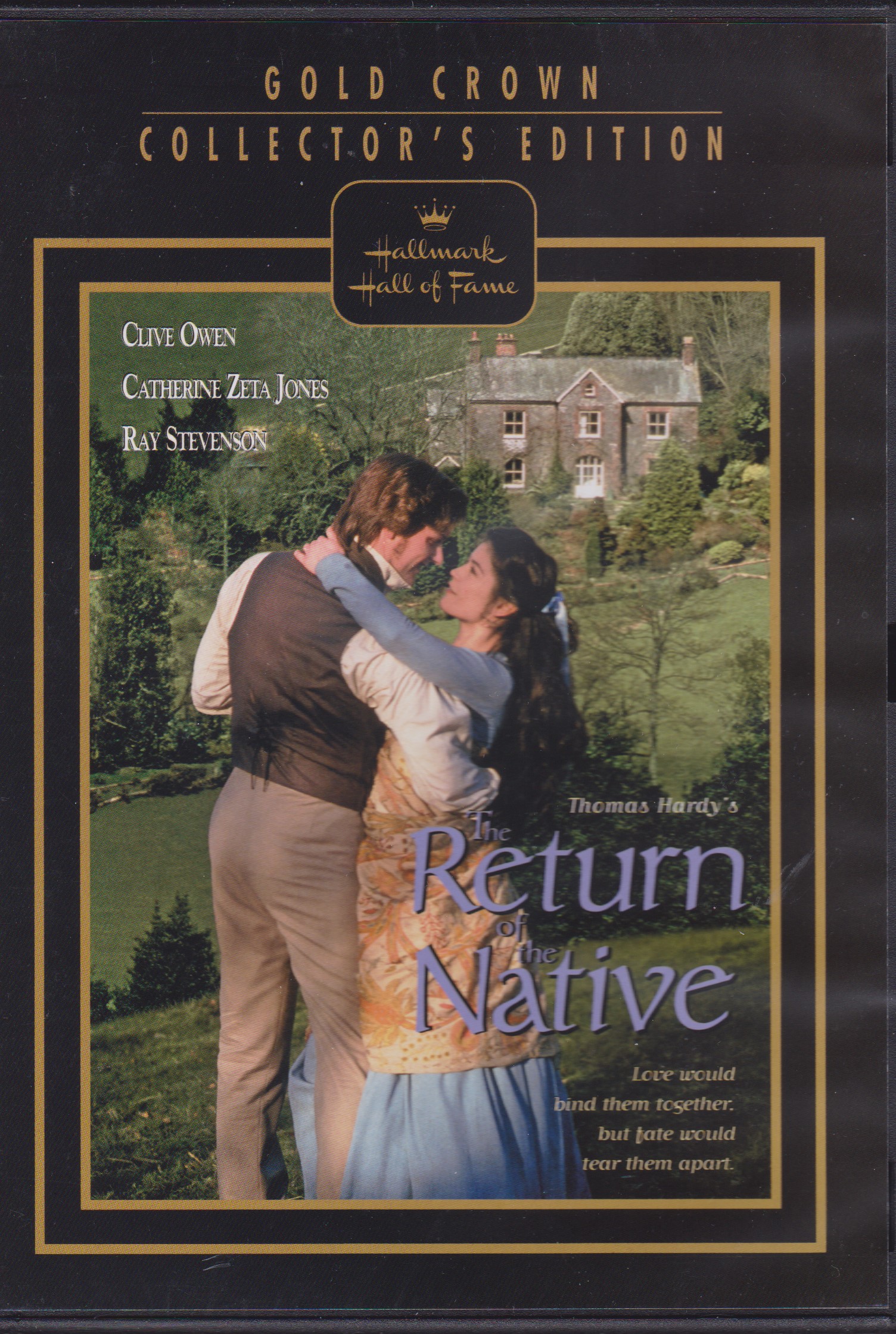
I studied and fell in love with Hardy’s book in grade 12 and his Mayor of Casterbridge in university.
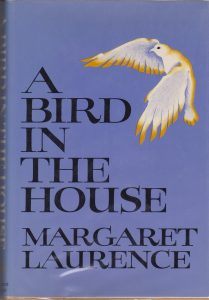
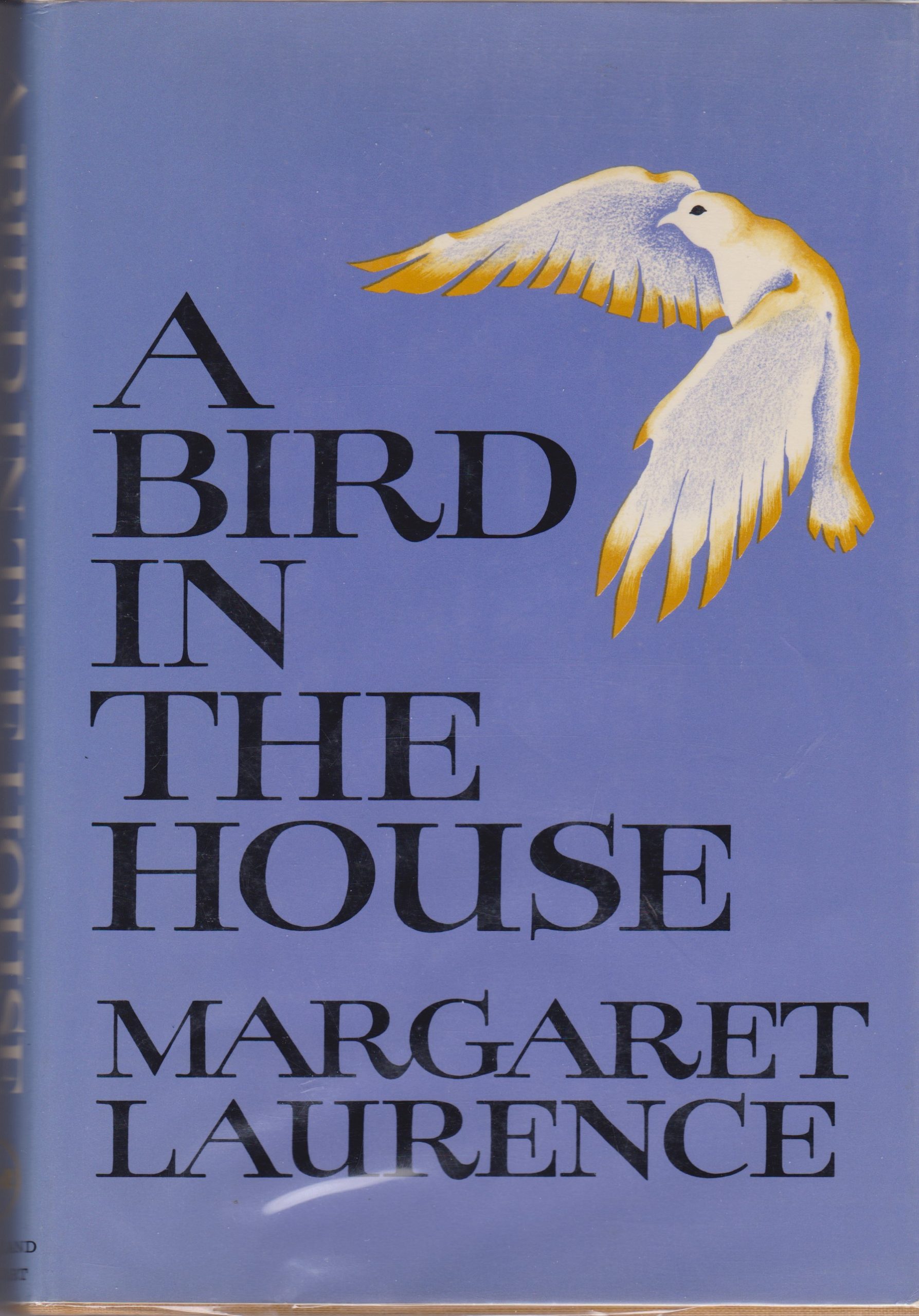
A Manitoba-Ontario writer: her greatest accomplishment. I taught this book successfully to academic grade 10s in the 1990s. Clever interweaving of stories, characters, memories, and times.
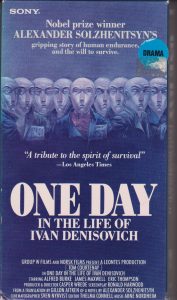
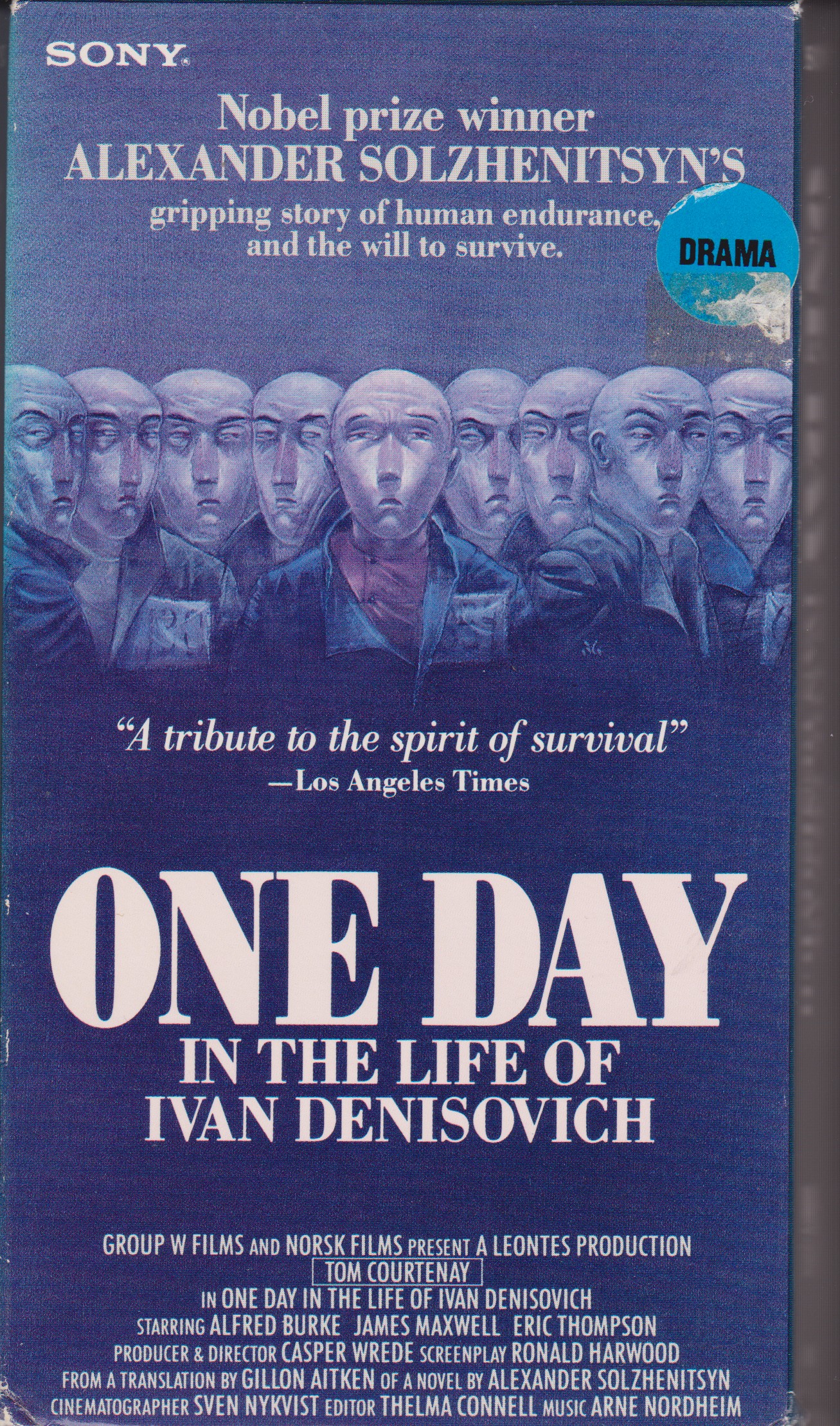
A grim book I read and taught once in the late ’70s. An unforgettable study of bare existence in a Siberian Soviet prison camp.
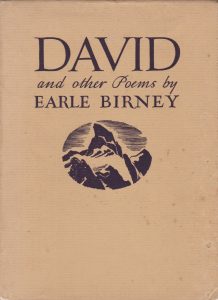
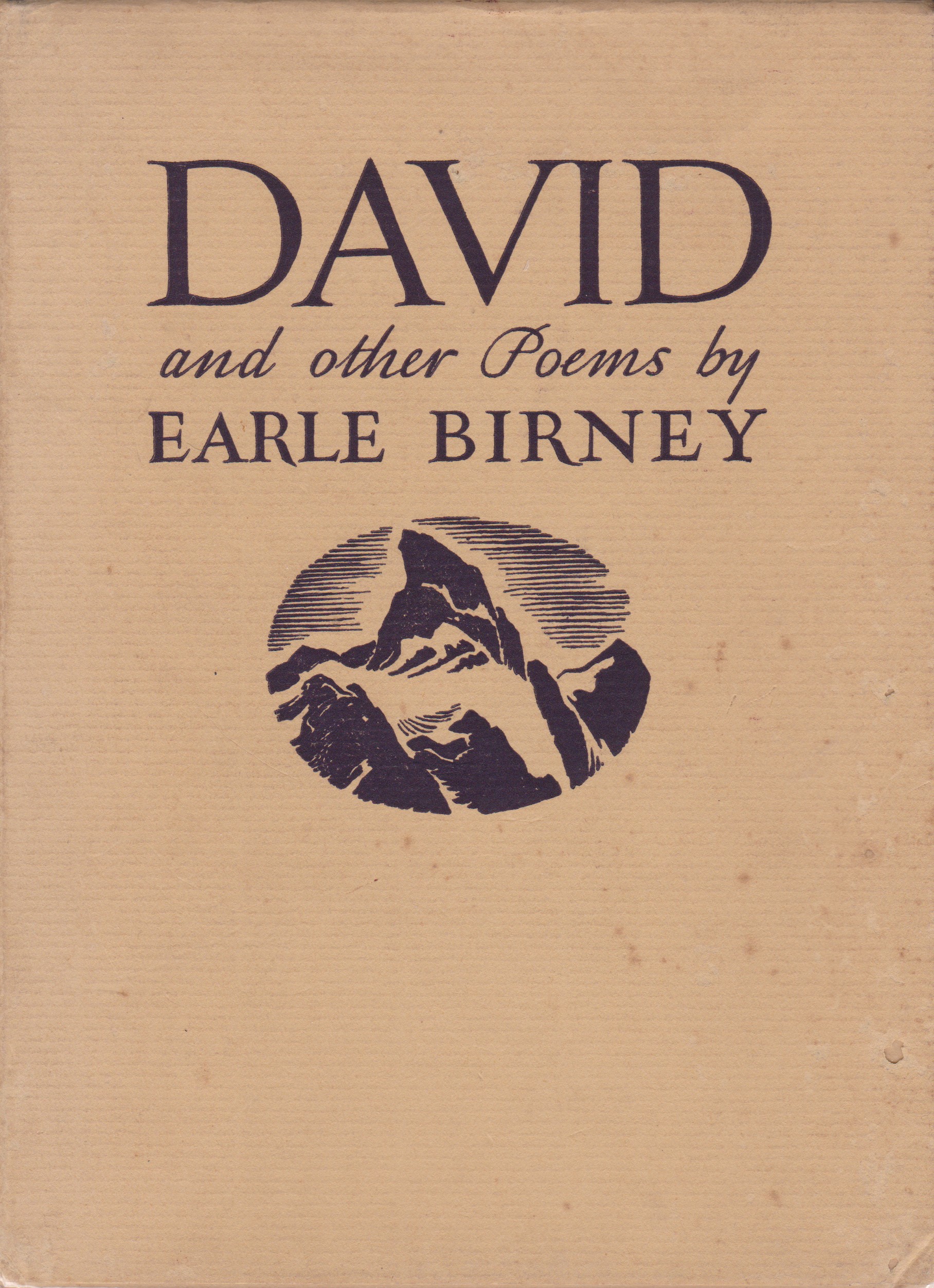
“David”, the greatest Canadian poem, I encountered in grade 5 and in university.
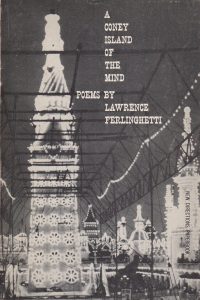
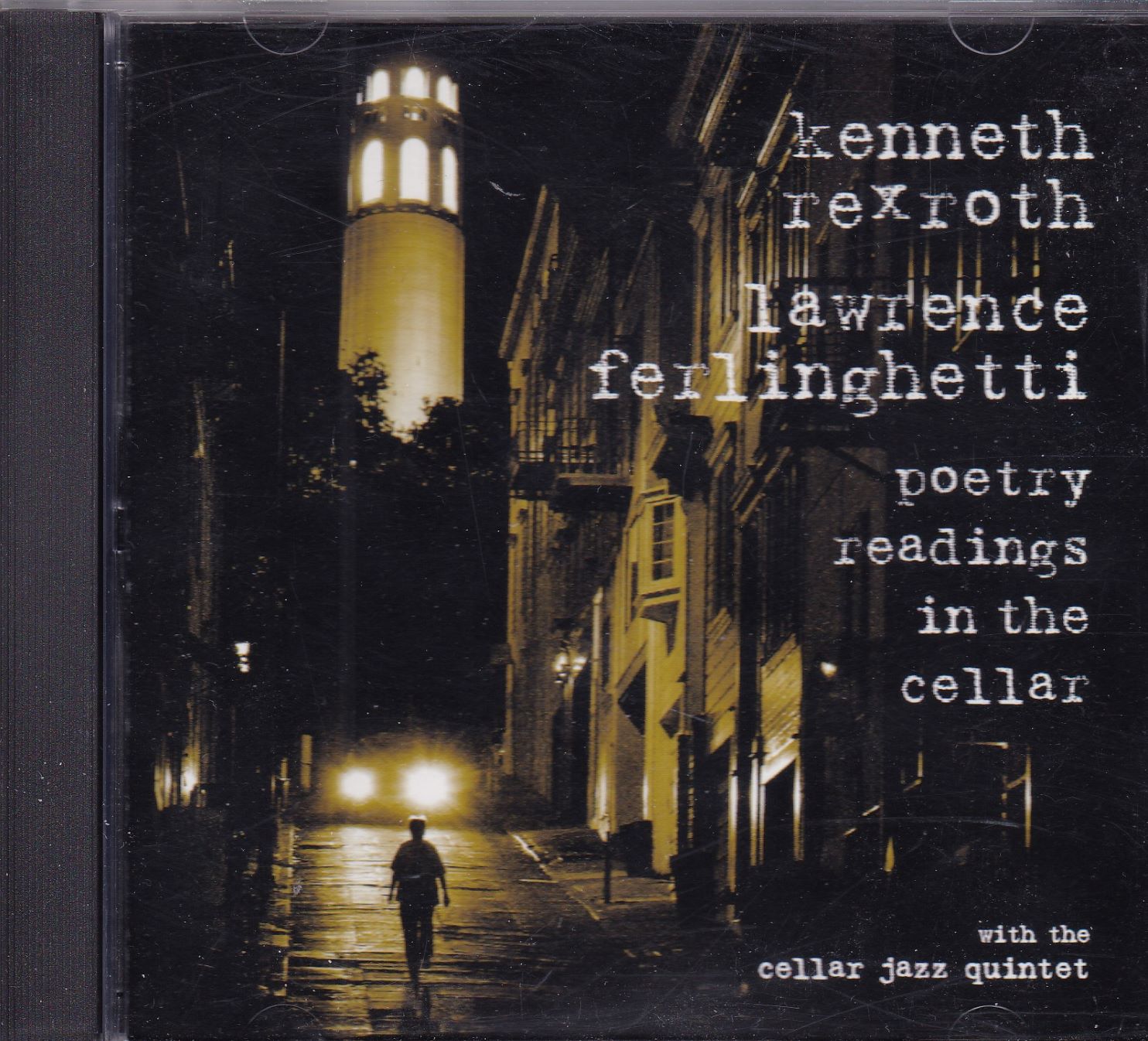
I had to wait till an American Lit course in 3rd year u to encounter the most ironic and best Beat poetry collection. (Ferlinghetti lived past 100 BTW!)
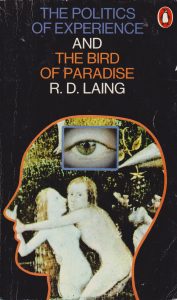
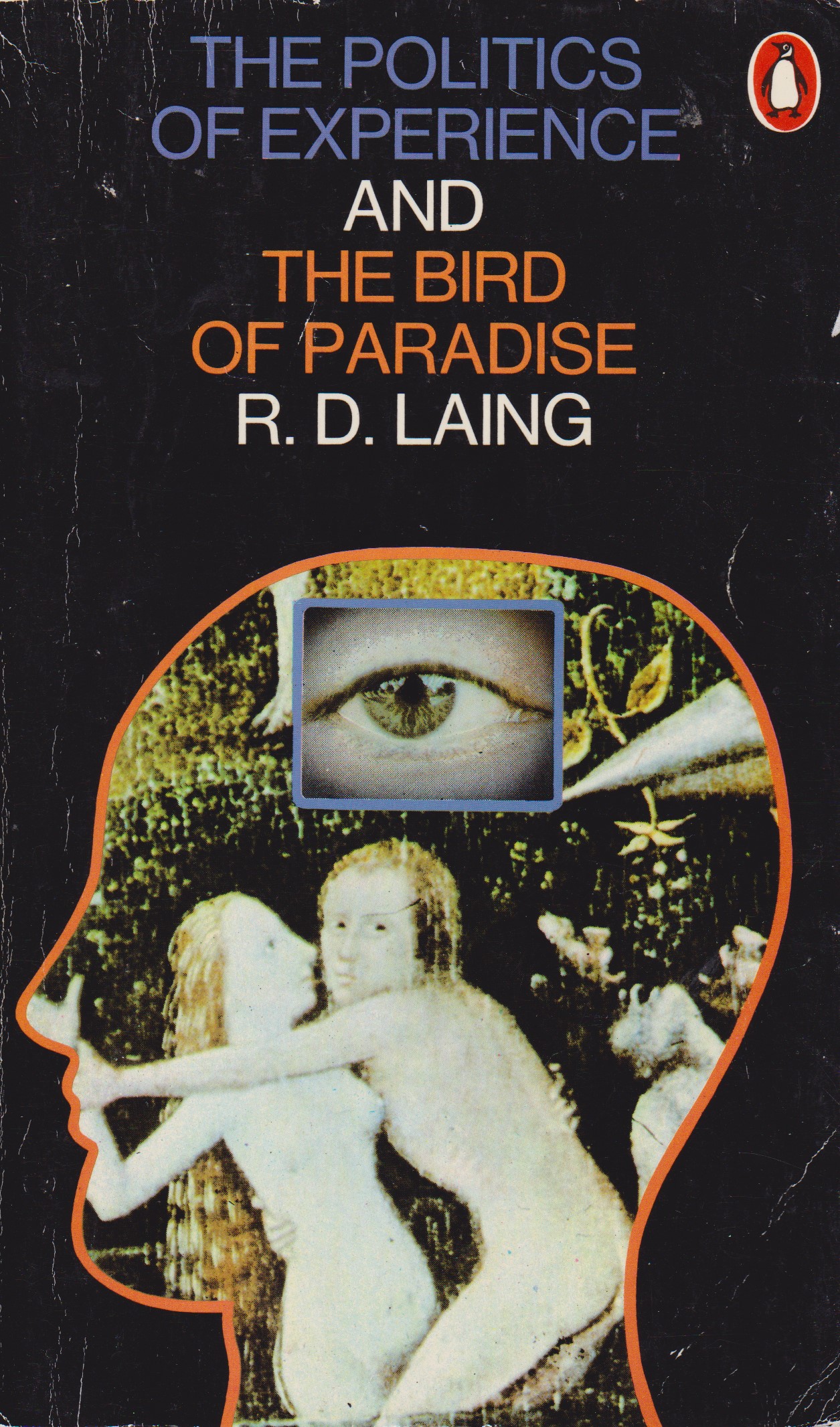
“The Politics of Experience” greatly changed my views of the individual with respect to reality and illusion.
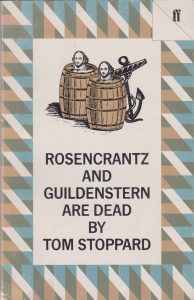
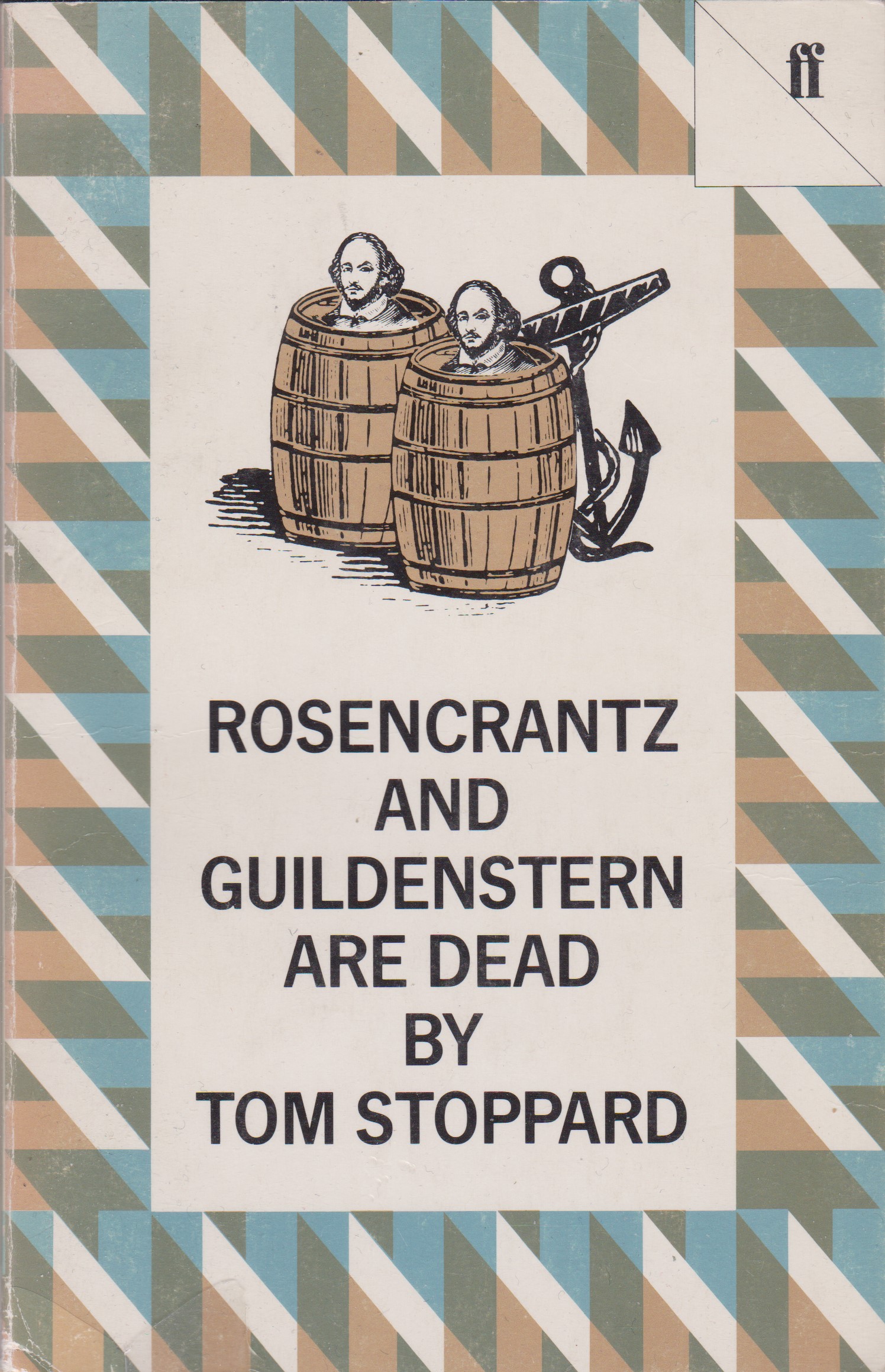
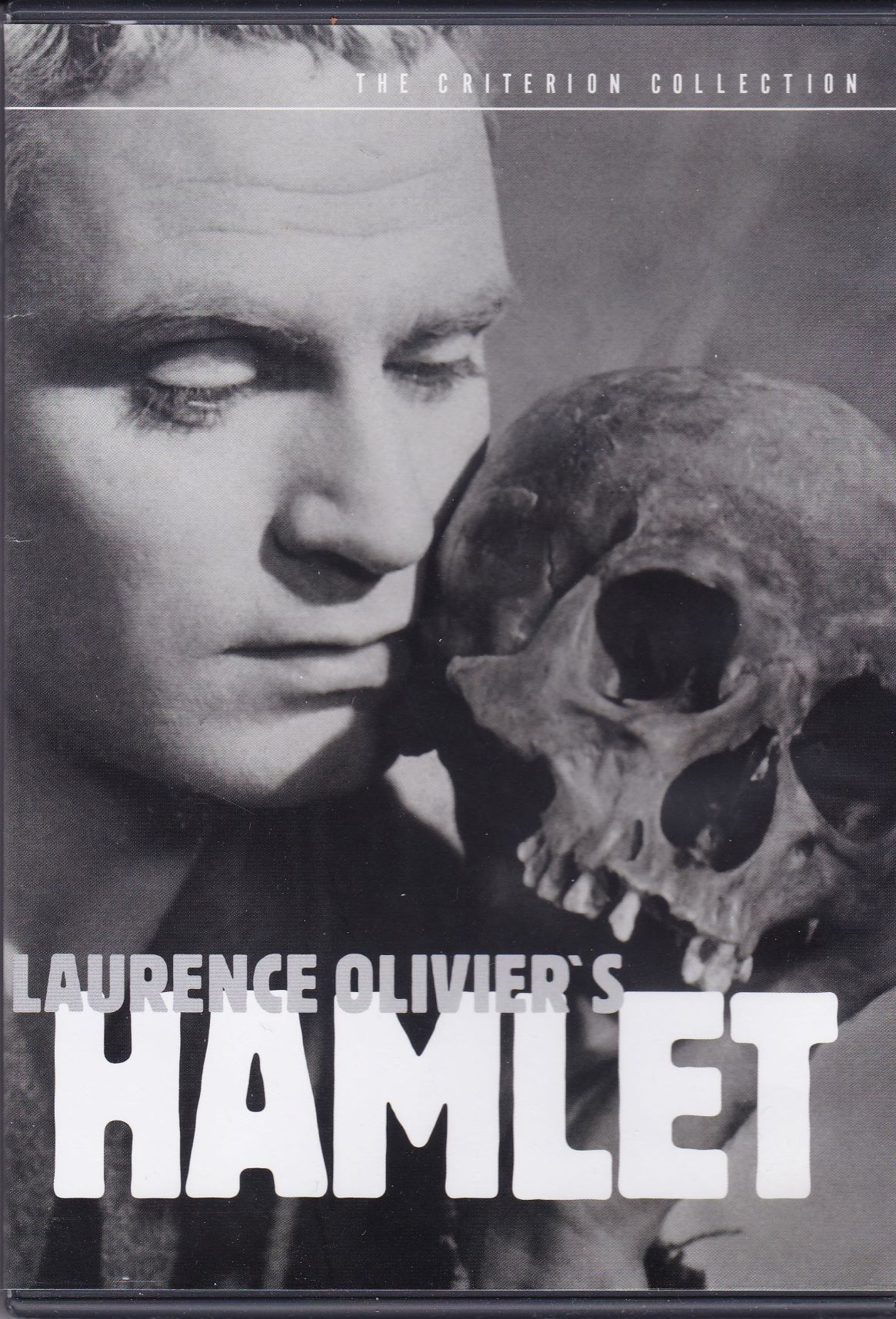
Likewise, a U of A reading experience after seeing the very witty play in 1972 and one more time after that at ye olde Corbett Hall Studio Theatre. A must-read/see for anyone who knows Hamlet.
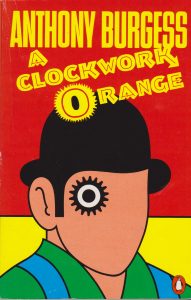
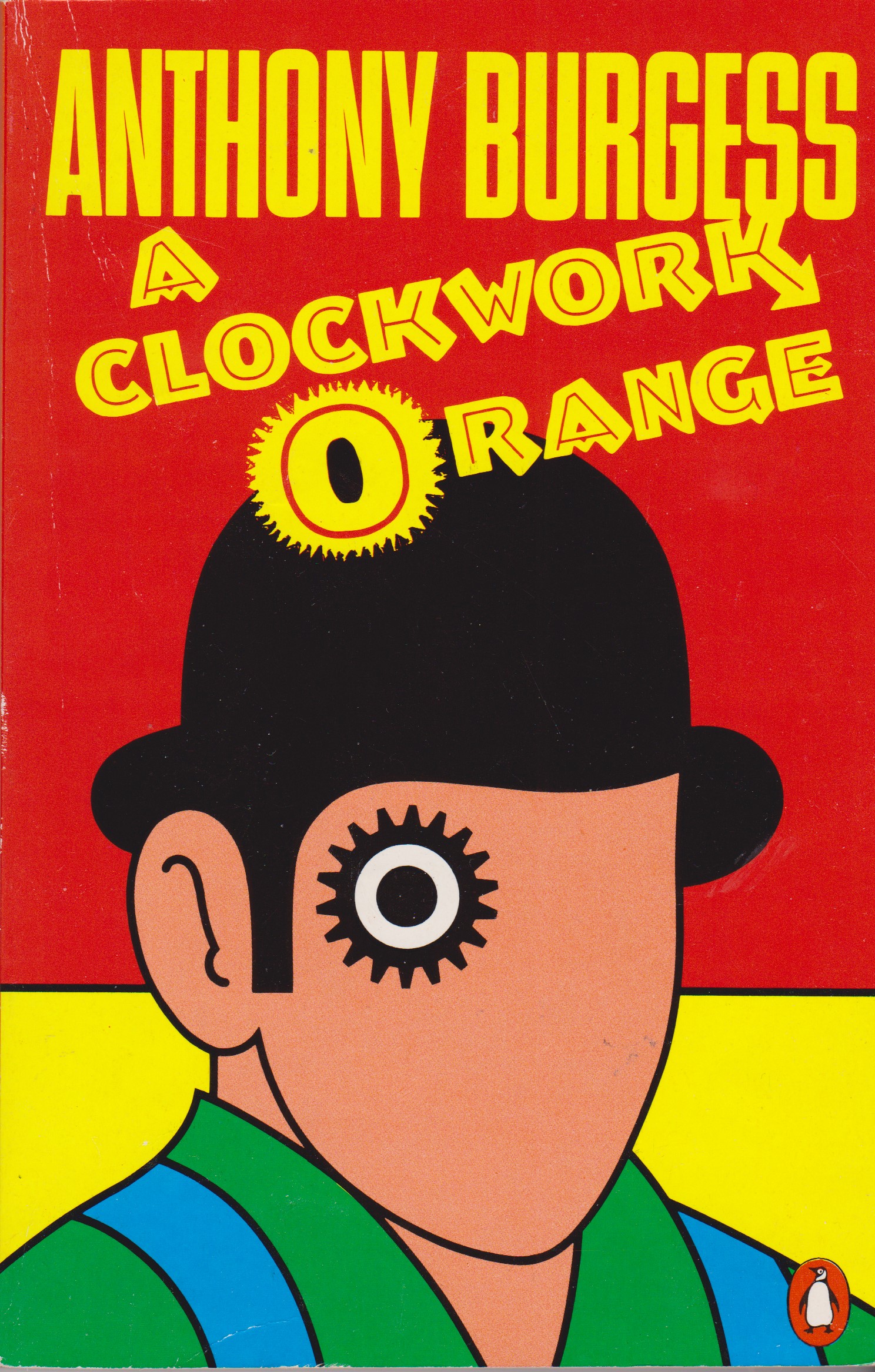
A 1975 oddity I nearly taught at McNally before my principal dissuaded me because of the violence and the reputation of Kubrick’s movie. A veritable language/slang immersion set in the future.
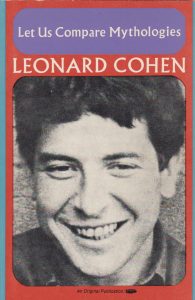
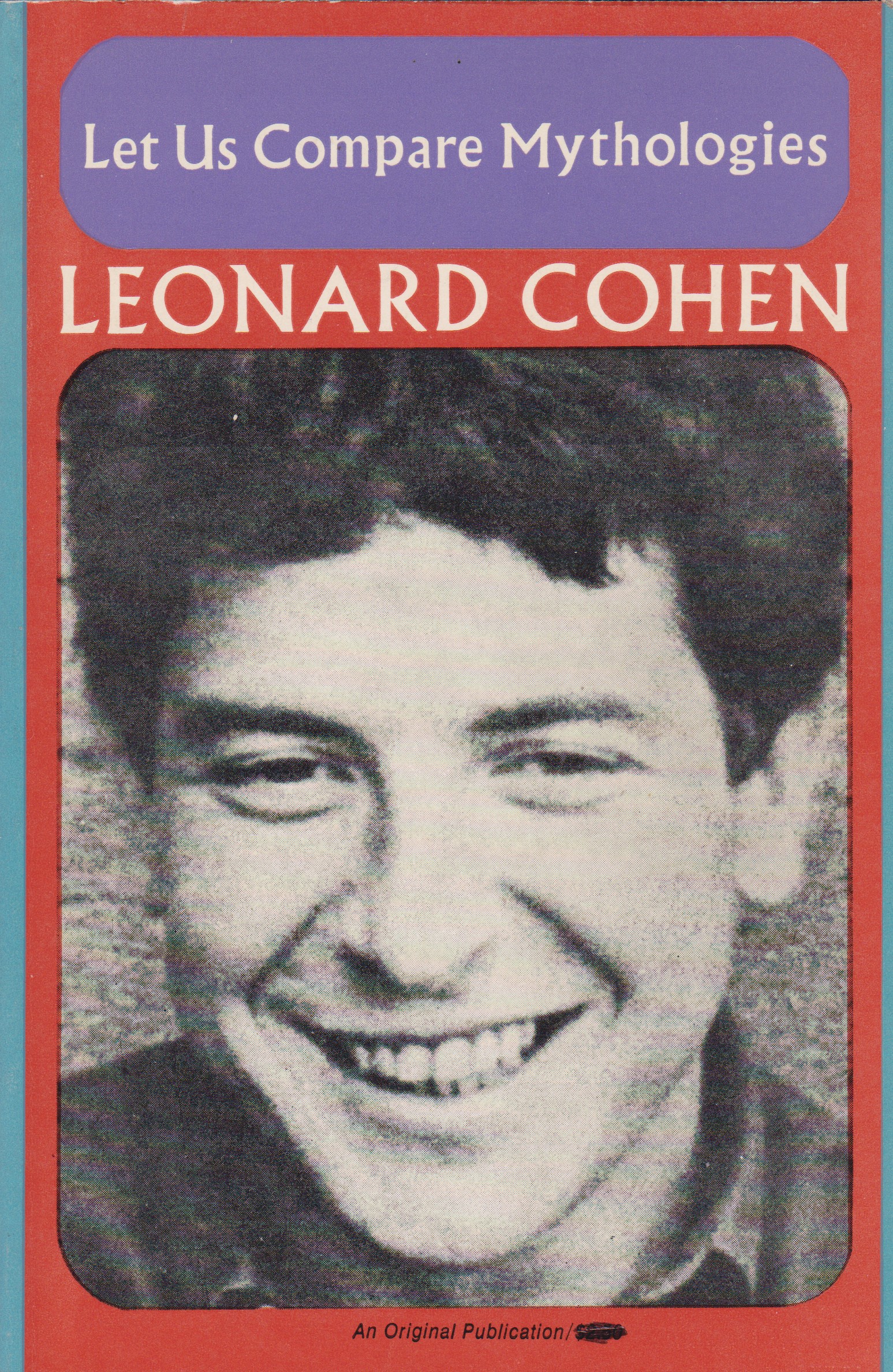
Cohen’s influence started for me early with the McClelland and Stewart series.
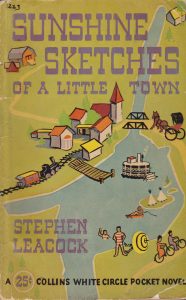
Studied this one in ’69-70 in a Can Lit course. Very touching finale chapter.
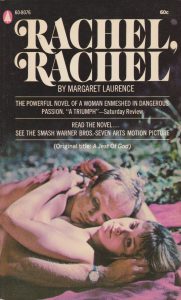
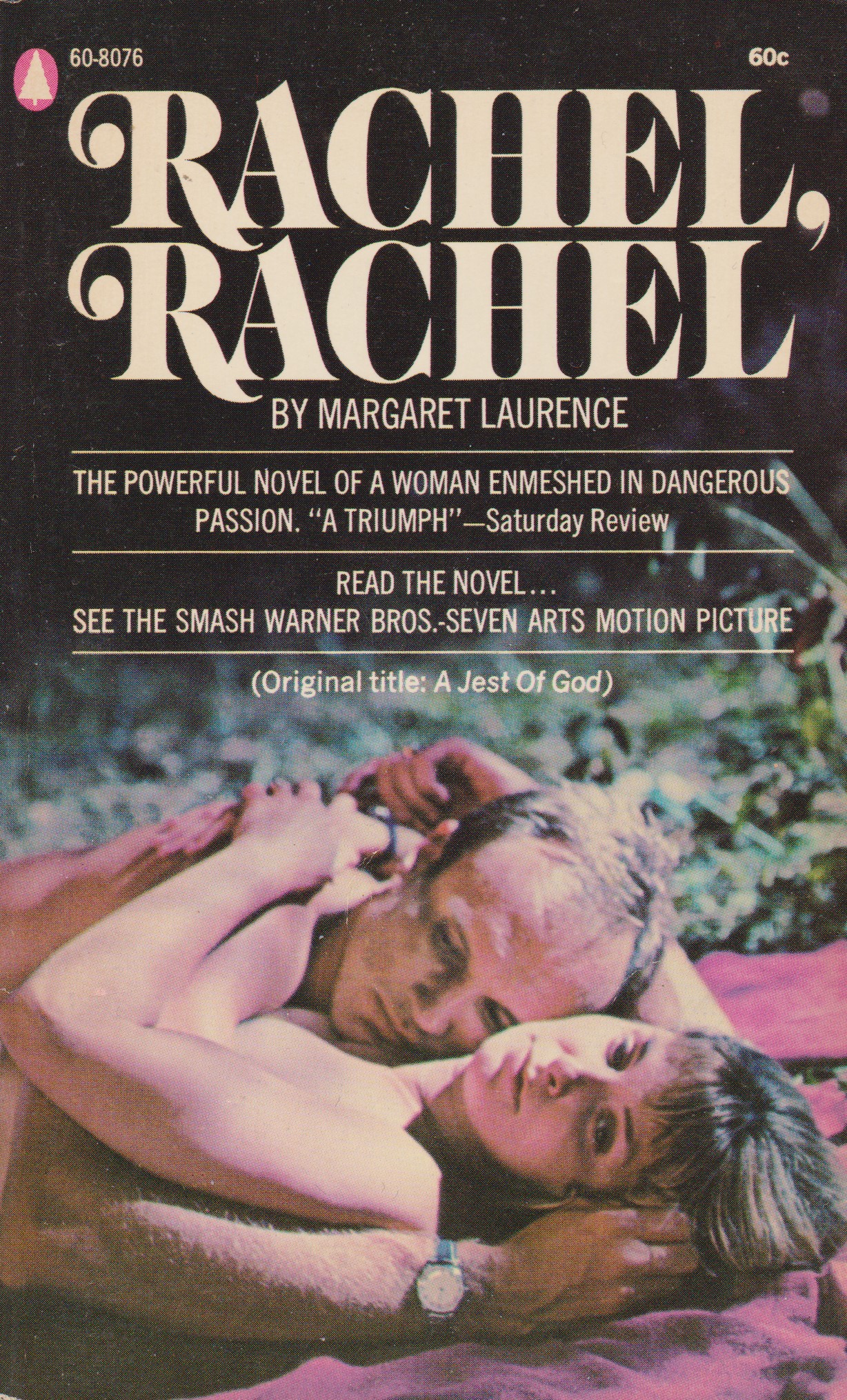
A.k.a. A Jest of God. Great timing: Paul Newman’s/Joanne Woodward’s movie was shown at the U of W the same year I studied this book by a Manitoba author. First modern realistic woman character’s book I ever read.
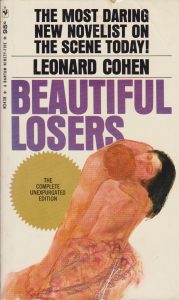
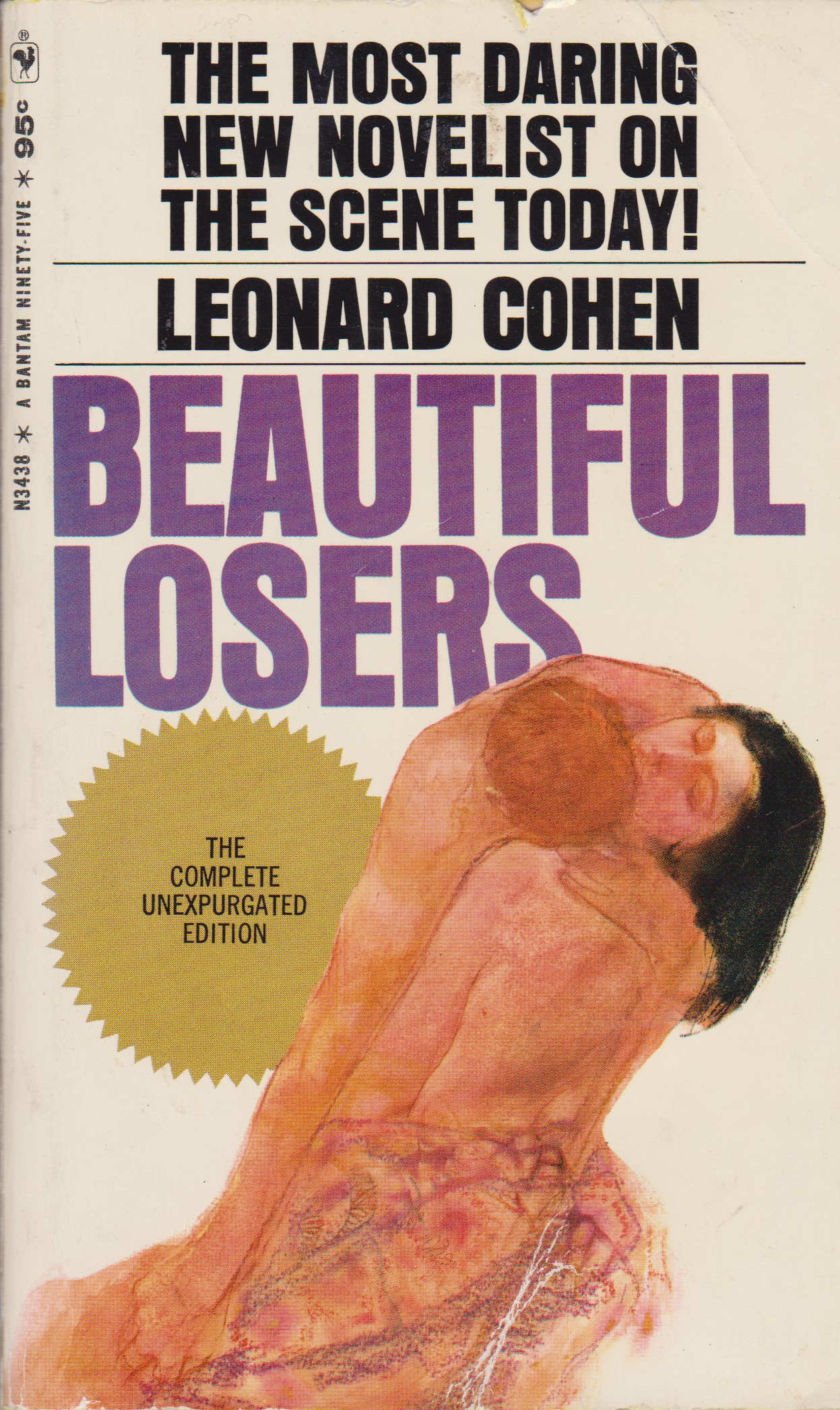
Read Cohen’s pornographic drugged-out classic at the same time. Was interested then in his crazy attempt to fuse sexuality with spirituality.
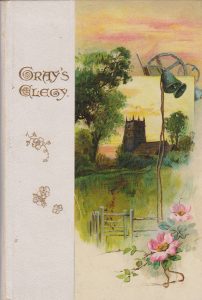
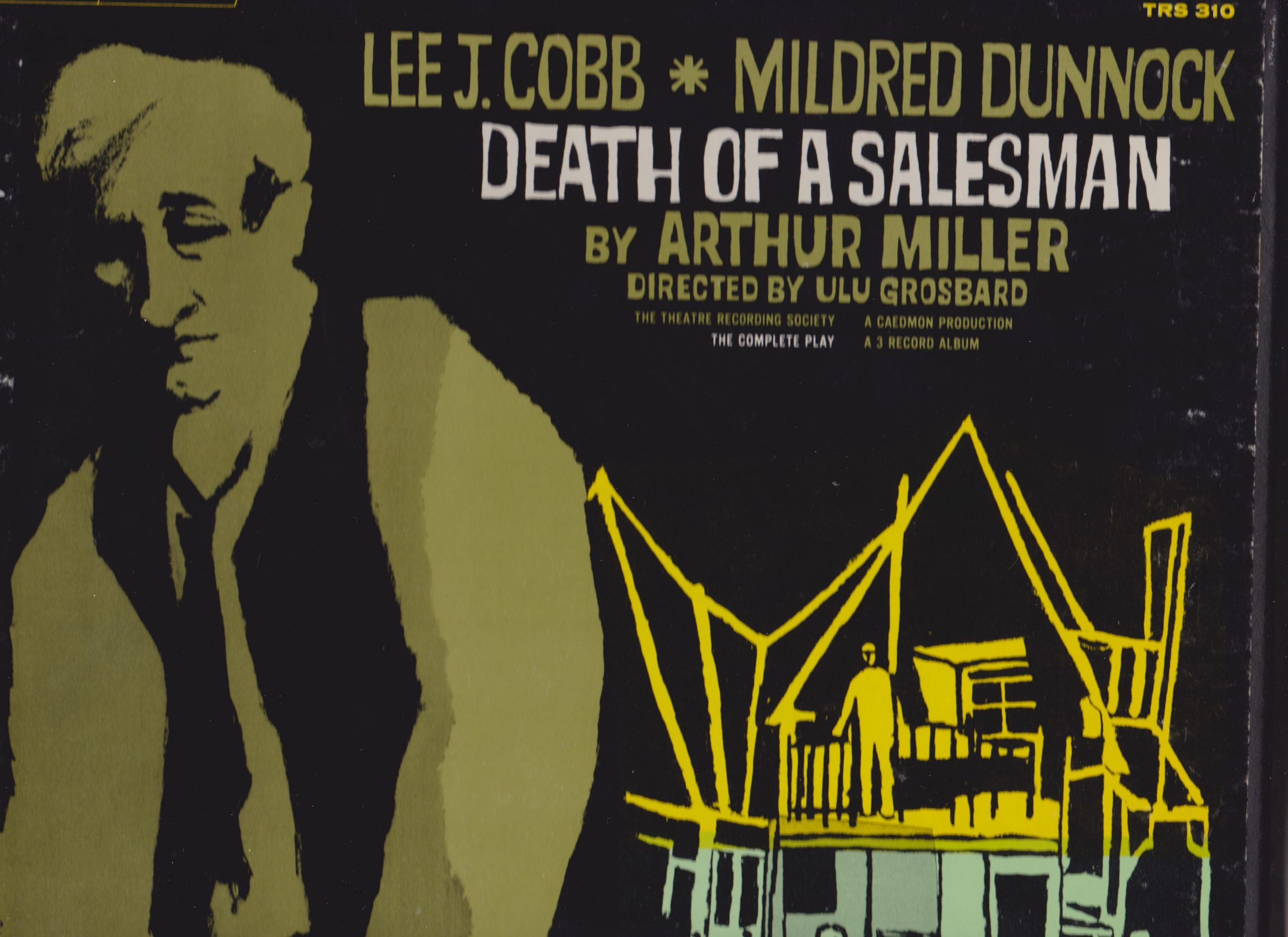
I keep coming back to this romantic classic about the life and death of a common man.
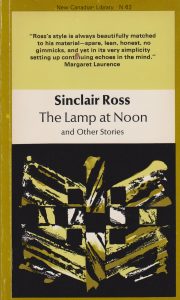
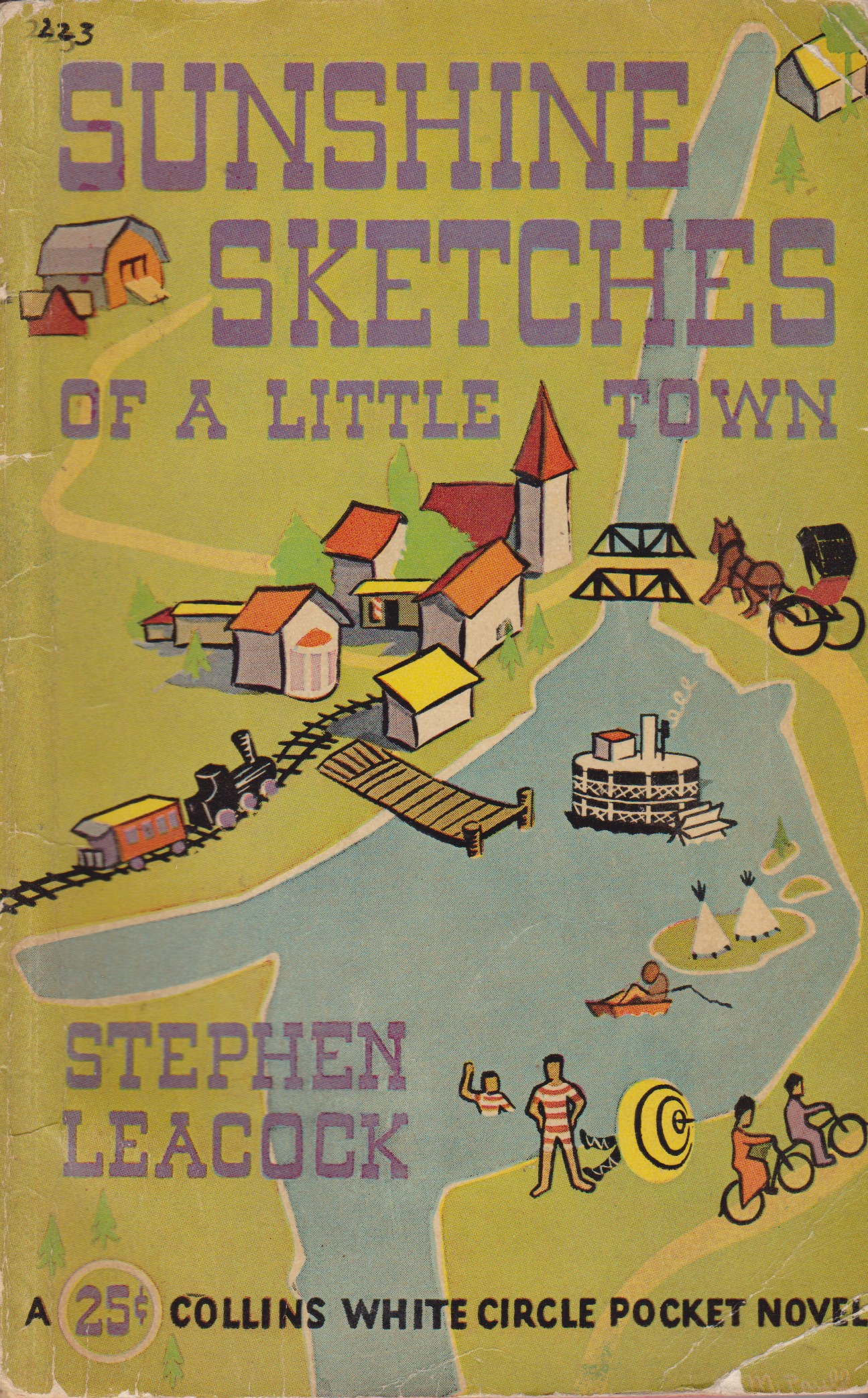
A kind of bible of prairie stories to draw on for teaching in the sticks–Grand Centre, 1972-75. Later used many of these stories in my textbooks.
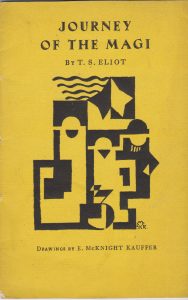
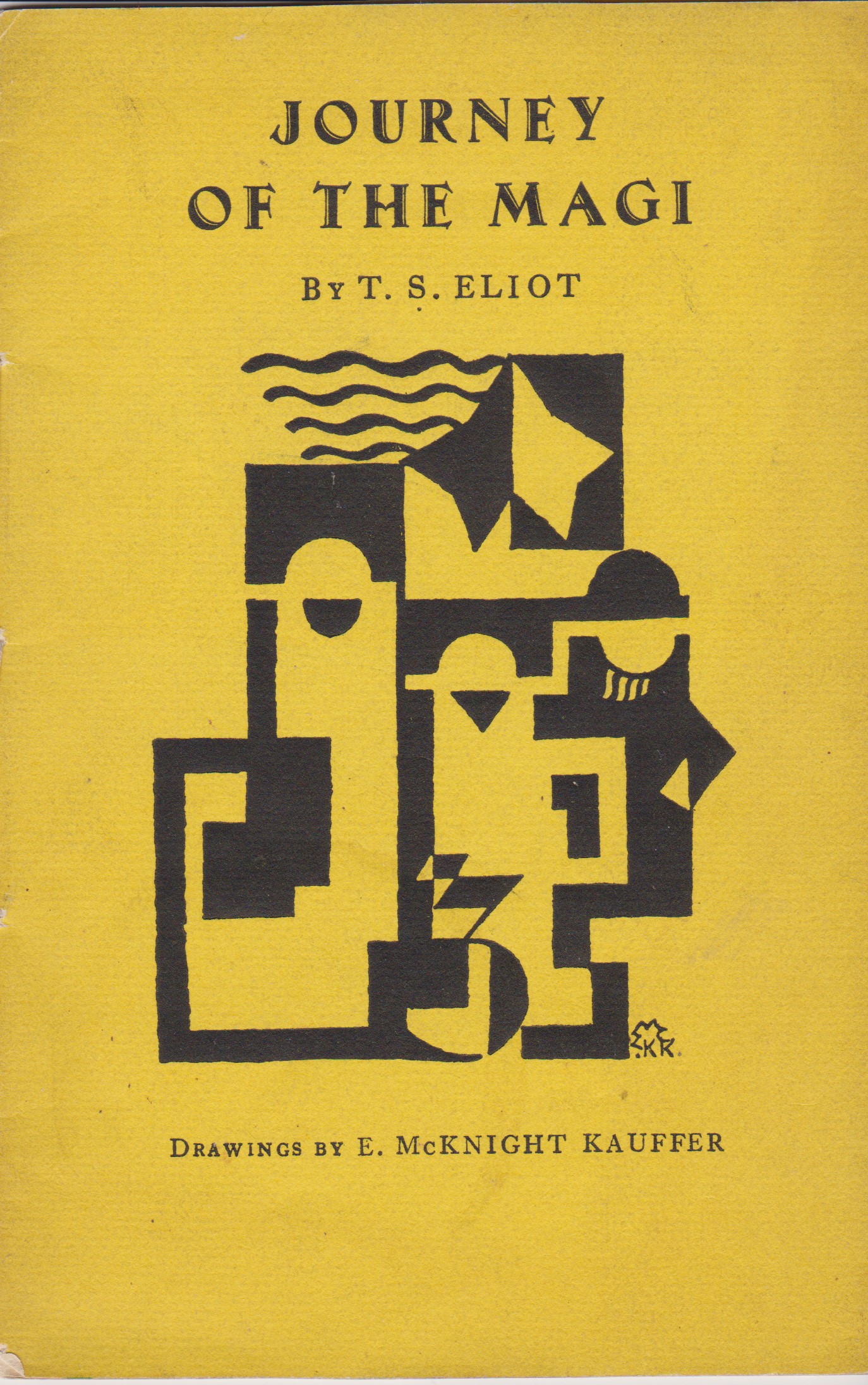
One of my favorite Eliot poems from grade 12 on. Intrigued by the mysteries of it still.
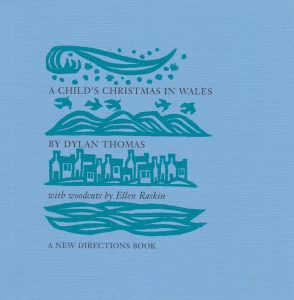
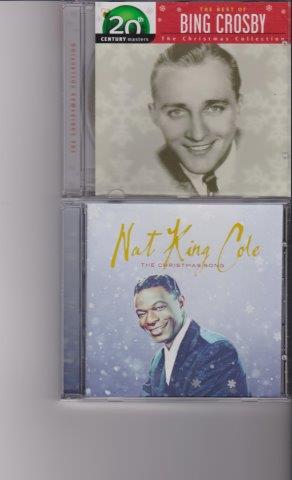
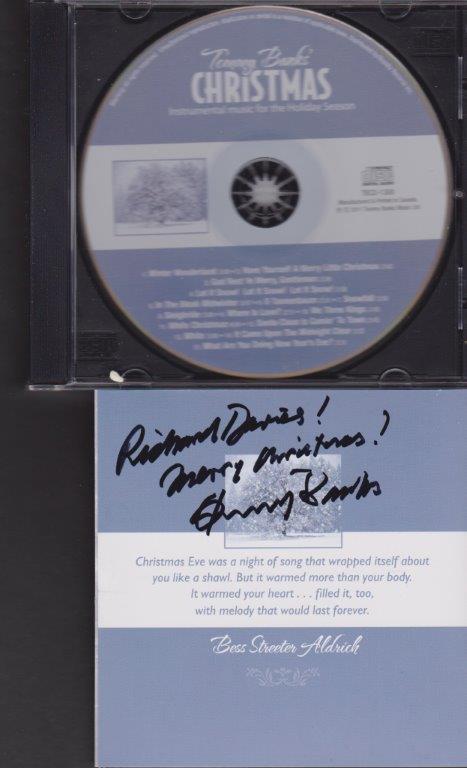
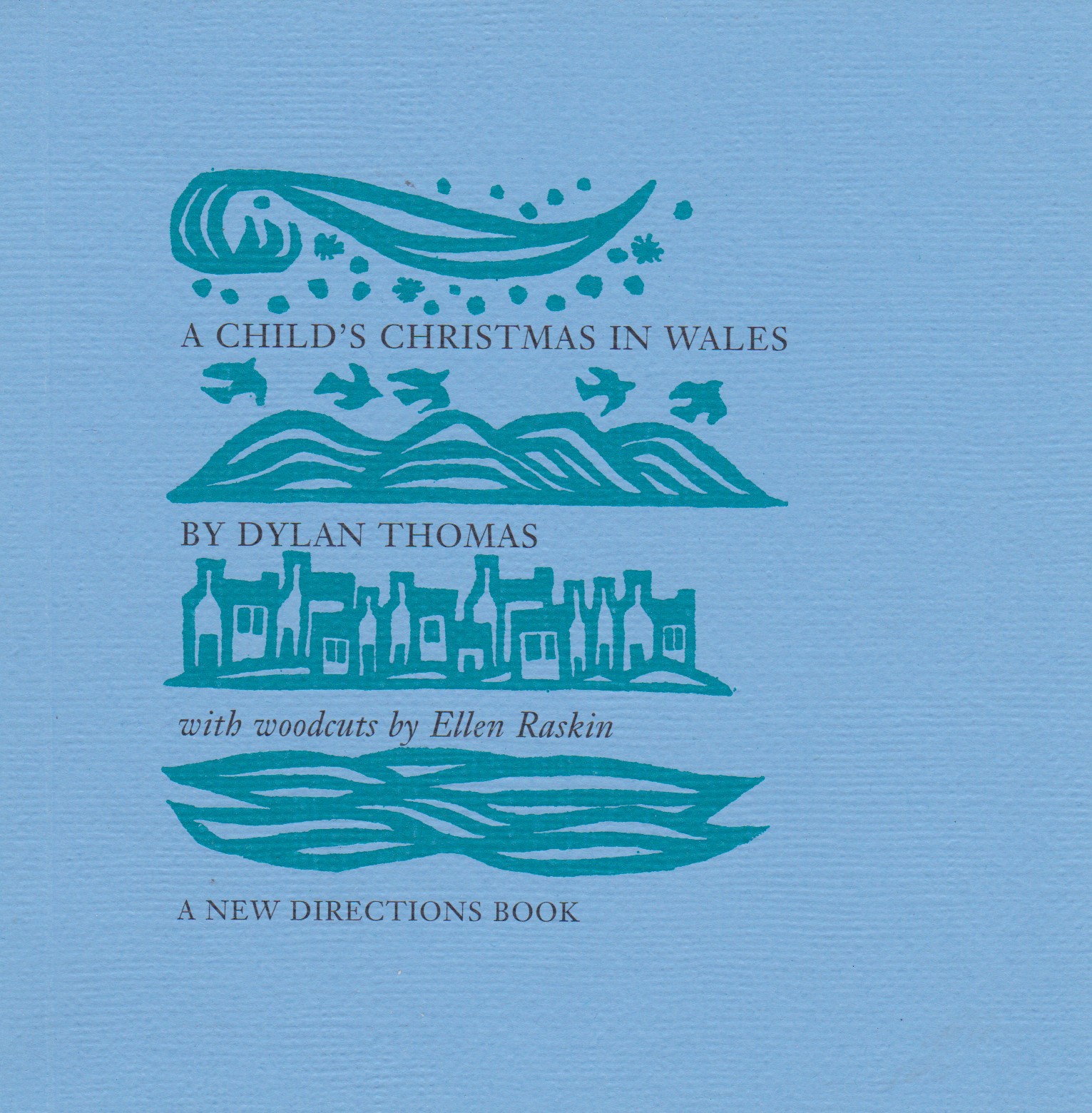
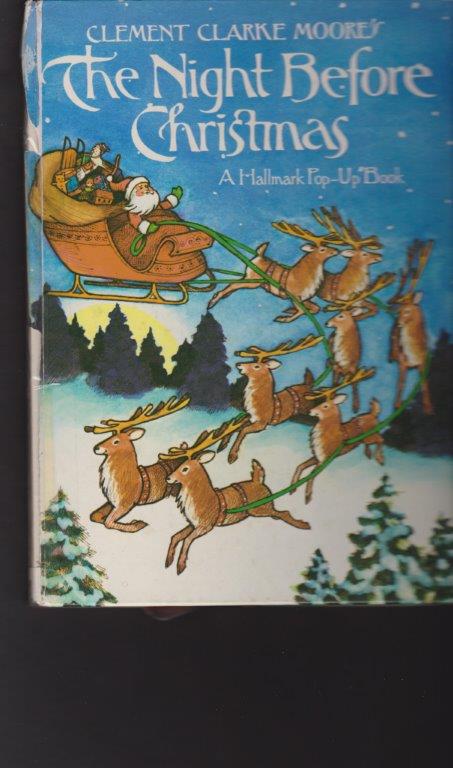
A beautiful, traditional Christmas favorite I shared with both my kids when they were young.
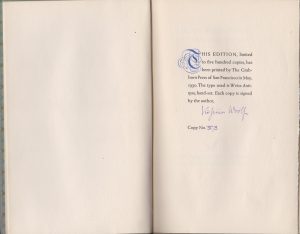
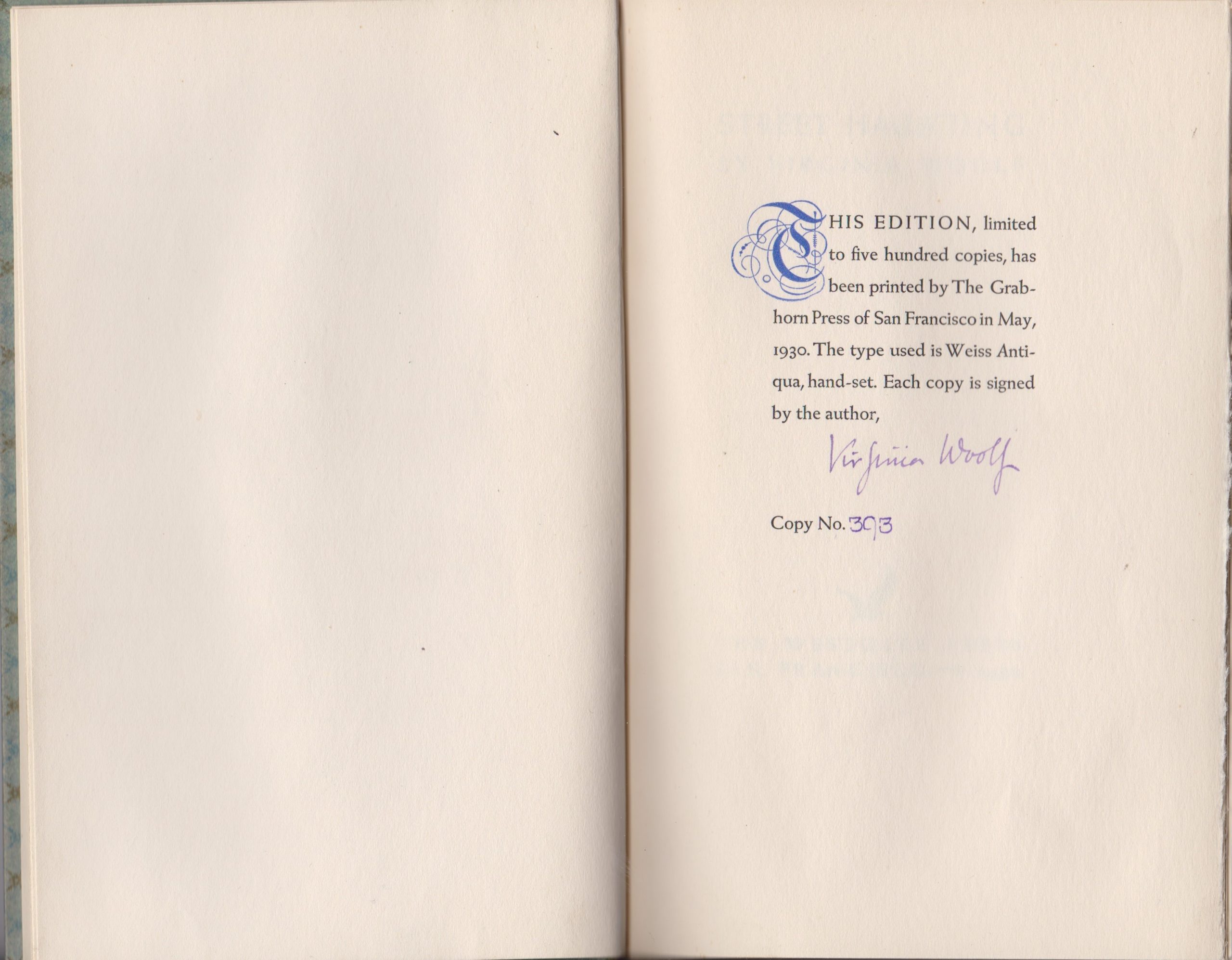
My rare, signed copy of Virginia Woolf’s obscure American publication A Street Haunting.
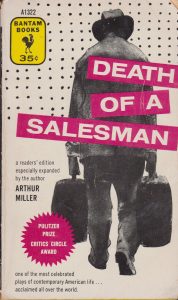
Studied in u, then taught in student teaching, then taught to my own grade 12 classes over the years. Seen a few productions of this one. A veritable classic.
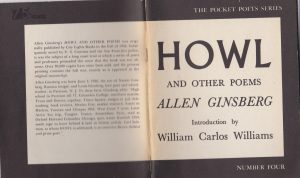
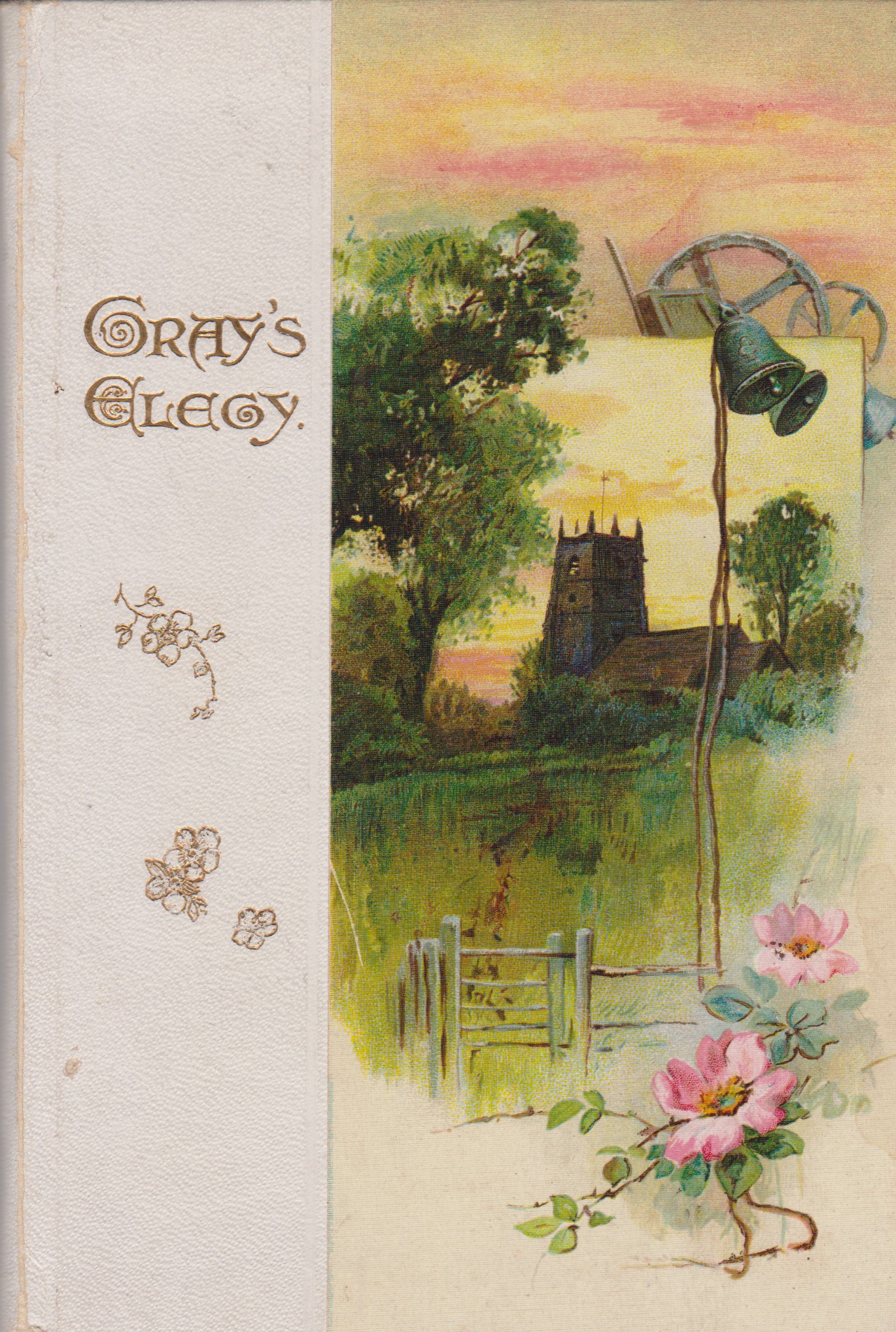
Came to this late. It is as good as anything Walt Whitman wrote, using long lines.
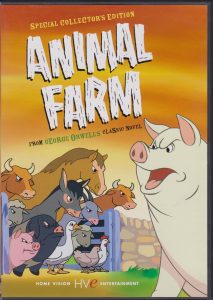
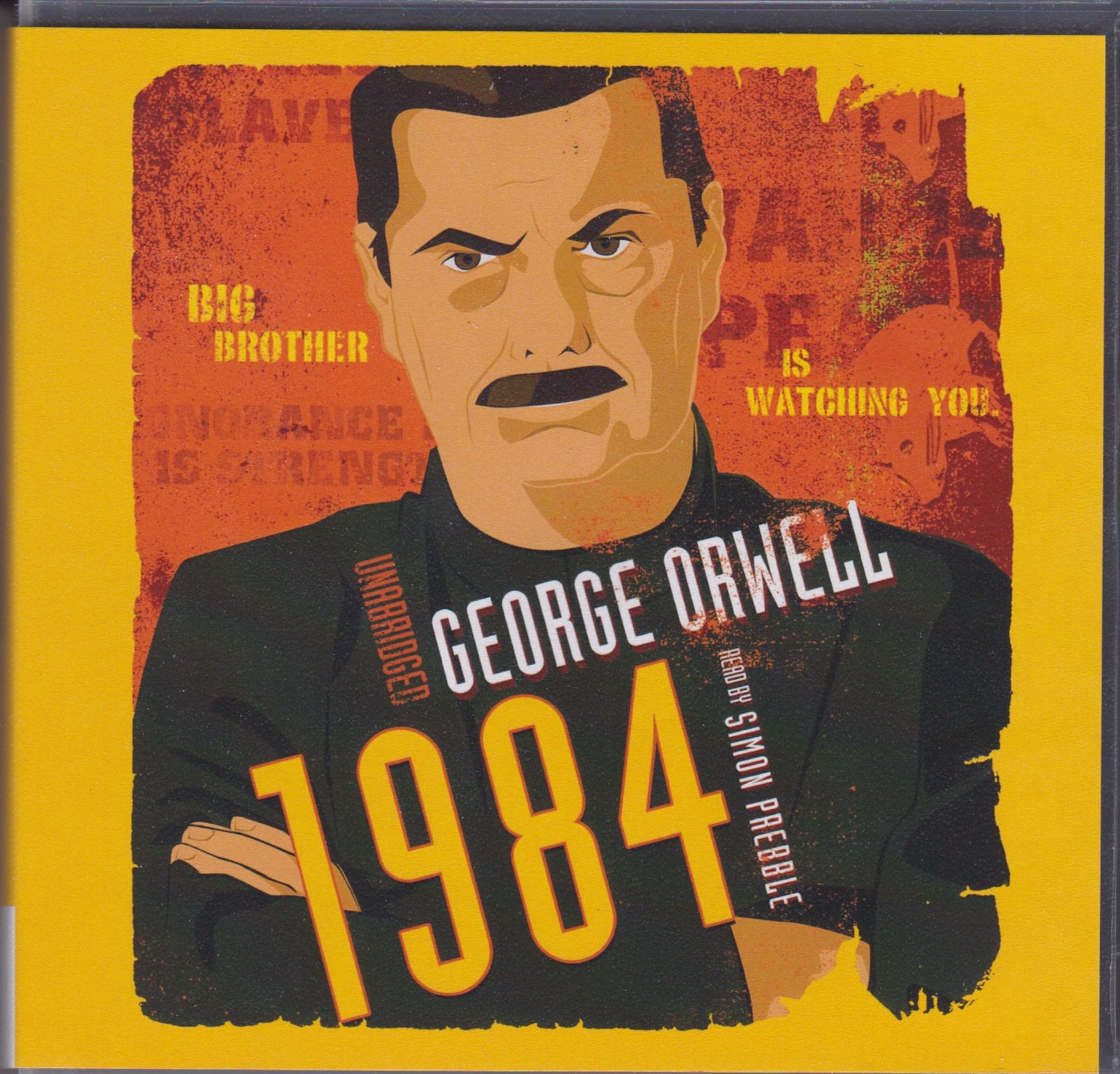
Another late discovery. Immediately explained all authoritarianism and revolutions.
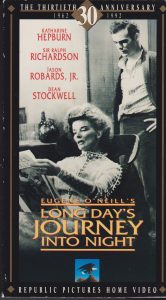
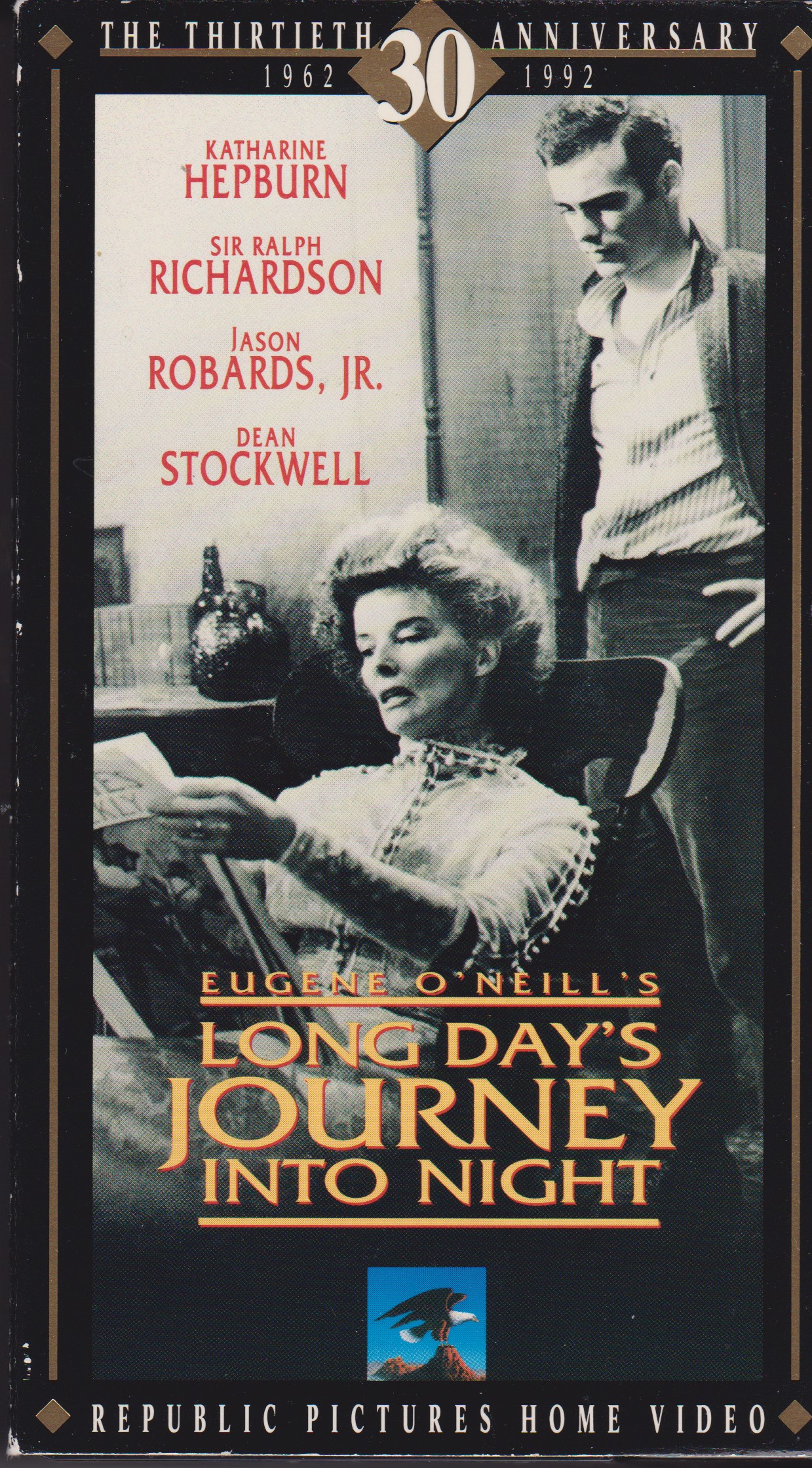
O’Neill’s upbringing was harrowing as reflected in this tortuous study of family life. Numerous guilt trips without resolution. This his best play was published posthumously.
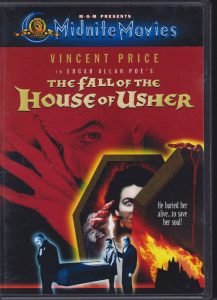
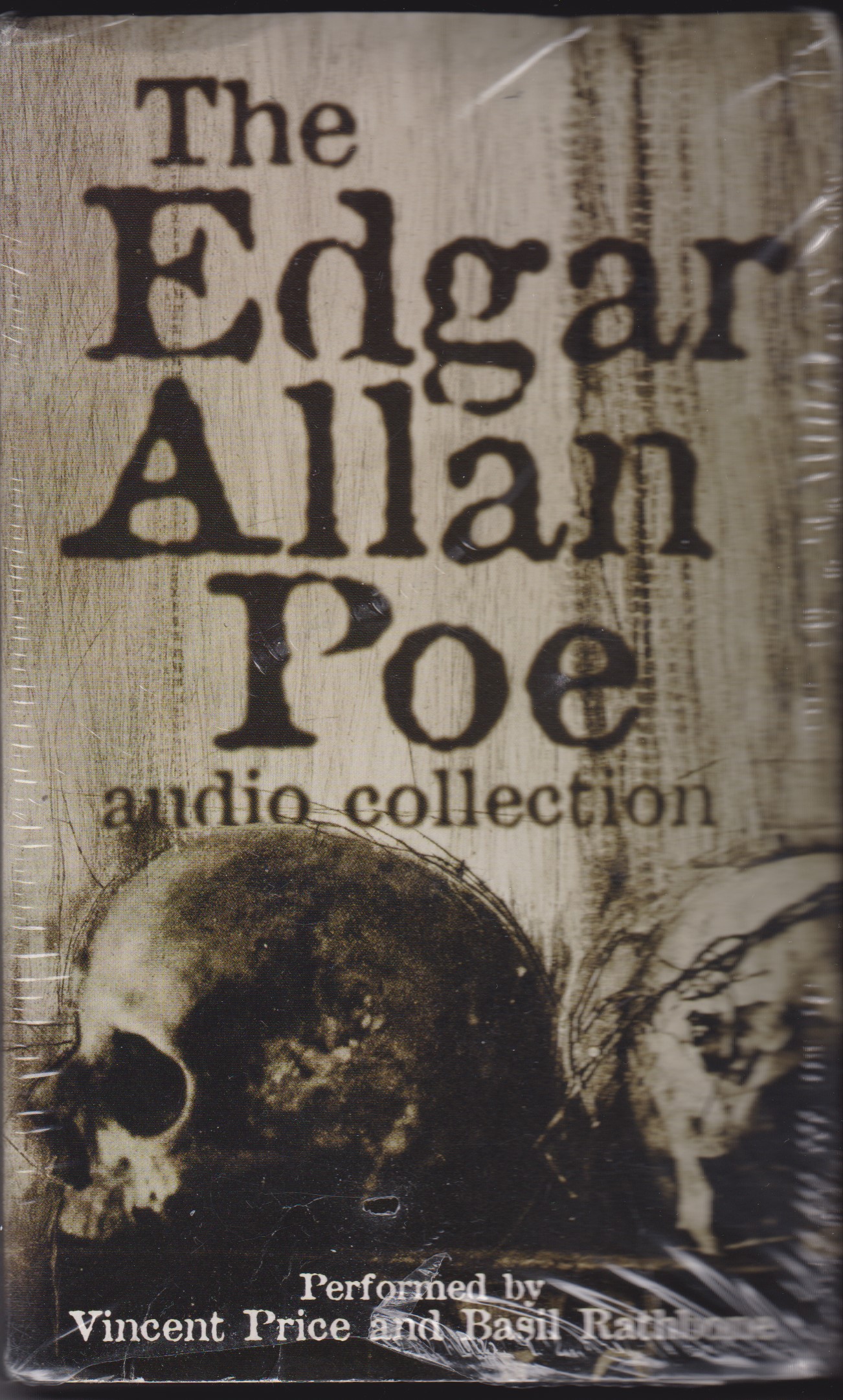
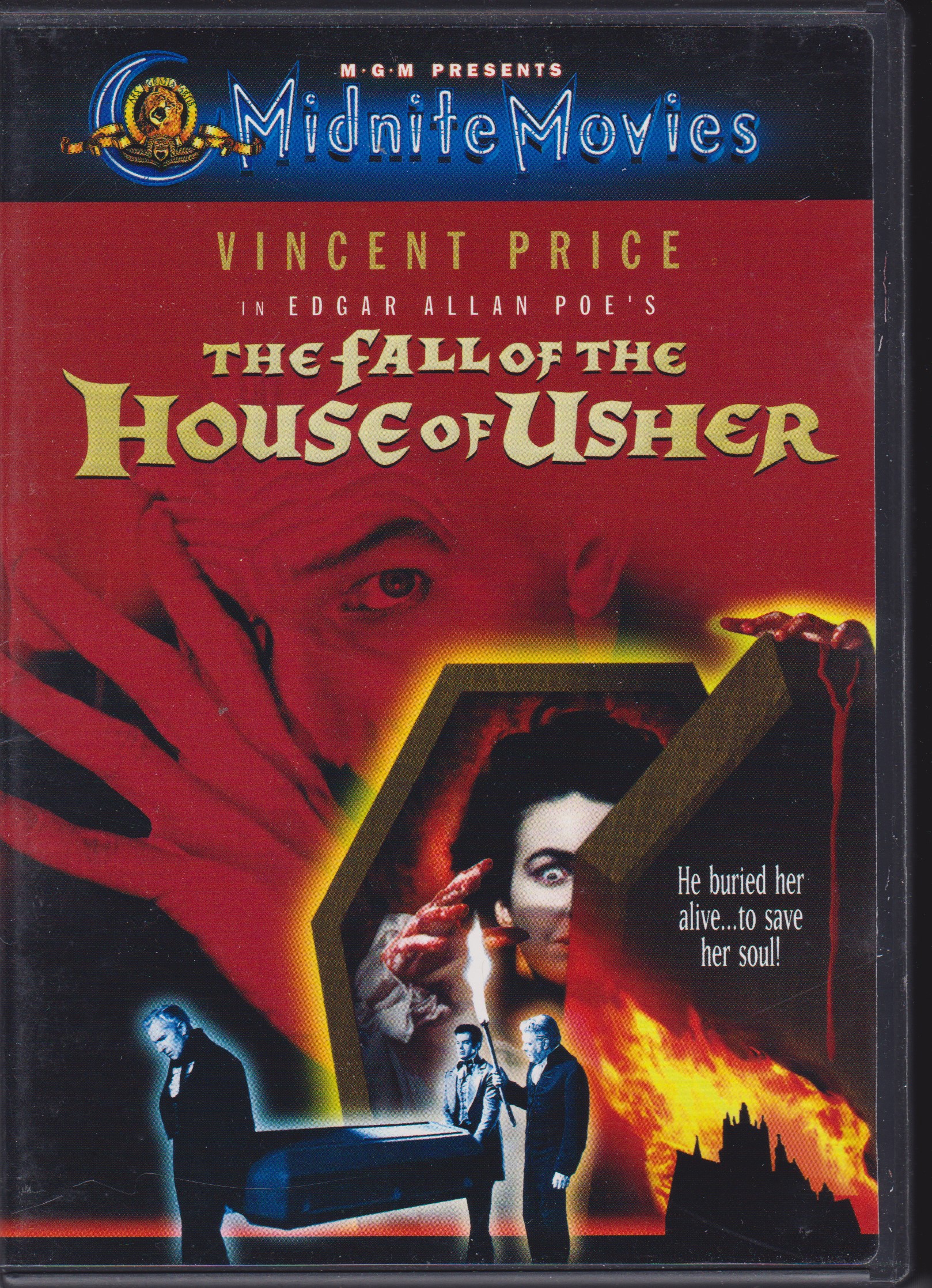
I taught this story to grade 12s along with “The Masque of the Red Death”, “The Tell-Tale Heart”, and others by Poe in my 30 year career. If one is a reader, there is a huge Poe kingdom that deserves encountering.
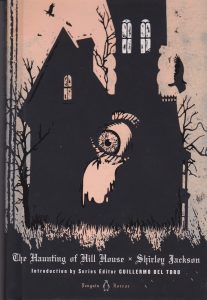
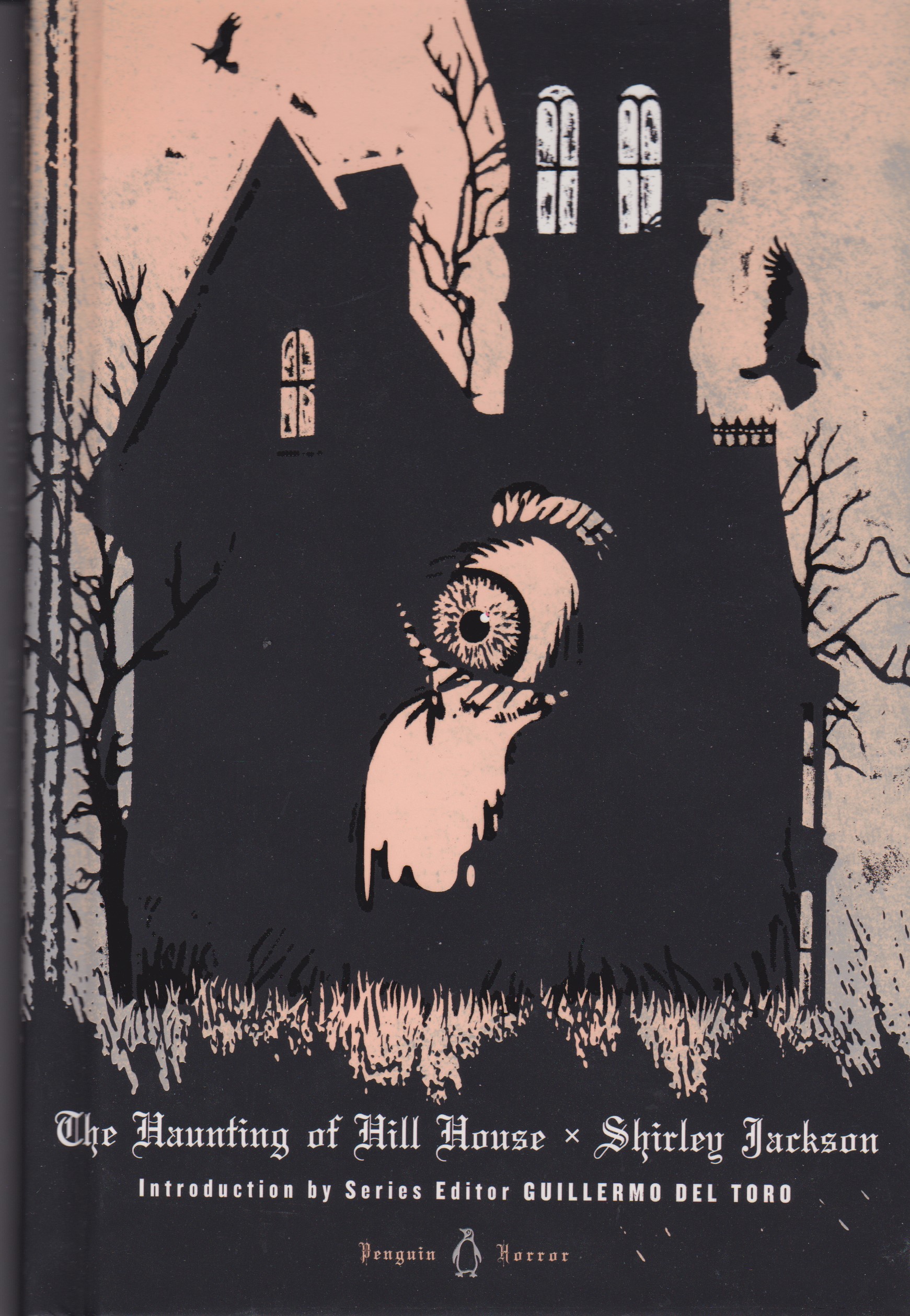
I taught Shirley Jackson’s The Haunting of Hill House when I first started out in 1972. A super-duper ‘ghost story’ which rewards over and over.
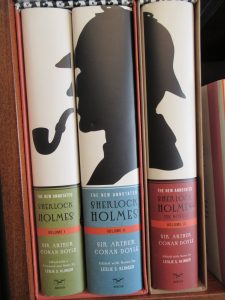
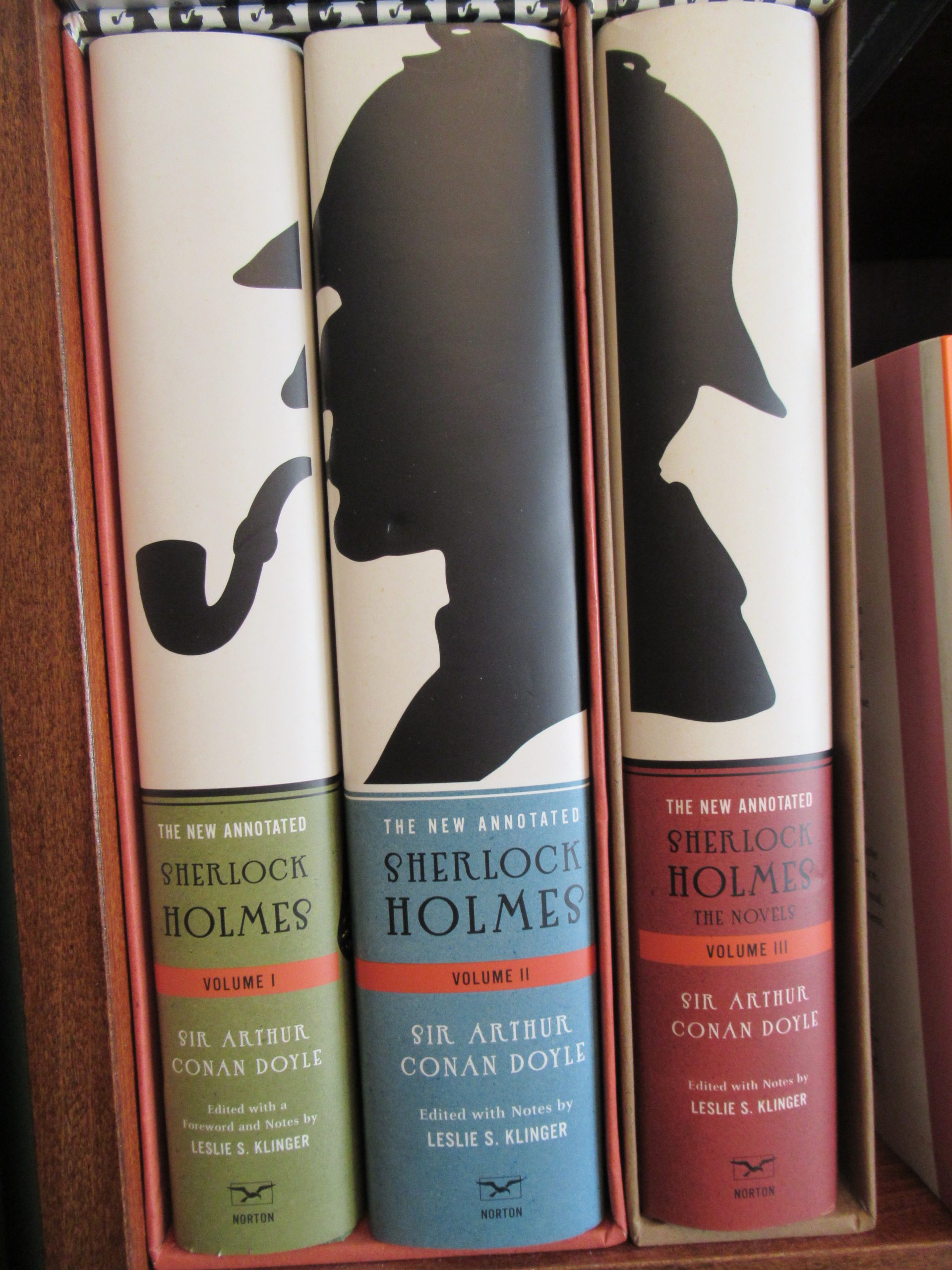
Speaking of kingdoms, then there’s Christie and Doyle. The Holmes’ stories are fun, excellent, and mentally challenging.
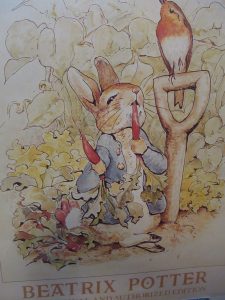
As a parent, I ran the gamut of Potter’s quirky animal stories.
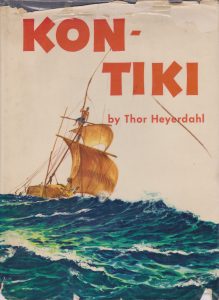
Back to summer of 1972 and the first book I read to prepare myself for teaching grade 10 English. I’ve never forgotten many details of Heyerdahl’s most famous adventure.
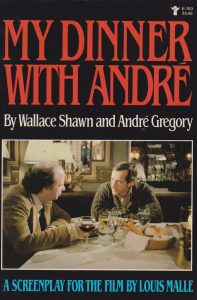
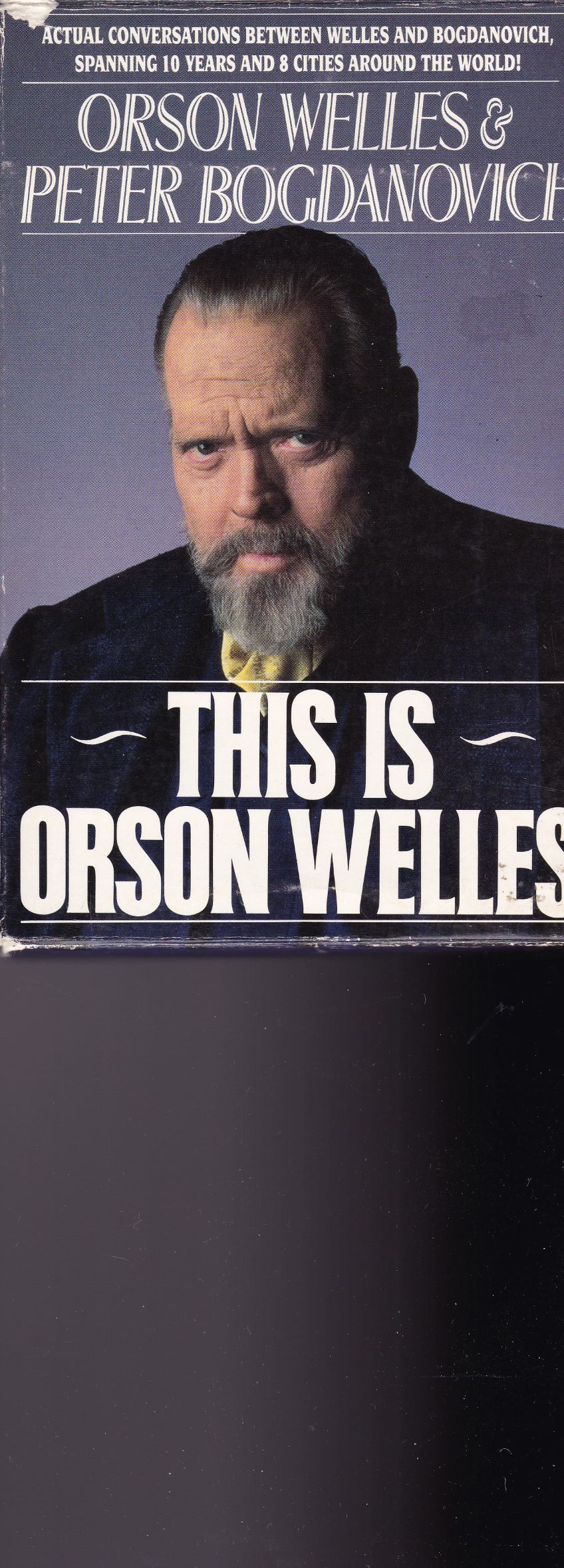
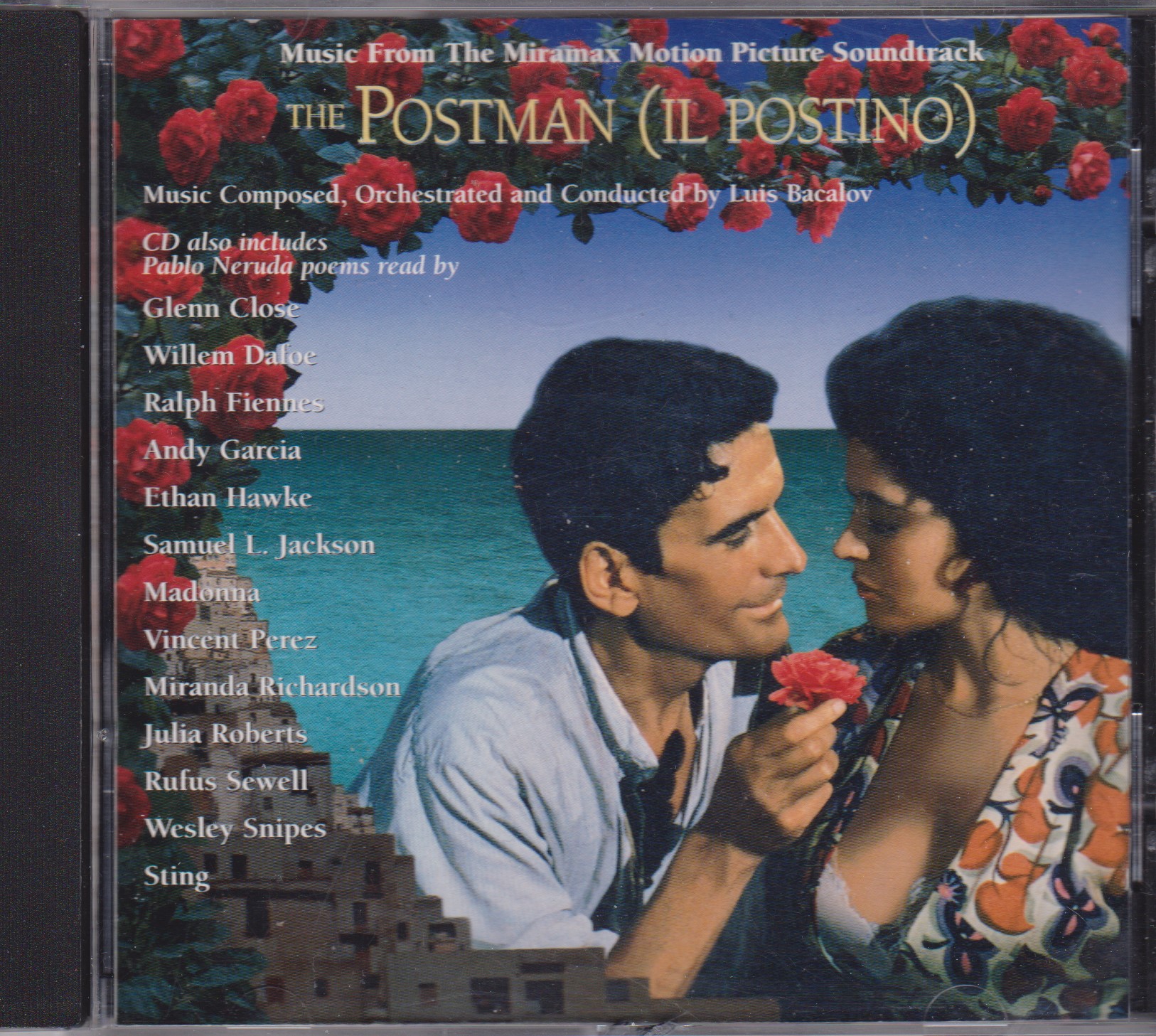
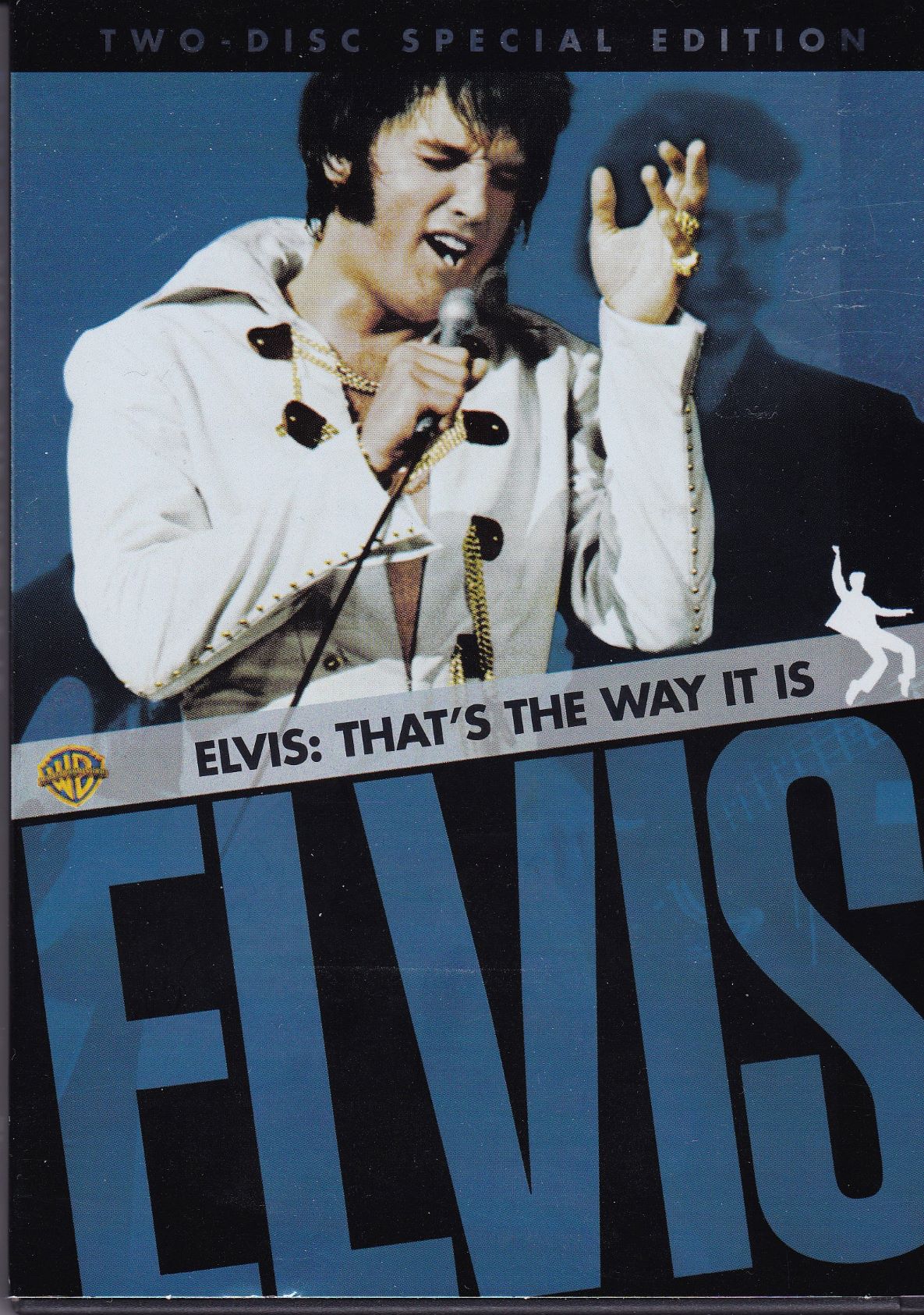
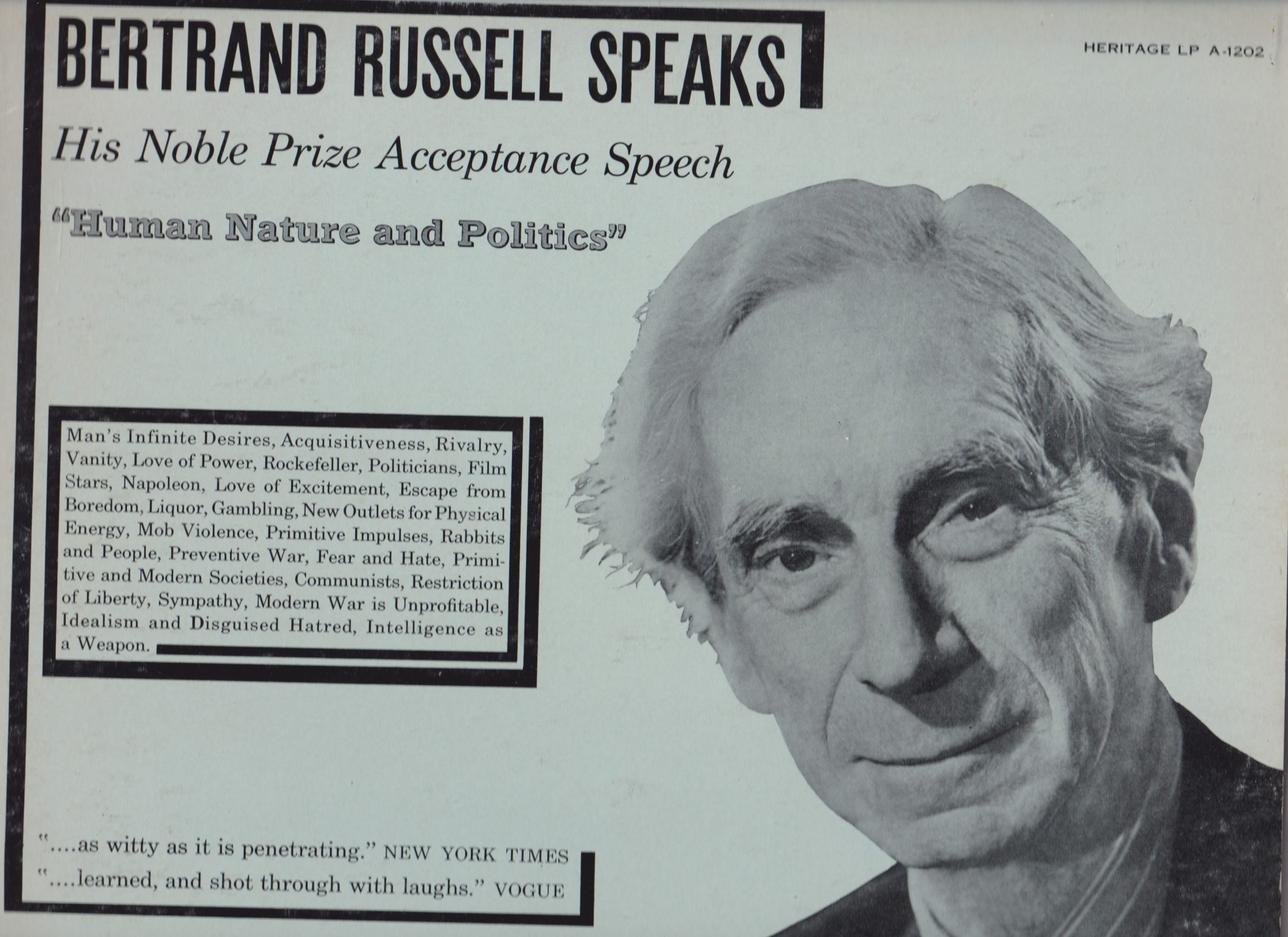
Movies have led to reading many books. This one is an intellectual’s delight with much wisdom from two of the most interesting people you’ll ever meet.
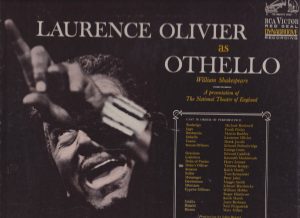
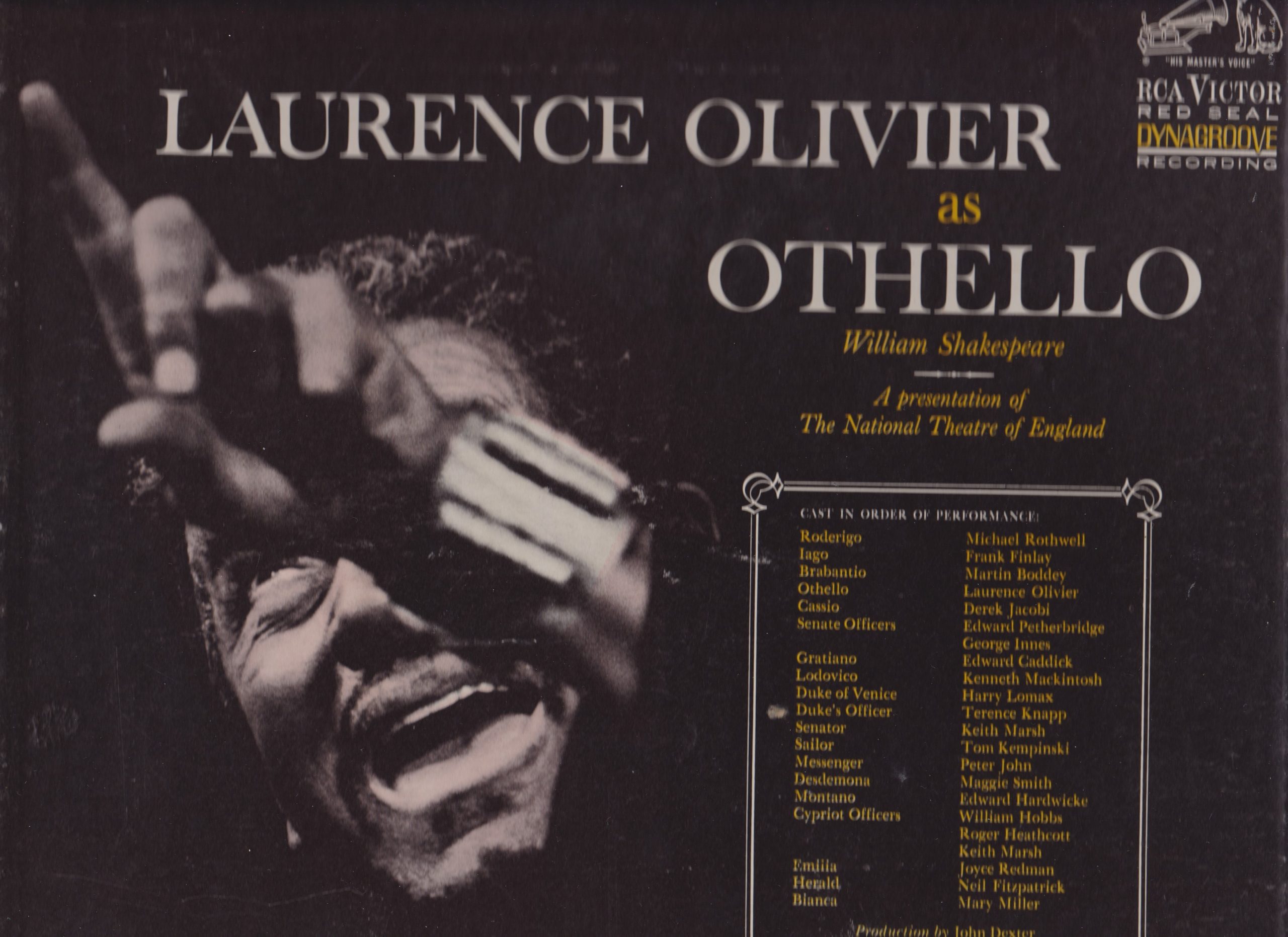
I remember well in first year u, listening to Olivier as Othello as I followed the script included with the record album box. Still one of my favorite plays and the favorite of many students in my grade 12 classes.
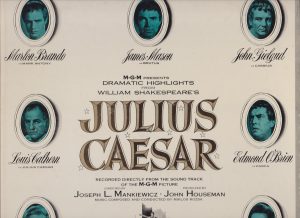
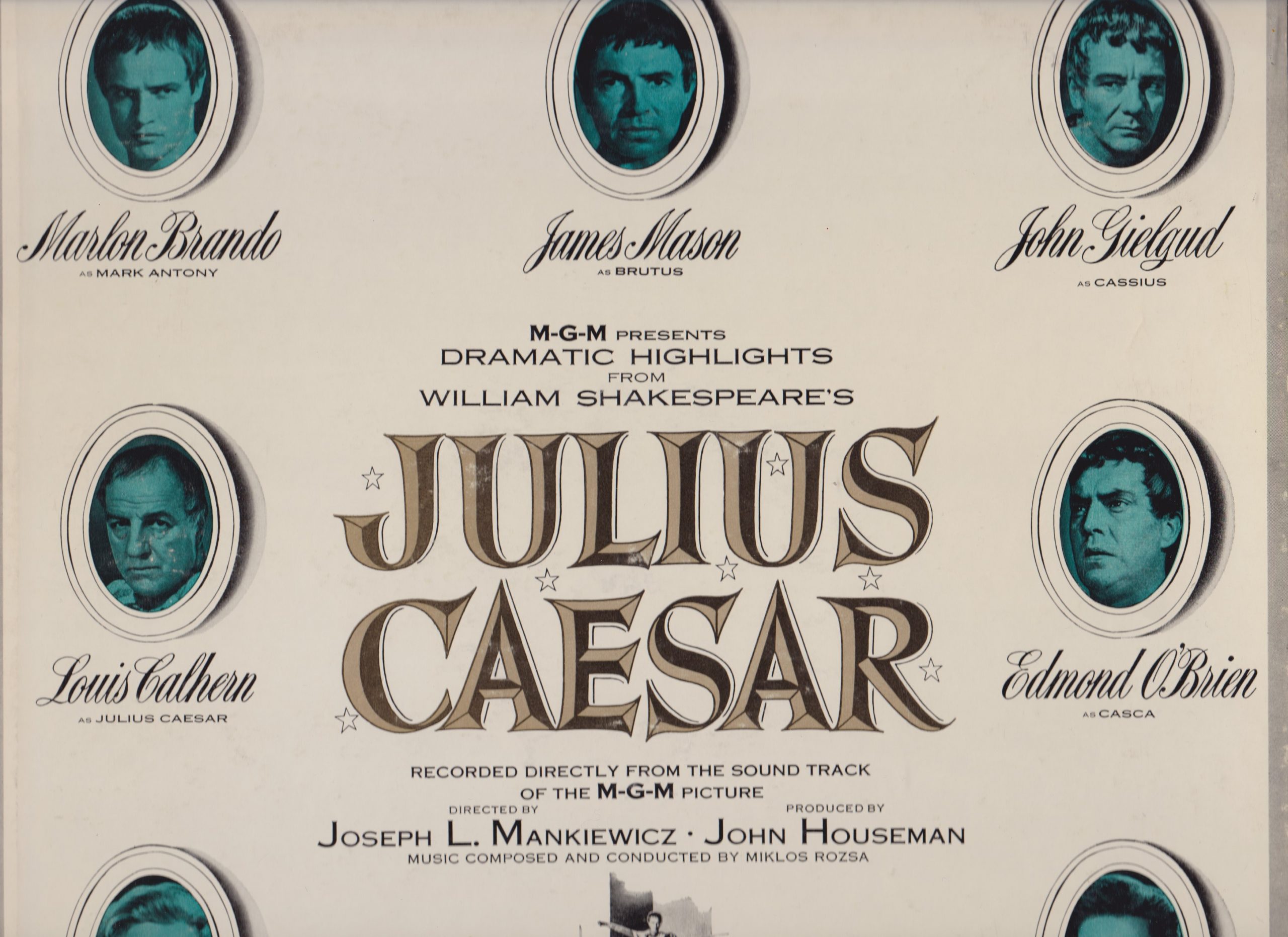
Studied in high school and also taught later. Still very relevant about authoritarian leaders and tragic rebellions.
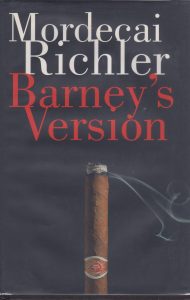
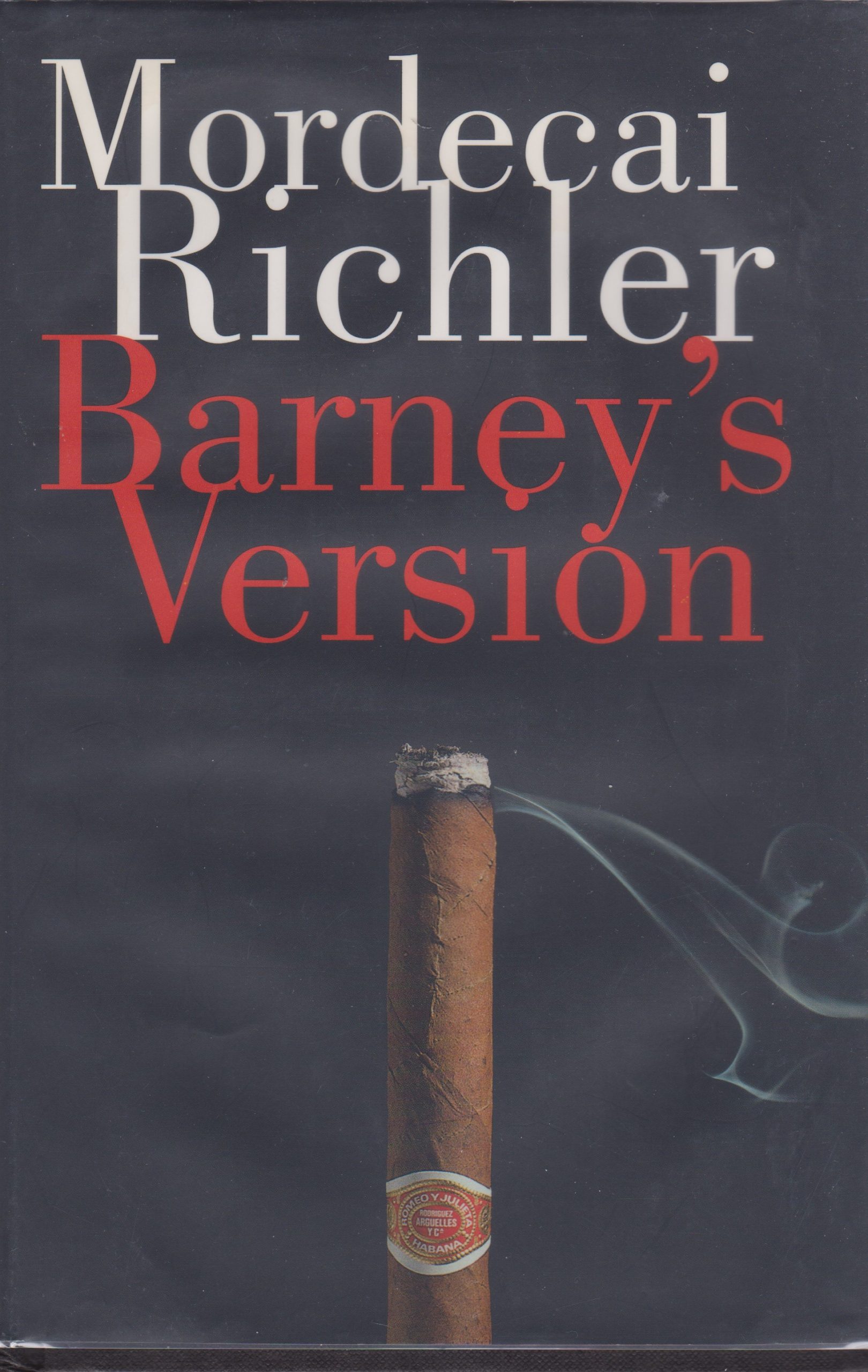
Funniest Richler and Canadian book I ever read. Still one of the top modern novels.
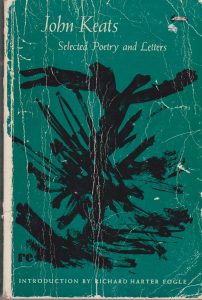
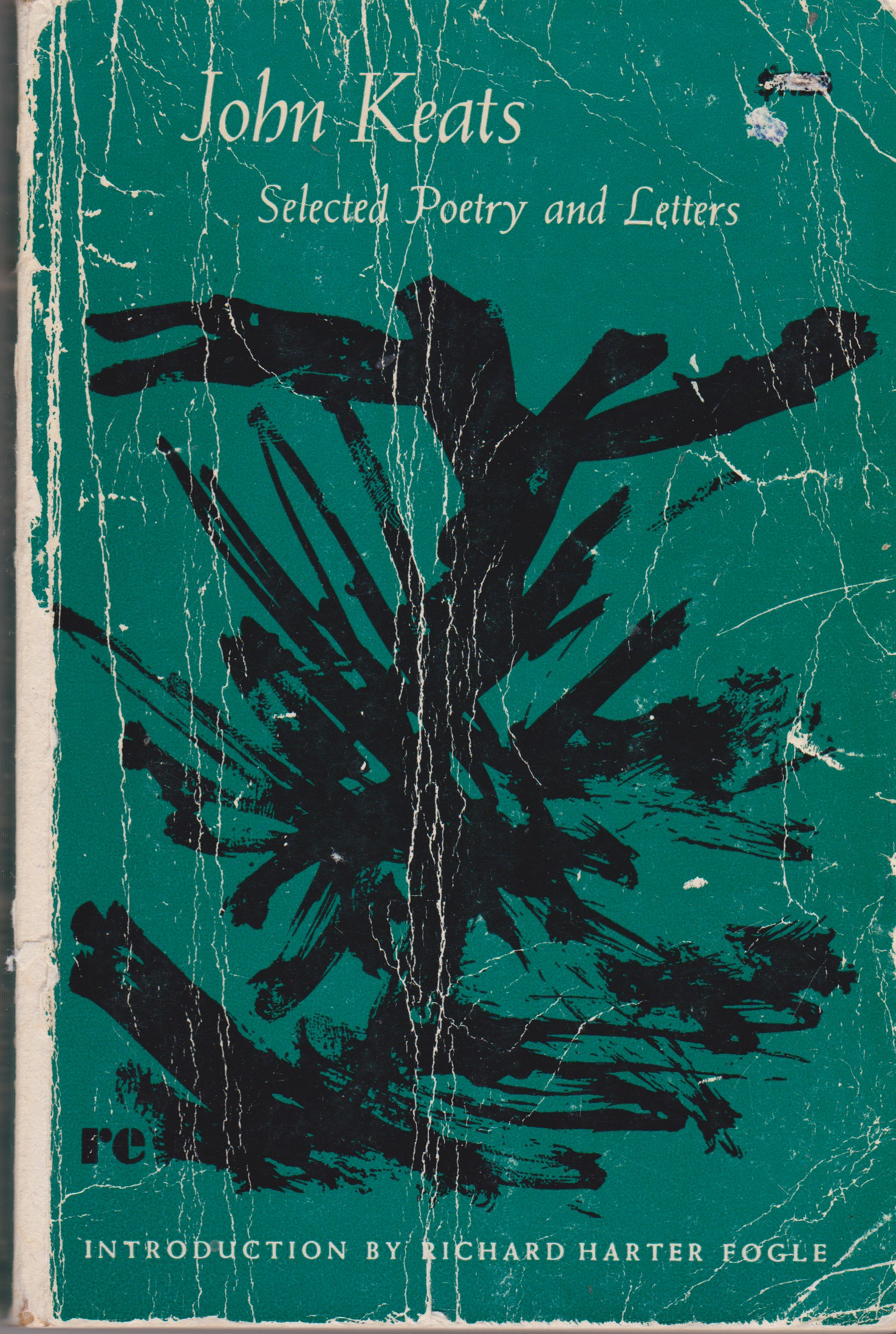
Keats’ haunting poems changed my life forever starting in grade 12 and continuing into university. As a class wit, I asked my student teacher in grade 12 re. the “What maidens loath” phrase–“What do the maidens loathe?”
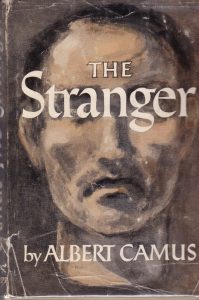
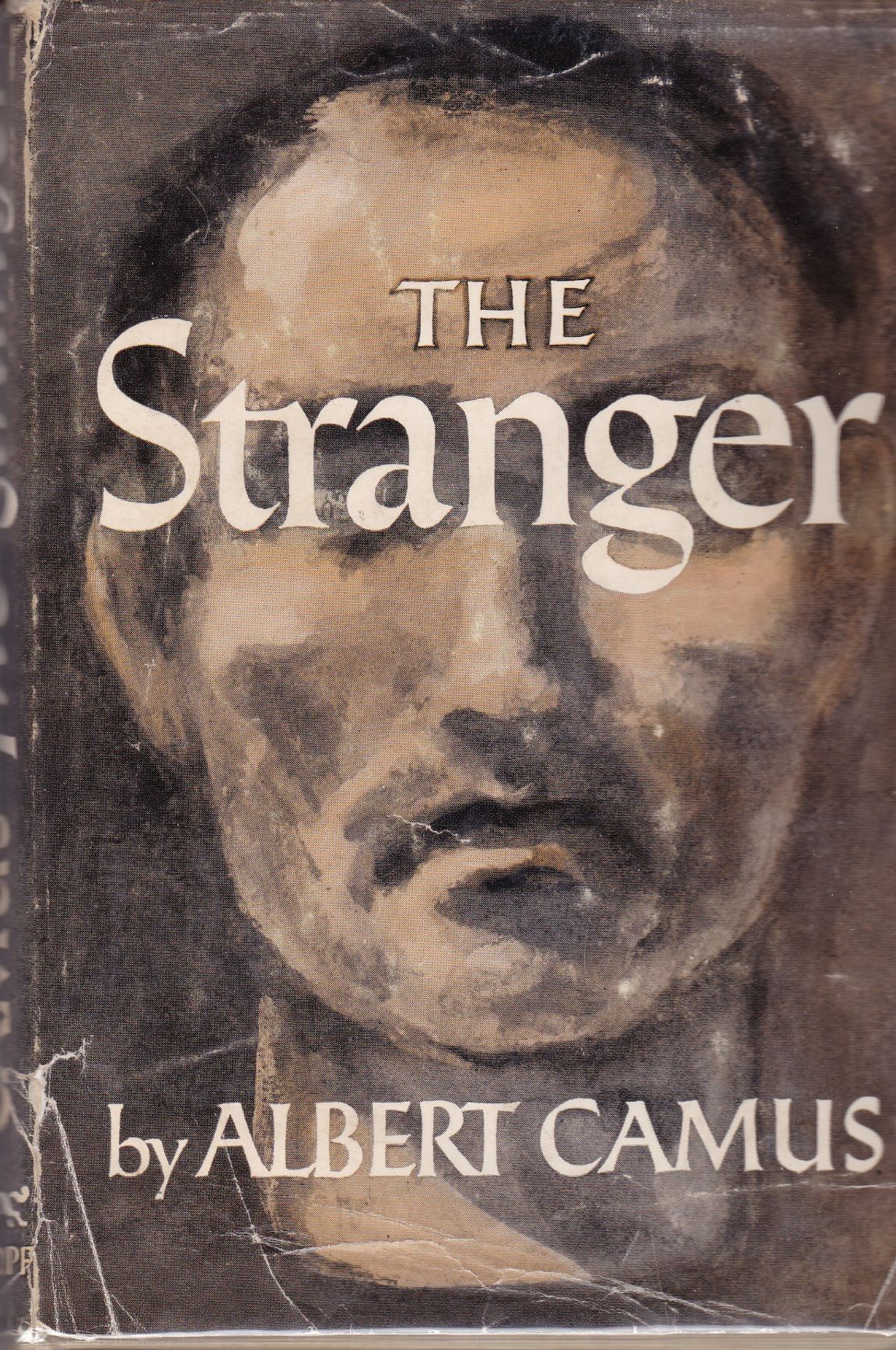
Encountered in 3rd year u in a Comparative Lit course with my old prof-friend Steve Arnold. Later taught it to grade 12s. The ultimate Existentialism book.
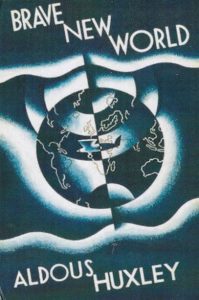
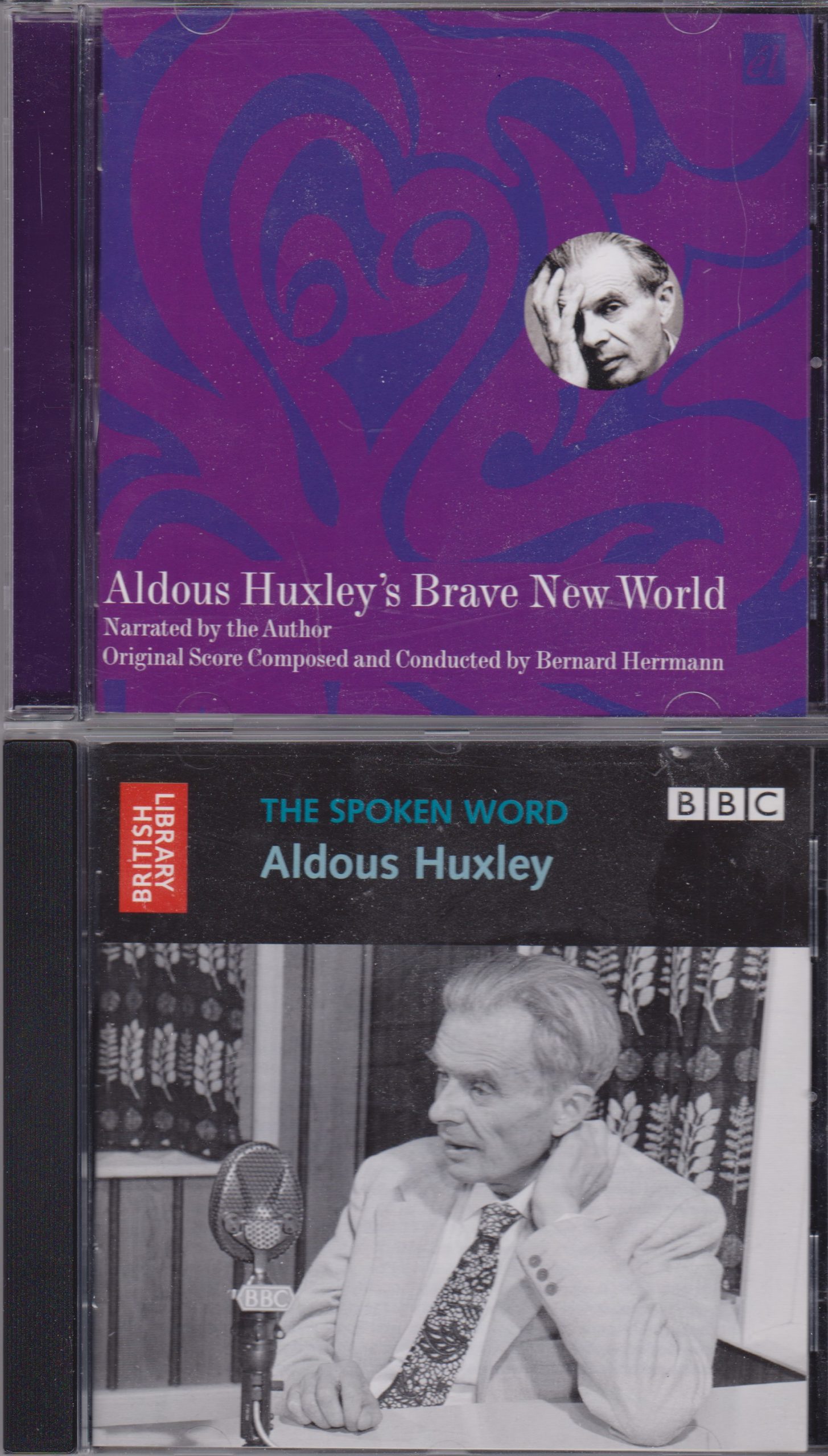
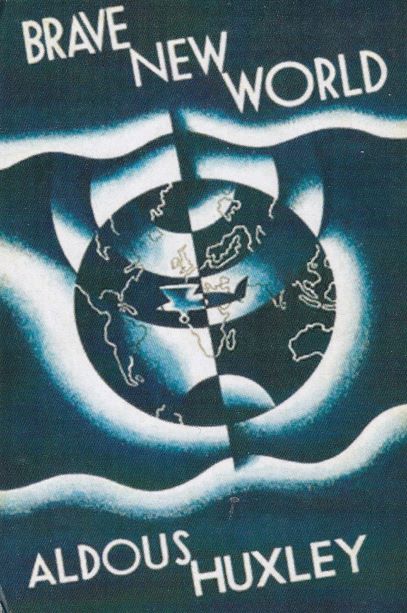
Came to this one late as it has become more relevant (test tube babies, drug culture) recently. Huxley was very wise and clever.
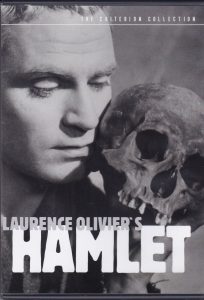
The centre of my grade 12 reading experience. The play that changed my life forever. (Note the title of this blog.) Shakespeare’s best tragedy.
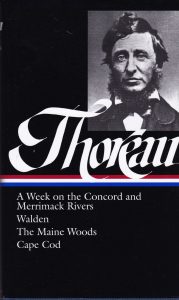
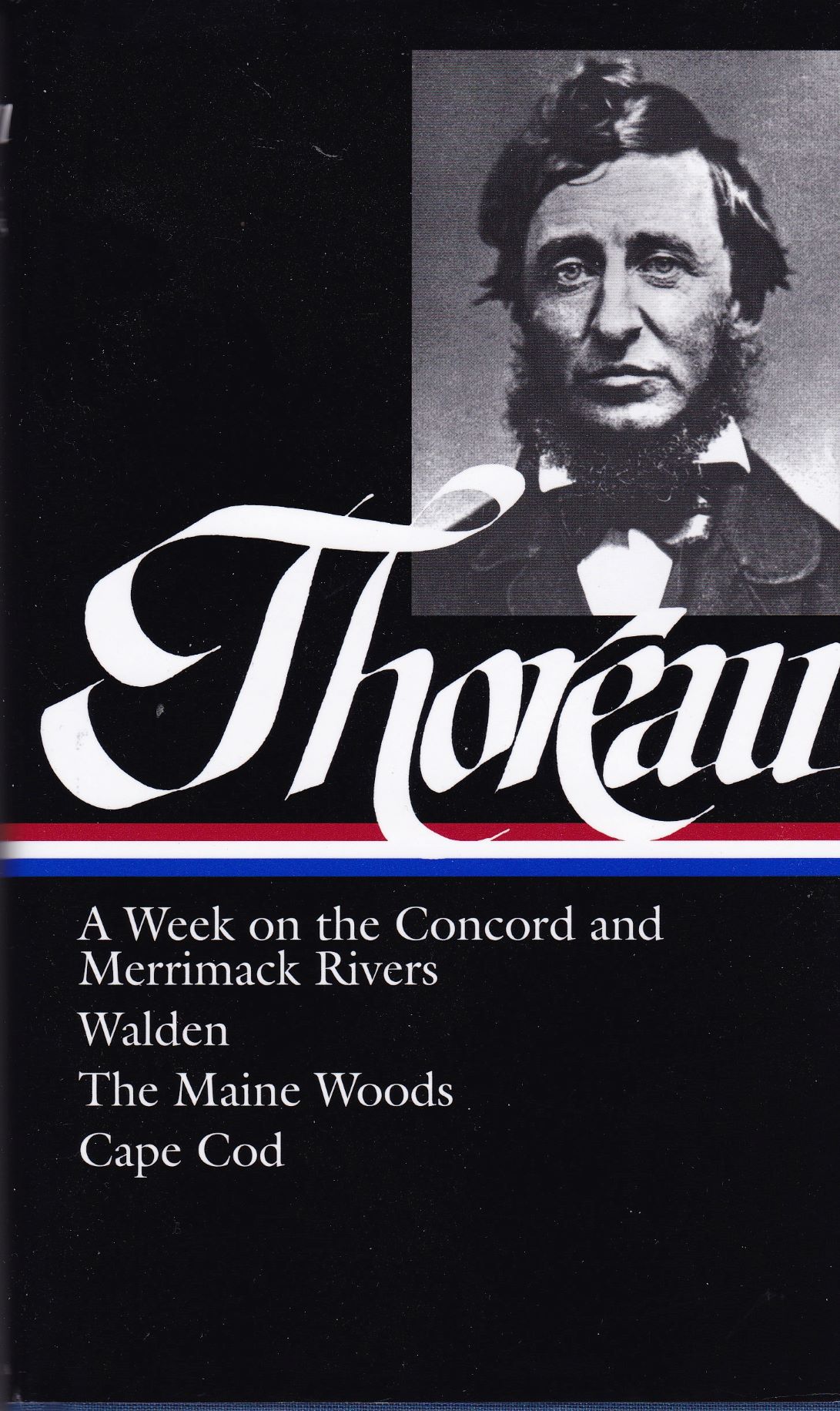
My 1990 trip to New England took me to Concord and Walden Pond and I became thoroughly immersed in Thoreau’s work, even writing a play about him: “The Man from Walden Pond”.
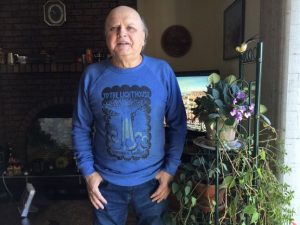
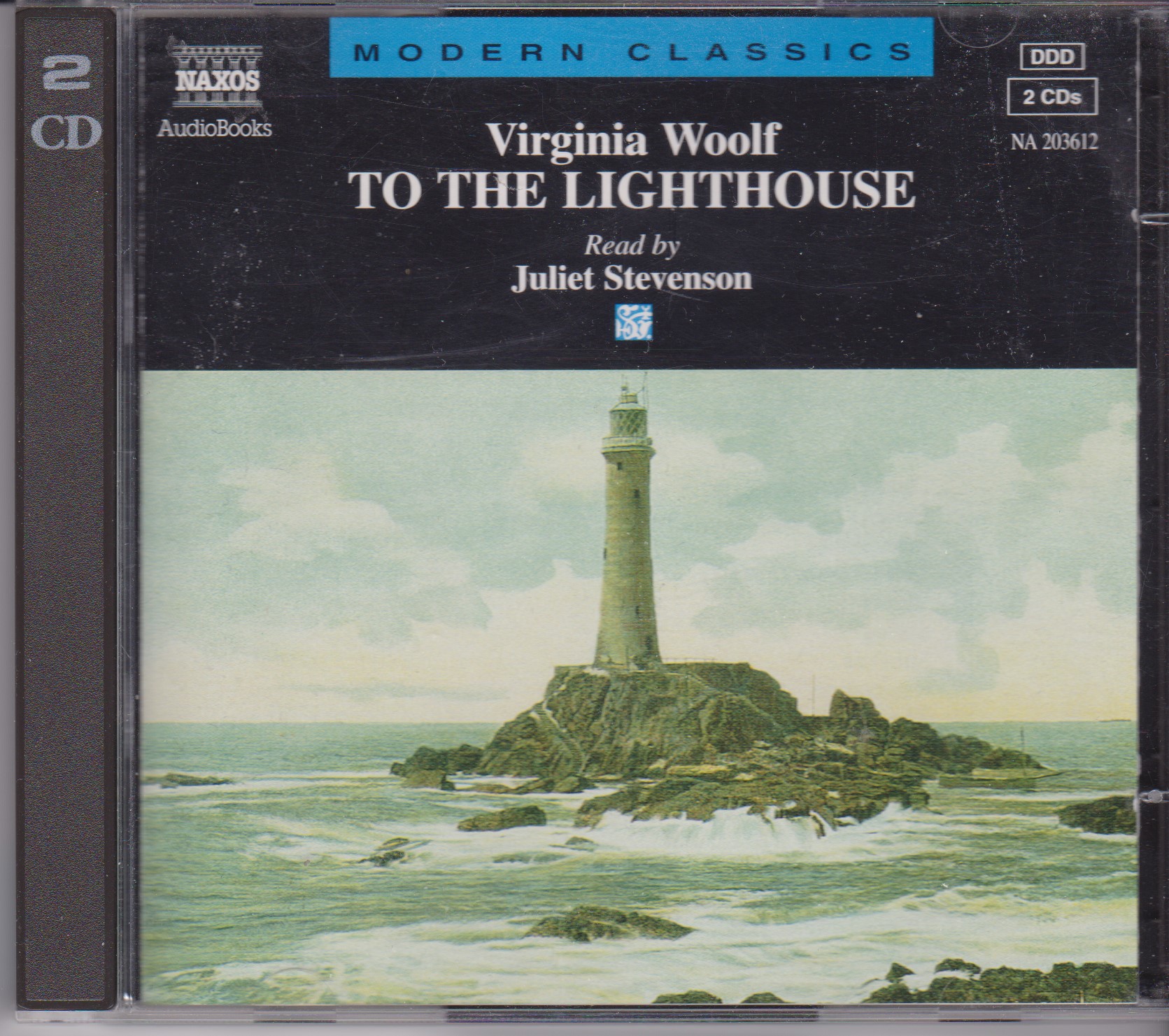
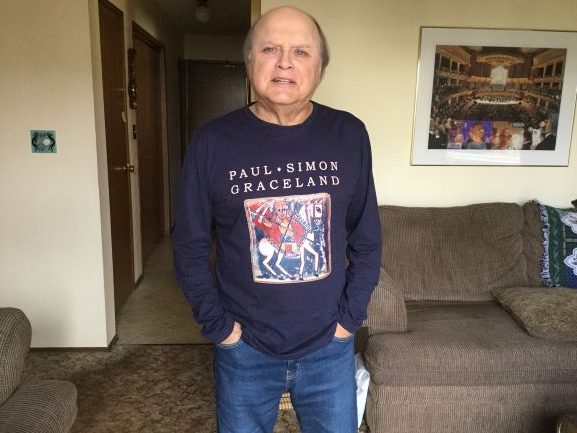
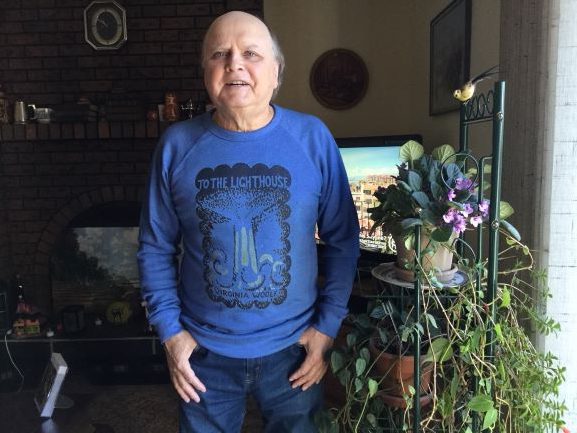
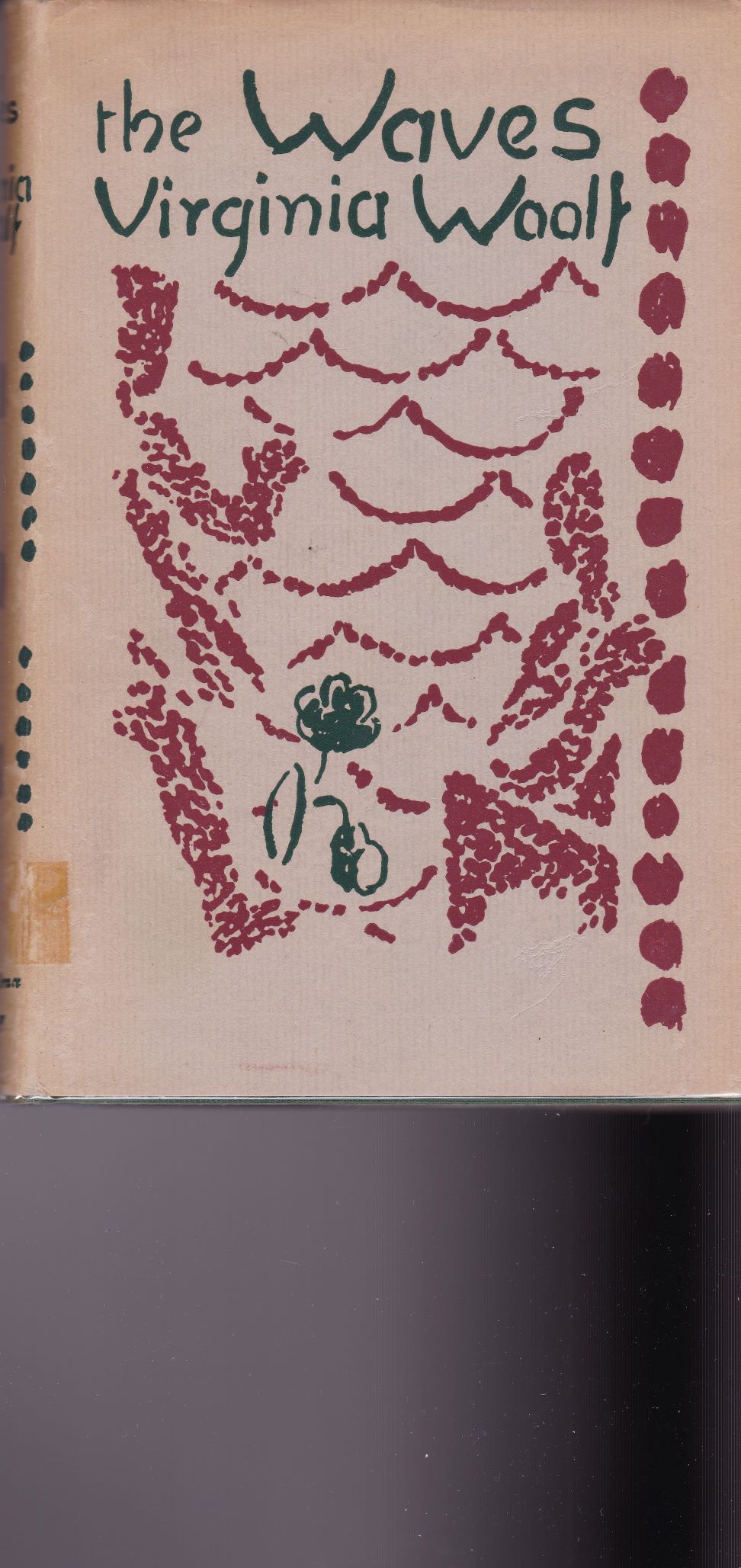
I have many book items and literary shirts. Arguably, Woolf’s best book. Brilliant portrait of time’s processes and the artist’s quest.
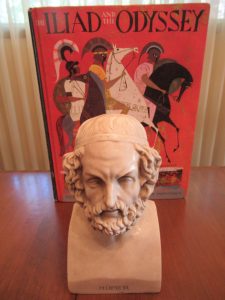
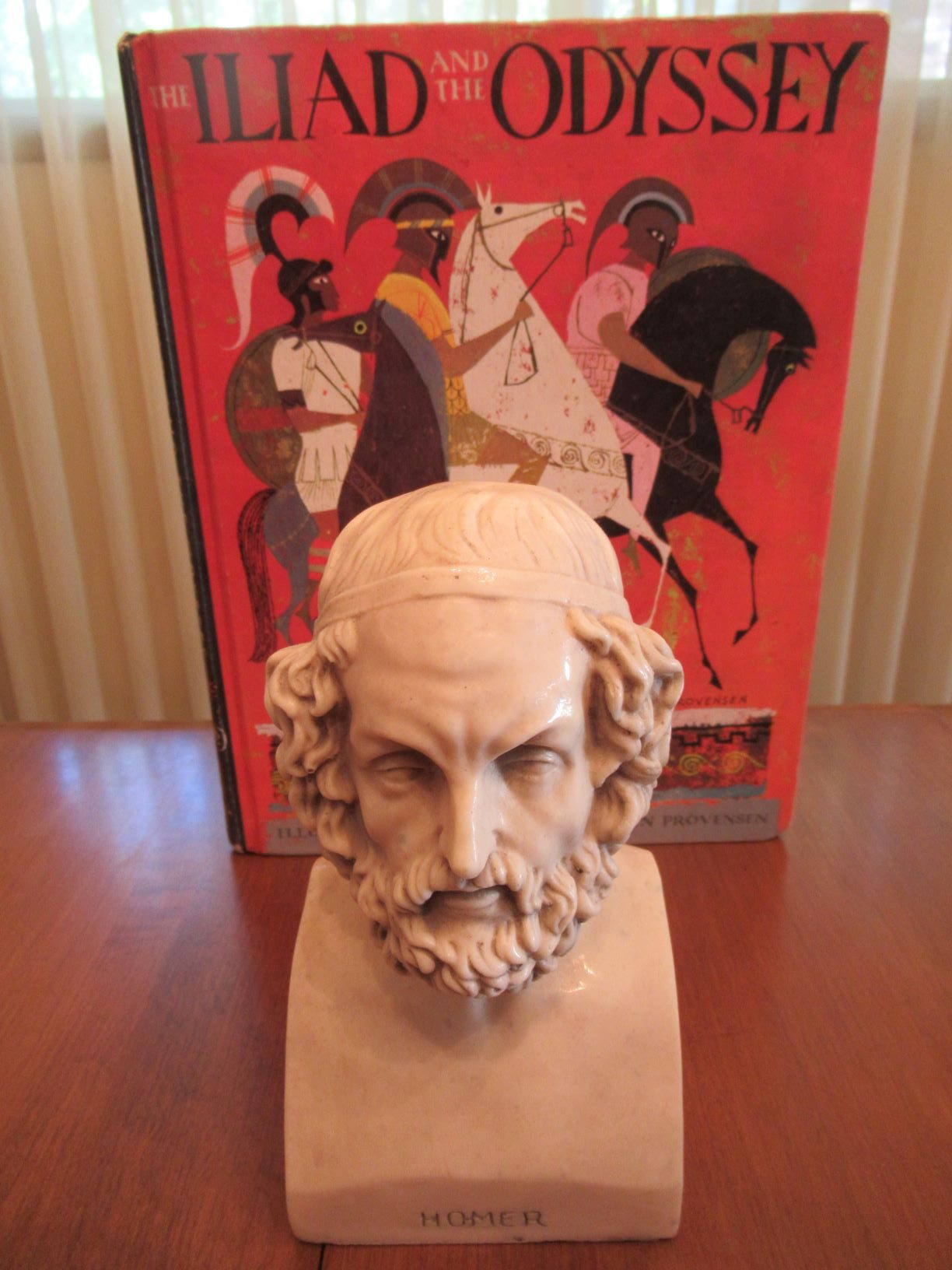
I took a Classics course in 1967-68 and have never forgotten these two books.
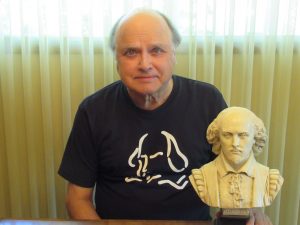
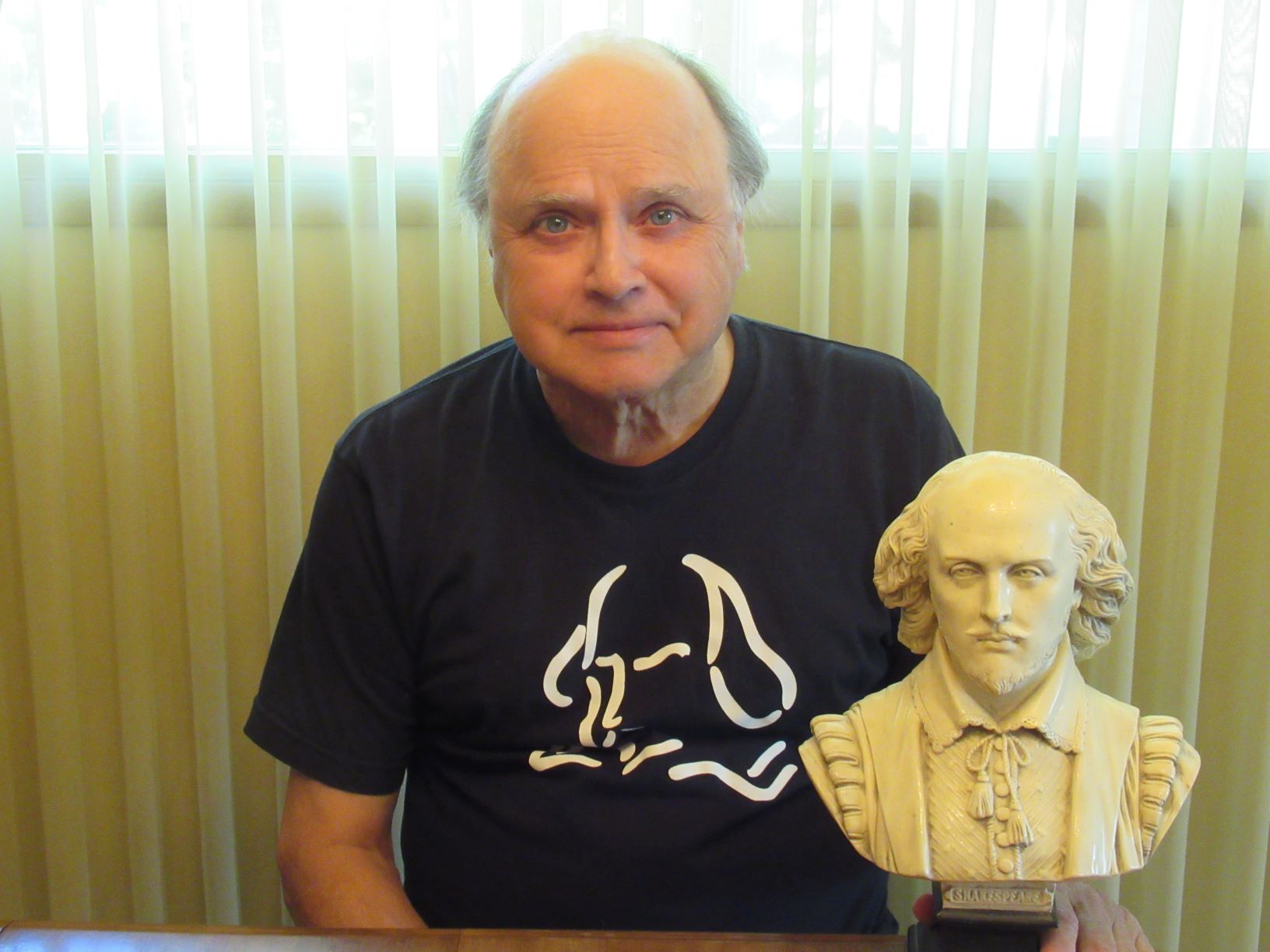
Shakespeare is the world’s greatest writer. I’ve read and studied most of his plays and all his sonnets.
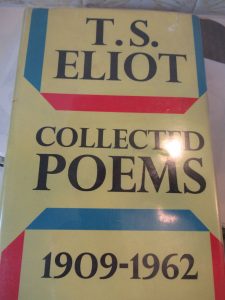
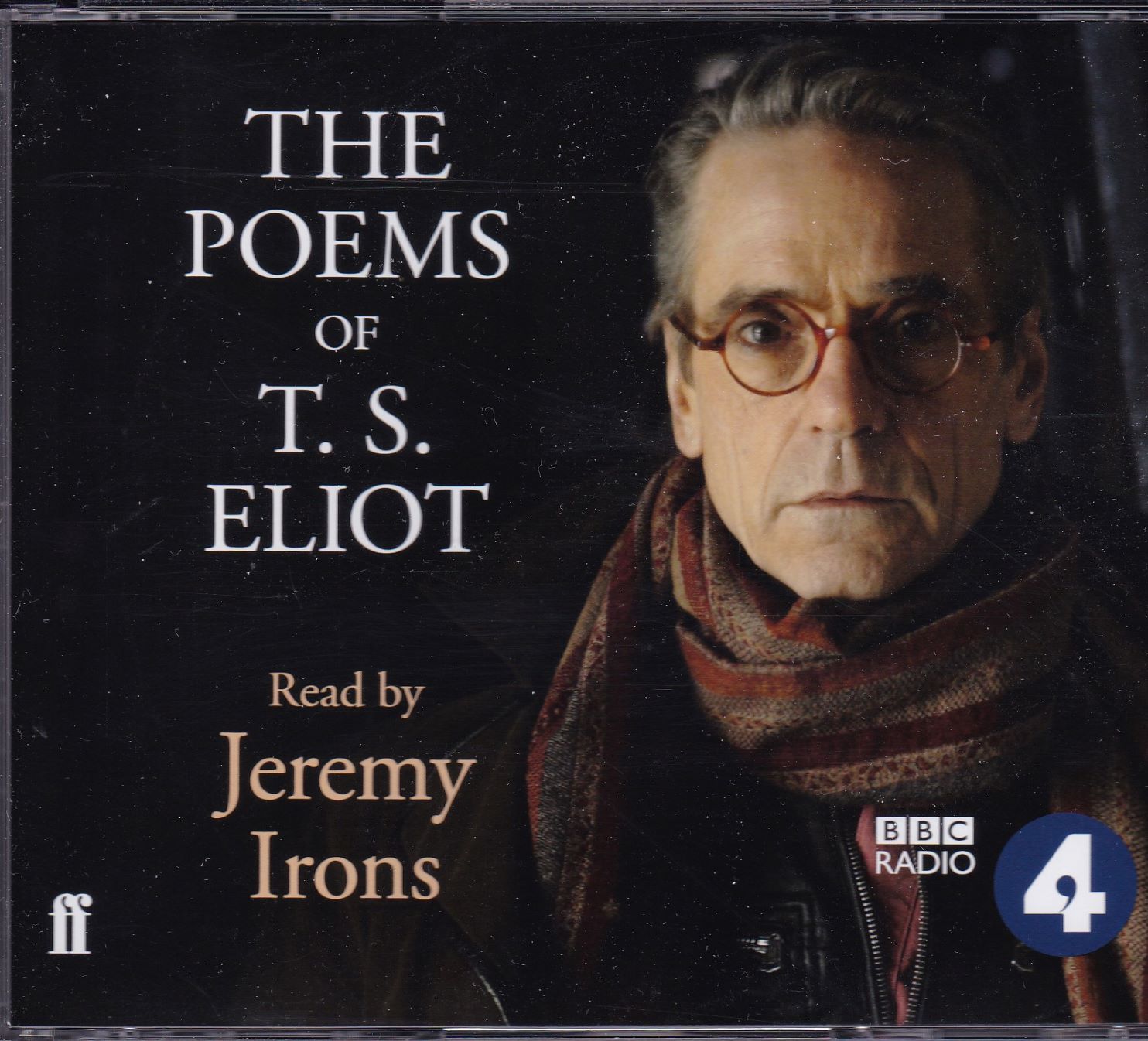
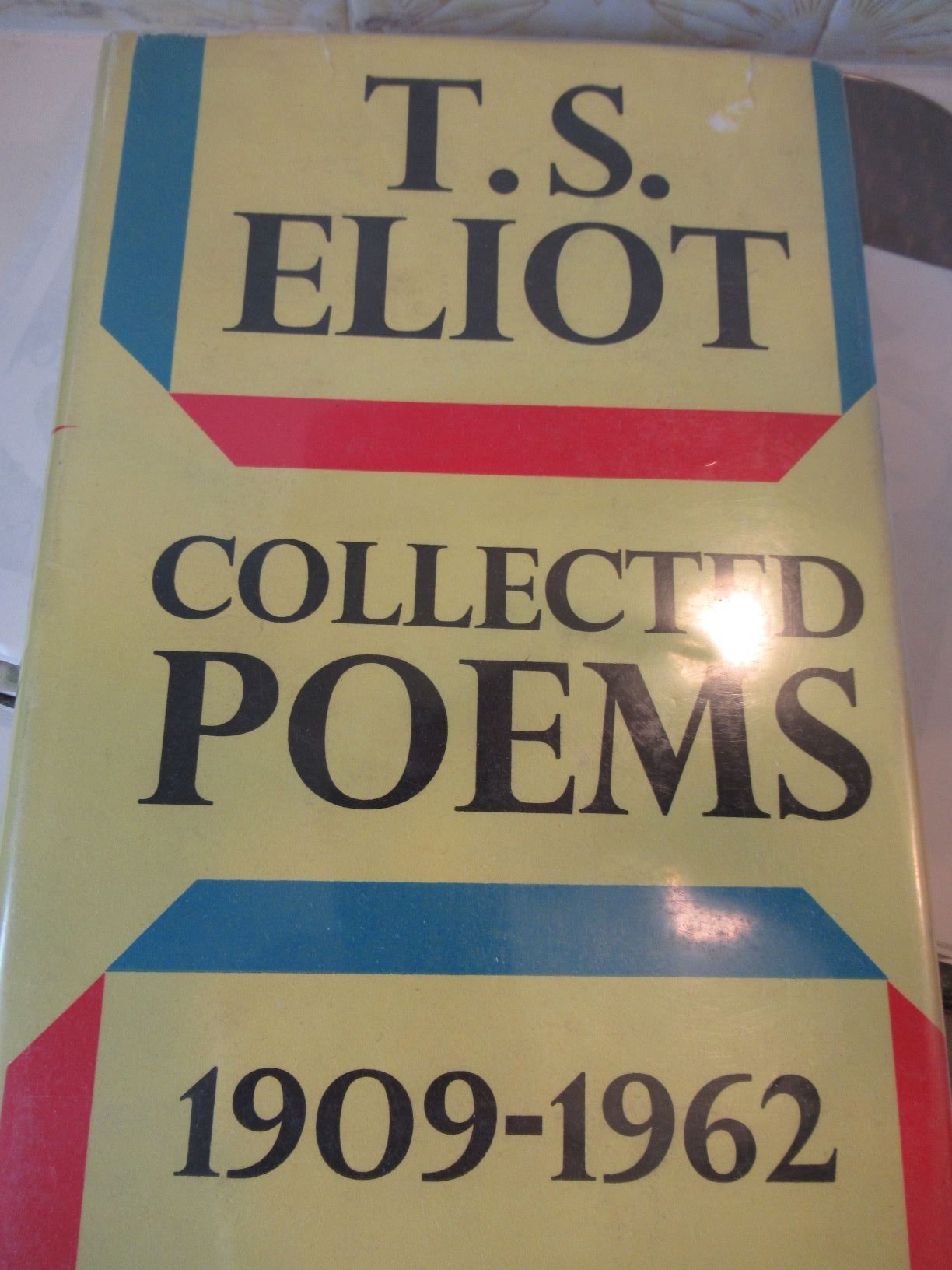
One of my contenders for top 20th century poet. Who can forget “The Love Song of J. Alfred Prufrock” and “The Waste Land”?
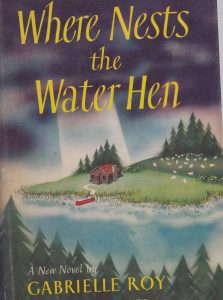
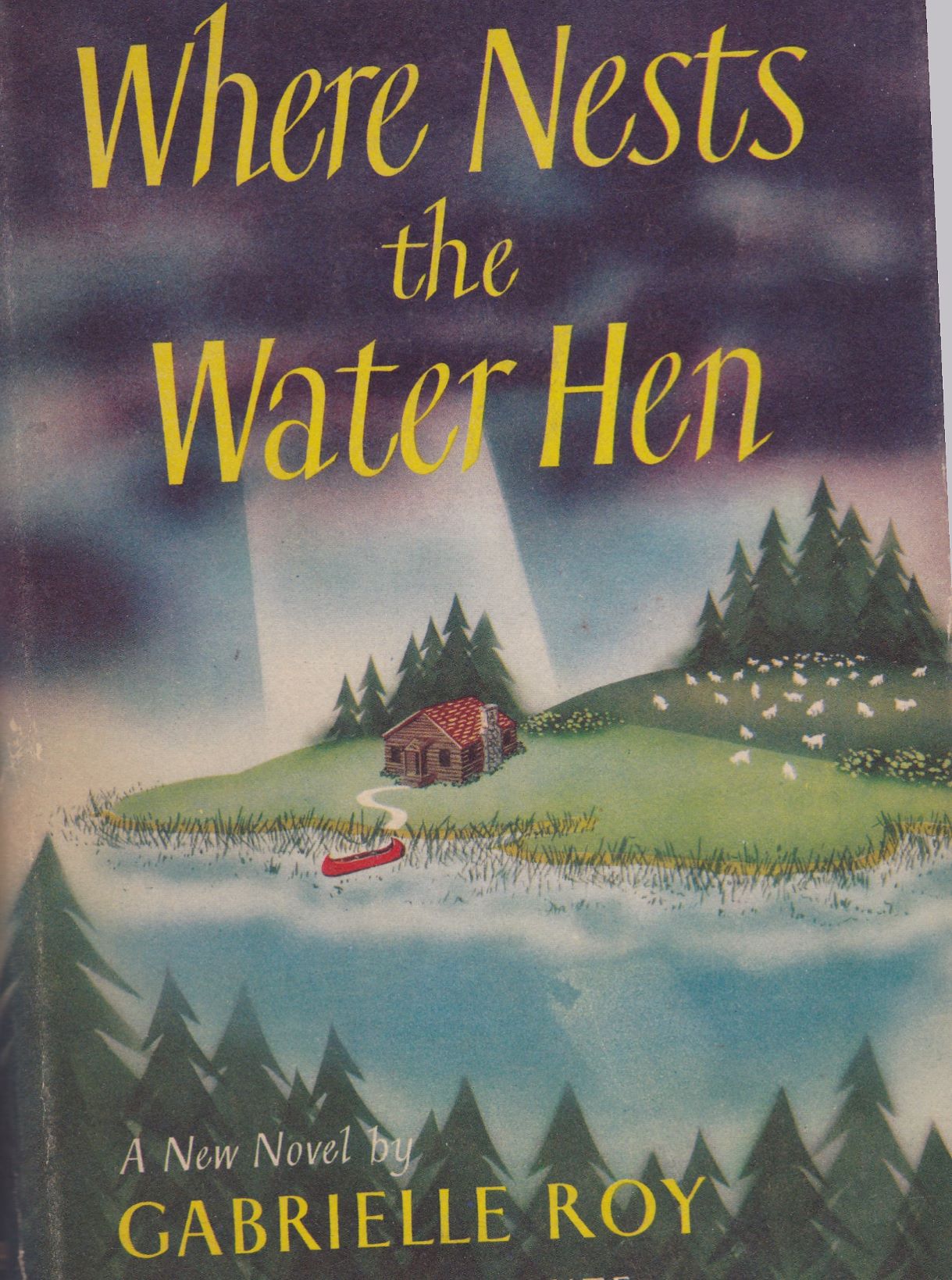
From my Can Lit course, ’69-’70, by a St. Boniface, Manitoba writer. One of the most moving Canadian novels ever written.
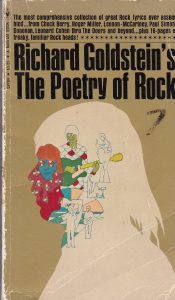
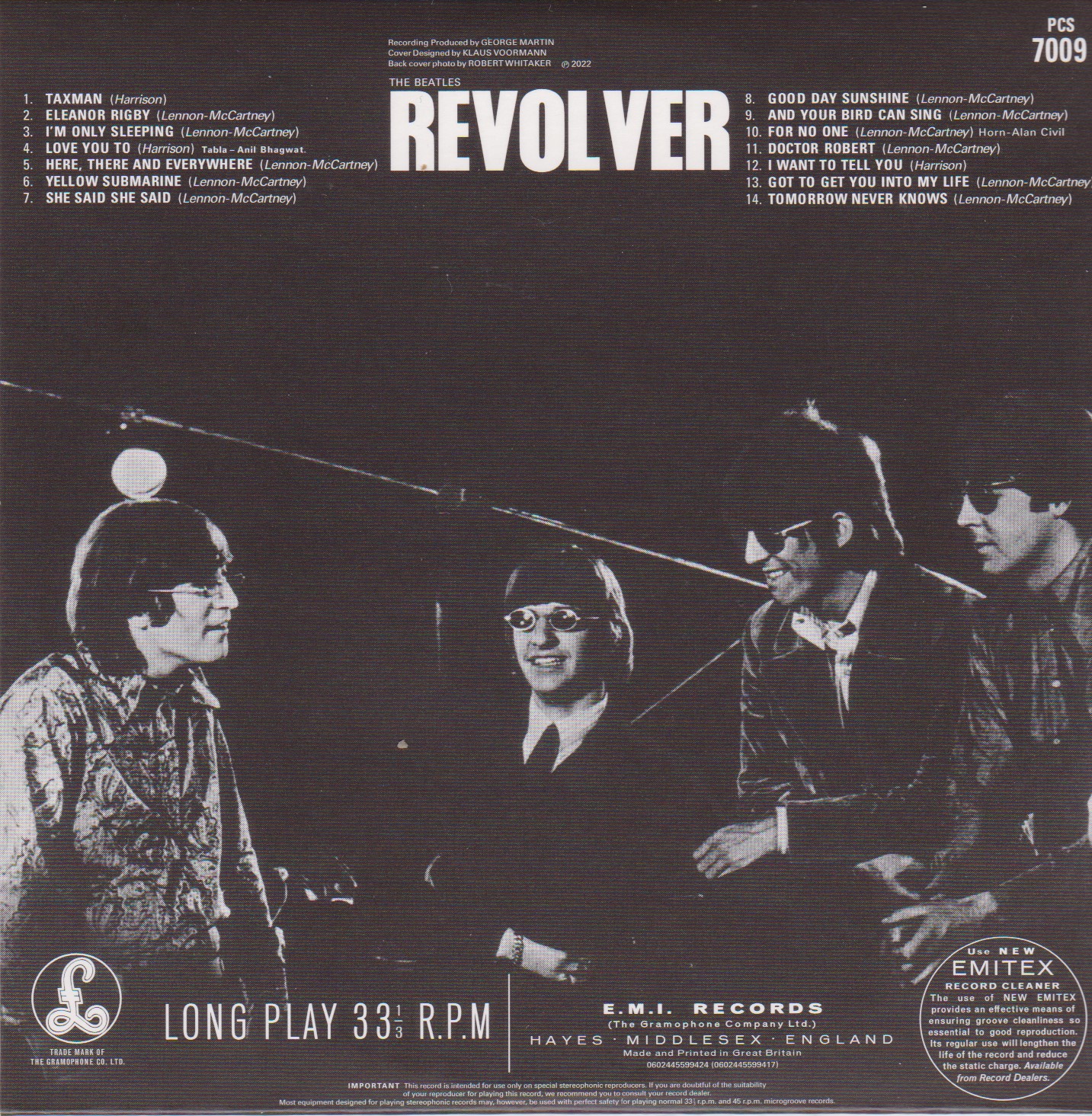
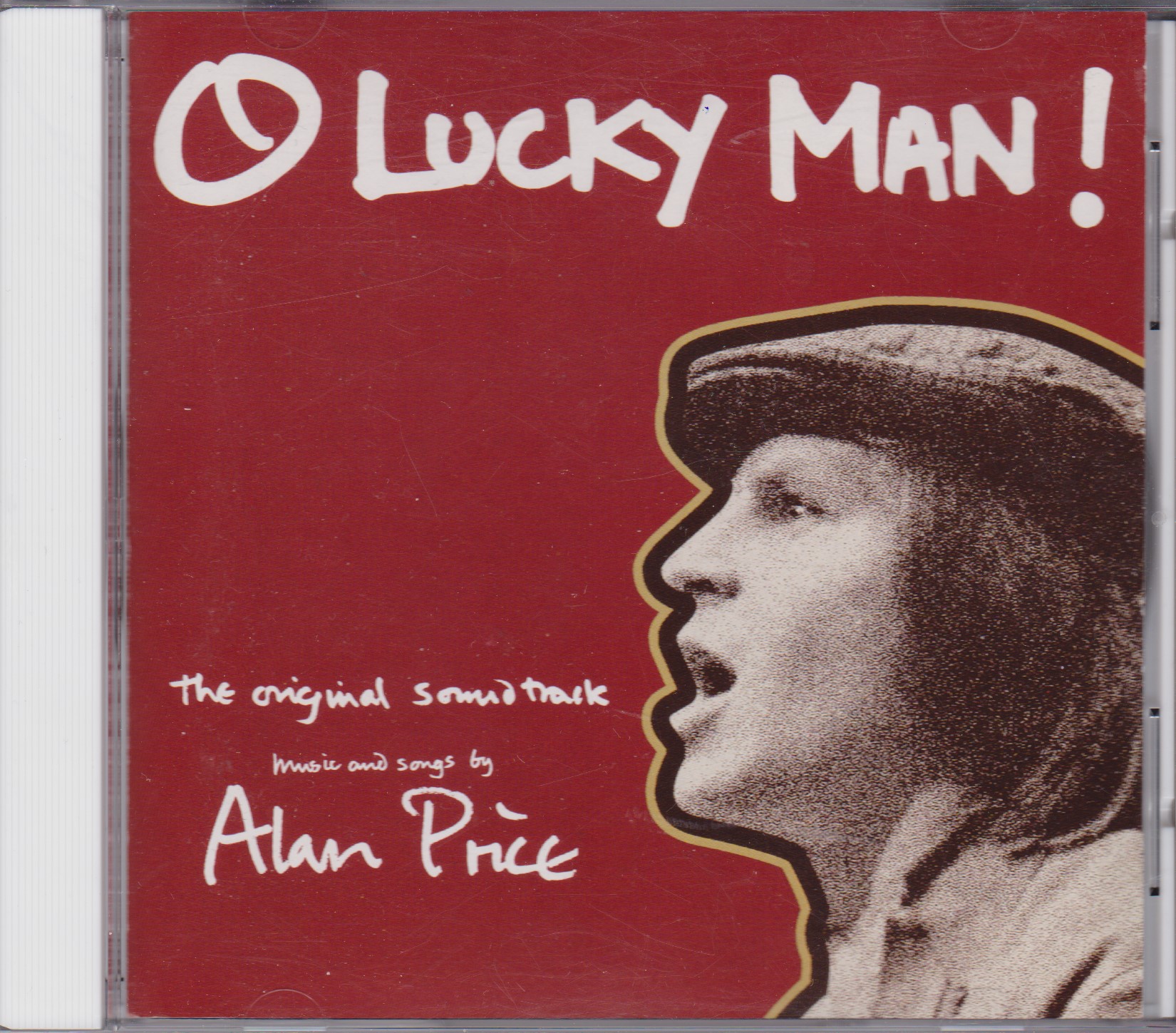
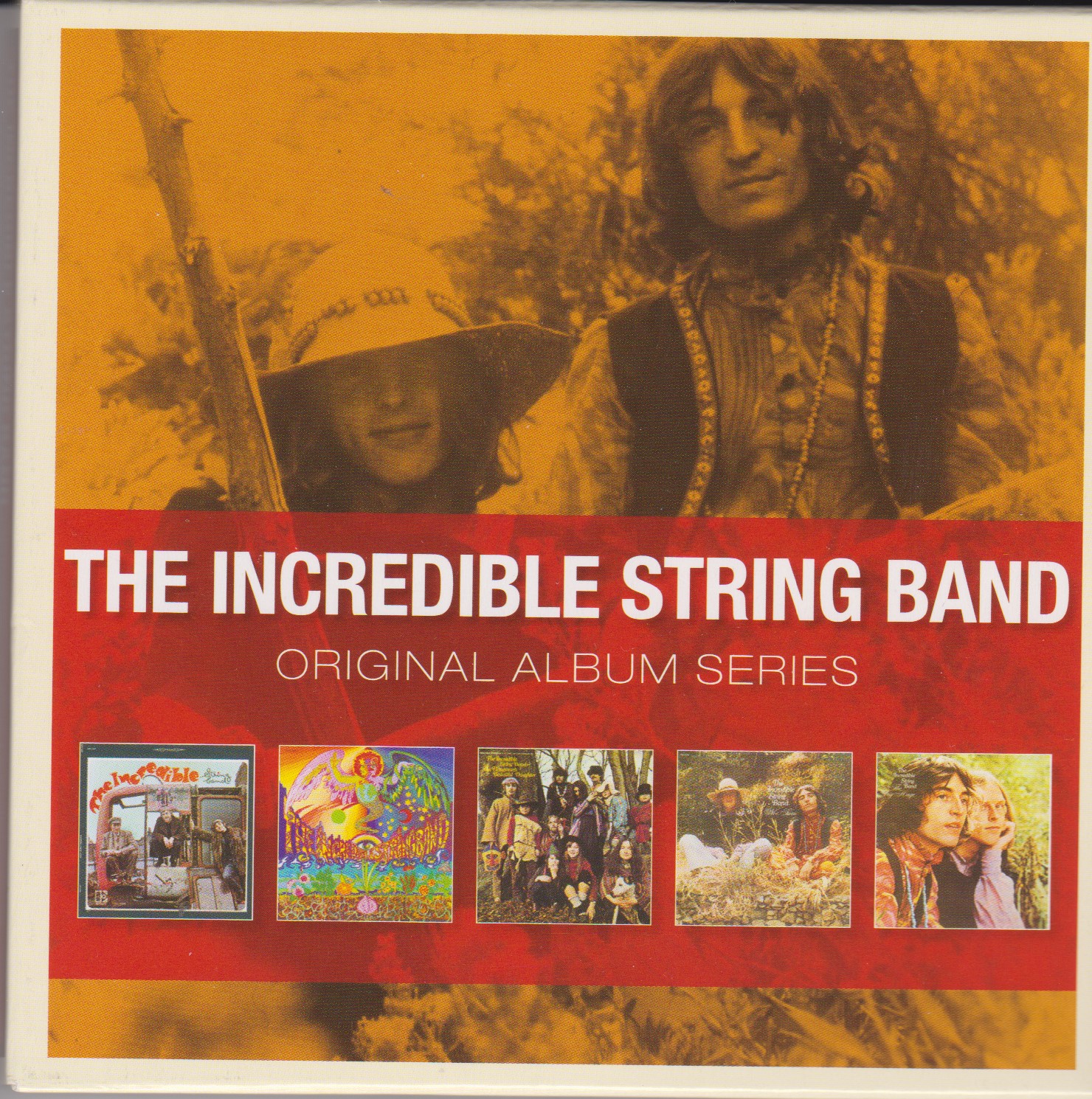
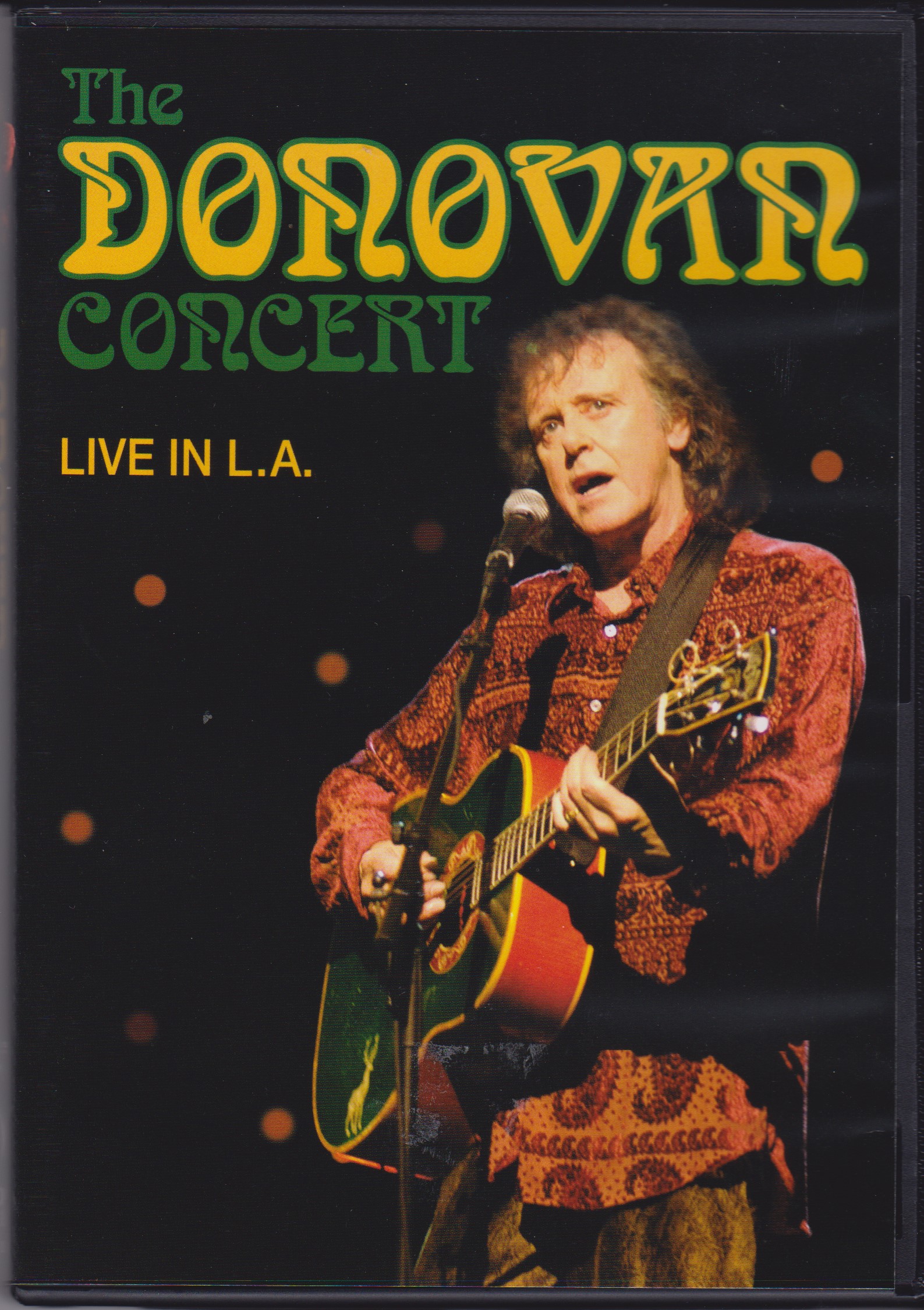
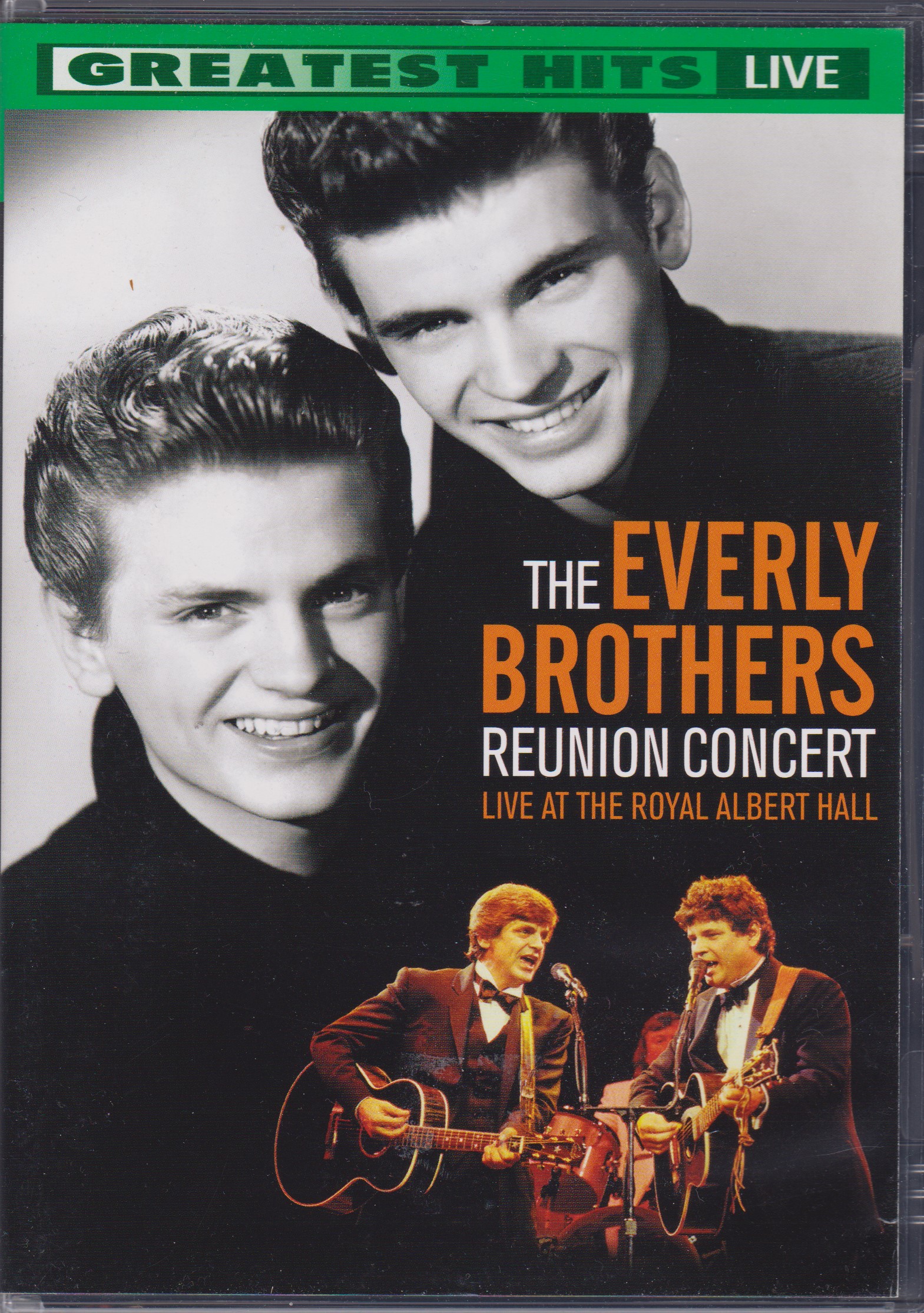
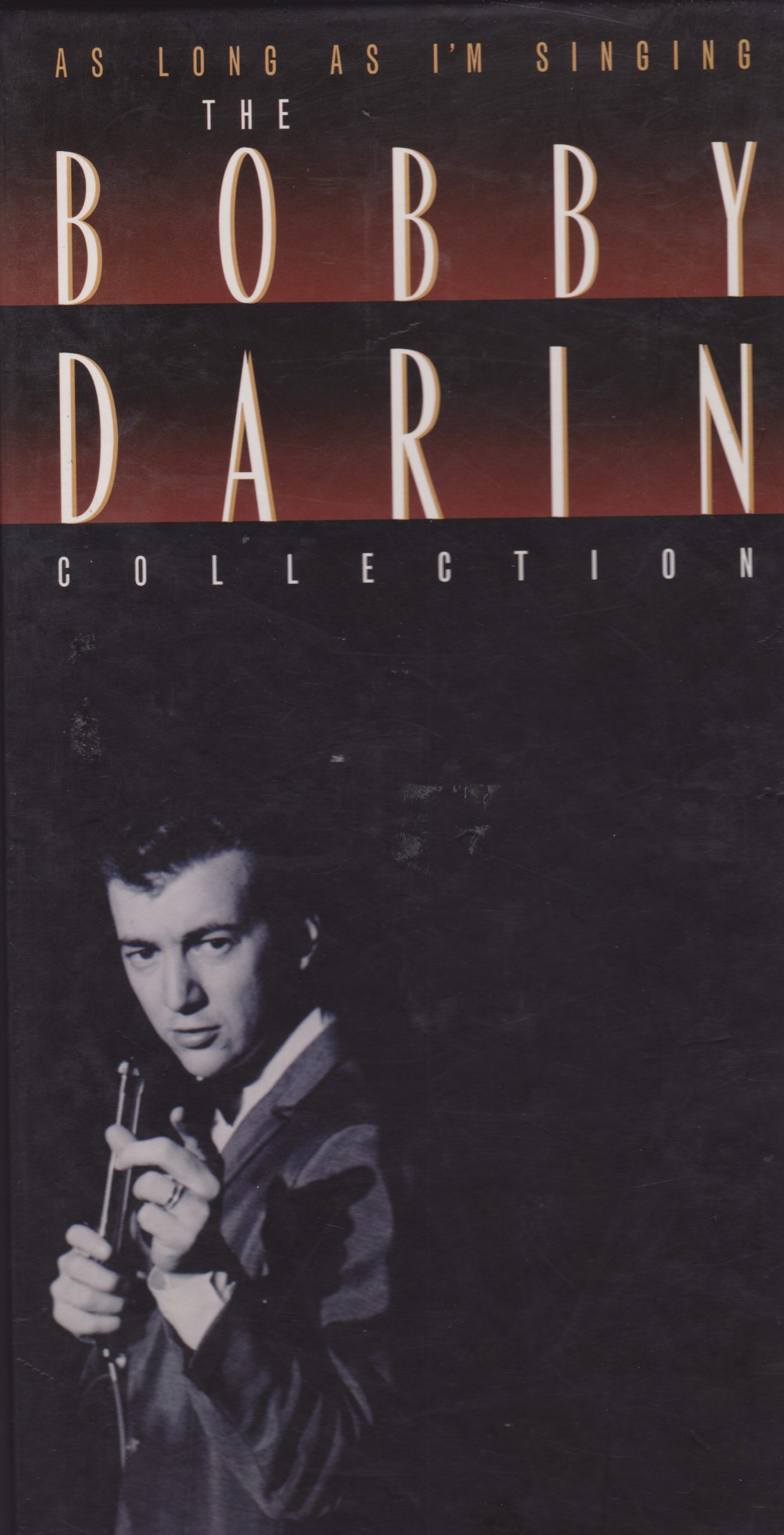
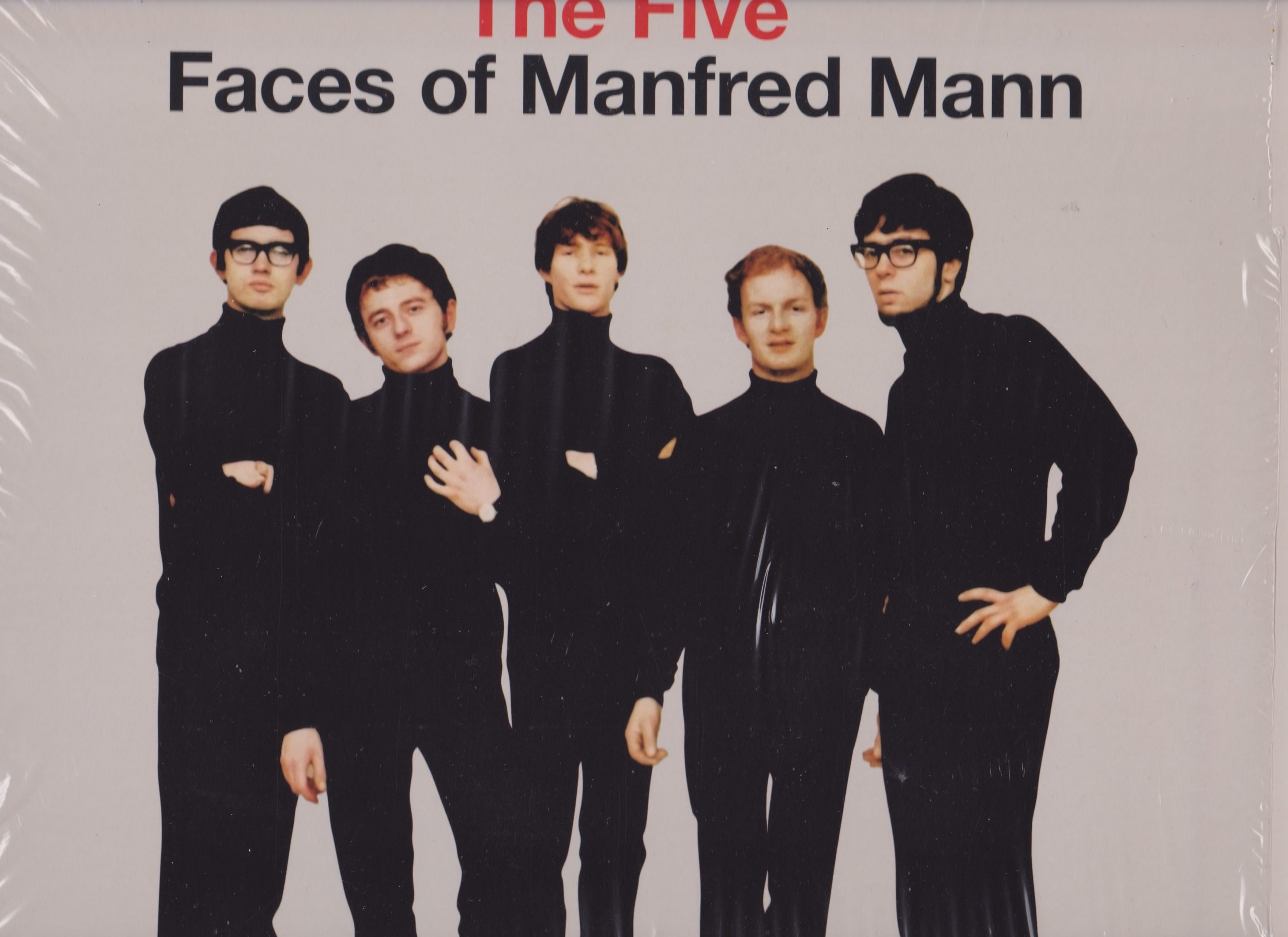
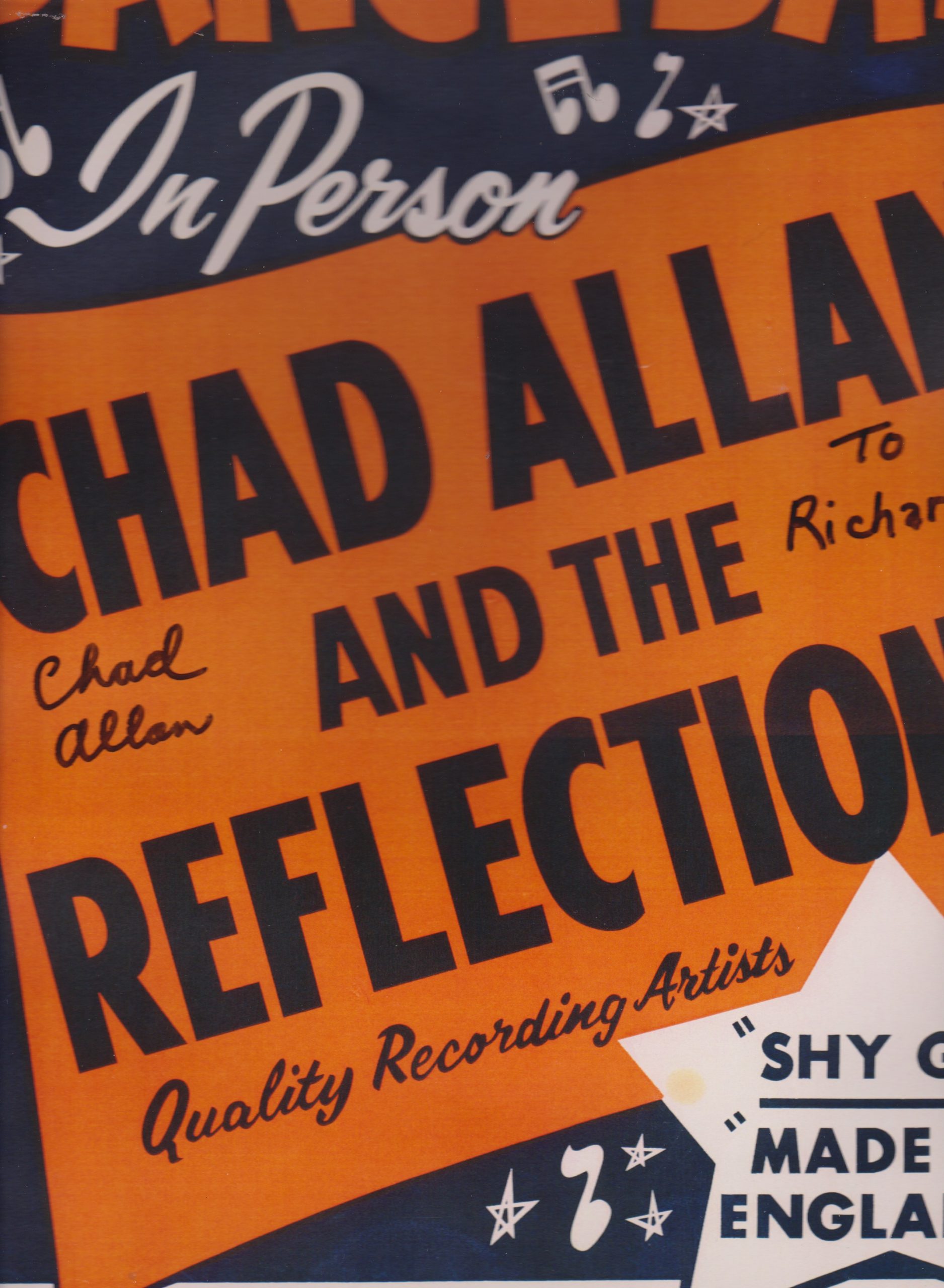
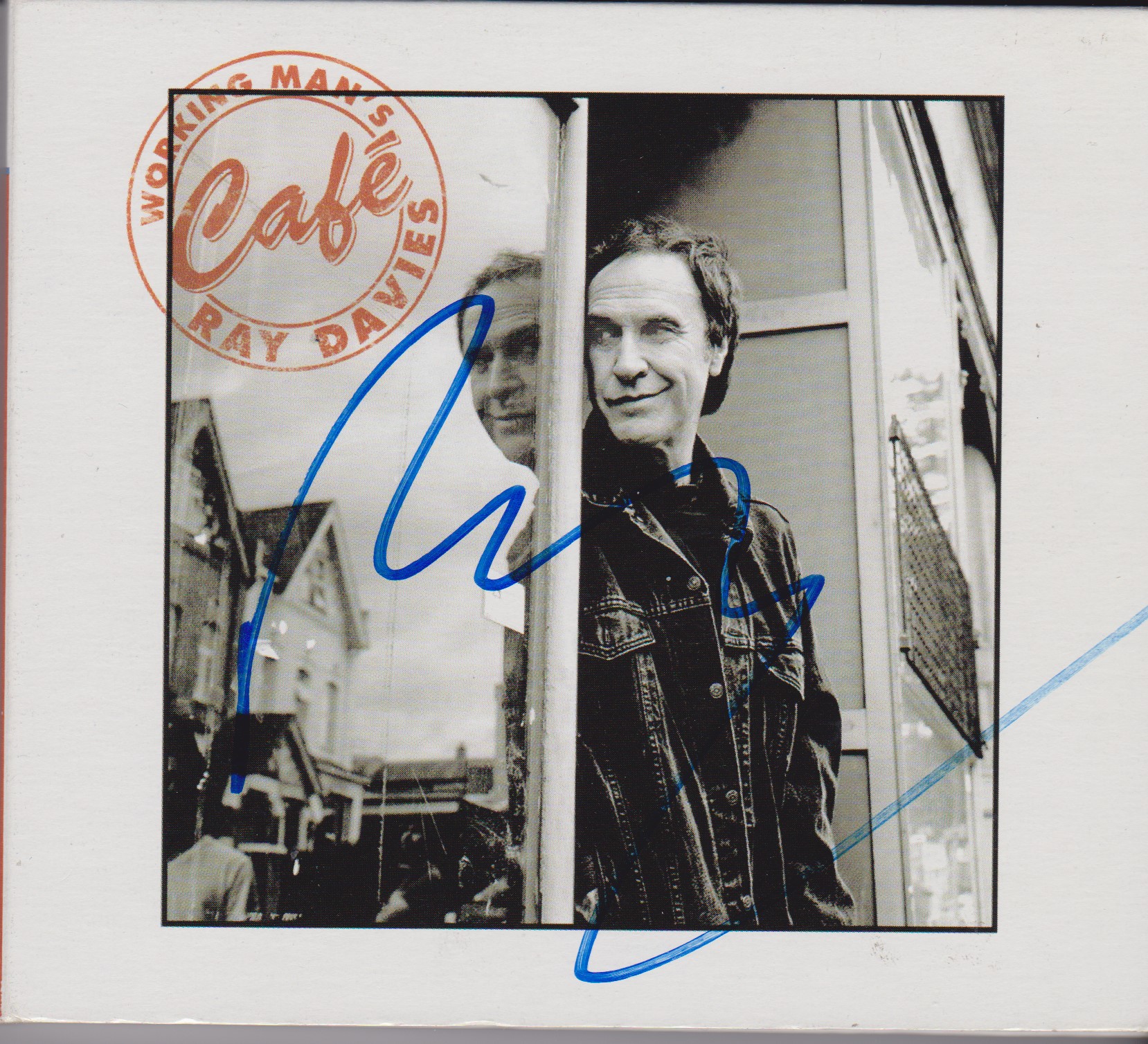
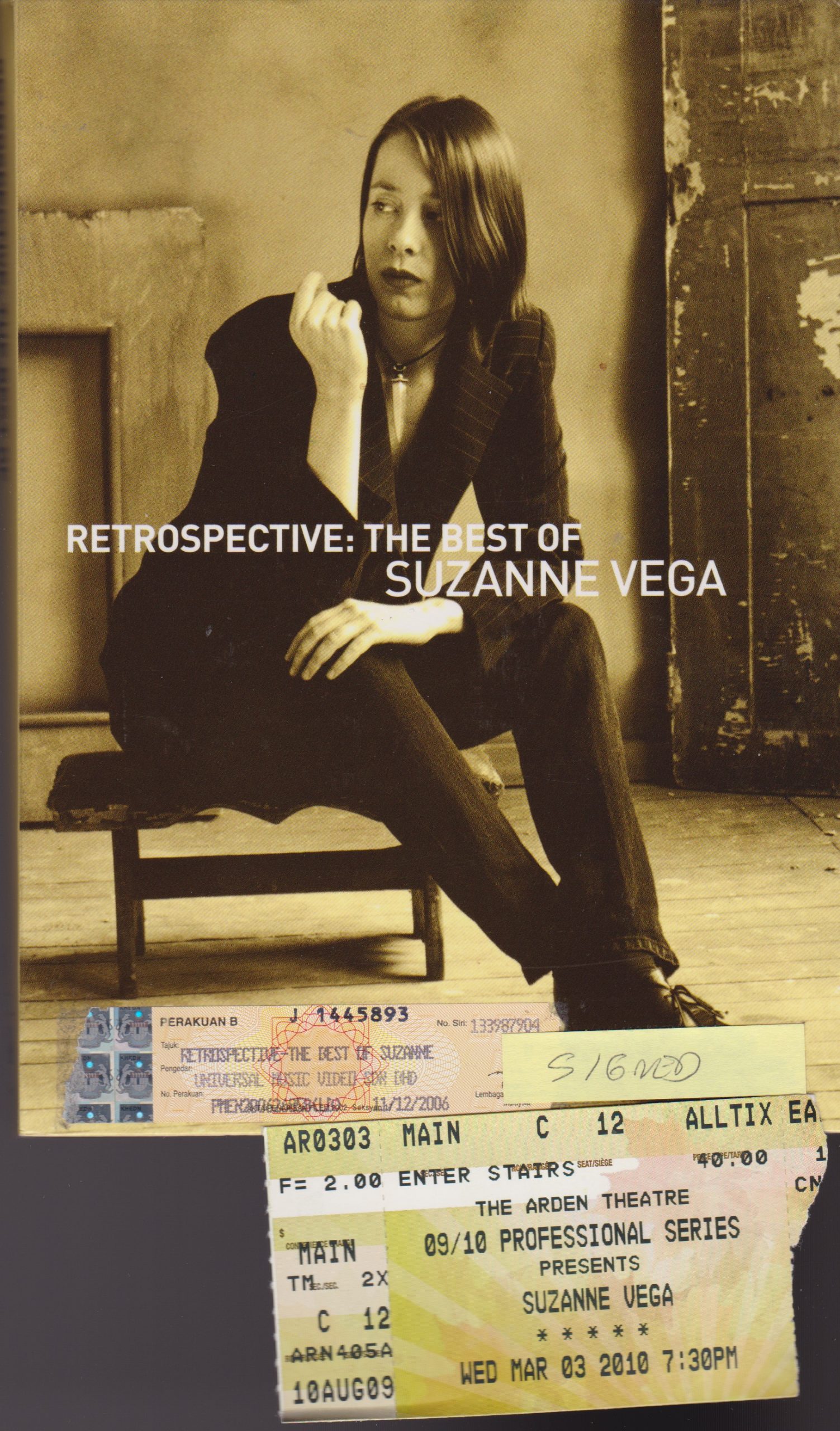
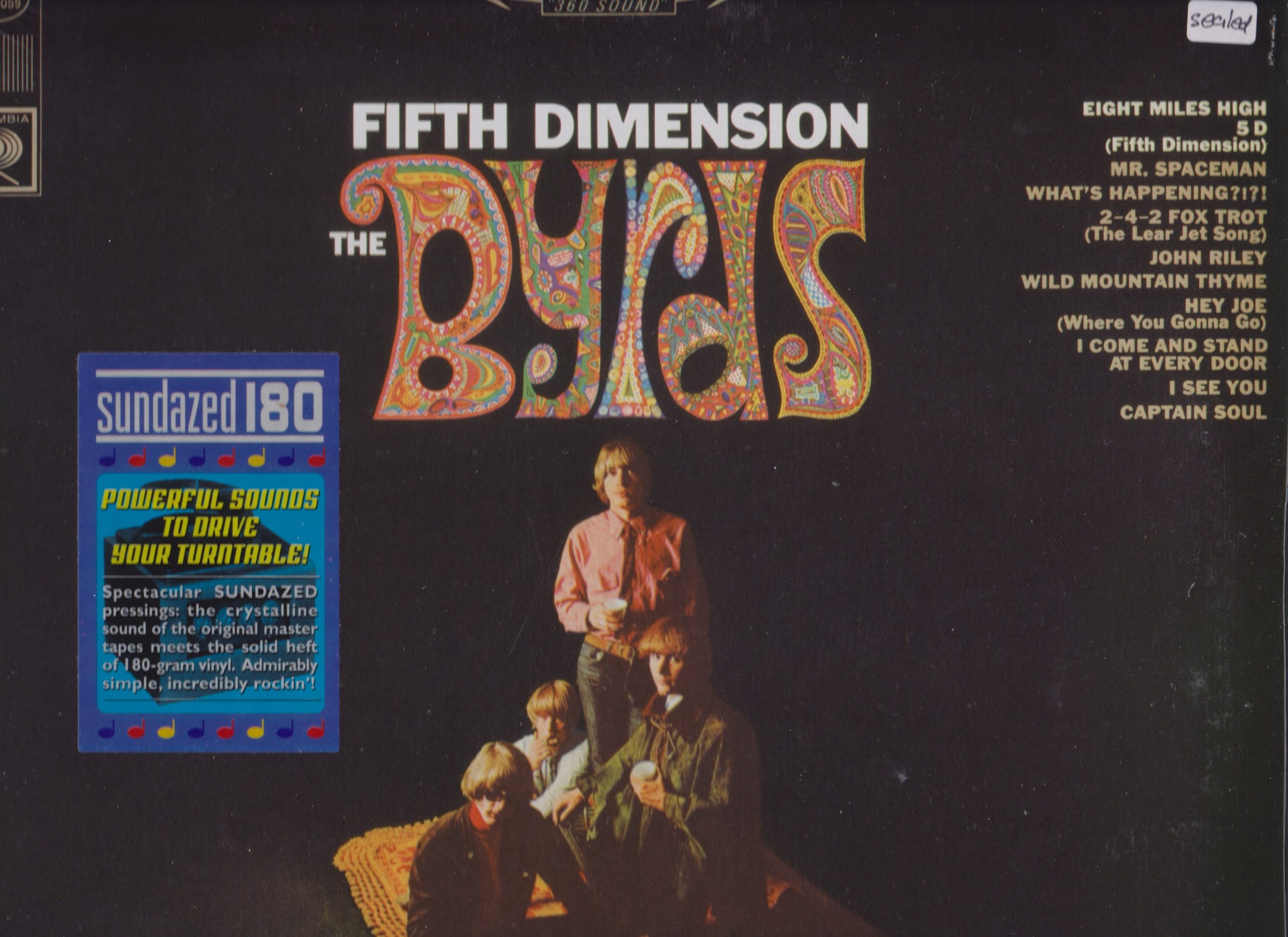
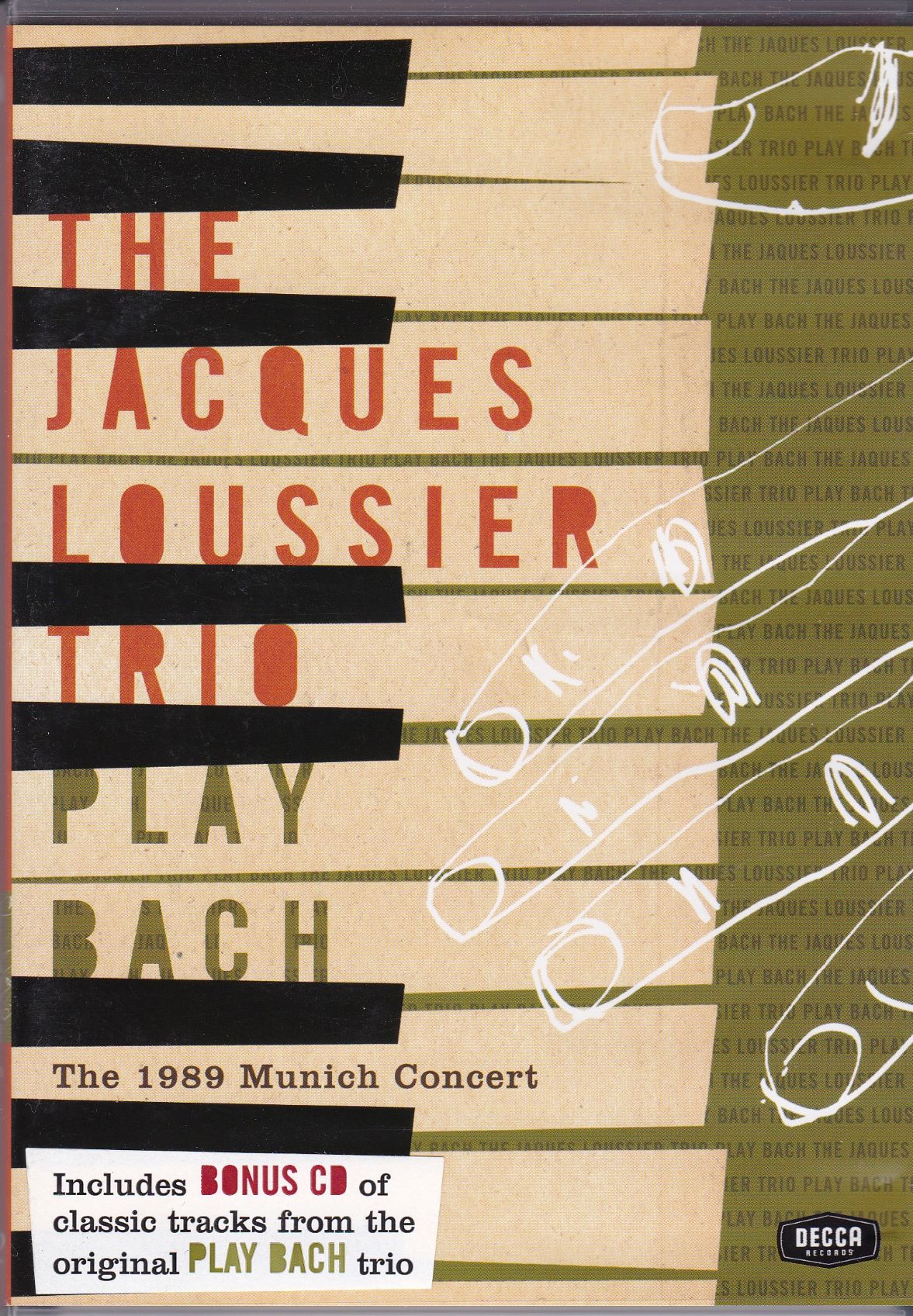
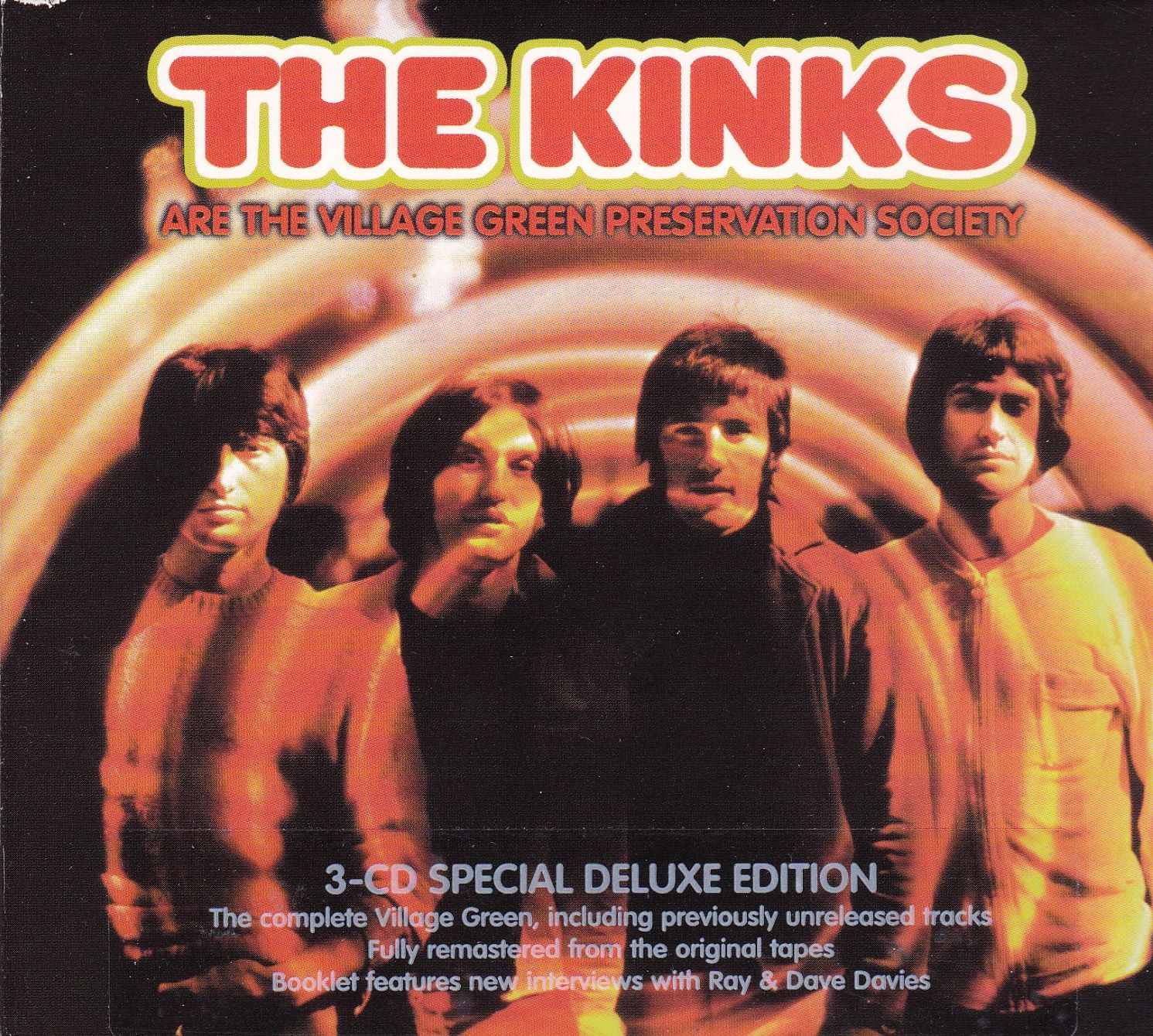
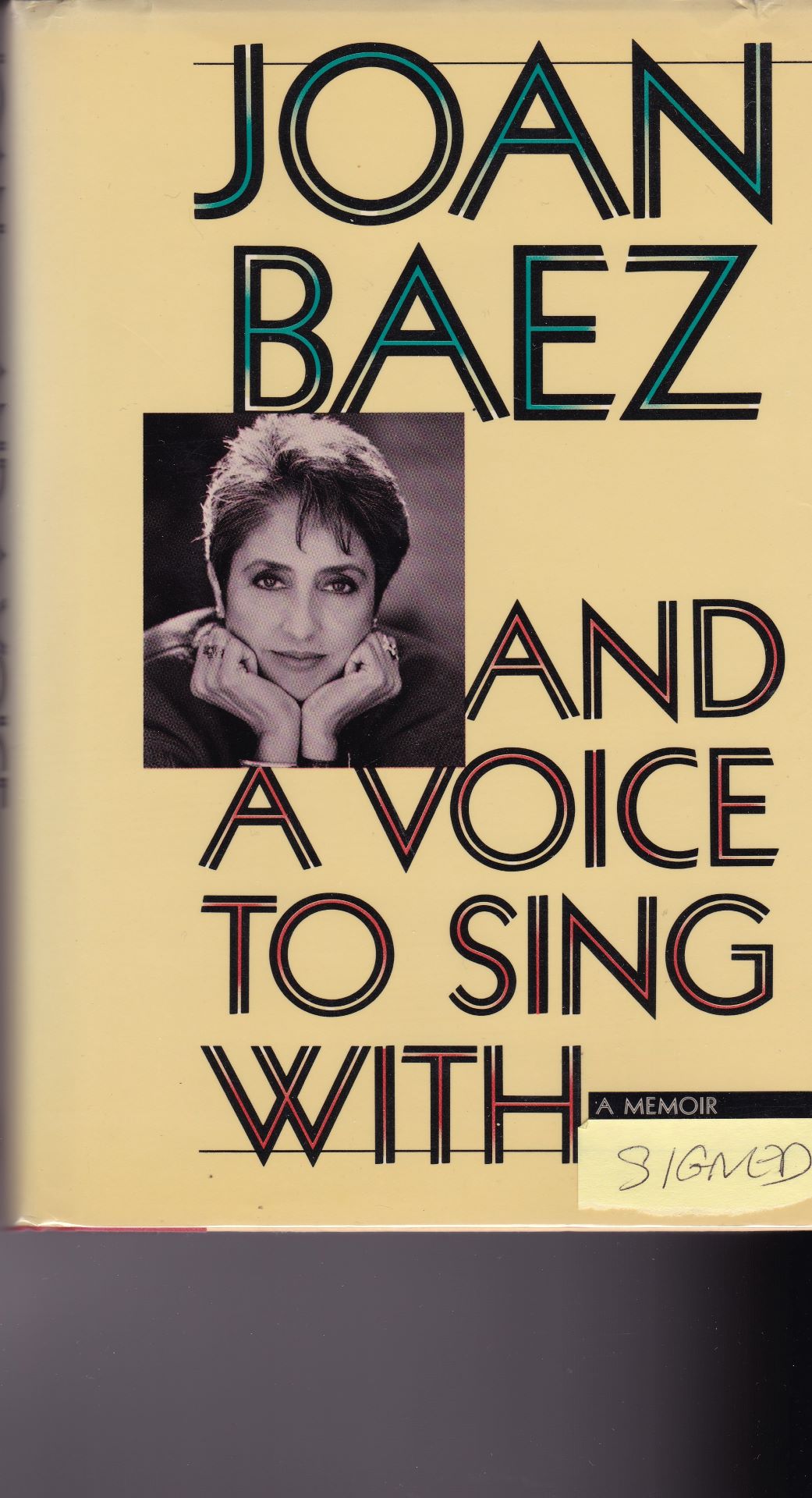
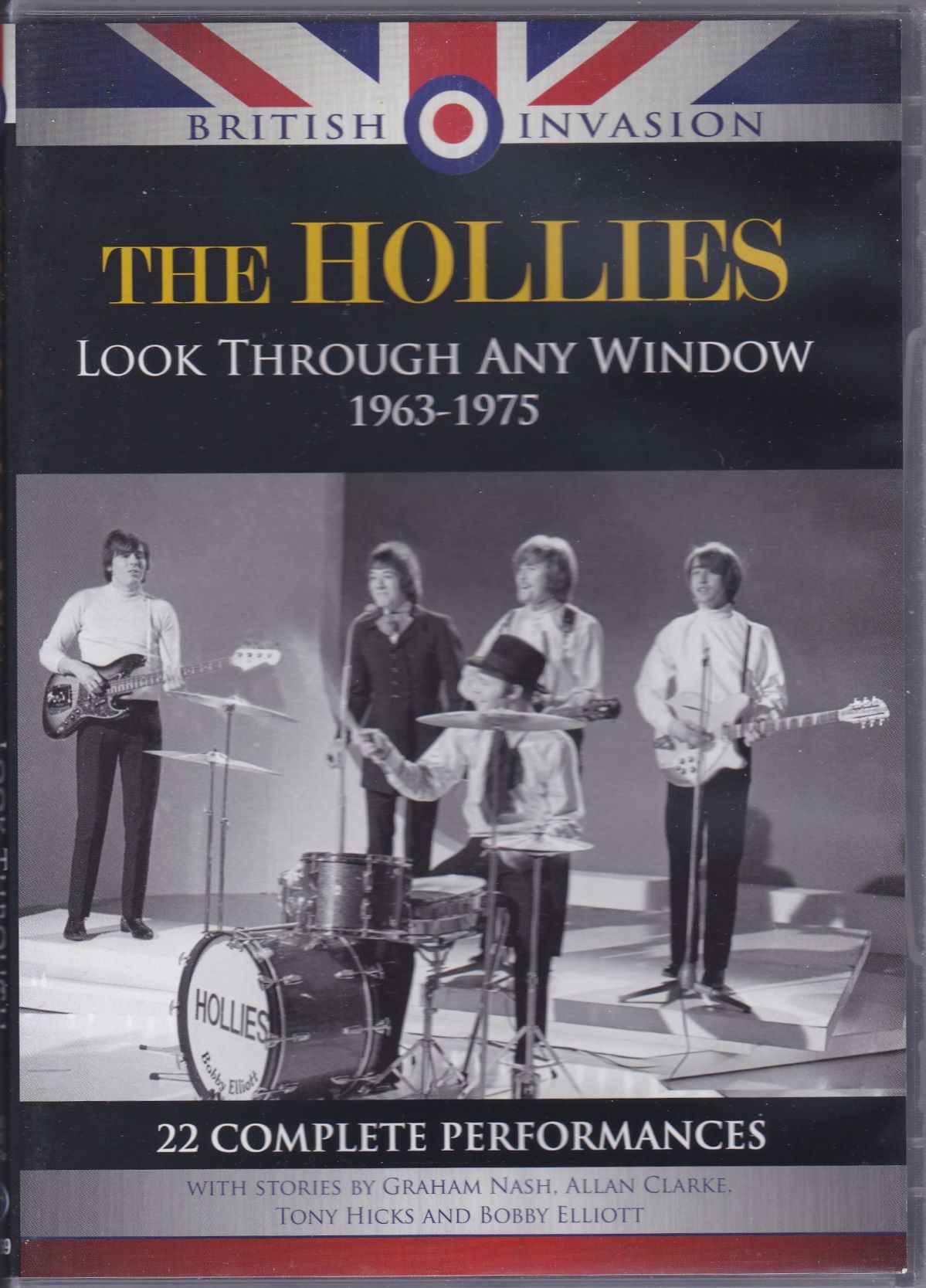
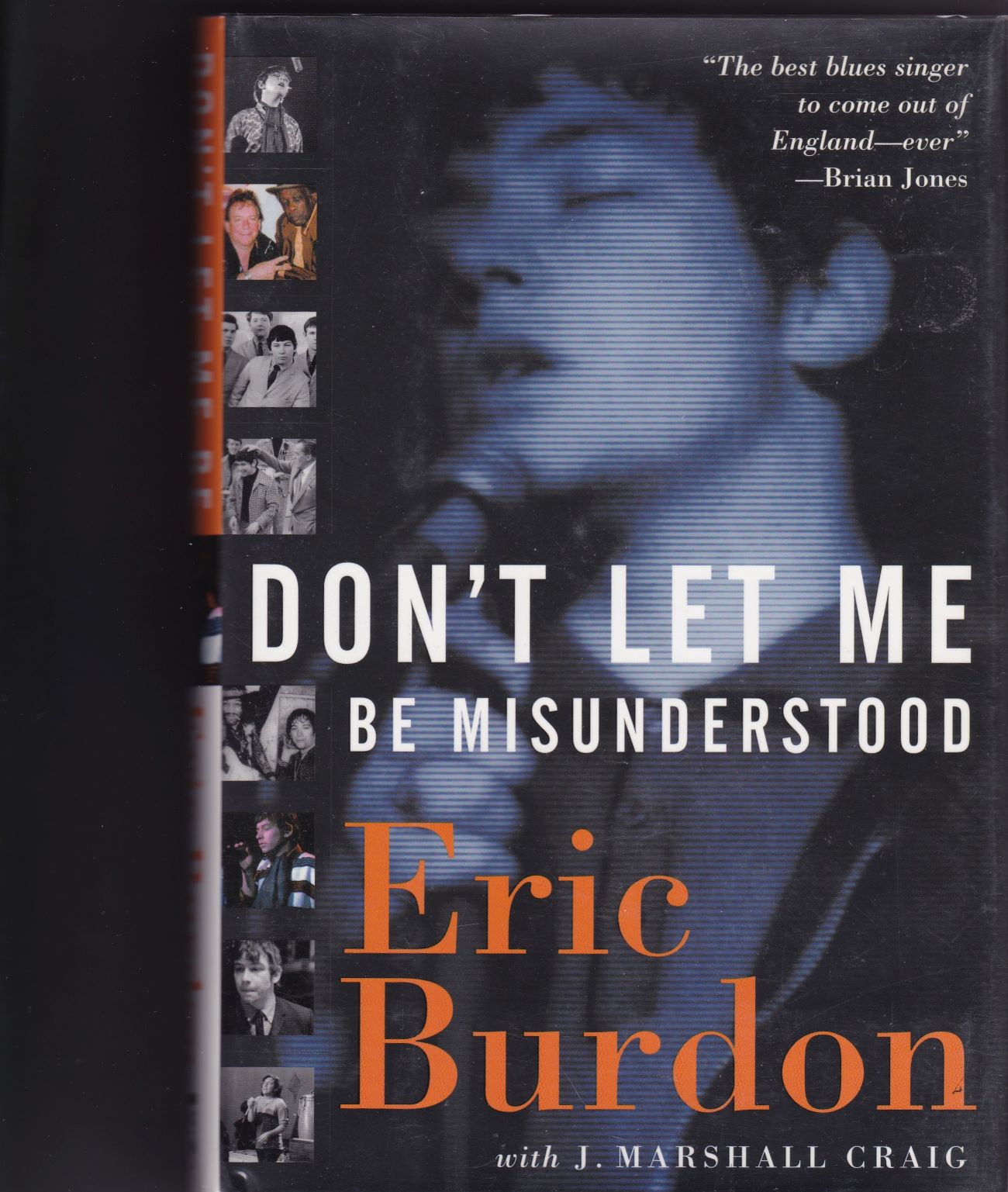
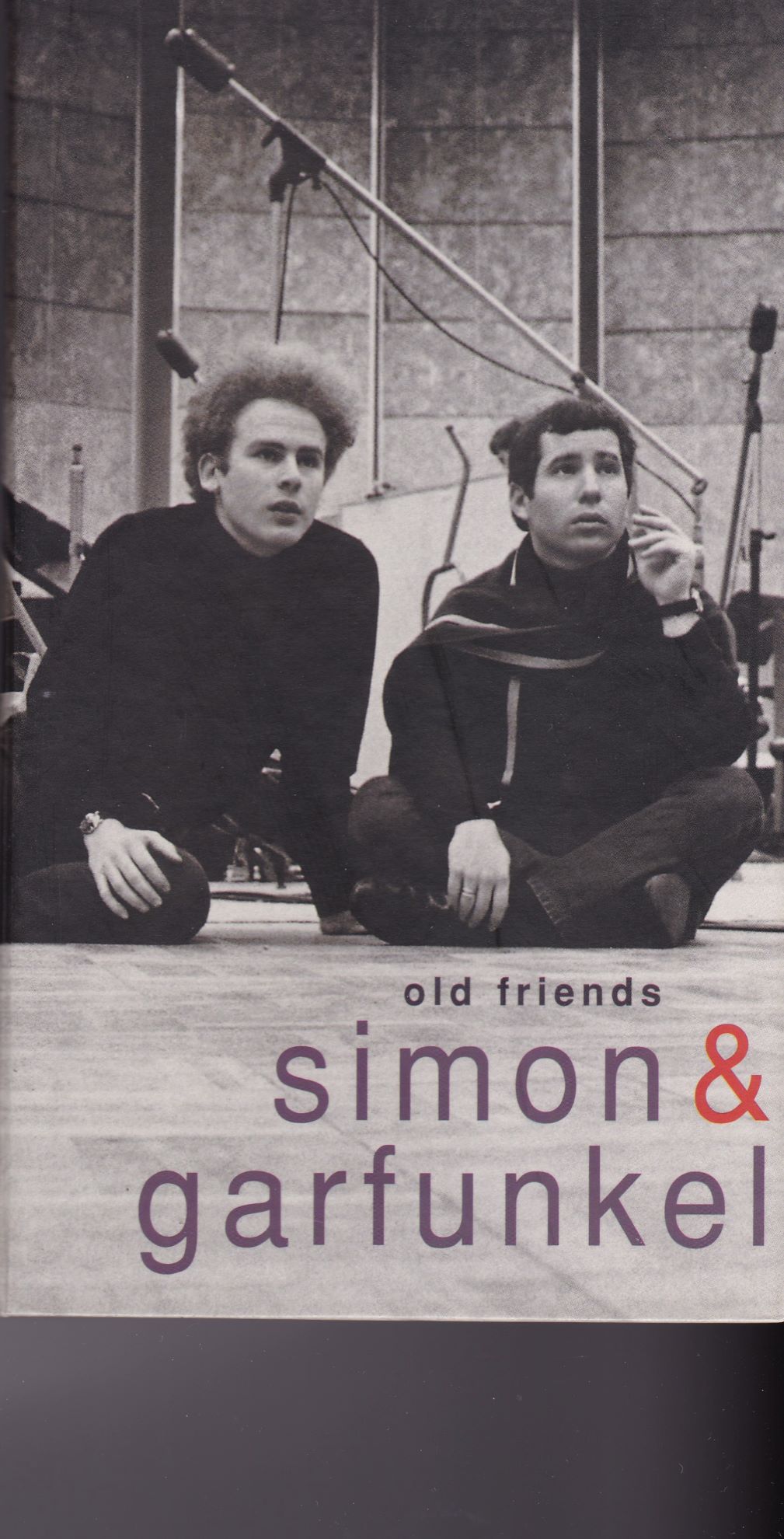
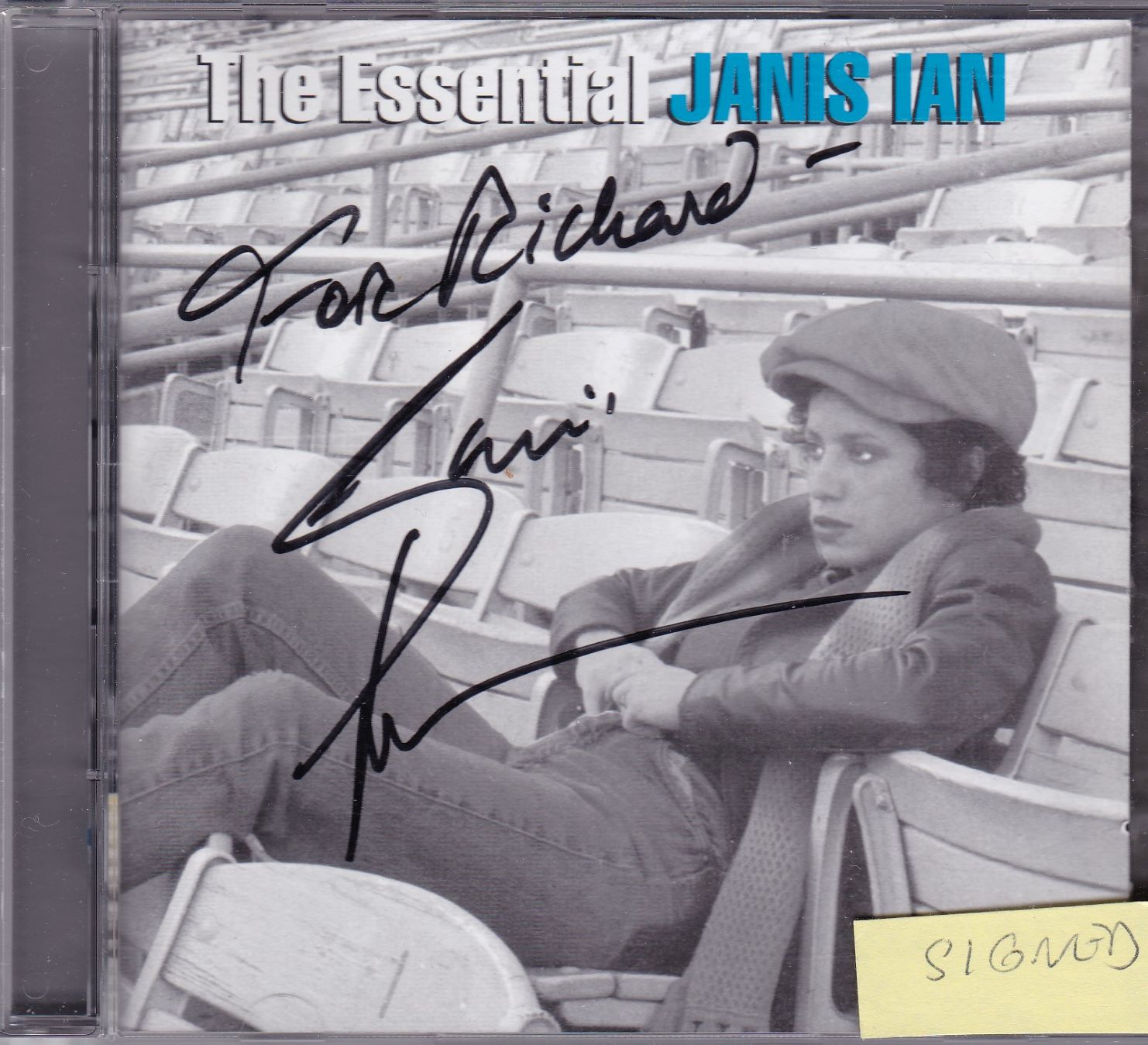
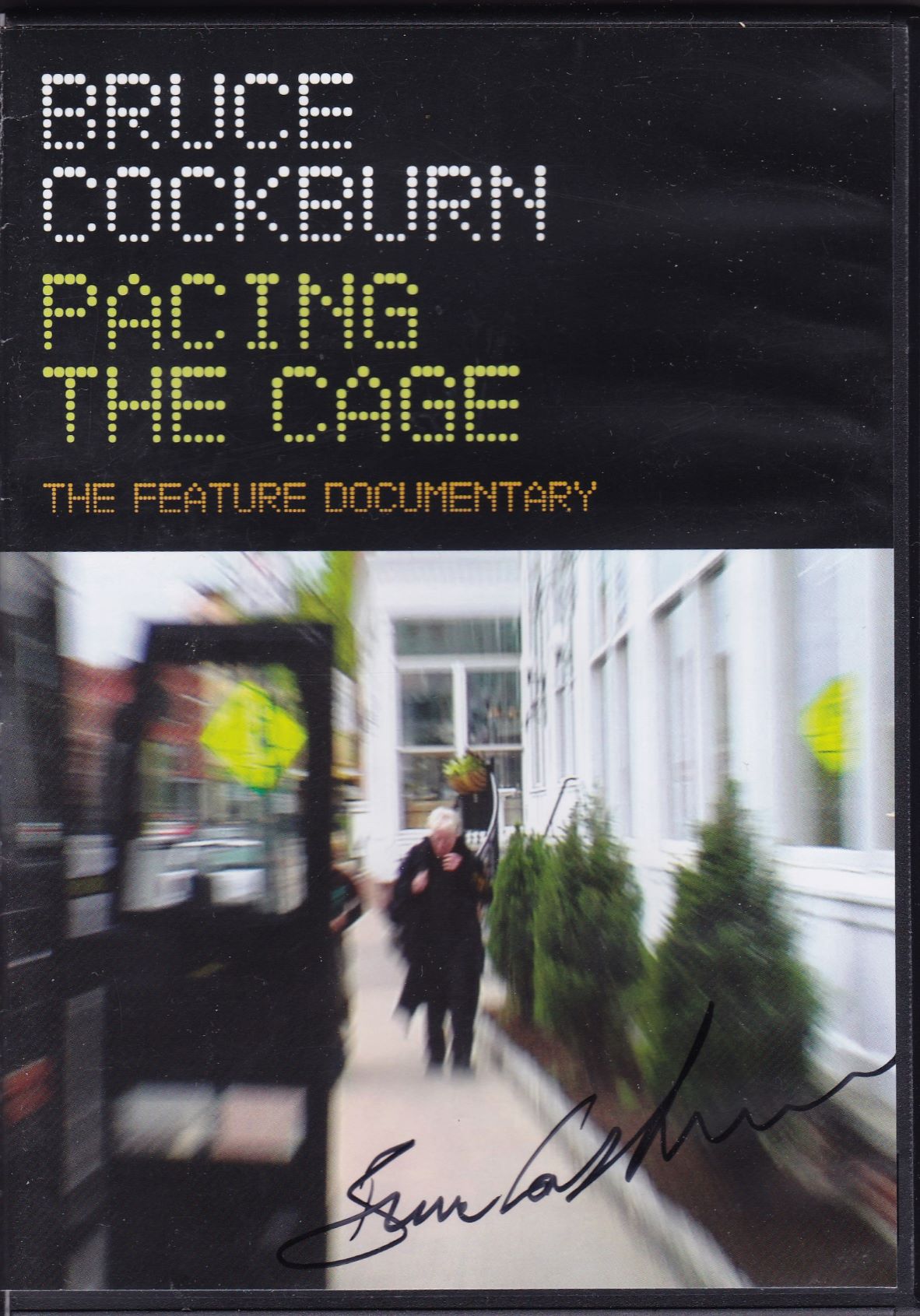
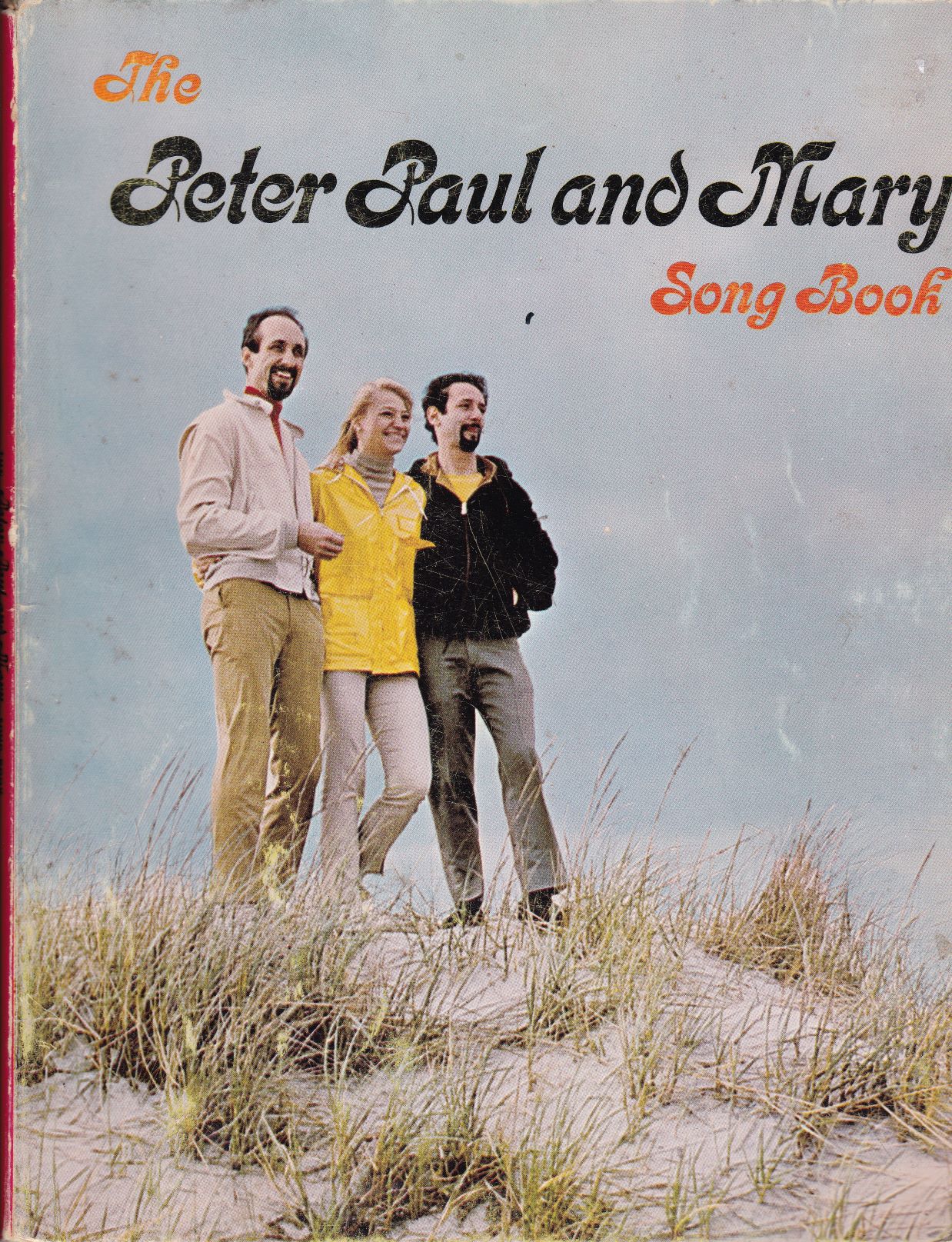
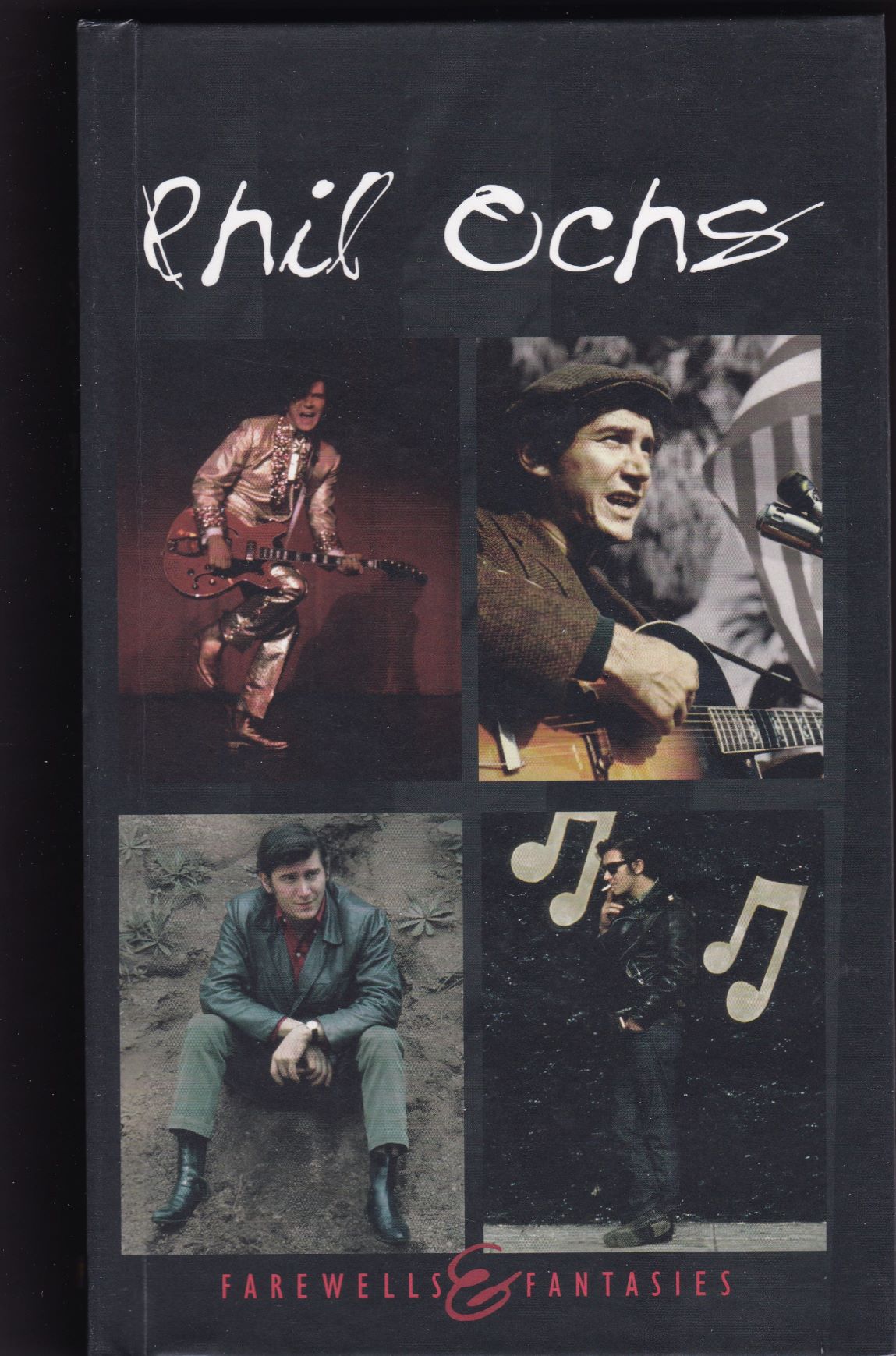
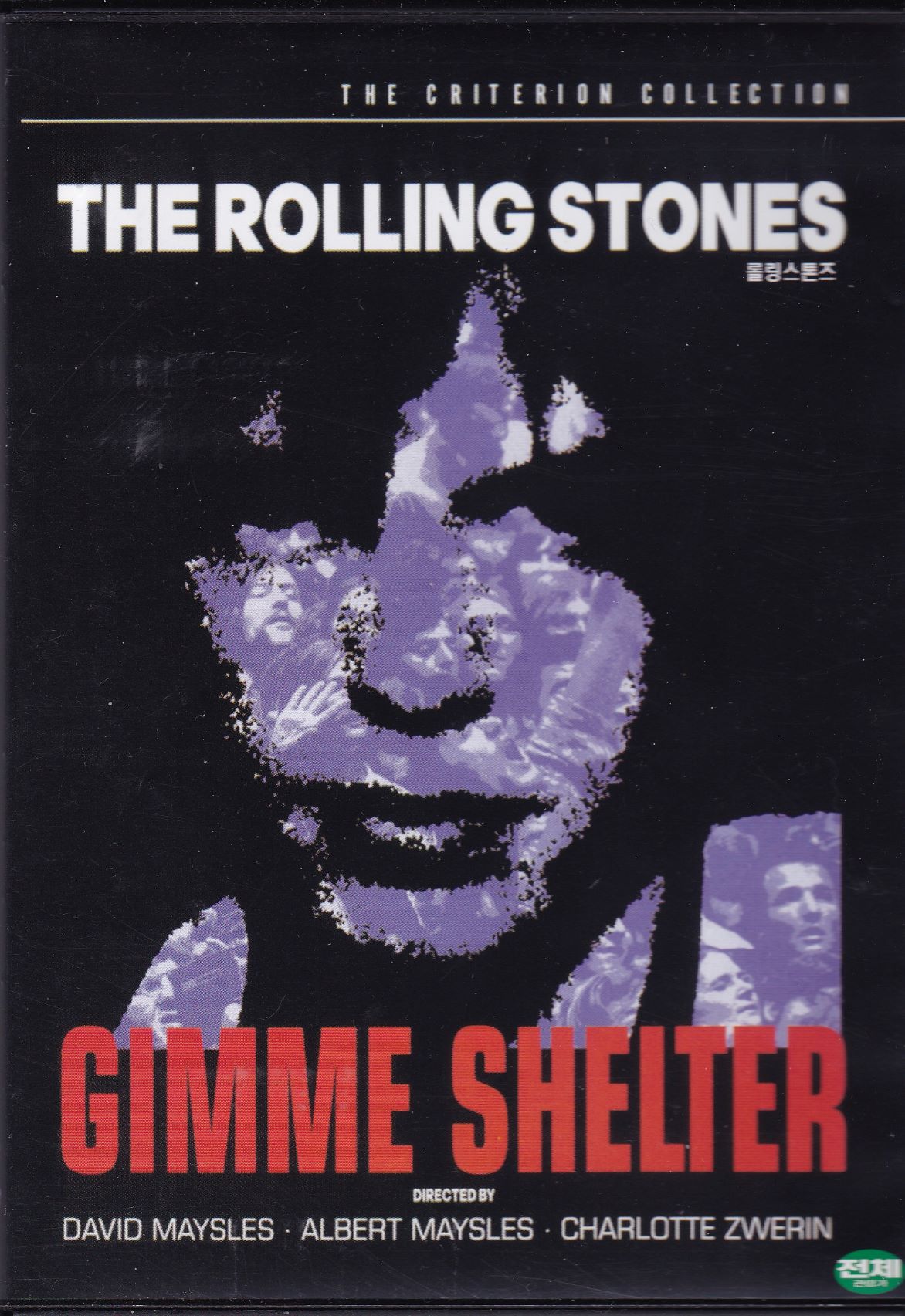
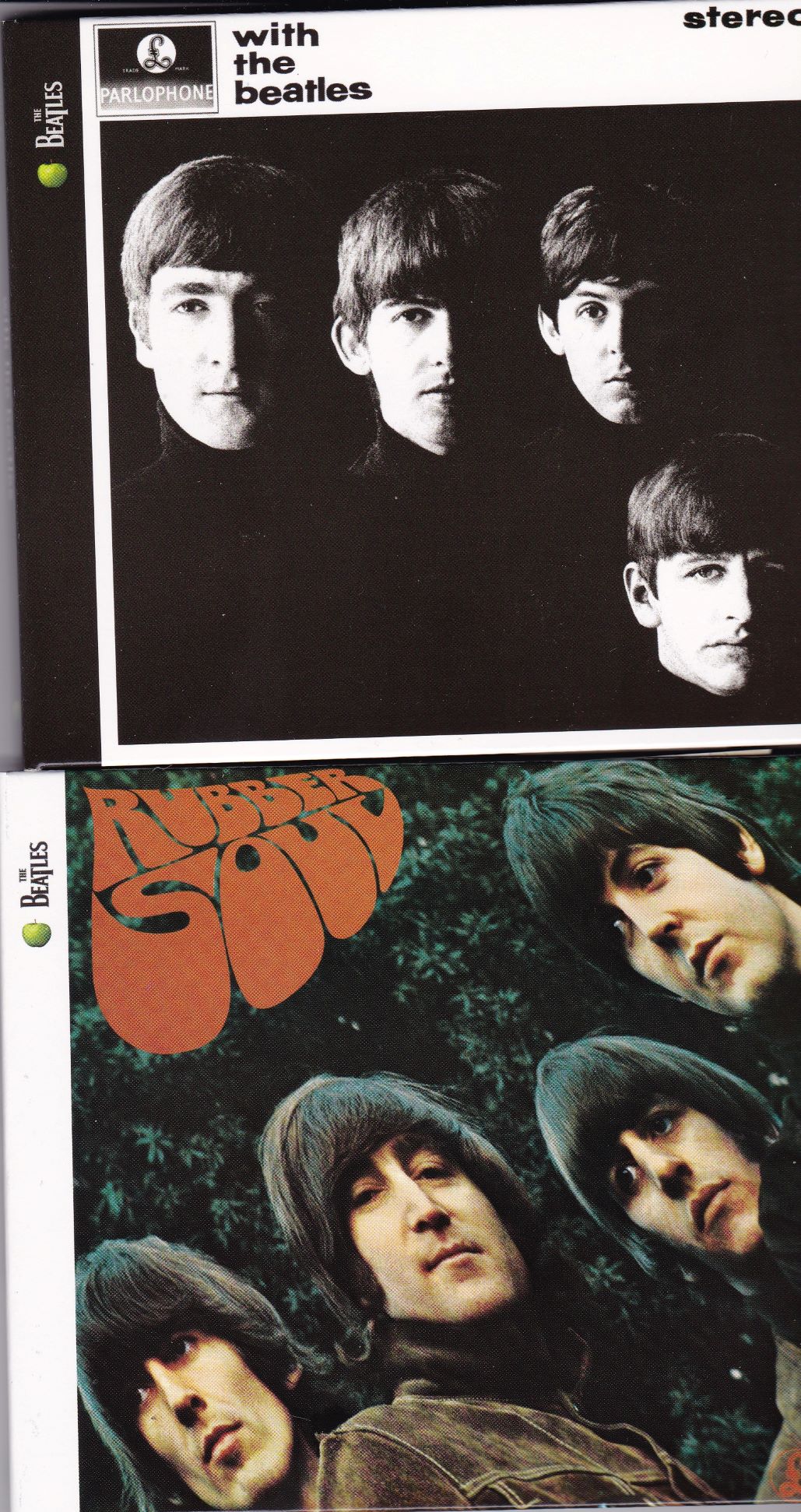
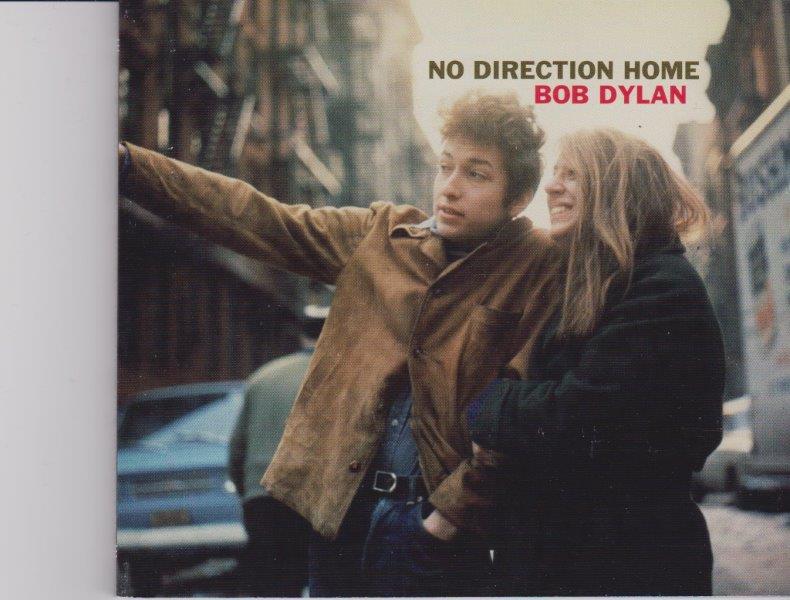
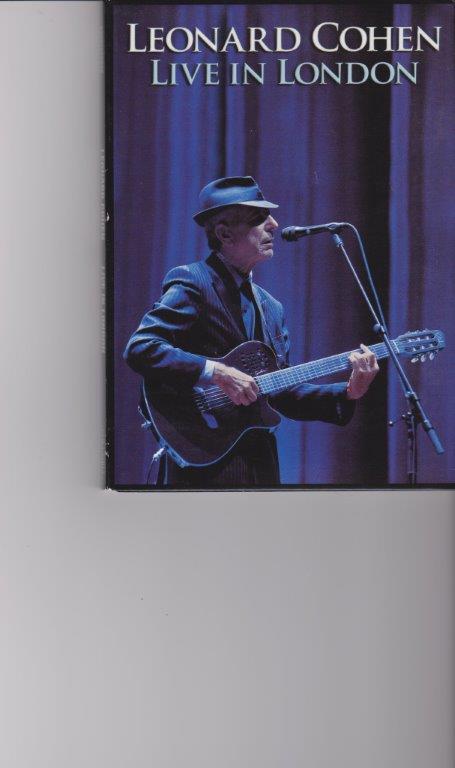
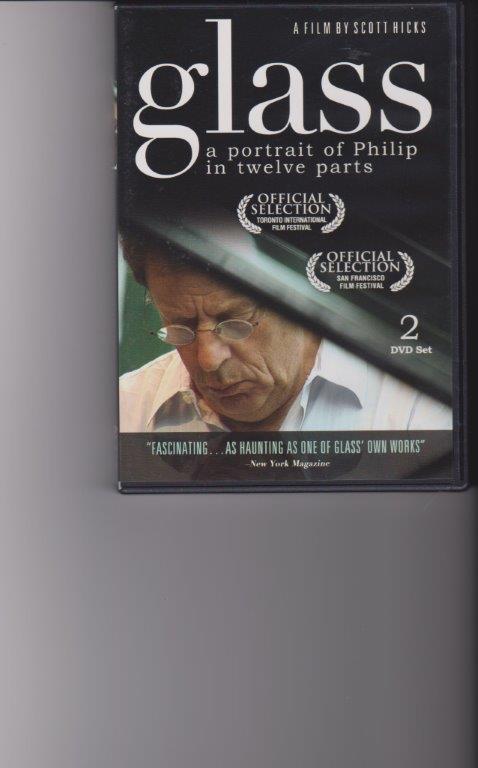
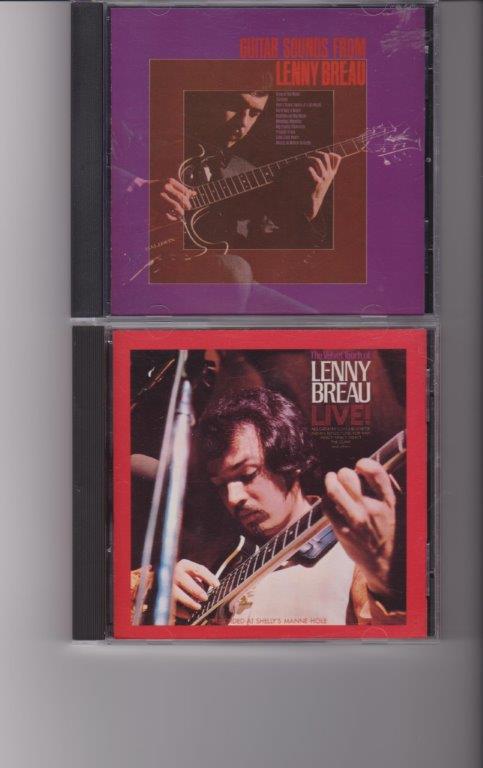
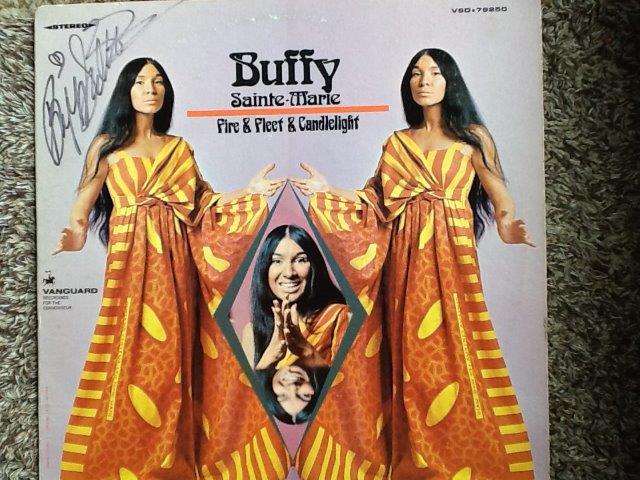
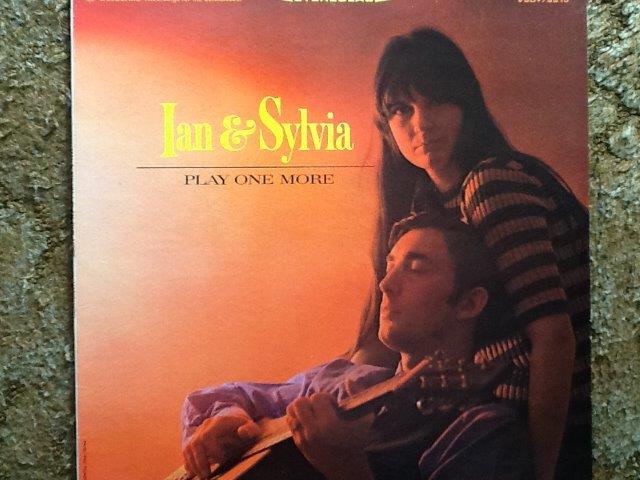
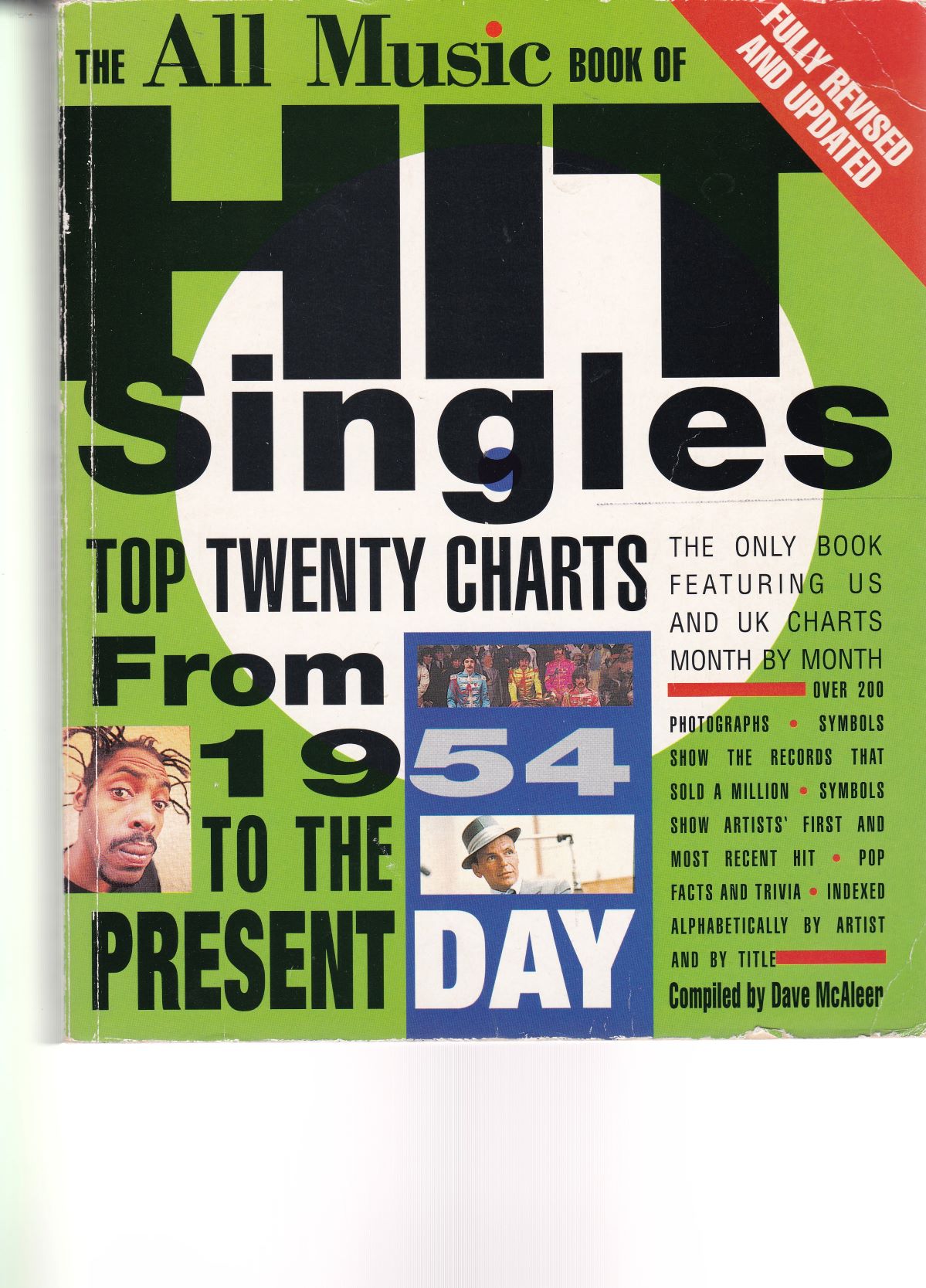
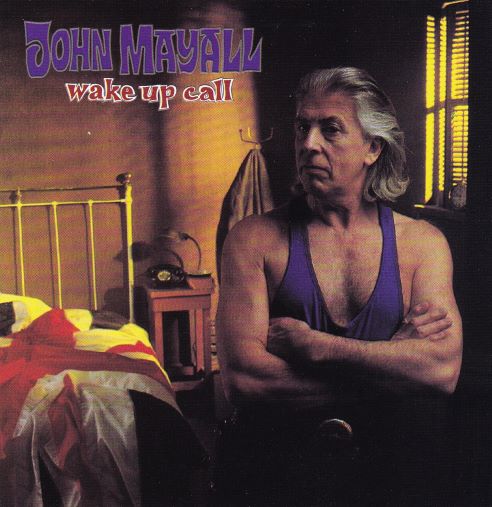
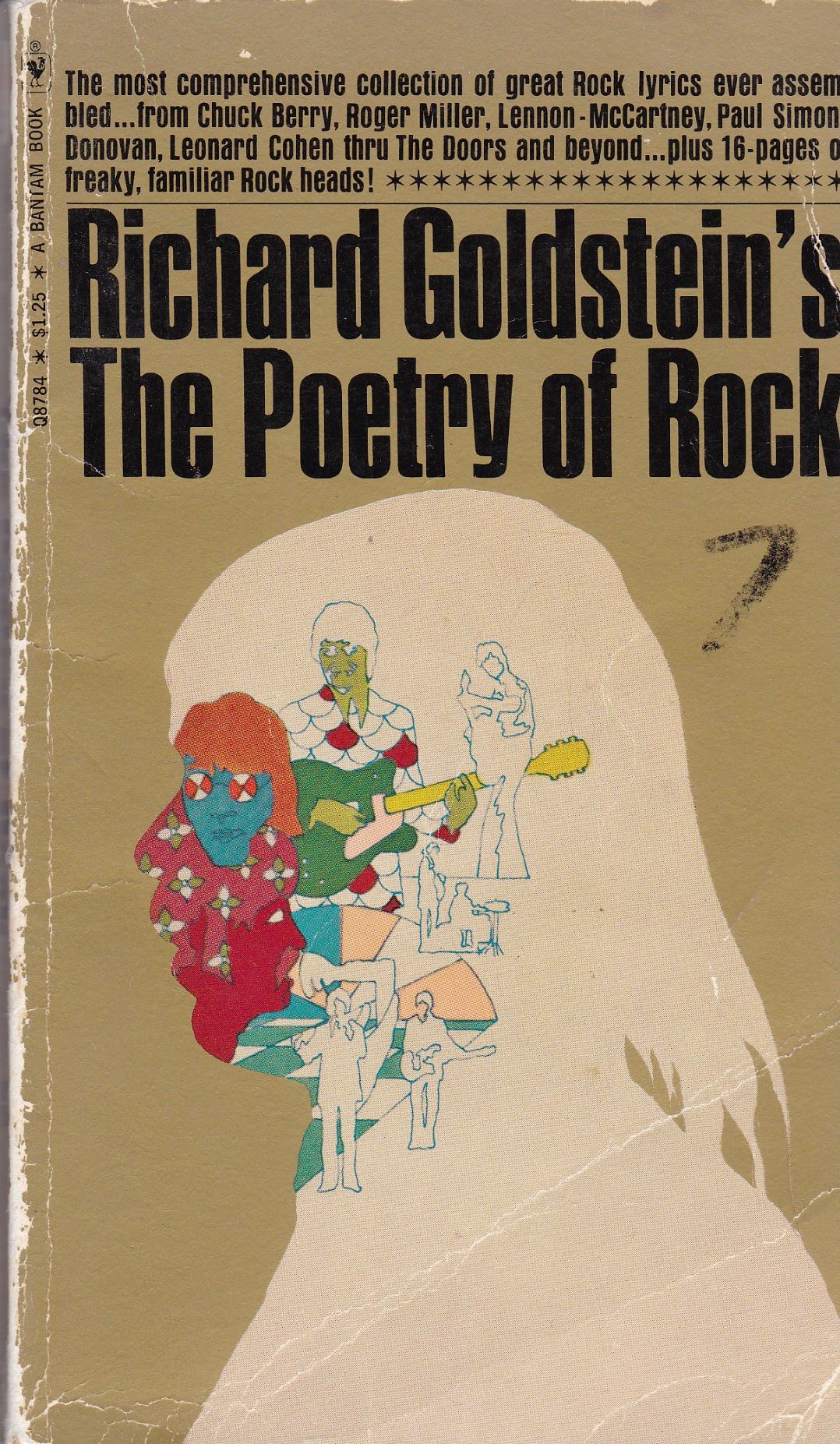
Ran into this one in an Edmonton used bookstore in 1971. Many of my book discoveries have merged the arts with literature. I later taught an option called The Poetry of Folk Rock in 1973 in Grand Centre.
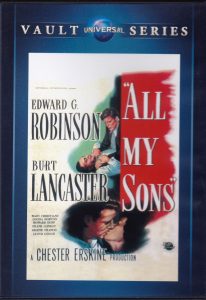
A discovery thanks to fellow McNally teacher-friend Norm Wood. This is one of the best modern plays on the conflict between the individual and family and society.
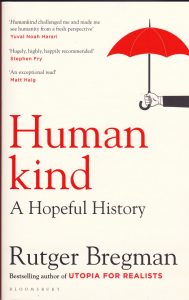
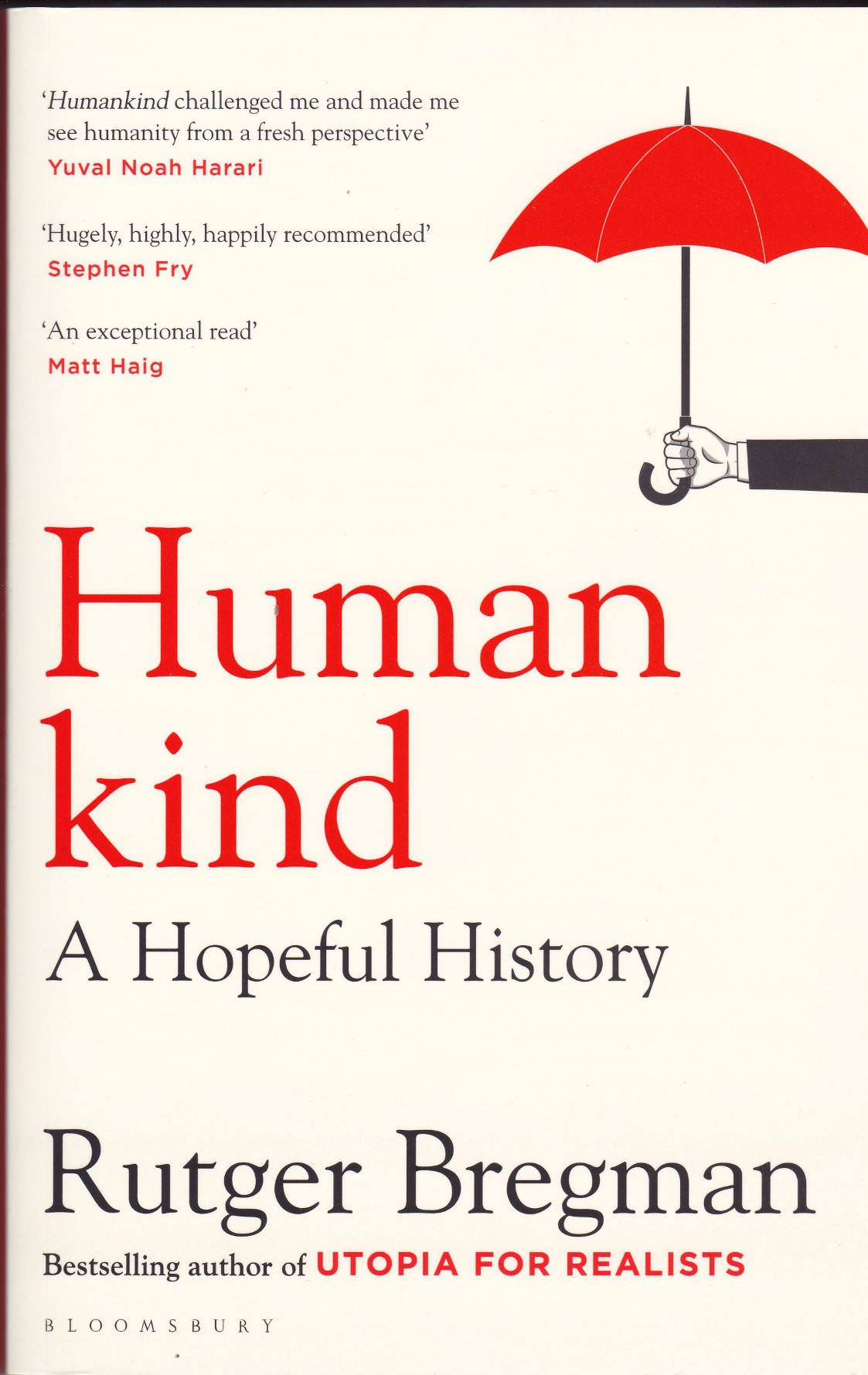
A recent find. Surprisingly, a very positive, upbeat look at human nature and history.
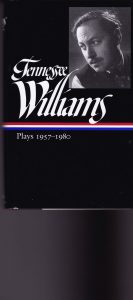
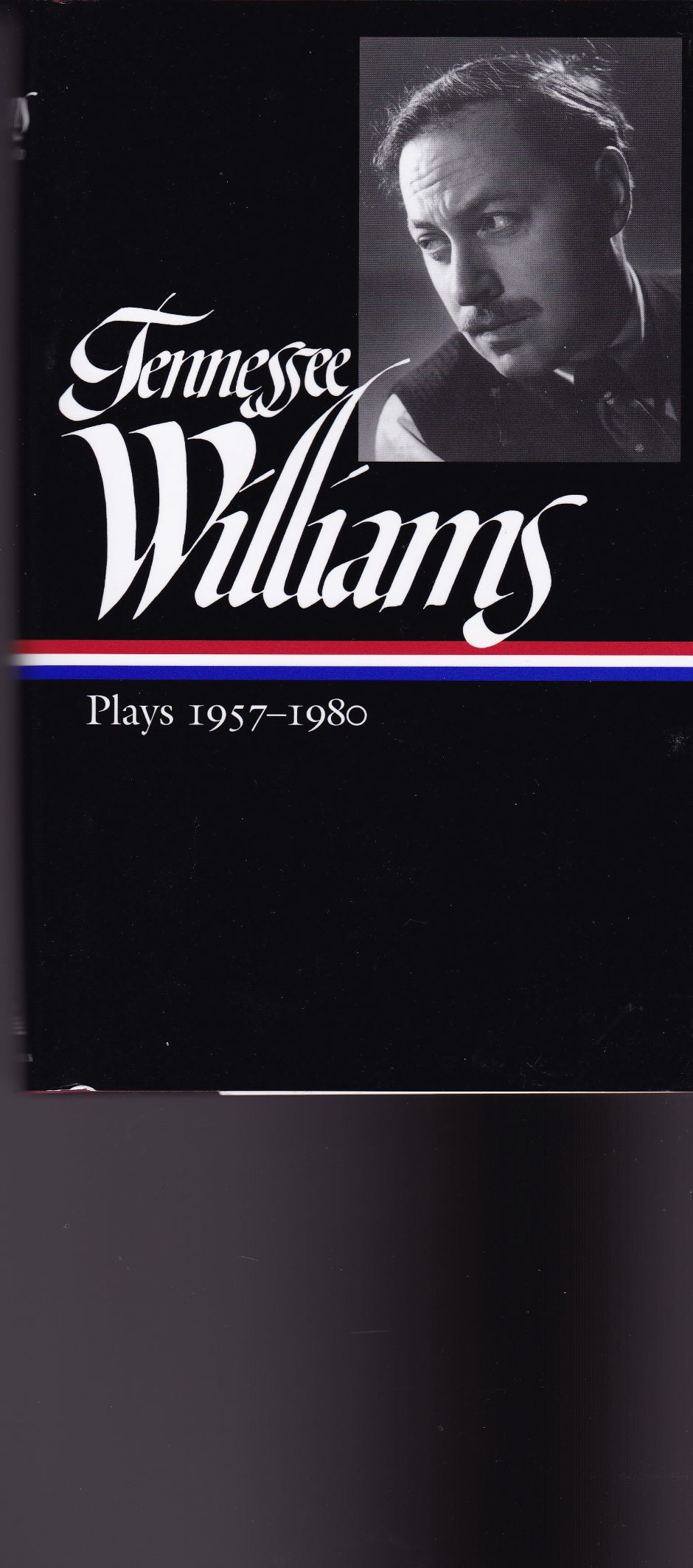
Loved most of Williams’ plays. He and Miller are easily the top two American playwrights.
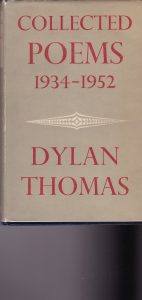
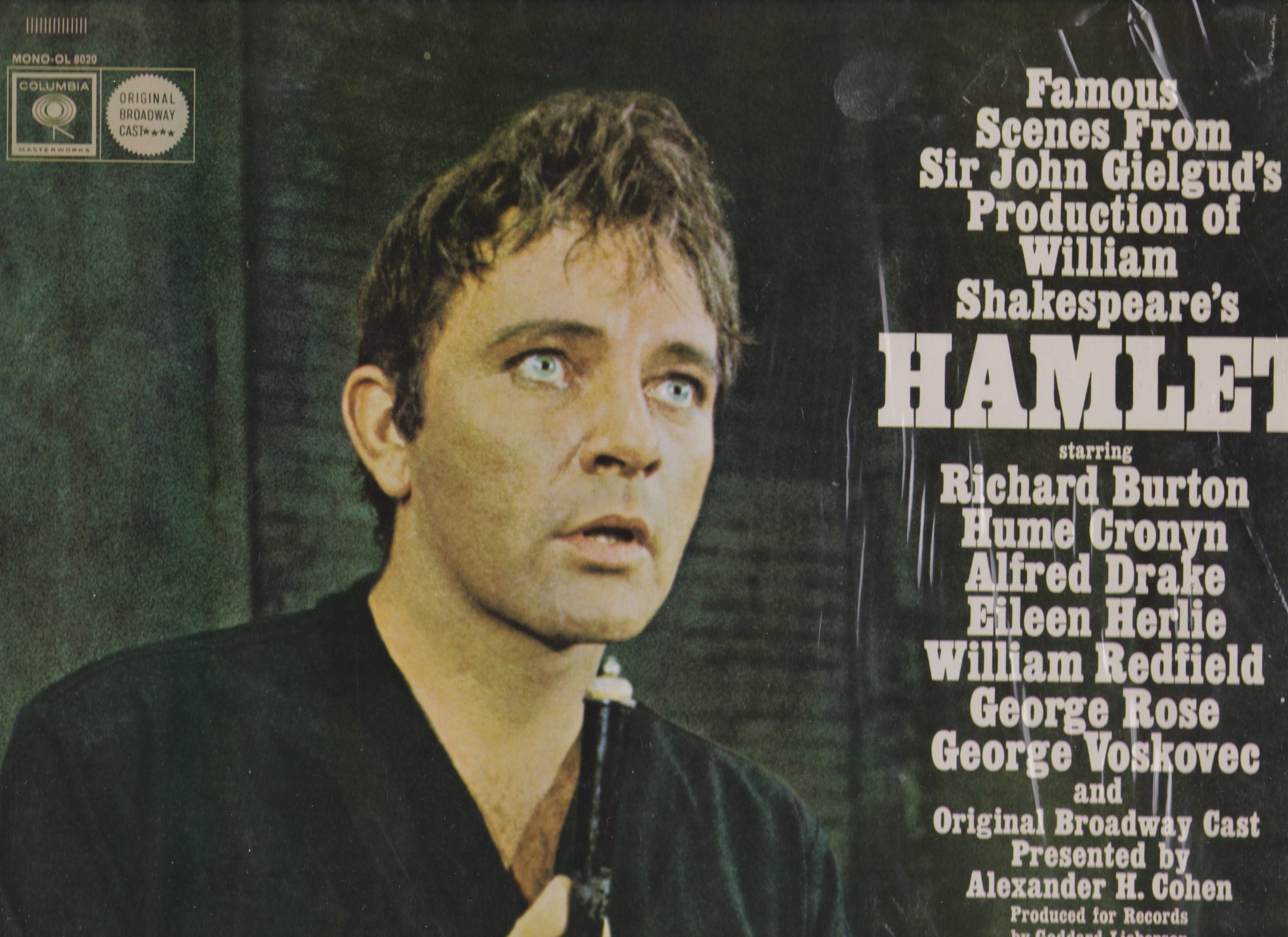
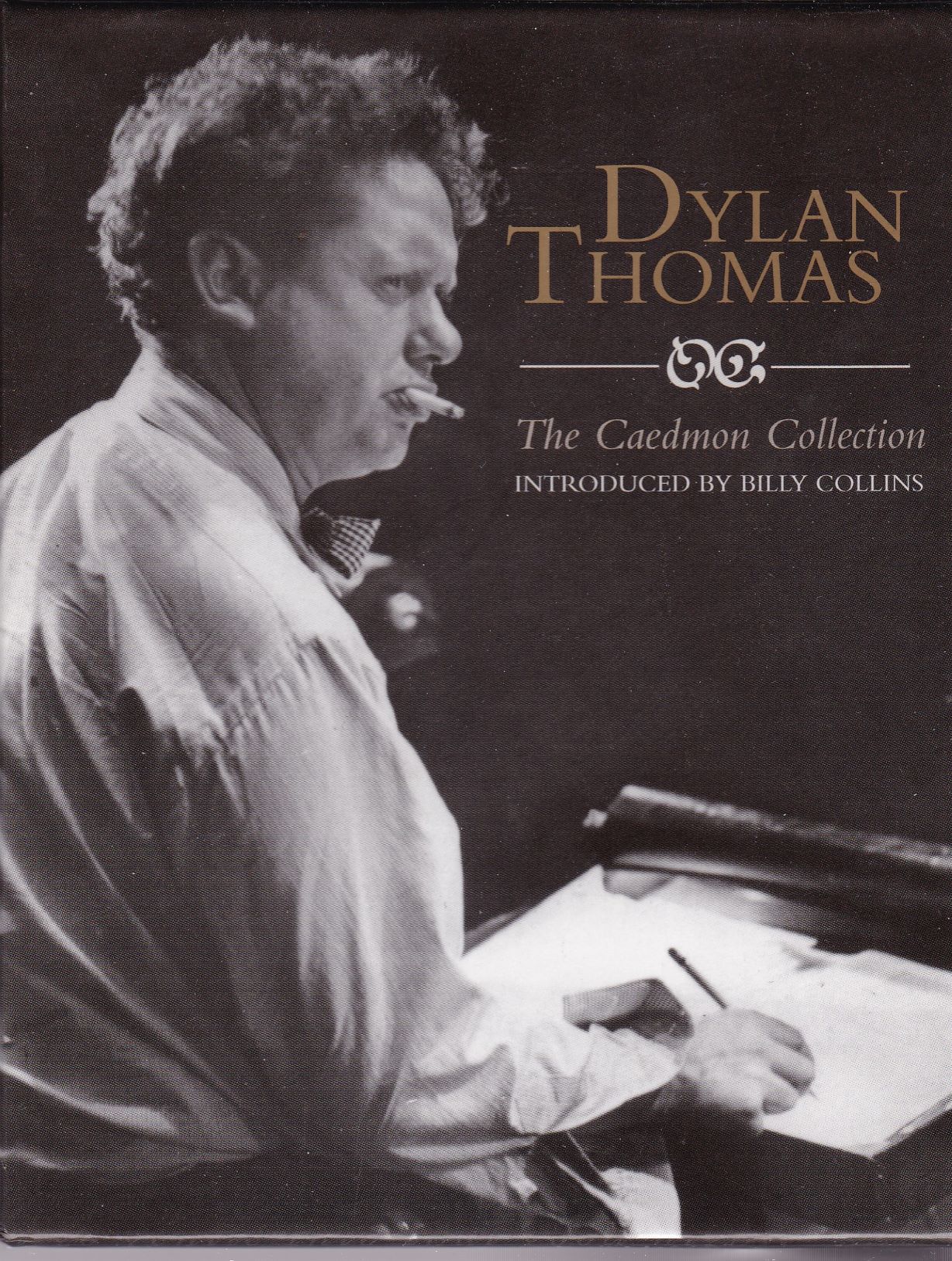
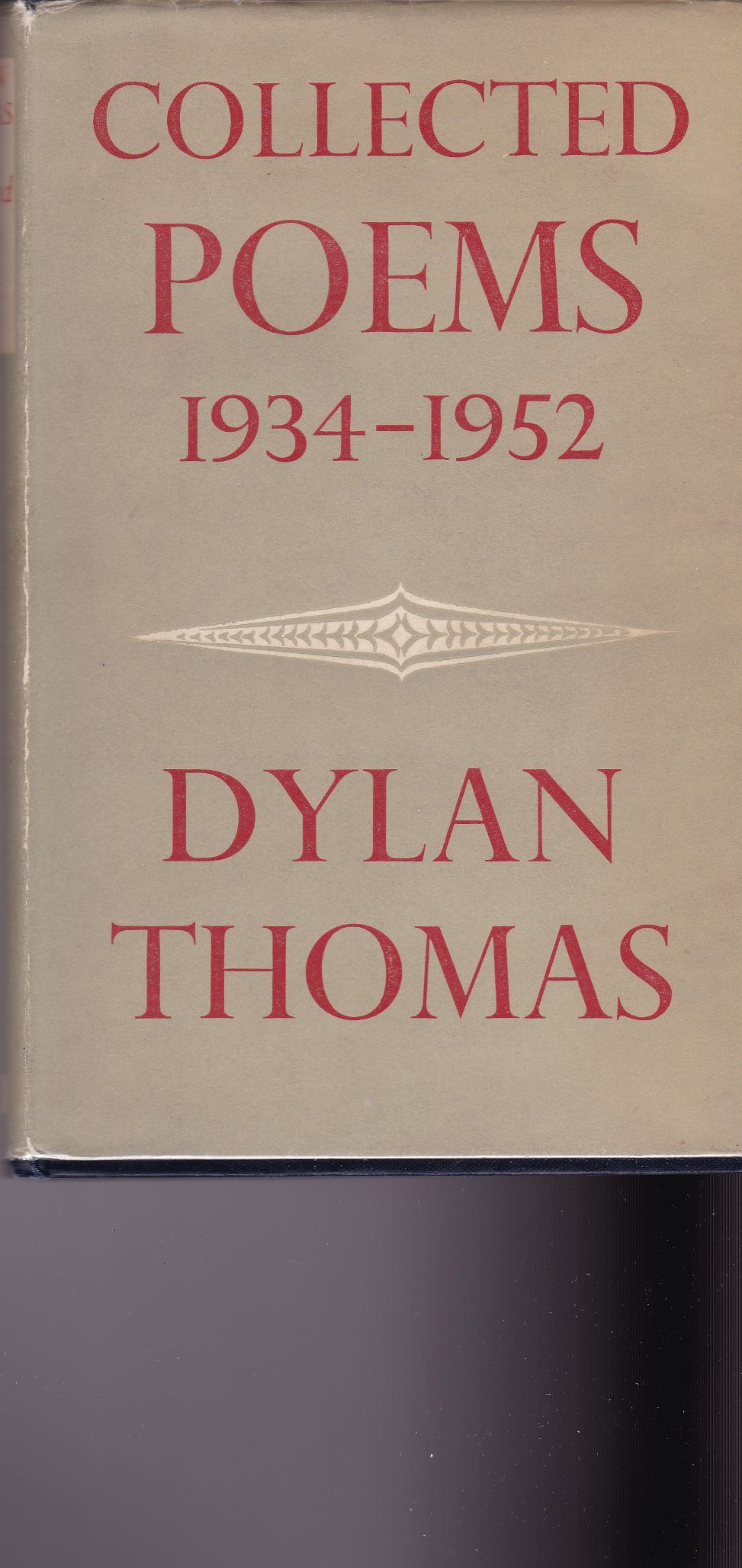
In first year u (’67-68). I came to Thomas’s poems via a record by Richard Burton reading them.
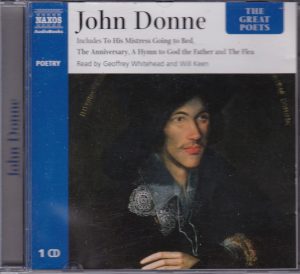
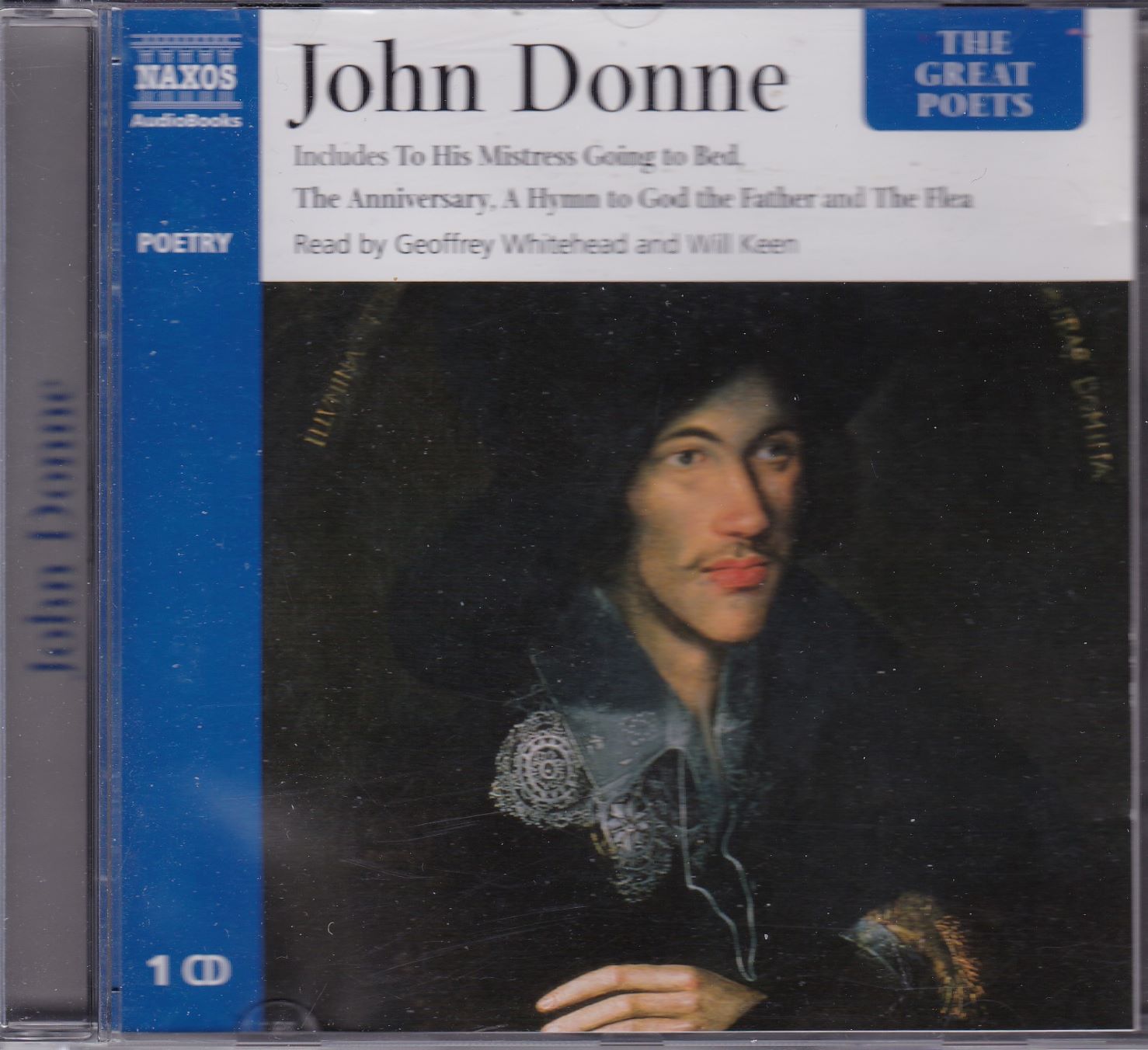
A late discovery; he was too difficult till I became a senior! His poems are superior to Shakespeare’s sonnets in wit and wisdom. Maybe the top relationships English poet ever.
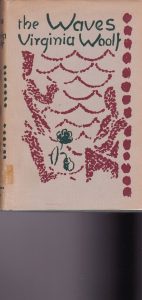
Back to Woolf. This is her most challenging read, but well worth the effort. It’s like reading painting and music.
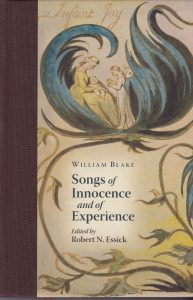
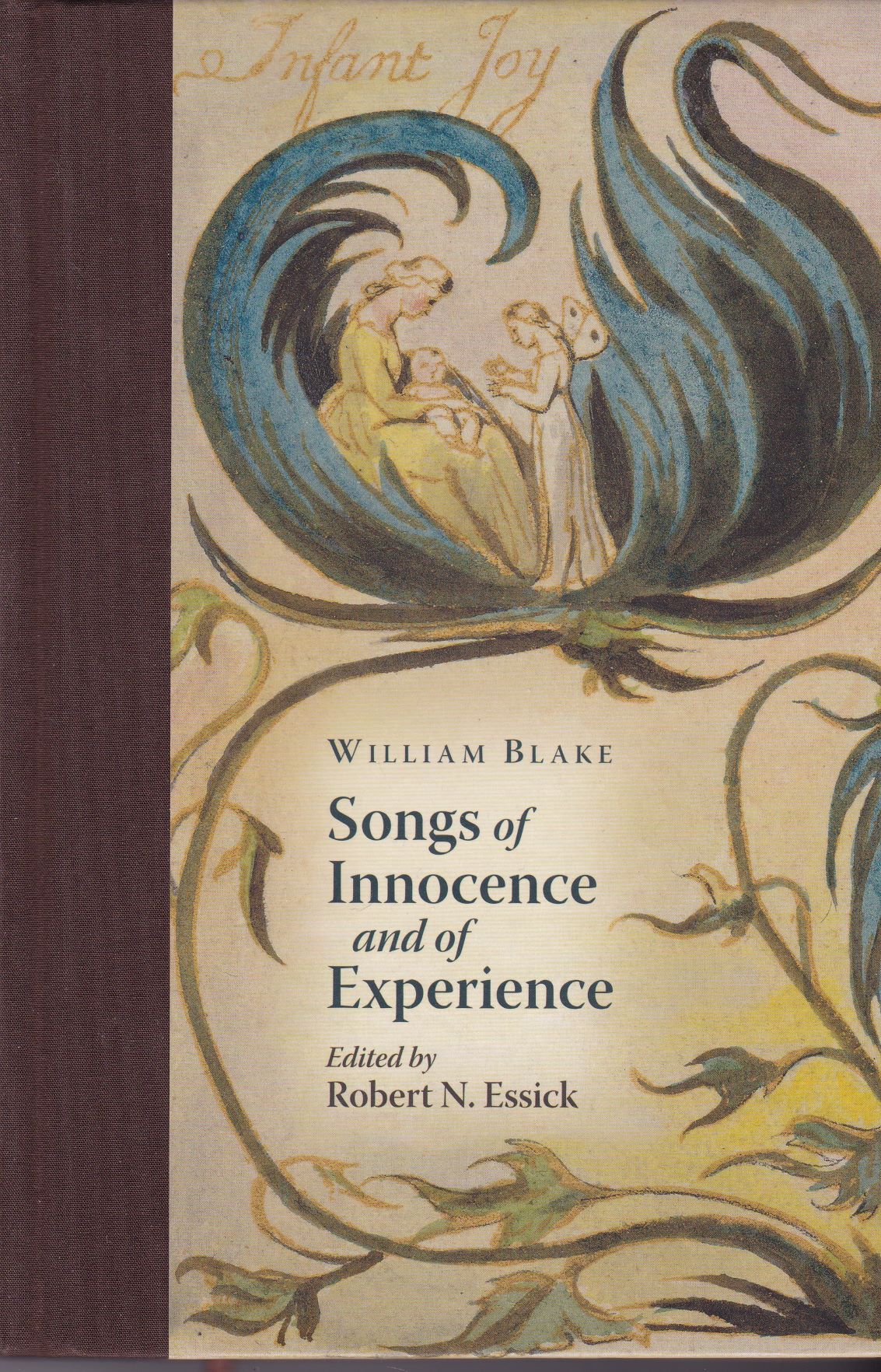
I will never forget encountering Blake in first year u. Poems like “London” and “The Sick Rose”.
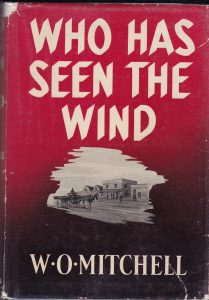
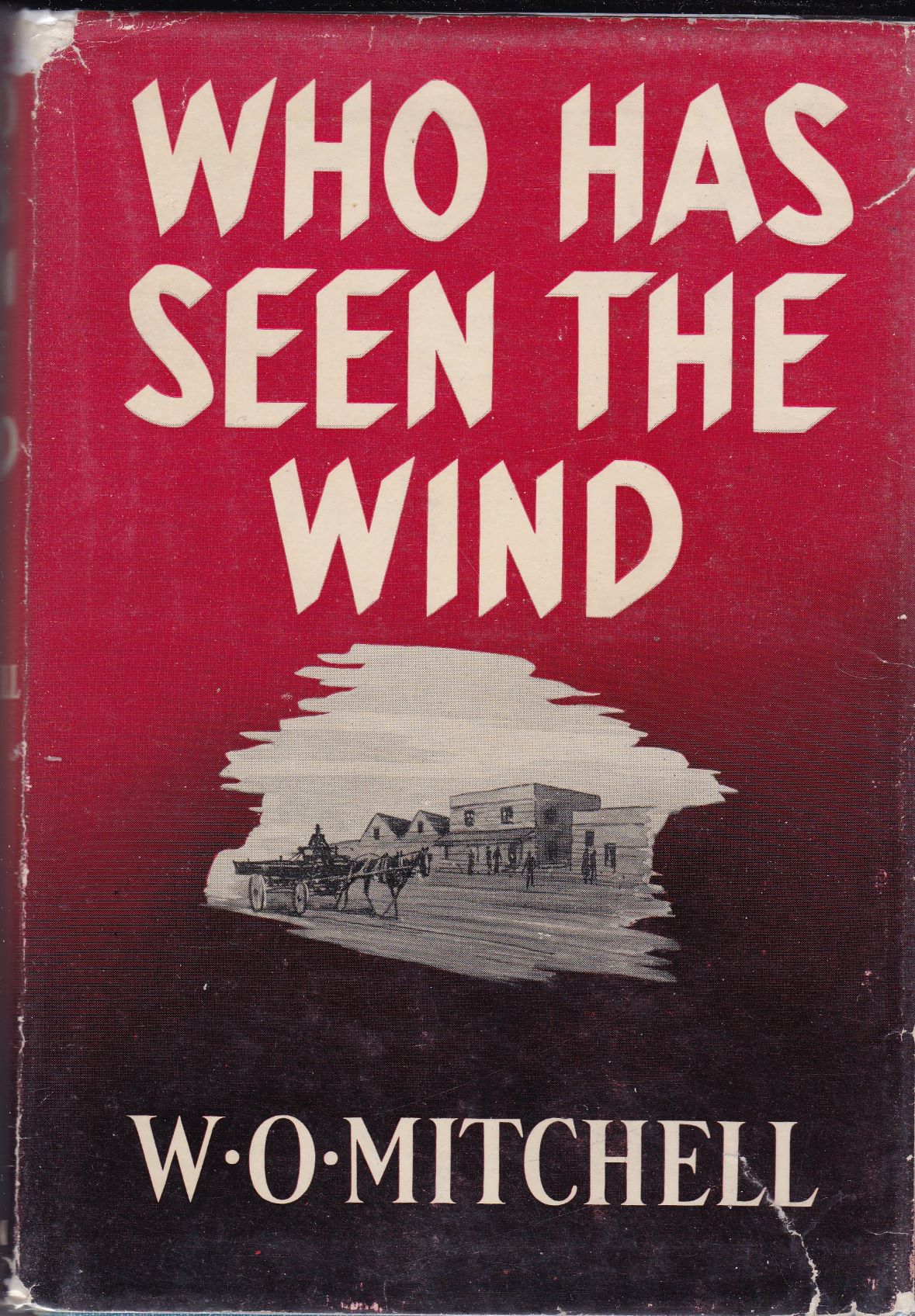
One of the great Canadian classics about coming of age. on the Depression prairies.
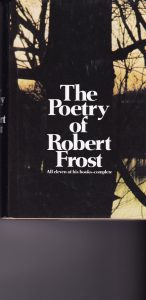
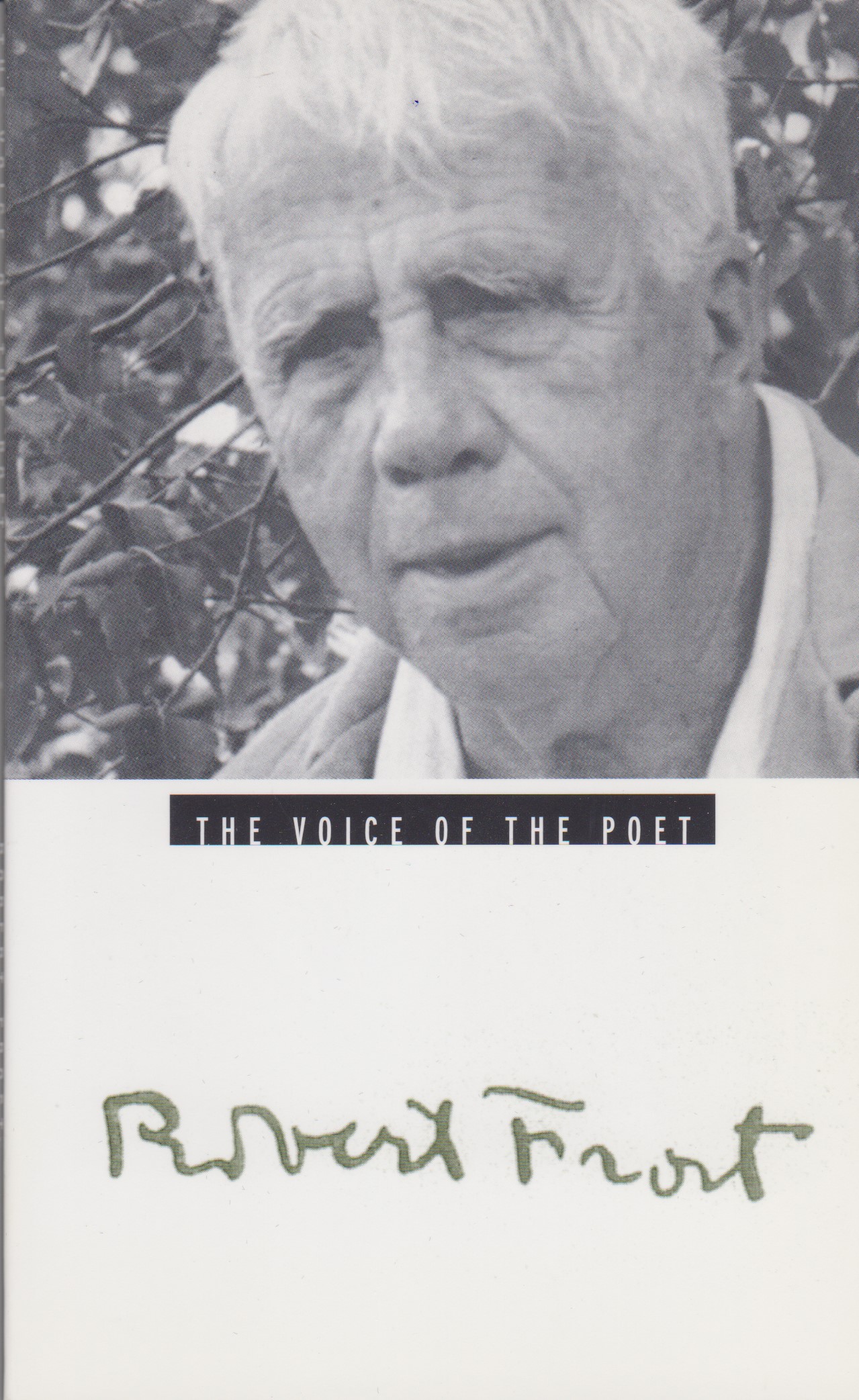
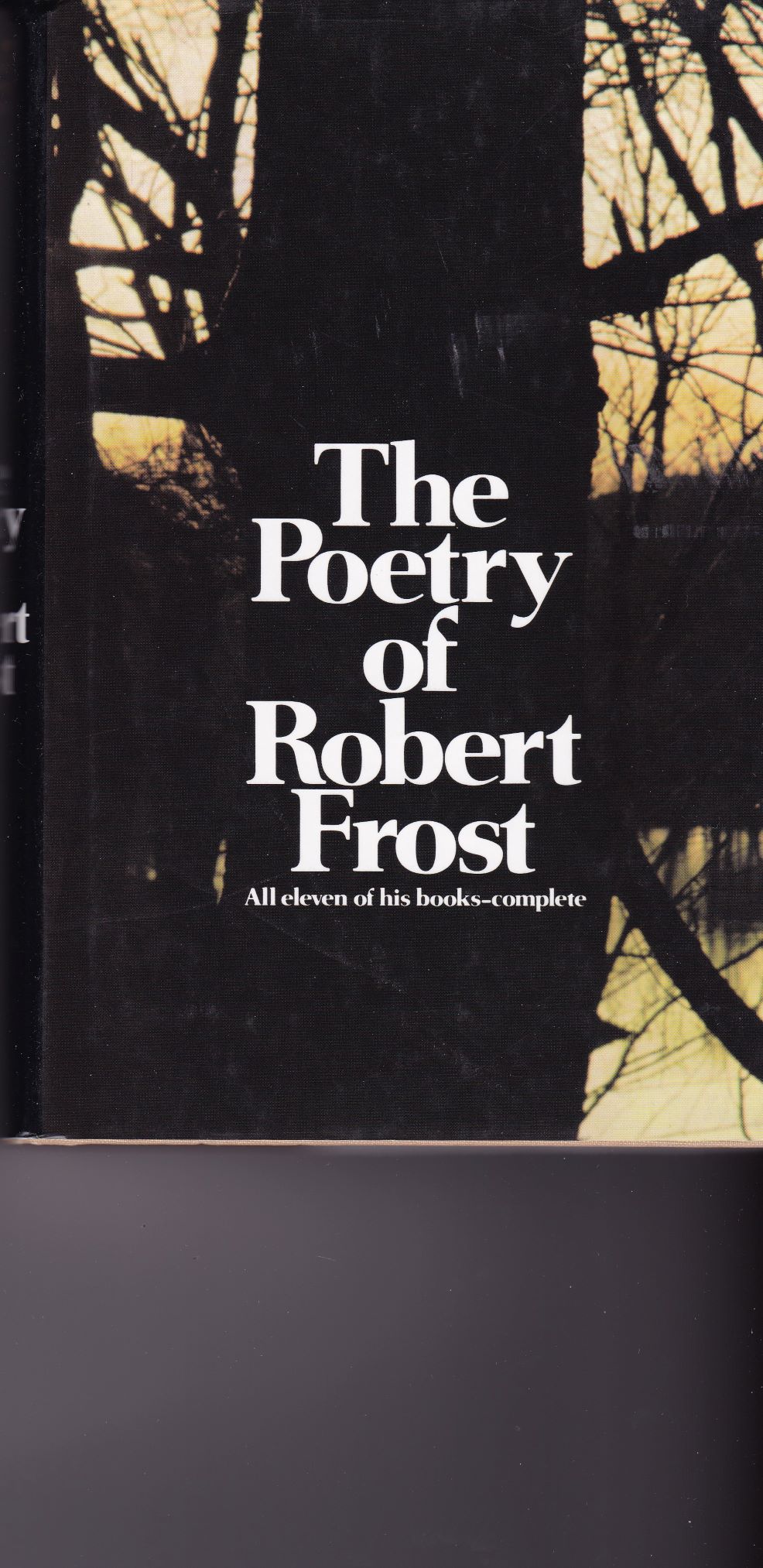
My New England trip took me to several Frost places. I often used his poetry in my textbooks.
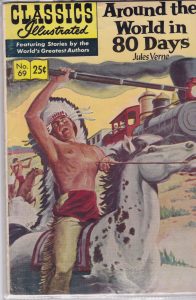
As mentioned before, my reading of Classics comics introduced many characters and plots.
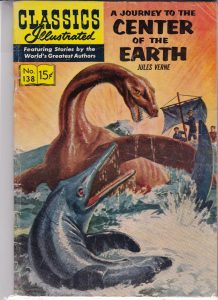
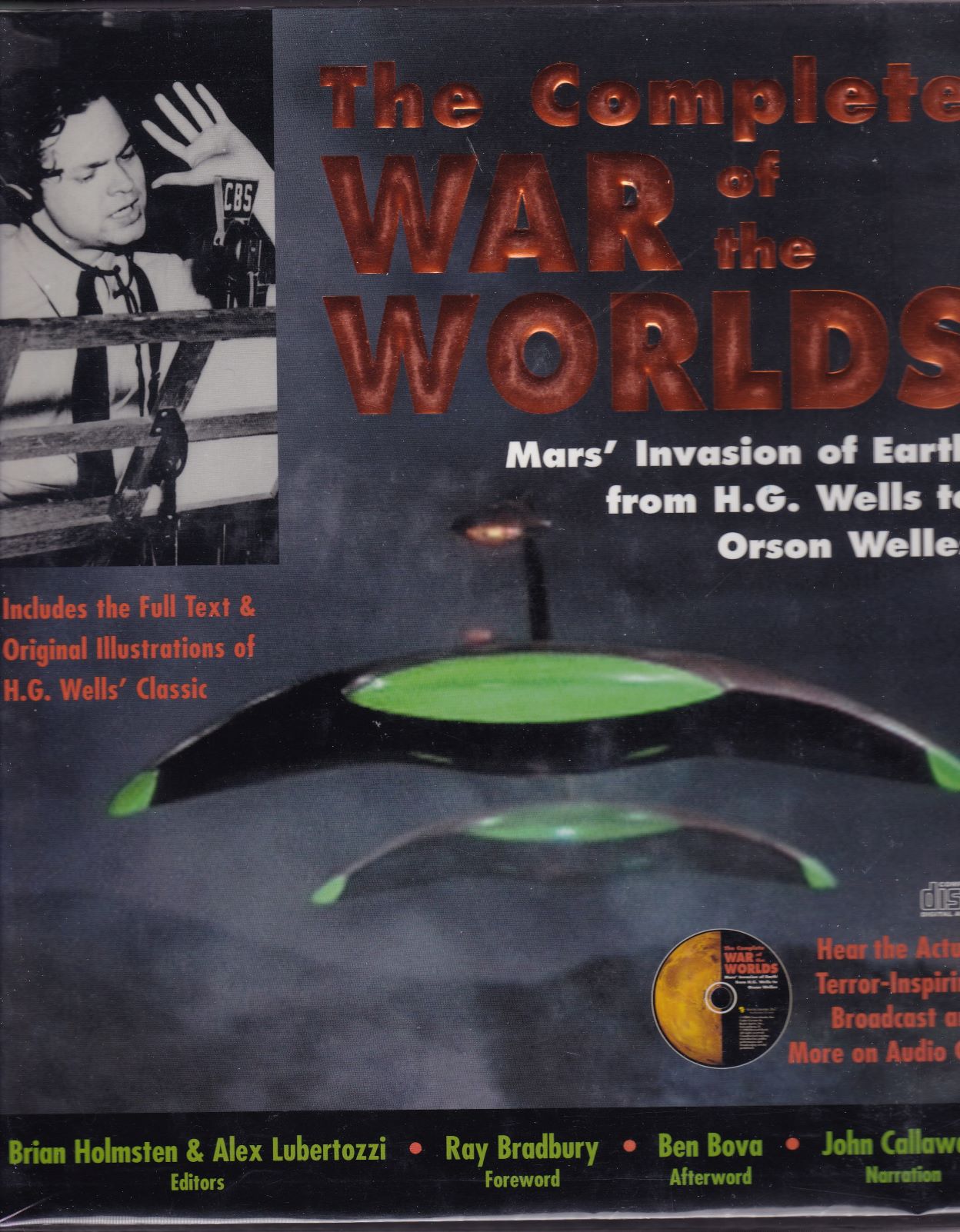
Some of these were fantastic adventures. I quickly became interested in Jules Verne and H.G. Wells.
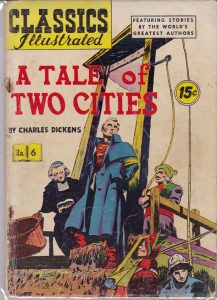
One I taught to grade 11s. I never fail to be moved by the novel’s opening lines and the heroic finale.
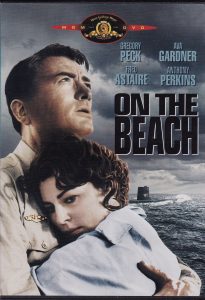
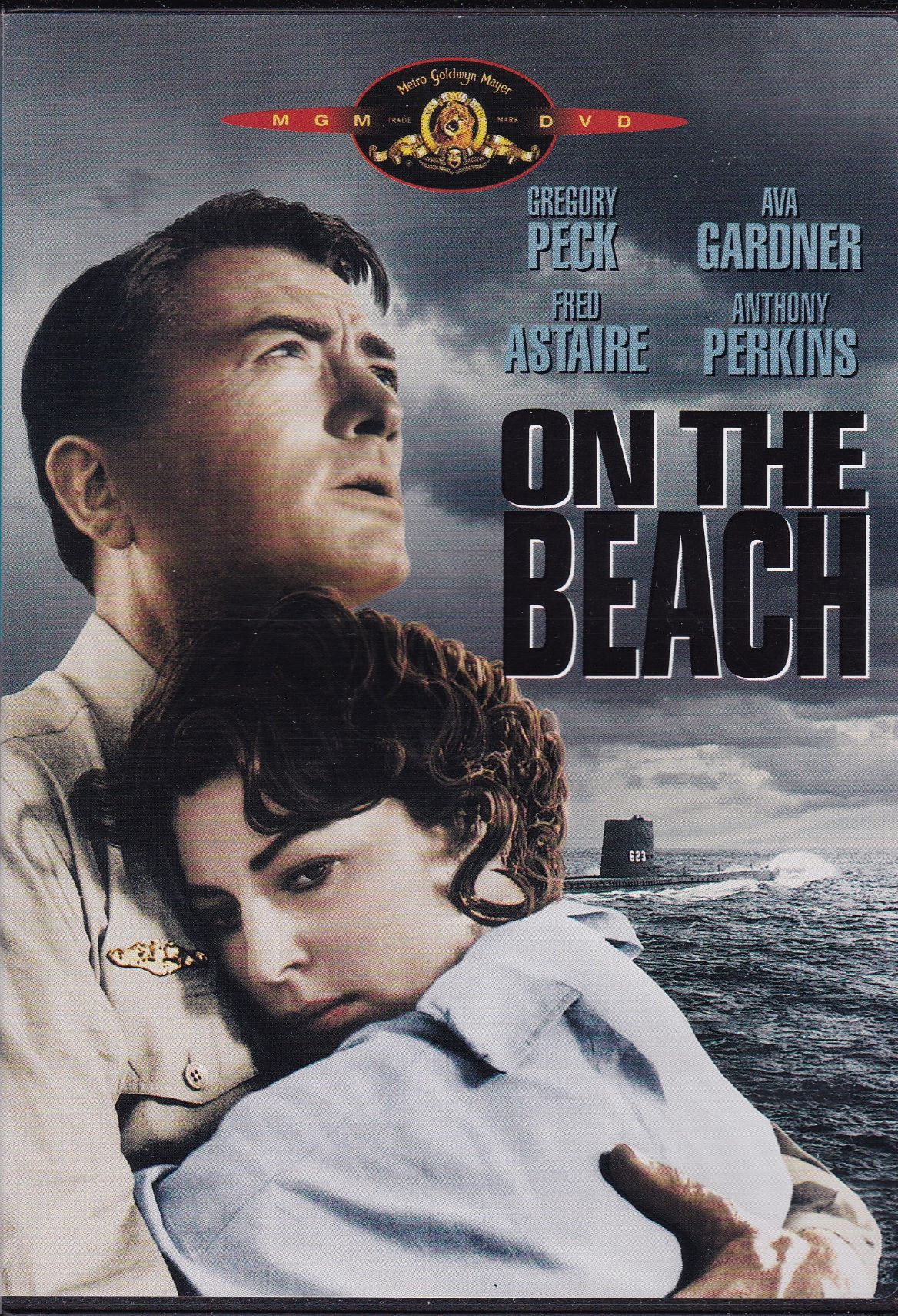
I used to teach grade 12s this novel about radioactive poisoning after WWIII and a memorable Australian sub trip to the dead places.
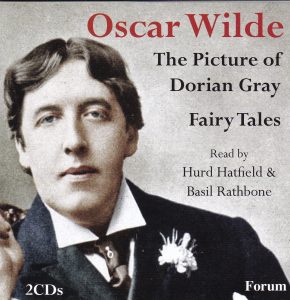
I still remember encountering Picture and Wilde’s sayings in 1968. The Importance of Being Earnest I even acted in during a grade 12 drama audition. Many of his works are moving; “The Selfish Giant” can still bring me to tears.
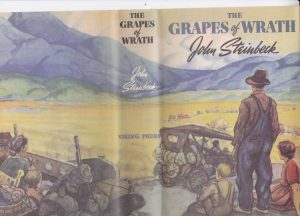
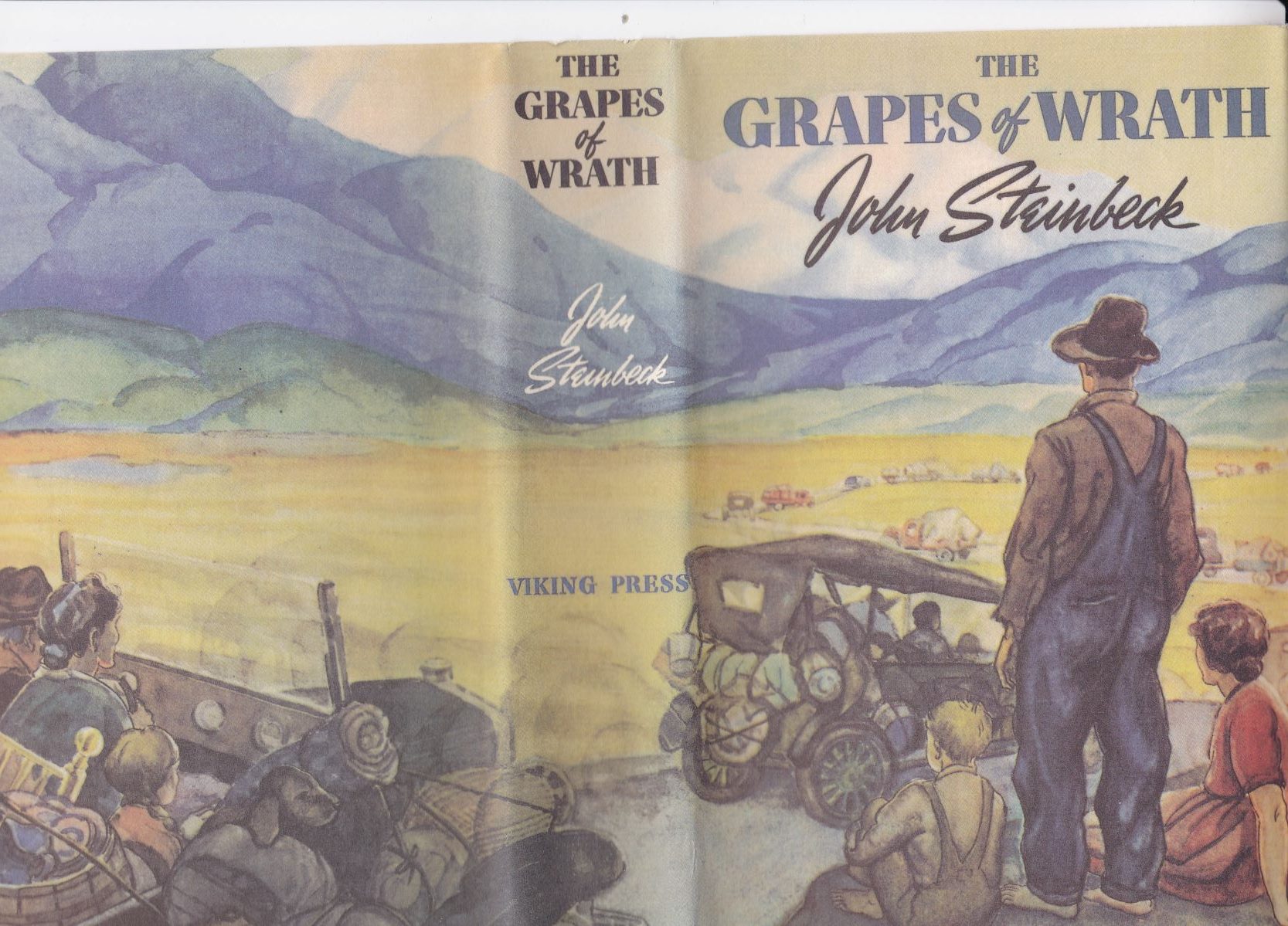
Studied in American Lit, ’70-’71. Moving tale of pore Okies being exploited and abused right, left, and centre.
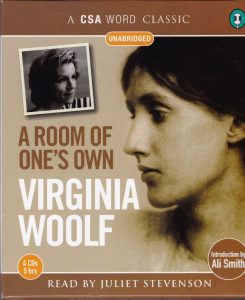
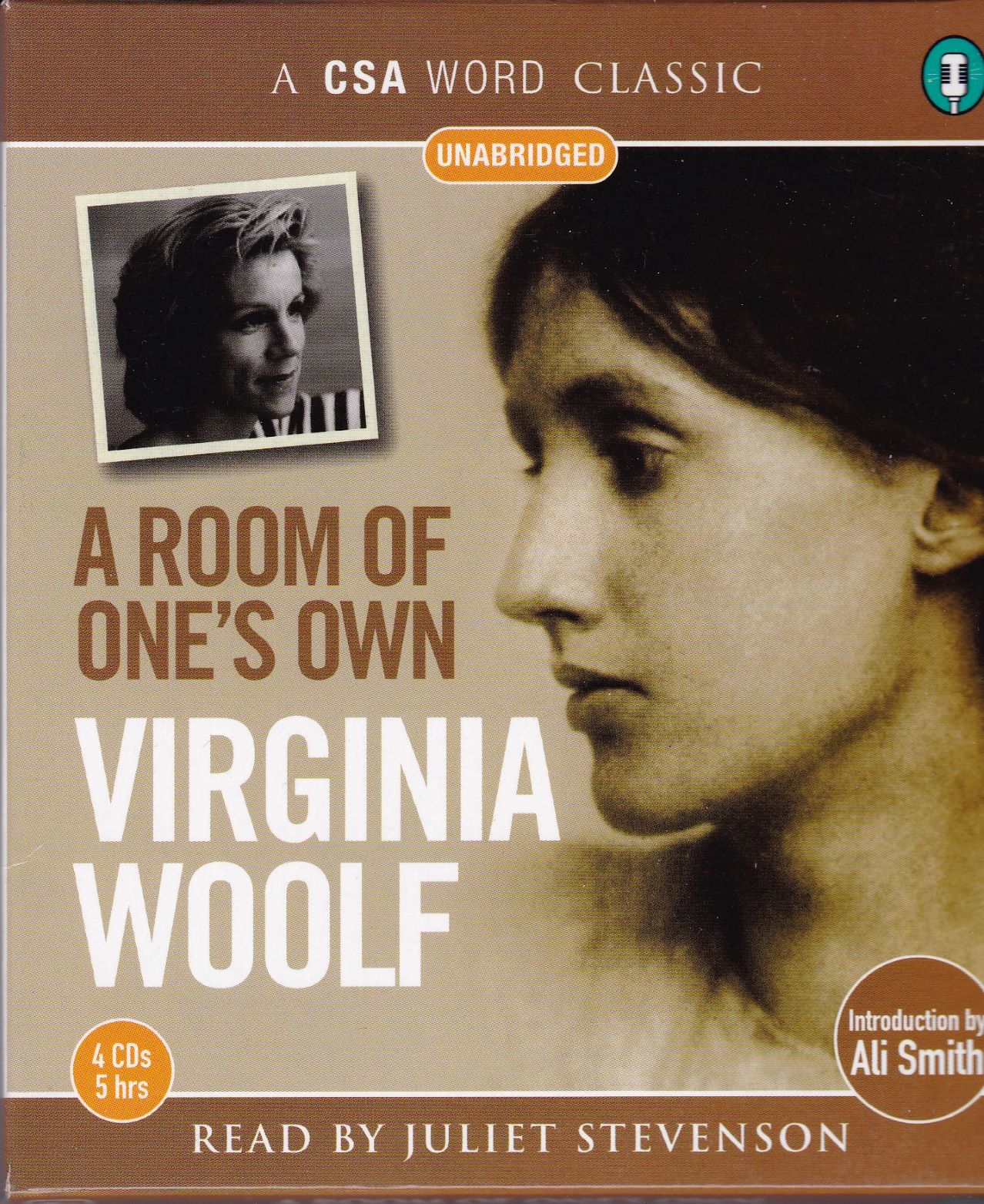
This was my first foray into feminism wonderfully argued by Woolf.
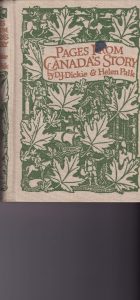
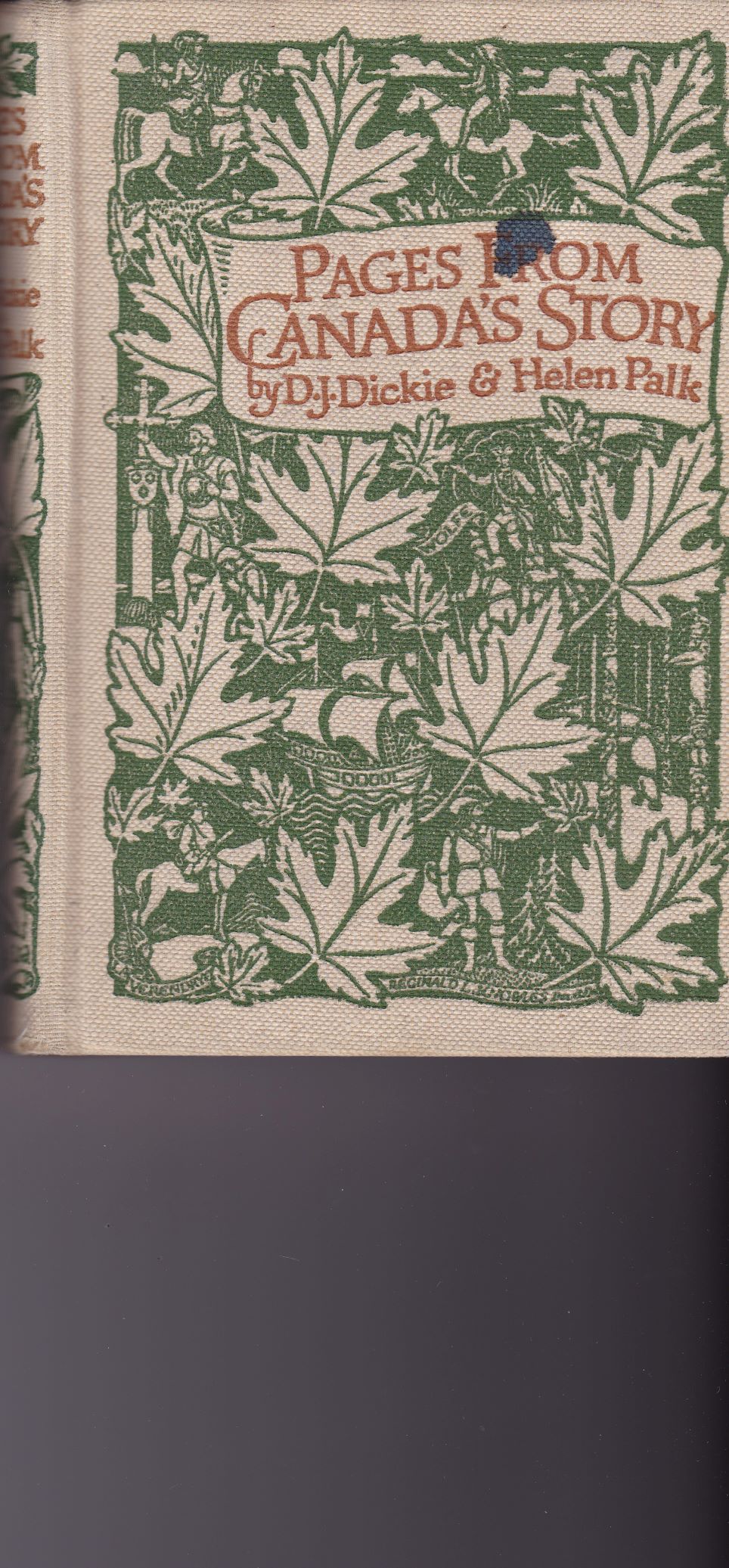
My gr. 5 textbook developed my picture of Canadian history.
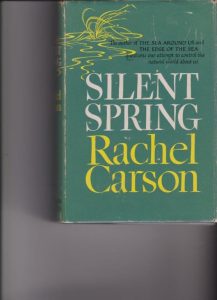
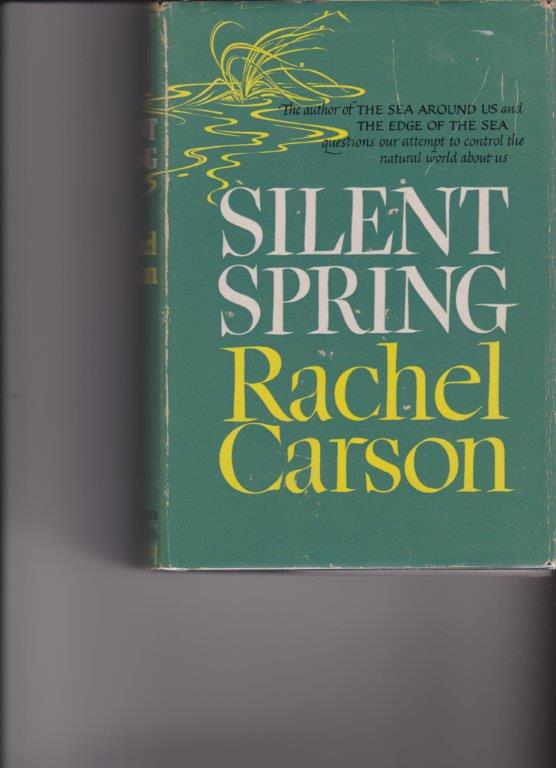
Another late, welcome discovery. Written by one of the greatest women who ever lived–an anti-DDT advocate who dared to take on Union Carbide and all the big corporations.
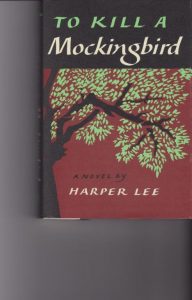
Taught for many years to grade 10s. A coming of age story for brother and sister. A major study of outsiders and about learning what it’s like to walk in someone else’s shoes.
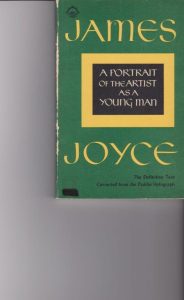
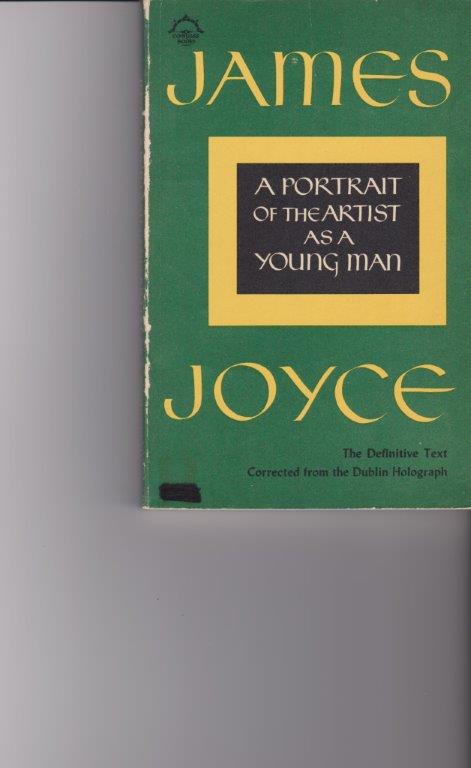
Encountered at U of W, 1968. First book to give insight into becoming a writer and an exile.
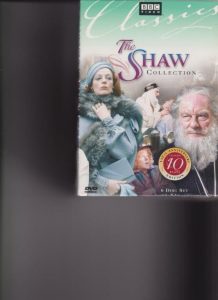
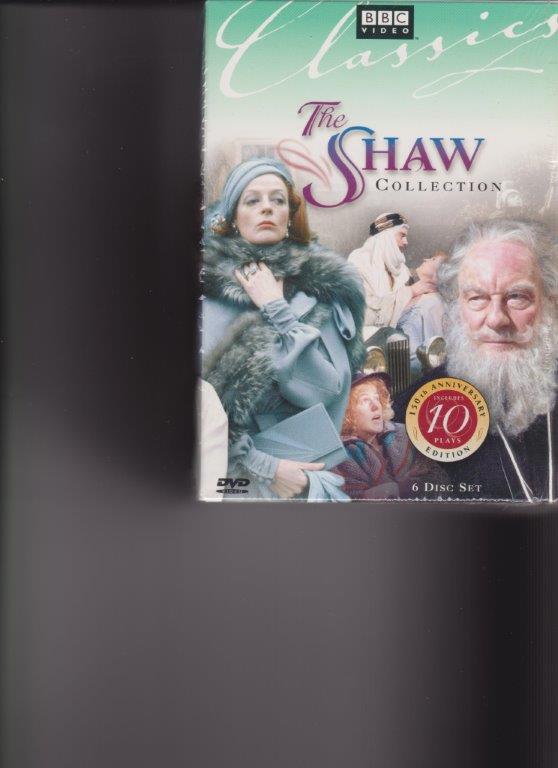
Studied and attended many of his plays over the years: St. Joan, Major Barbara, The Doctor’s Dilemma. First encounter happened in grade 12 with the ‘Chocolate Soldier’ and Shaw’s spoof of war in Arms and the Man.
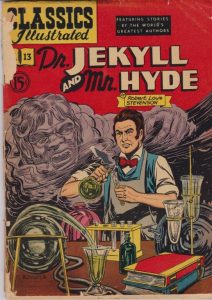
An early read on psychology. Fascinating study of good and evil, reality-illusion and, of course, the dangers of tampering with science and the unknown.
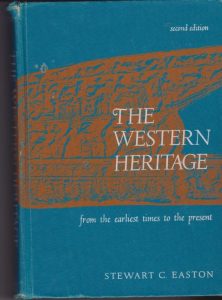
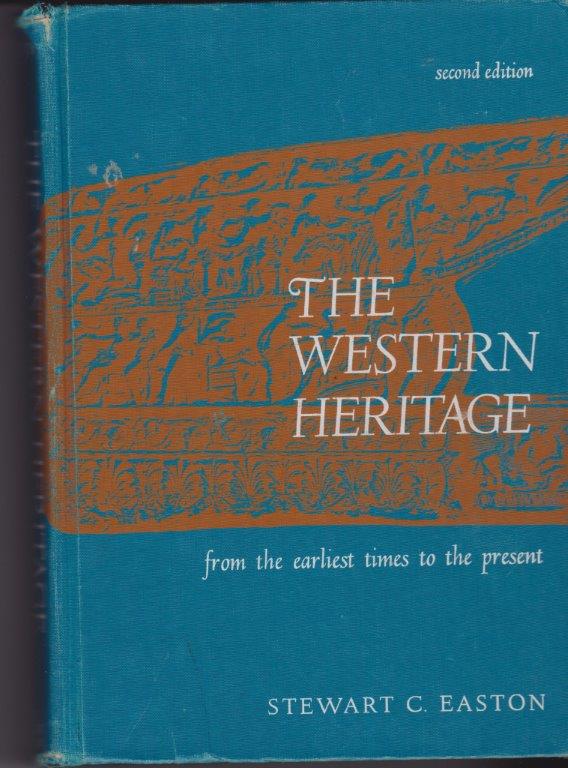
My 1st year World History book. Everything I or anyone else could ever want to know about what happened before our modern age.
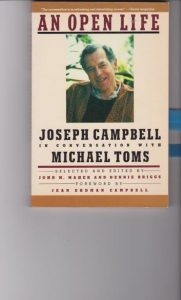
Joseph Campbell’s The Power of Myth was a major eye opener about archetypes and symbols.
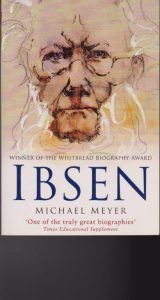
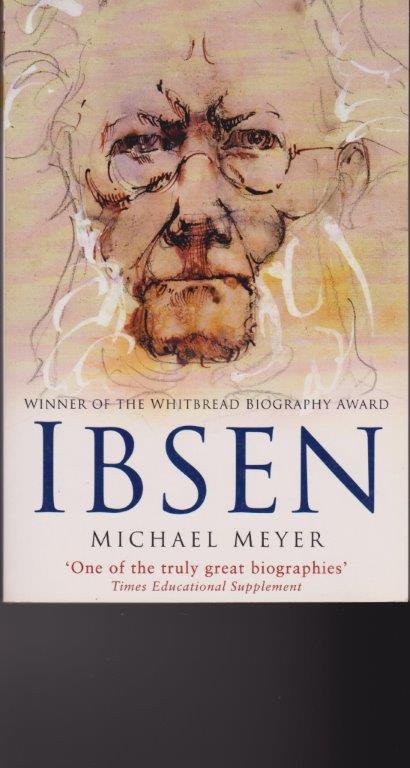
Along with Chekhov, one of my favorite modern playwrights. A Doll’s House–which I taught to grade 12s–is the first classic feminist work and it was written by a Norwegian man.
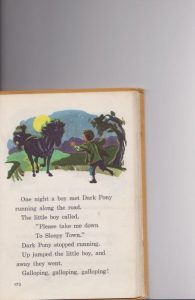
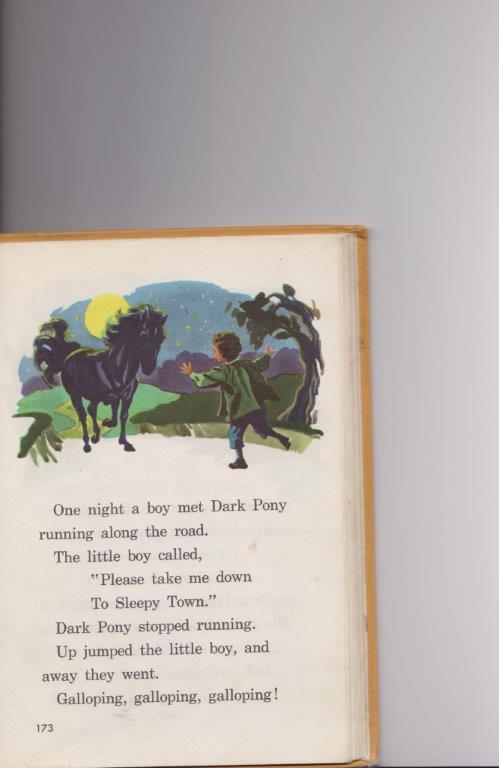
“Dark Pony” from my grade 1 reader was the first intriguing read I ever had.
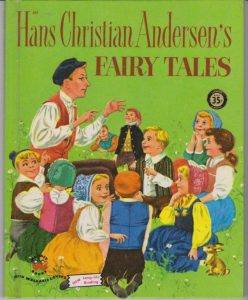
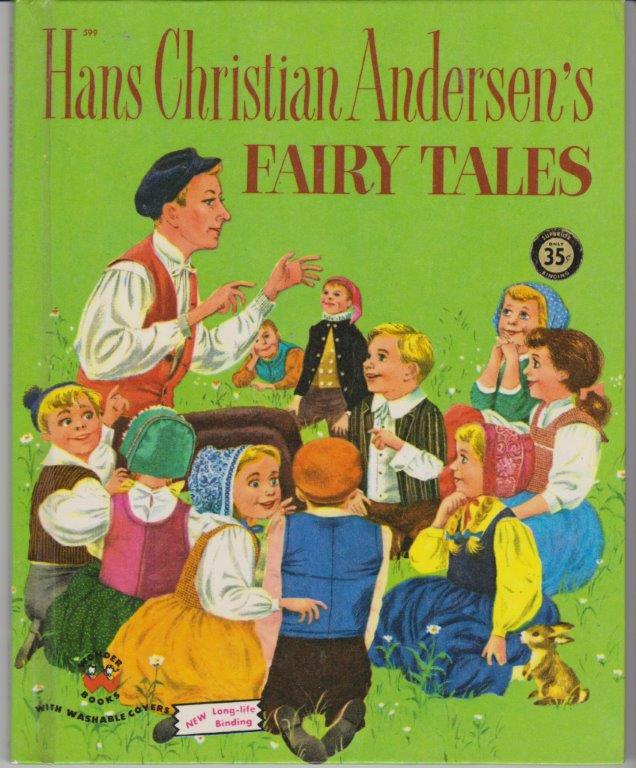
Also from those early days, this book, which was gifted to me. I was as fascinated by the illustrations as I was by the stories.
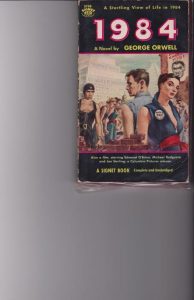
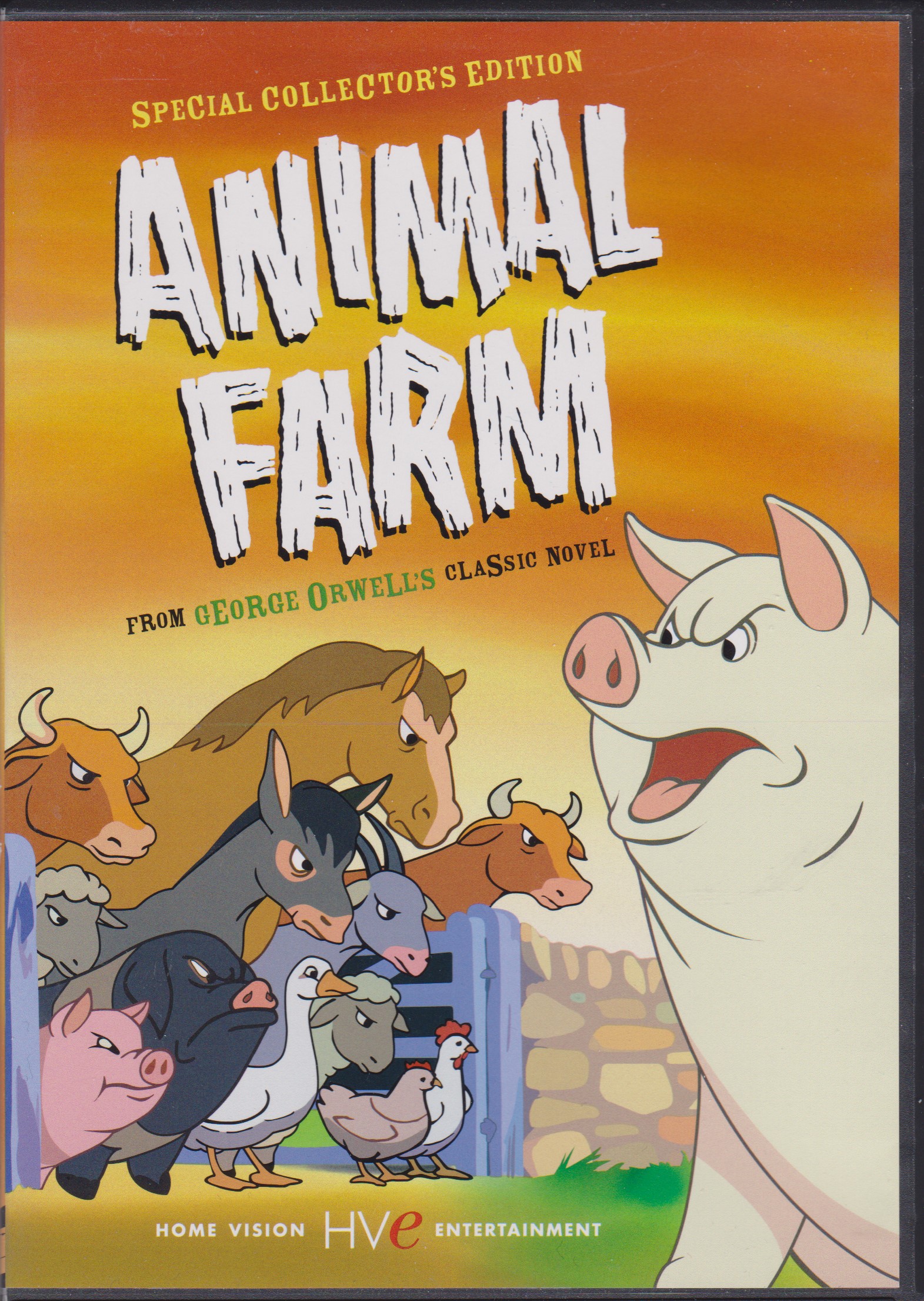
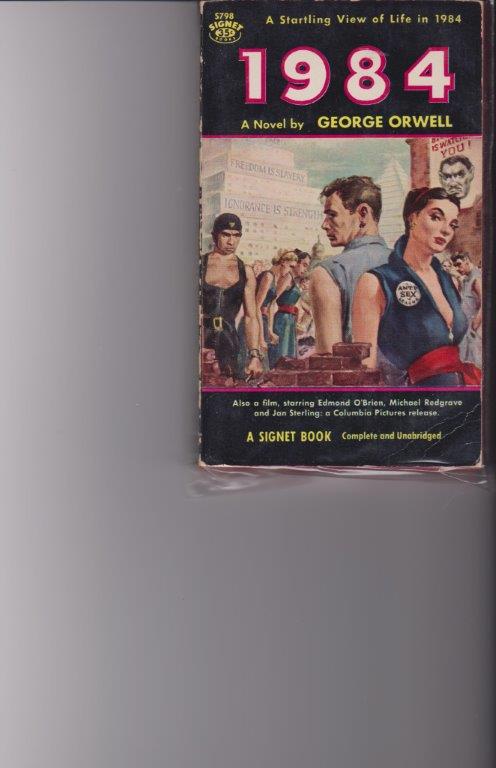
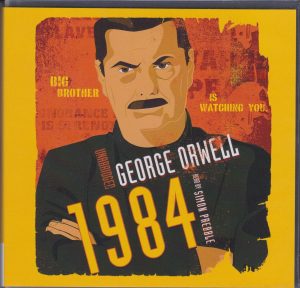
Re-reading currently. I am amazed by how well-written it is despite the criticisms of critics of Orwell’s day. He had the last laugh in any case; this is the greatest English novel of the 20th century and still incredibly relevant today. I taught it to grade 12s even after it had been sneakily pulled from the curriculum.
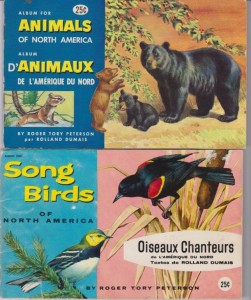
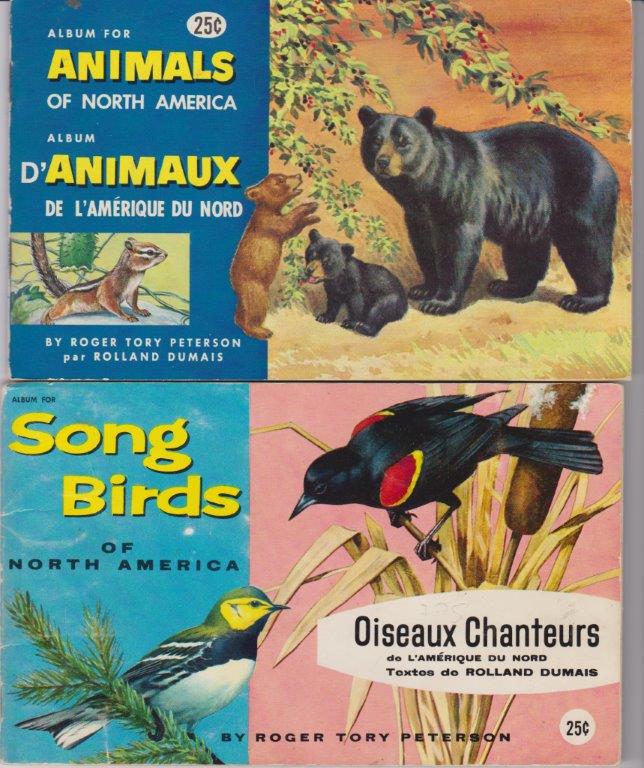
My earliest science reading: the 1950s Red Rose card albums.
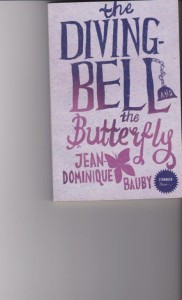
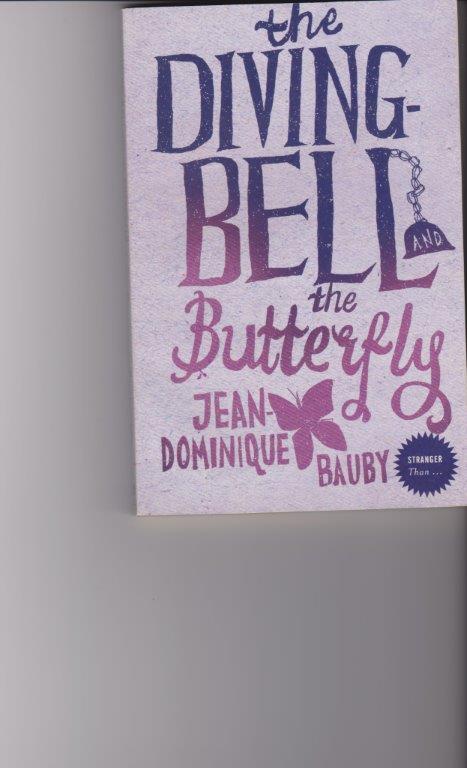
This empathically moving book is presented from the point of view of a handicapped journalist who can only communicate via eye movements, which is the way he wrote this book.
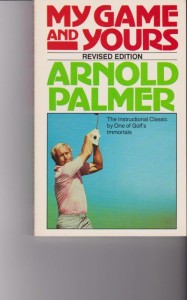
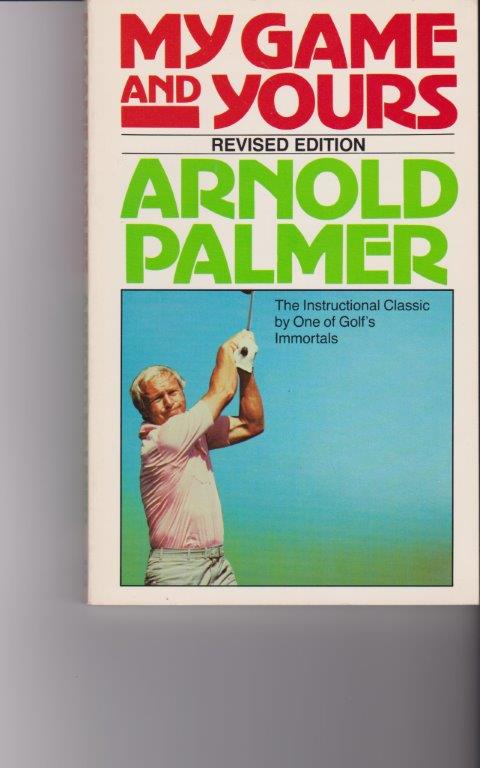
As we learn to read, we read about non-fiction/literary topics of interest. I learned to golf thanks to my hero who had a pamphlet series I mailed for from the local newspaper.
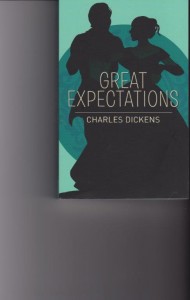
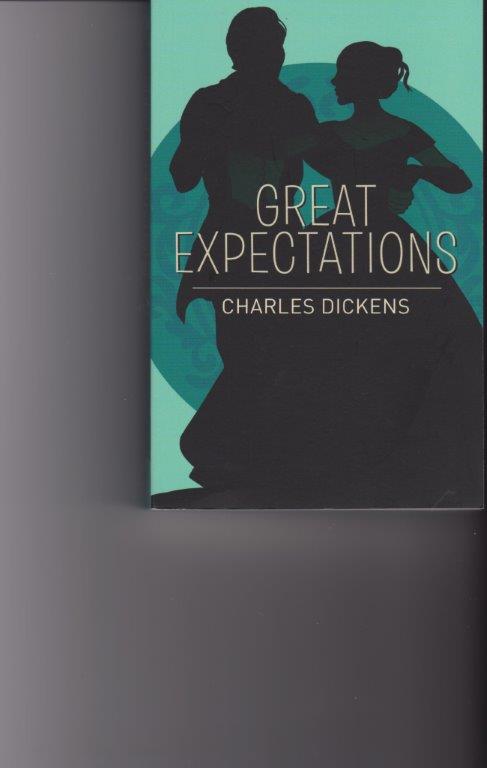
Taught to my grade 12s. A critique of the class system and a coming-of-age story like no other.
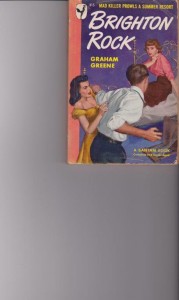
Taught in 1973. An instant favorite and my first Graham Greene. A poweful study of good and evil in the 1920s English gangster set.
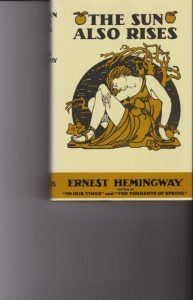
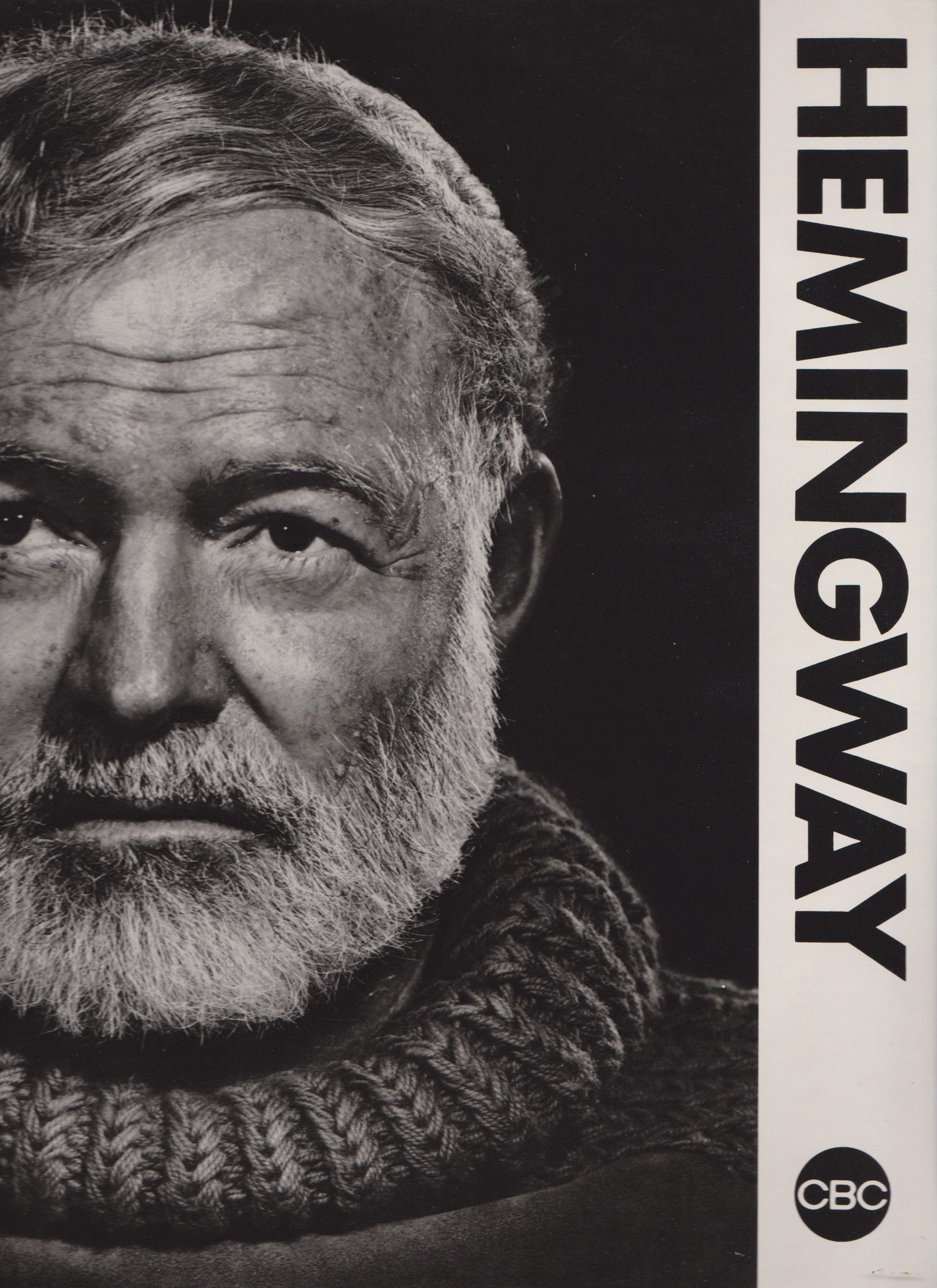
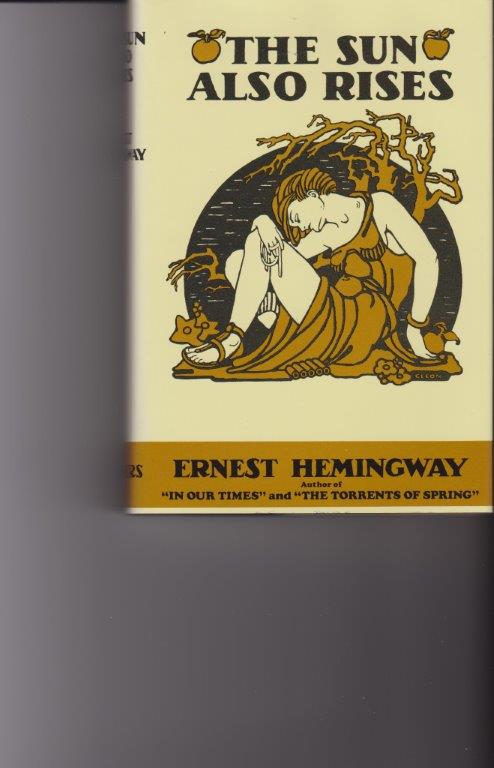
Every adolescent male reader ought to encounter Hem’s work, especially The Sun Also Rises.
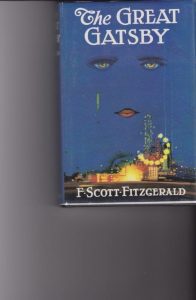
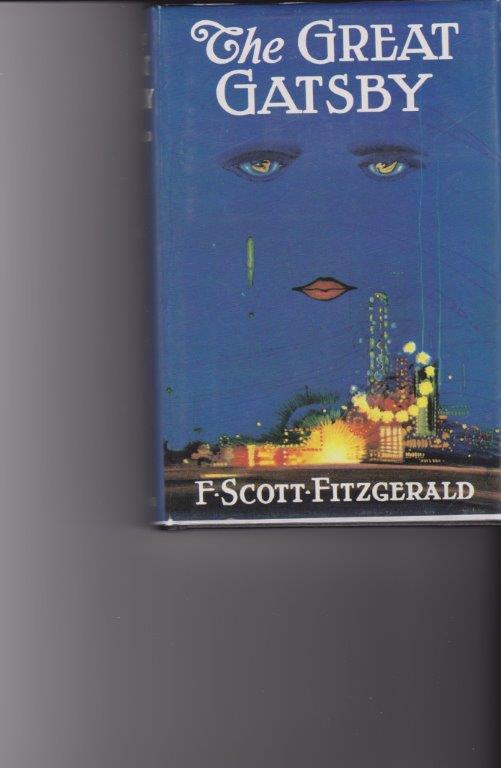
The ultimate American Dream novel. Taught to grade 12s as part of a unit on the American Dream, paired with Welles’s Citizen Kane.
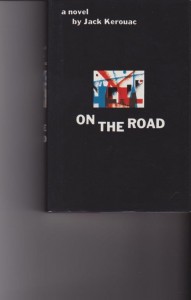
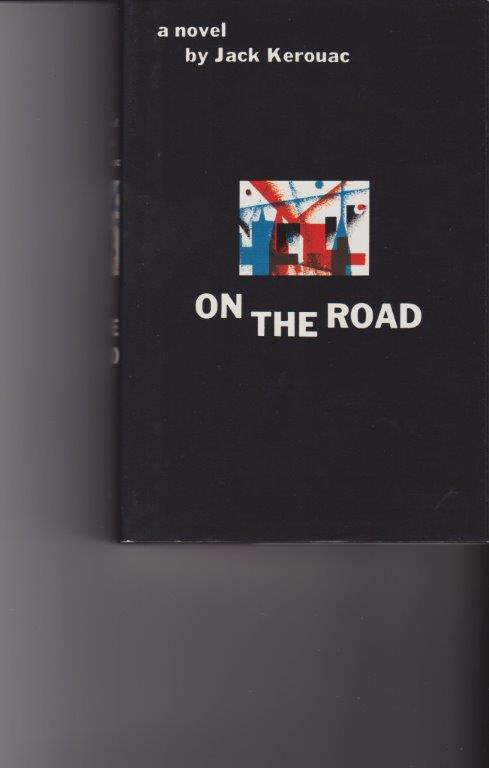
The best Beat novel. Chaotic, meandering, but energetically rendered.
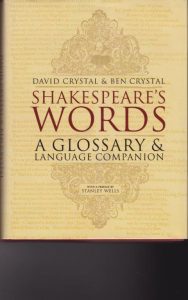
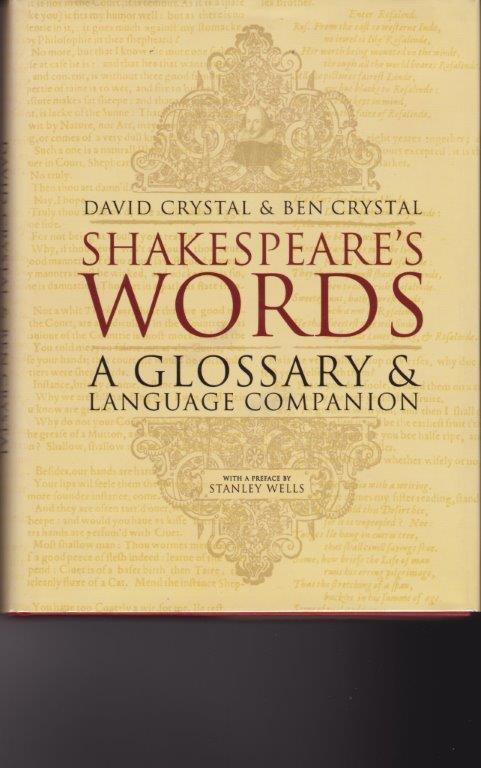
My choice of a desert island book along with an Oxford dictionary. Revealing my ultimate love of words/language.
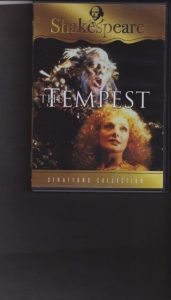
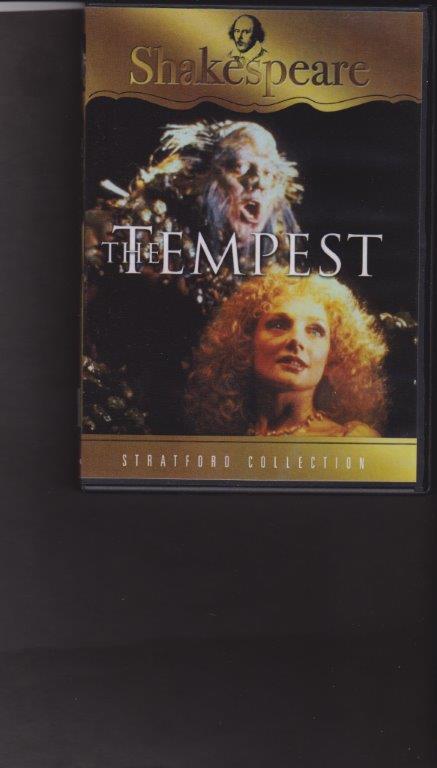
My favorite romantic Shakespeare. Also a study of good and evil as well as of art and artistry.
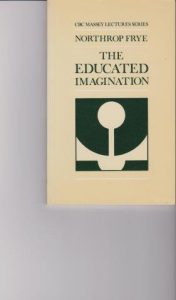
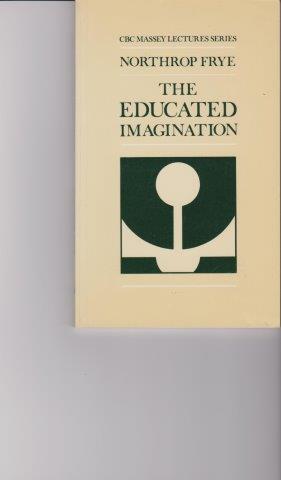
Encountered in 1977. Changed my teaching approaches, anchoring my views of and beliefs about literature.
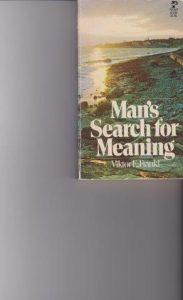
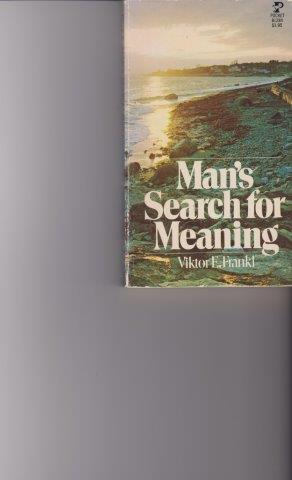
Encountered at the U of A. In one of my own classes, I role-played Frankl to demonstrate a book talk by an author. An Existentialist approach coming down to the choices that individuals make.
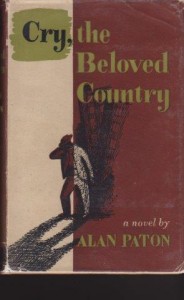
Taught Alan Paton’s novel at McNally in 1975. A poetic novel about apartheid in South Africa.
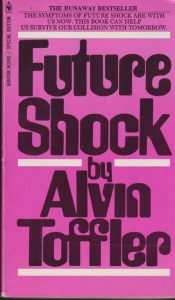
Read in my Ed courses; really caught my fancy in 1971.
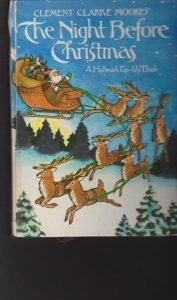
I feel sorry for any kids today who don’t get to read an illustrated version of this Christmas classic.
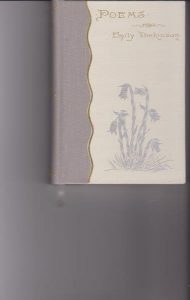
I became a big fan after reading Emily Dickinson’s poems as they had written originally (first published in the Harvard Johnson edition). Have been to her house and visited her grave twice in the early 1990s.
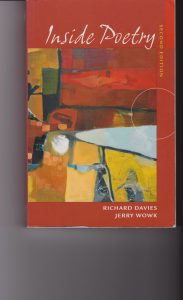
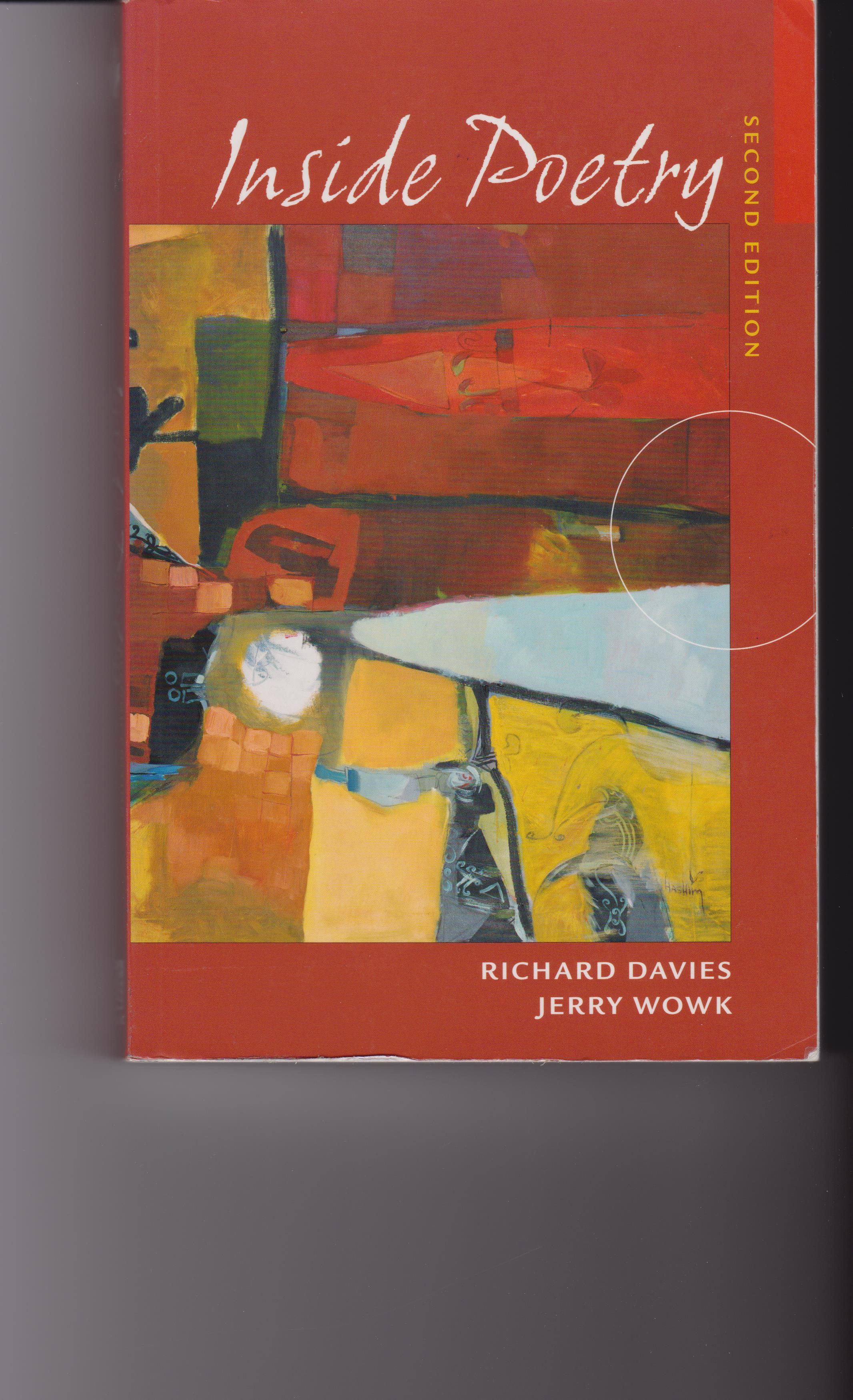
Here’s one of my own I still go back to. My Ed CI prof-friend, Glenn Martin, was knocked out by it and called this book a masterpiece! I selected all the poems in this book still used today in Canadian schools.
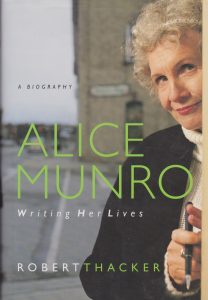
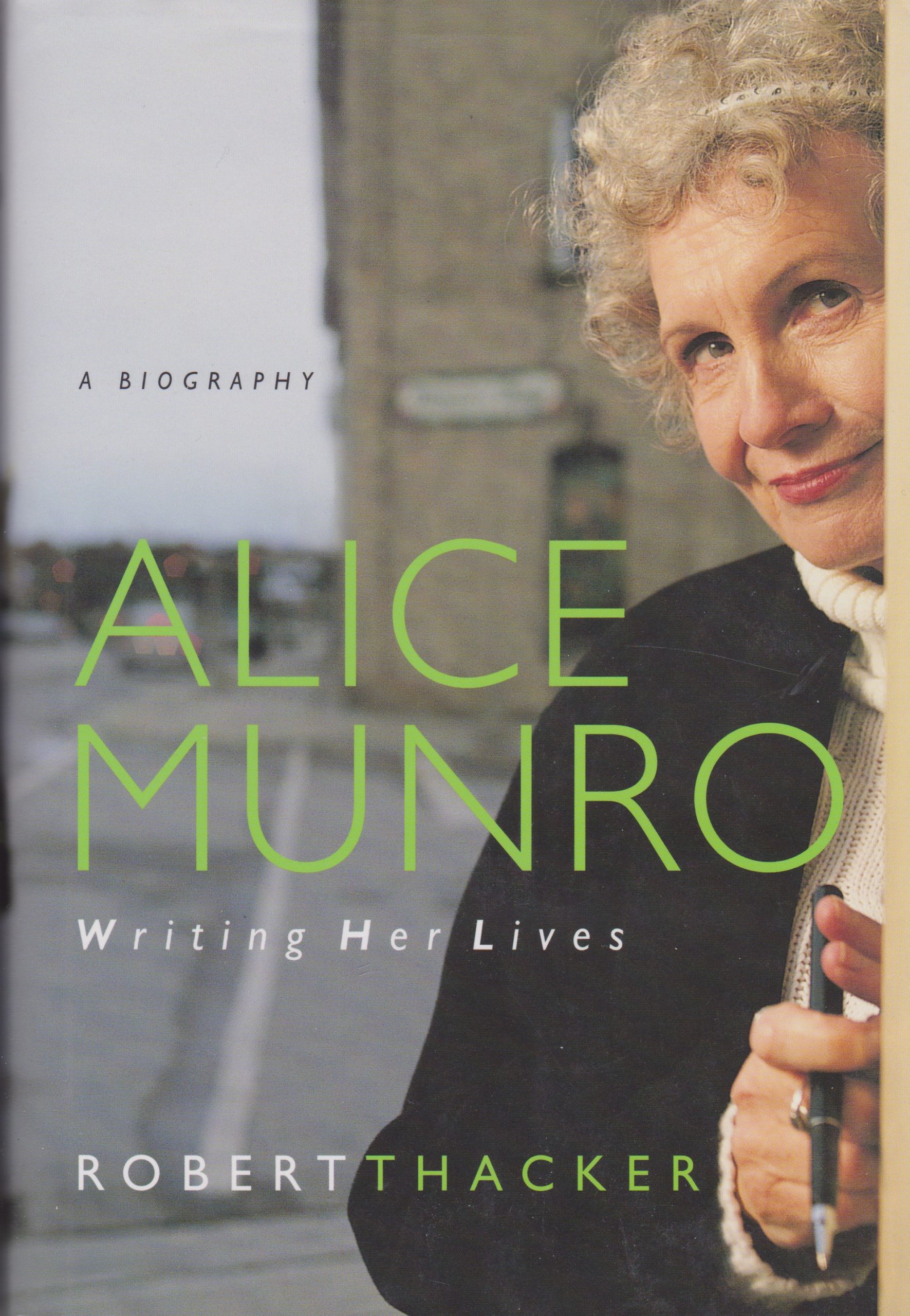
Canada’s greatest short-story writer. Along with Atwood, she is the last CanLIt legend alive today. I prefer her prose much more than Atwood’s; she is a prose master.
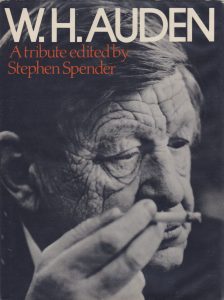
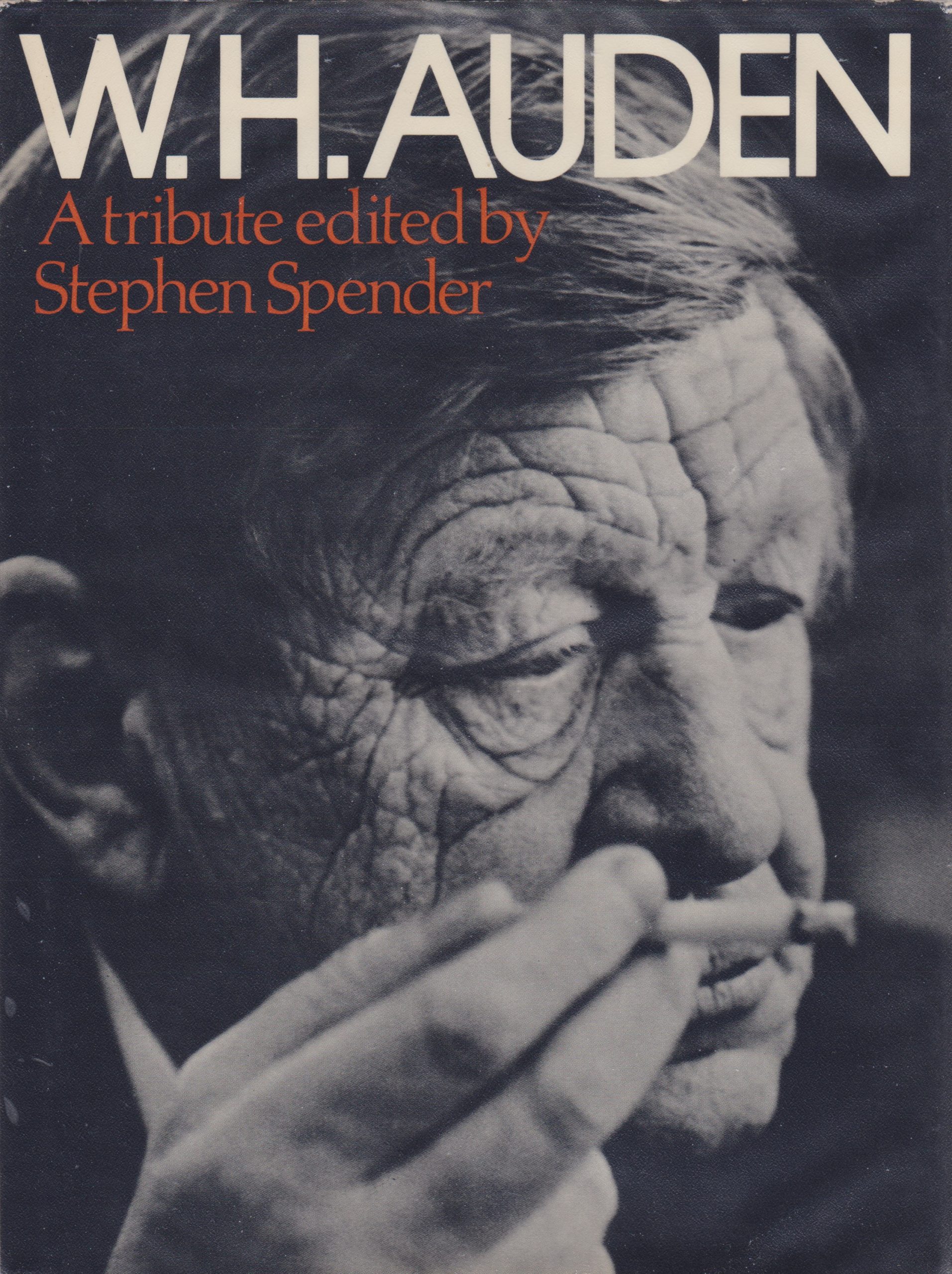
I’ve always liked many of Auden’s witty poems.
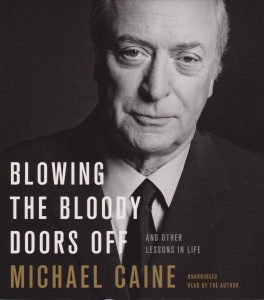
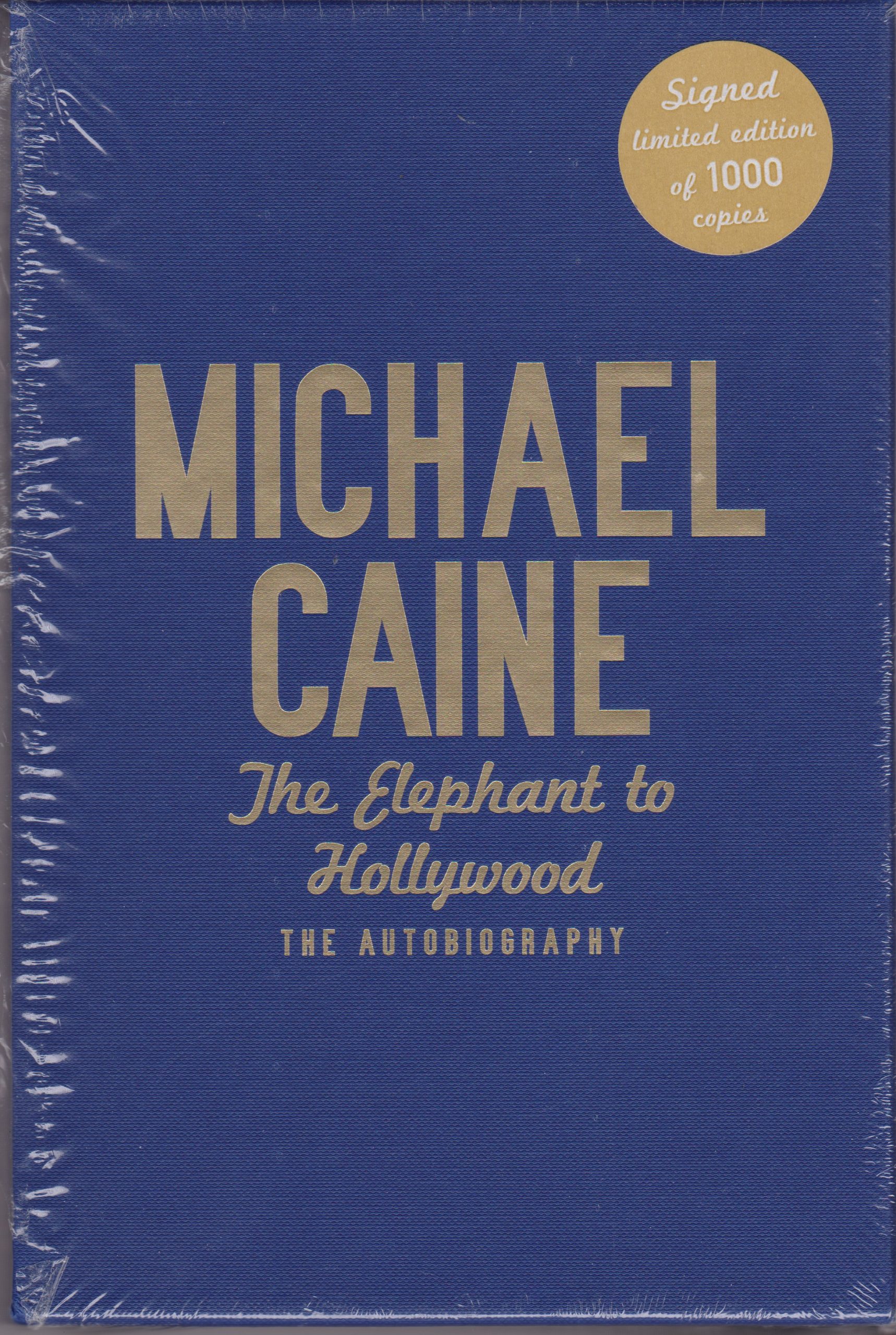
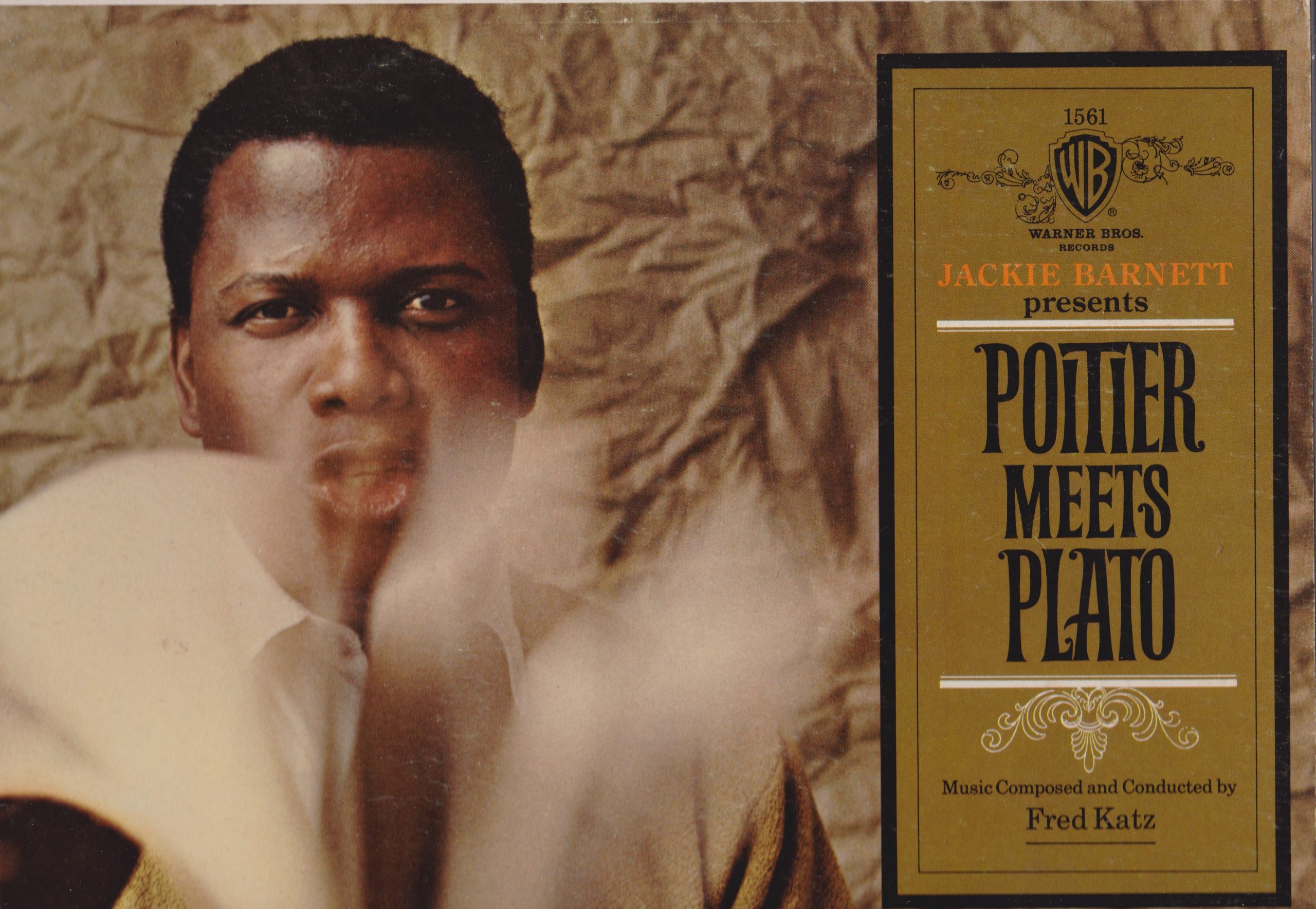
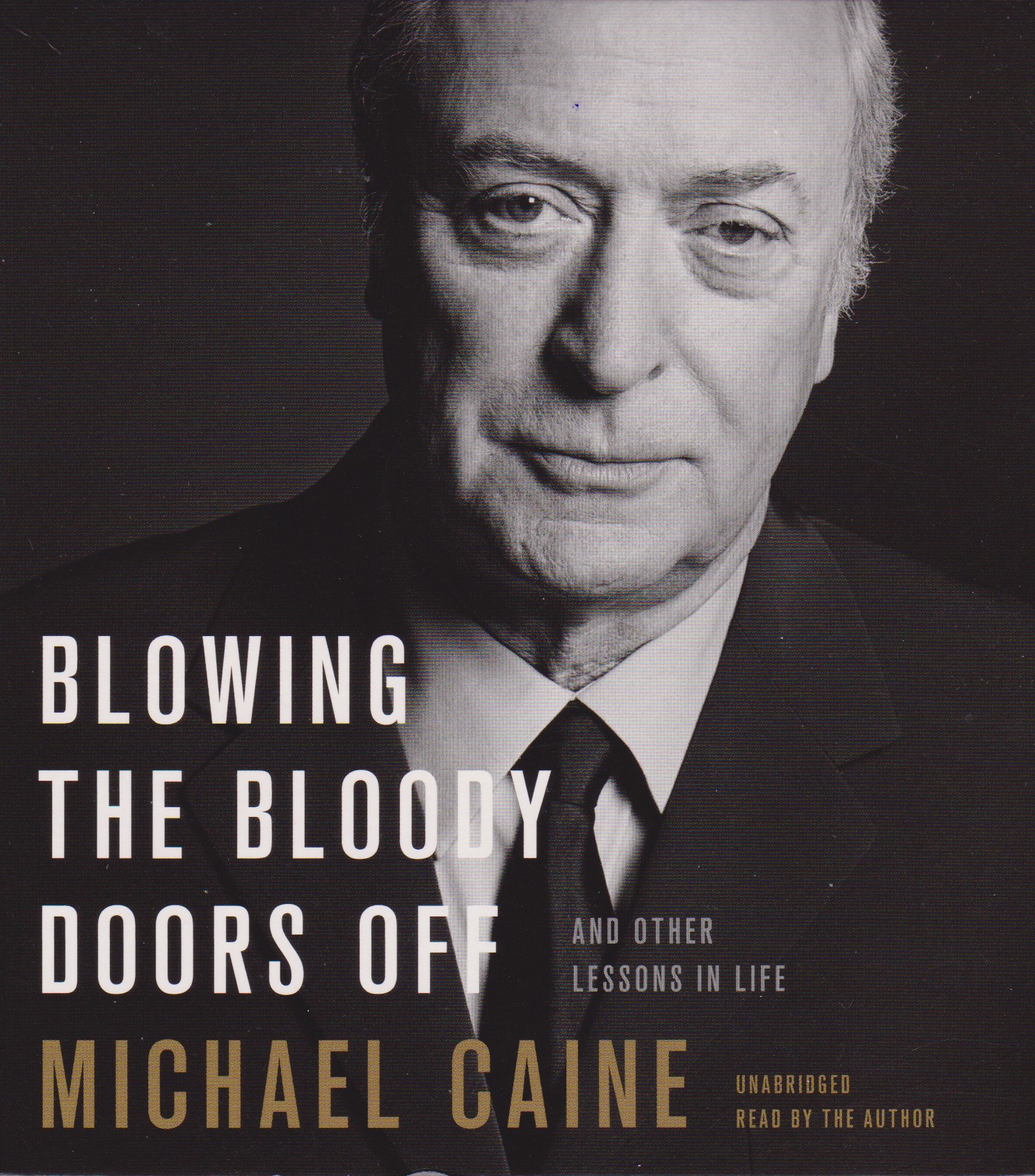
Audiobooks can be as good and powerful as printed books. This audiobook by cockney Caine is wonderful to listen to if you like being read aloud to.
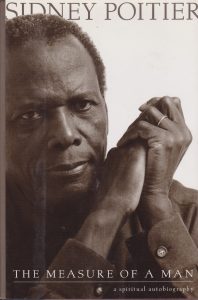
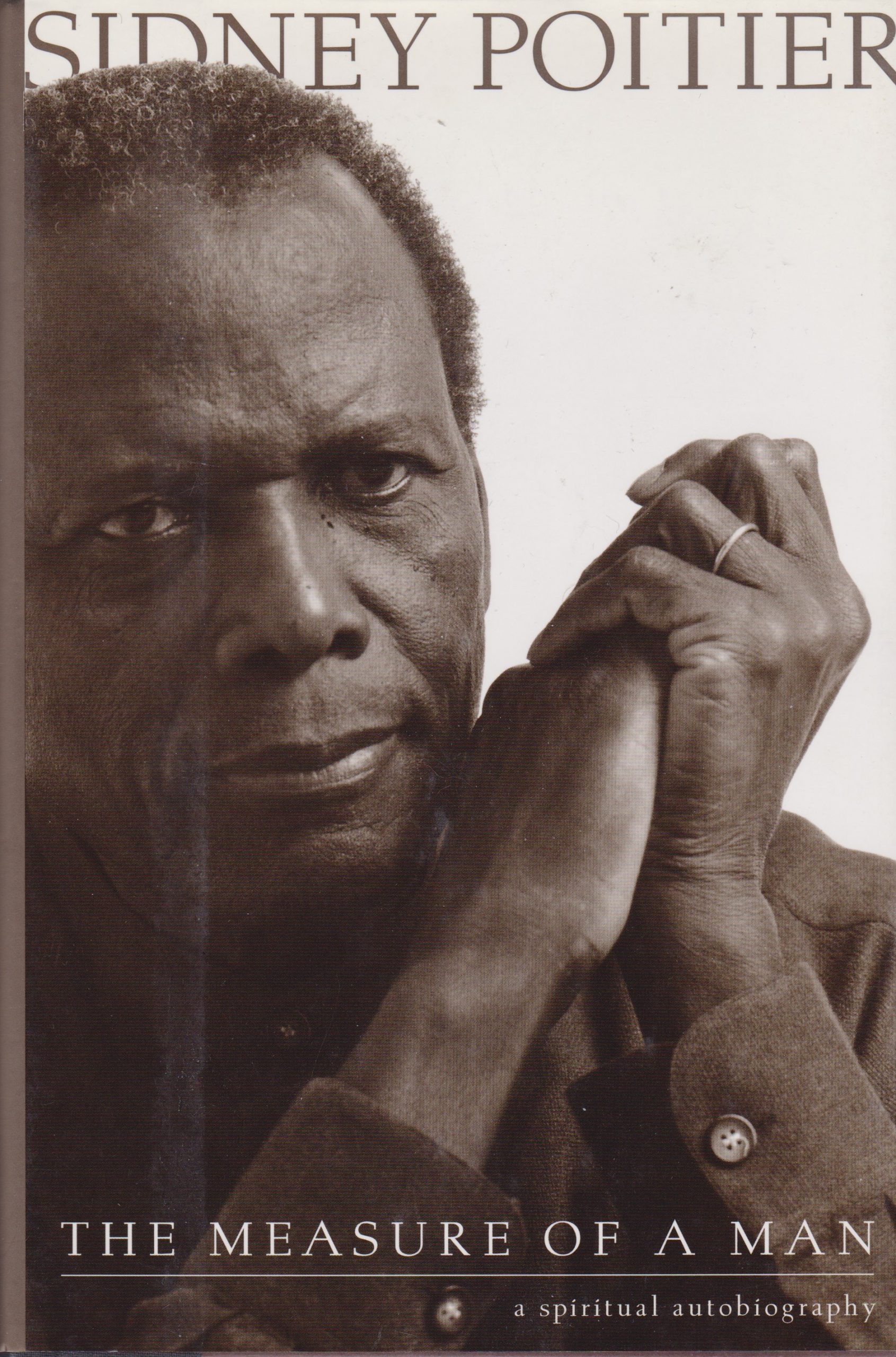
Poitier is another good reader BTW.

In grade 12, I bought this book and the following year, I used it to find synonyms as I started to write my first poems. It’s remained a faithful companion for all sorts of writing experiences. If you are in search of the right word or bon mot, look no further.
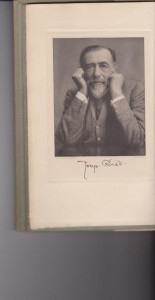
My interest in Conrad took off in u, 1969-70 in a modern English Lit course. He can be difficult, but if you can get through Heart of Darkness, The Secret Agent, or Nostromo, you’ll have read 3 of the best works ever written by someone for whom English was not his first language.