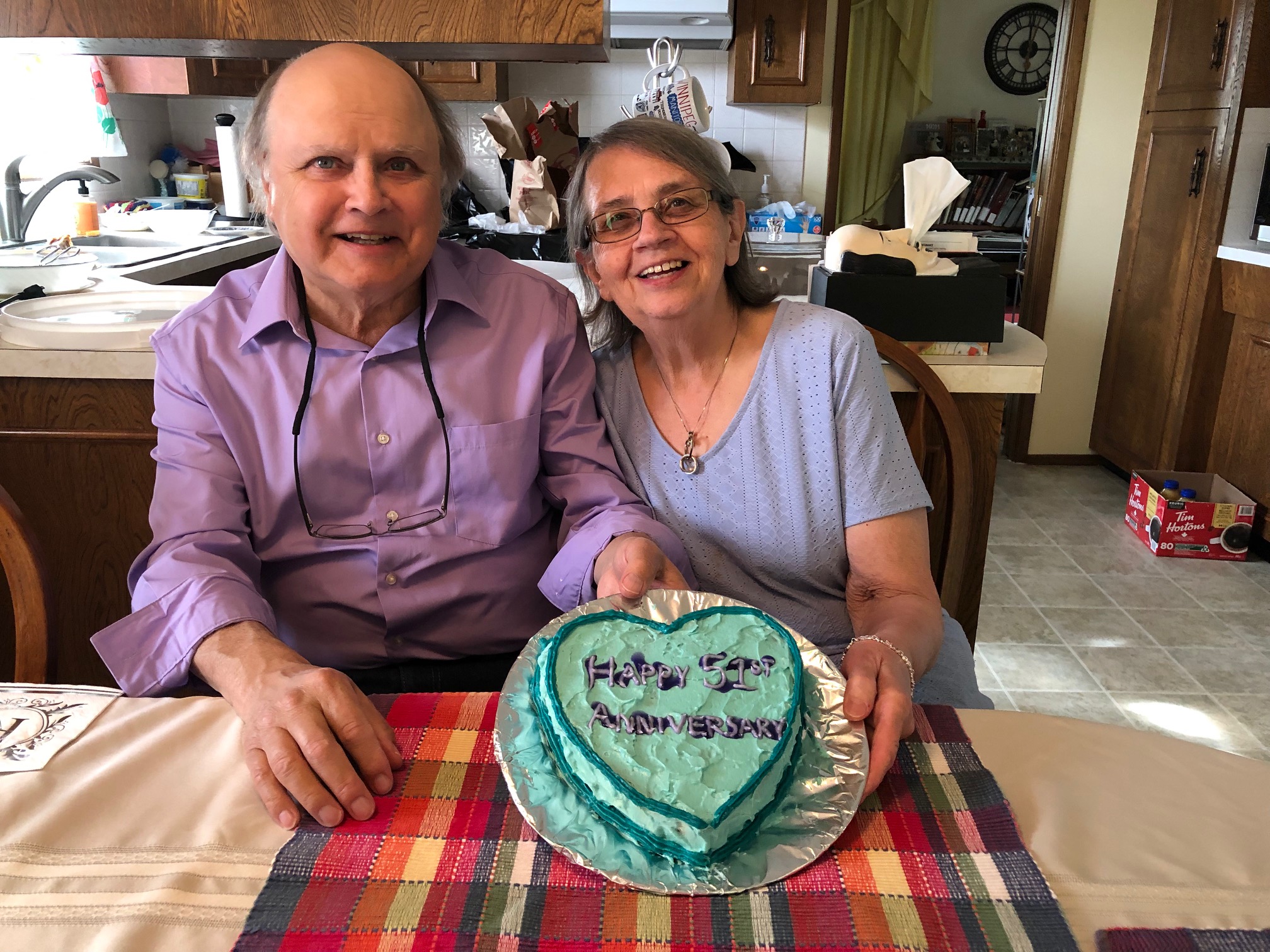
2 home-made butter pecan cakes by daughter: 1 with sugar, 1 with sweetener.
Remnants of Jackson Triggs Chardonnay and delivered KFC in background. (Shakespeare kleenex box.)
A fun day.
2 home-made butter pecan cakes by daughter: 1 with sugar, 1 with sweetener.
Remnants of Jackson Triggs Chardonnay and delivered KFC in background. (Shakespeare kleenex box.)
A fun day.


One of my favorite annual tv shows remains the New Year’s and summer Vienna Philharmonic concerts on PBS, showing Vienna and its Danube environs. Yes, if I could have lived elsewhere in my adult years, Vienna strikes me as eminently civilized, still.
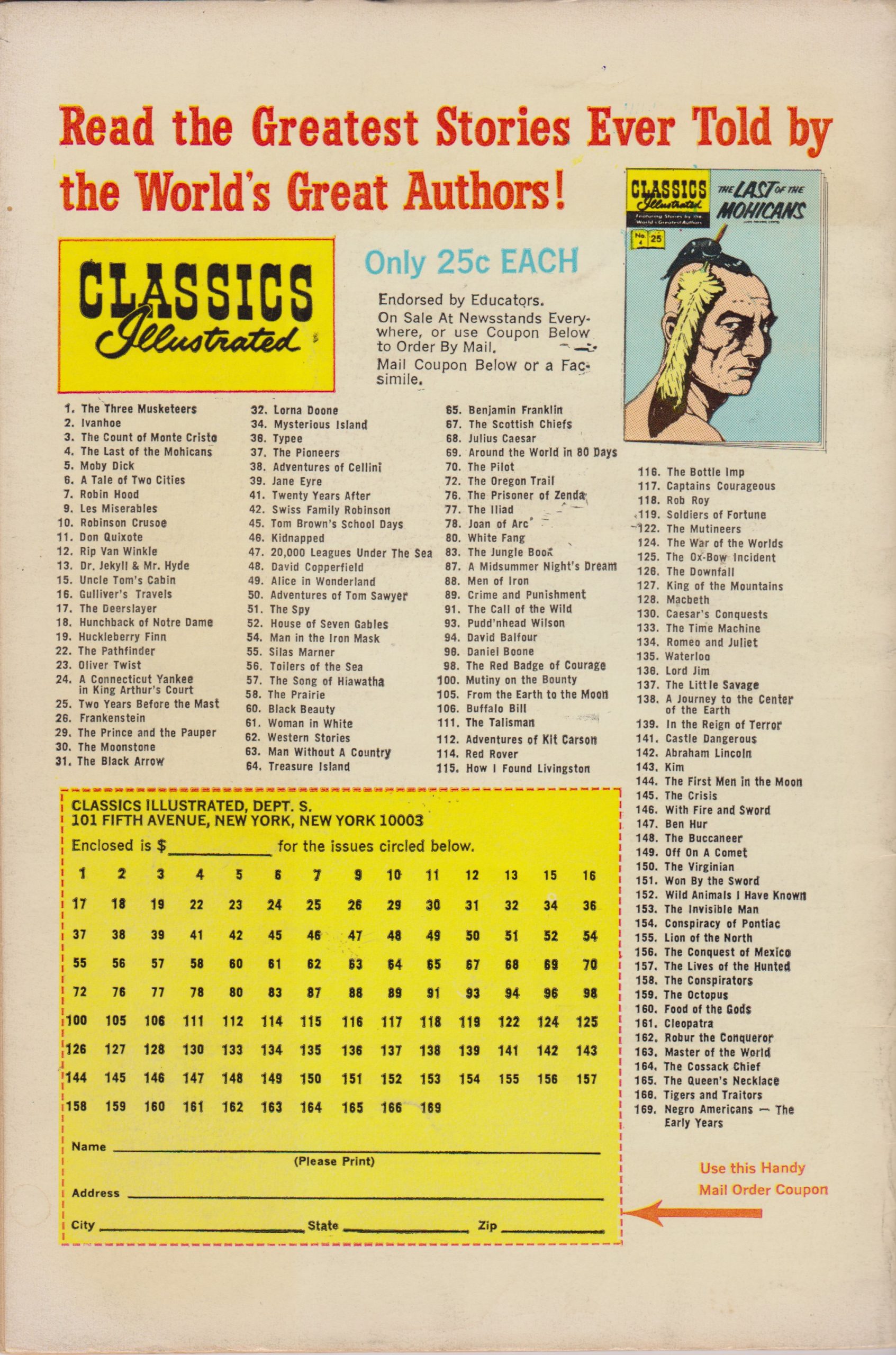
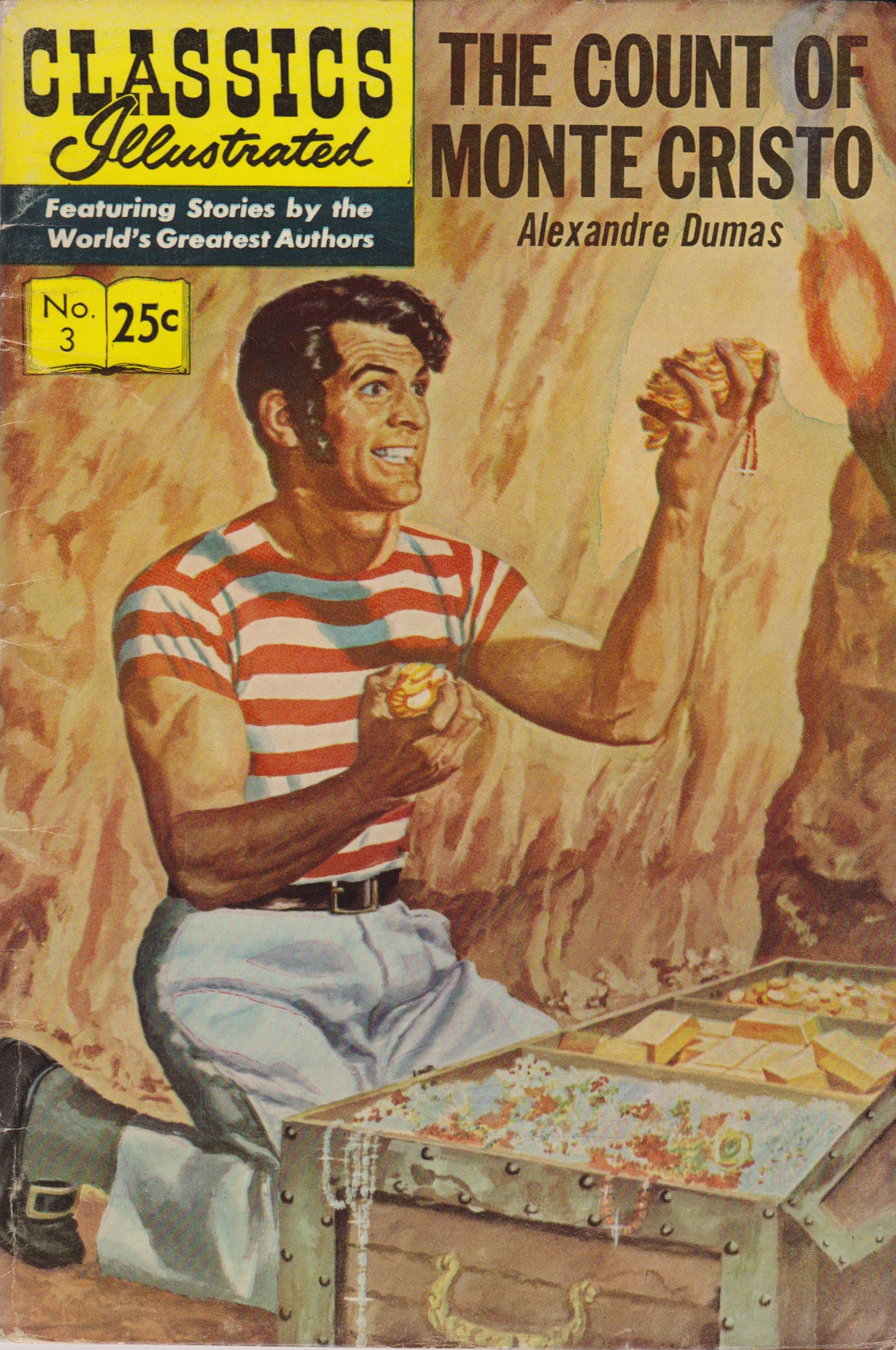
My own bent in comics was pretty much limited to the Classics Illustrated series in the mid to late 1950s. As an adult, one of my bucket-list items was to own a copy of each title in the series, including the most expensive #43 Great Expectations, and the rare #66 The Cloister and the Hearth and #14 Westward Ho. Eventually in the 2000s, after retirement from teaching in 2002, I finished cobbling together my dream.
These comics were my first extended contacts with and experiences with literature which eventually led into reading books per se, majoring in English at university, teaching senior high English for 30 years, editing and writing textbooks, and eventually writing in prose subgenres, writing my own poetry, and publishing my own books and blogs.
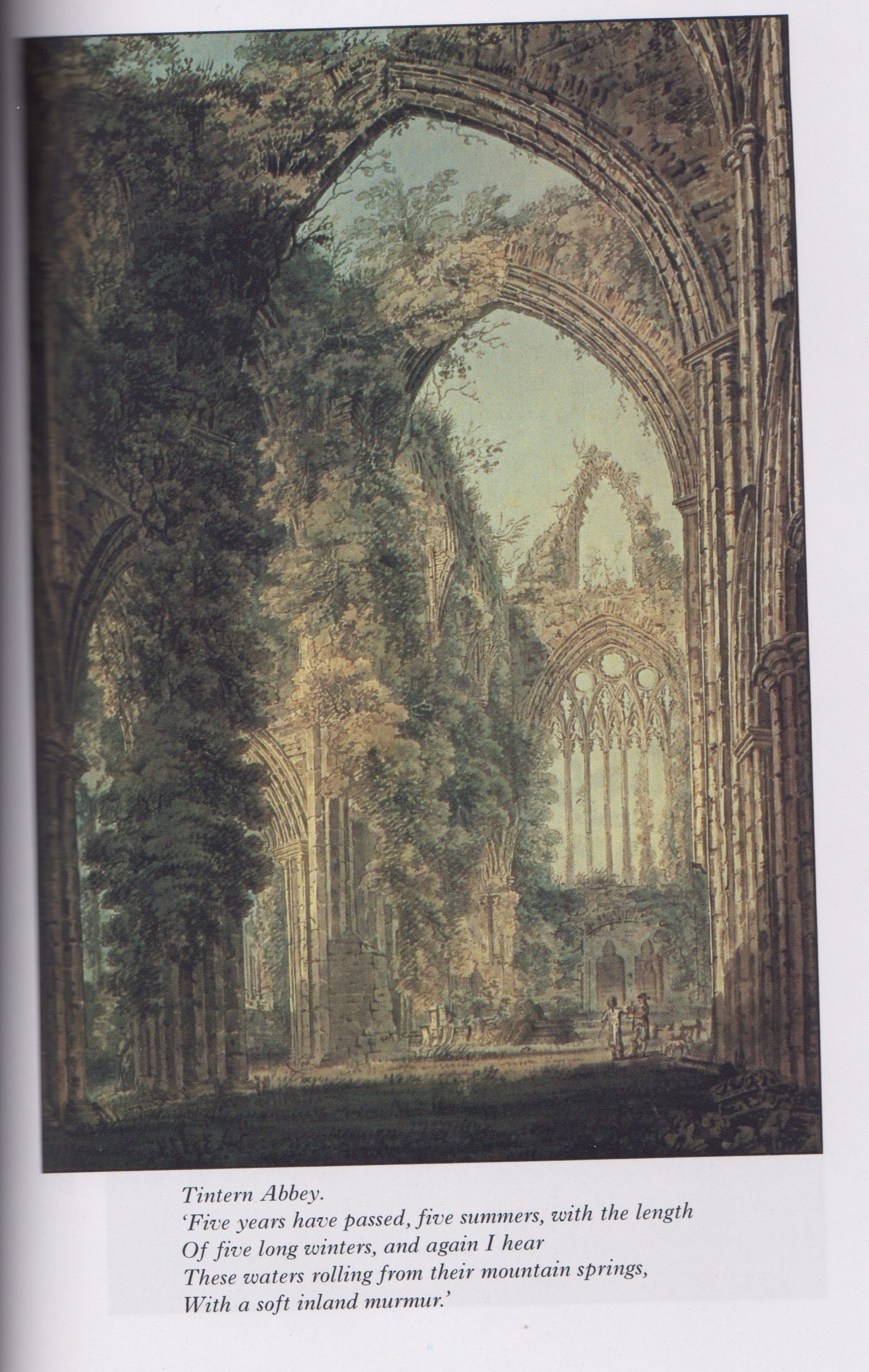
in 1967 and still does today:
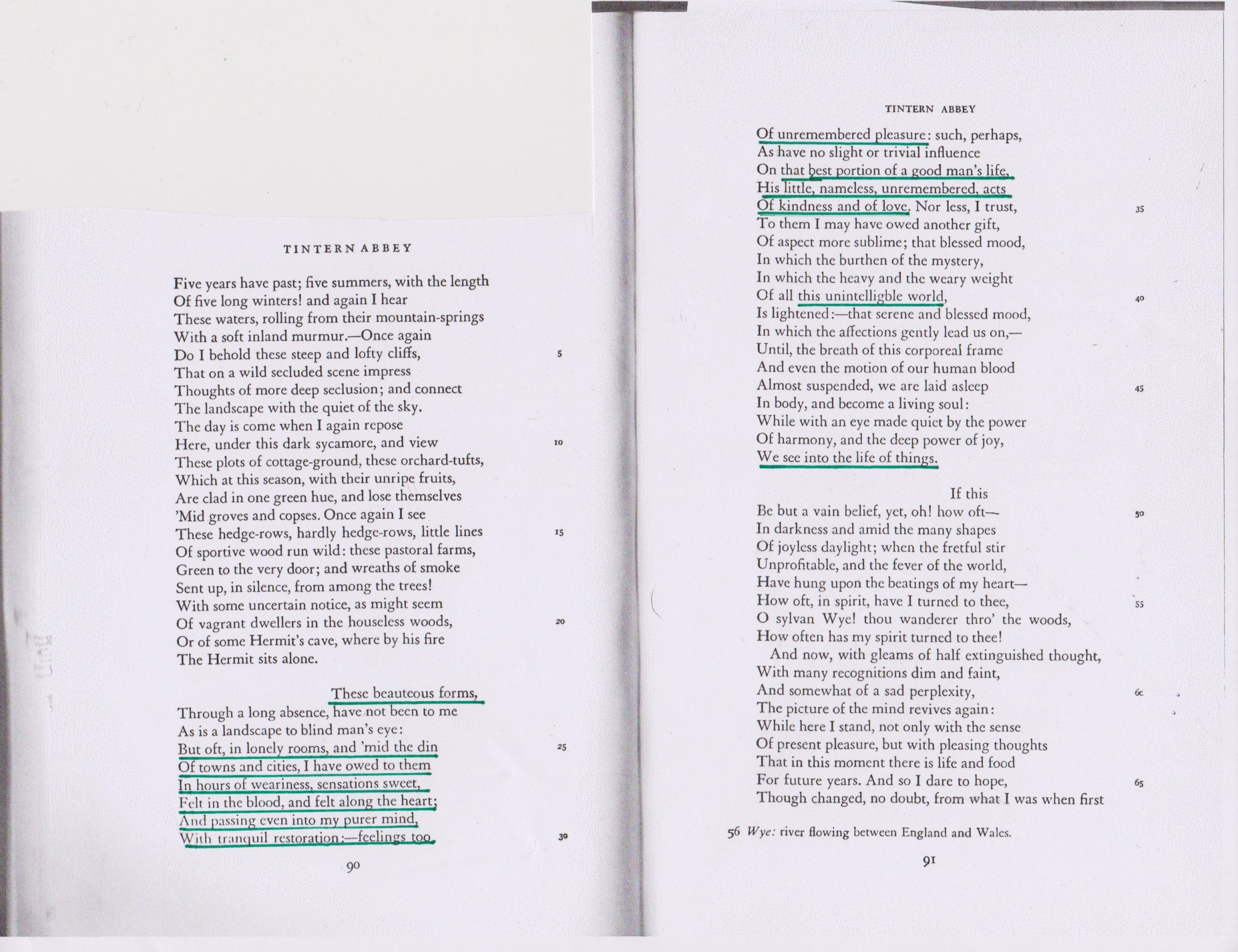
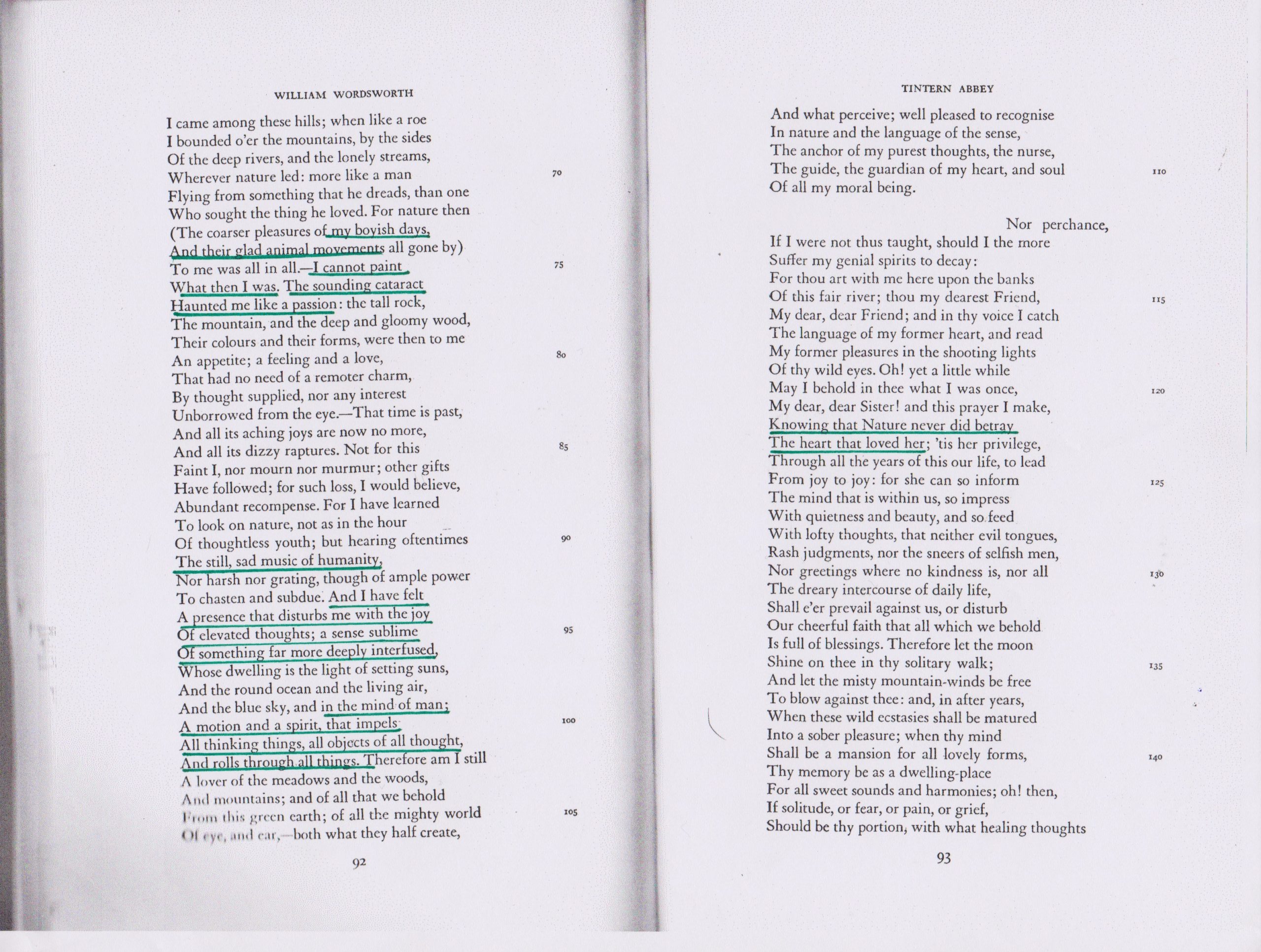
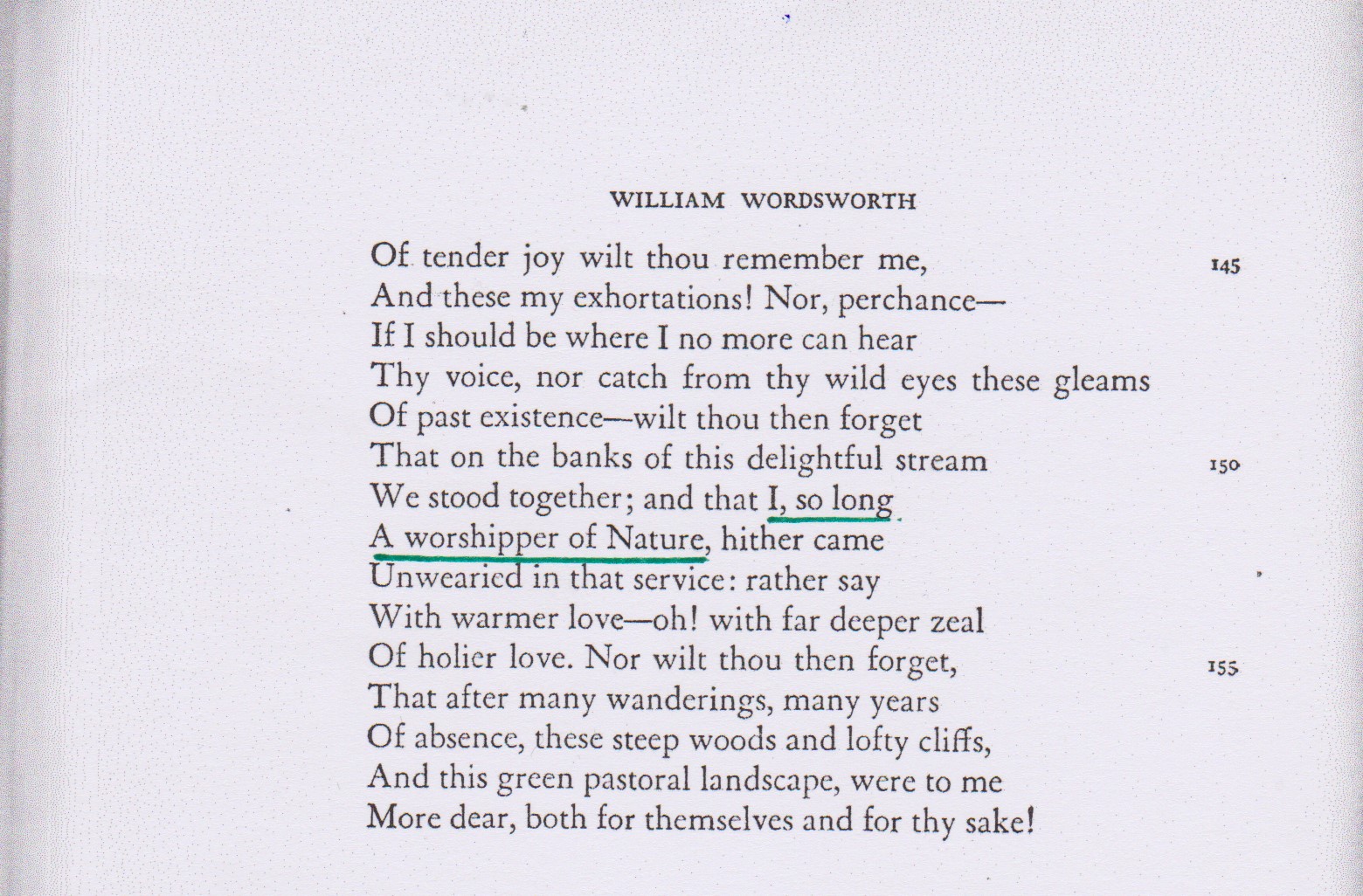
After reading the first stanza, I recognized that, first and foremost, Wordsworth was writing about the “beauteous forms” of Nature (the first time I’d ever heard that wonderful adjective).
And then, I thought back, too, to how much pleasure Nature had given me even when later recollected.
At age 17, I thought to myself that “acts of kindness and love” were about as good as it got in terms of the actions of humankind.
As a rebellious adolescent, I agreed with the phrase “this unintelligible world” which tied in with our studies of Hamlet and his various conflicts and dilemmas.
The line “We see into the life of things” was that special Hamletian facility which I also sought at the time. The poet had convinced me by this point in his poem that Nature was a logical, perfectly plausible way to “see into the life of things”; Nature, indeed, taught many lessons and gave valuable insights.
“Glad animal movements” was the most perfect expression I had ever heard then of my “boyish days”. There was that kinship with Nature from the get-go for this only child. The confusion of youth is embodied in the next line; “I cannot paint/What then I was.” Also expressed in the boiled-down “The sounding cataract/Haunted me like a passion”. Again, one could only say at that time, approximately, how one felt, but that image captures both beauty and chaos of the sensation experienced: a “beauteous form”.
“The still, sad music of humanity” pretty much summed up to me my-then emerging overall sense of humanity and human history–including its pain and suffering.
“Elevated thoughts” were starting to happen for me beyond that Beatles time: the more thoughtful ideas and epiphanies via Simon and Garfunkle and Bob Dylan in music, for instance. Increasingly, I was being exposed to via music, literature, and poetry more of “a sense sublime”.
Much as in Hamlet’s case, thoughts began moving, tumbling. There was an accompanying “motion and a spirit” that seemed to roll “through all things”.
Context-wise, these “objects of thought” were inspired by and echoed by Nature as Wordsworth points out.
One main message of the poem was: “Knowing that Nature never did betray/The heart that loved her”. Through the years, subsequently, there remains something true and fundamental that remains and evolves from a love of Nature. It has its own rewards, so to speak.
Above all, I recall then thinking ‘This is me! This is what I have been and still am. Nature was something I loved and appreciated in my childhood and youth.’ I was and would always remain “So long,/A worshipper of Nature”.
…………………………..
Etc.
At the same time, we studied “Composed upon Westminster Bridge”, a fine Wordsworth sonnet which echoes what he says in “Tintern Abbey” about the peace and insights through Nature in its many “beauteous forms”.
Much later, I would encounter and teach, in my adult years, his “Ode: Intimations of Immortality” which greatly echoes and extends the thoughts of “Tintern Abbey”.
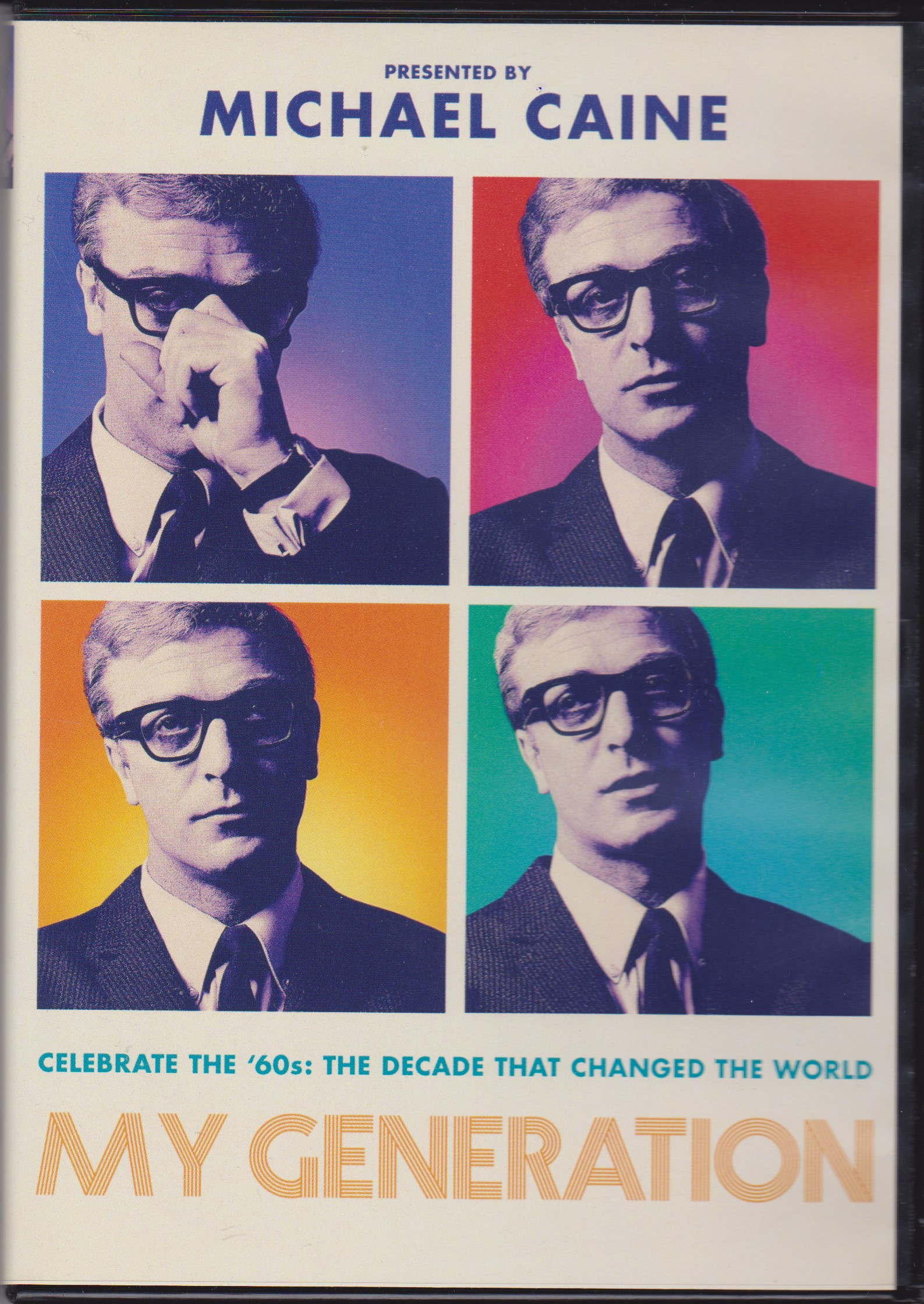
“The cultural revolution that occurred in 1960s England.”
Promises a lot, but average/mediocre overall. Starts off well enough about the drab malaise and poverty of England after WWII and the limited opportunities then for creative people.
Gradually gets into the personalities of the time like The Beatles, The Stones, Marianne Faithfull, Twiggy, David Bailey (whom I’d never heard of before–he of photography fame), Donovan, and Mary Quant.
There are too many stereotypical old establishment criticisms of the young of the day and too many weak “Wow!” camera effects scenes. Too predictably, Caine’s overview shifts in the last third into the moral demise of the time via drugs–ho hum!
The music does better and there are some good choices evoking London of the day including The Kinks’ “Waterloos Sunset” and “Dead-End Street” to kick off the film. Other tunes include The Kinks’ “You Really Got Me” and The Zombies’ “She’s Not There” to epitomize the lovely “birds'” impact on males and photographers of the day.
The main focuses of the film are the bands, the music, the fashions, the models, the photographers, and the drug use. A little too narrow for a credible overview in any depth of this era in this place. Disappointing that way.
Certainly, if you are a Caine fan, you will see enough of him sort of narrating while in his 80s, scenes from his early films up to Alfie, and other old footage of him walking about London and in his 60s’ films. A bit of an ego trip based on a good idea to try and capture the time.
Indeed, the first third of the film is the strongest, setting the stage, and setting the atmosphere of those times and spirit. The middle gets bogged down with average footage on fashion and photography, and the last section seems thrown together to provide a ‘moralistic’ ending.
If the viewer wants some understanding of life back then with some actual footage, then some insights are given. But if you are looking for creative reflections and analysis of the time, you won’t get more than the occasional Caine comment on freedom being in the ’60s London air.
Rated 6/10, 6 1/2/10 tops.
autonomous persons with equal rights to men by the GOPs, expect them to also be eventually denied the vote.
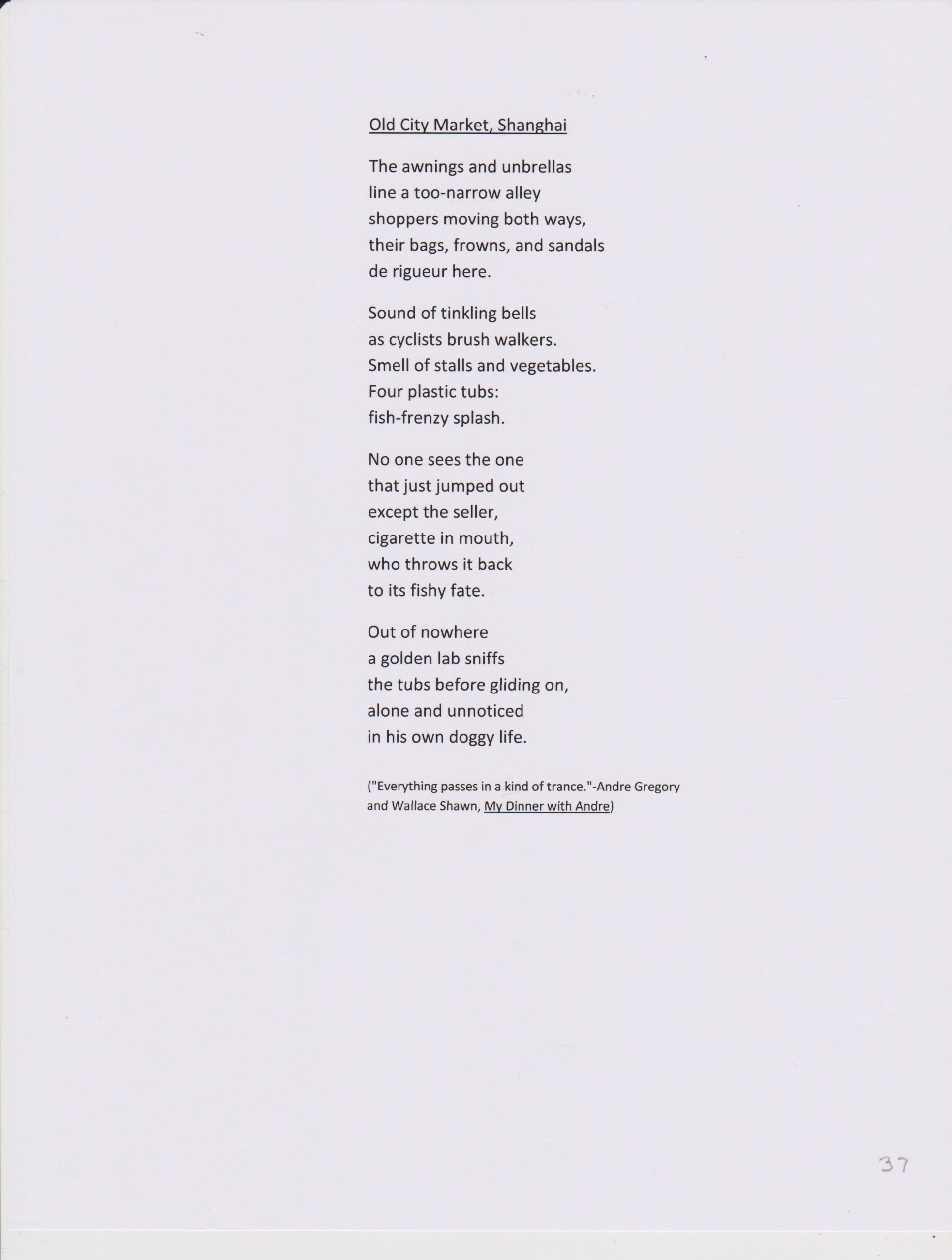
Life was often described as a dream or as being dream-like by Shakespeare. Even with our varying degrees of individual consciousness, we often drift/float through crowd scenes or moments in ‘a haze’ or not terribly alert/focused state.
Amidst this poem, the desire of Nature to escape and avoid its otherwise fate and the flow of Nature in its contrasting freer forms as well. (Even the dog and fish both have consciousness, incidentally.)
My own orientation to this actual scene is: What is really going on here that the average person can not or does not see? My recurring interest in details beyond surfaces and the ironies inherent in even ordinary scenes; a take similar to some of the old great painters’ works. There are always, potentially, many meanings happening within a given scene, whether apprehended by a typical observer or not.