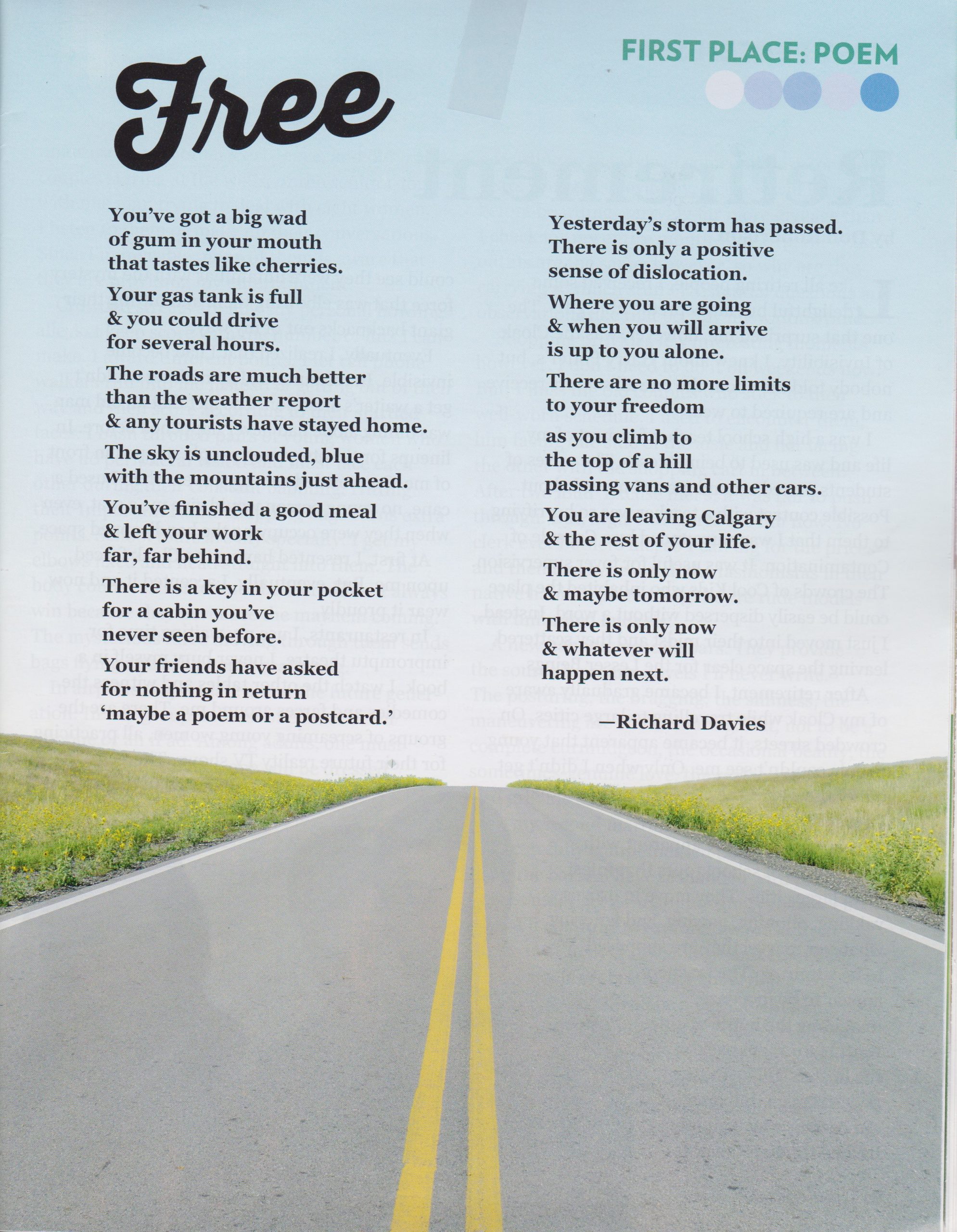
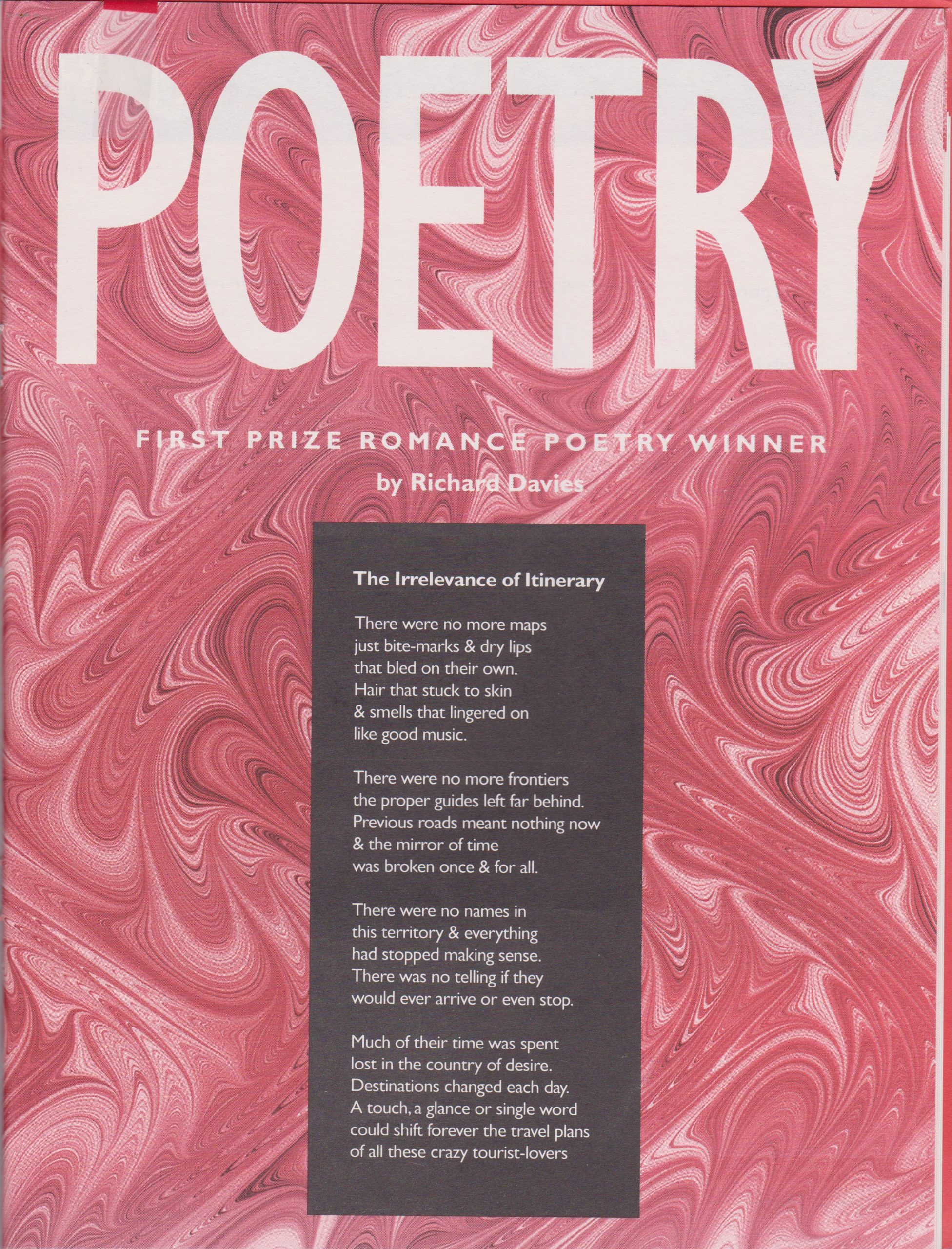
Wpg.’s “Zygote” Magazine: Romance Poetry 1st Place, 1995

Posted in Uncategorized | Leave a comment

2015: 1st Place, AB Retired Teachers’ Association magazine contest

Posted in Uncategorized | Leave a comment

A Mostly United World

with all NATO nations, except China, speaking out against Putin’s dangerous violent aggression.

Here, at home, my East Indian neighbor–whom I do not know in any depth–graciously comes over and blows the new snow off my driveway.

Elsewhere, in many ways, this is a pattern you happily find in multicultural Canada, especially in the ‘burbs far from the Kenney rednecks and trucker barbarians.

It is always important to be thankful for whatever good and kindness is selflessly bestowed upon us, to balance whatever warmongers and crazies out there.

Posted in Uncategorized | Leave a comment

Review of a Poet-Friend’s Book

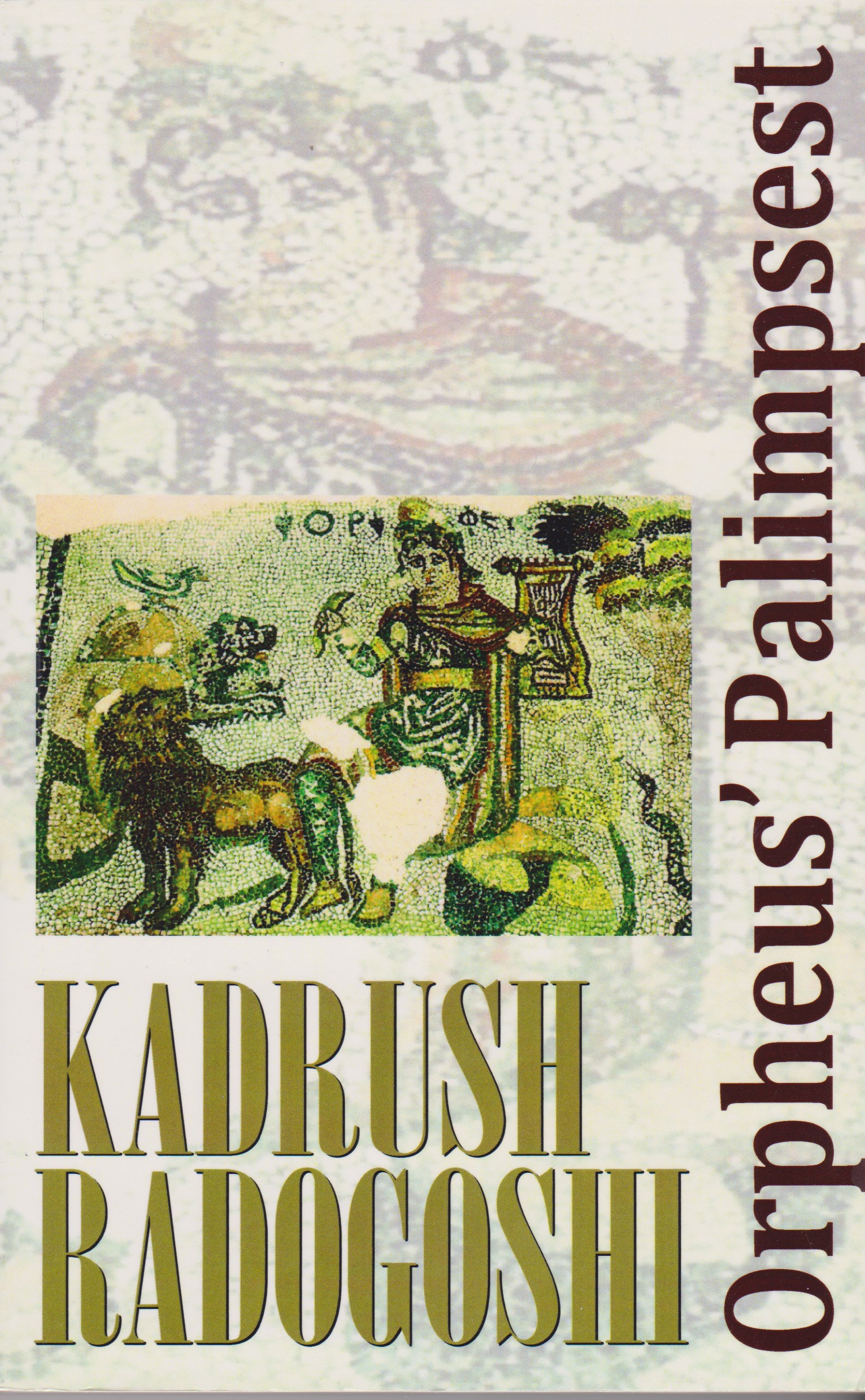
Kadrush Radogoshi an Edmonton Orpheus / By Richard Davies

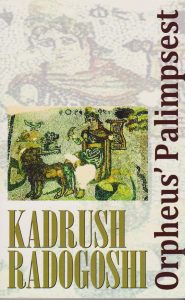
Kadrush Radogoshi is an established Albanian poet whose latest book, Orpheus’ Palimpsest, is inspired by the story of Orpheus and Eurydice, one of the central myths of Western civilization. The romantic poems in this unified collection are connected by the author’s preoccupation with seeing and poetic vision. For him, though, language is the way to beauty; as he puts it, “The word has a beautiful eye”. Indeed, the eye per se is the musical instrument the poet recurrently ‘plays on’ in order to describe and elaborate the many moods and moments of poetic inspiration. This is, in turn, reflected in many key poem titles such as “Orpheus’ Essay on Eyes”.

The music and musical themes of the poems also become the underlying argument of the author’s thesis; as he says, “The only proof/About the beauty of the song”. Radogoshi aims for beauty as relief from the ugliness and conflicts of the real world which backgrounds and underlies this particular poetic quest. He desires the fresh start of another book, another working ‘paper’ or palimpsest–to transcend that real world via hymns to the possibilities of love and beauty. And thus, the resonances of the old classical myth are recreated in his this poetic journey and the poet’s own soul.

The poet takes the reader to “a romantic corner on the horizon/Beyond bars, beyond wires” of that real world–transcending the limits of hate, political repression, and violence he once himself survived in (specifically, in Kosovo) before coming to Canada to begin a new freer life, reflected in the principal quest of this important collection. He chooses to express “The blossomed rose in the exotic garden of vision” in lieu of a diminished modern world where true or traditional heroes the likes of Odysseus have gone, as he says “missing”.

The poet takes the reader to “a romantic corner on the horizon/Beyond bars, beyond wires” of that real world–transcending the limits of hate, political repression, and violence he once himself survived in (specifically, in Kosovo) before coming to Canada to begin a new freer life, reflected in the principal quest of this important collection. He chooses to express “The blossomed rose in the exotic garden of vision” in lieu of a diminished modern world where true or traditional heroes the likes of Odysseus have gone, as he says “missing”.

The soul of the poet, his adopted Orpheus persona, looks to and for Eurydice who symbolizes, variously, his missing self/elusive ideal love/desired woman as well as the source of poetic inspiration in his life and for this particular project. Along the way, he seeks the courage, persistence, patience, and strength, and hope to pursue her and the special unique vision he is passionately articulating throughout this book. But always, the book returns to the “myth egg” or source of traditional poetic inspiration–the possible models and timeless possibilities that Orpheus and Eurydice still offer people, lovers, and writers alike today. Always too, there is the recurring theme of remaking or idealized transfiguration as symbolized by this key line: “You turn into a Star”.

I should also mention Radogoshi’s skillful use of water and fire imagery to complete the desired ritualistic cleansing and transformational powers of love, again reflected in such pieces as “When I Used to Wash Your Ardent Eyes with Dew” and “The Sacred Fire”. As the latter title suggests, all the associated sanctity and holiness of platonic love at work and play here. The way into a life of stars, though, is chiefly through the ‘Gaze’–the beholding of the idealized love of Eurydice: “a love coming out of legend”.

Make no mistake, Orpheus’ Palimpsest is very much also the plight and quest of the average modern Western person alienated from the best and most beautiful aspects of the old Western civilization, especially its lofty views of love, art, and beauty. Radogoshi’s journey is also personally his own, ending with the poem: “Orpheus’ Last Journey”, itself a mirror of the poet’s transition to Canada and his new still-in-process freer life contrasted with his conflictful past, as well as his recent writings in English which now include this book.

And though this variation of the Orpheus-Eurydice theme has come to an end with a large concluding vision and Radogoshi himself has physically and innerly arrived elsewhere, he has long been and continues to be a significant, inspired poet, similar to Orpheus, who learned his unique aesthetic ‘chops’ from his formative past experience: “The existential geometry/Is easily learnt from the plane/But not its esthetics”.
Posted in Uncategorized | Leave a comment

Orwell’s Excellent First Book

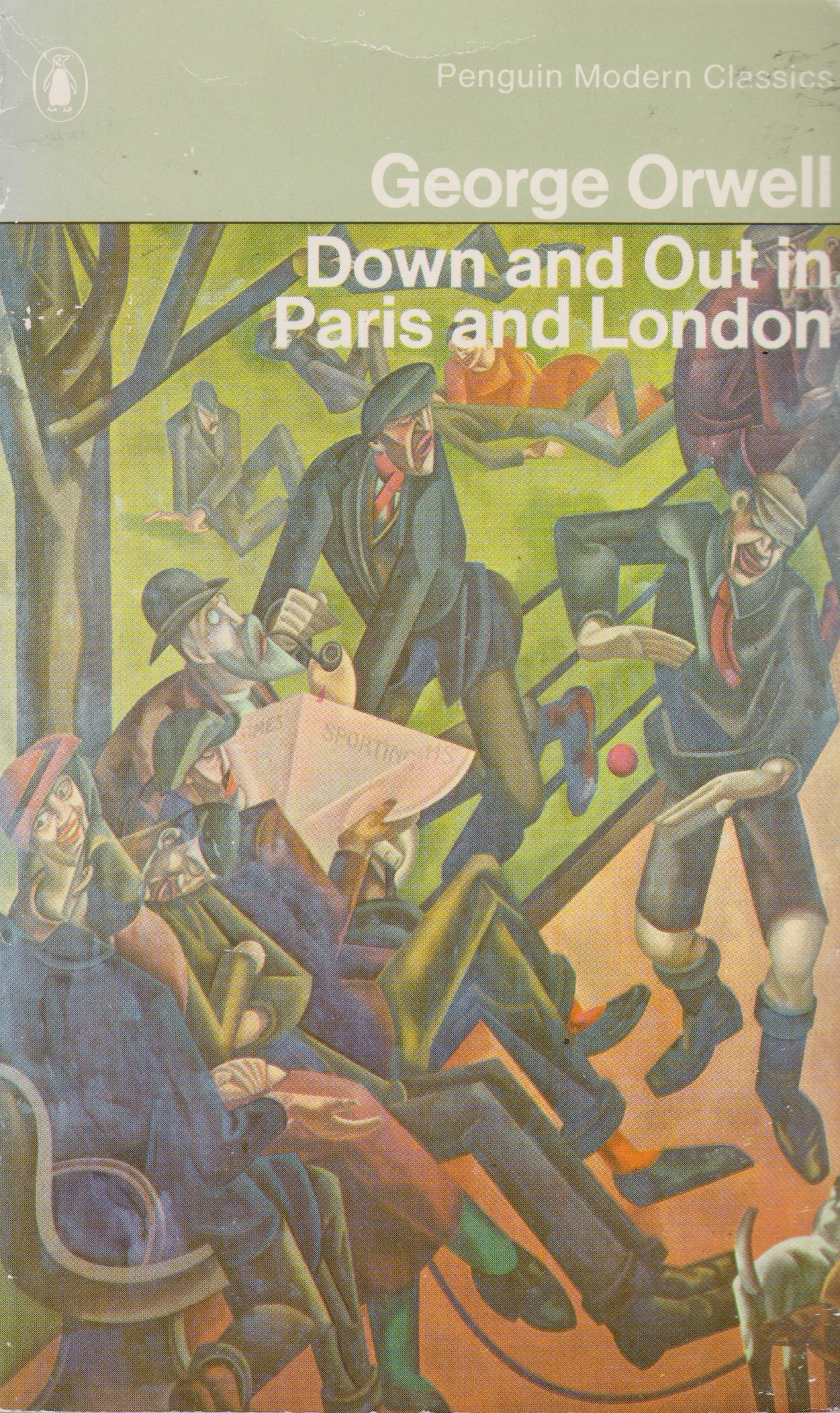
Down and Out in Paris and London, first published 1933; this ed. with all material previously omitted from the original for reasons of propriety or libel.

Best book of its kind I’ve ever read about the poor’s day-to-day struggle to survive. Captures the misery, hopelessness, and despair of the ’30s poor in two major European capitals.

We must remember that Orwell began his career as an excellent journalist, writing famous essays such as “A Hanging” and “Shooting an Elephant” and myriad columns for the British press and media. He wrote other memorable works about the working-class poor, but this book is a powerful, memorable bona-fide classic about Orwell’s own experiences of poverty.

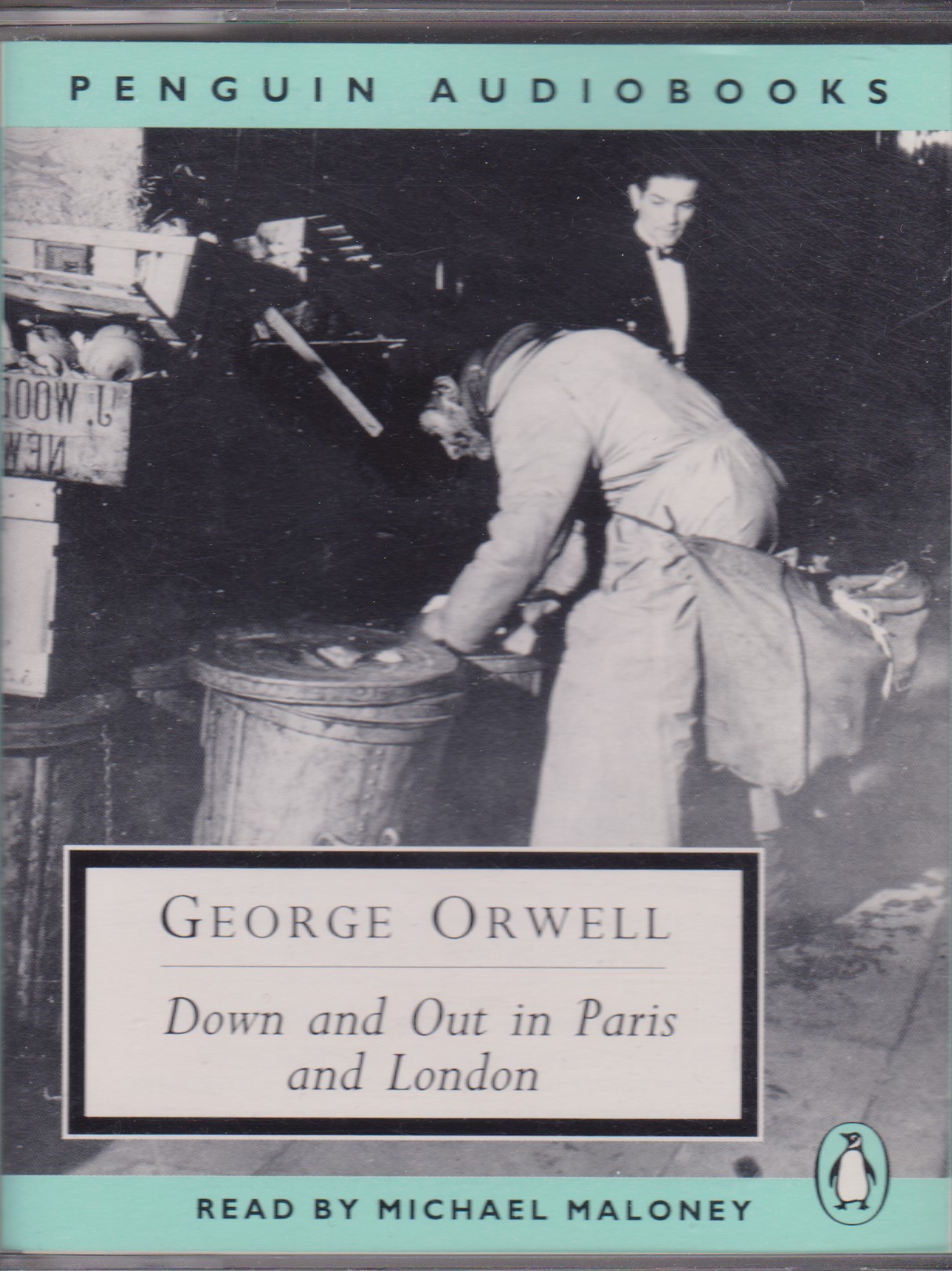
Michael Maloney reading is spot-on and makes you feel like you’re listening to Orwell sans any buffer. Highly recommended also.

Posted in Uncategorized | Leave a comment

The Ultimate Movie?

2022/02/23 news: our-lives-may-actually-flash-before-our-eyes-when-we-die-new-study-suggests.

Posted in Uncategorized | Leave a comment

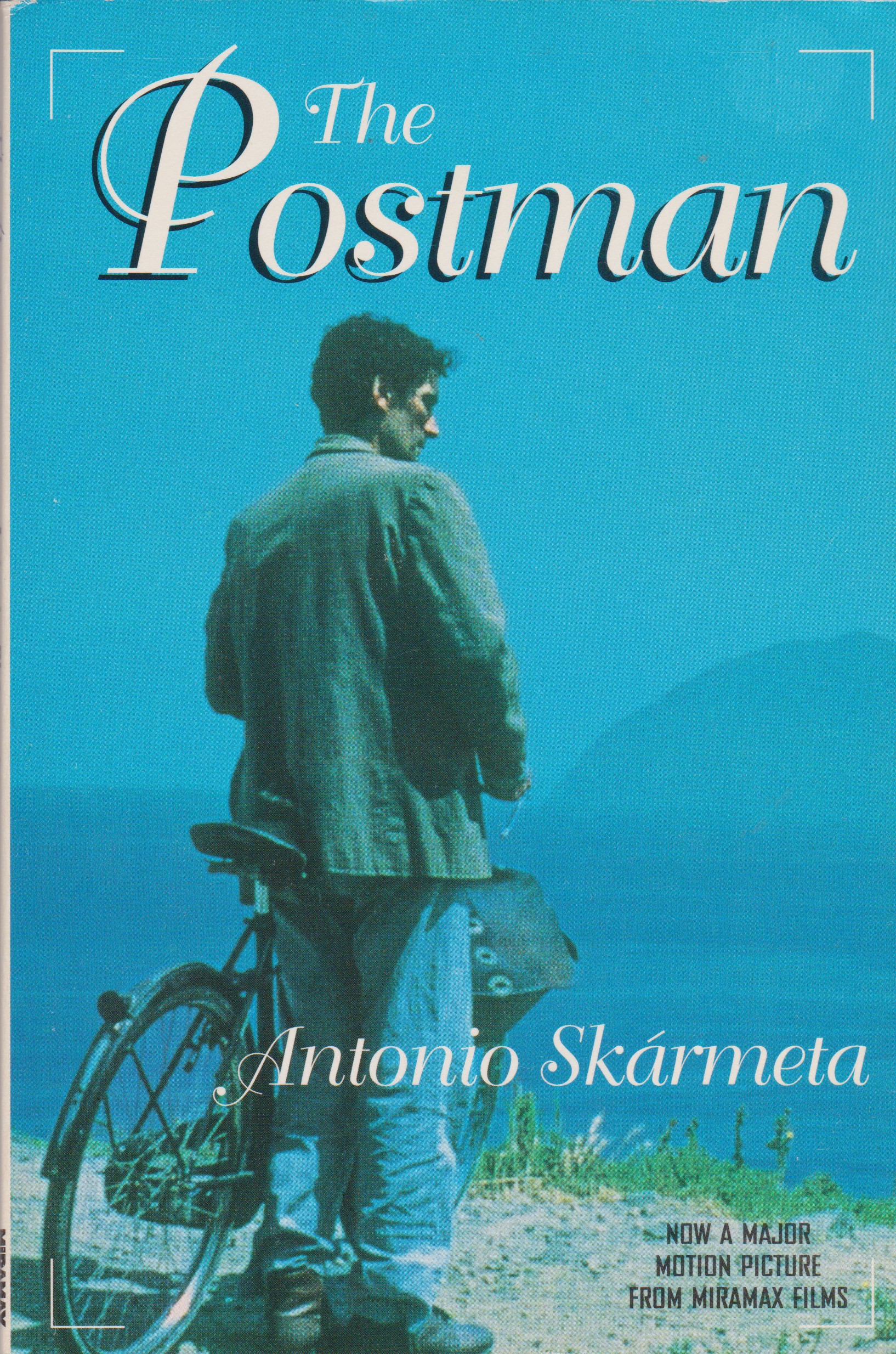
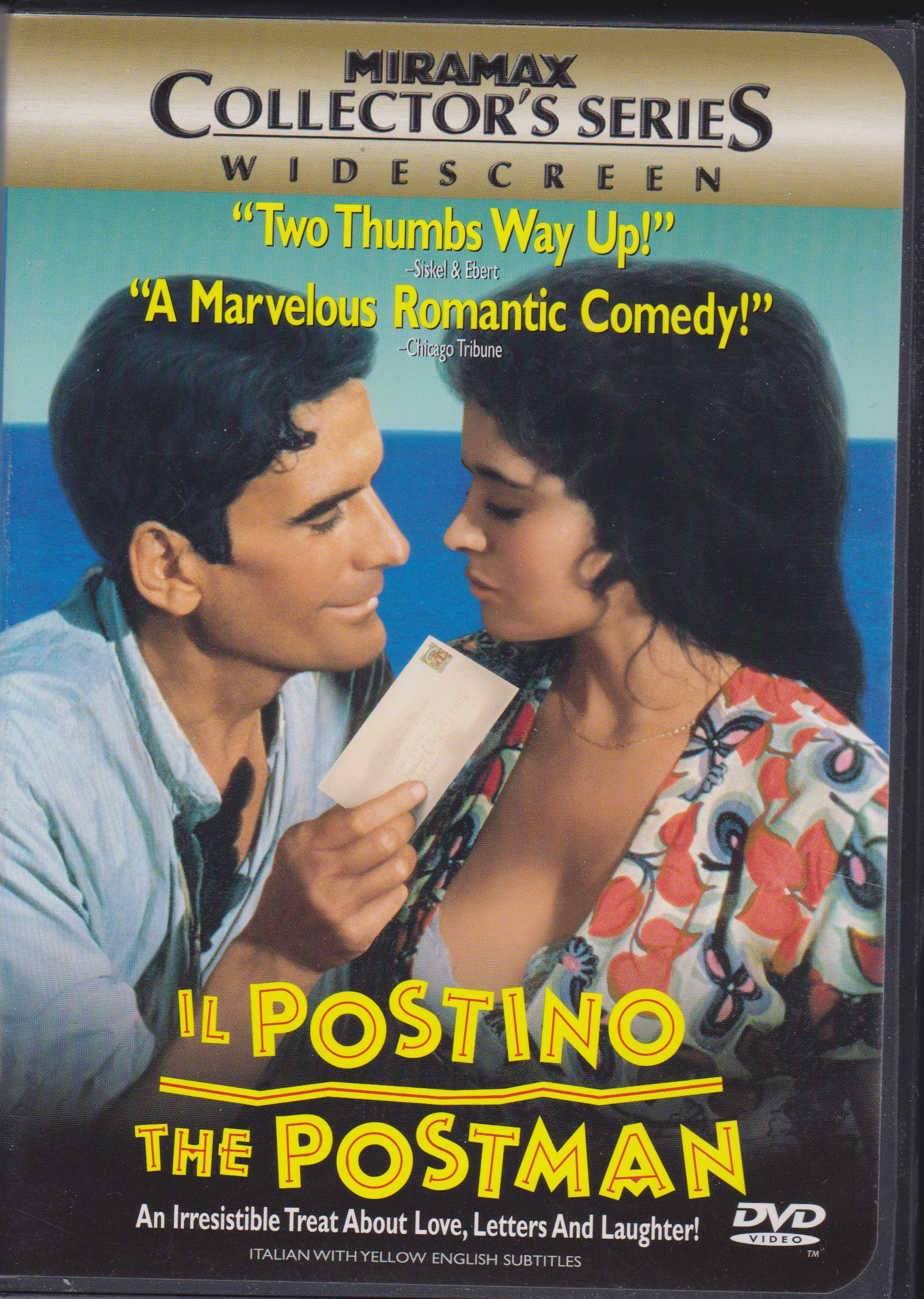
“Il Postino”: Neruda, Metaphor, and Poetry

Originally published in Spanish, 1985; 1985  (English translation published, Burning Patience, 1987; has a different ending from the movie)

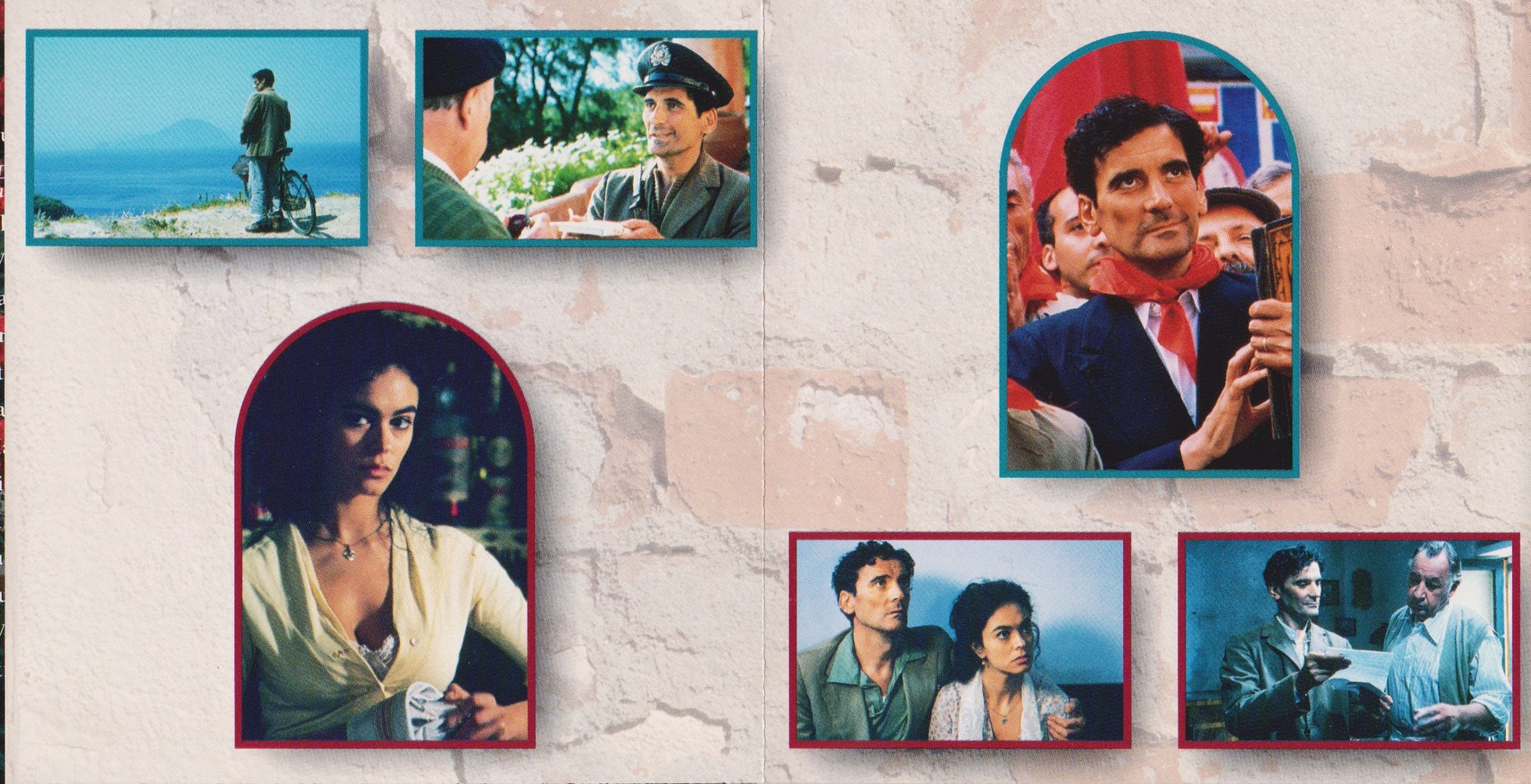
The popular, sensuous 1995 movie directed by Michael Radford; the screenplay with modified ending was developed by Radford and the actor playing Mario (Massimo Troisi)–the schnook village postman, who befriends exiled Chilean poet Pablo Neruda, who introduces him to metaphors and poetry–the secret of Neruda’s popularity and successes with women; Mario uses Neruda’s poetic techniques to win the love of Beatrice (N.B., Dante allusion), the pretty local barmaid. Tragically, Troisi died 12 hours after shooting was completed (he had postponed surgery); he was nominated for 2 AAs–for Best Actor and Writing; incidentally, I used this movie to teach poetry in my English 10 Academic Challenge class at Strathcona High and received the most thoughtful, empathic creative work from students in my 30 year career.

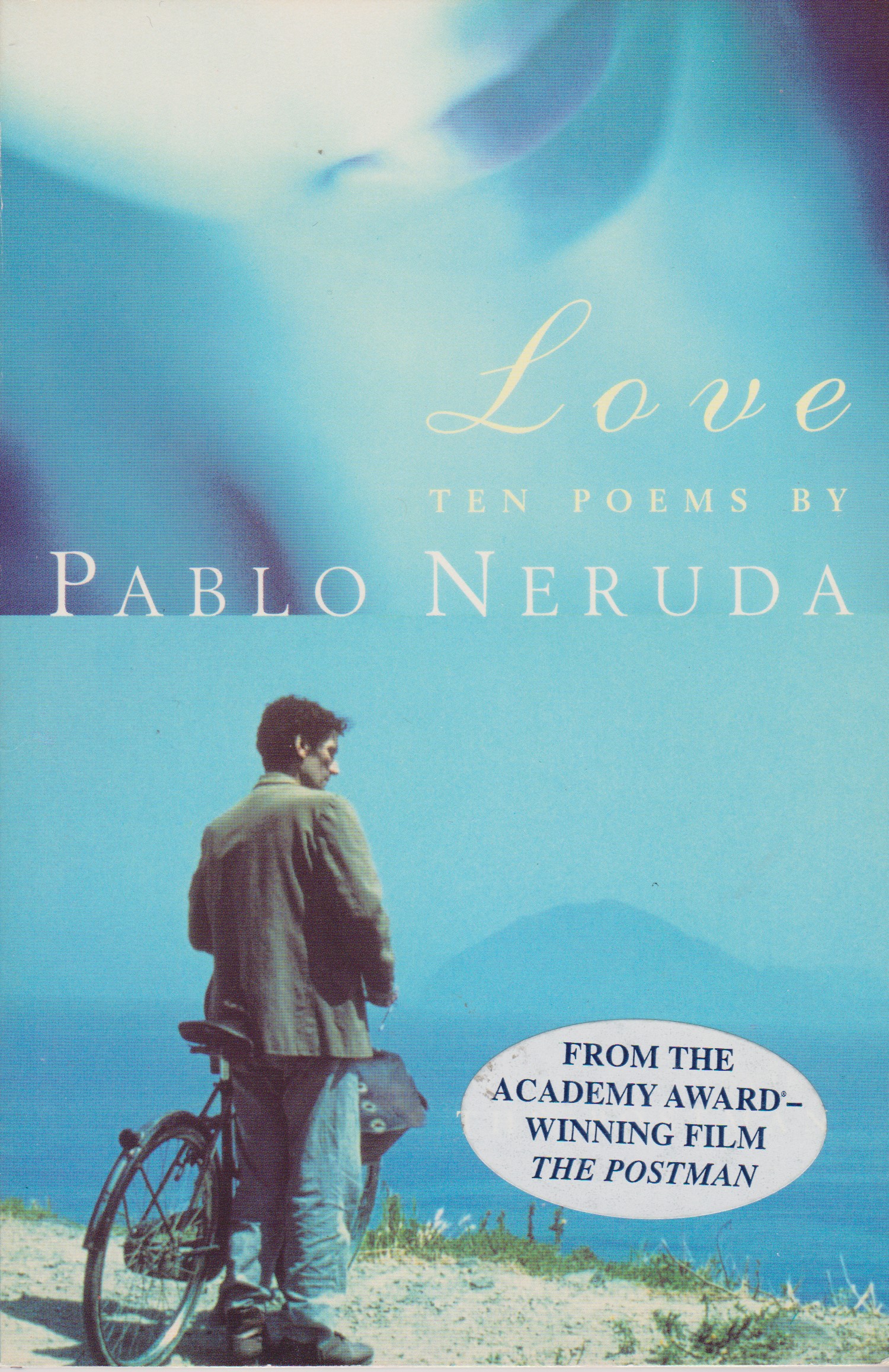
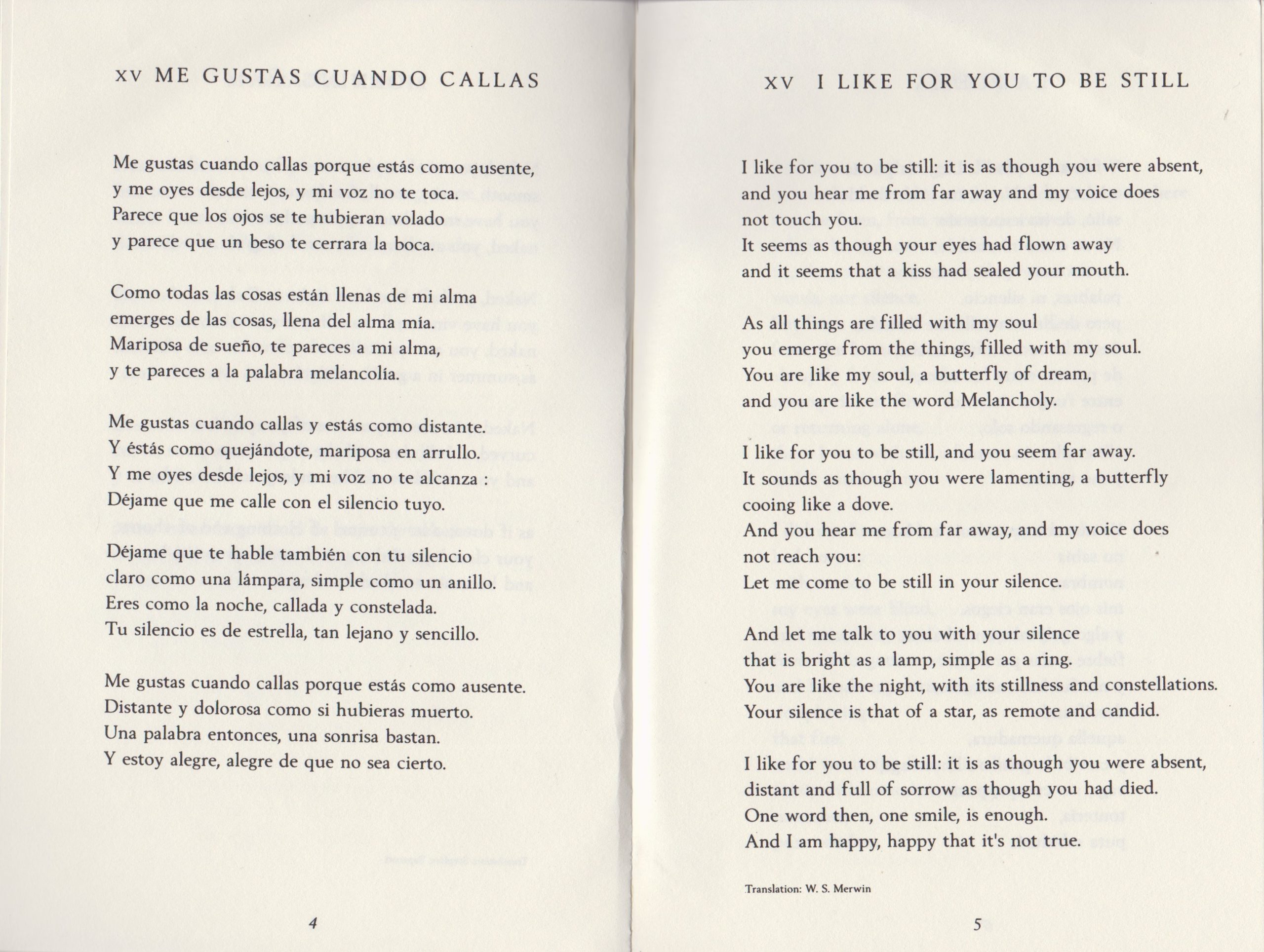
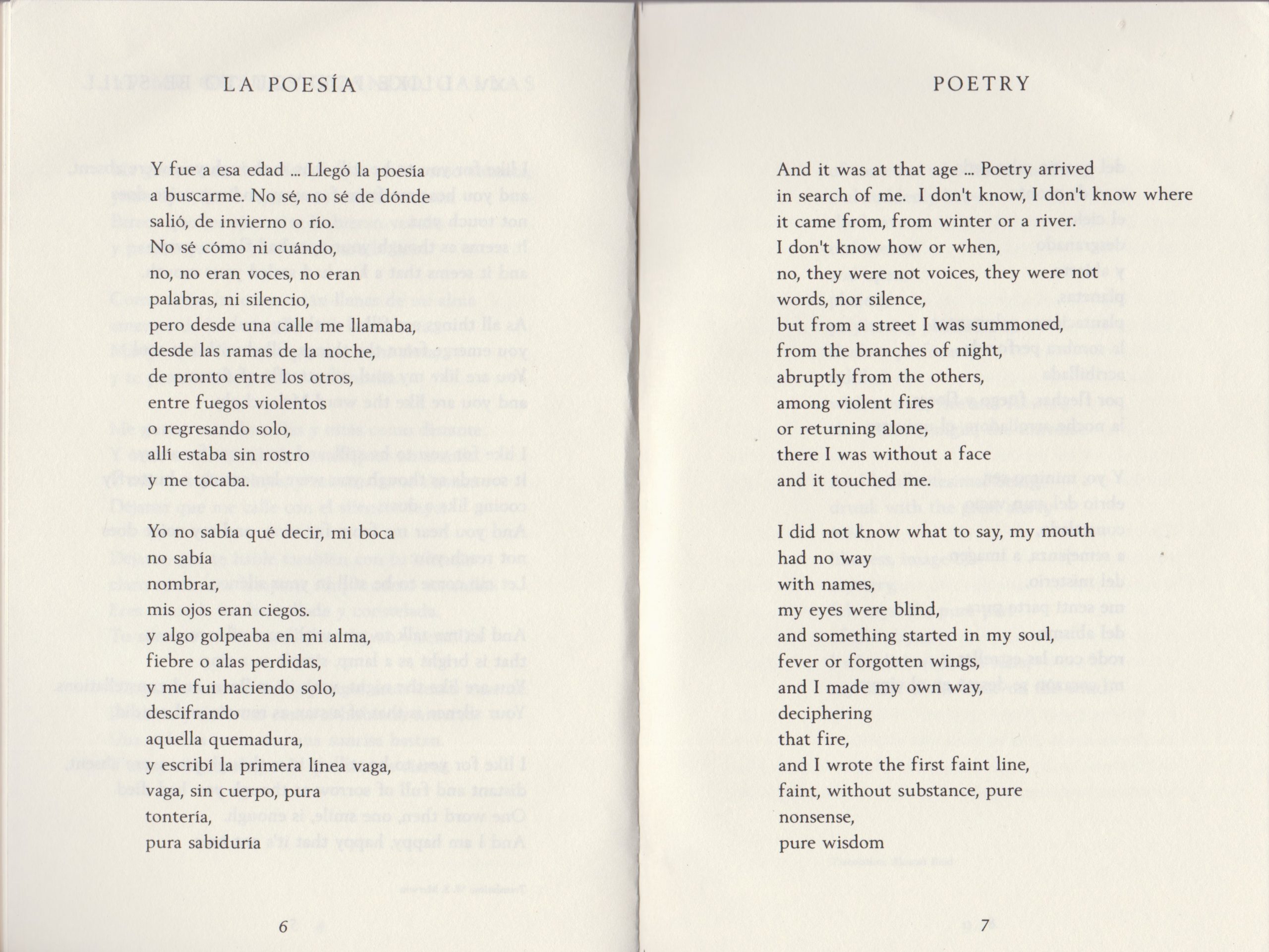
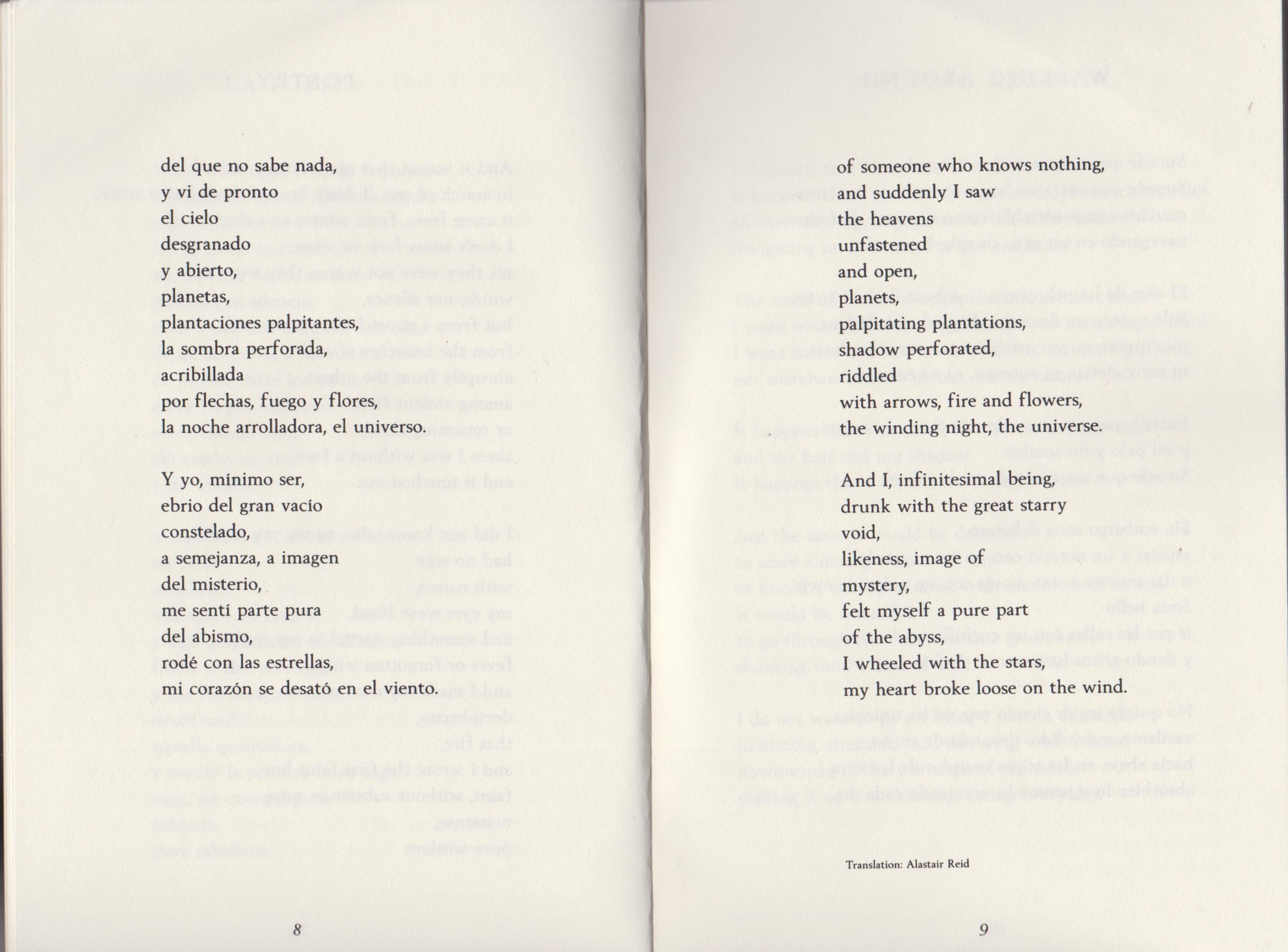
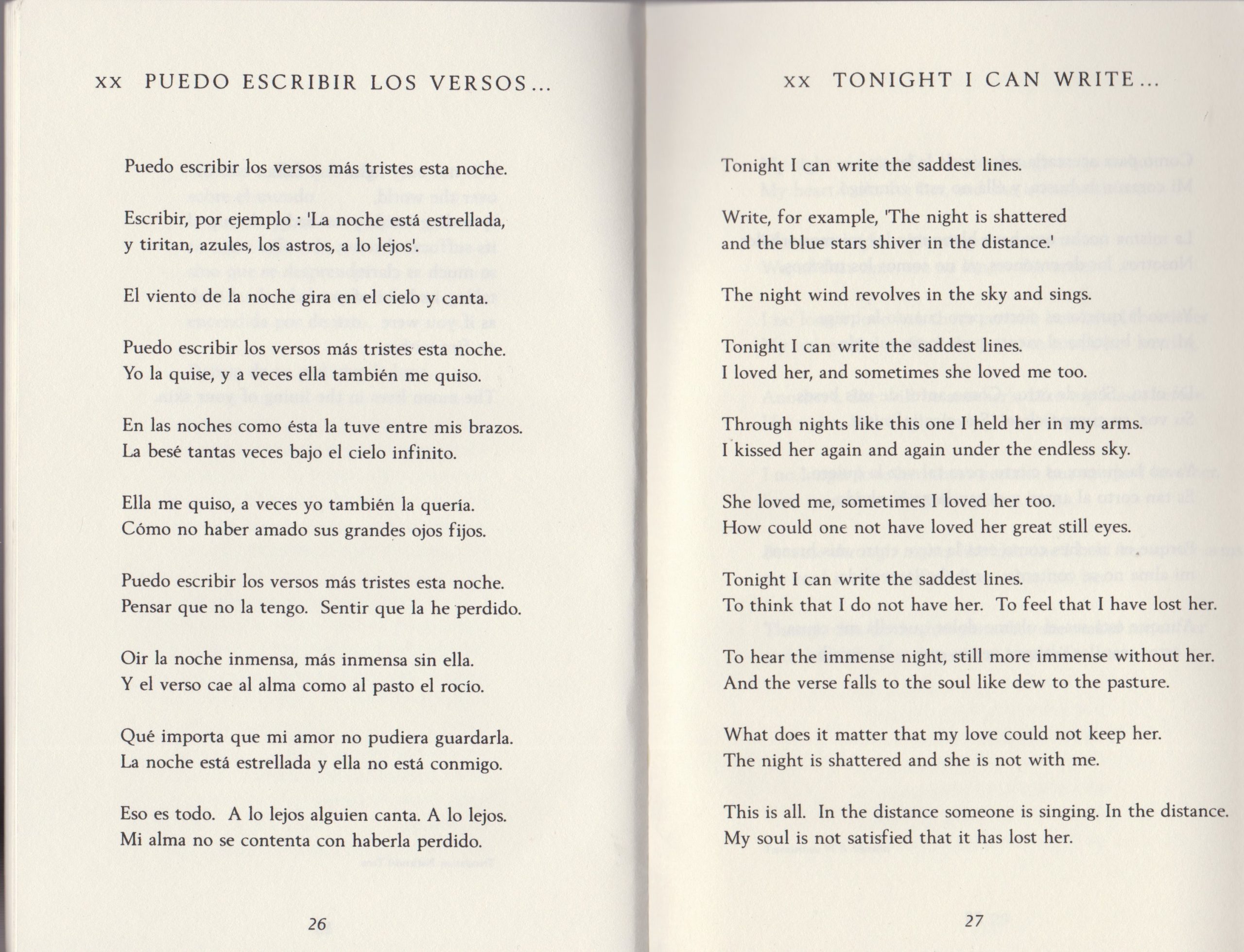
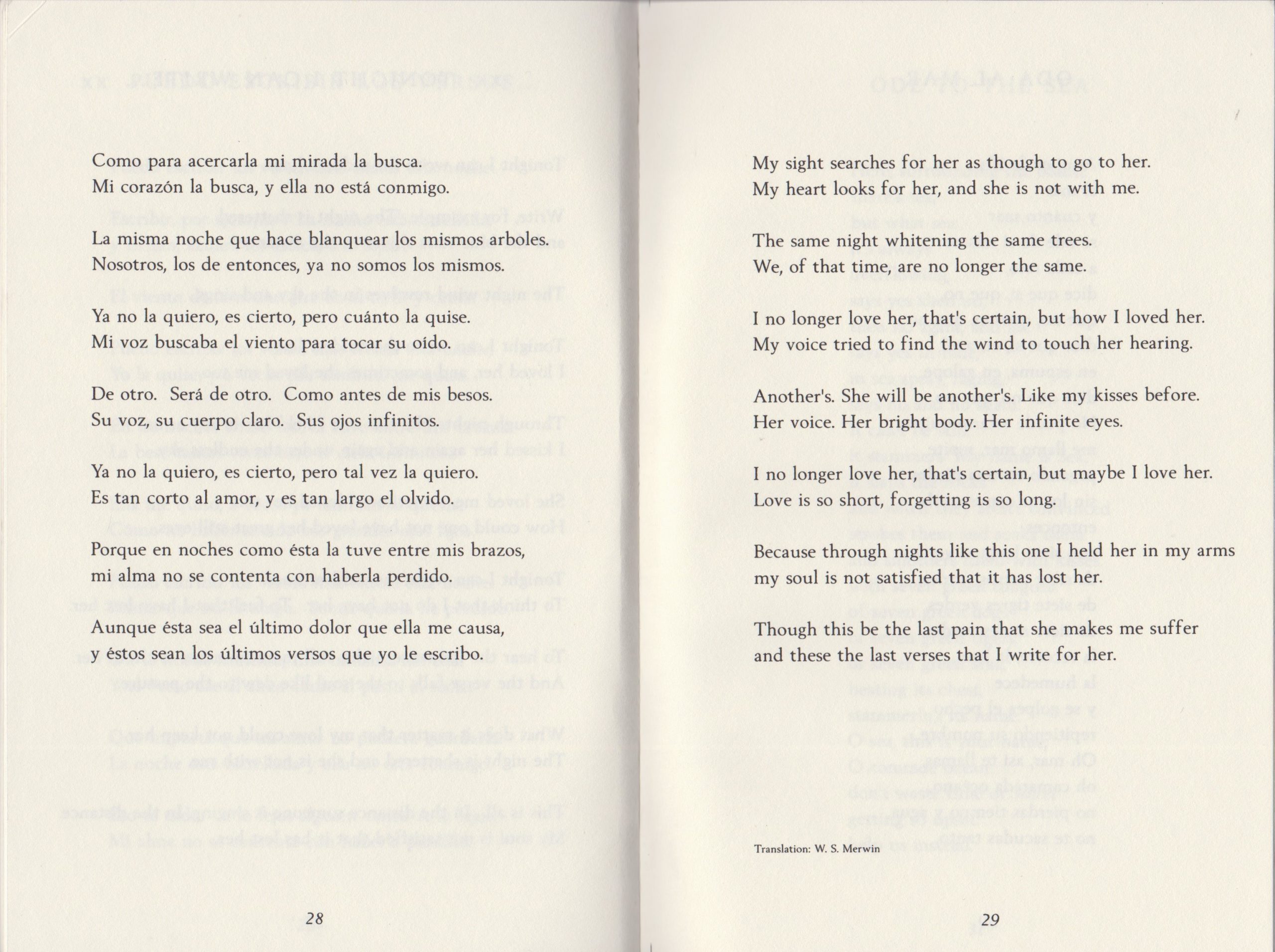
A ‘movie book’ of the great love poet’s poems was released at the time; here are 3 of Neruda’s most famous poems in the original Spanish and English translation.

(I used this as the preface poem in my 2nd ed. of Inside Poetry and highlighted his work in the unit on 4 major international poets.)

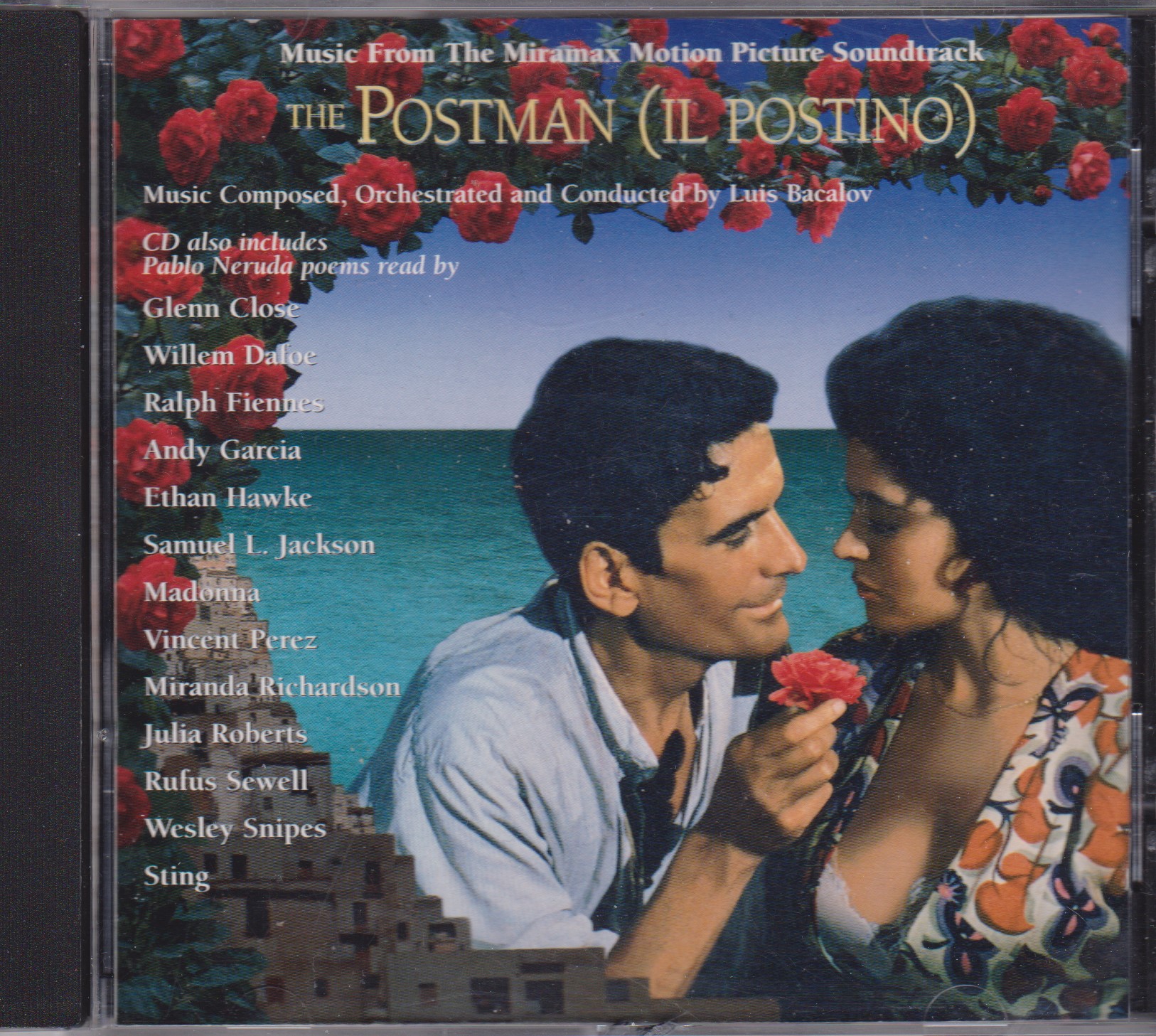
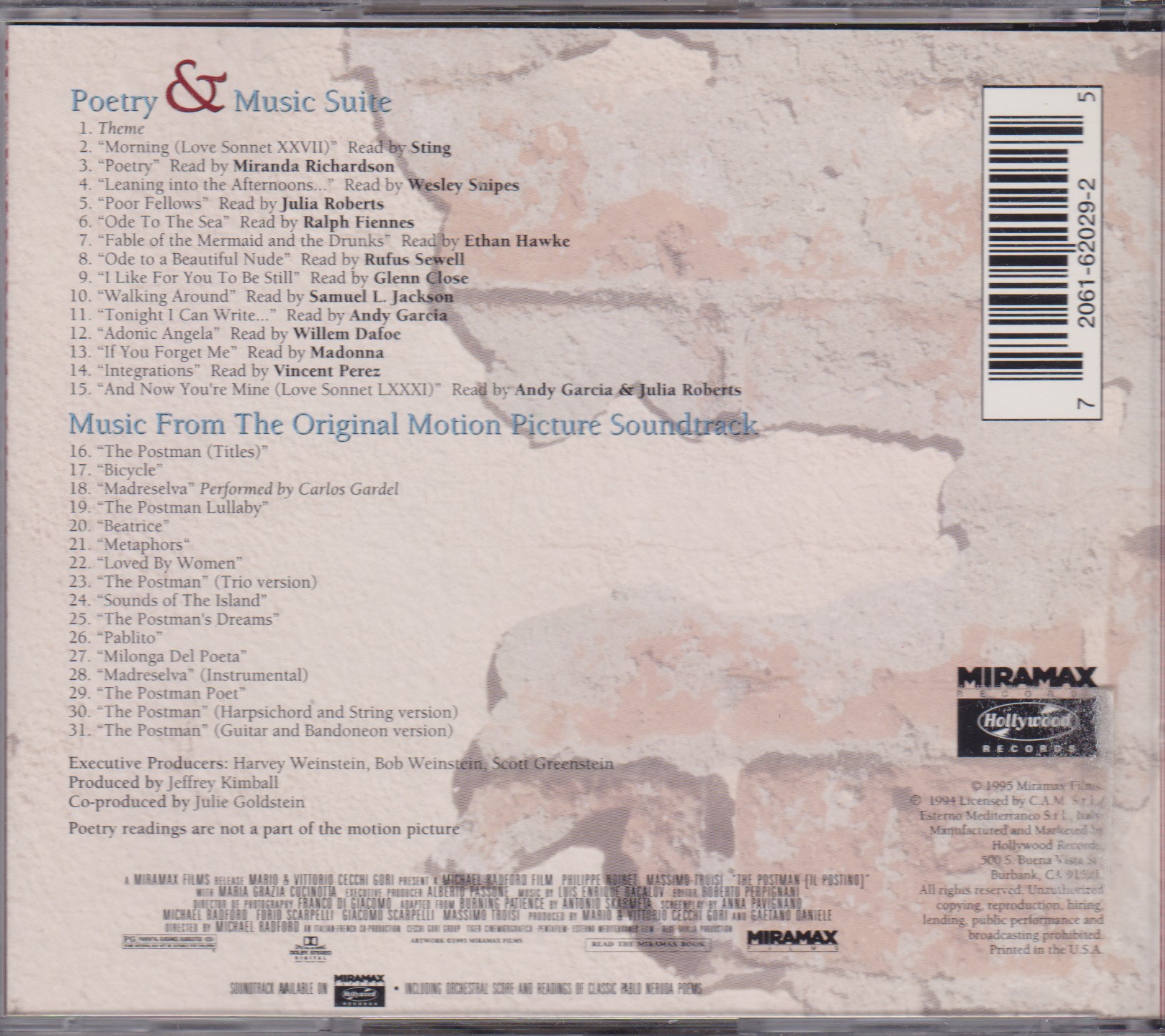
Hard to get, but worth the effort: the beautiful CD soundtrack with Neruda poems read by famous actors and singers.

Posted in Uncategorized | Leave a comment

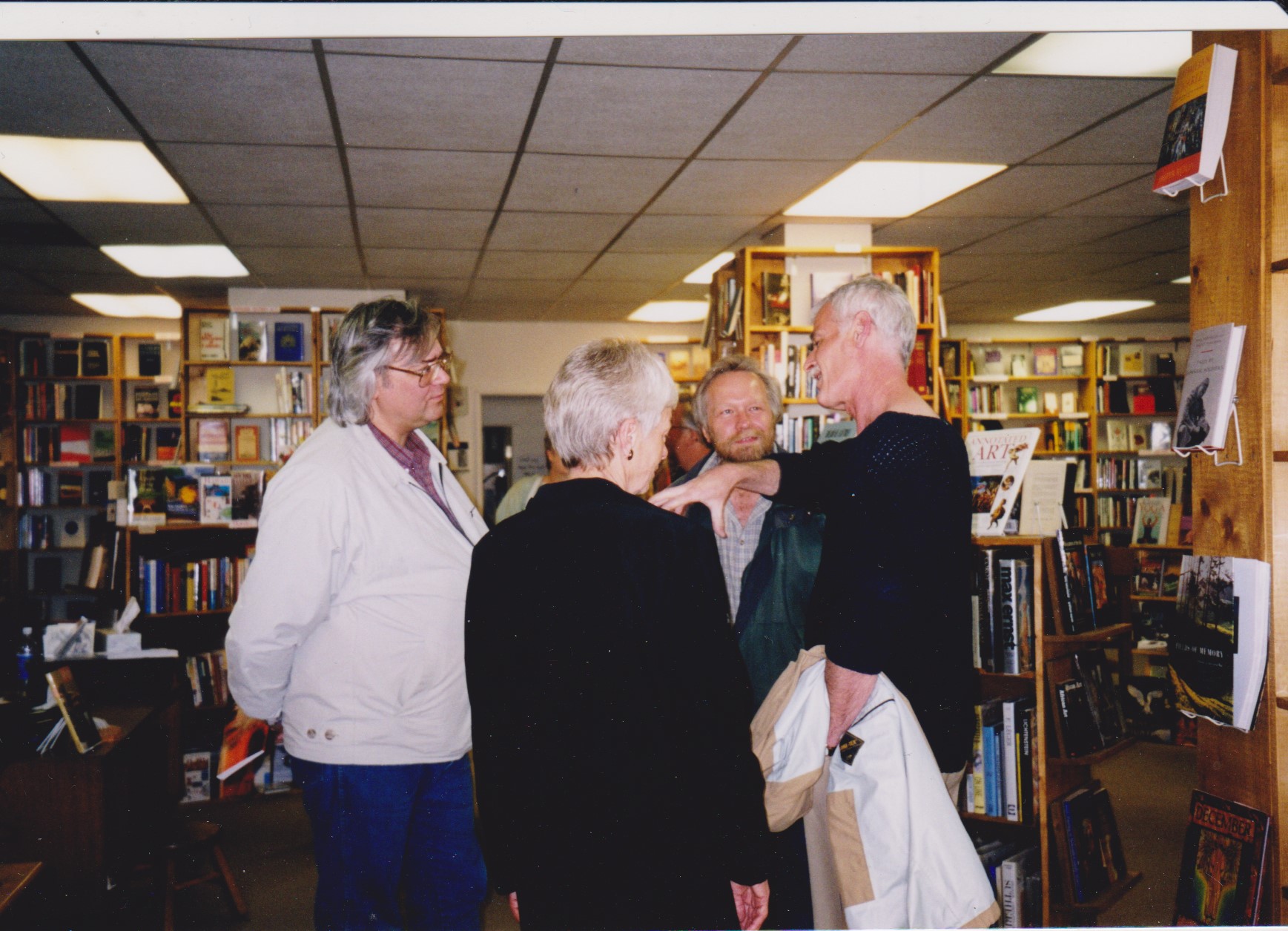
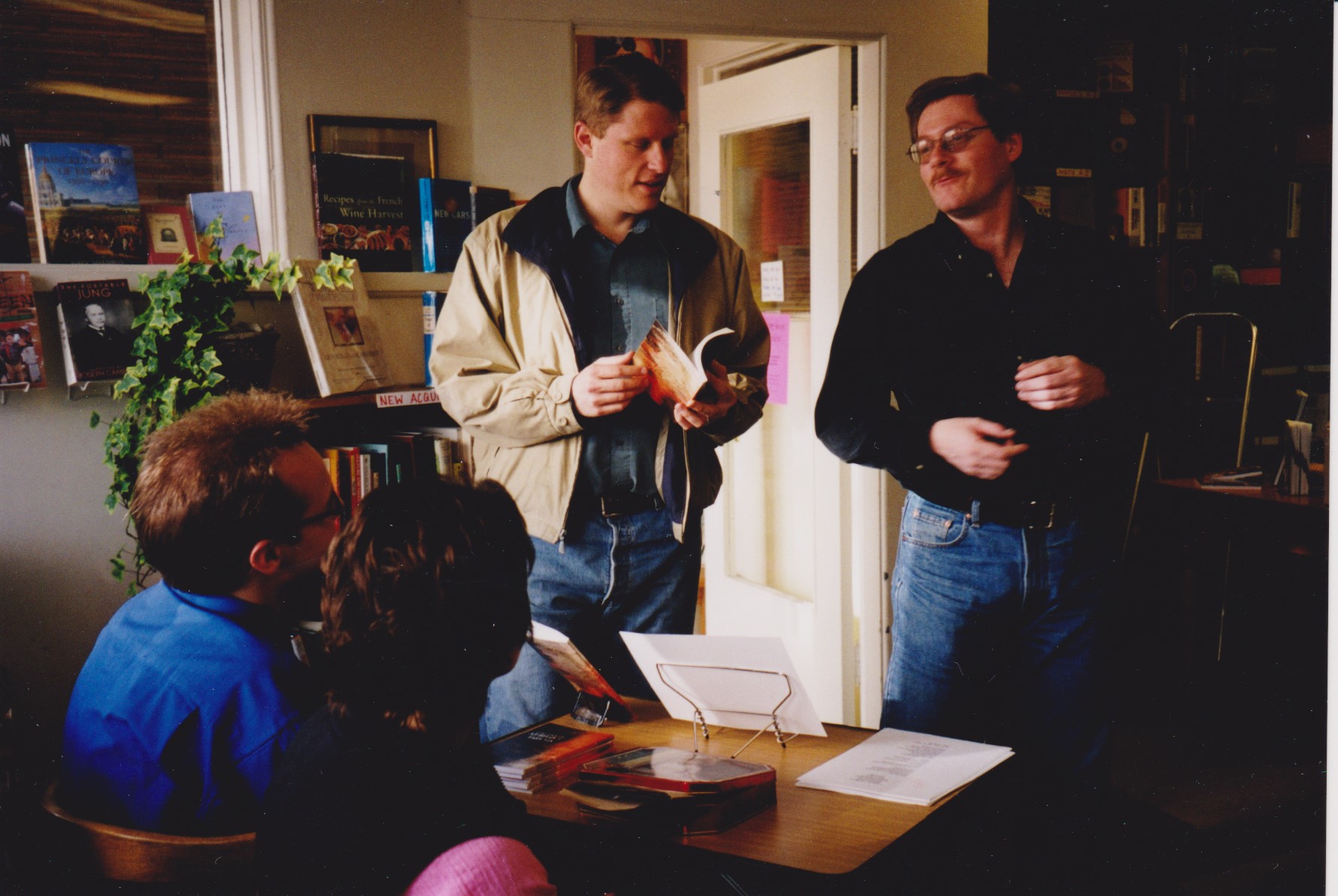
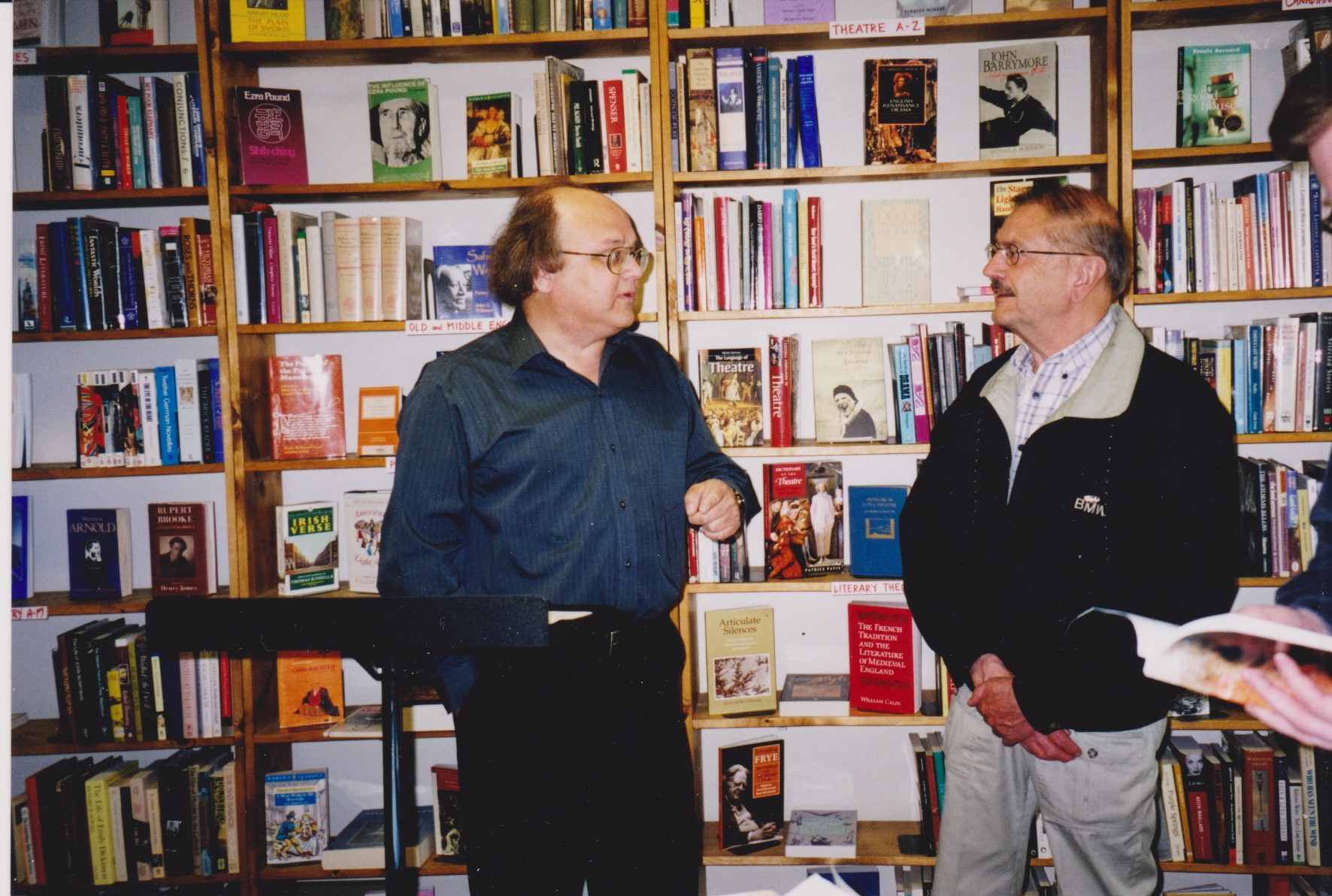
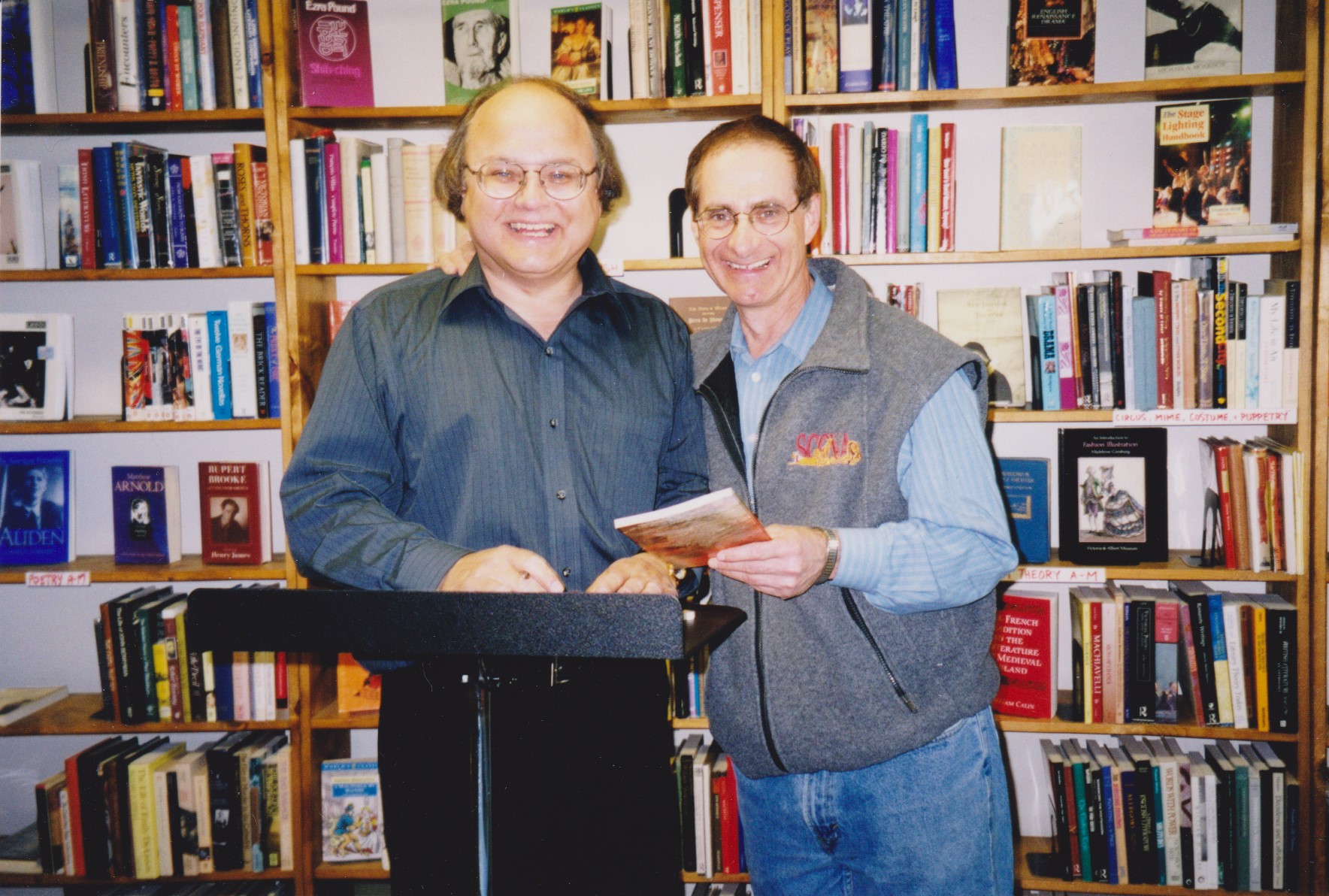
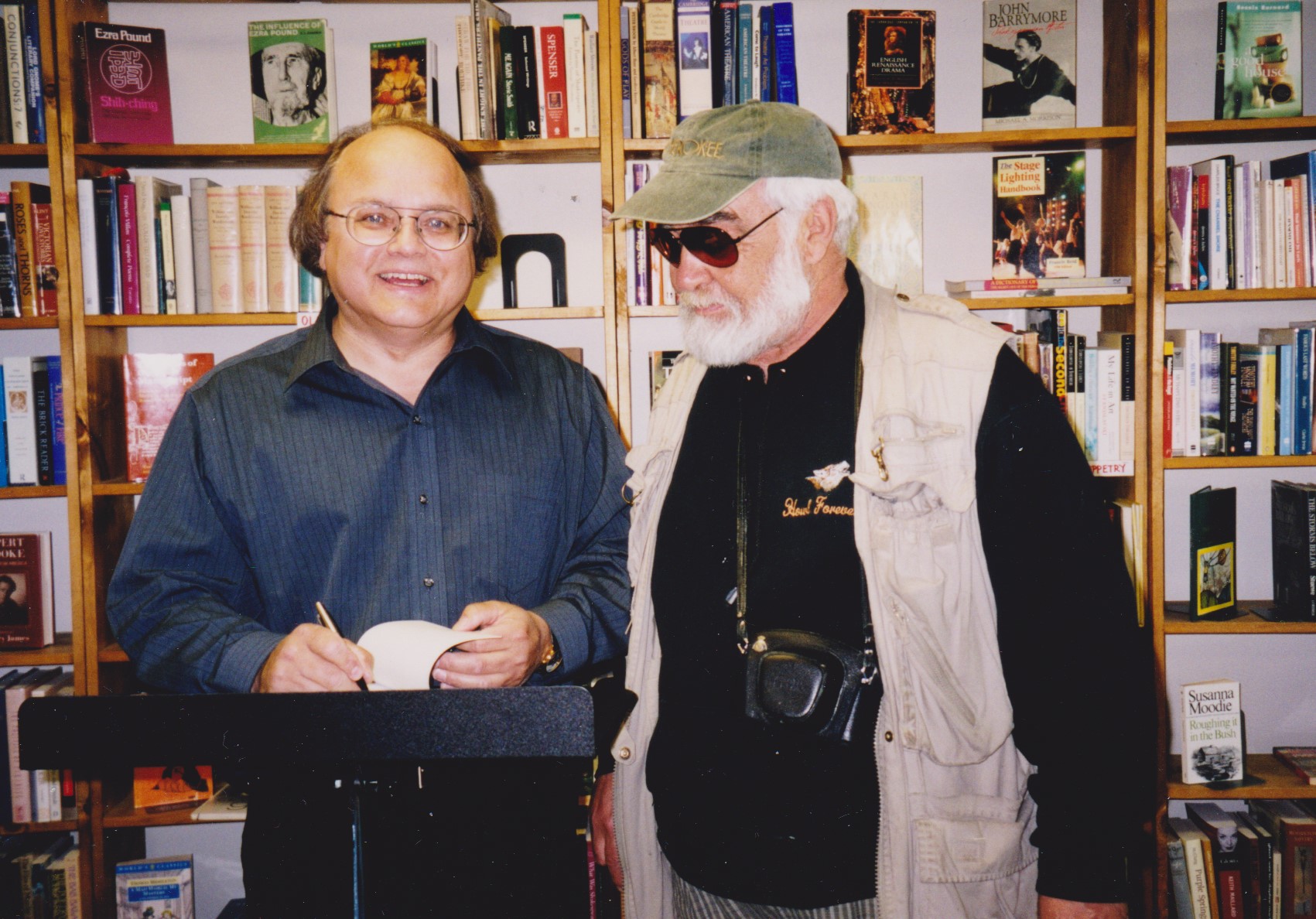
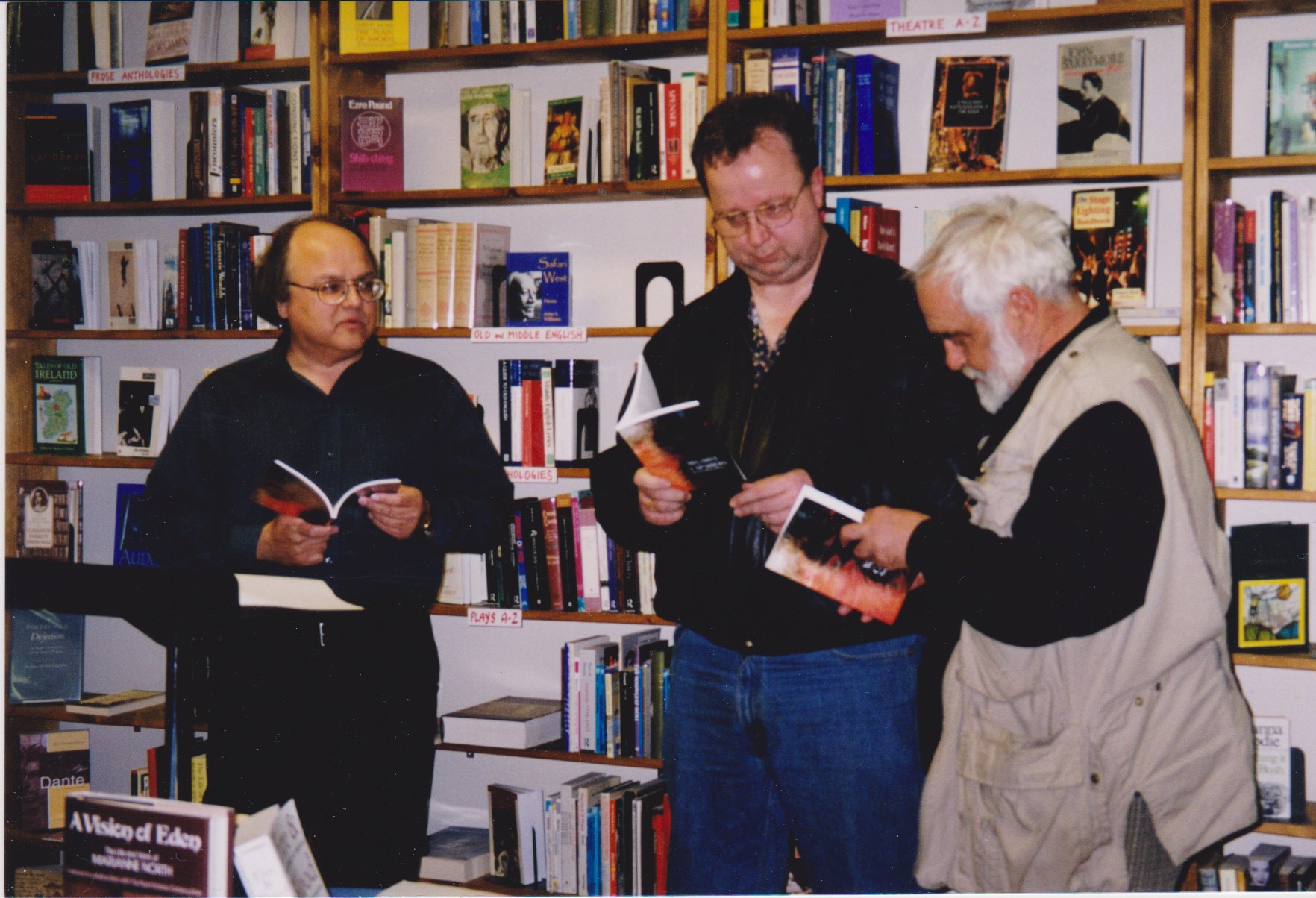
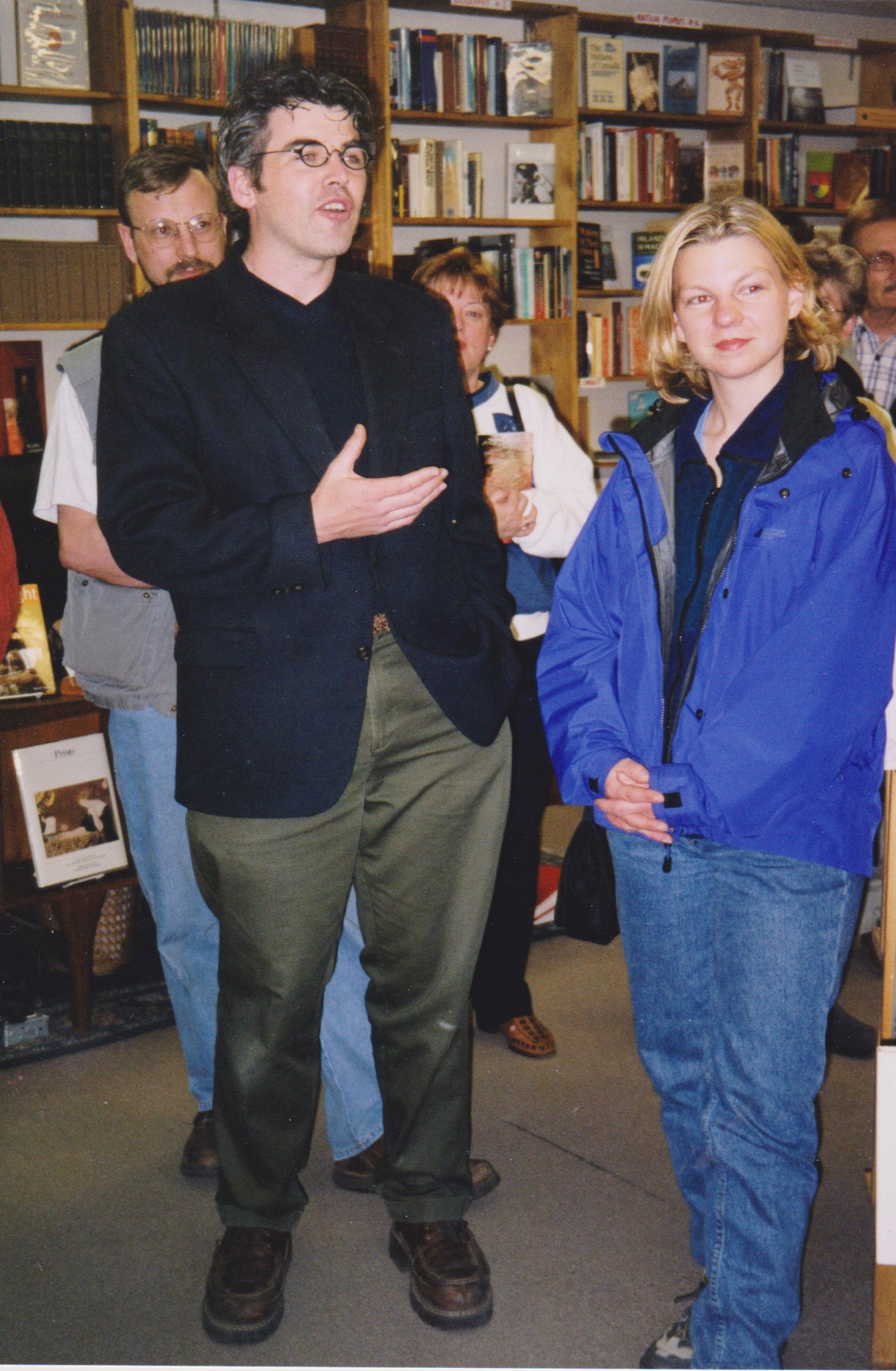
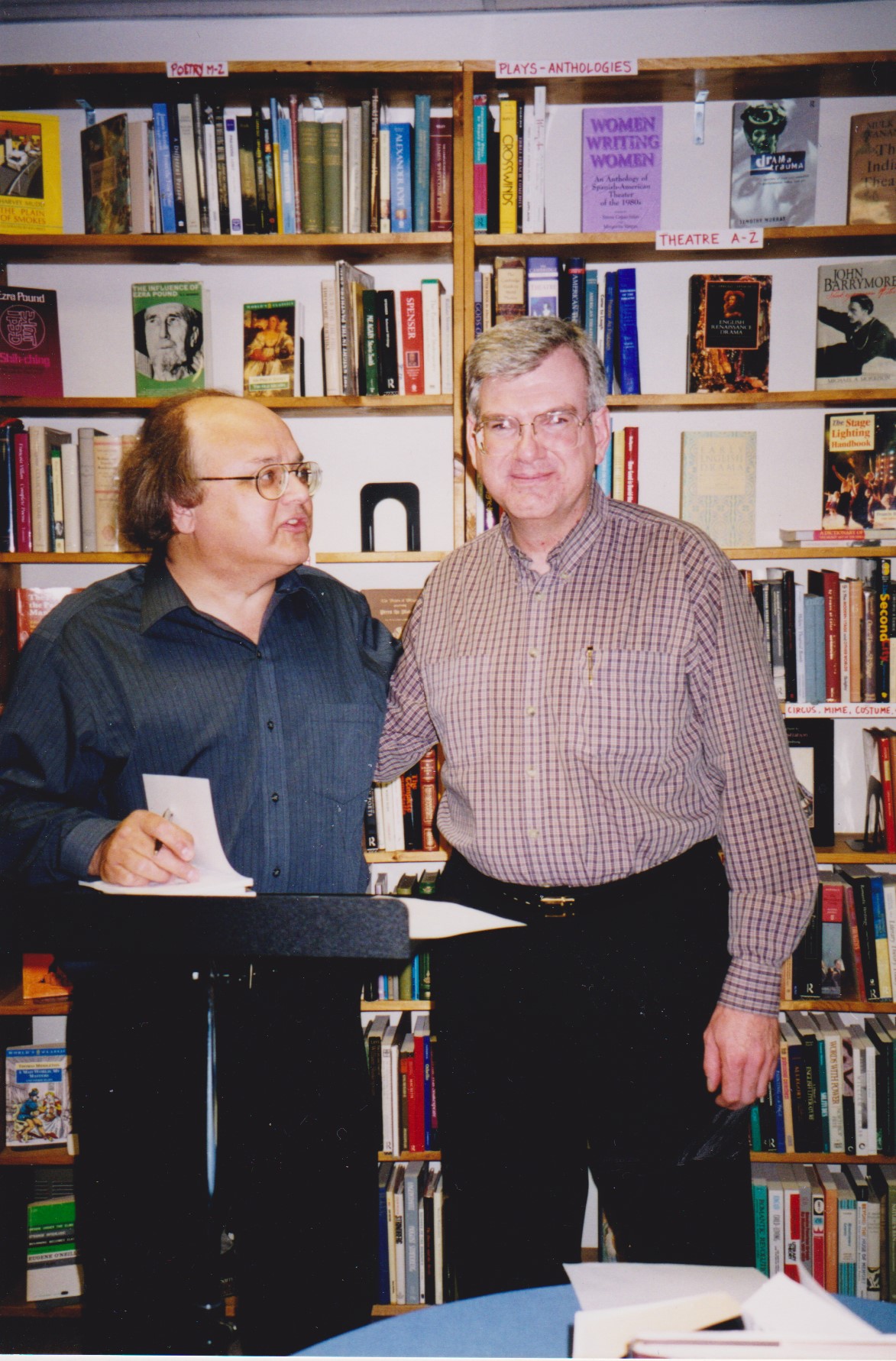
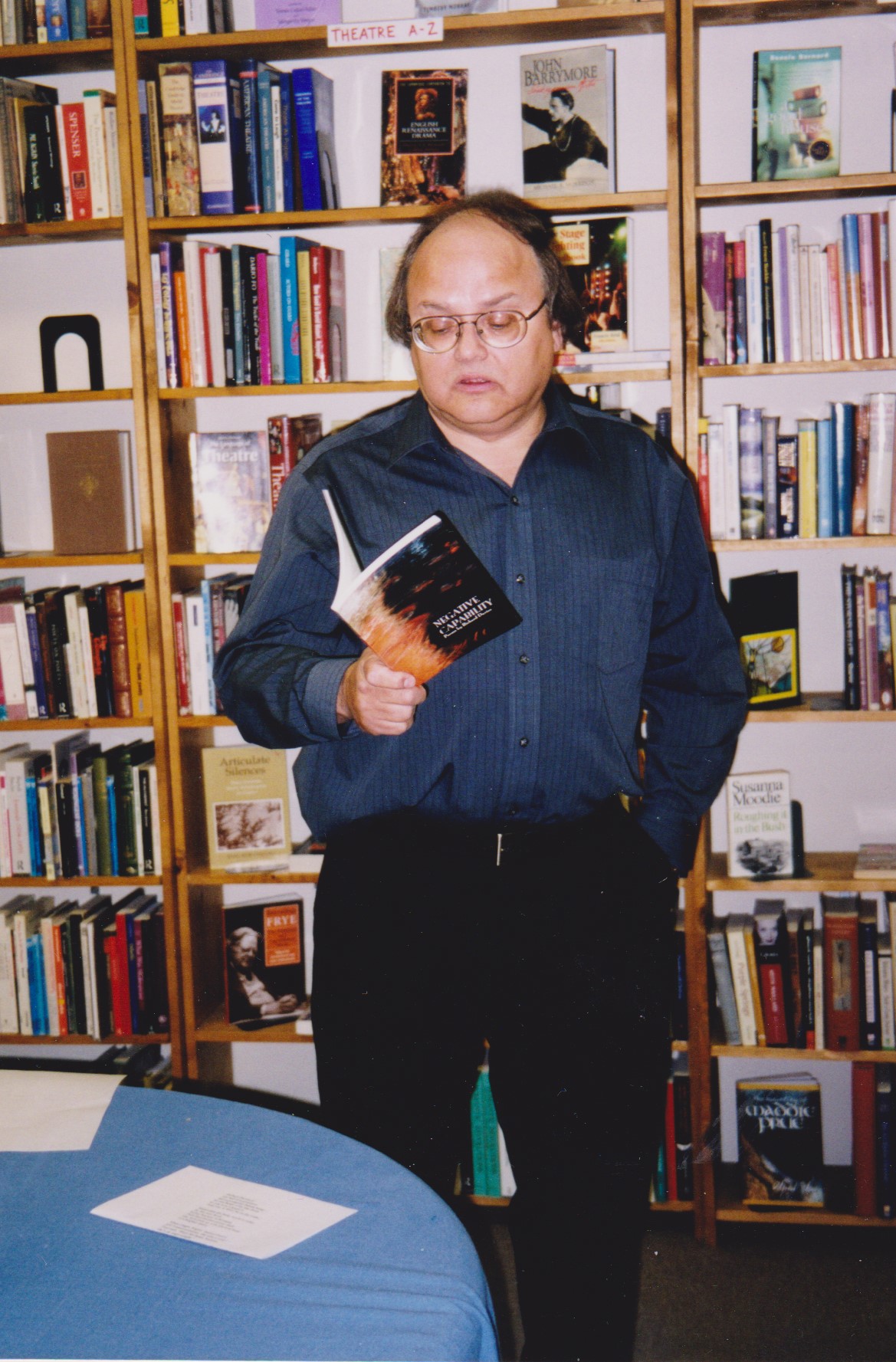
@ my 2001 book launch/reading in a Strathcona book shop

Left to right: 3 Scona teacher-colleagues–long-time movie close friend Gerry Lawson, a British Invasion friend Ron Blond, and a civilized soul kindred spirit Bill Beecroft (latter two have passed).

My witty. irreverent Scona student-teacher friends: Wayne Lavold and Bob Gardner (who followed in my footsteps as a textbook editor).

With long-time McNally days (’75-83) Social Studies colleague-friend/bar buddy Ken Mitchell.

Another Scona fellow prankster, Gary Woodrow with whom I shared noshes.

My late Spiritus poetry trio buddies–the legendary Dean McKenzie and textbook co-author Glen Kirkland.

Brad Burns, Scona art teacher and artist-friend, who did the book’s cover photo shot in New York City. He nearly played Thoreau in my 1 Act play The Man from Walden written for Fringe.

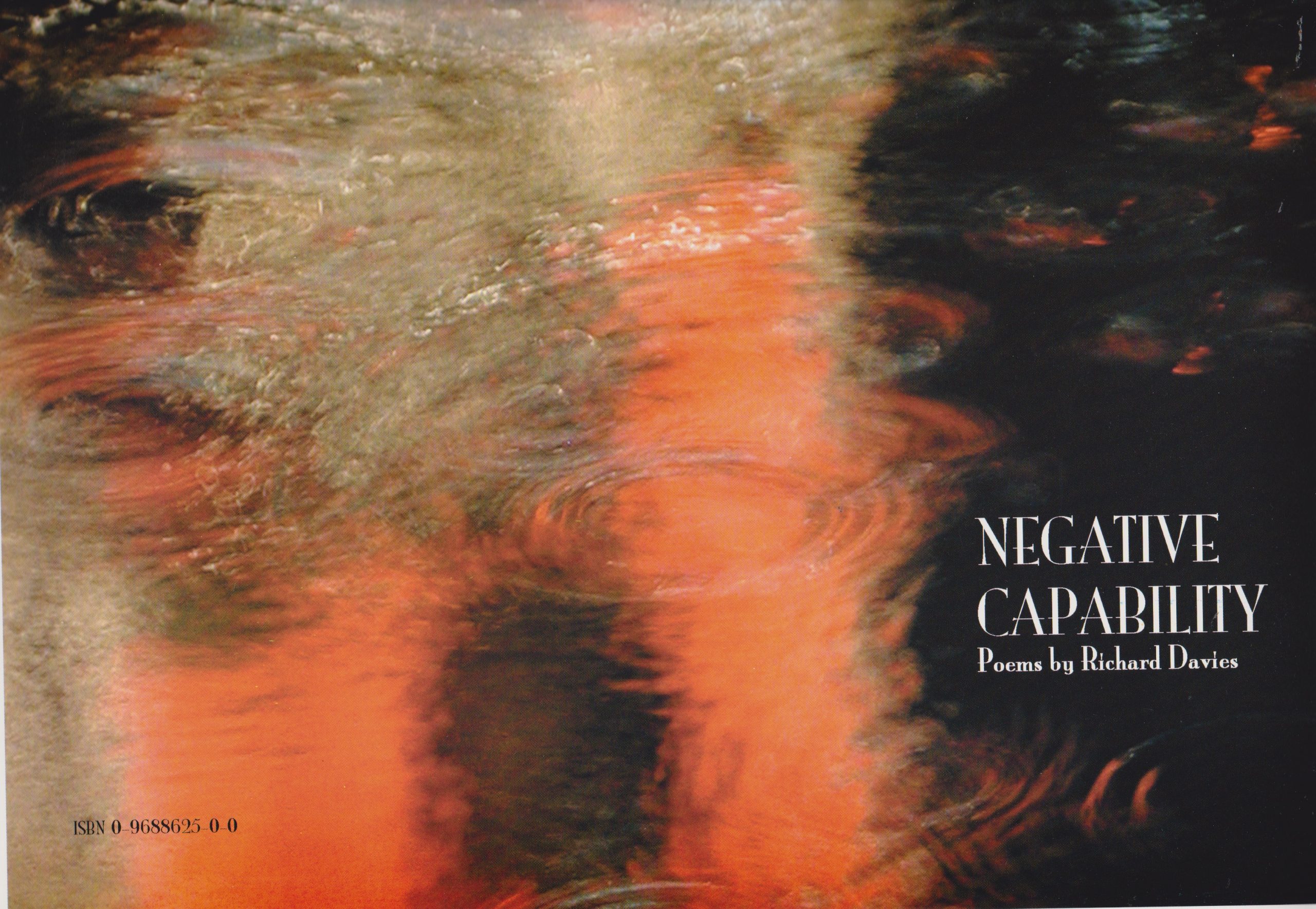
The beautiful wrap-around cover.

A reliable substitute-teacher friend and a great kidder Warren.

The author reads.

Posted in Uncategorized | Leave a comment

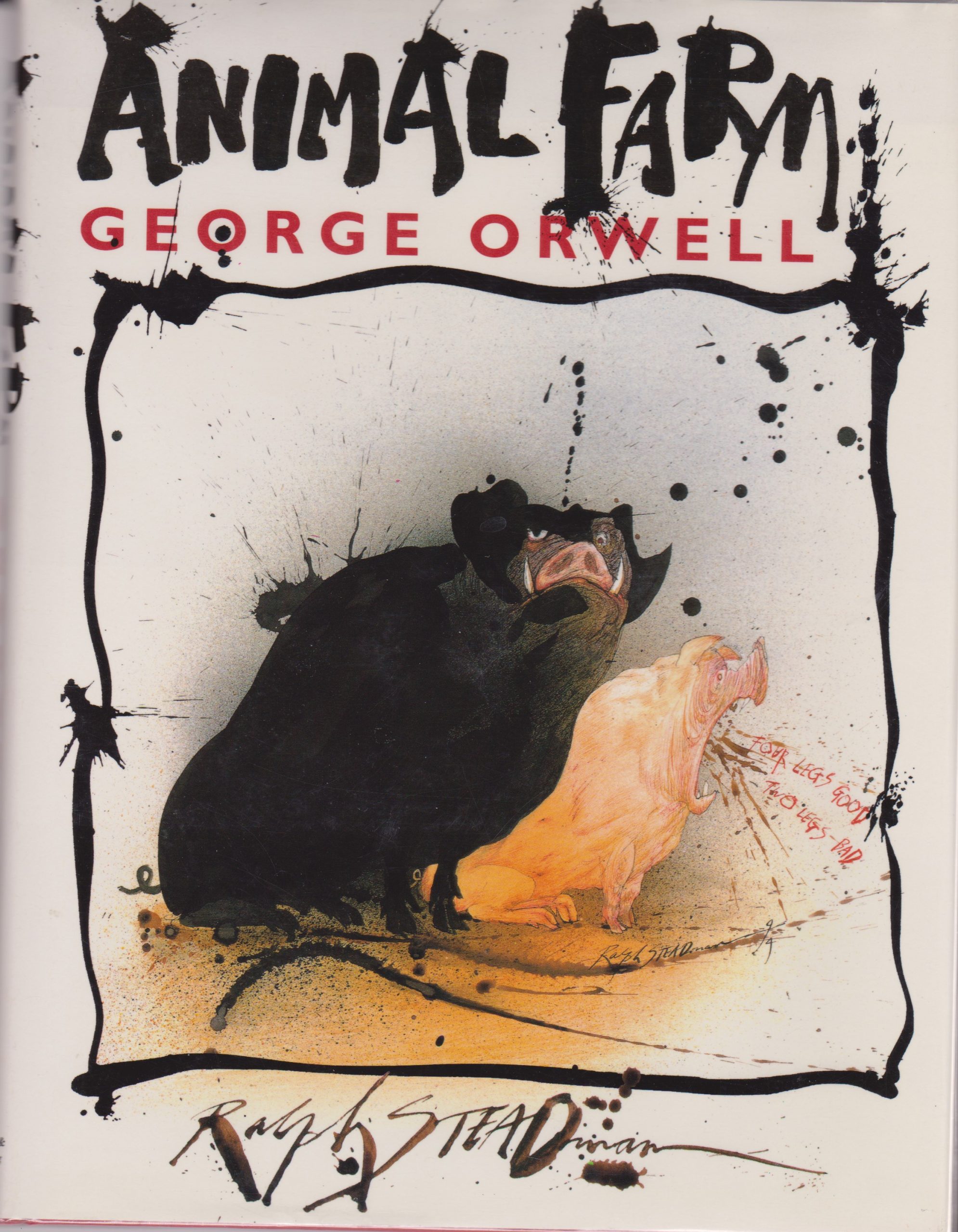
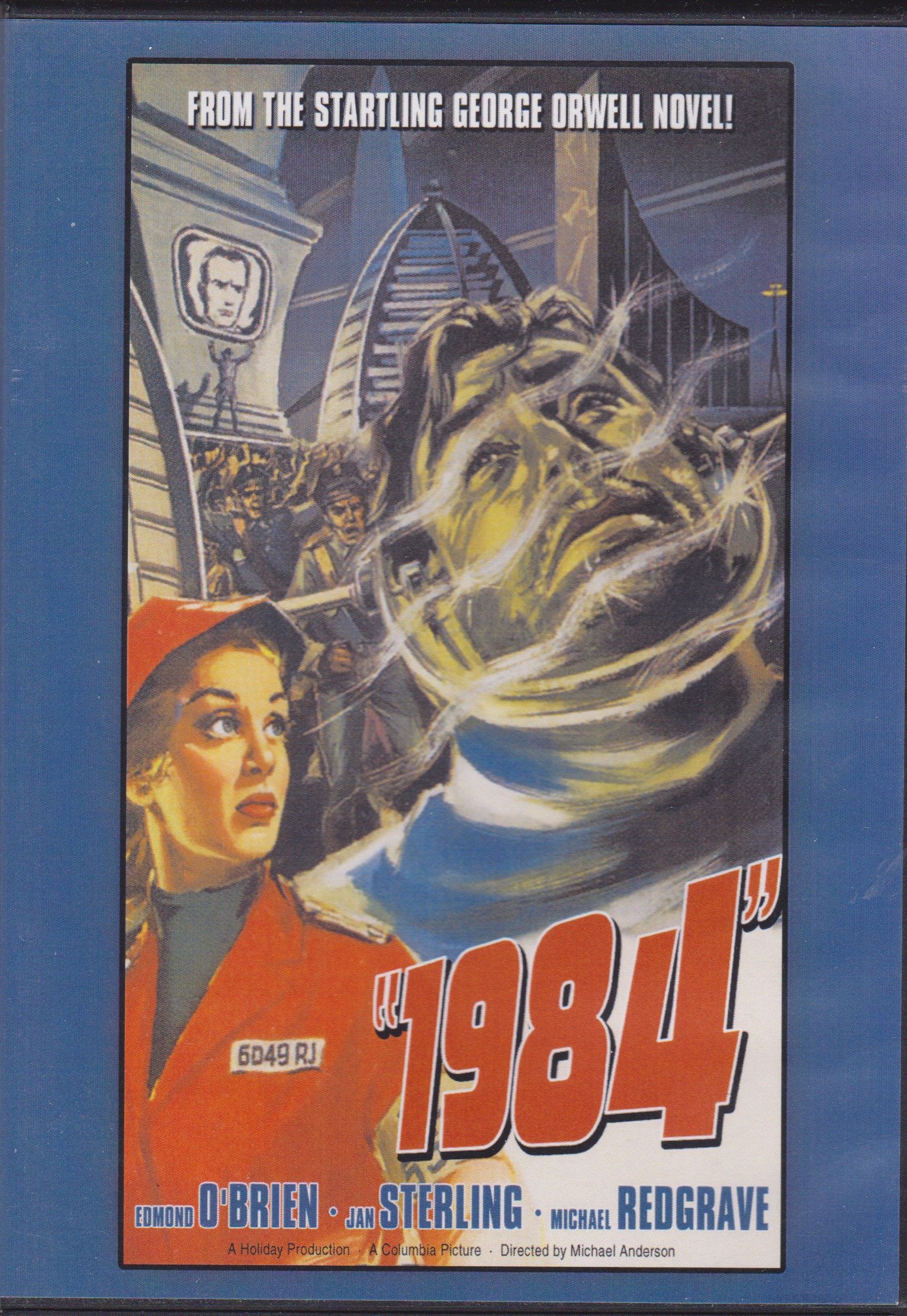
Indispensable Orwell Reading and Viewing for Today:

Everything you need to know about what’s happening in North Korea, China, United States, and now in Canada and Russia.

It’s all there: the lies, political propaganda, doublespeak, doublethink, Big Brother, the pigs, the guard dogs, the dictators, totalitarian, autocracy, fascism, media manipulation, mass public mind control, repression of individualism, abuse, torture, destruction of democracy, history, and autonomous thought, bottomless corruption, and nasty, greedy evil.

Orwell was the most prophetic author of the twentieth century. His themes and criticisms are more relevant than ever today.

Some quotes to remember:

“All animals are equal, but some animals are more equal than others.'”

“Nothing was your own except the few cubic centimeters inside your skull.”

“Orthodoxy means not thinking–not needing to think.”

“Ignorance is strength.”

“The very concept of objective truth is fading out of the world. Lies will pass into history.”

“In a time of deceit, telling the truth is a revolutionary act.”

“Myths which were believed in tended to become true.”

“All issues are political issues.”

“Political language is designed to make lies sound truthful and murder respectable and to give an appearance of solidity to pure wind.”

“Power is tearing human minds to pieces and putting them together again in new shapes of your own choosing.”

“The power is not a means; it is an end….The object of power is power.”

“Big Brother is watching you.”

“If you want a picture of the future, imagine a boot stomping on a human face–forever.”

Right again, George.

Posted in Uncategorized | Leave a comment

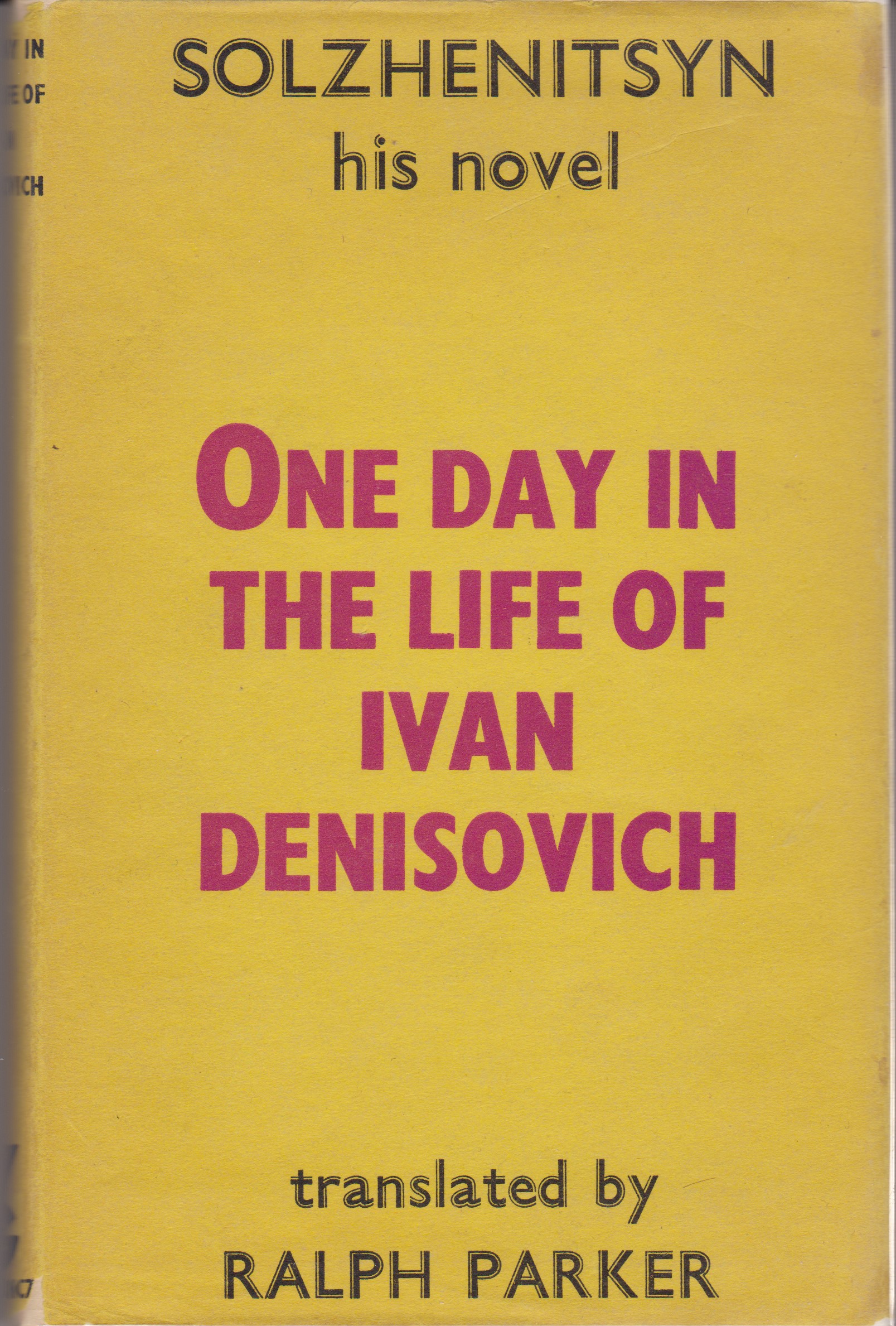
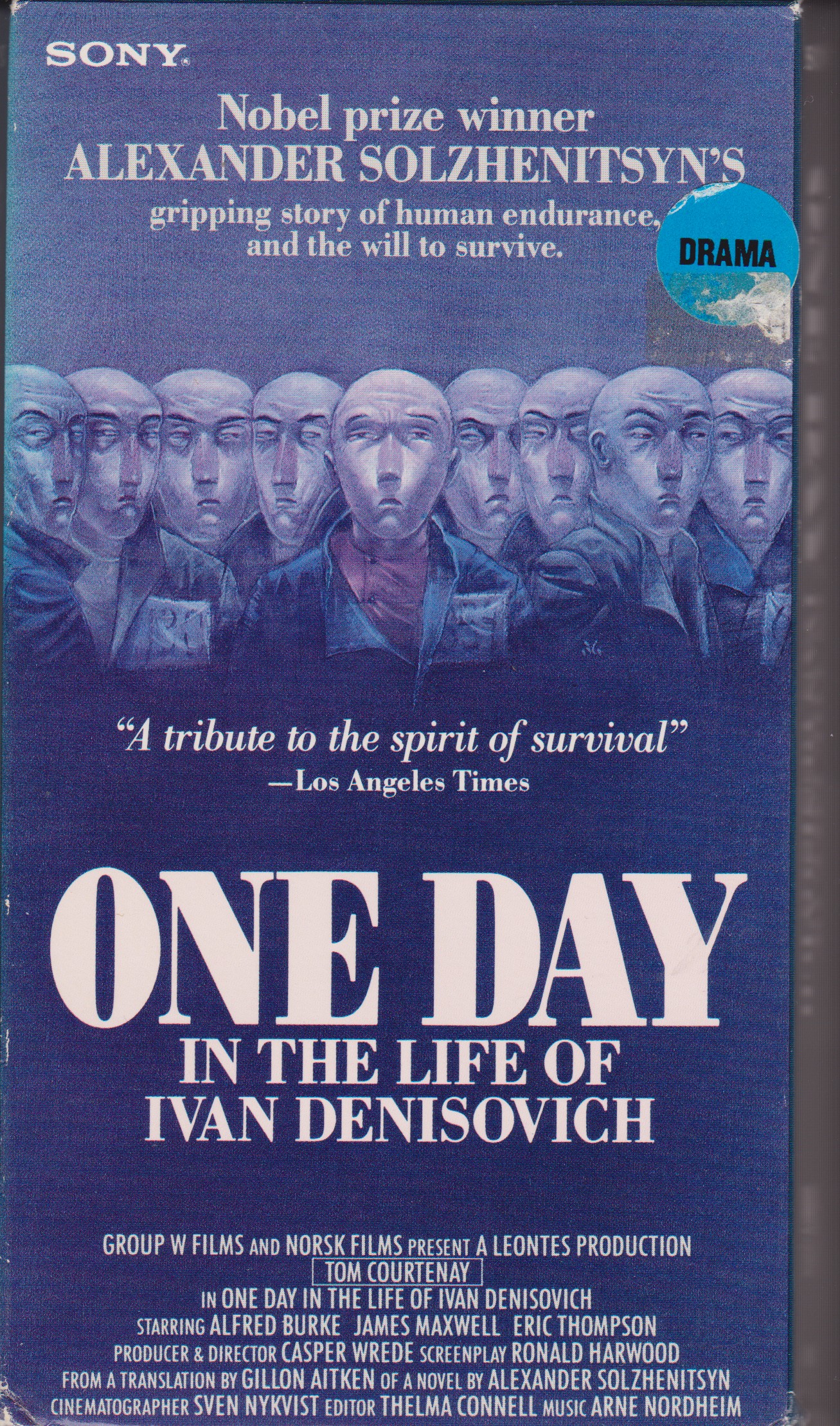
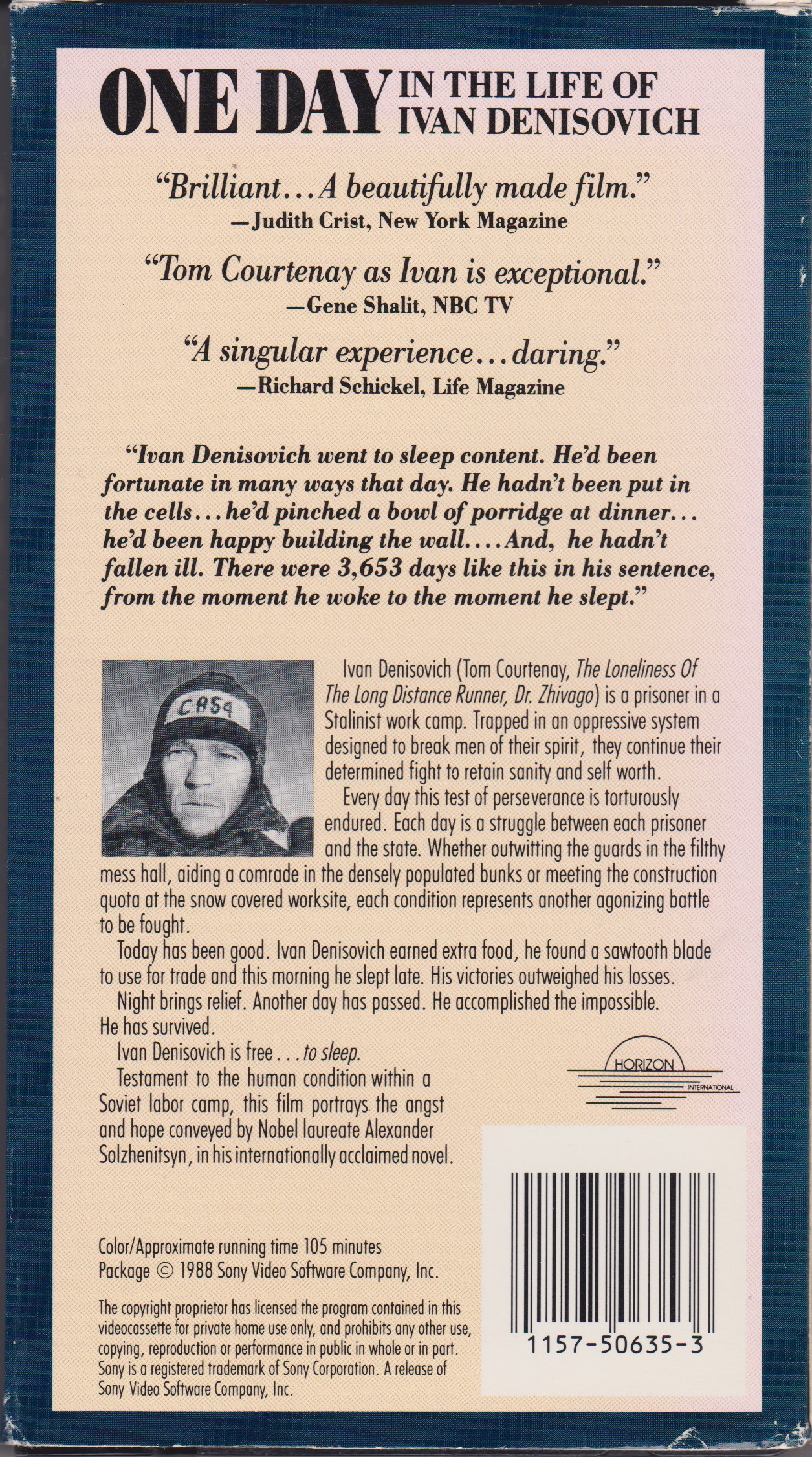
Life in Russia (Siberia)

as described, brutally, by Nobel Prize winner Alexander Solzhenitsyn. Unremitting winter cold, inadequate clothes, truly awful disgusting food, and beatings, with no hope of escape.

Posted in Uncategorized | Leave a comment