Morning/Nature Basics

(my old split-tail friend in better times)

Spring-summer-autumn, each day.
The daily neighborhood walk.
This morning exchanging his with the new neighbor next door.

Then taking in the outside air and checking the skies to see what’s up. A cloudy day–will be working inside on the blog.
Noticing the greening of lawns starting.

Hearing the birds sing and thinking ahead to the May Day trees and lilacs blooming later in May, which begins tomorrow.

And on the way back into the cul de sac, seeing the local jack rabbit bound across the road ahead and into the other-side-of-me neighbor’s open entrance to his backyard.

Reminding me that Stumpy, our favorite long-time resident backyard squirrel, has not been around after the neighbor behind us chopped down the last two trees he used to get around to the first neighbor’s yard. (I’m guessing he’s moved or finally given up the biscuit.) We chatted the last time I saw him last week and I hope his end was fast and unpainful. A new twitchy, fast-moving squirrel with a bushy tail (possibly a female he used to chase), Flash, has moved into his digs and turf. The passing of the guard most likely.

So there you go–full circle–back to neighbor 1. The walk and nature basics of my morning; the squirrels connecting two yards, two neighbors. Ground zero of the new/old normal.

Posted in Uncategorized | Leave a comment

The Master of Suspense

Relatively speaking, Netflix is a very mediocre, mundane, unremarkable source of movies; it lacks many of the great titles of all time including works by great directors and writers, starring great legendary actors. Today, serious and truly great movies have truly fallen on very hard times. One, in many cases, has to go back to before 2000 to find quality and great films.

If you are a truly serious film aficionado, I suggest you first get hold of one of the yearly movie guides of Leonard Maltin and Roger Ebert and seek out 4 star films of the past. And, if you want to know who and what to collect, I can’t think of a better director to start with than the legendary Alfred Hitchcock (1899-1980) who directed 61 movies, 30 of them being post-1926 bona fide classics, and something like 10 masterpieces . (He also directed 20 episodes of his popular tv show Alfred Hitchcock Presents with their funny self-mocking introductions by the Master himself).

Hitchcock started in the silent movie era in England before transitioning to Hollywood in 1940. He mostly made thrillers, highly entertaining, largely successful commercial films. He was nominated for Best Director at the Oscars five times, but never won. He won several prestigious awards including the American Film Institute Award and the Directors’ Guild of Lifetime Achievement, and had 2 stars on Hollywood Blvd. as well as being knighted by the Queen.

Hitchcock pleased his fans by making short speechless guest appearances in each of his films. He was very close to his wife, script writer Alma Reville Hitchcock, who had a hand in many scripts. His daughter, Patricia Hitchcock appeared in a few of the films and she has done an excellent job in keeping his film legacy intact with many special releases.

Although Hitchcock compared actors to cattle, he used many famous stars including Laurence Olivier, Joan Fontaine, Cary Grant, Joseph Cotten, Ingrid Bergman, James Stewart, Grace Kelly, Kim Novak, Eva Marie Saint, Janet Leigh, Tippi Hedren, Sean Connery, Farley Granger, Robert Cummings, Claude Rains, Gregory Peck, Montgomery Clift, Henry Fonda, Ray Milland, Shirley MacLaine, John Forsythe, Doris Day, Paul Newman, Julie Andrews, Anthony Perkins,Peter Lorre, Teresa Wright, Jane Wyman, Robert Walker, James Mason, Jessica Tandy, Bruce Dern, and Karen Black.

He used scripts by such notable writers as Sean O’Casey, John Buchan, Thornton Wilder, Joseph Conrad, James Hilton, Robert Bloch, Dorothy Parker, John Steinbeck, Brian Moore, Patricia Highsmith, Frederick Knott, Evan Hunter, Ernest Lehman, Daphne du Maurier, Leon Uris, and Joseph Stefano, and used such collaborators as cinematographer Robert Burks, Surrealist artist Salvador Dali, titles specialist Saul Bass,  and composer Bernard Herrmann–cf the tribute to the latter at the end of this piece. When assessing Hitchcock’s achievement, one must remember mentioned in the last paragraphs who all made special contributions to the quality and greatness of his achievements.

Hitchcock mentally visualized his films before shot them and always said that those versions are better than the finished products regardless of how many of these became classics. He had several motifs which he re-used including the wrong man, the extended spy adventure-chase, dual characters/alter egos, psychological problems, murderers and psychopaths, guilt and suspicion, traps and prisons, failed romances, worlds gone crazy, good and evil, and macabre humor.

Select Hitchcock Classics

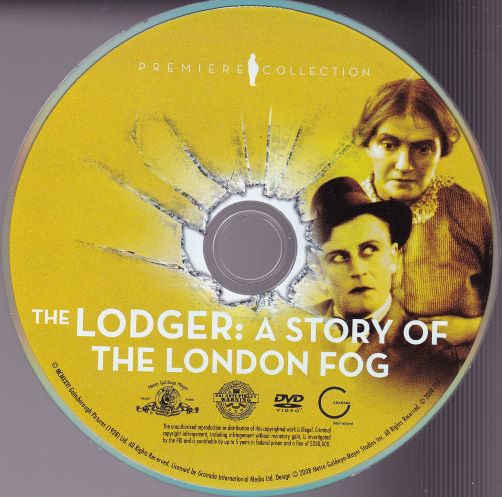
1927: The Hitchcock story really begins here with this silent movie inspired by Jack the Ripper.

1935: a classic pre-North by Northwest espionage-adventure chase.

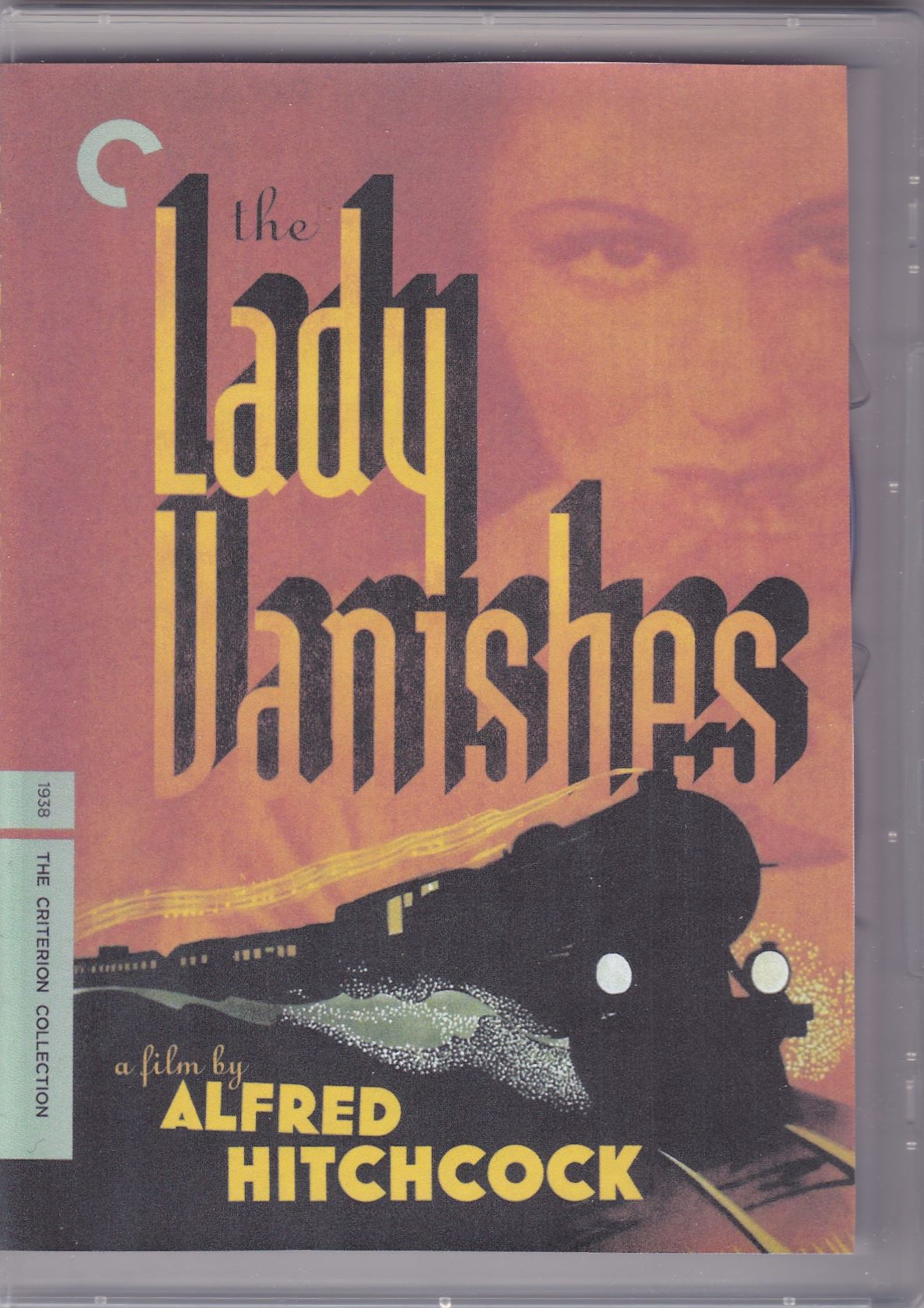
1938: another good one; last of his British classics.

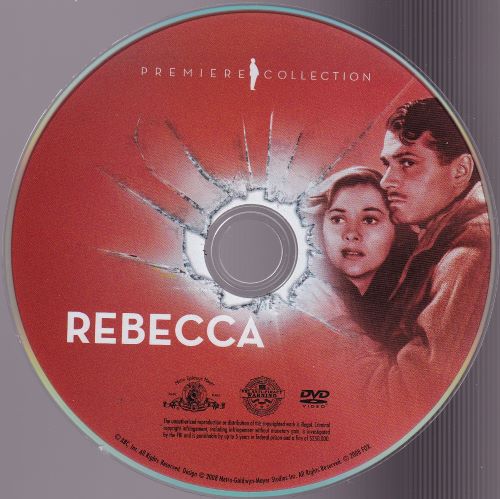
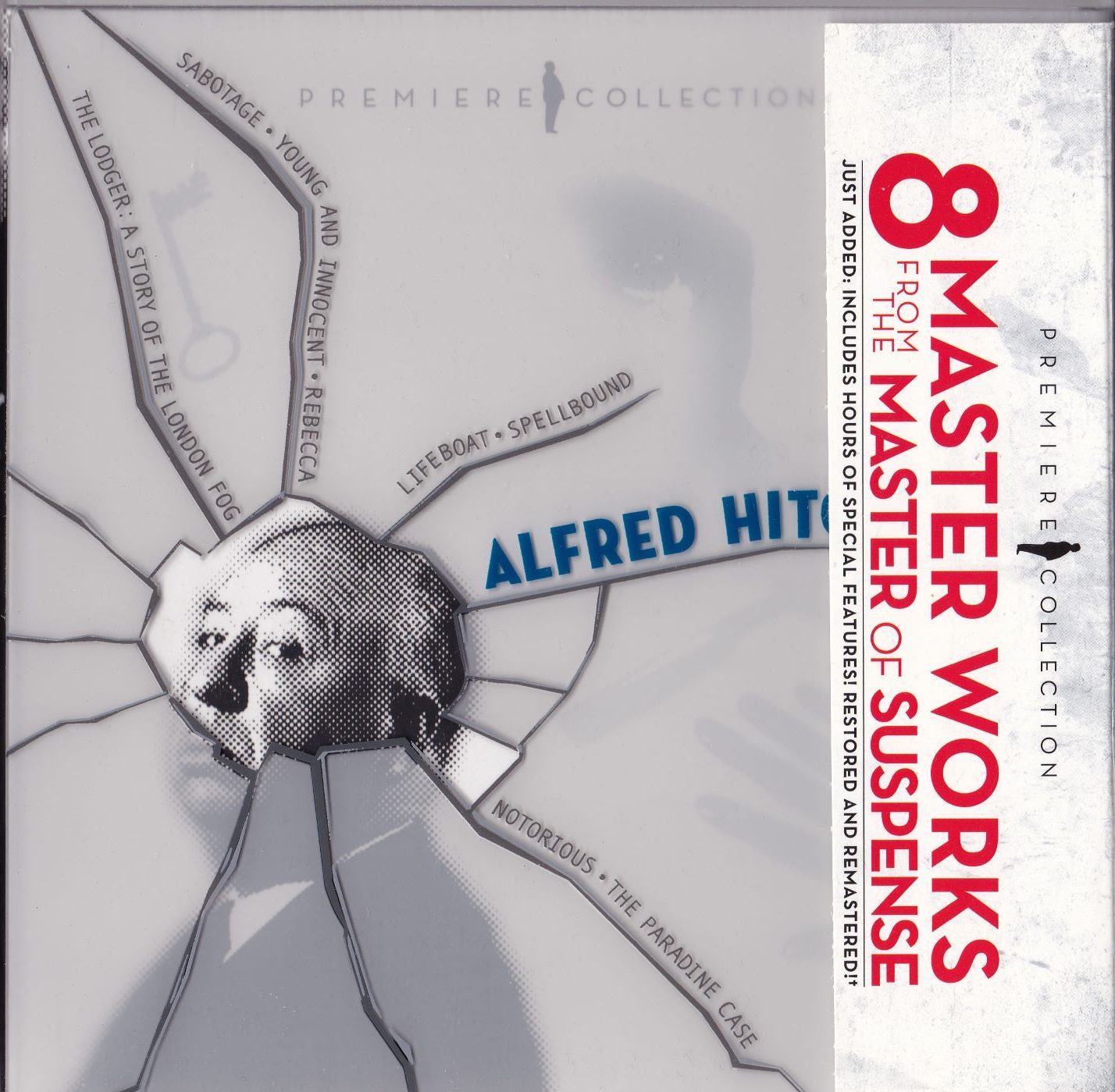
1940: his first Hollywood film, based on a Daphne du Maurier novel, which won Best Picture at the Oscars. Disc (Joan Fonatine and Laurence Olivier) is from the well-done Premiere Collection (below) which showcases early Hitchcock movies.

1940: a good propaganda movie he did for the U.S. starring Joel McCrea.

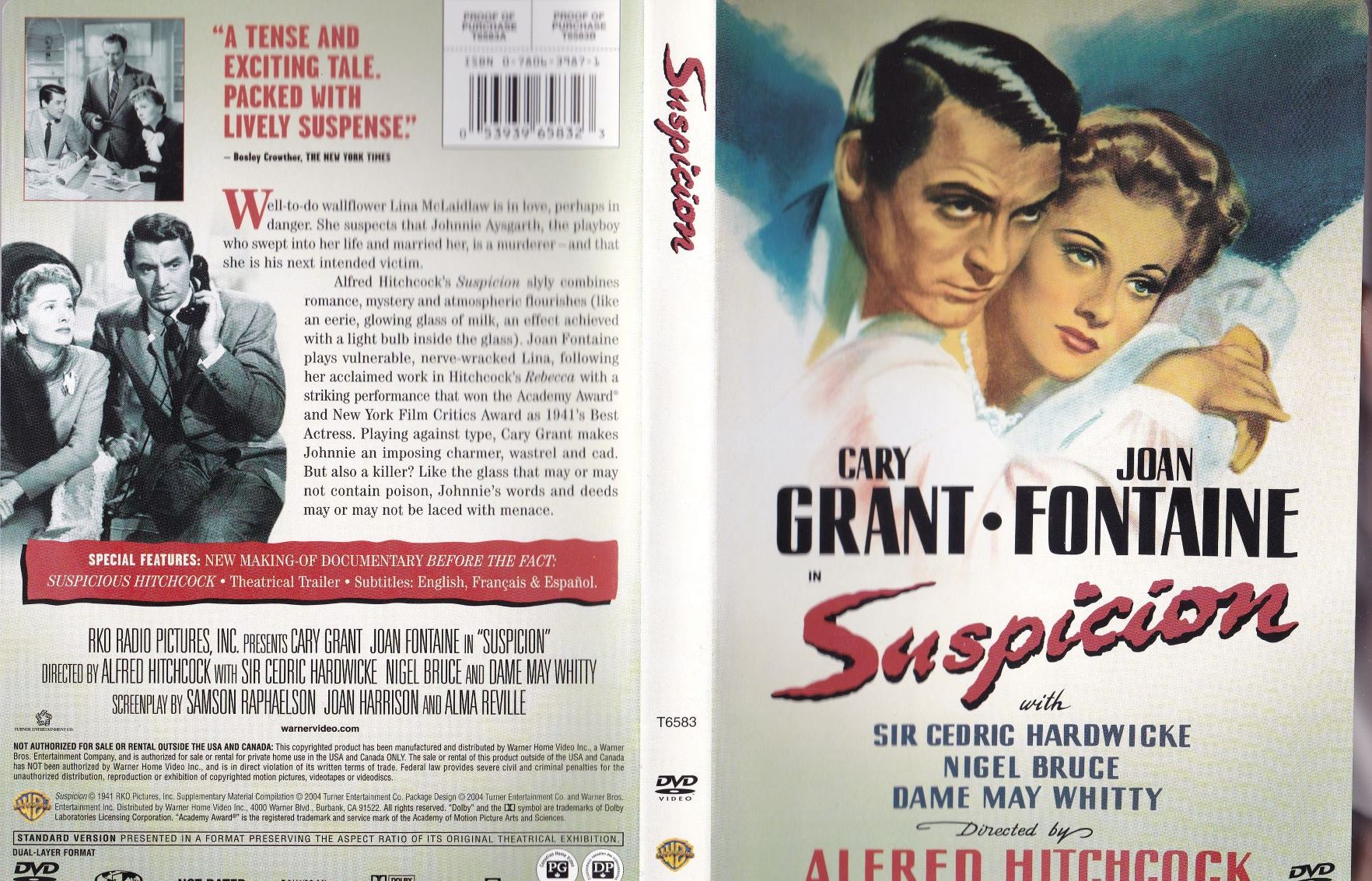
1941: suspicion and guilt explored intensively; Johnny, a fascinating sociopath played expertly by Cary Grant; Fontaine won Best Actress Oscar. Weak ‘happy’ ending was not Hitchcock’s choice.

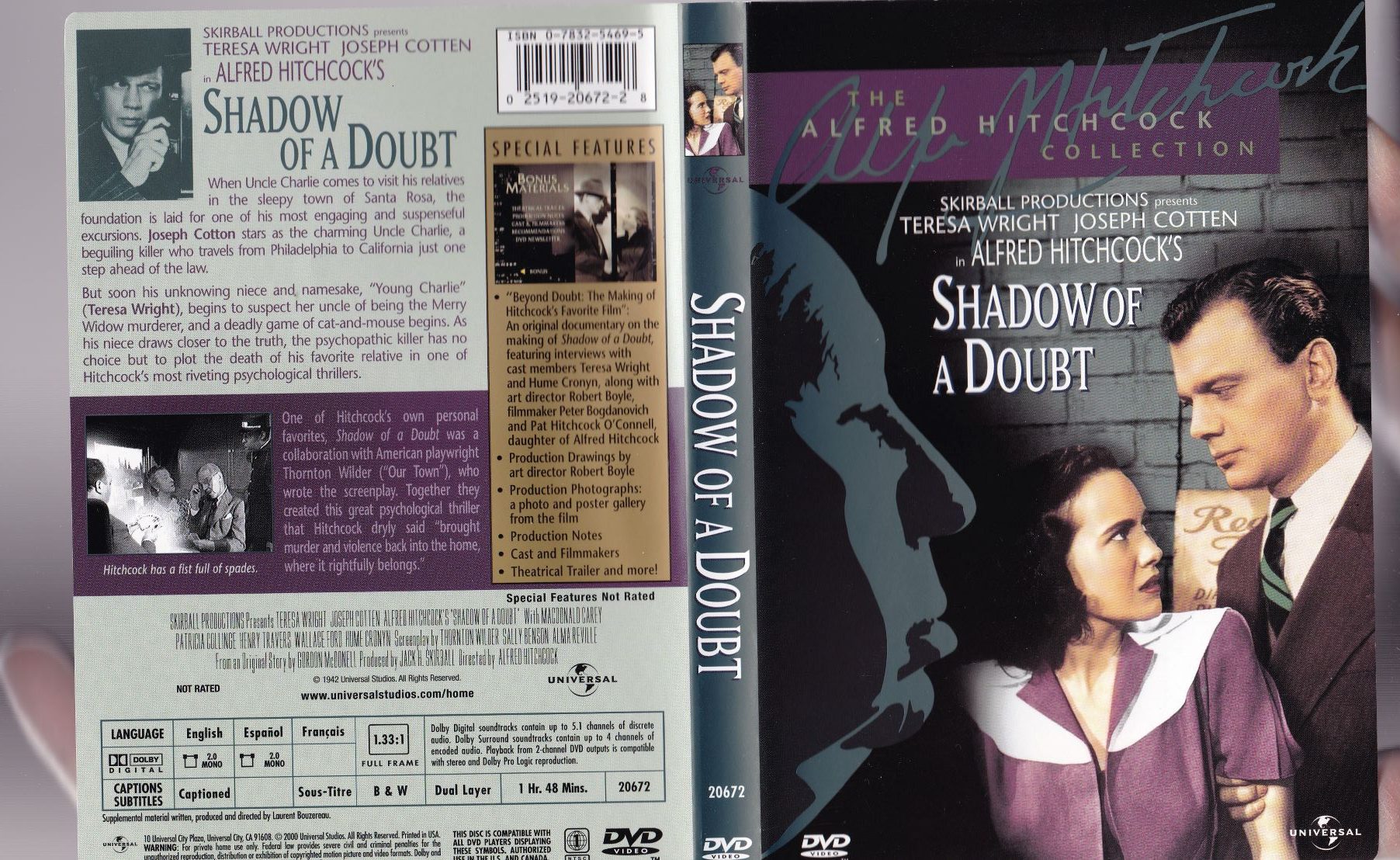
1943: one of Hitch’s favorites–a masterpiece about innocent good and cynical murderous evil using dual Charlies (Cotten makes an excellent psychopath); Thornton Wilder worked on the script.

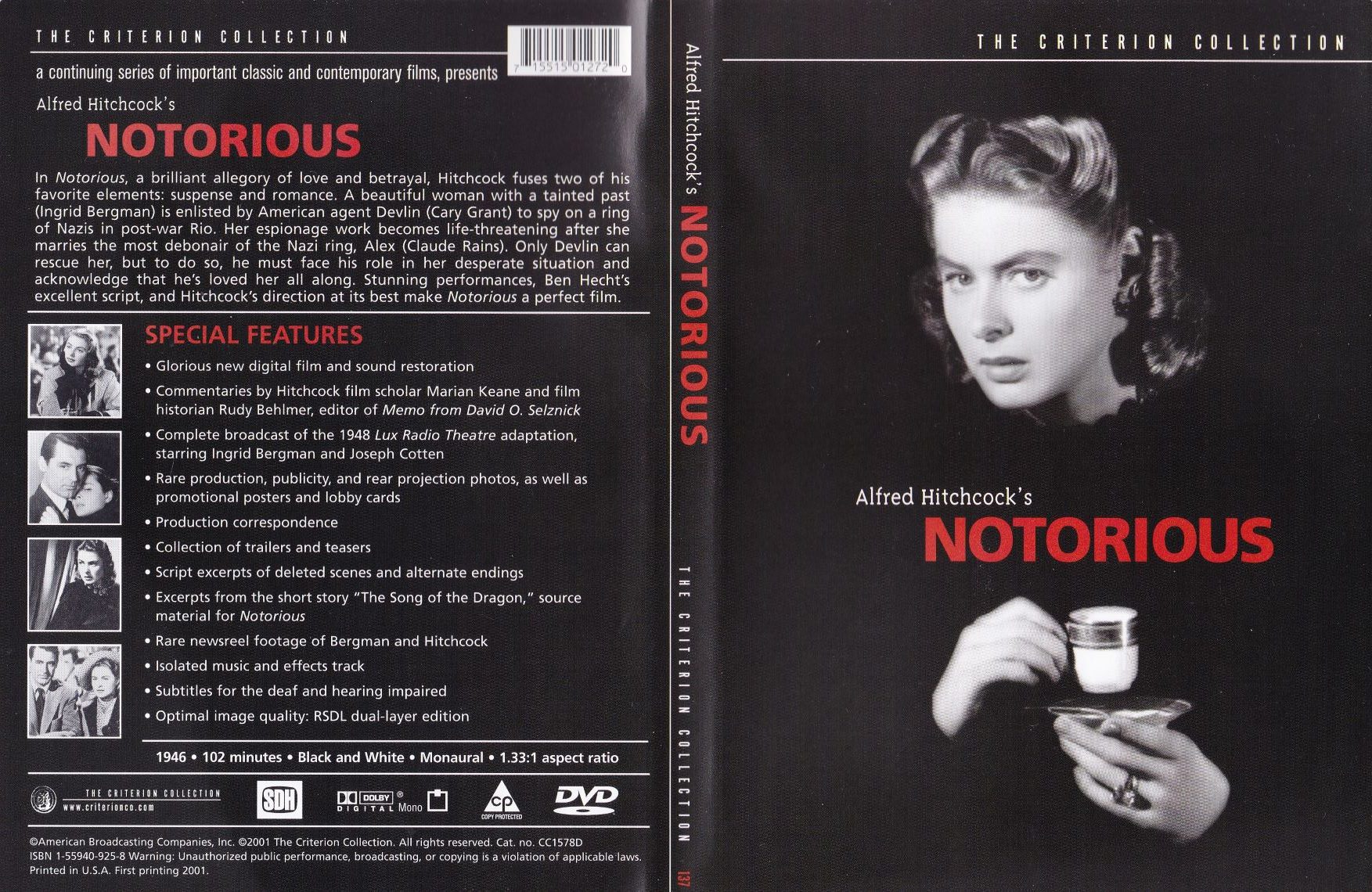
1946: Grant again, this time as a callous manipulative spy, with Ingrid Bergman playing a victim used by Nazis pursuing the first famous MacGuffin.

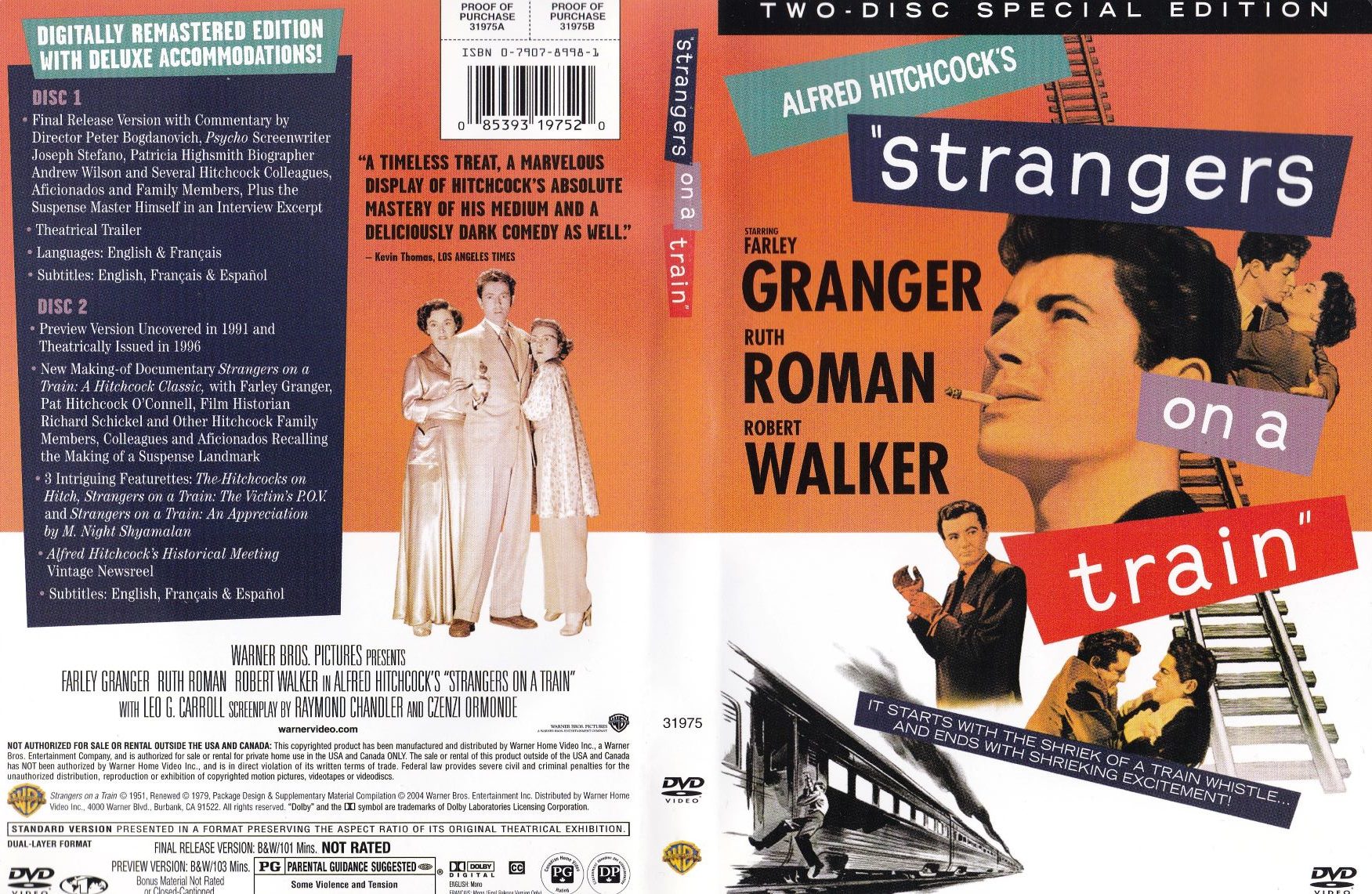
1951: underrated exploration of good and evil with excellent psychopath played brilliantly by Robert Walker; many quirky touches with Hitchcockian black humor.

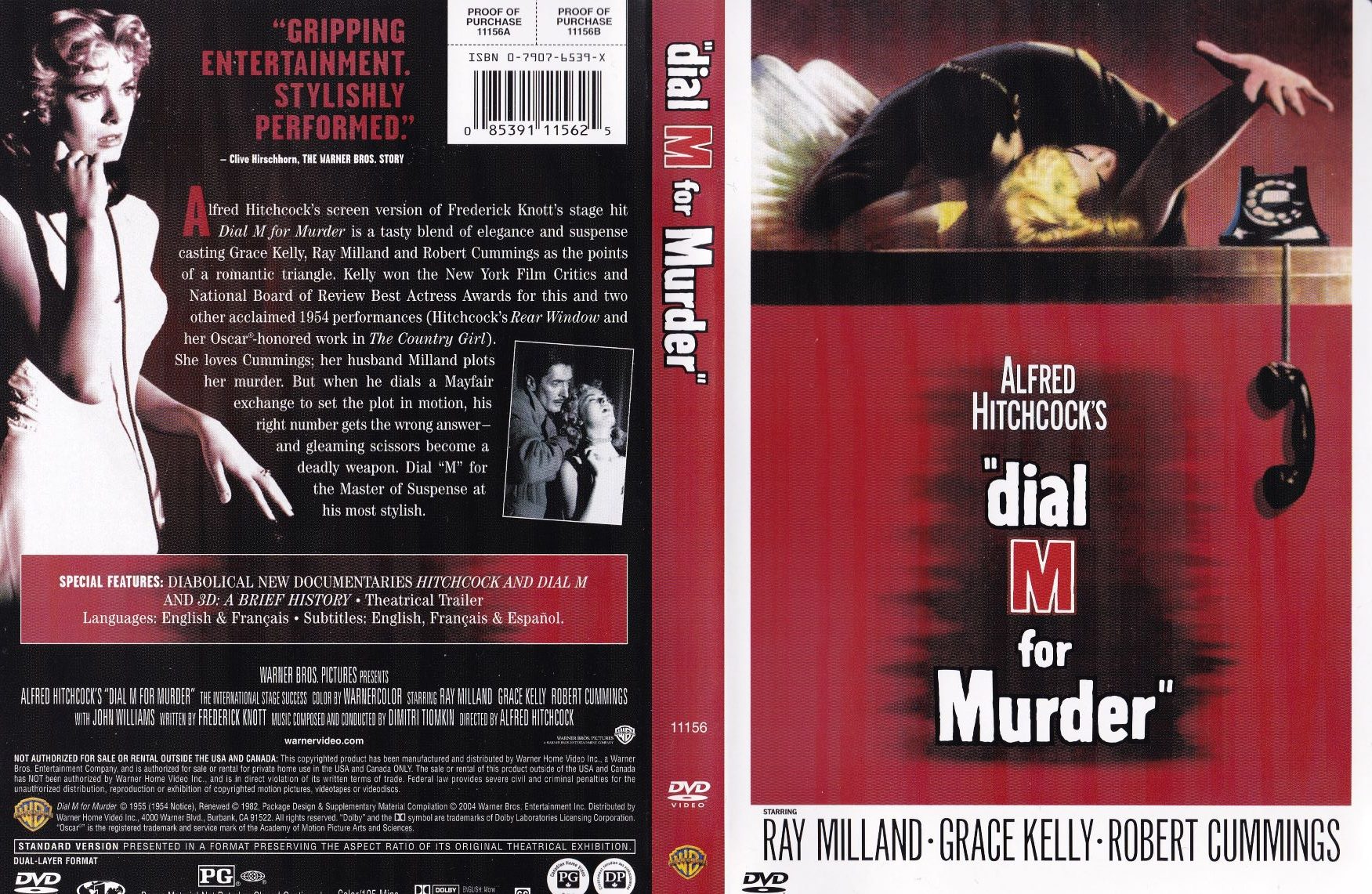
1954: closely adapted from a famous play, shot on 1 set; famous for 3D alternate version and gruesome scissors murder; Ray Milland plays a charming, sympathetic villain and Grace Kelly, the first platinum blonde Hitch would be obsessed with.

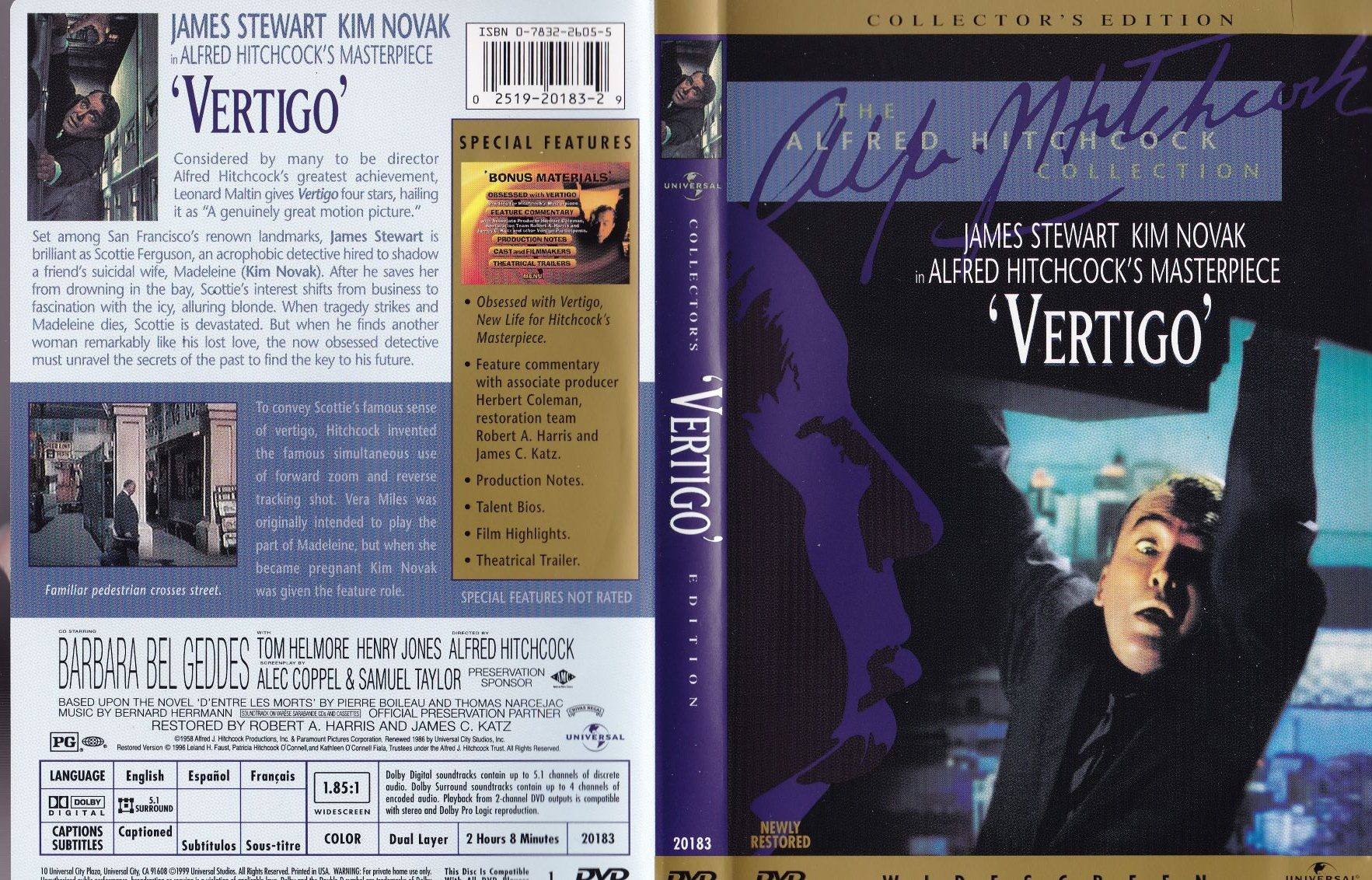
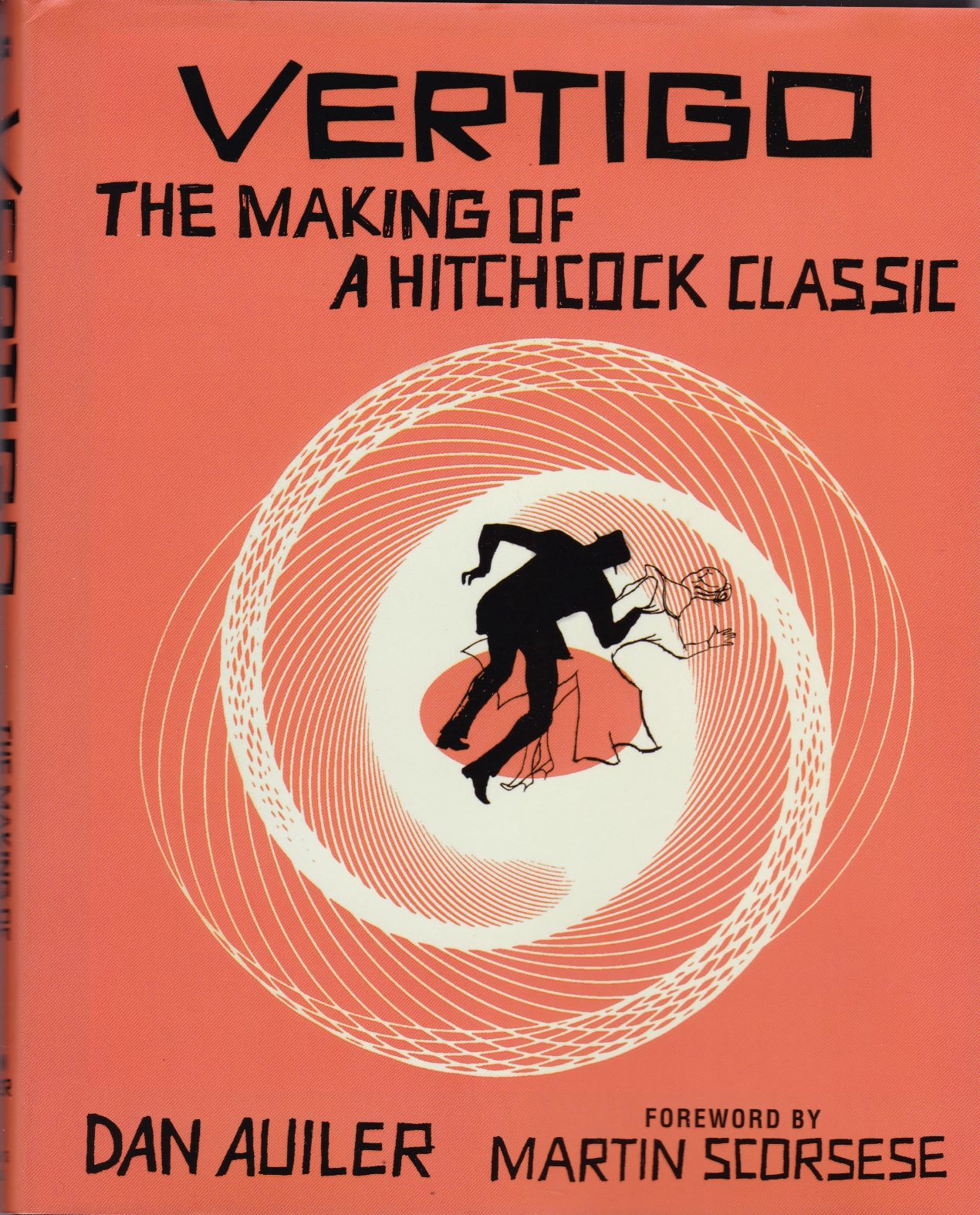
1958: a core H classic–the ultimate romantic fallacy film; heavily unconventional study of obsession with vertigo and hallucination touches thanks to special effects camera work; Stewart plays the most deluded man in cinematic history.

Typical of the kinds of book analyses of Hitch’s best films; dust jacket echoes title designer Saul Bass’s work at the beginning of the movie.

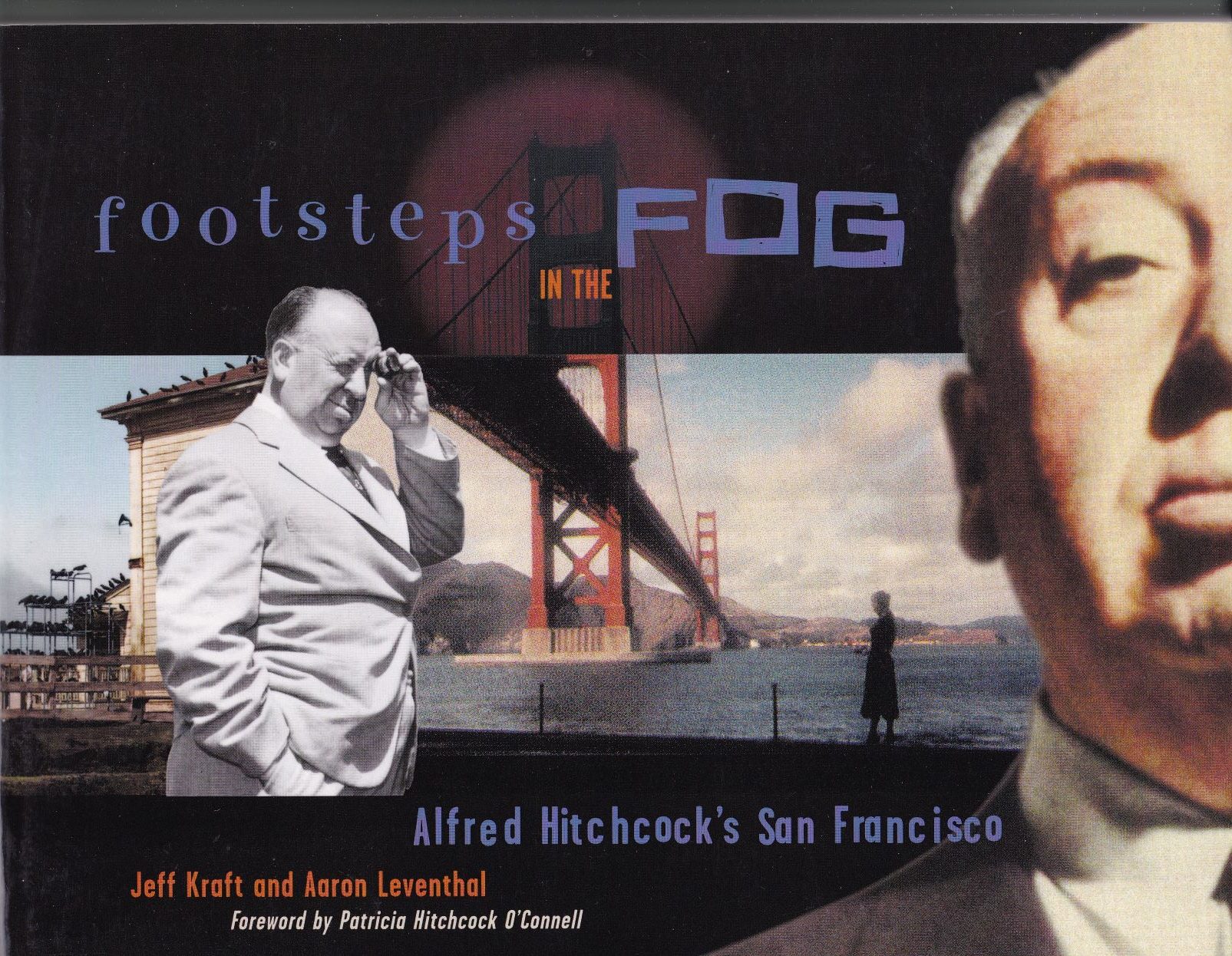
This illustrated book features actual places used by Hitch in the filming of Vertigo and other films of that time.

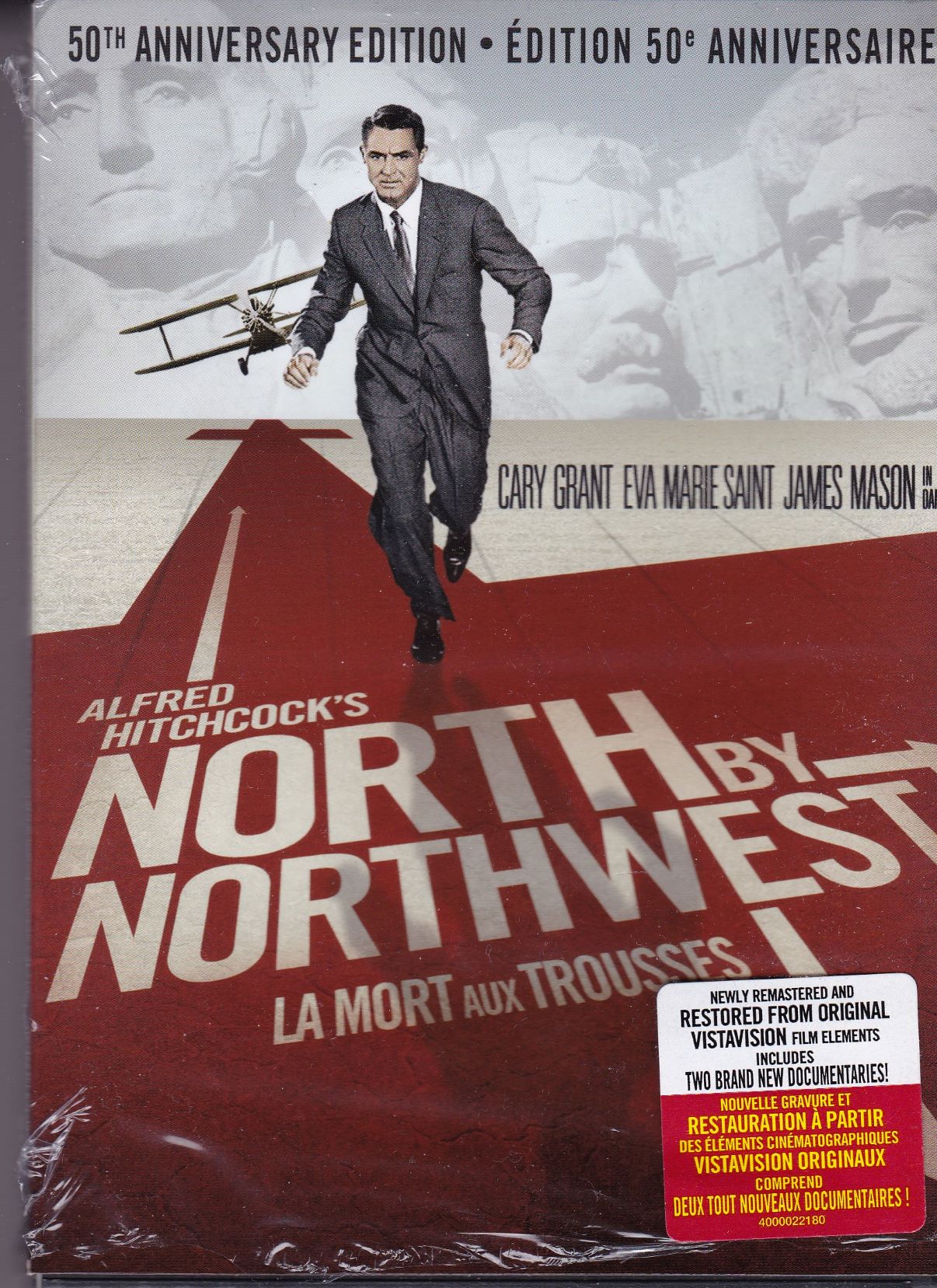
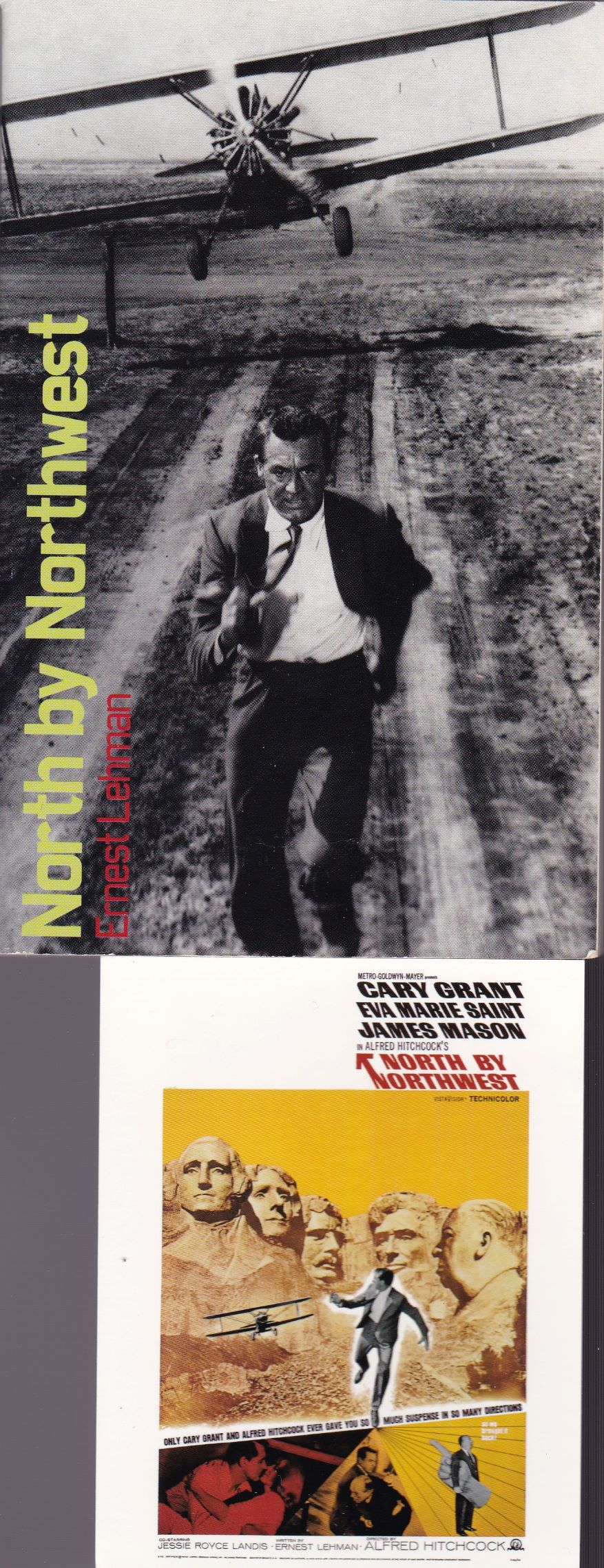
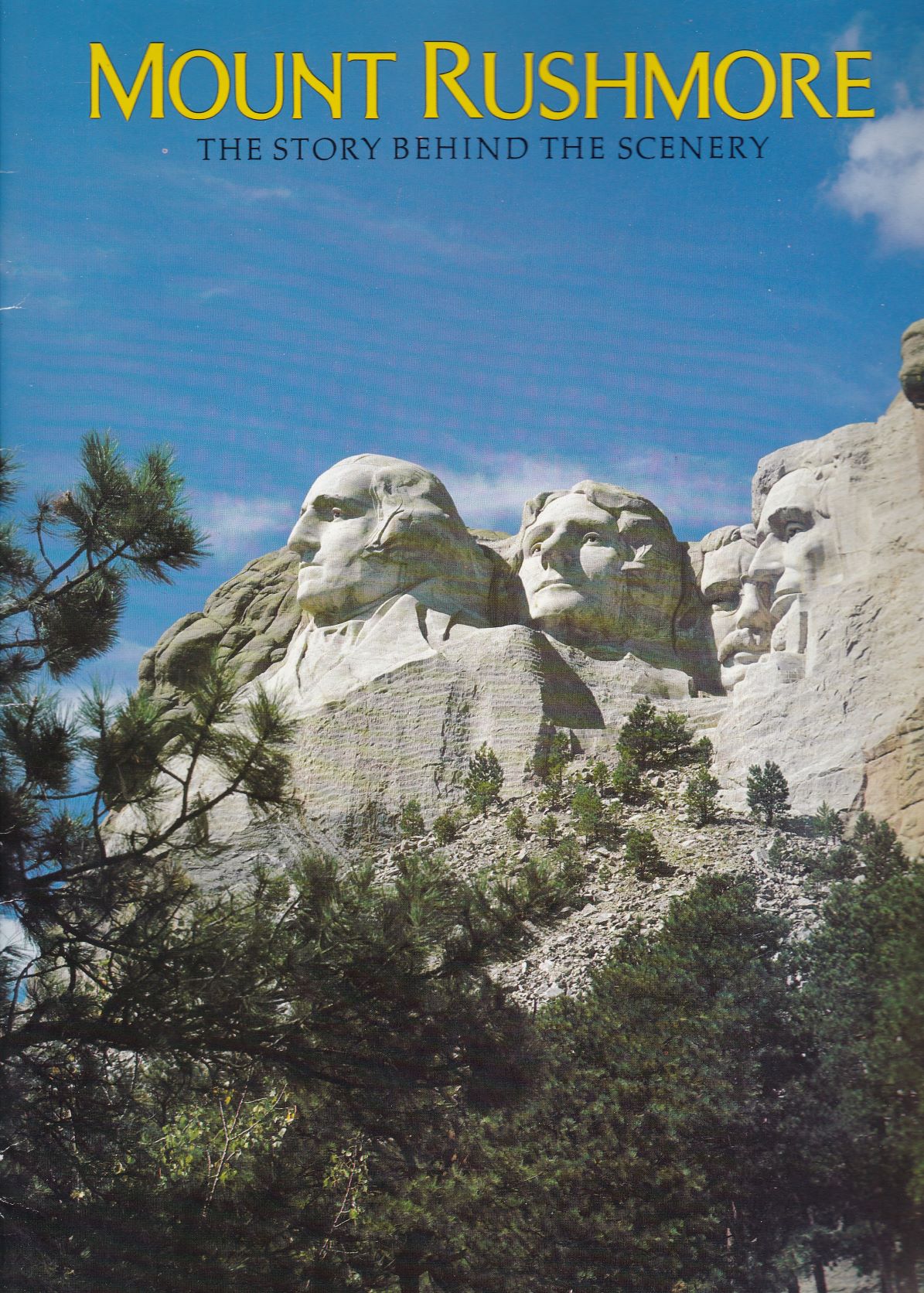
1959: a masterpiece espionage comedy-thriller; lots of fun wisecracks and a chase across America which ends at Mt. Rushmore; Grant has never been better; the cornfield scene is worth the price of admission.
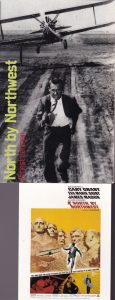
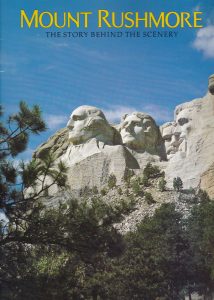
left, top: the actual script by Lehman; right: locale that inspired the climax

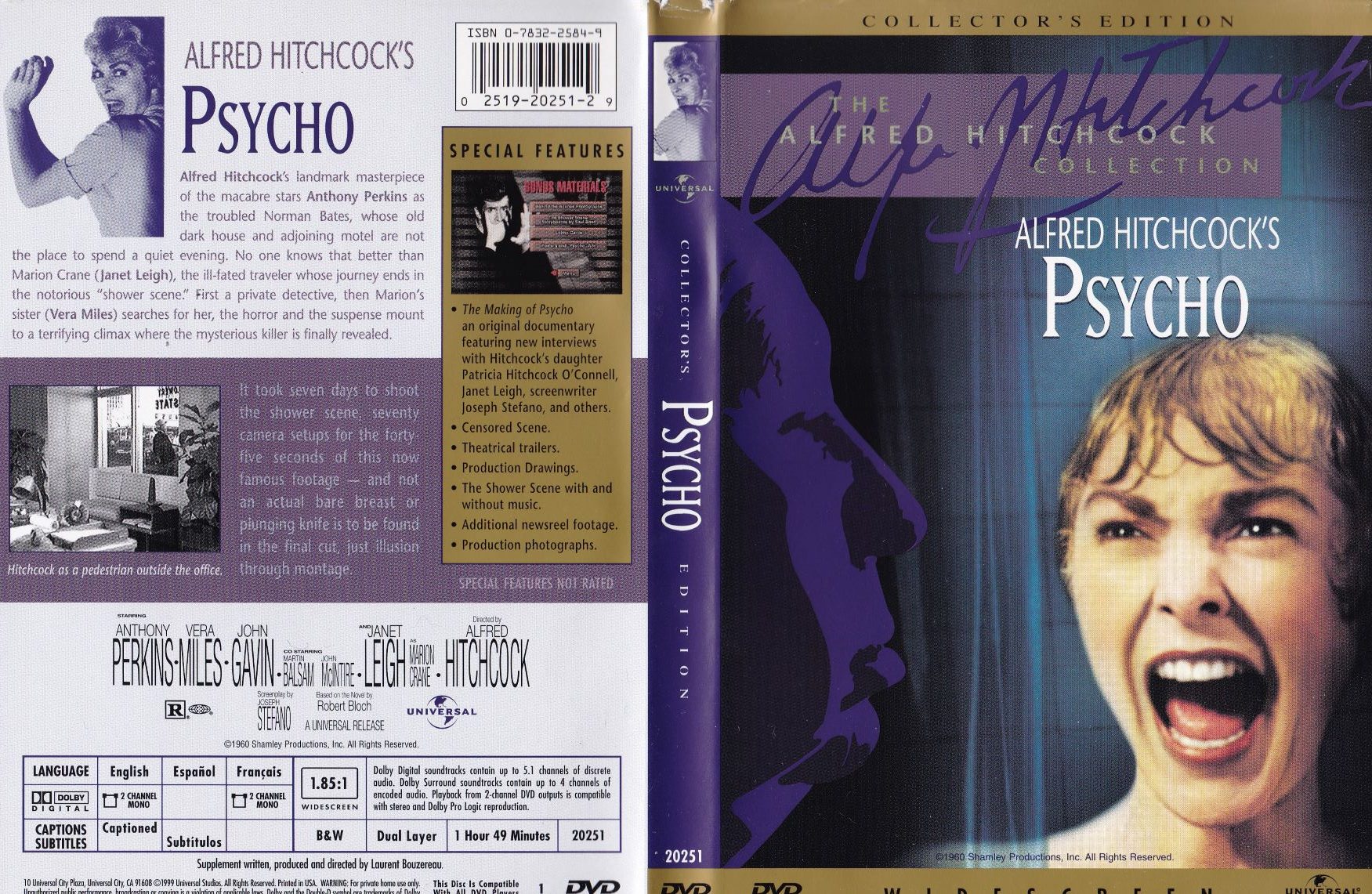
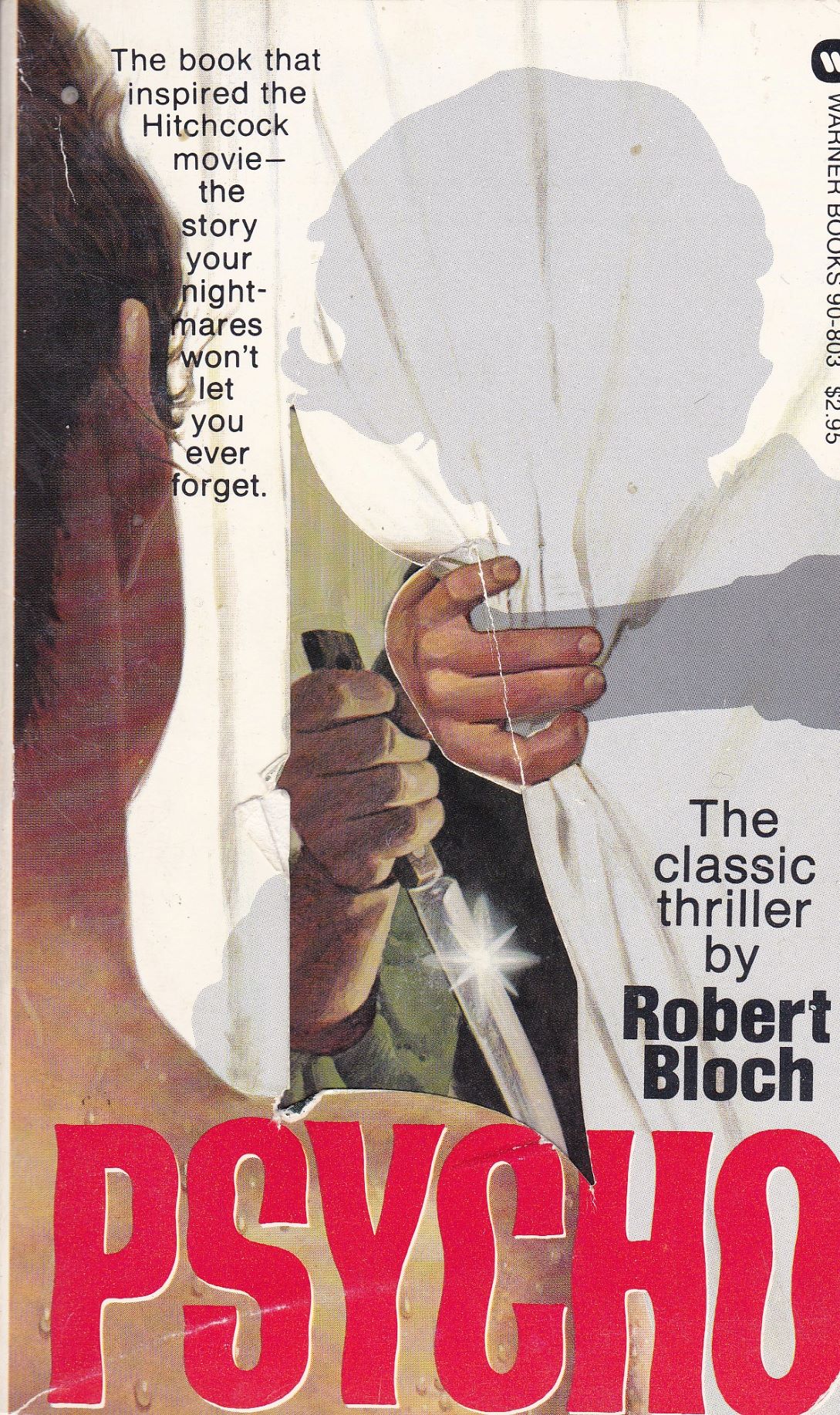
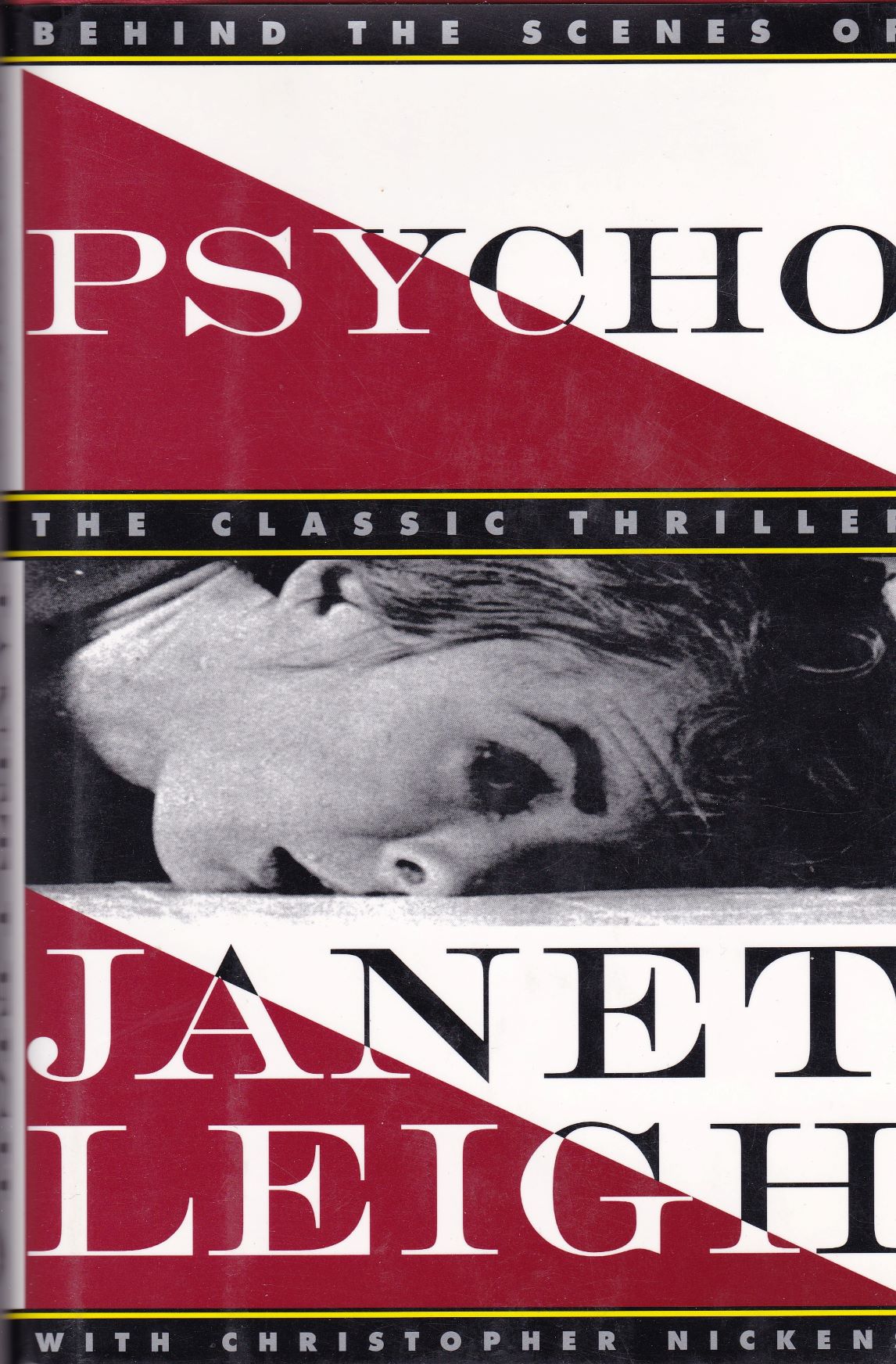
1960: from one masterpiece to another; it does not get more suspenseful than the deliberate black-and-white/Gothic-filmed Psycho; Anthony Perkins makes a perfect Hitchcock psychopath; shower scene is a powerful memorable classic scene, punctuated by Bernard Herrmann’s music which helped propel the director to world-wide fame and notoriety.

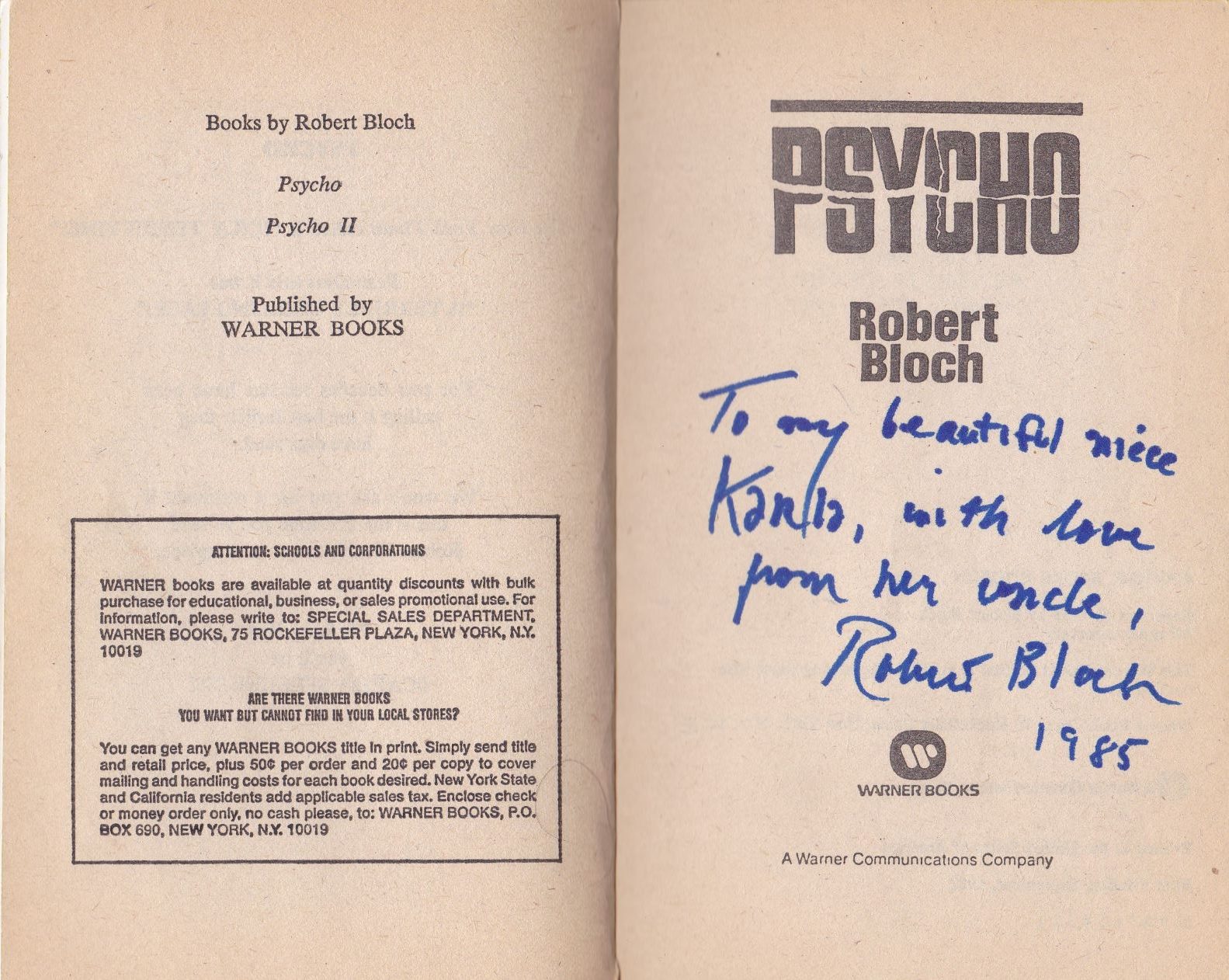
the source novel for the movie

Personal association copy signed by the author.

It was inevitable that Janet Leigh would revisit the shower scene and her experiences working with Hitchcock.

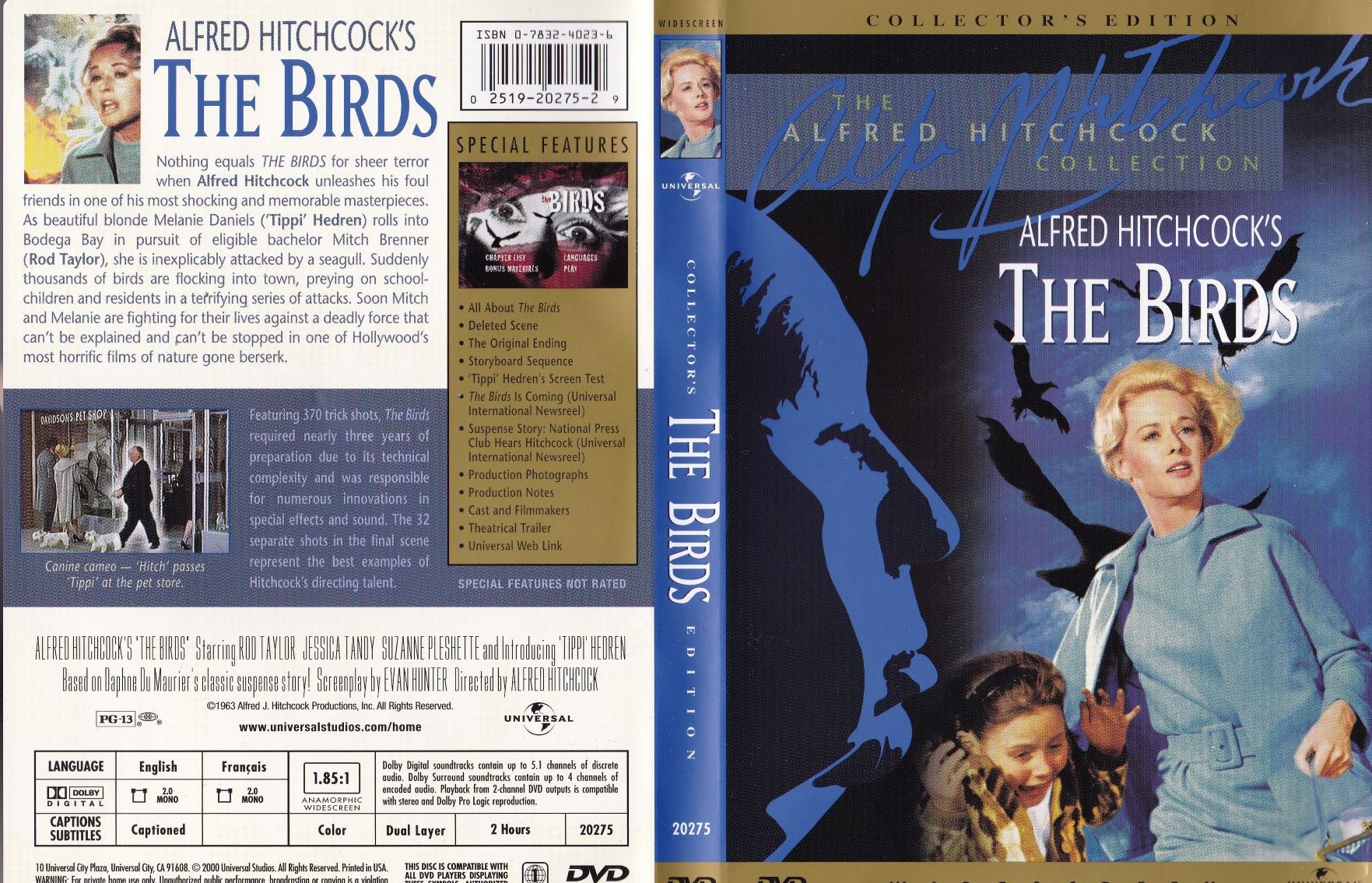
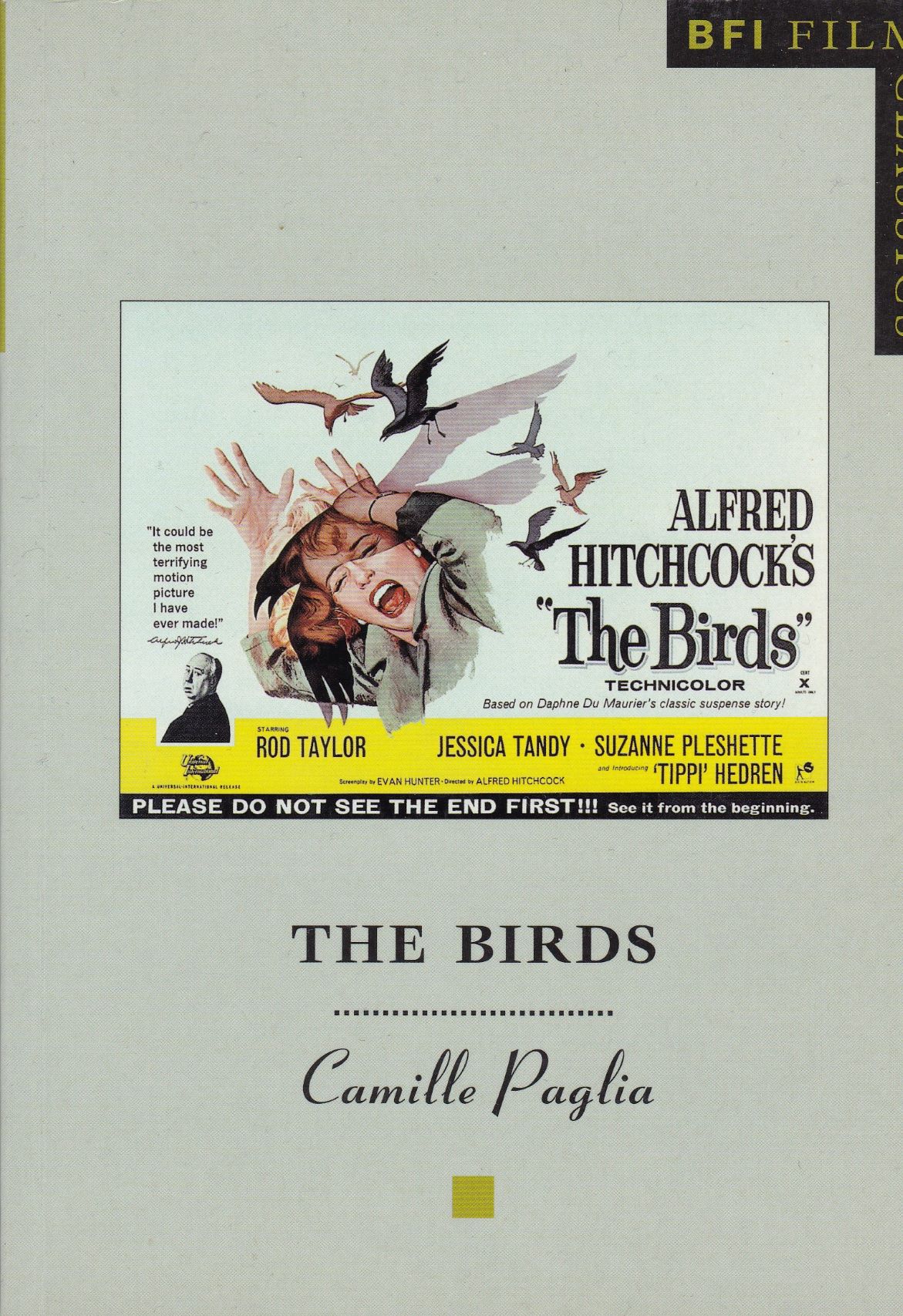
1963: speaking of platinum blondes, ‘Tippi’ Hedren, whom Hitchcock named; based on an end-of-the-world short story by Daphne du Maurier, this film used tame and fake birds for the vicious attacks, traumatizing Hedren in the shooting; this is his ultimate special effects movie with electronic soundscape by Bernard Herrmann; many powerful memorable scenes in this classic.

Even Camille Paglia got around to analyzing it!

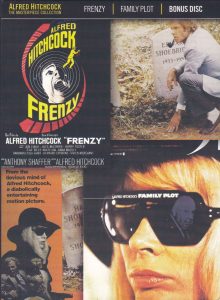
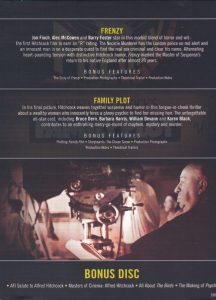
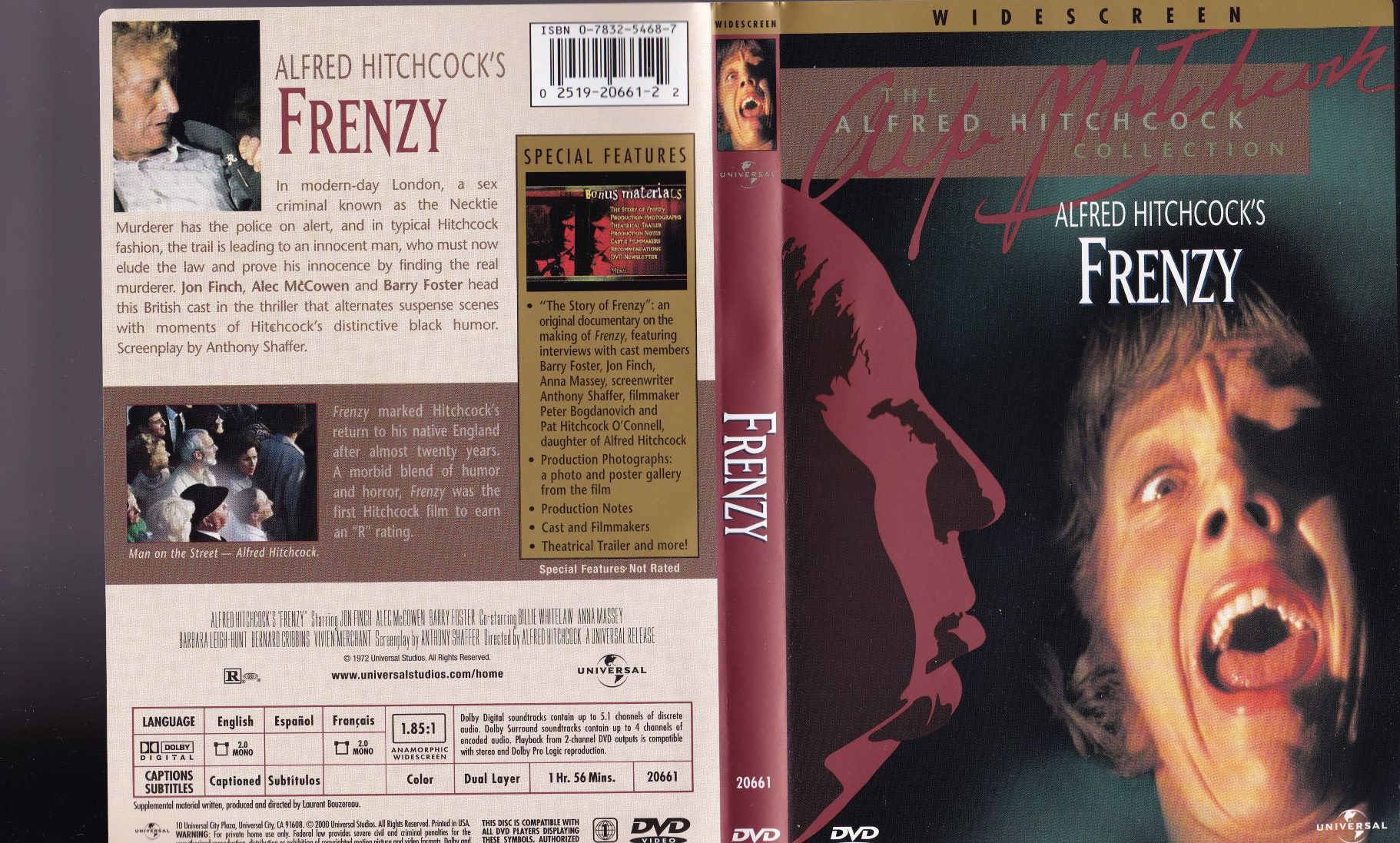
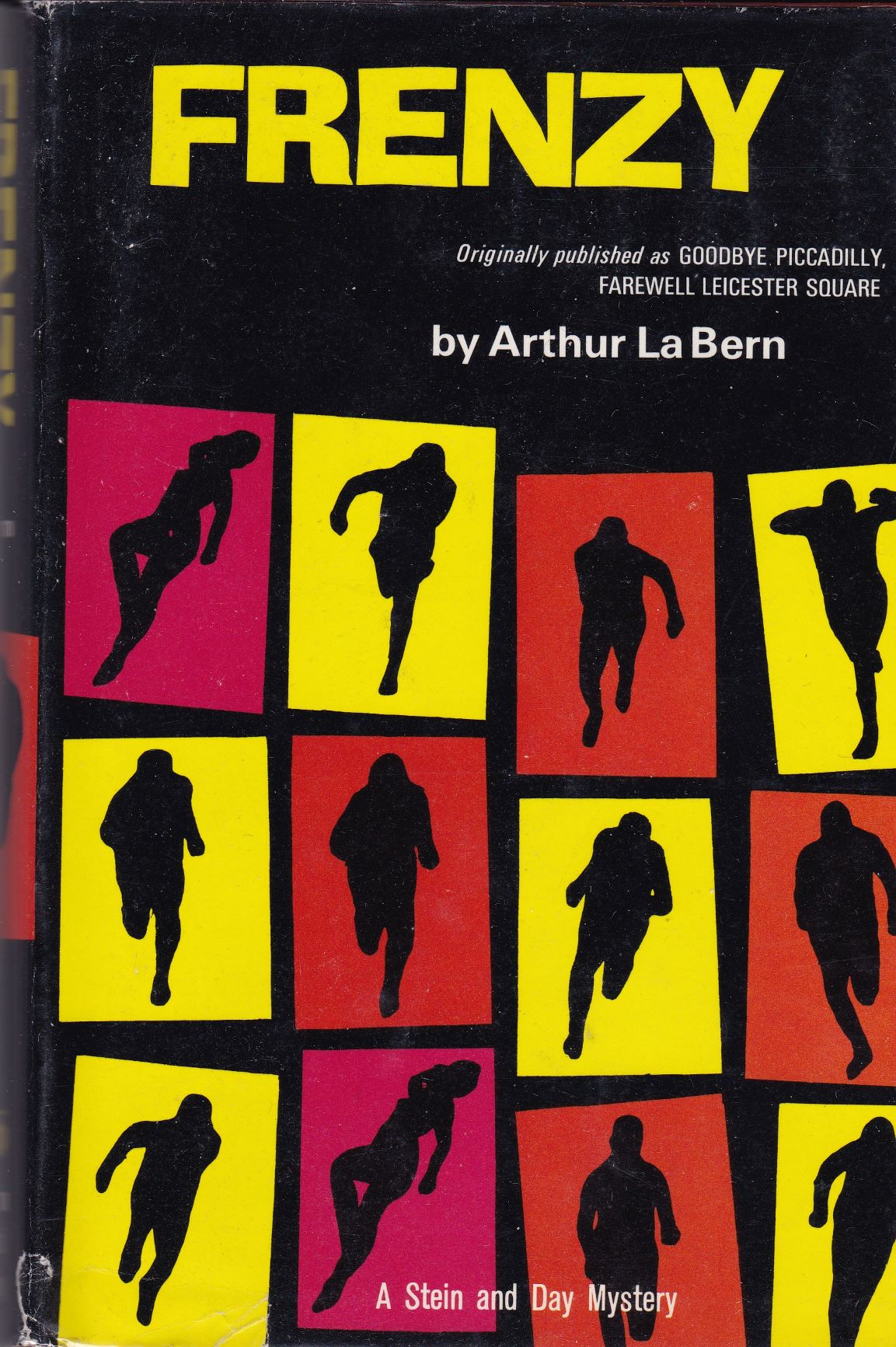
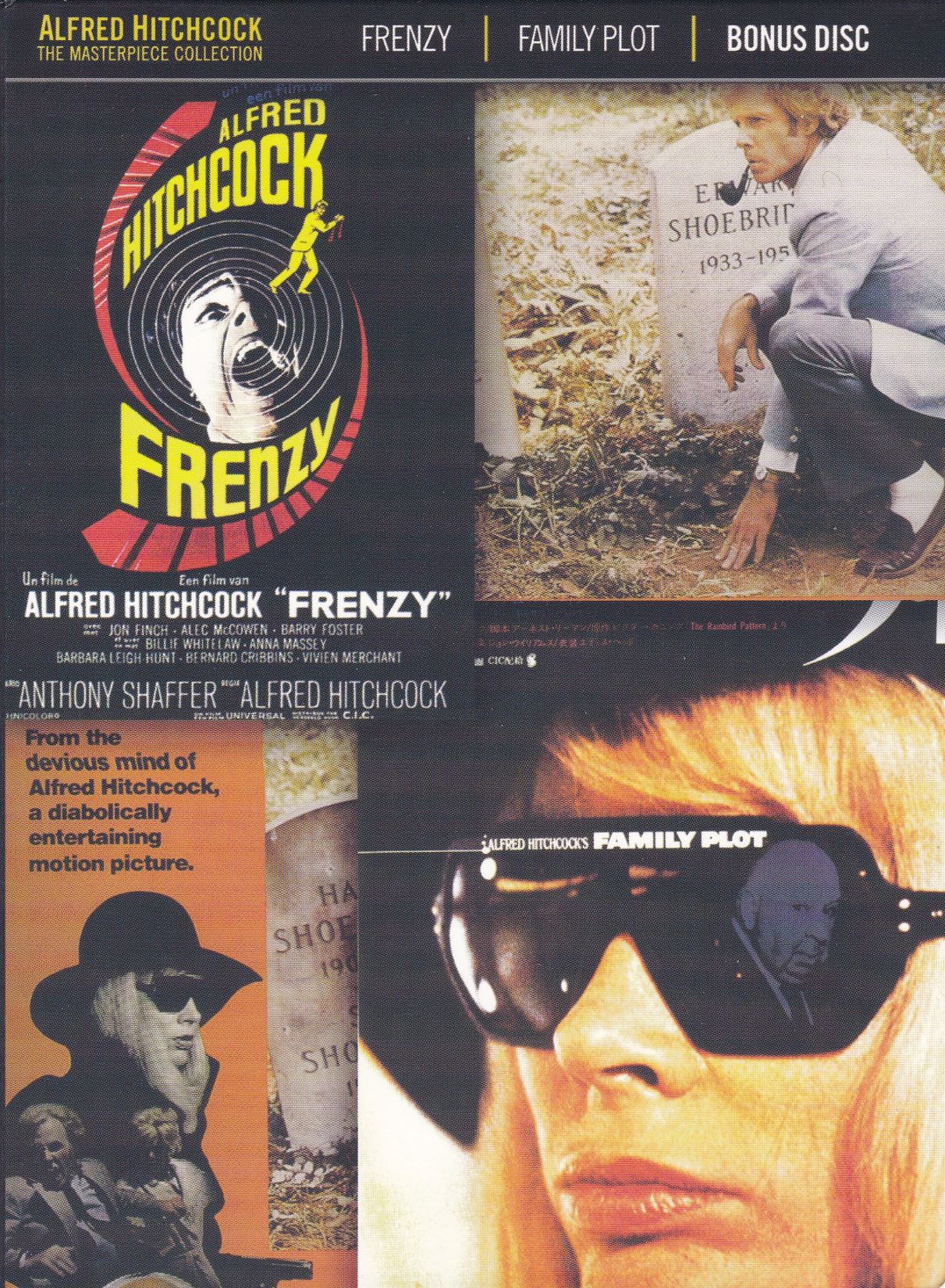
1972: one of my favorites; Hitch went back to London to shoot this one based on his ‘wrong man’ motif; Jon Finch effectively plays an unlikable protagonist (everyone is unlikable in this one) who is, nonetheless, innocent of the Ripper-style strangulation murders going on in hip seventies London; spoiler: Barry Foster plays the malevolent Hitch psychopath of all in a sexier than usual Hitchcock.

The original novel.

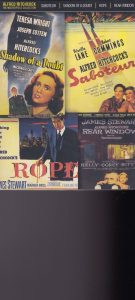
The colored discs shown above are all from the very interesting lineup of this box set. Several must-haves here including Rebecca, Notorious, Spellbound, Lifeboat, and The Lodger.

Two thumbs up for bringing back some films previously out-of-print or unavailable; many extras, especially the Spellbound ones.

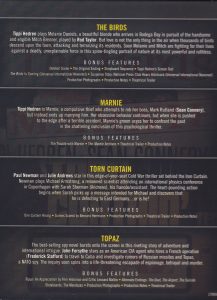
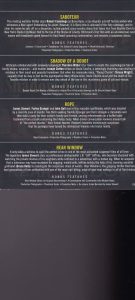
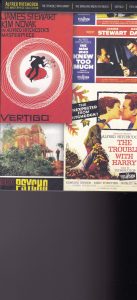
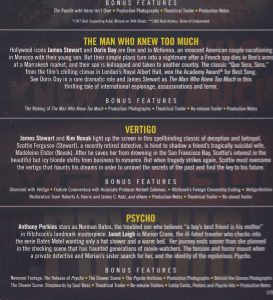
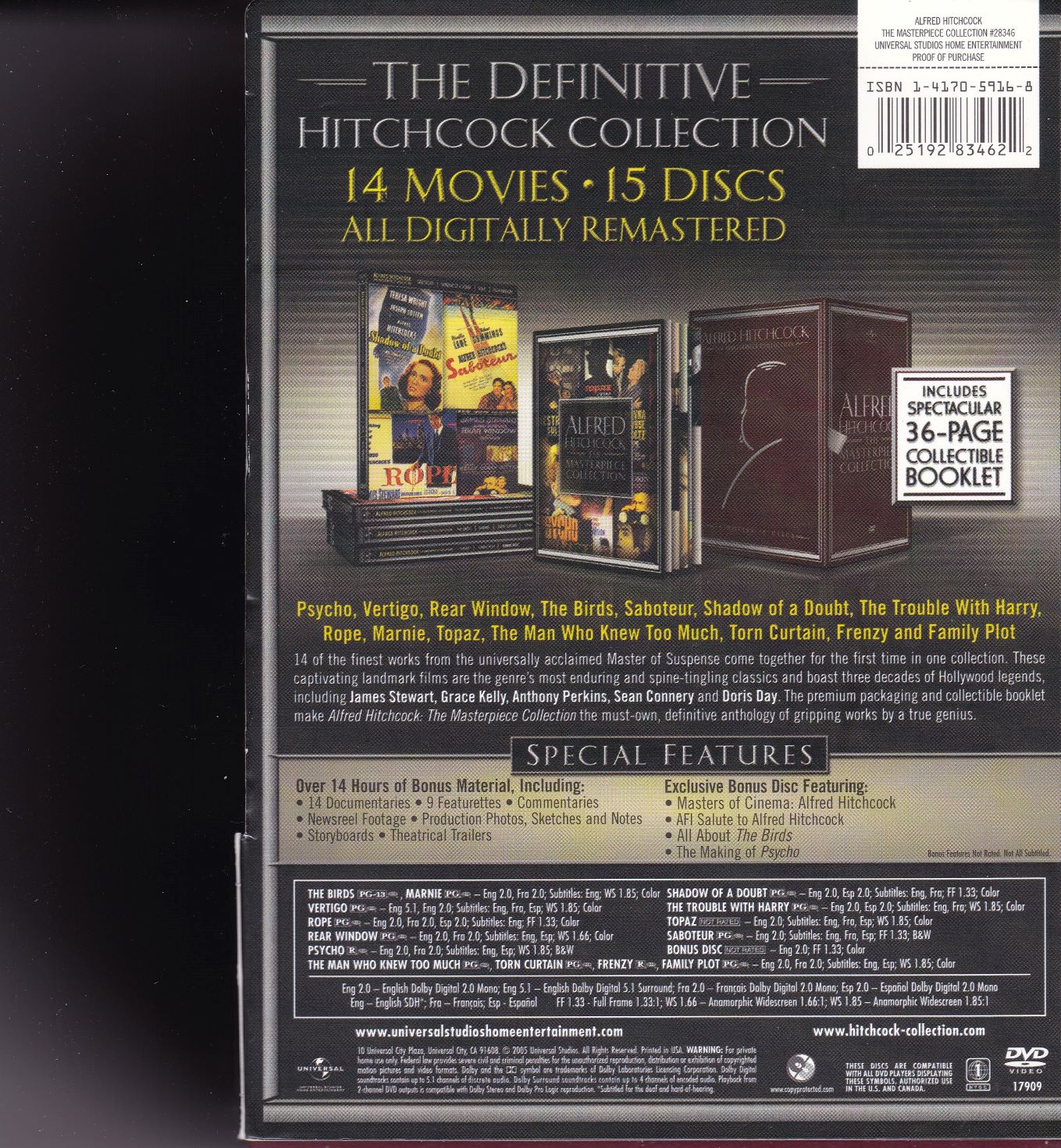
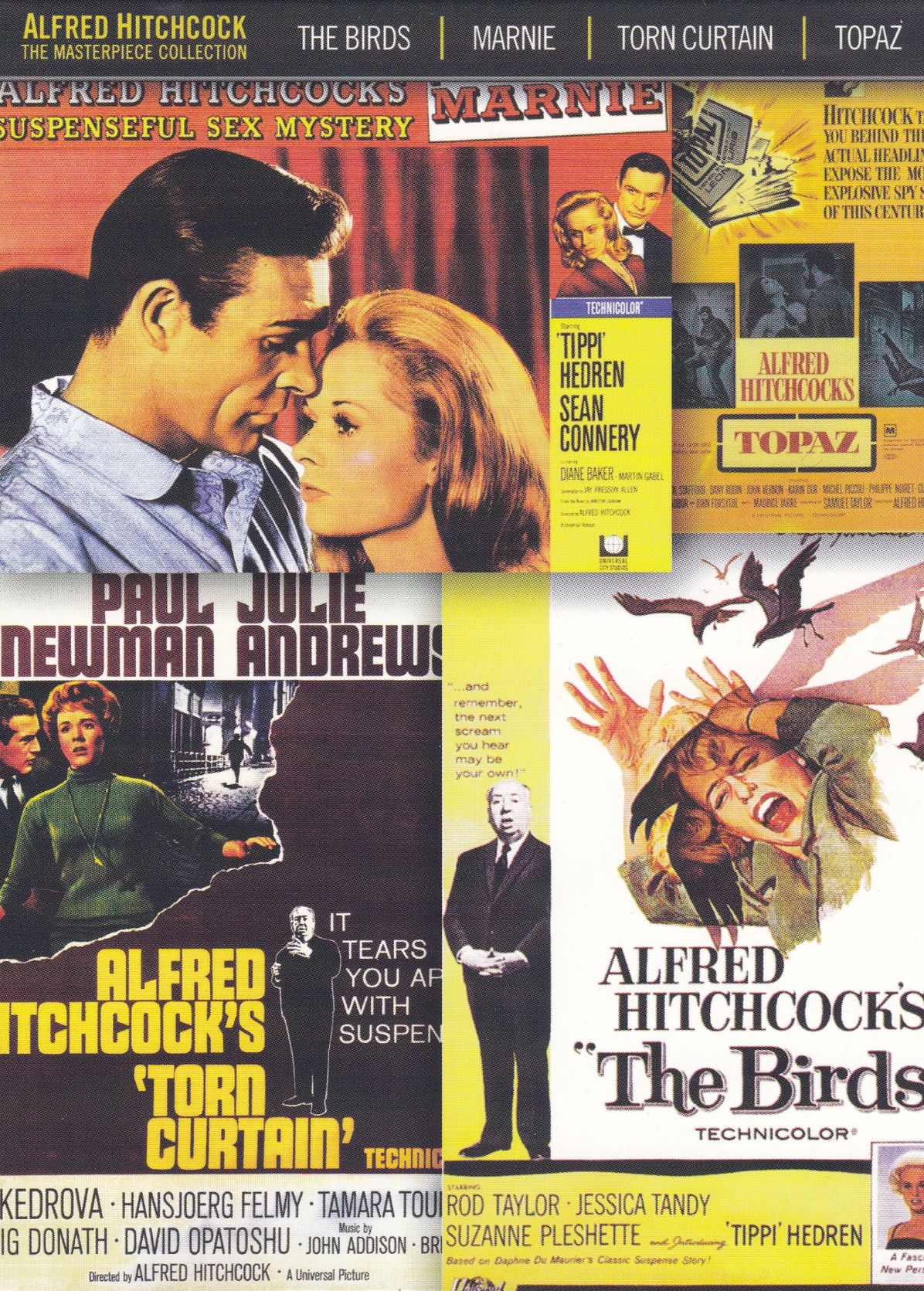
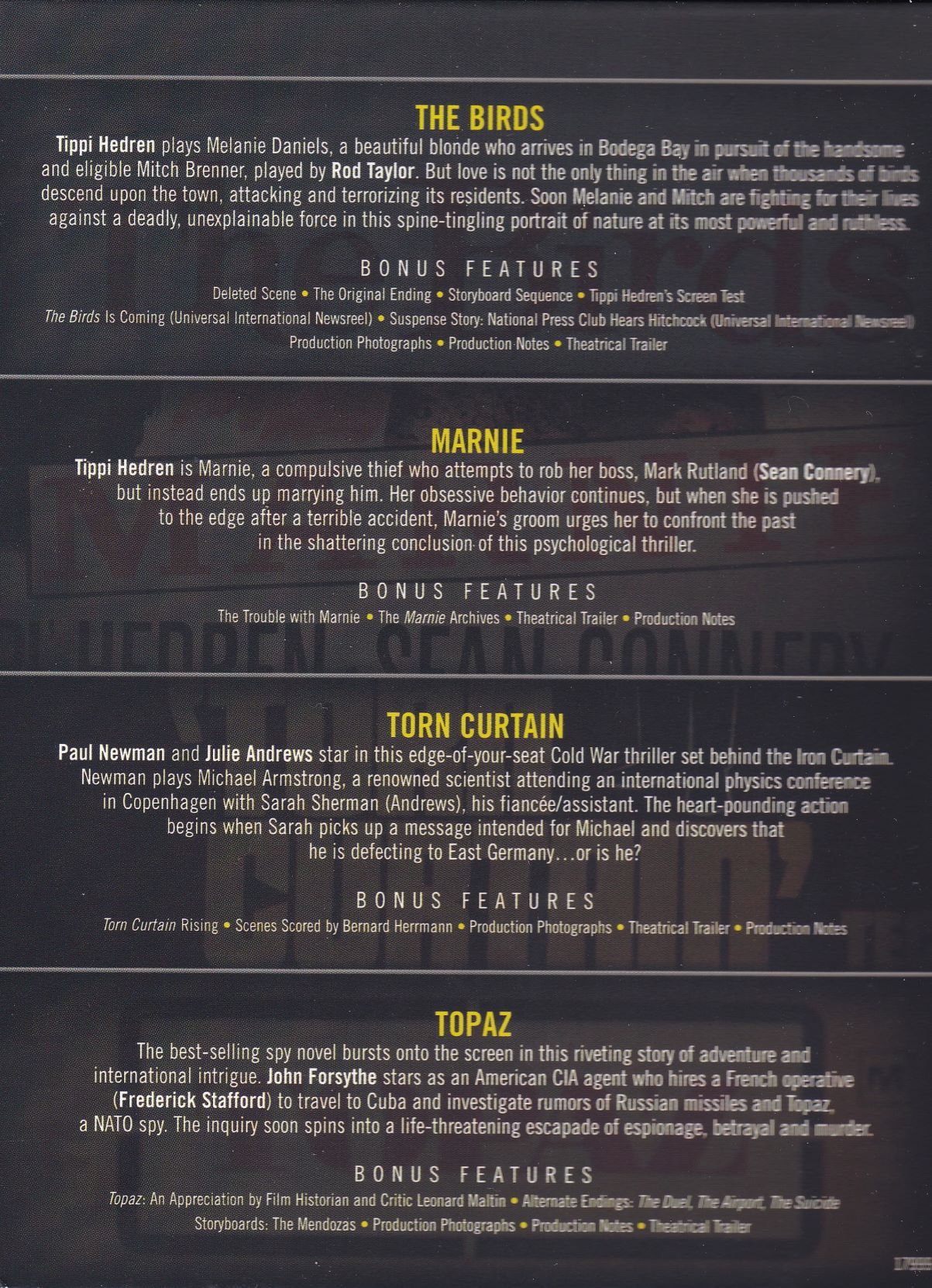
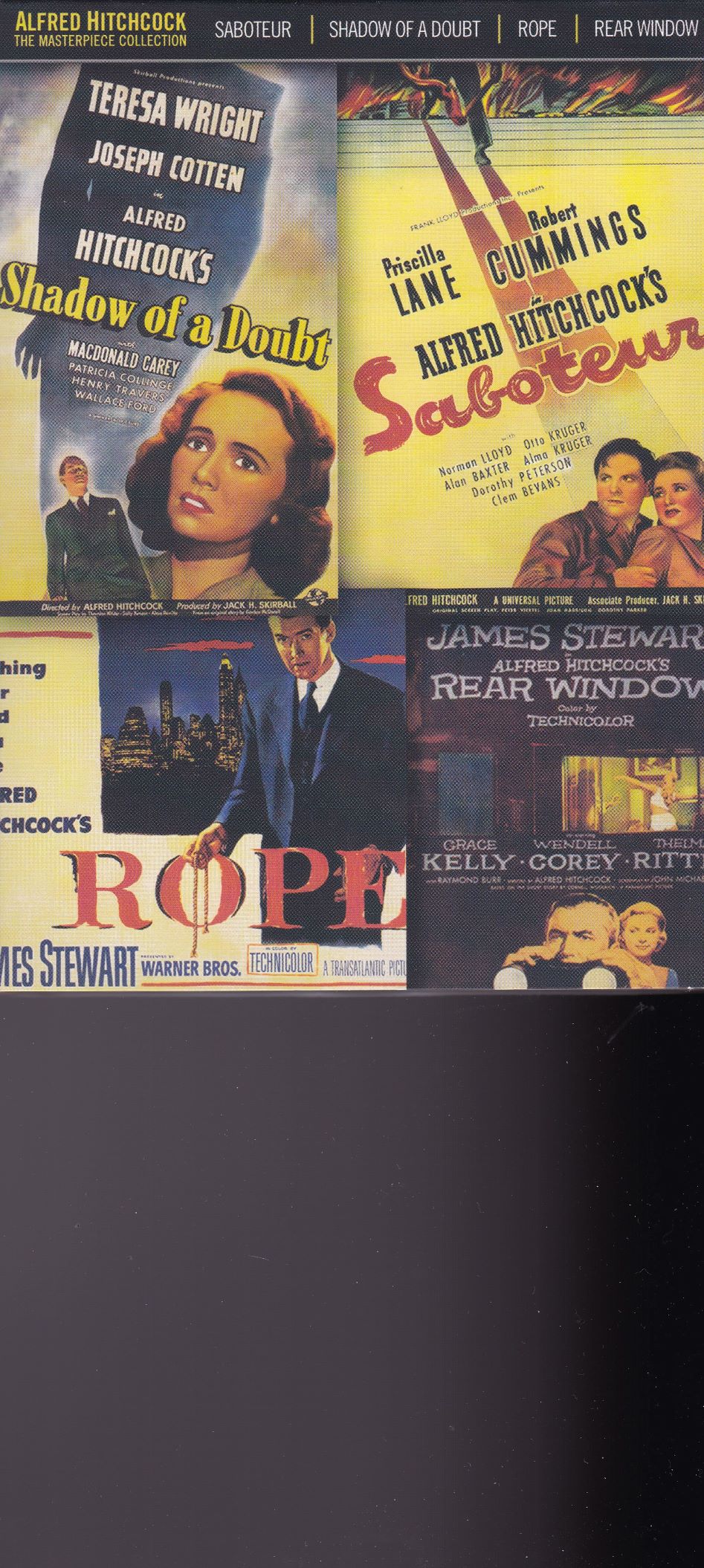
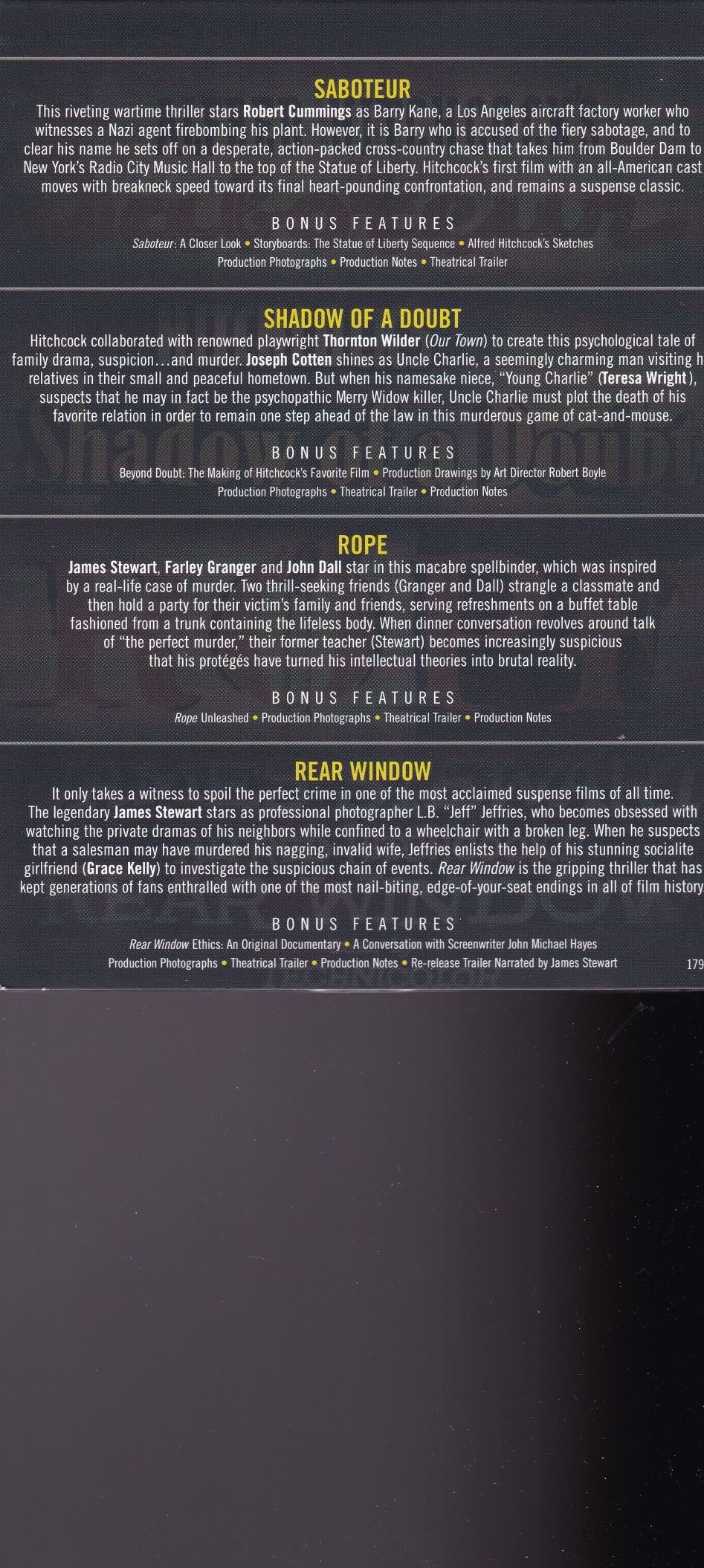
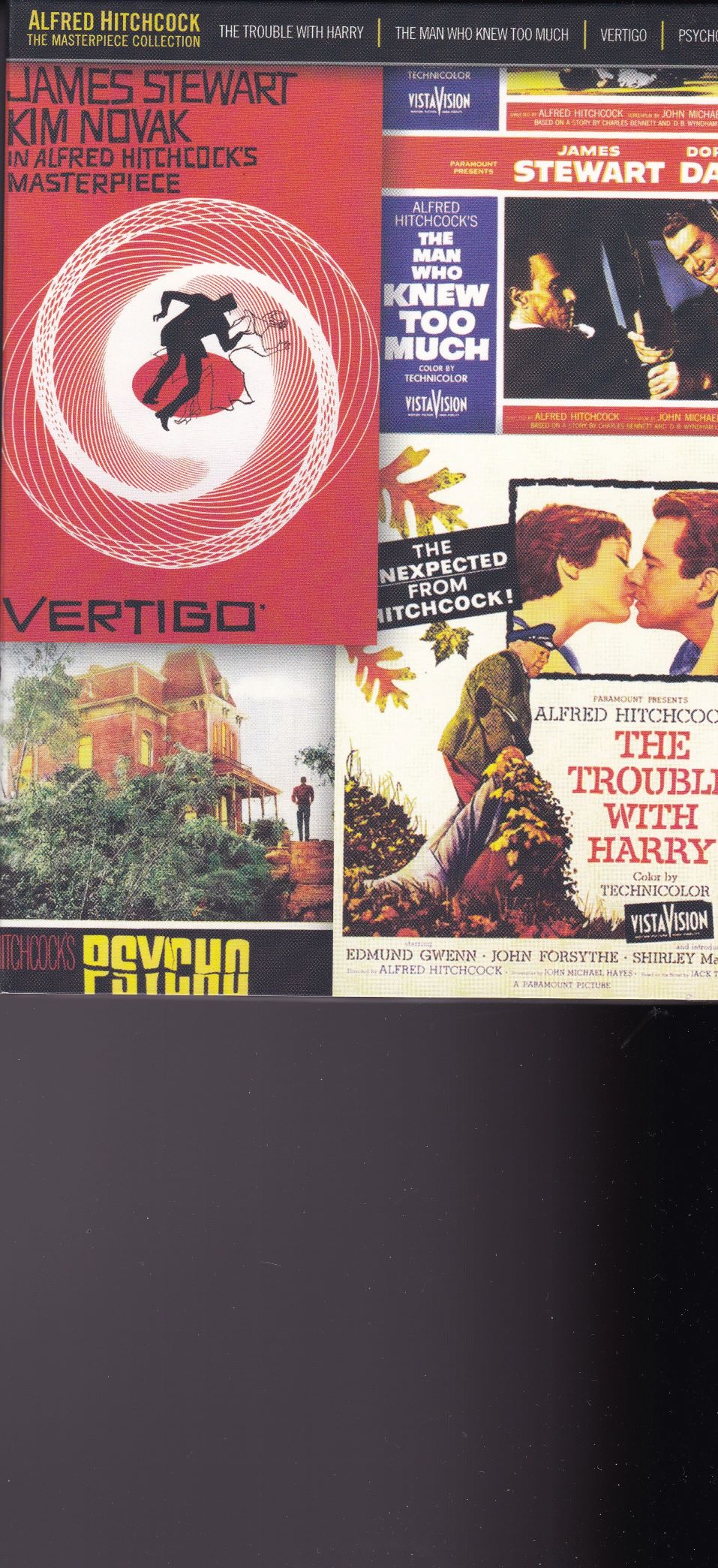
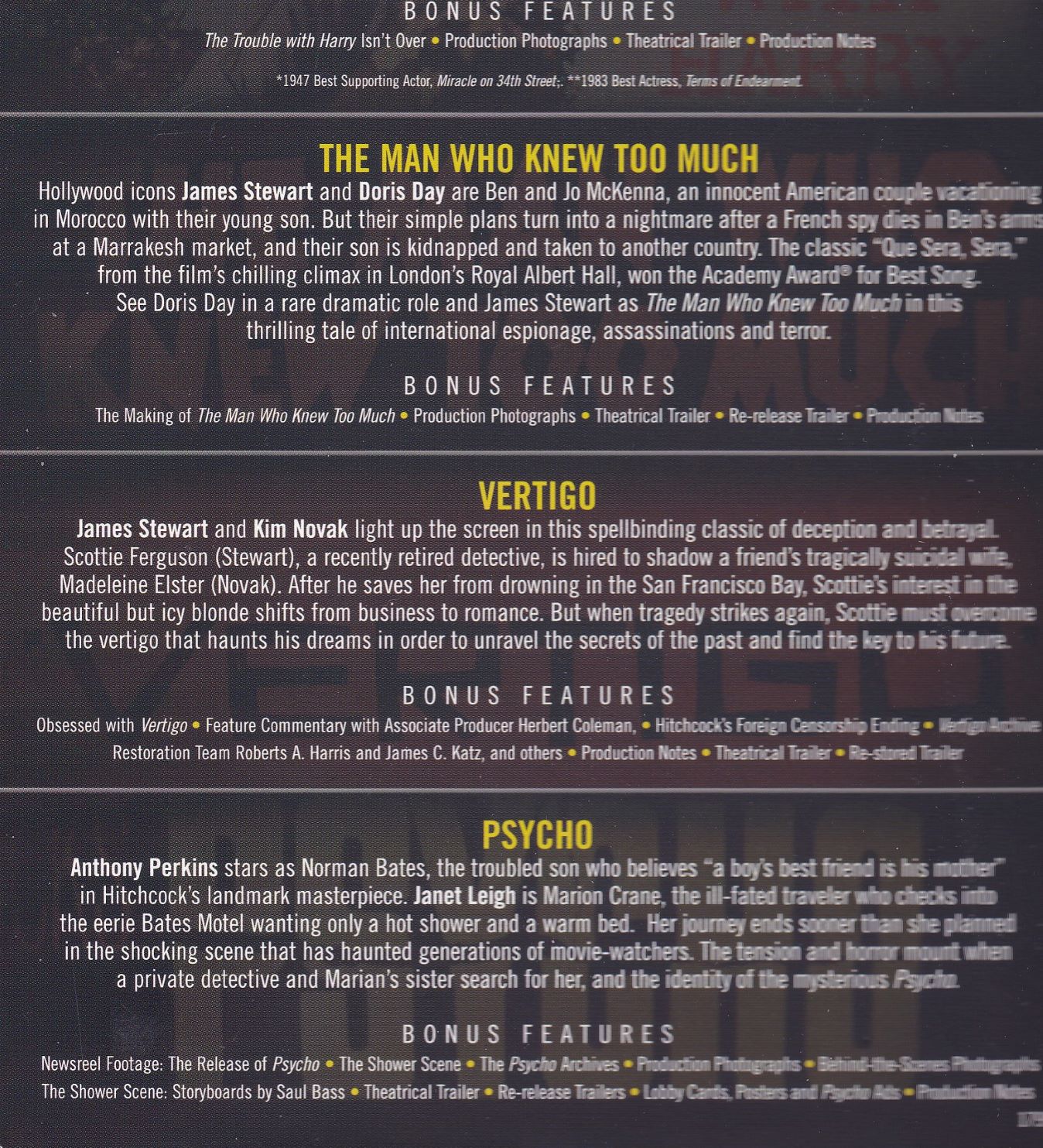
This is simply a must-have boxset with many of the core mature classics; many extras as shown below. I particularly appreciated the movies of Rear Window (1954)–featuring a courtyard set, Saboteur (1942), The Trouble with Harry (1955), Rope (1948)–based on Loeb-Leopold murders and shot in 10 min. continuous segments, The Man Who Knew Too Much (featuring “Whatever Will Be, Will Be” Oscar song winner), and Torn Curtain--all compelling and entertaining with Rear, Rope, Trouble, and Man being genuine classics.

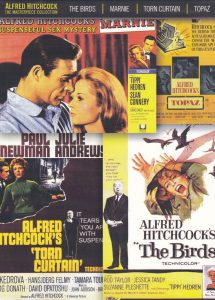
The AFI Salute to Alfred Hitchcock shows Hitch being lauded with film excerpts in a large Hollywood dinner setting featuring many stars.

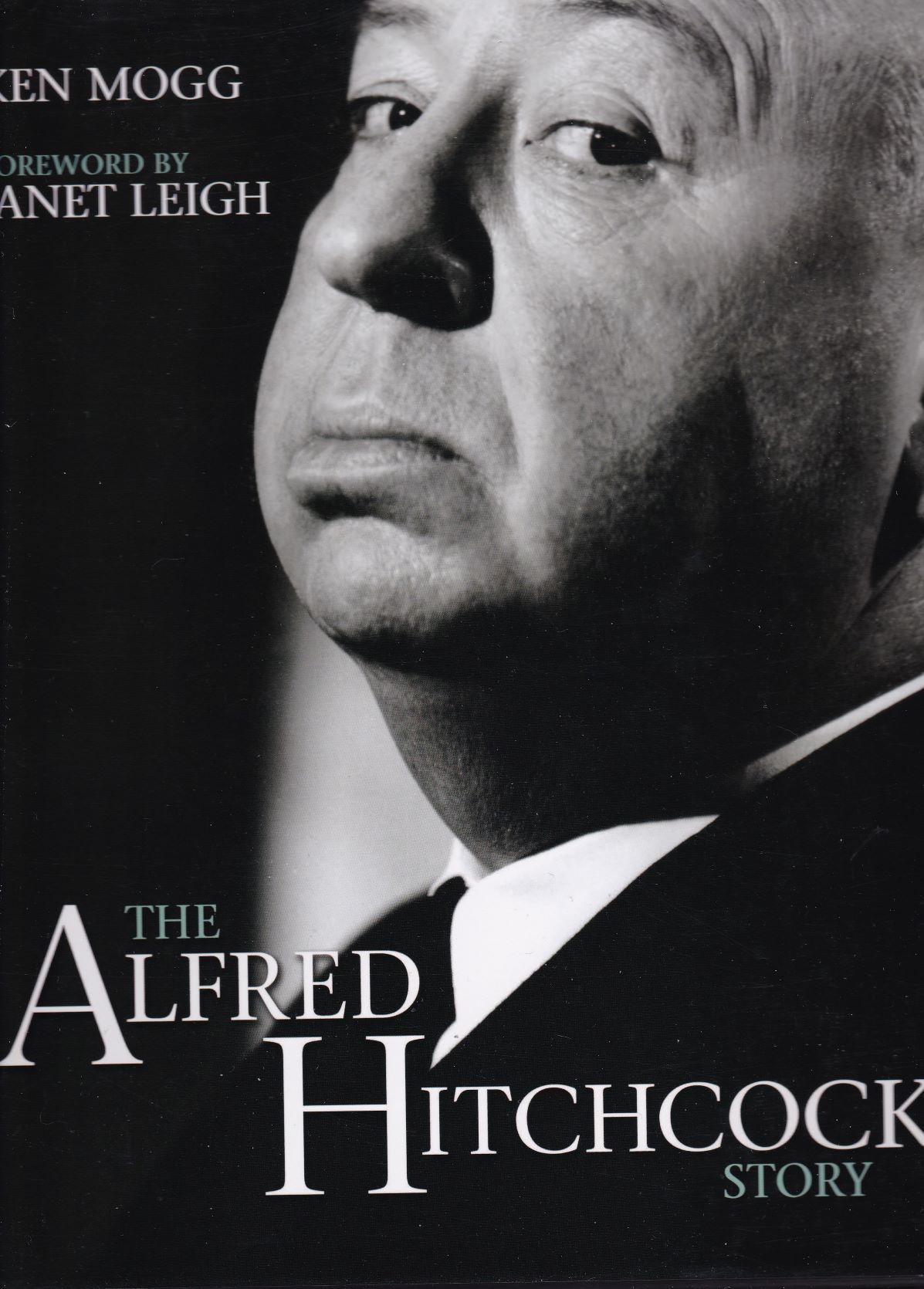
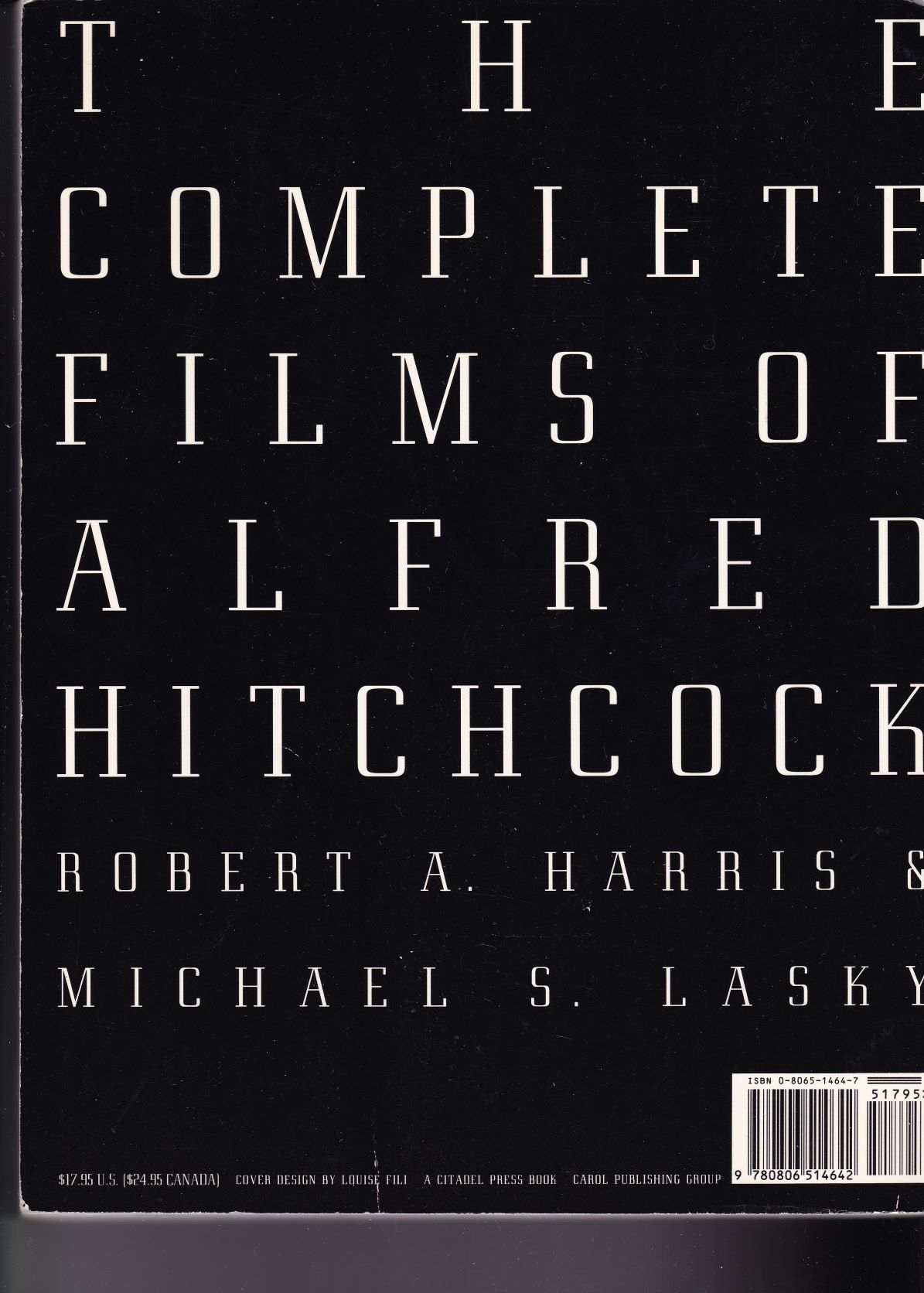
There are many books about the director. This is a good place to start with treatments on each of the main films.

This is a more recent, interesting overview of the films.

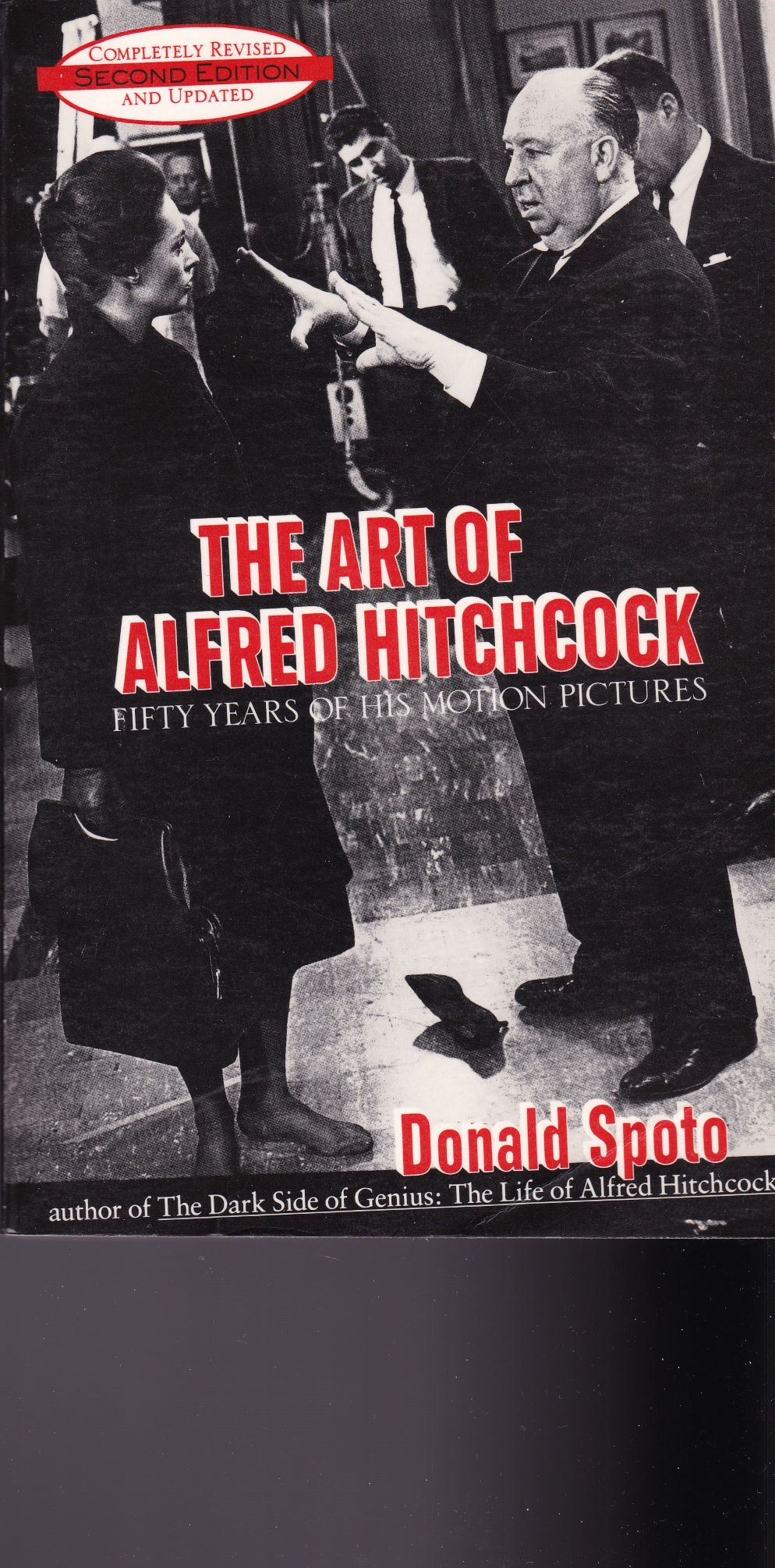
Spoto gives concise brief analyses of each film–the characters, conflicts, themes, motifs, and techniques.
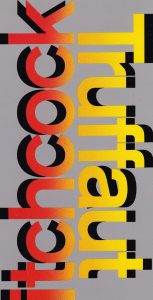
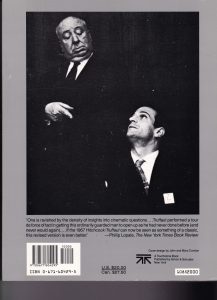
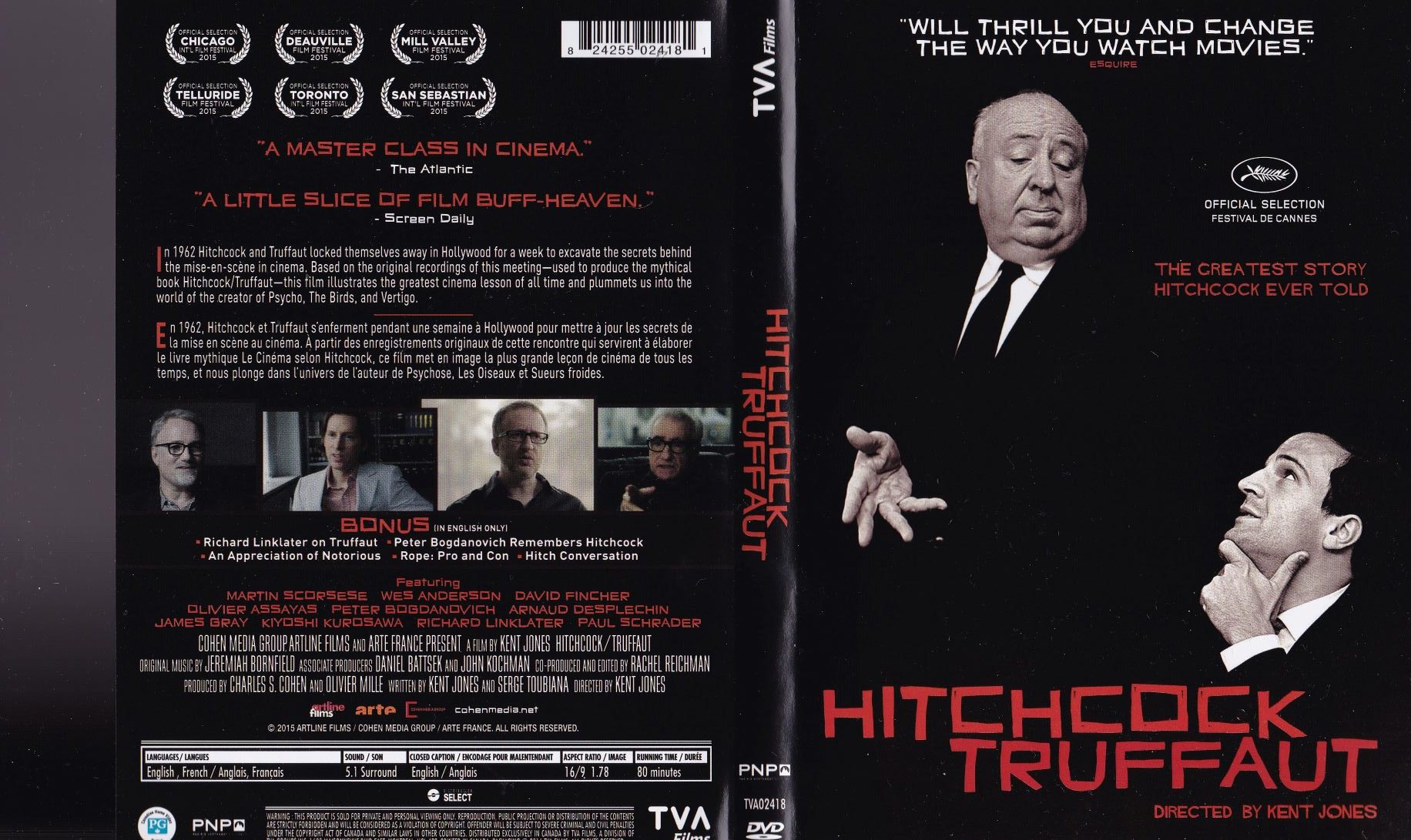
This was a classic series of interviews between Hitchcock and his big-fan French director Francois Truffaut.

Many years later, recently, this DVD was released with some interesting extras.
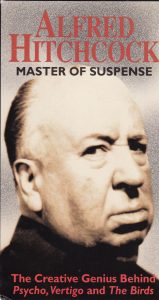
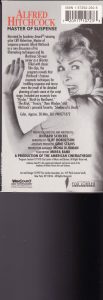
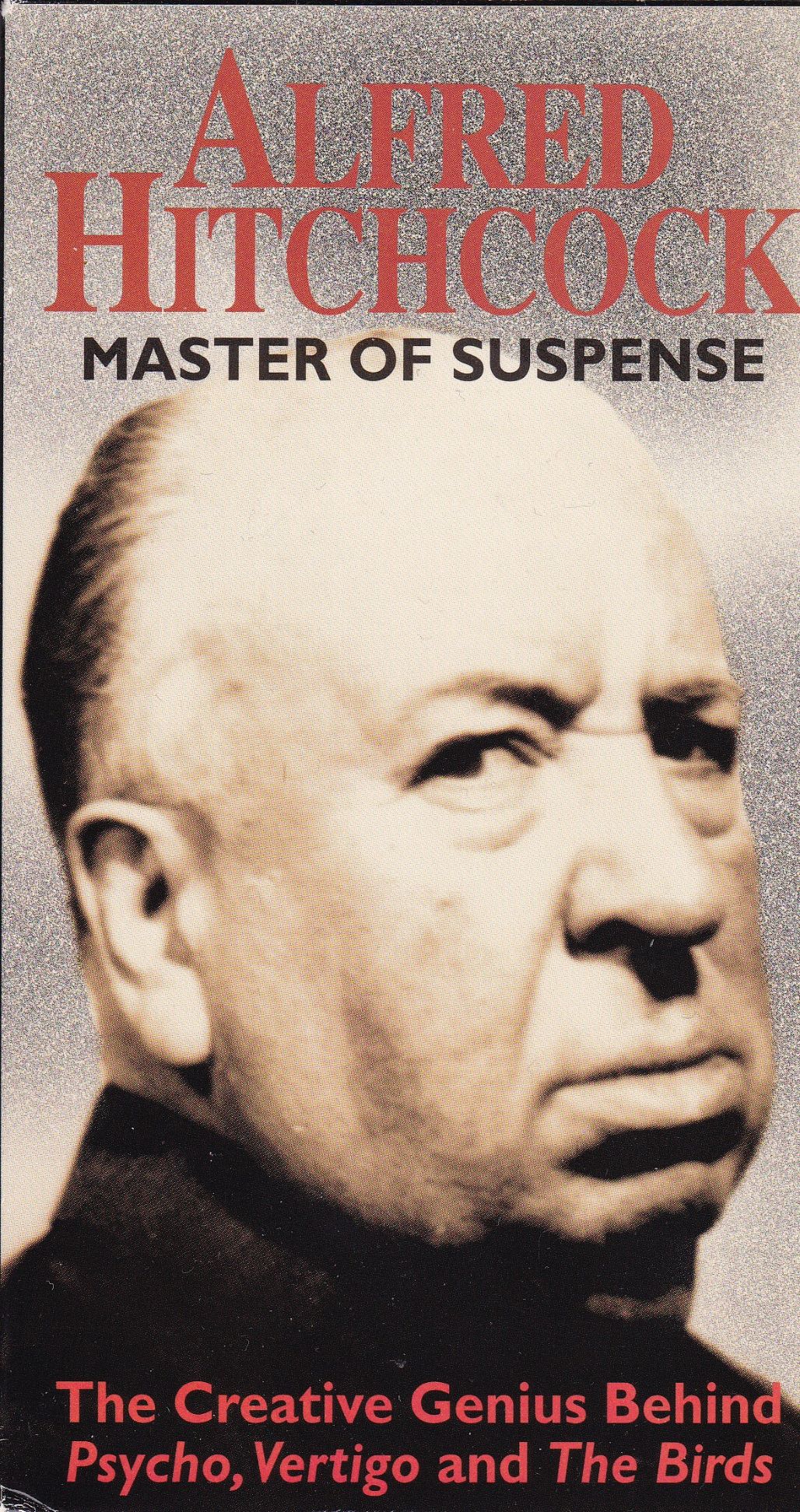
An oldie, VHS, hosted by actor Cliff Robertson reviewing Hitch’s career focusing on his dark side and pessimistic messages. Recommended.

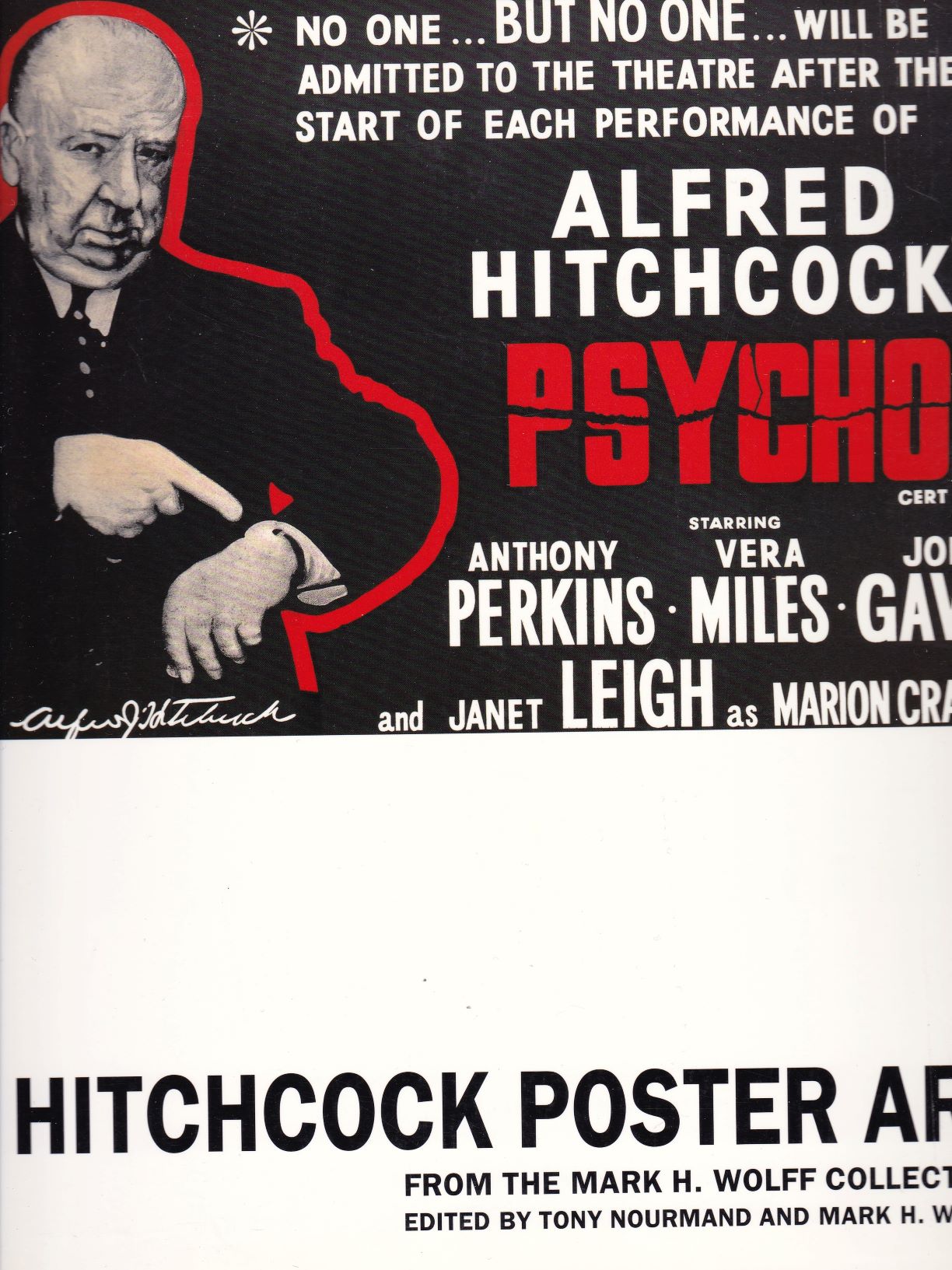
This comprehensive labor of love features colorful posters and lobby cards for each of the films.

………………………………………………………….

Sidebar: The World of Bernard Herrmann

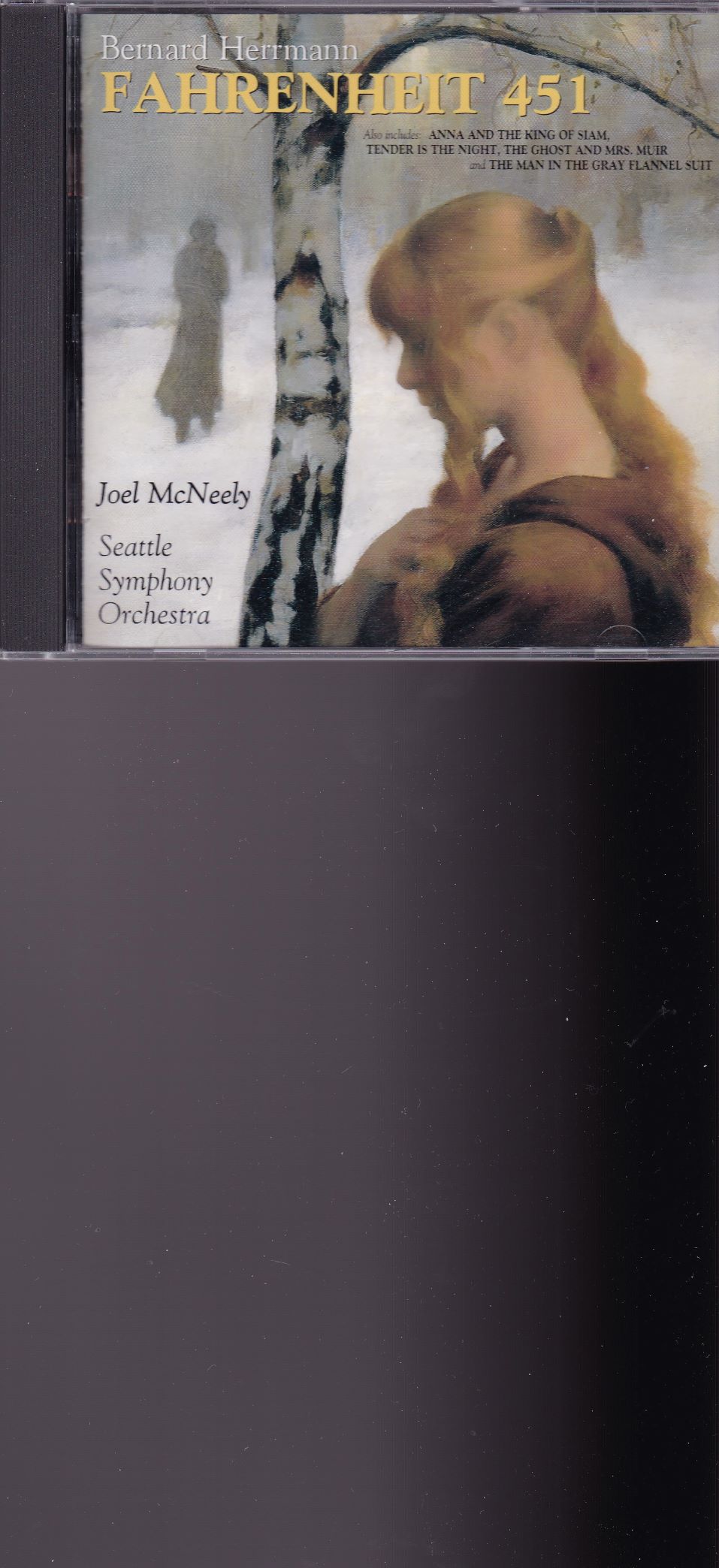
One of the most prolific, yet under-appreciated soundtrack composers of all-time. ‘Benny’ worked with Hitchcock for 9 pictures (The Trouble with Harry, The Man Who Knew Too Much–also conducted at Royal Albert Hall in the climax, The Wrong Man, Vertigo, North by Northwest, Psycho, The Birds–electronic music, Marnie, Torn Curtain–unused score),  Orson Welles for 2 pictures (Citizen Kanehis first film, 1941, The Magnificent Ambersons), Brian De Palma for 2 pictures (Sisters and Obsession), Francois Truffaut for 2 pictures (Fahrenheit 451 and The Bride Wore Black), as well as Martin Scorcese (Taxi Driver–jazz score, his last film, 1976), Joseph L. Mankiewicz, and Robert Wise (electronic music for The Day the World Stood Still).

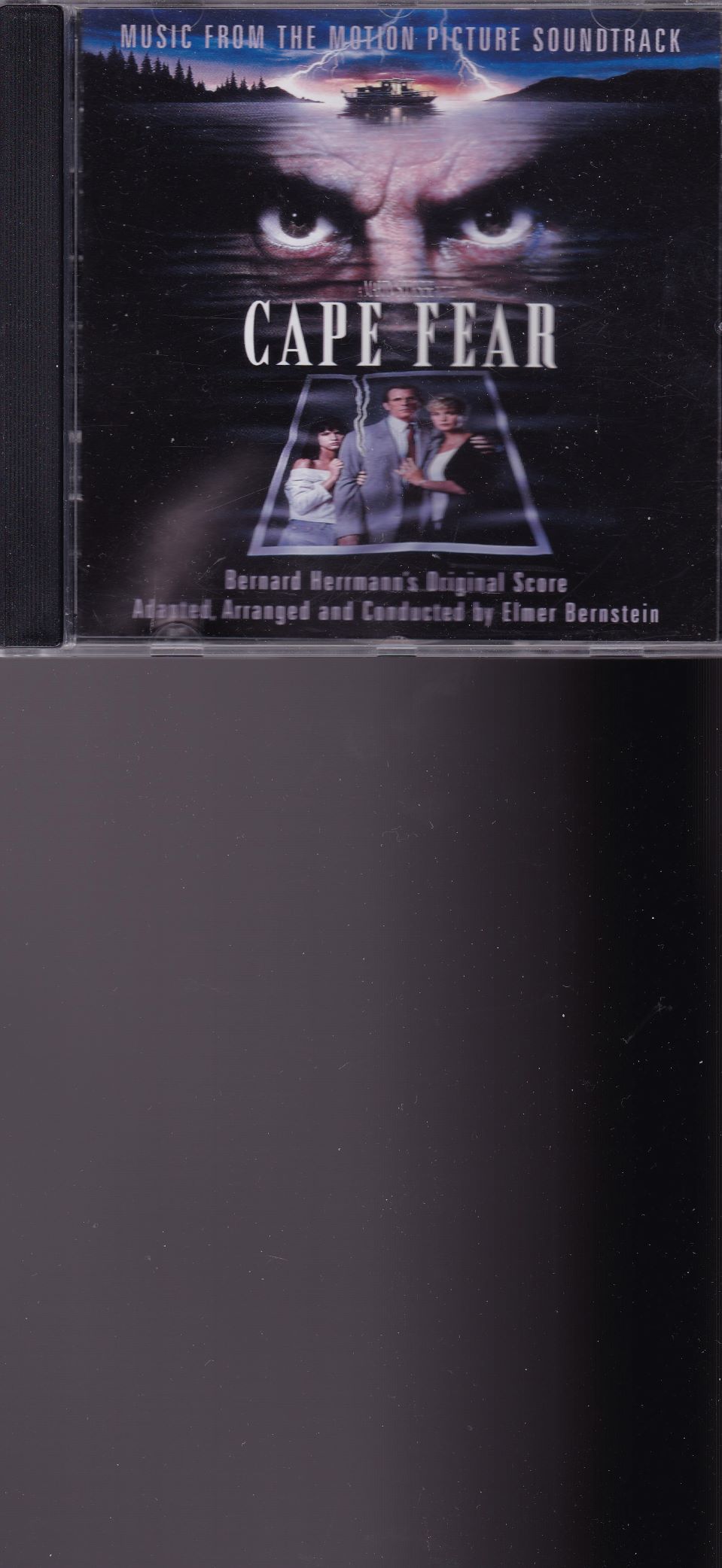
He also did memorable, distinct, striking music for *The Devil and Daniel Webster (1941), Jane Eyre (1943), The Ghost and Mrs. Muir (1947), The Snows of Kilimanjaro (1952), *Garden of Evil (1954), *Journey to the Centre of the Earth (1959), Tender Is the Night (1962), and *Cape Fear (1962).

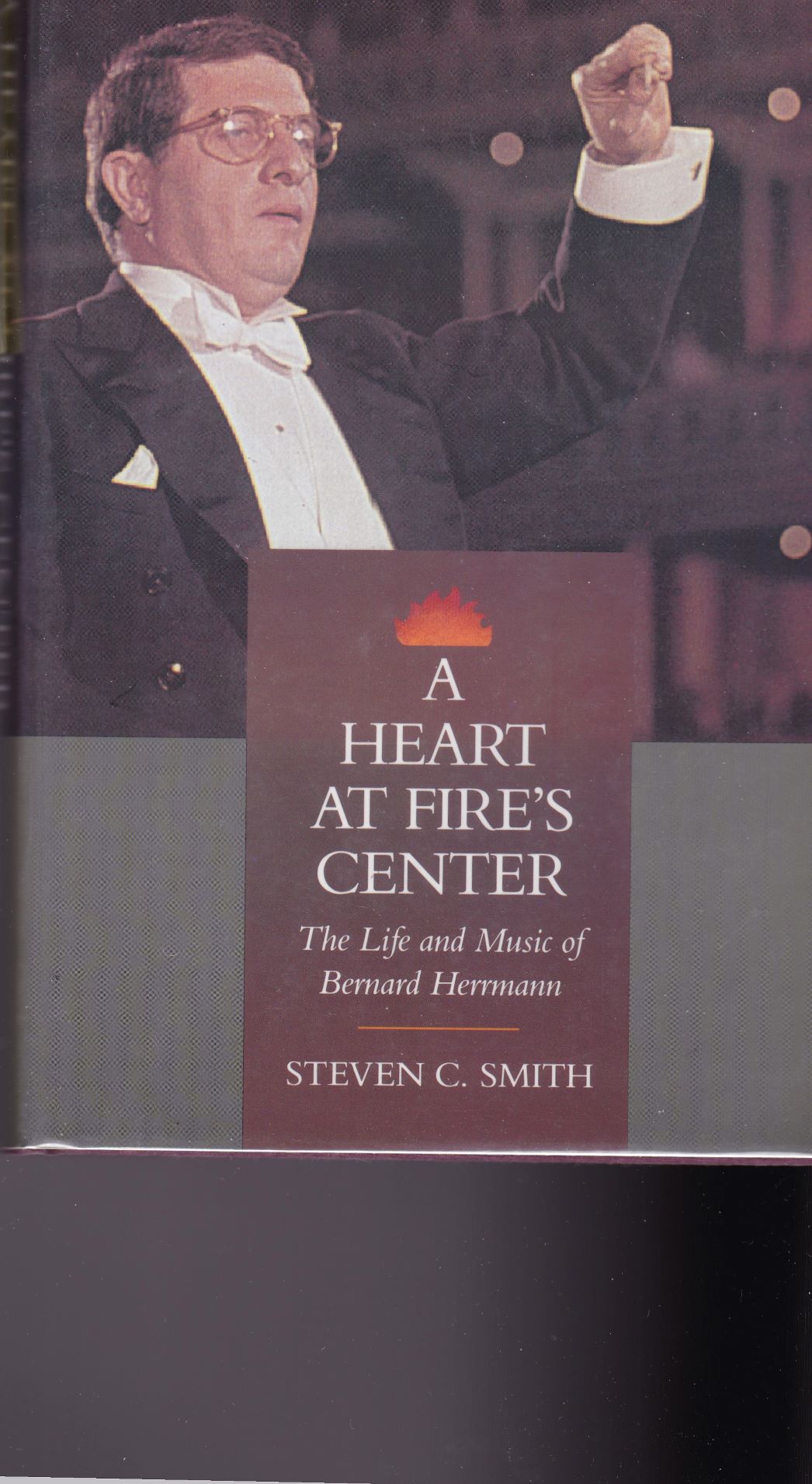
The bio.
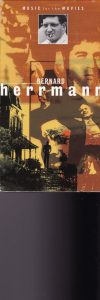
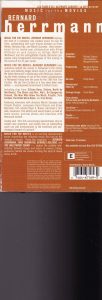
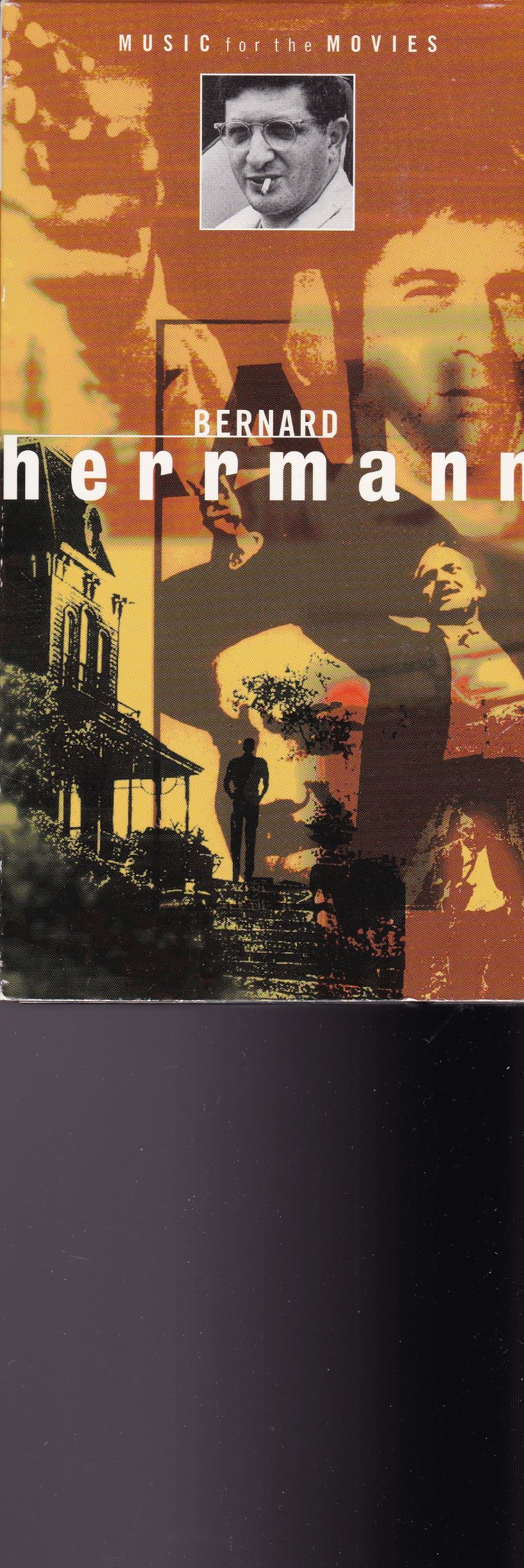
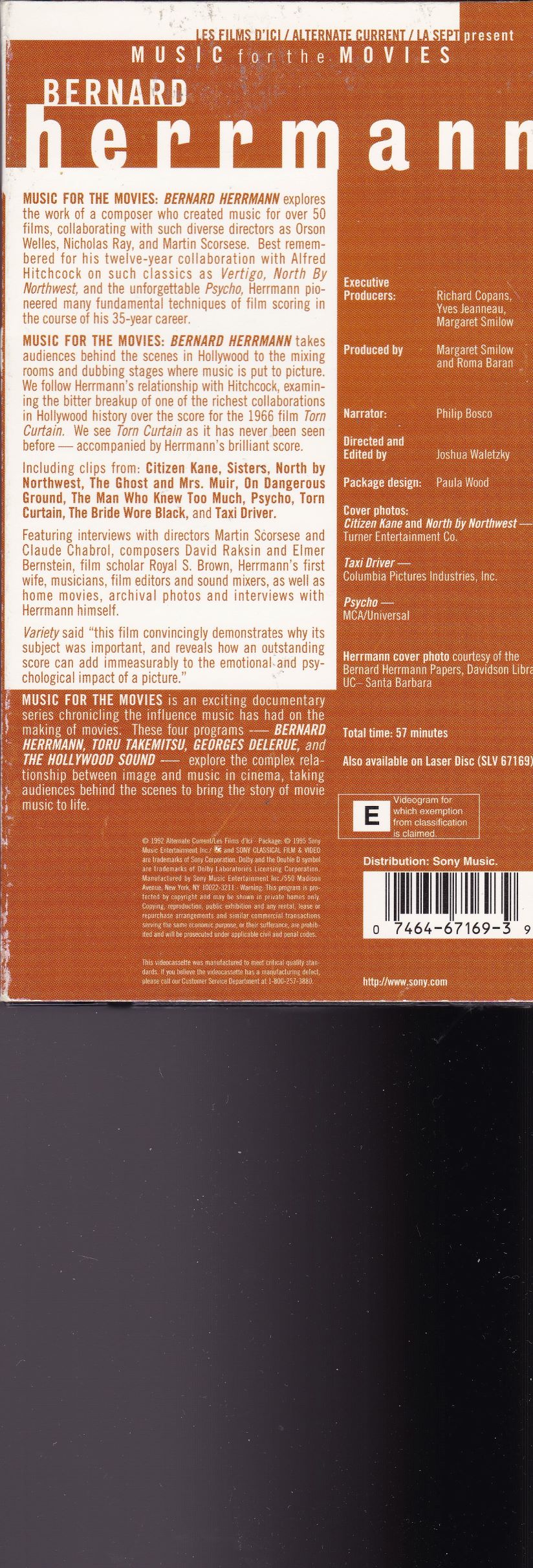
A fascinating VHS/DVD with many scenes shown with Herrmann’s music.

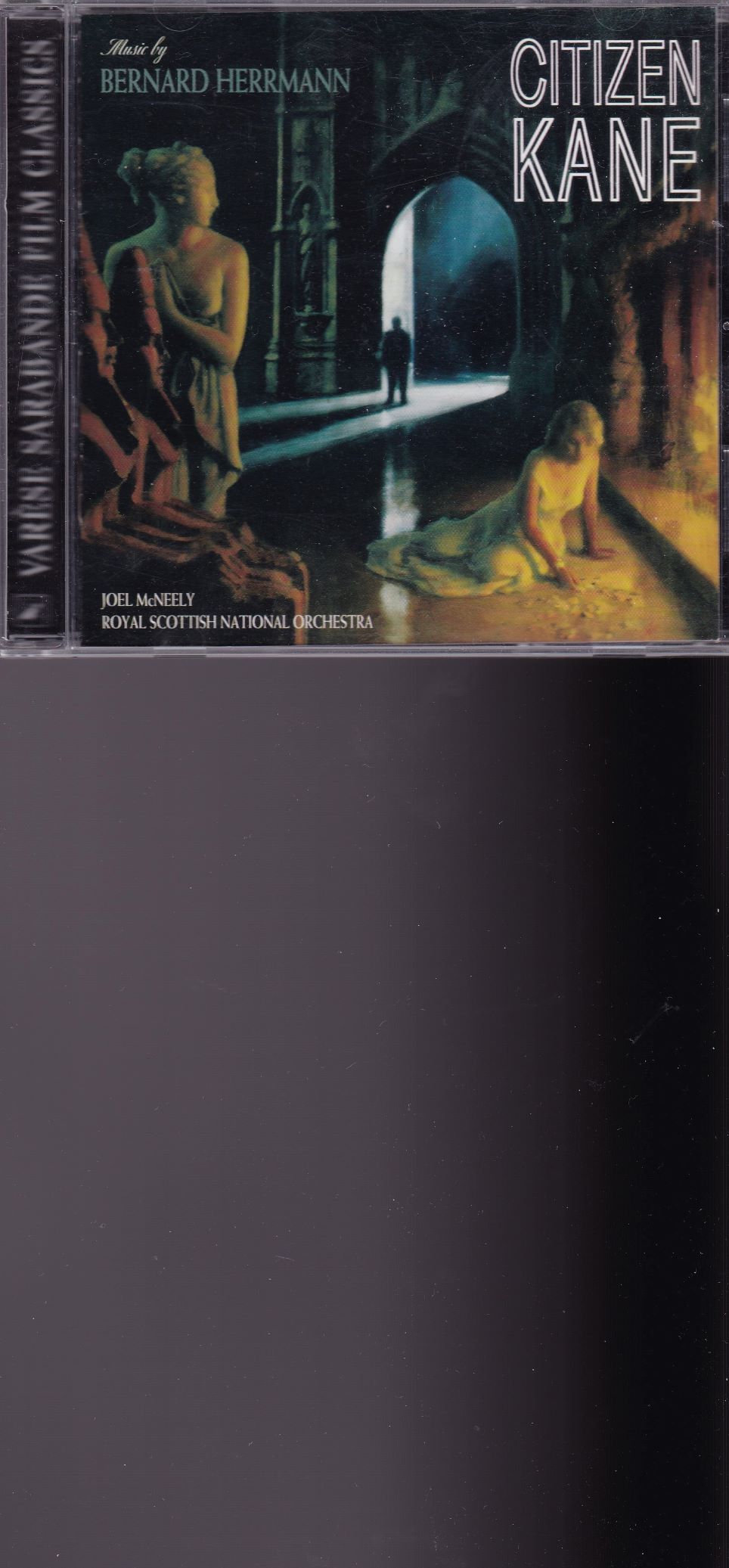
It all began with working on Orson Welles’ 1941 classic, one of the greatest films of all-time, which wouldn’t have been the same without Herrmann’s carefully chosen pieces.

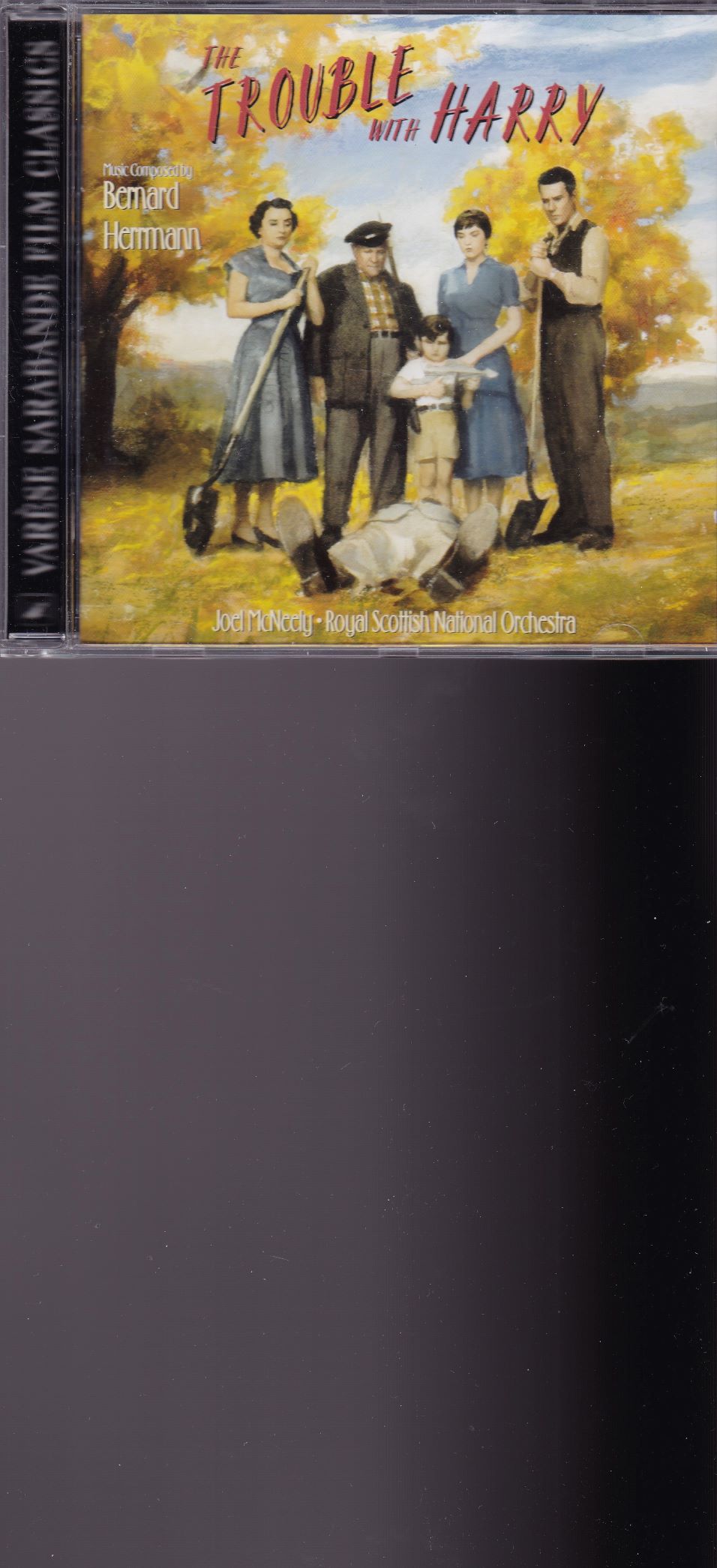
His first film (1955) with Hitch features a lighter, humorous, playful soundtrack.

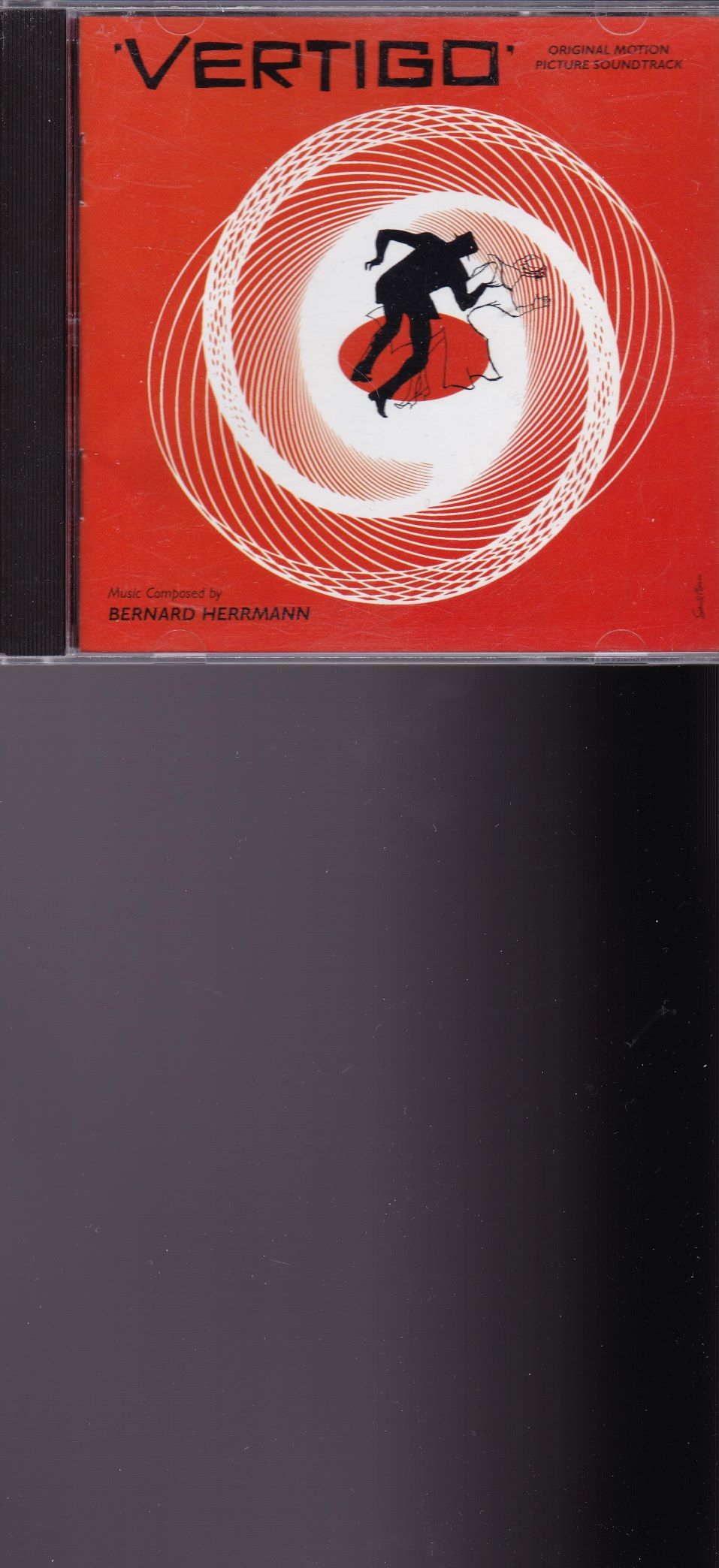
1957: One of Herrmann’s best along with the next three. It is simply impossible to imagine these three movies without the brilliant music of Herrmann.

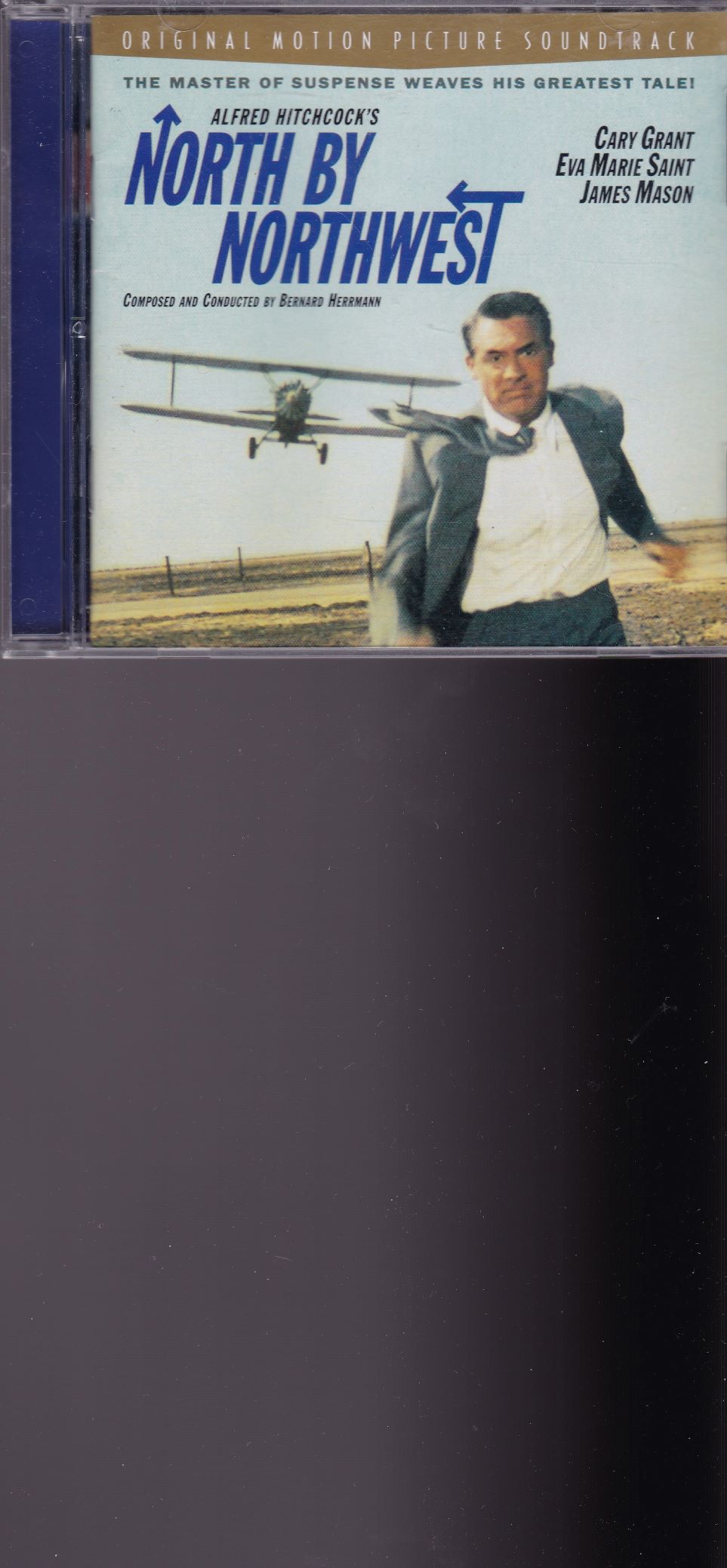
1959: Quite a variety of music and styles with the great opening fandango music.

1960: String music has never been the same since Psycho. The shower scene is weak and much less scary without Herrmann’s music. A masterpiece of film scoring.

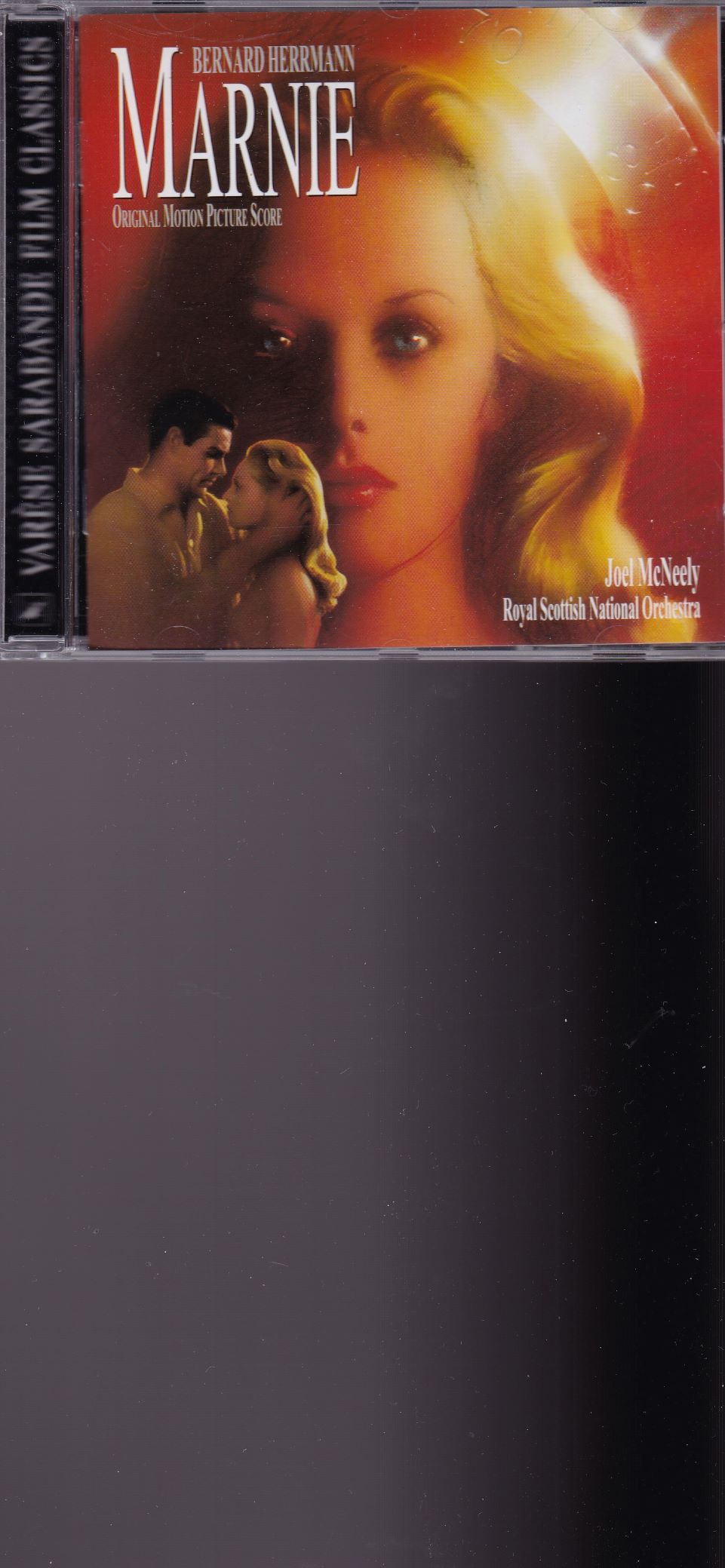
1964: Again it’s very difficult to disentangle Herrmann’s contributions from Hitch’s most memorable movies.

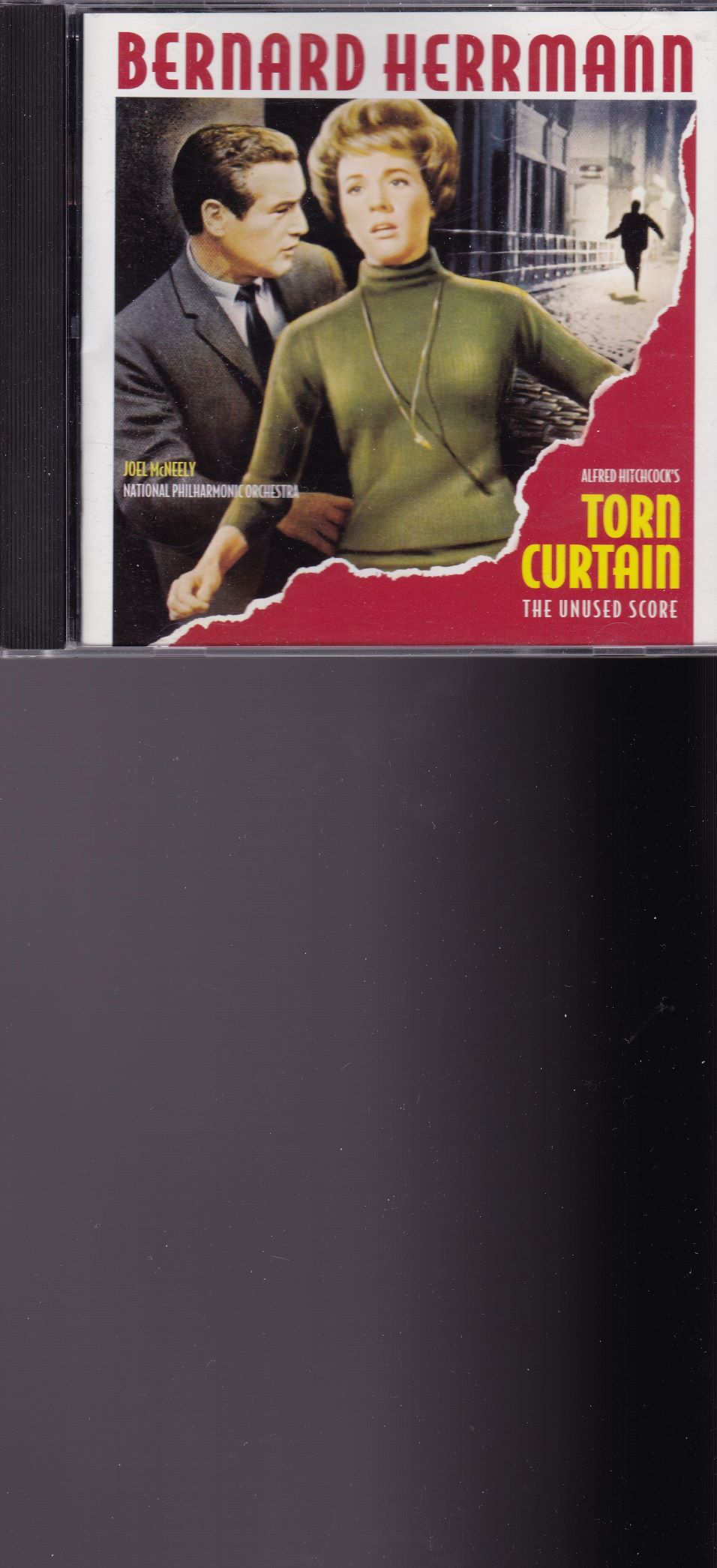
The last unused score for Hitch which the director was pressured to change by the studio for a more modern pop-y sound. Fortunately, we have this CD which proves Hitch was out to lunch by using no music in the gruesome gas-oven murder scene; Herrmann’s music would have made this scene 10 times more dramatic, moving, and effective. The two parted company after this incident.

Herrmann landed with Truffaut next the same year, 1966. This soundtrack made Fahrenheit more futuristic, dreamy, and ultimately deeply romantic.

Originally scored in 1962, you can hear this spooky, eerie soundtrack thanks to a remake of the movie by Scorcese with Elmer Bernstein conducting.

Posted in Uncategorized | Leave a comment

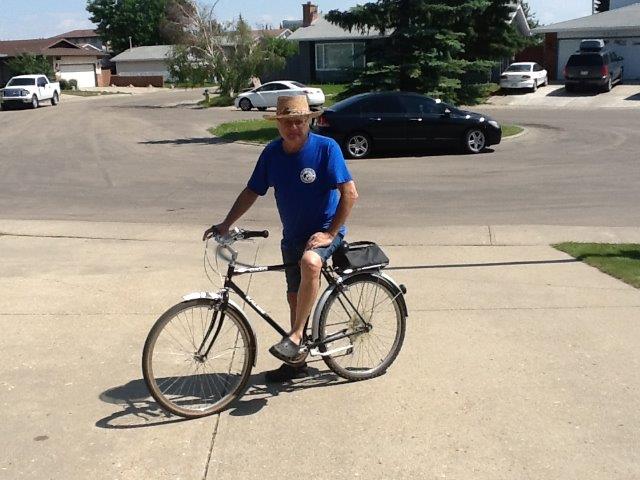
Still Cycling at 70, No Change

Each day: spring, summer, fall remains the goal.

Posted in Uncategorized | Leave a comment

An Orphan’s Musings

(previously posted on January 19, 2013)

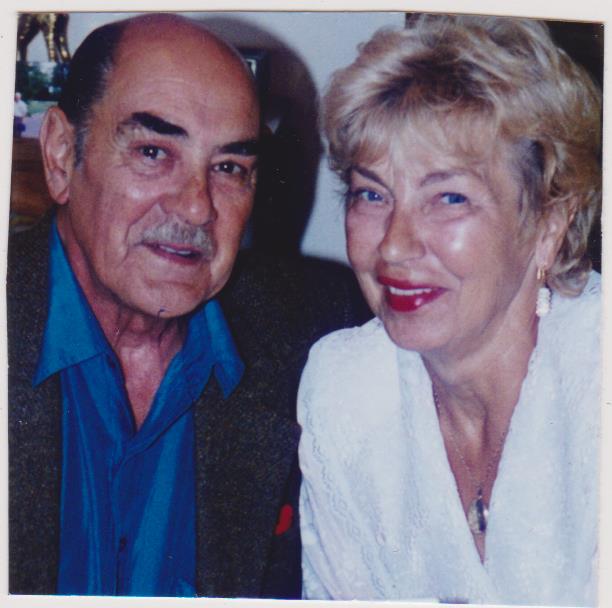
(from about 1998, before my Dad passed)

“The meaning of life is whatever you ascribe it to be.” “Our job is to straighten out our own lives.” “When everything is lost and all seems darkness, then comes the new life and all that is needed.”–Joseph Campbell

April 2007: After my mother died then, I experienced the reflectiveness of orphanhood and jotted down some bearings which I re-record and share here.

What about “Me”? (in no particular order)

-How much longer will I live? How and when will I die?
-How long and how much do I want to continue to work? At what point, is work interfering with more important things?
-What things need doing? should be done while there is time and personal energy?
-Travel–where and while able
-What are the `missing pieces`, the unfulfilled dreams?

……………………………………………..

What Are People Most Afraid Of? (in no particular order)

-cancer, serious painful illness
-death
-lack of money to survive
-losing their worlds
-aloneness, loneliness, isolation
-not being or never having been loved
………………………………………..

What Is the Crap of the World?

-greed
-gossip
-toxic people: lies, dishonesty with self and others, personal and social hypocrisy
-lack of common sense, stupidity, and personally choosing these two
-pursuit of sex and money to the exclusion of all else
-games/manipulation and control of others: treating others like shit
-selling of everything, advertising everywhere, exploitation of others for profit
-material acquisition per se, `show`
-betrayal (how often is there no way way back or forward after betrayal?)
-thinking one is better and superior to all others (EGO)–feeling privileged, entitled
-inability to listen to others–total selfishness; I am IT: there is no one else
-overindulgence and intemperance–junk food, smoking, drinking, drugs, lack of exercise
-bureaucracy, red tape
-politics and politics over everything else

What Is Good?

-family, friends: their loyalty, support, protection, nurturing
-people who actually listen and help others
-good luck and good timing (never discount these)
-nature, natural beauty–birds, animals, pets, landscapes
-excellence in choices and one`s skills or talents
-those things that work, that one can usually or always rely on
-useful, helpful fulfilling work and its distractions–how it satisfies self
-having someone or something one is really looking forward to
-love, its distracting involvements, and healing powers
-good food, clean air, enough good sleep, health, enough exercise and exercise variety
-larger spiritual matters–deep inner nourishment of the soul
-culture and civilization via literature, music, the arts
-the ability to distract and entertain someone else

Posted in Uncategorized | Leave a comment

All Entries

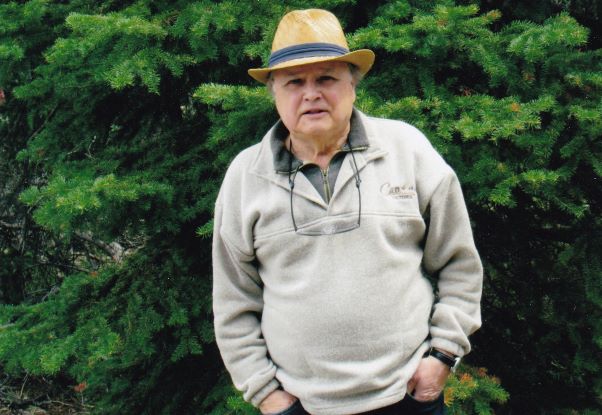
on this informational,  non-commercial blog are copyright 2020 by Richard Davies (above). No portion of my personal writing and photos may be re-transmitted without permission of the author.

Posted in Uncategorized | Leave a comment

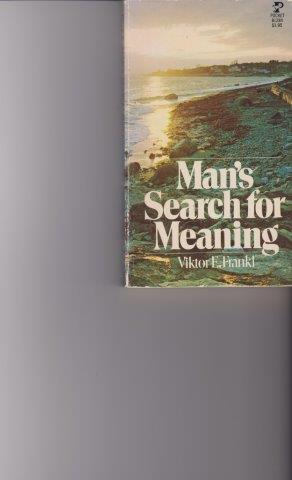
Viktor Frankl:

“We can discover meaning in life in three different ways: 1) by doing a deed; 2) by experiencing a value; and 3) by suffering….The second way is by experiencing something, such as a work of nature or culture; and also by experiencing someone, i.e., by love.”

“Suffering ceases to be suffering in some way at the moment it finds meaning, such as the meaning of a sacrifice.”

Posted in Uncategorized | Leave a comment

Living Each Day to the Fullest:

No change.

I usually have several things on or that get done each day. Each day has whatever purpose we ascribe to it. We decide. we choose. No one else. We are all responsible for our own lives regardless of circumstance or context. Each day we rise with plans for moving ahead, moving forward, moving upward.

There are many people who just drift, who are disorganized, who do not make the most of each day, acting like they will live forever and that the world will be here tomorrow. About them, I feel the seconds and minutes tick by pointlessly, the hours and days slipping by to no great end or larger meaning. How do they make and define their lives? For who or what would they be willing to sacrifice or die for?
Posted in Uncategorized | Leave a comment

Time to

lock Trump up.
………………………………..
Melania needs to get a new charity since her husband is the biggest American bully in history.

Posted in Uncategorized | Leave a comment

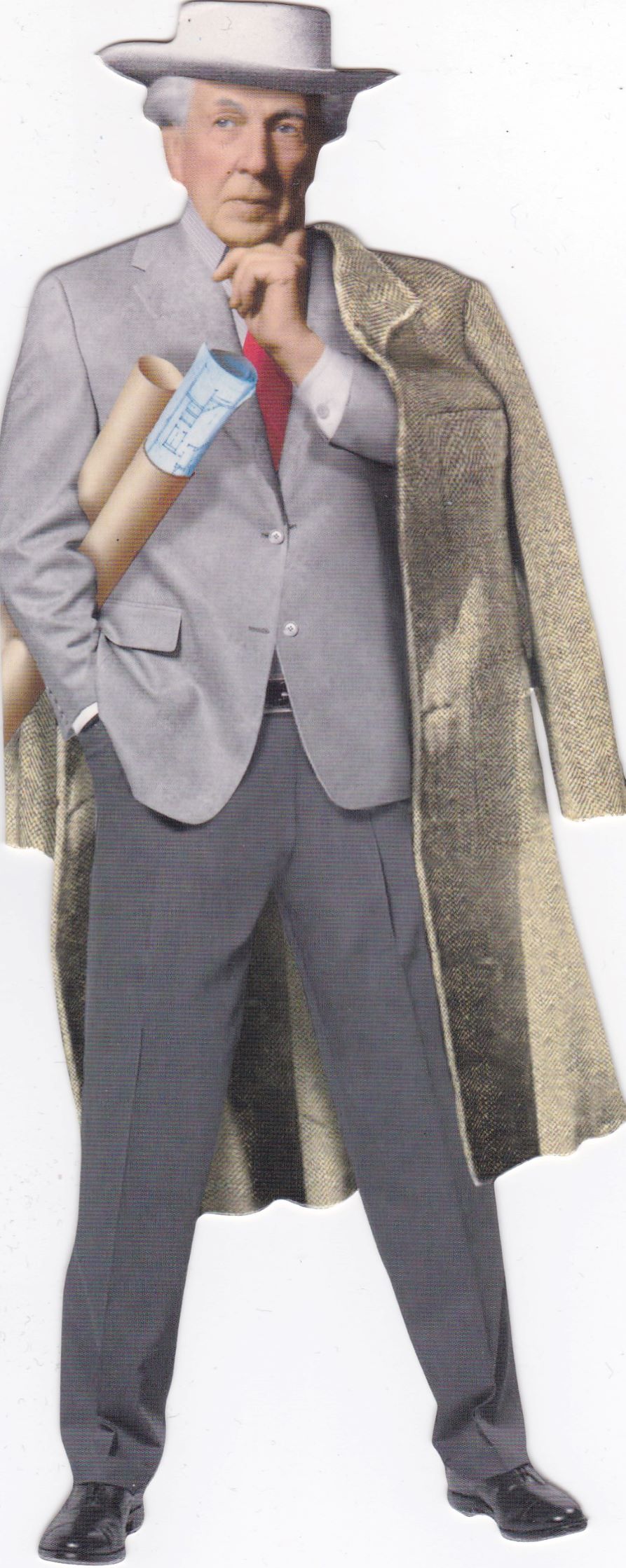
The Wright Stuff:

The Life and Architecture of Frank Lloyd Wright,
America’s great 20th Century Architect (1867-1959).

I first heard his name mentioned in a 1970 Simon and Garfunkle song, “So Long, Frank Lloyd Wright”, but it wasn’t until the 21st century that I read about his life and many celebrated works.

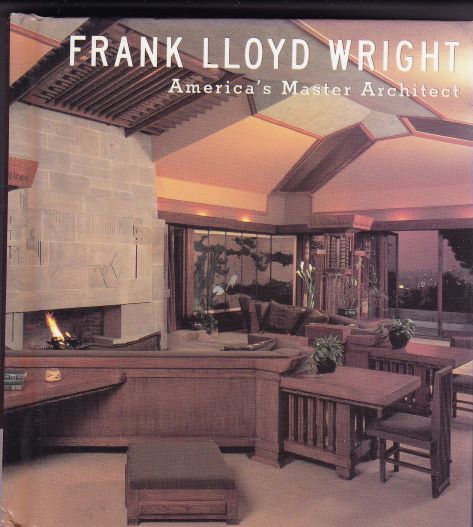
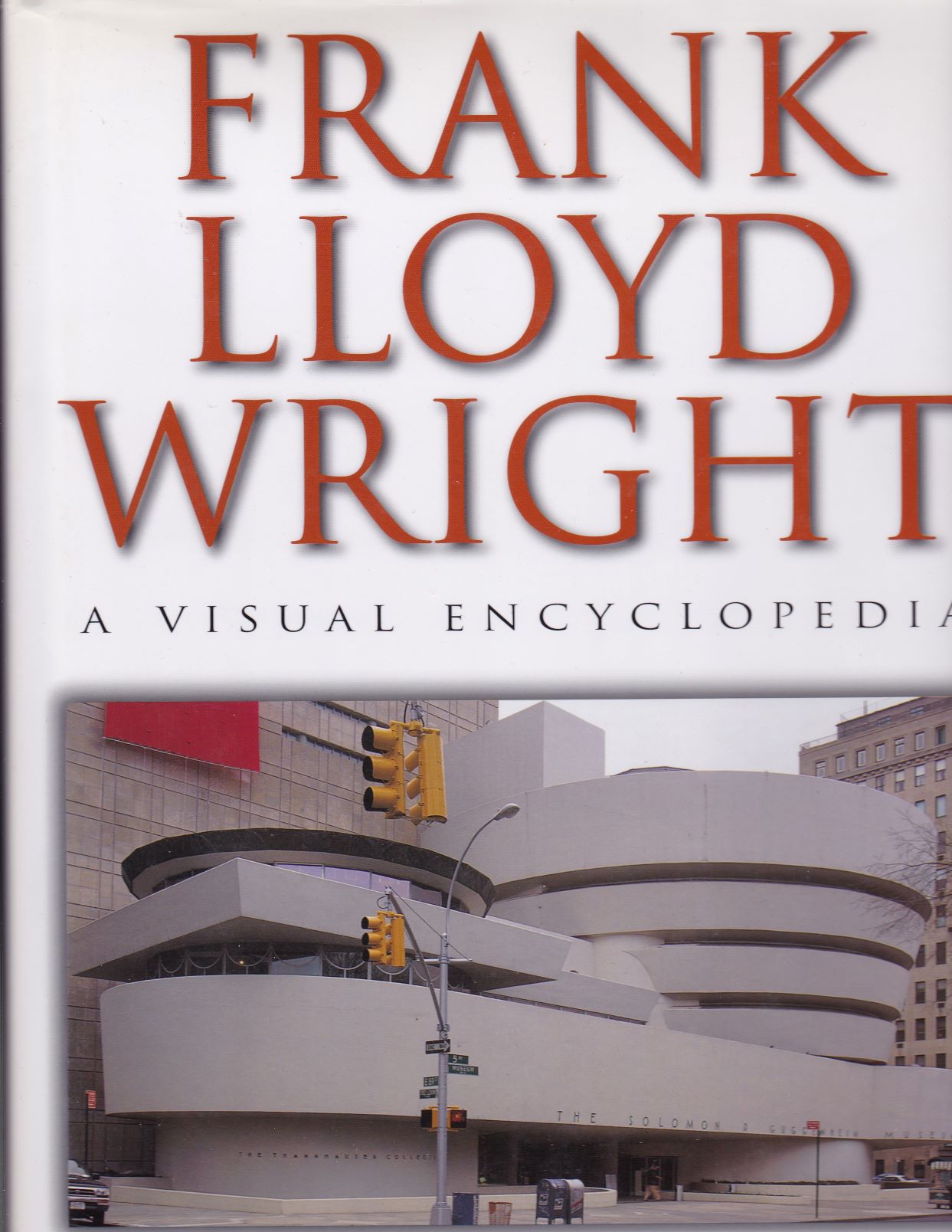
There are many overview books of Wright’s work; this is a nice hand-sized one by Abbe Mille Press

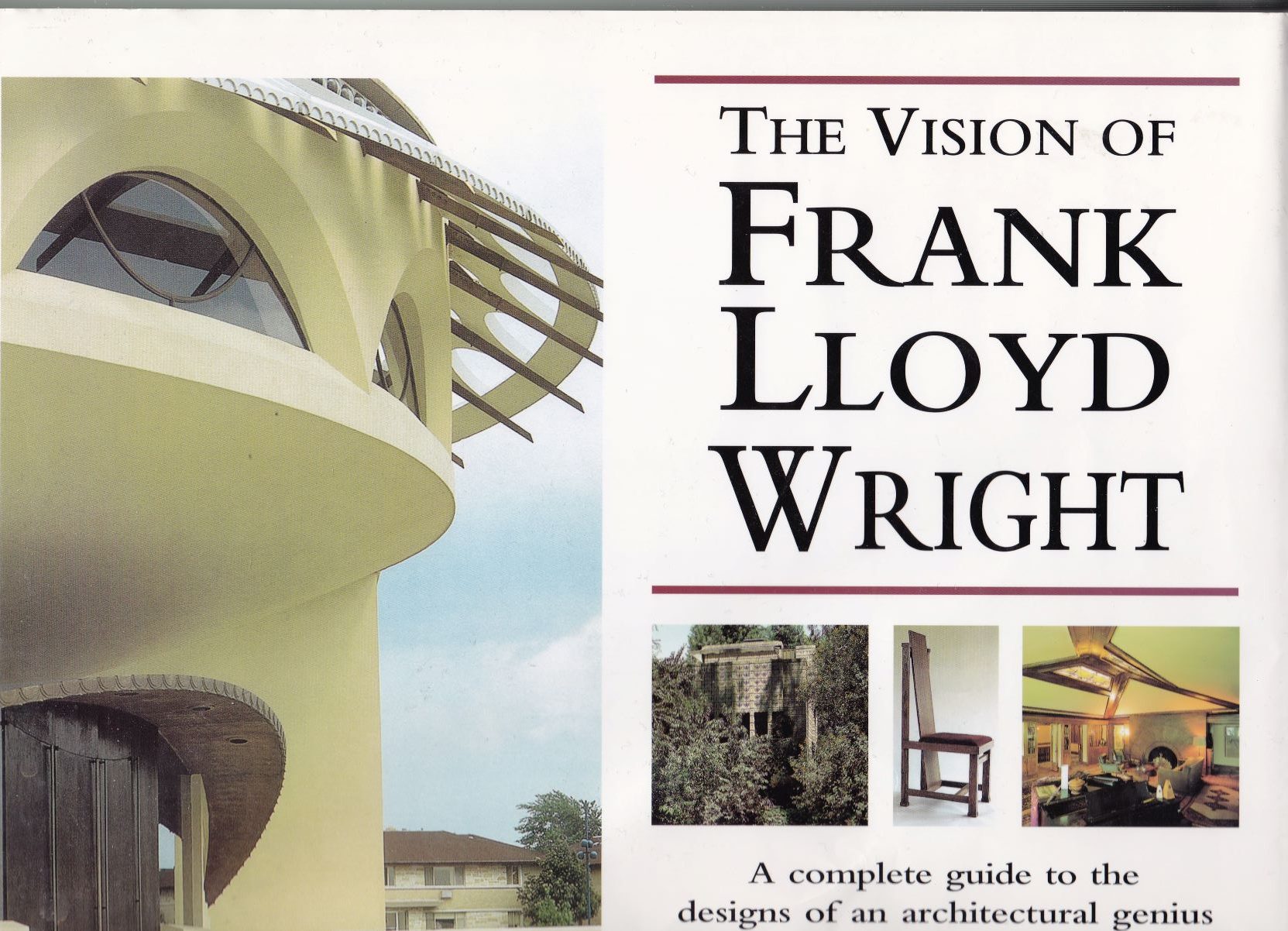
But sooner or later, you may want to purchase a coffee-table book such as this one and the one that follows with complete info on all his works.

With Wright, it is essential to remember that he did everything in the houses, too–furniture, decorations, dinnerware, etc.

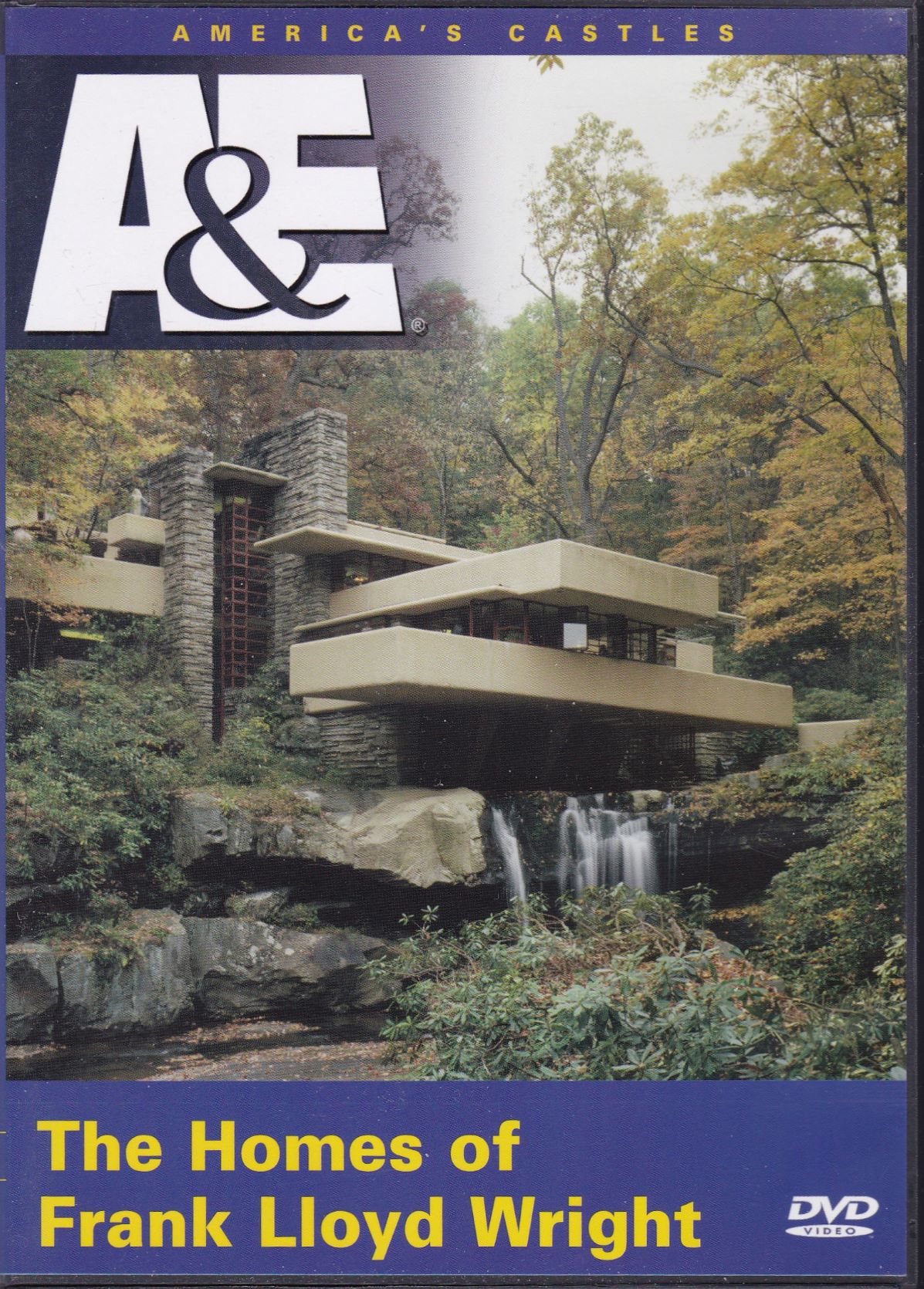
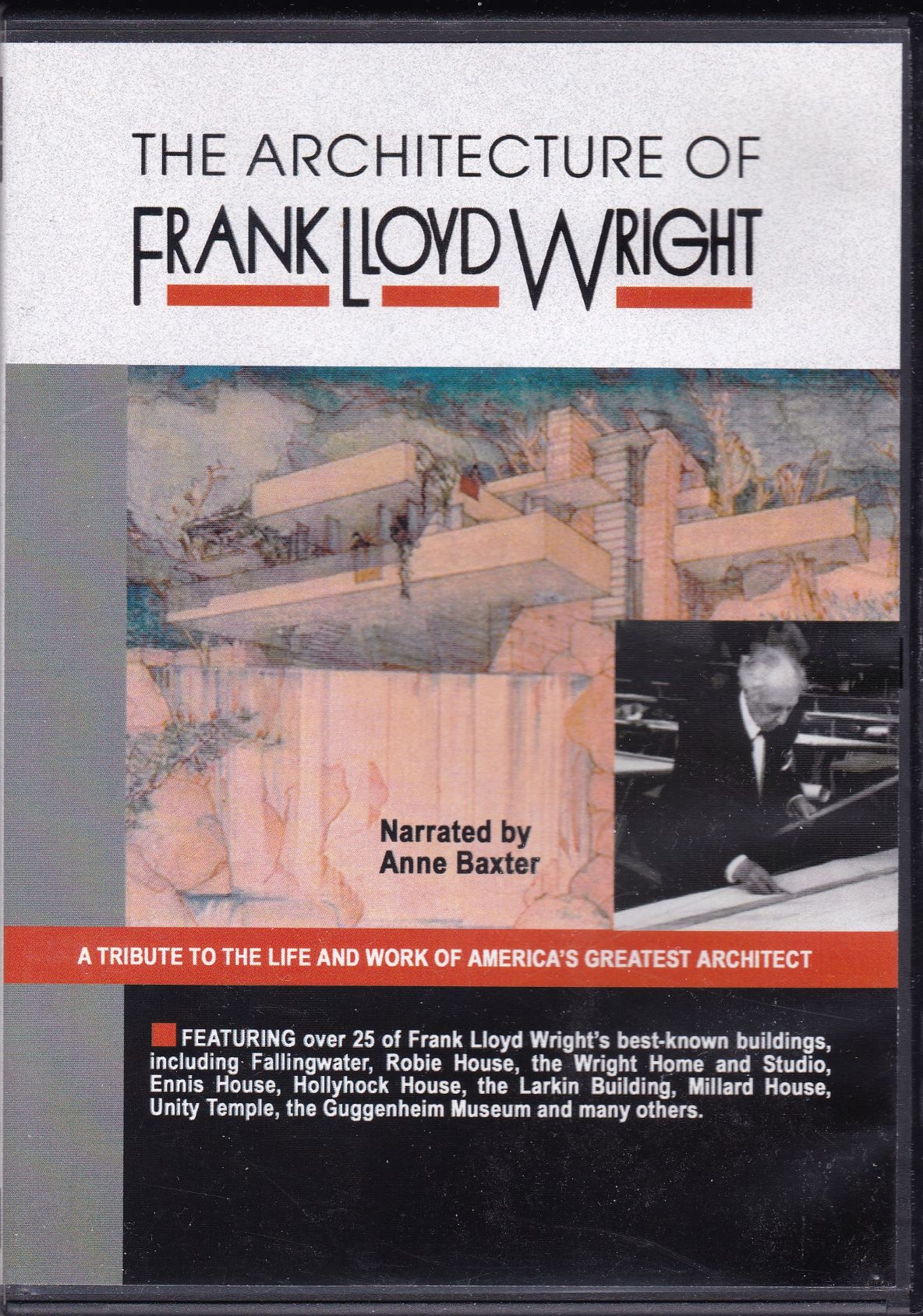
This is the perfect intro to his life and work.

His grand-daughter, the actress Anne Baxter, narrates this personal documentary with much empathy and insightfulness.

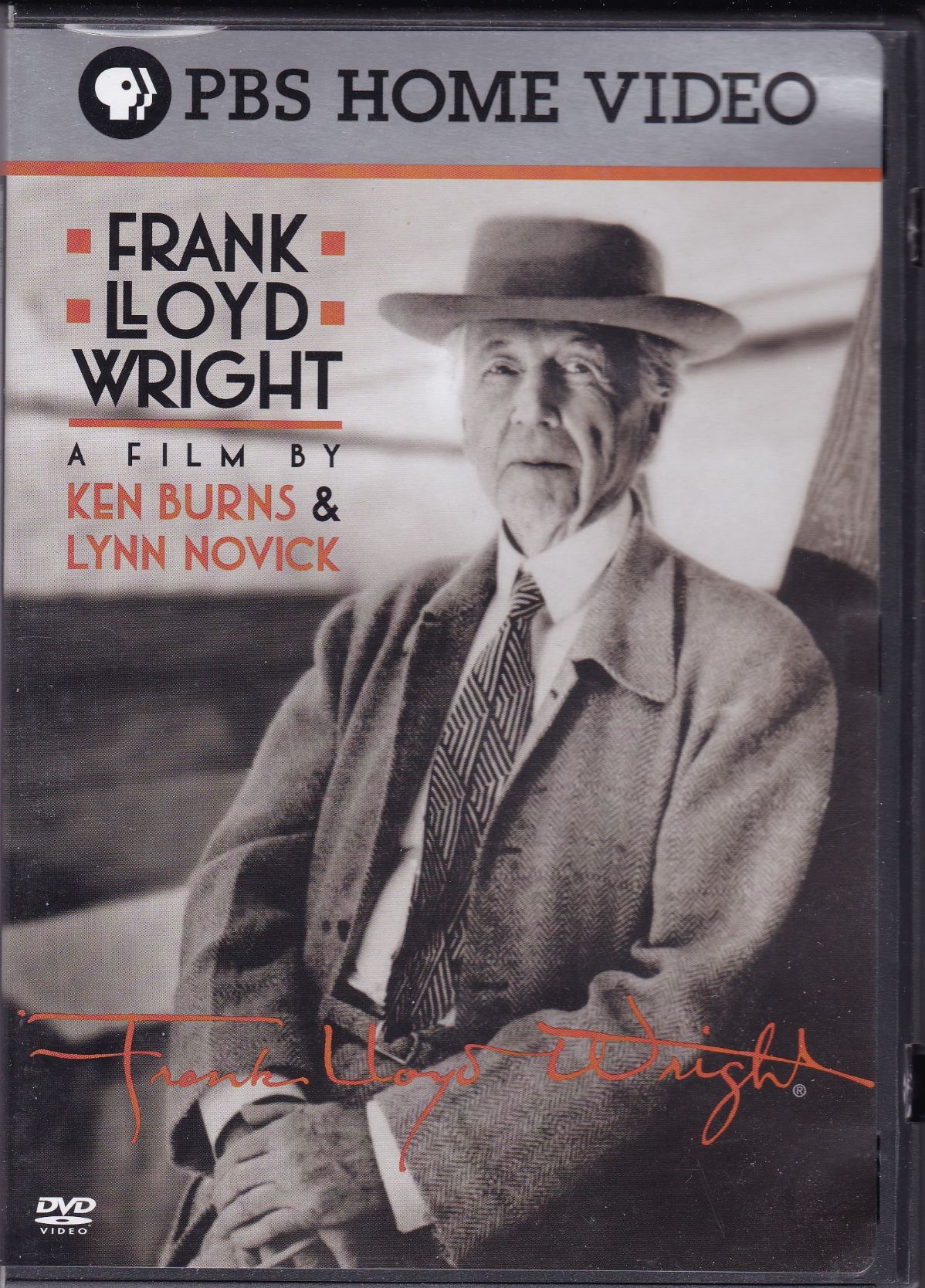
The legendary Ken Burns also made a nice lengthy documentary about him.

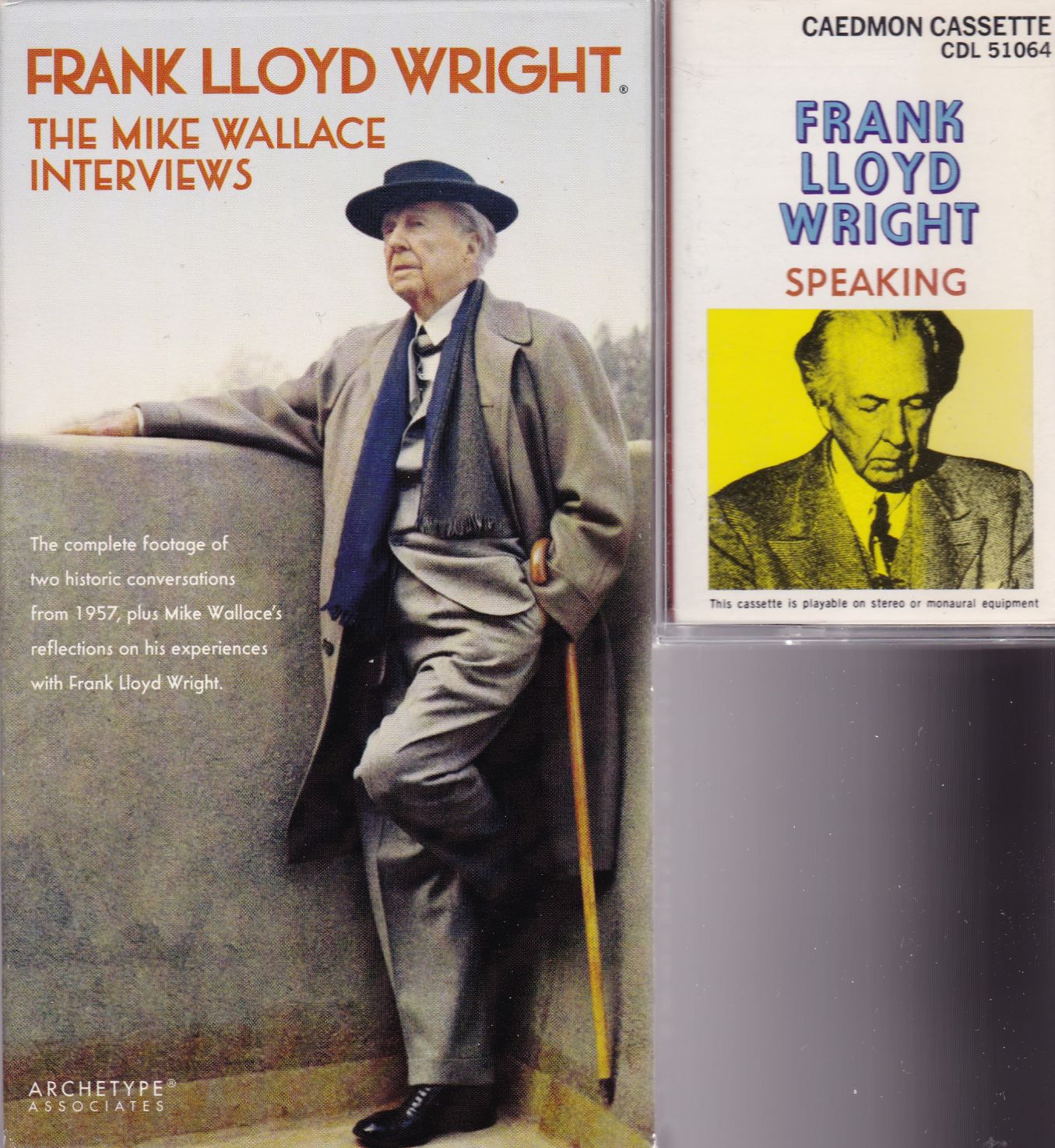
left: The ascorbic tv journalist Mike Wallace interviewed Wright in this rare VHS.

right: Wright was recorded on record/later transferred to cassette being interviewed, answering questions, and talking freely. A very interesting, revealing document of his values and beliefs.

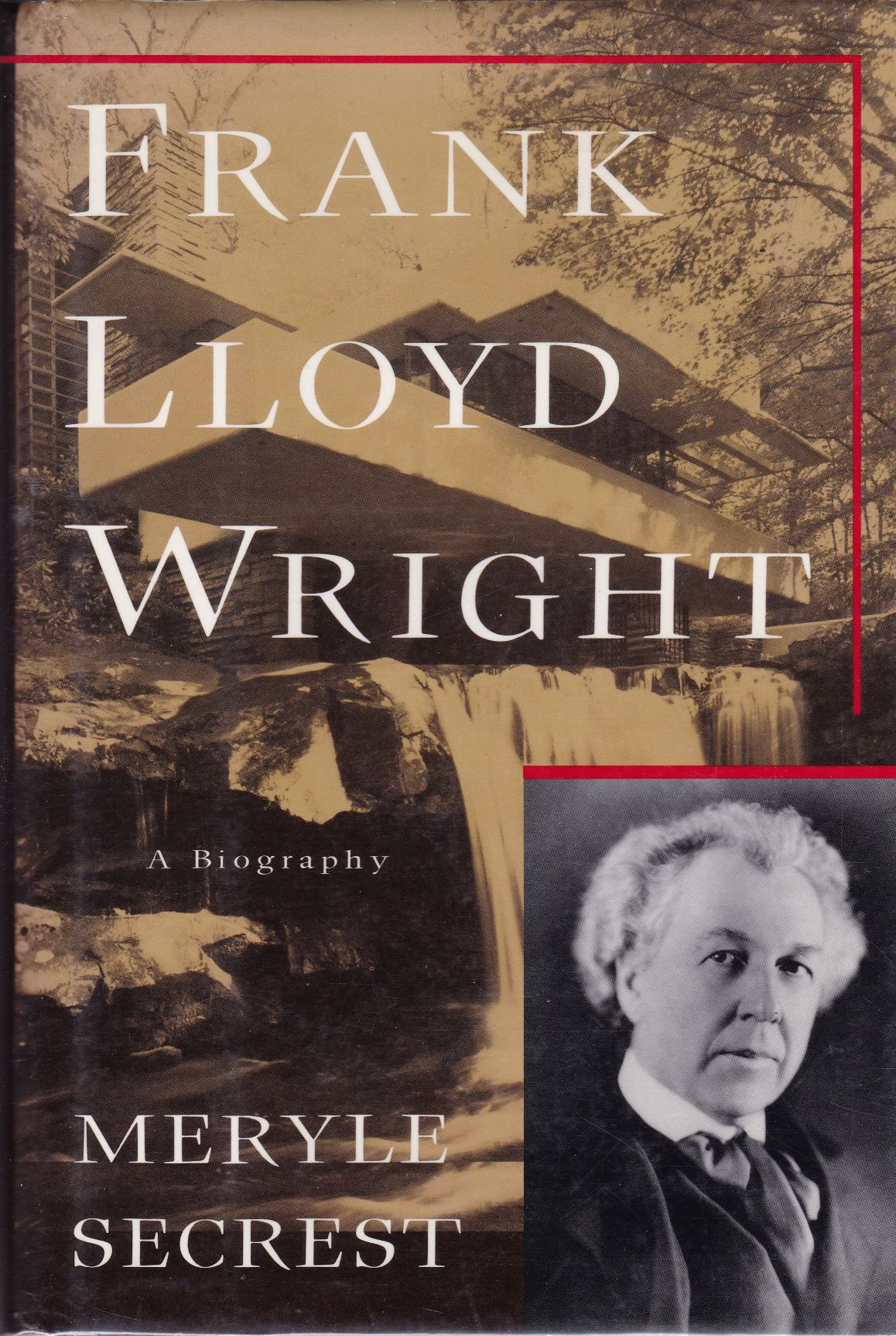
If you want to know more about his life, this is a reasonable biography.

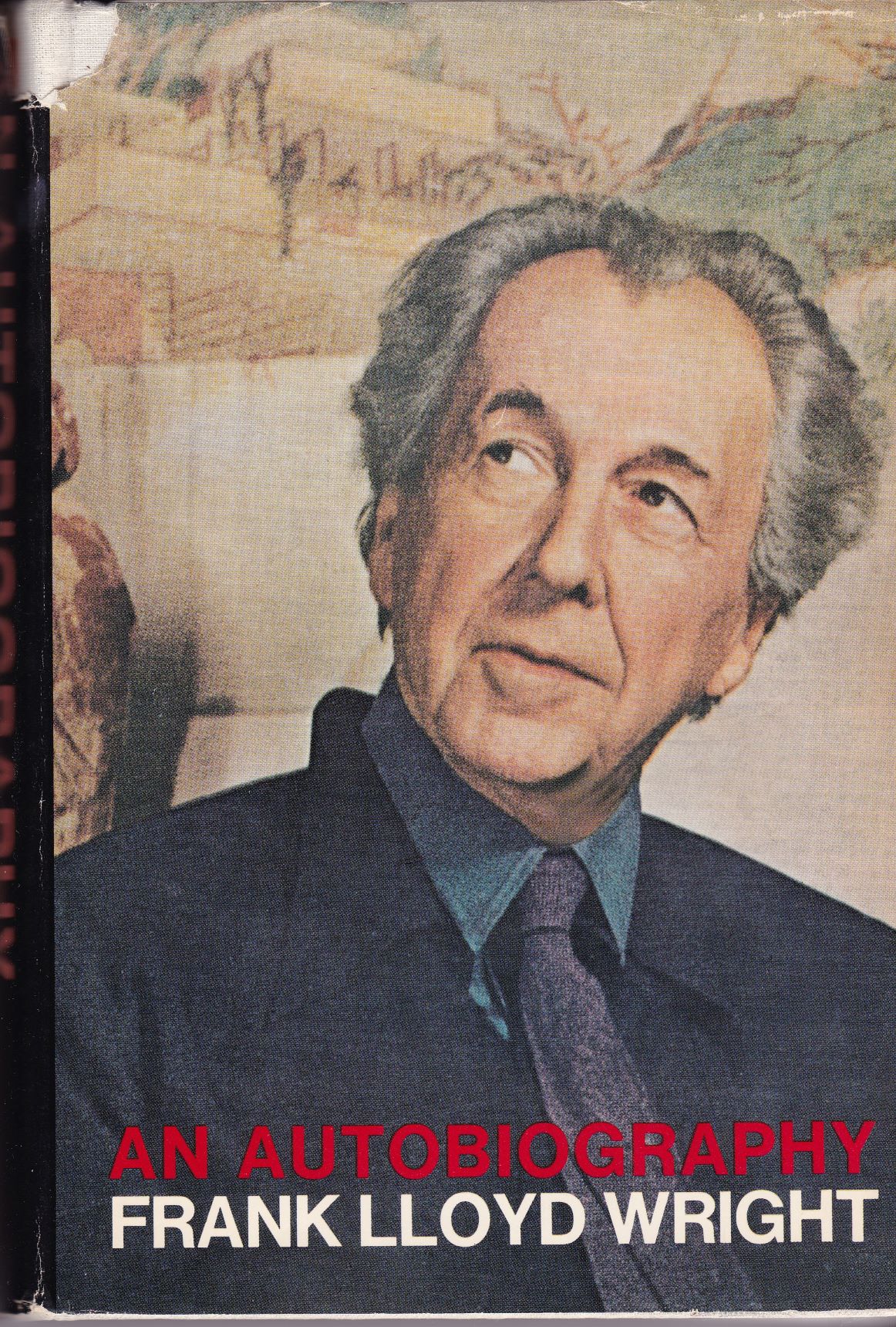
In his entertaining autobiography, the unconventional maverick speaks for himself at length.

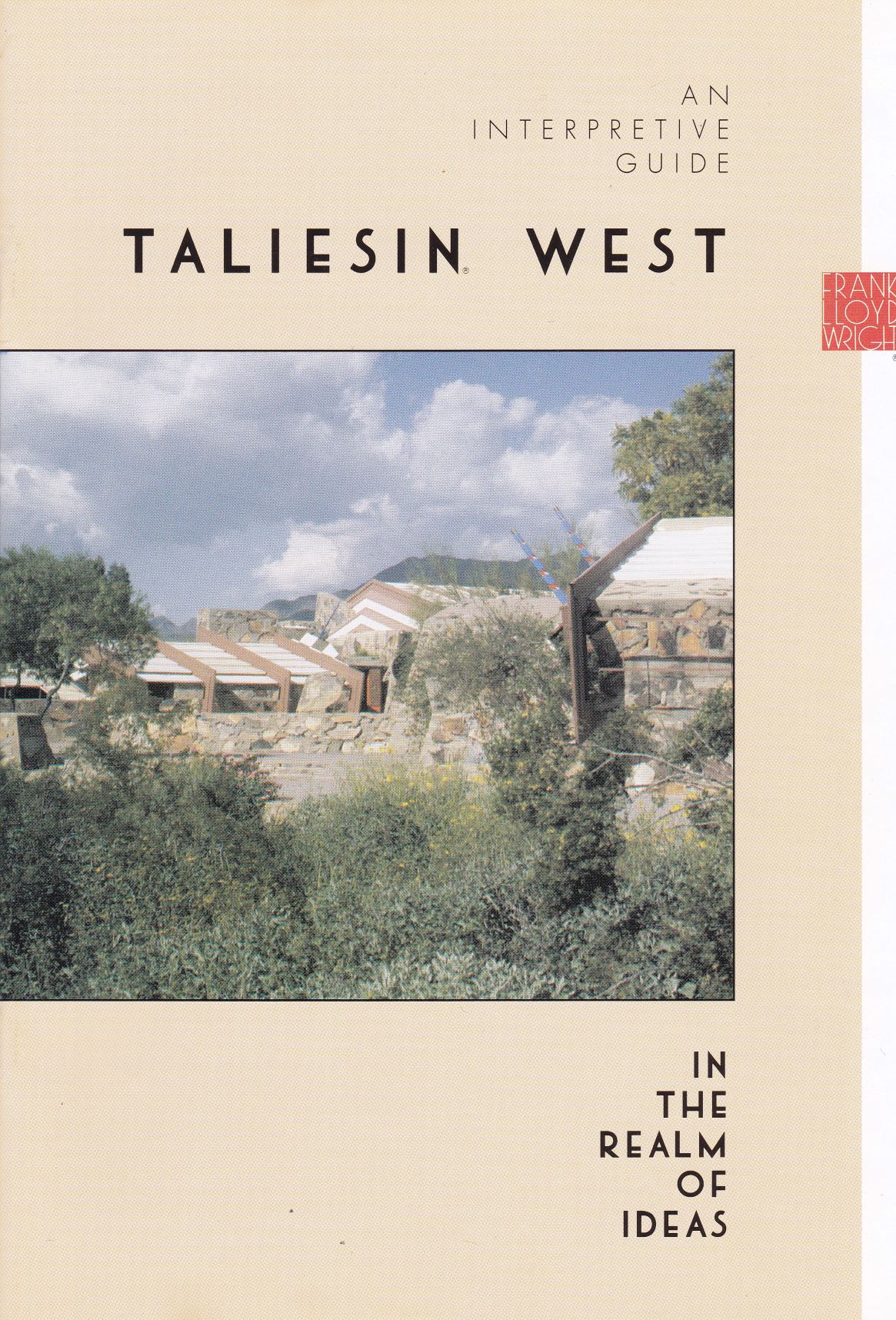
If you are interesting in visiting Wright sites open to the public, this is the booklet you’ll need. * I will add that now April, 2020, you can go on weekly visits on Thursdays to various sites, indoors and out, at 11 am MDT at #wright virtual visits.

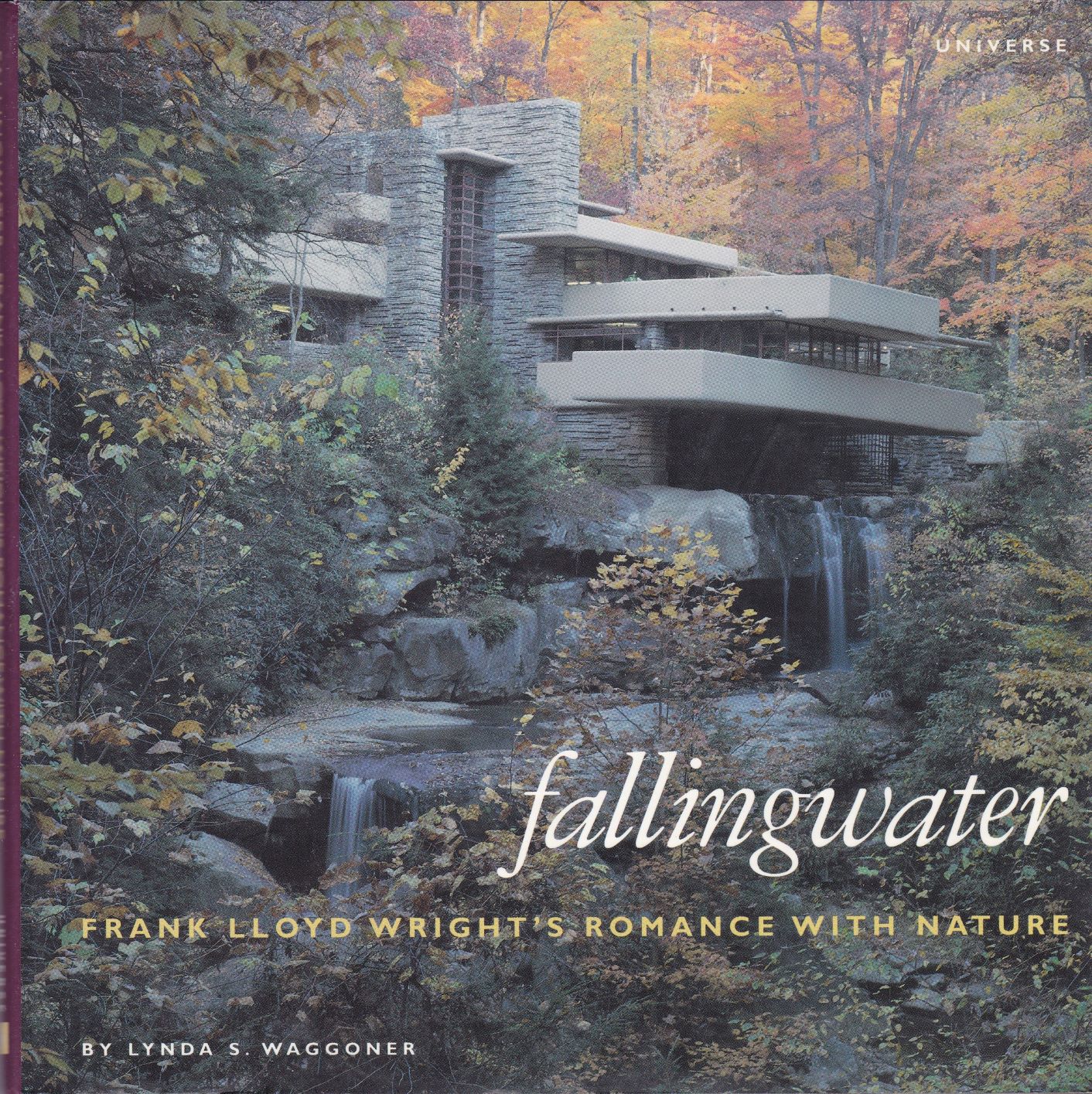
Of course, there are many famous sites to get to know better online including Fallingwater in PA, Taliesin in Wisconsin, the Barnsdale House in California, the Johnson Buildings, Unity Temple, and the original Oak Park houses.

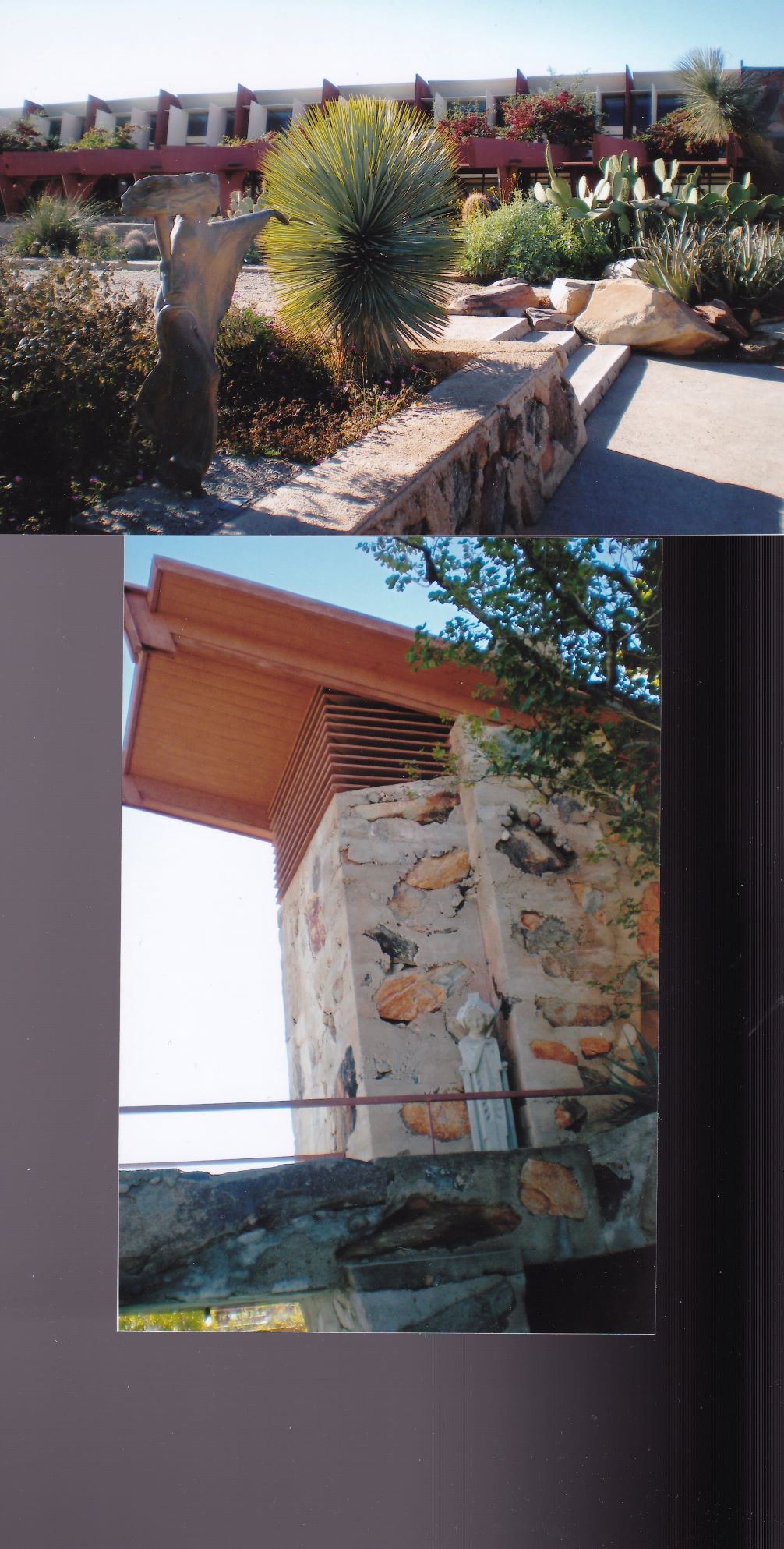
Several years ago, I visited Taliesin West in Scottsdale and highly recommend it. The Wrights started coming here in the ’20s to get winter relief from the cold in their main Taliesin residence.

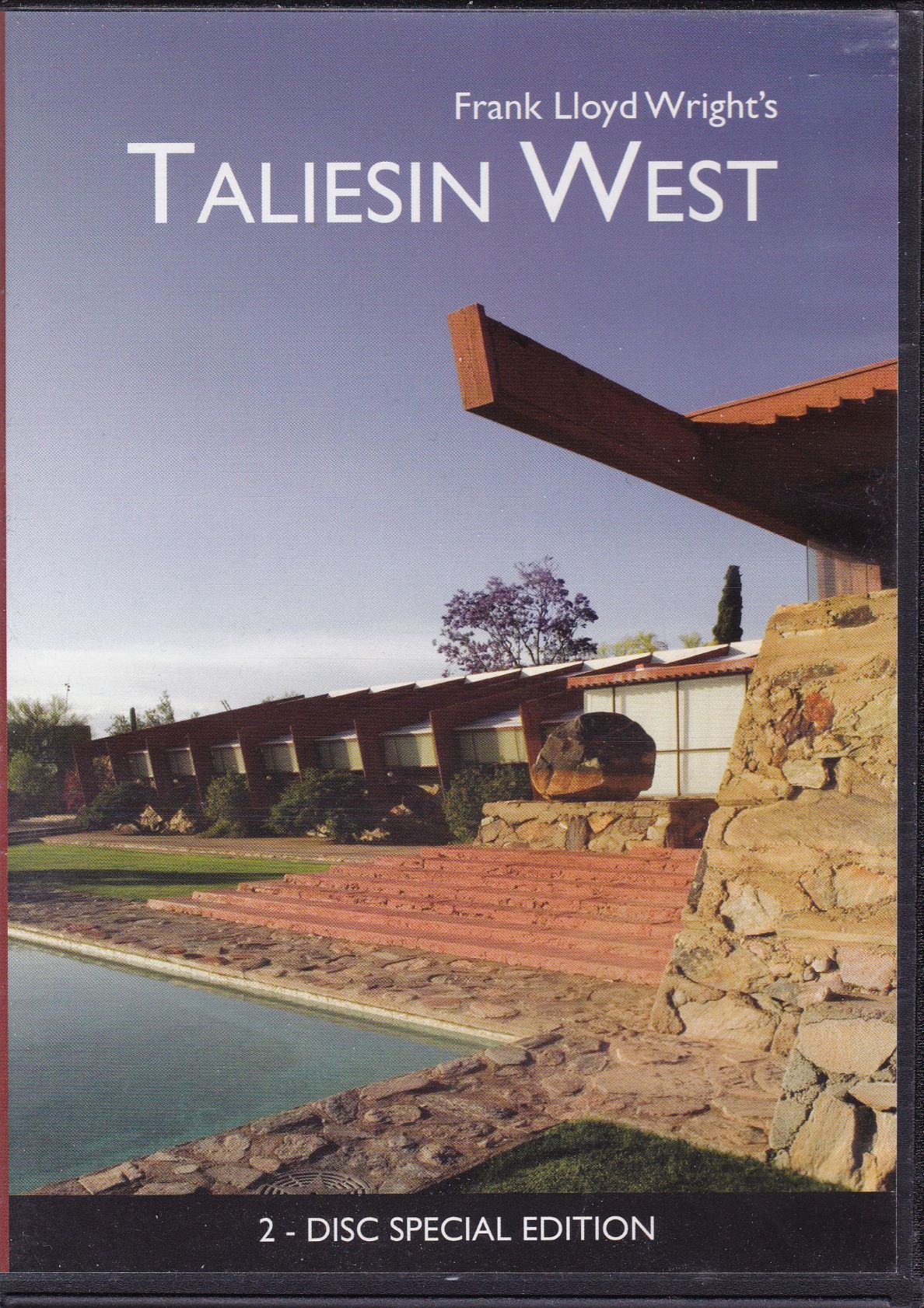
A good video about the site.

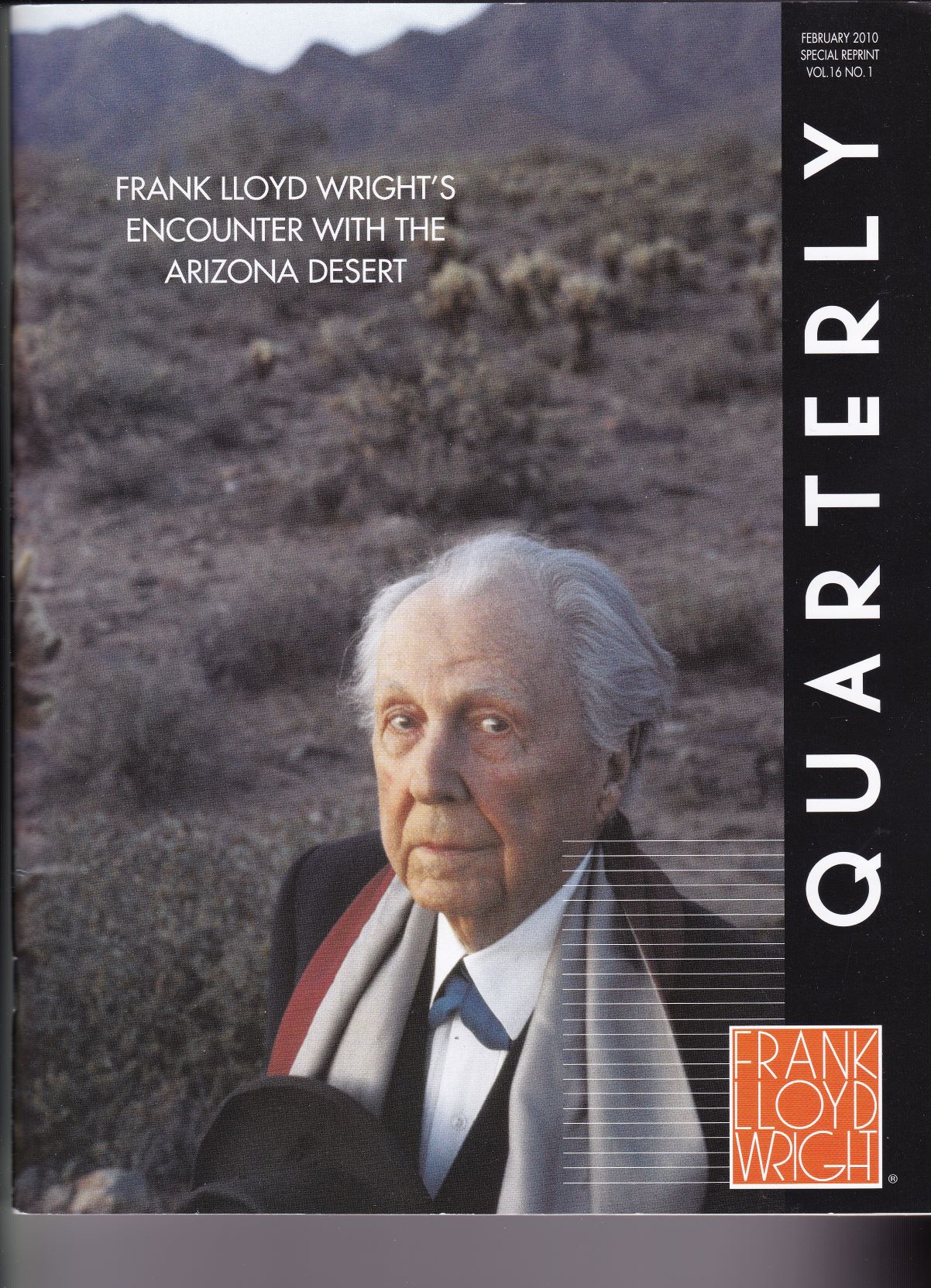
There is a tourist shop there with many Wright souvenirs. This is a magazine Taliesin West puts out.

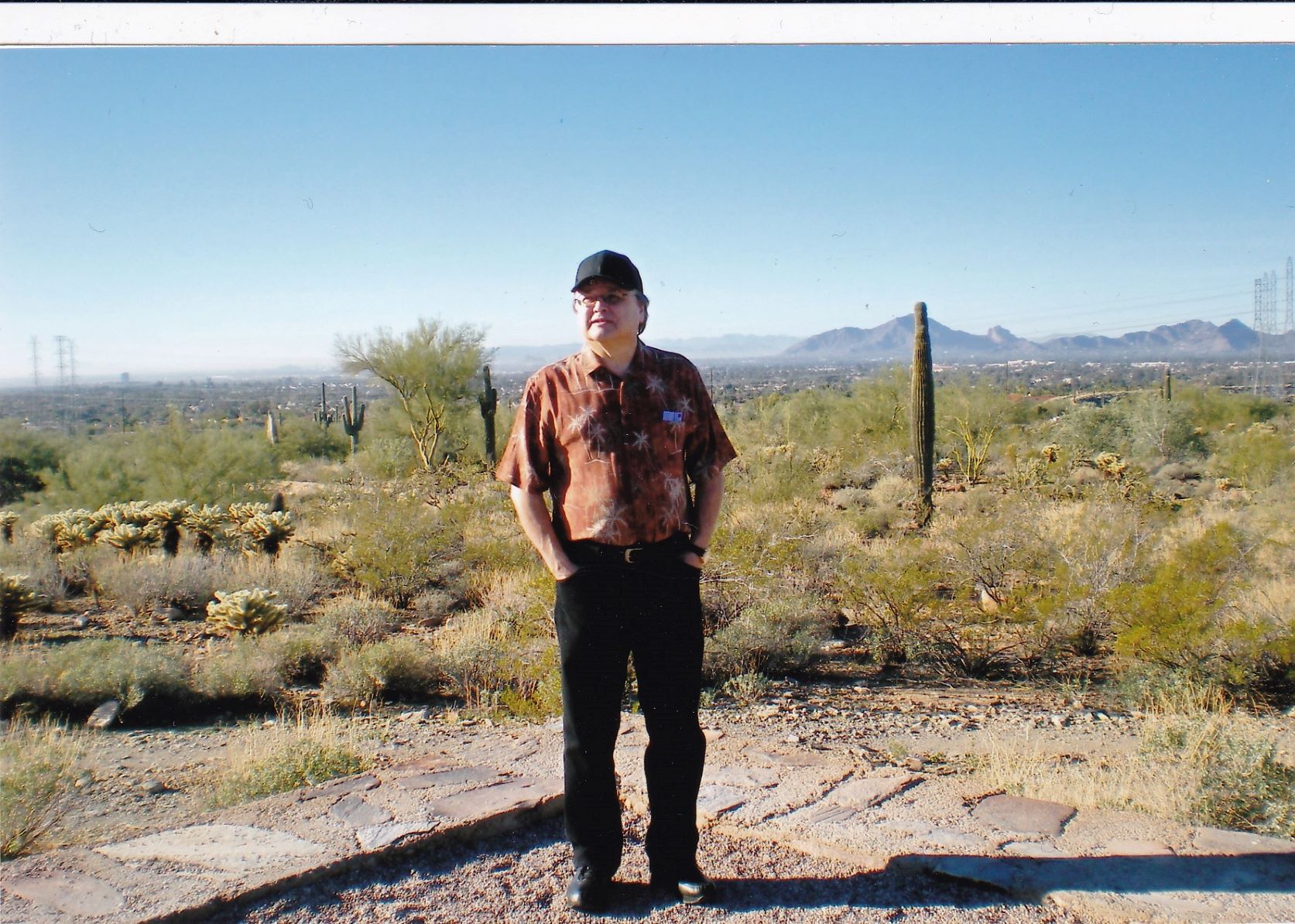
Behind me: on the grounds, looking back and down to Scottsdale. You drive about 15 mins. off a regular city street in town to mount the hills where the site is located.

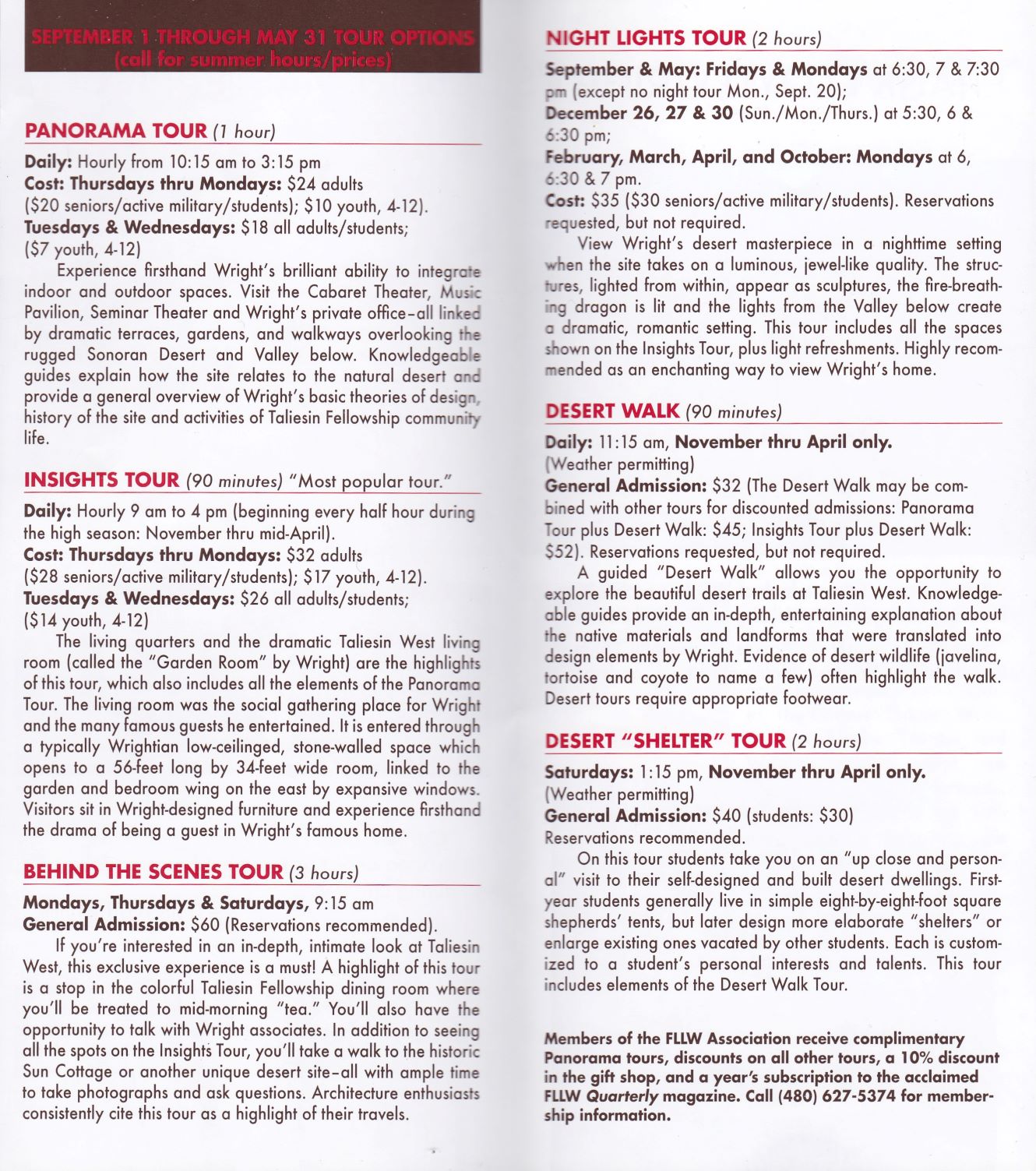
The general overview tour was neat; you get to see all parts of the complex. If you’re considering the desert tour, the tour guide cautioned that she doesn’t come out here at night because of the slitheries.

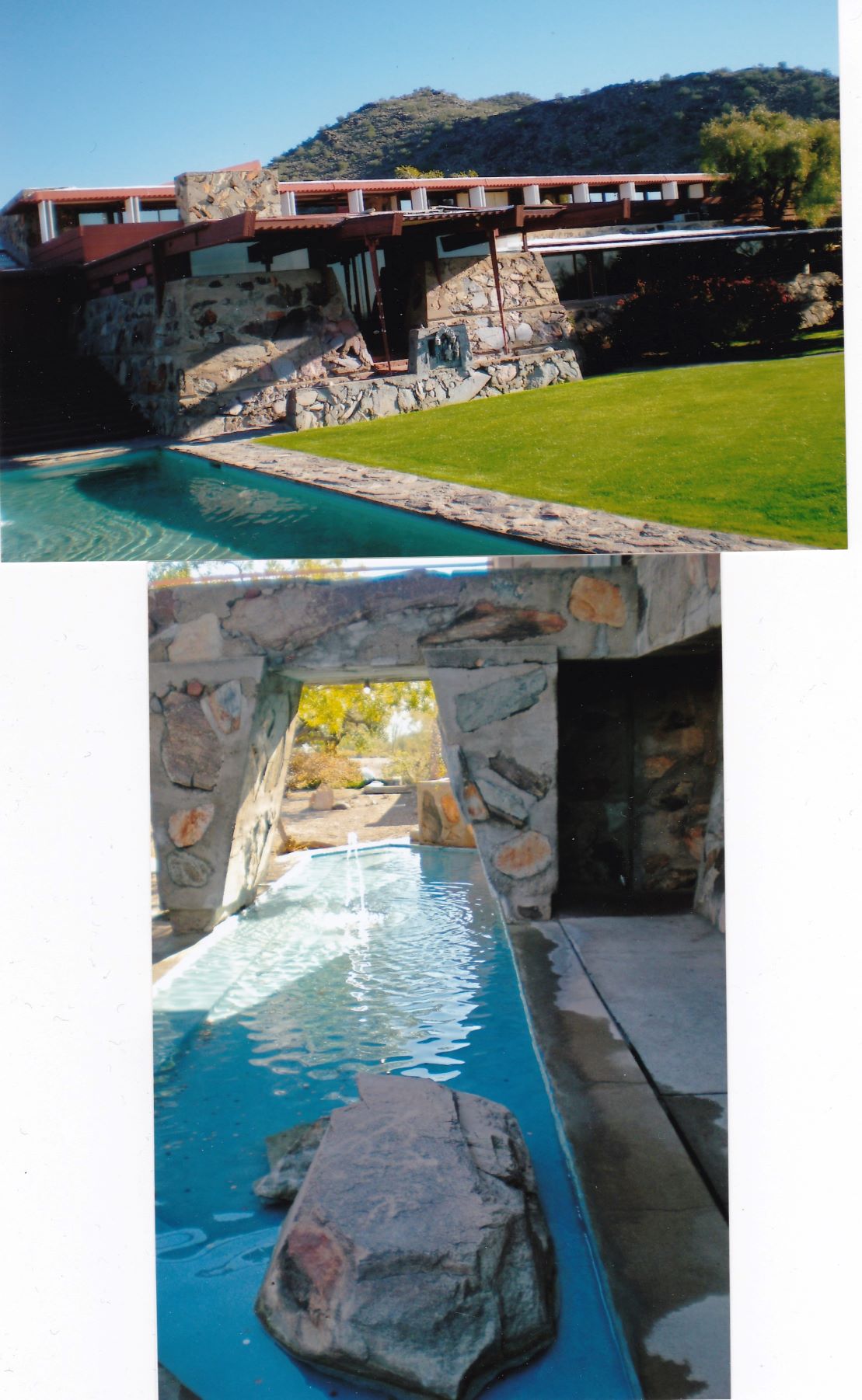
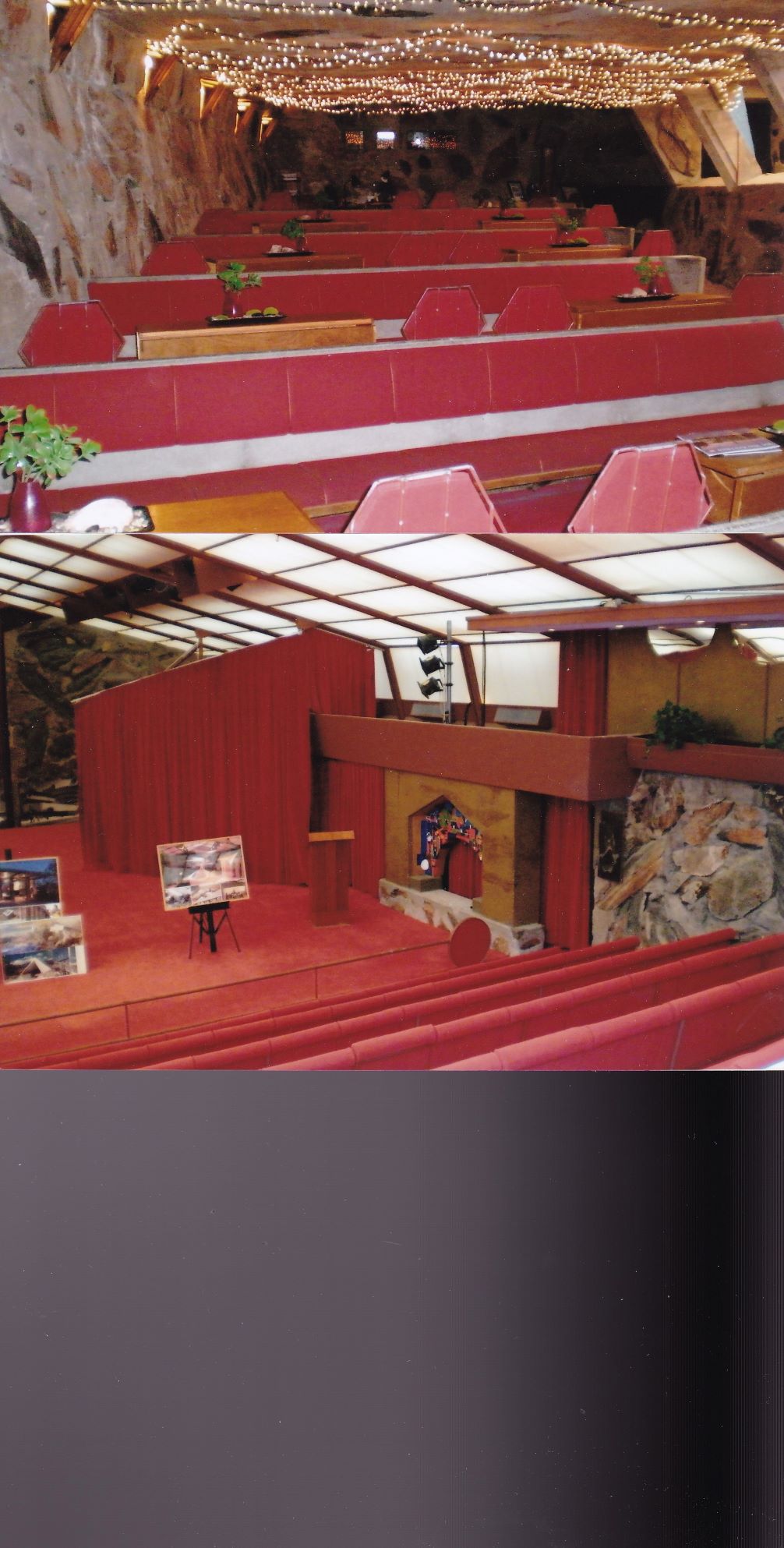
On the walk, lots of views and vistas. You get to see the lobby, the architects area, the dining room, the Wrights’ bedrooms and courtyard.

There are sculptures hither and yon outside.

You can also see the dinner theatre (above) and (below) the bigger auditorium finished 2 years before he died.

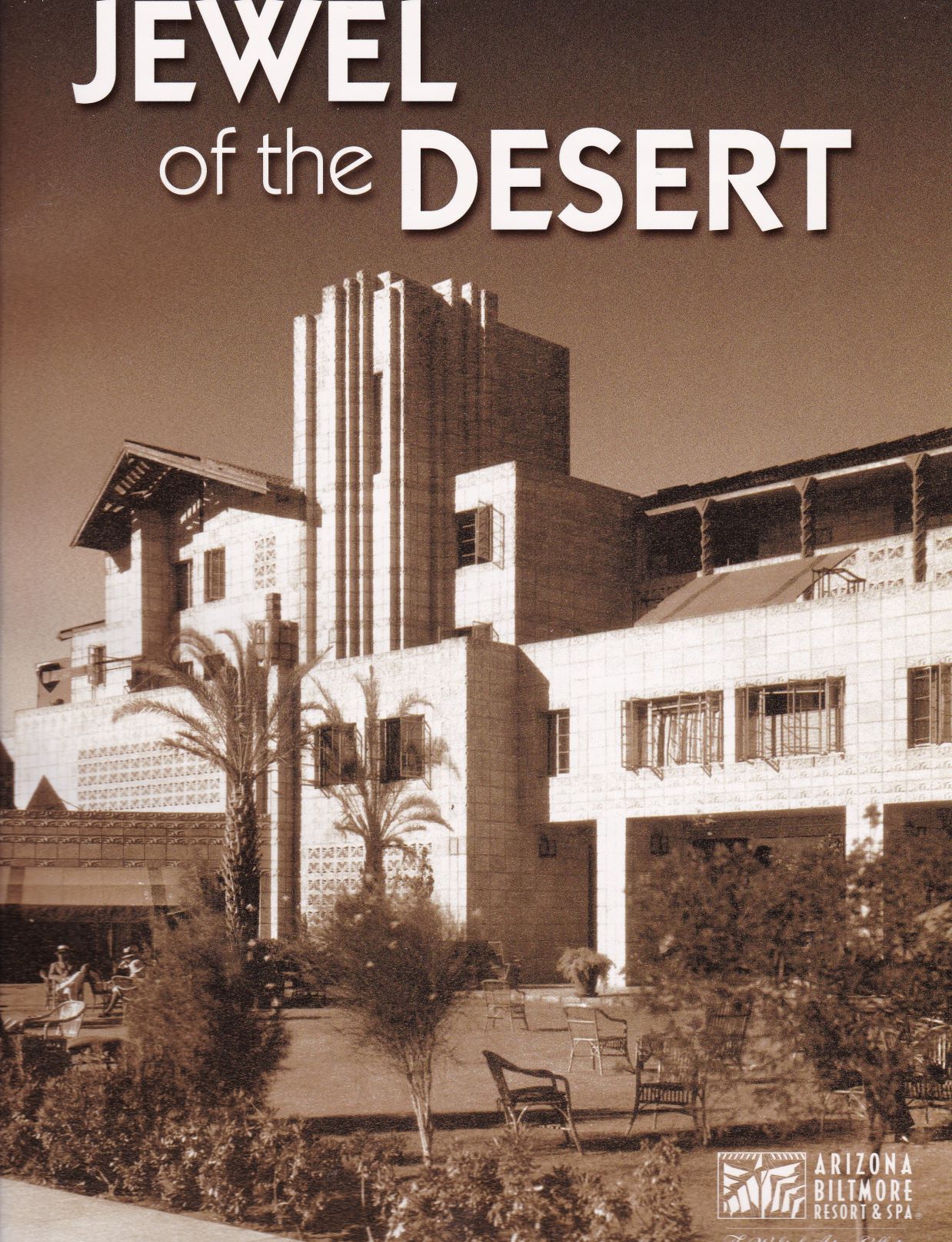
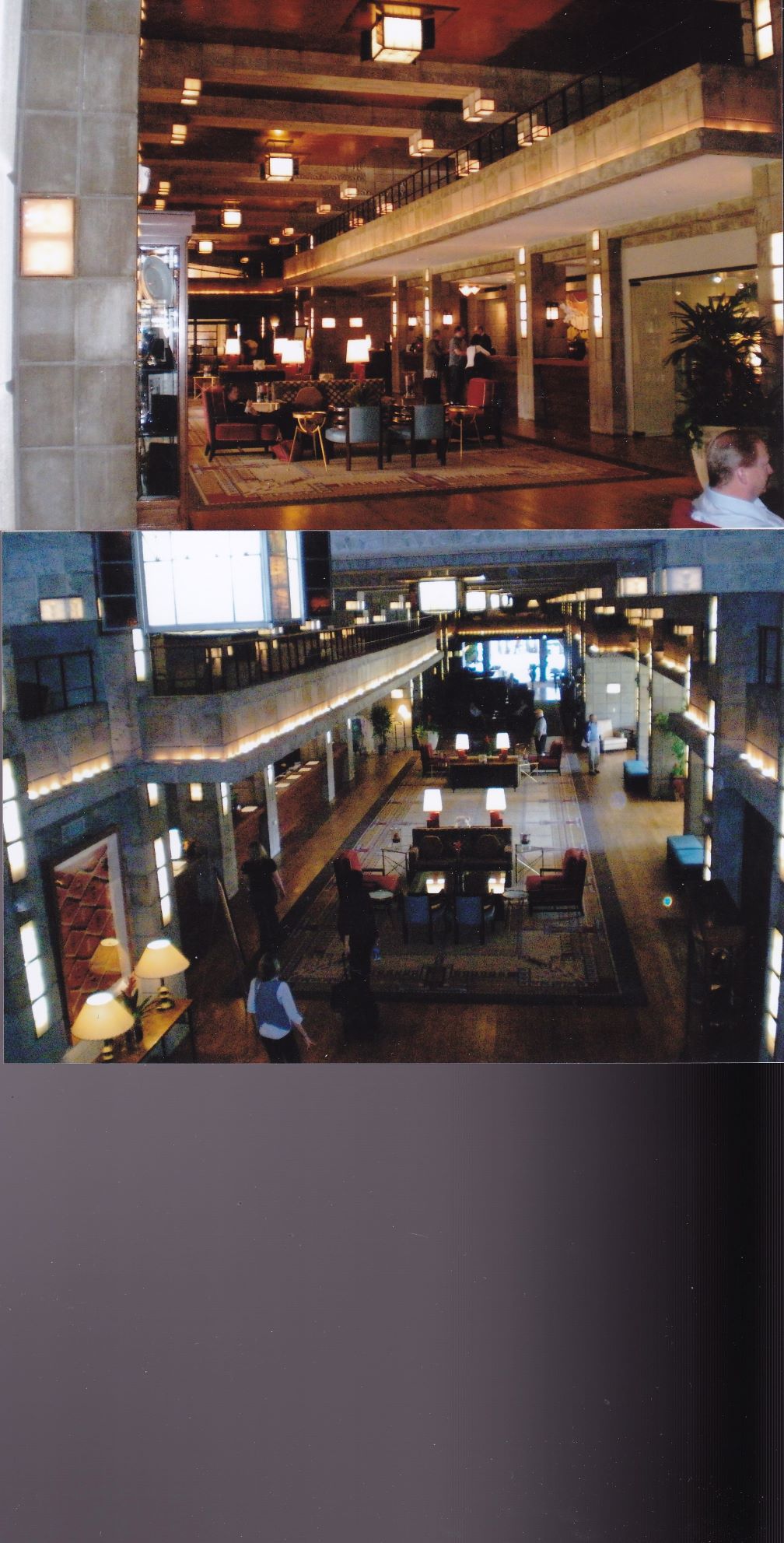
You don’t have to go far to find Wright’s influence. This luxury hotel was heavily influenced by his style and was built by one of his big fan/draughtsmen.

It was fun to wander the premises; here, the lobby which resembled Wright’s Imperial Hotel lobby in Tokyo, demolished long ago.

top: the entrance to the hotel

below: a Wrightish glass mural on a hotel wall inside a lobby corridor.

Some things I like about Wright and his work

-he saw Beethoven as a great architect and his symphonies as edifices of the soul; he saw music and architecture as related–based on unit system (scale, notes on scale, synthesis, proportion)

-he believed in the grammar of building and created expressive, organic architecture

-he believed art and human nature were always aiming, desiring, searching for uplift

-he placed a premium on aloneness and insisted on the privilege to be uncommon, to be oneself and resist the drift toward equalitarianism; he did not like what he called huddling, pig-piling, and herding

-he built his buildings organically, in the context of Nature; e.g., using colored desert rocks to build Taliesin West

-he equated quality to culture


Posted in Uncategorized | Leave a comment

“I Never Sang for My Father” DVD Review

In the spring of 1972, I was doing my senior high English round of student teaching and was watching my cooperating teacher Australian (where he lives now) Bill Corcoran teach an English 33 class (gr. 12 diploma). He was using a Literary Cavalcade magazine, an old American periodical available to senior highs that subscribed. In the issue was Robert Anderson’s excellent generation-gap play about aging, I Never Sang for My Father. Later that summer, I would get a chance to see a screening of the memorable 1969 film at SUB theatre starring Melvyn Douglas as the difficult father and Gene Hackman as the restless son. It was very impressive and virtually followed the script that had been used in the classroom.

Flash ahead to last evening, 2020, and a chance to watch it again on a Columbia DVD in brilliant color. Spoilers: All the old lines and famous scenes came back including the showdown between father and son and daughter who married a Jew (played by an honest, hardened Estelle Parsons) after the nice, patient, supportive mother (motherly played by Dorothy Stickney) dies suddenly, the scene in which Gene the son visits depressing old folks homes imagining his father there, and the powerful concluding scene in which Gene and Tom the father have their final falling-out leading Gene to move to California.

Not all aging parents and adult kids get along and some parents can make the process more difficult even when the child wants to be loving and supportive, which is the case here. Douglas plays an effective ‘castrating’ father, who has never respected or loved his son and his choice of spouses, but who, nonetheless, expects absolute submission and loyalty in his dotage. (He was nominated for Best Actor in 1970 while Hackman was nominated for Best Supporting Actor.) The latter is effective in being driven crazy by his father even as he makes the most generous offers of his life to the cantankerous old man. For his own part, Douglas’s character is likewise complicated ranging from self-indulgence to kidding to extreme anger and bitterness. Both actors showcase a wide array of realistic emotions. Both could easily have won Oscars.

This remains hands-down the best generation gap movie and play I have ever seen. Highly recommended for any adult children cast in similar circumstances. I Never Sang for My Father is a tough, realistic film full of many conflicts, much drama, and impossible-to-solve situations. Two thumbs way up.

Posted in Uncategorized | Leave a comment