Many cooped-up couples and families

are finding out the truth of Jean-Paul Sartre’s famous quote that “Hell is other people”. (No Exit)

Posted in Uncategorized | Leave a comment

Remembering Rebel ’60s Folkie Phil Ochs

I first encountered Phil Ochs via Terry B., a grade 12 Winnipeg guitarist-friend in early 1967, who shared some of the biting satire of his folk songs (“Draft Dodger Rage”, “I Ain’t Marching Anymore”, “Love Me, I’m a Liberal”) about the time I was discovering songs of his by other artists like Joan Baez (the plaintive “There But for Fortune”) and Ian and Sylvia (the delicate “Changes”). It was clear back then that he was a strong writer, like Dylan, though Ochs could not make a similar successful transition to mainstream and commercial music. (I should mention, in passing, his four main influences in his youth: John Wayne, James Dean, Buddy Holly, and Elvis Presley.)

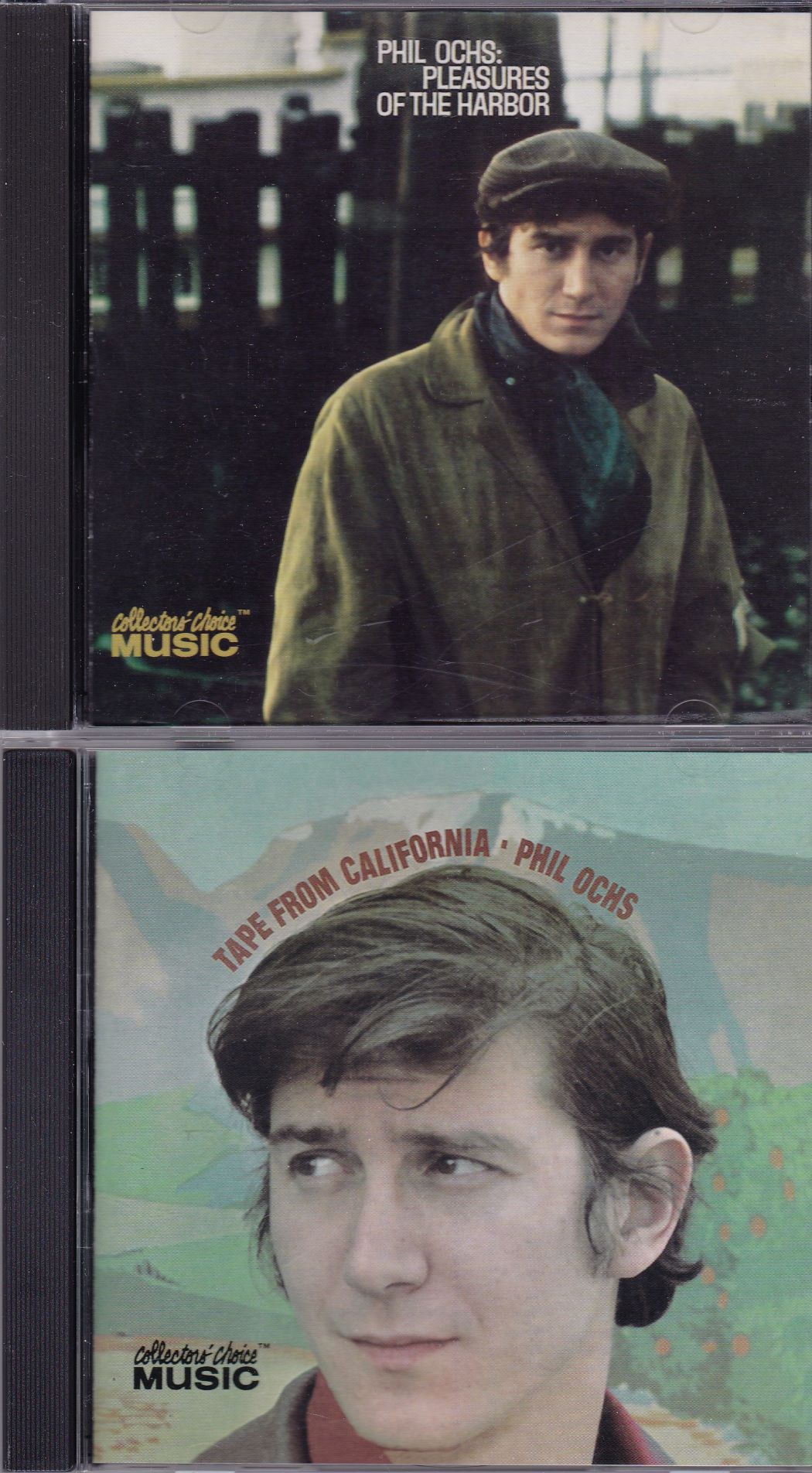
(In the fall of 1967, I took a chance and bought Pleasures of the Harbor, his first album for a new record label co-founded by Herb Alpert, A & M, and was delighted by every song. Every song was a social commentary (like “Cross My Heart” and “Flower Lady”) and many of them were humorous and witty (like “Miranda”, “The Party”, and “Outside a Small Circle of Friends”). Other songs could be meanly bitter (like “I’ve Had Her”) and the album concluded with a bang (the apocalyptic soundscape of “The Crucifixion” about JFK’s assassination–still his ultimate social commentary on the violent American scene of the day which would continue to play out with several more prominent assassinations).  If you listen to one Ochs album only, this is the one which is like nothing else ever written and produced.

Tape from California soon followed in 1968, with less production, and is more straightforward in many ways, though the lyrics’ imagery remains memorable, critical,  and potent about American politics.

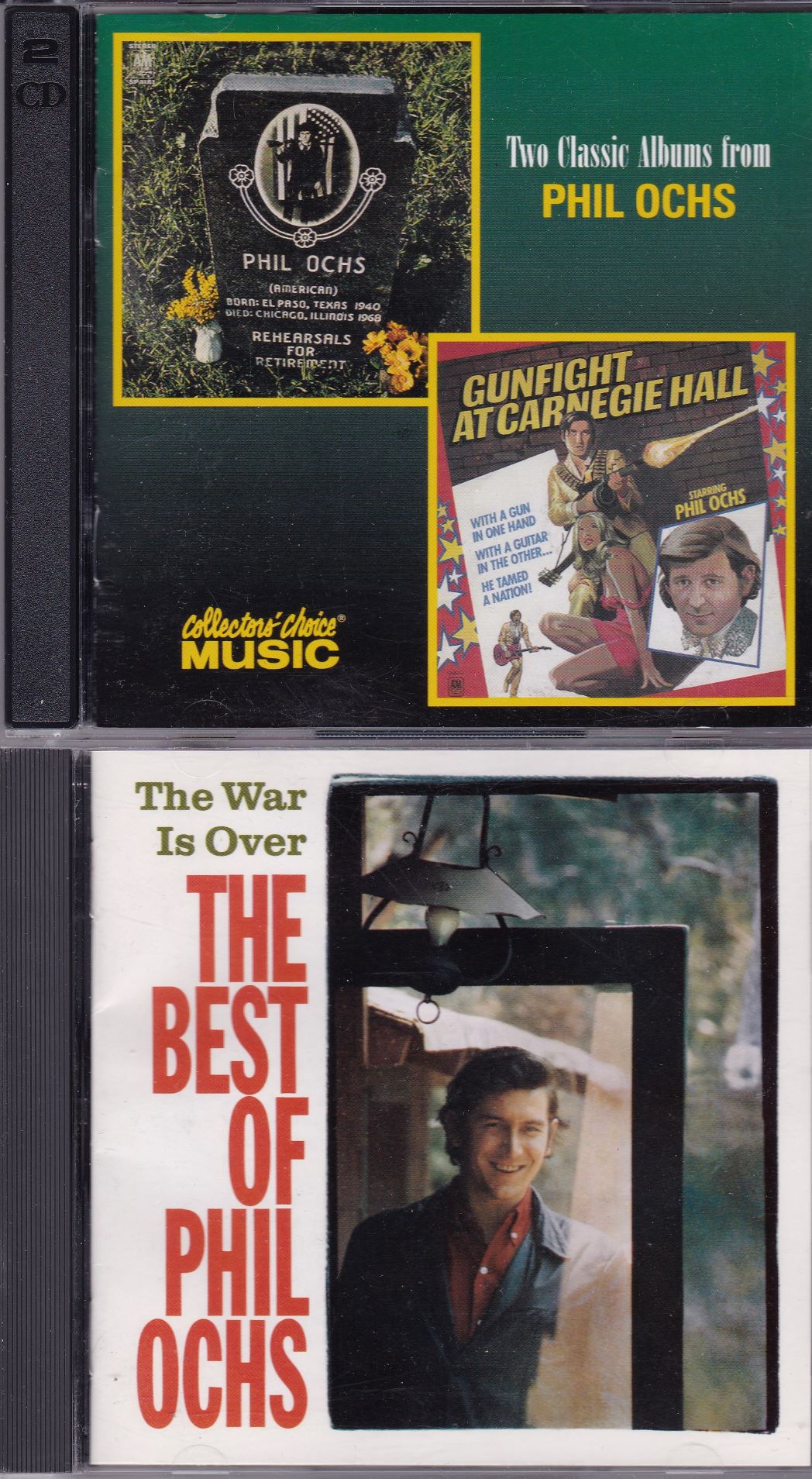
In 1969, he released Rehearsals for Retirement which was inspired by the disastrous and violent Chicago Democratic convention which saw Ochs and other rebels on the run from fascist police. His 1970 Gunfight at Carnegie Hall was a disastrous concert in which he tried a change of image, wearing an Elvis Presley gold lame suit, and singing songs by the likes of Merle Haggard, Buddy Holly and ‘The King’. About this period, it was clear that Ochs was bipolar and a very moody, depressed alcoholic who would go into a tailspin, culminating in his inability to write songs.

There would be one more interesting album, Greatest Hits, which was self-mockingly promoted by Ochs, given his overall lack of commercial success. Fearlessly, he continued to perform live and, currently, there is a new book of his writings and a CD of outtakes forthcoming this spring.  Time has begun to catch up to Ochs and he is acquiring new fans belatedly, although his devoted hardcore fans have remained loyal to him from the ’60s on.

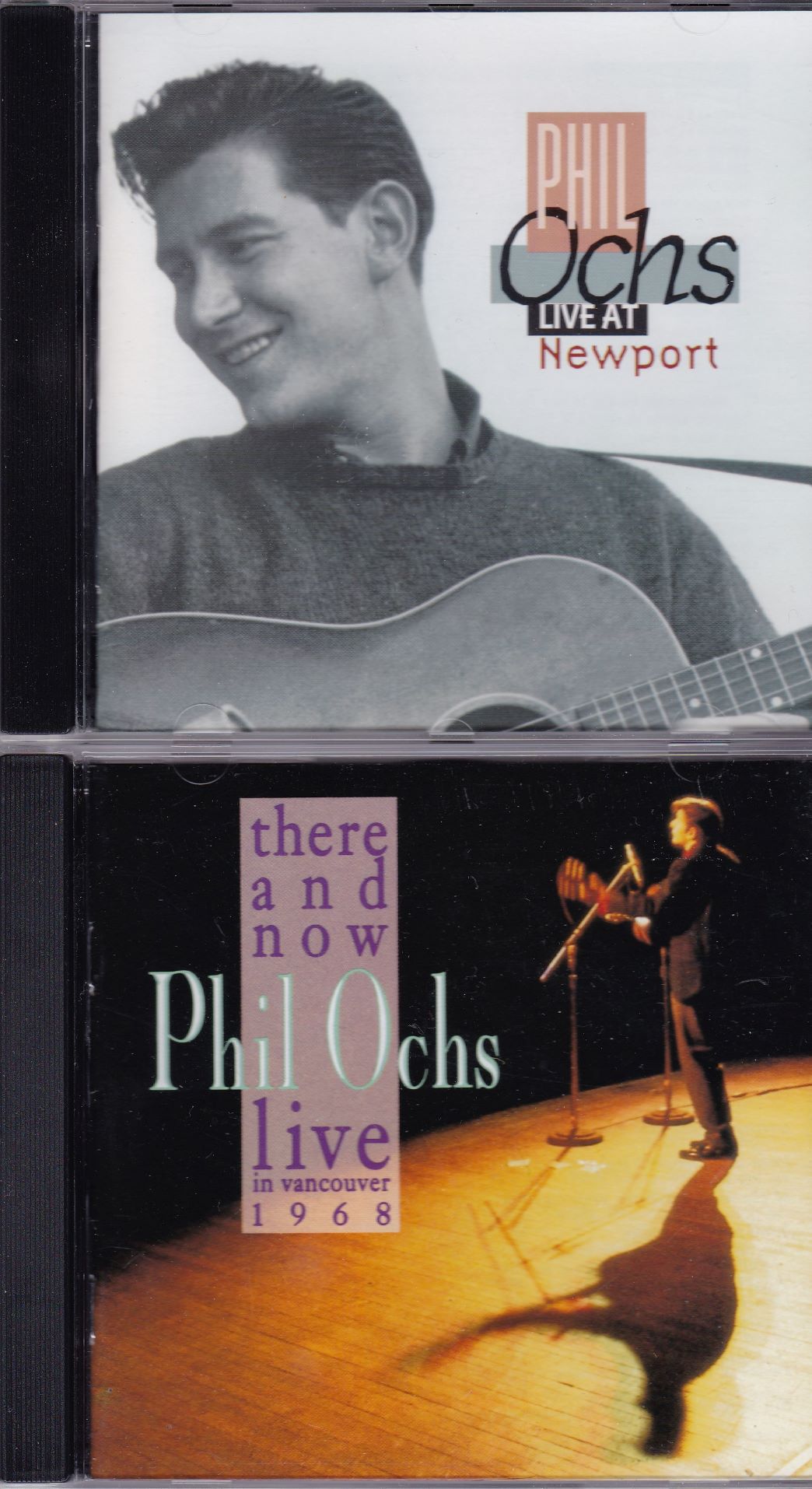
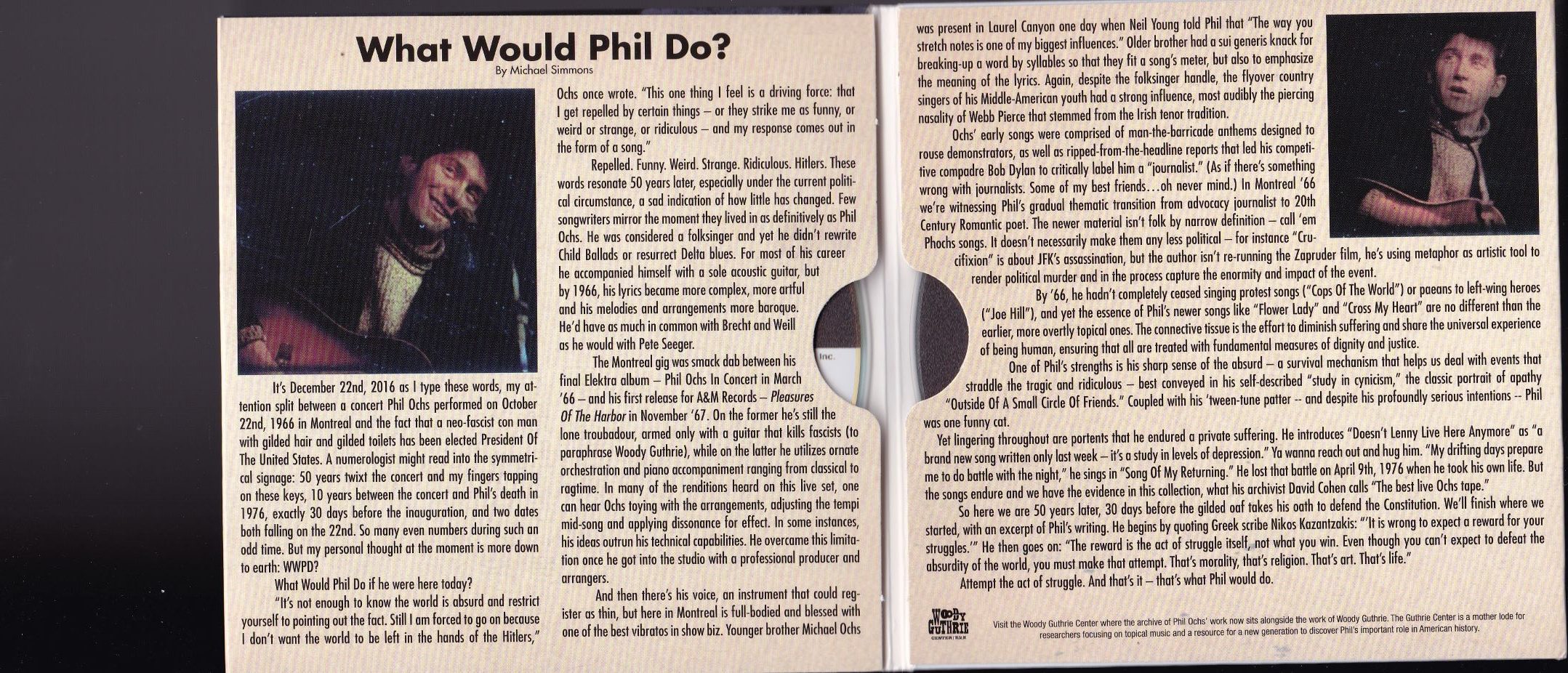
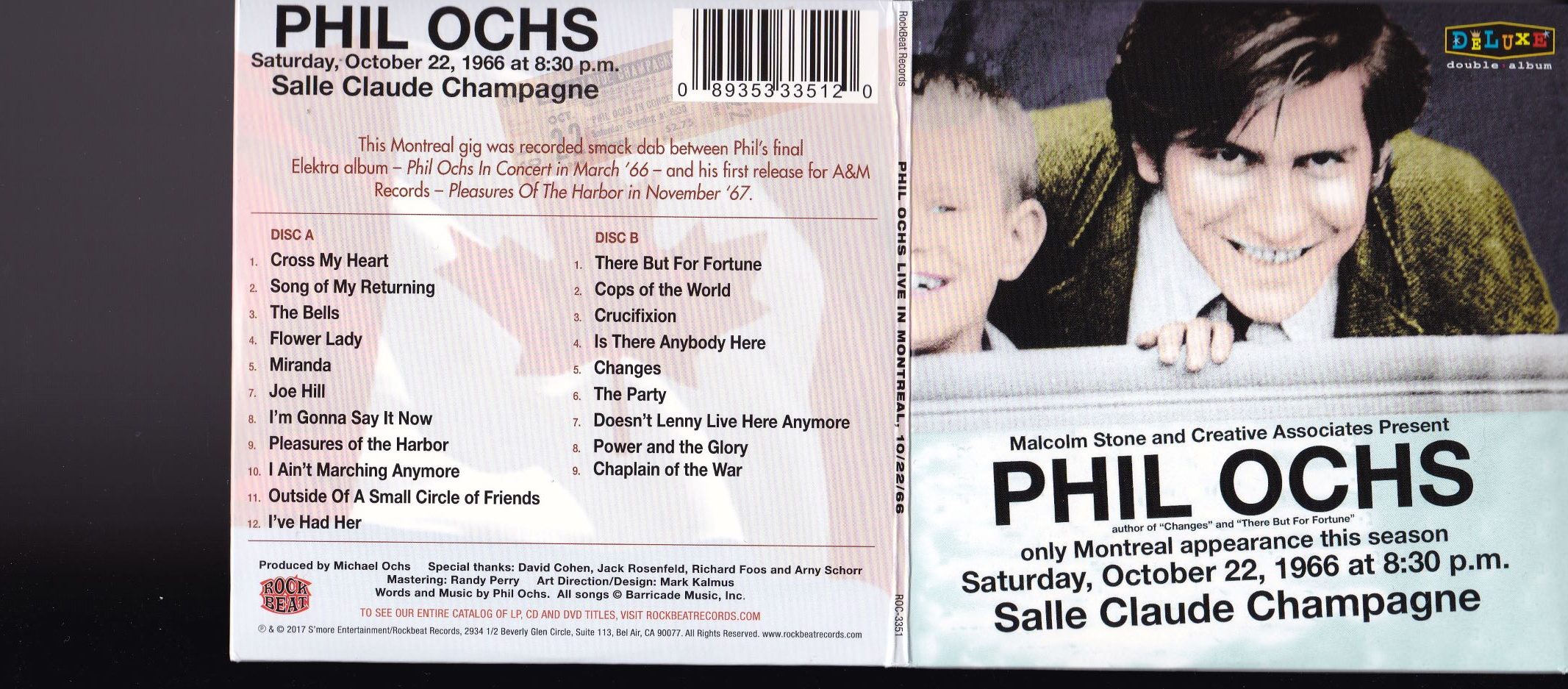
Two reasonable live albums have been available for some time now: the folky Phil Ochs Live at Newport, (1963-66) which showcases his early writing and performing. The second There and Now, was recorded in Vancouver in 1968, highlights a representative set of his best work, though some of the post-convention disillusionment had started to creep into his commentary. Recently, perhaps his best live concert (from 1966 in Montreal) has been posthumously released on 2 CDs. It is an impressive revelation with him playing the piano songs of Pleasures on guitar. It also reveals him in good characteristic voice with self-deprecating humor–a popular performer with crowds of the day. Highly recommended.

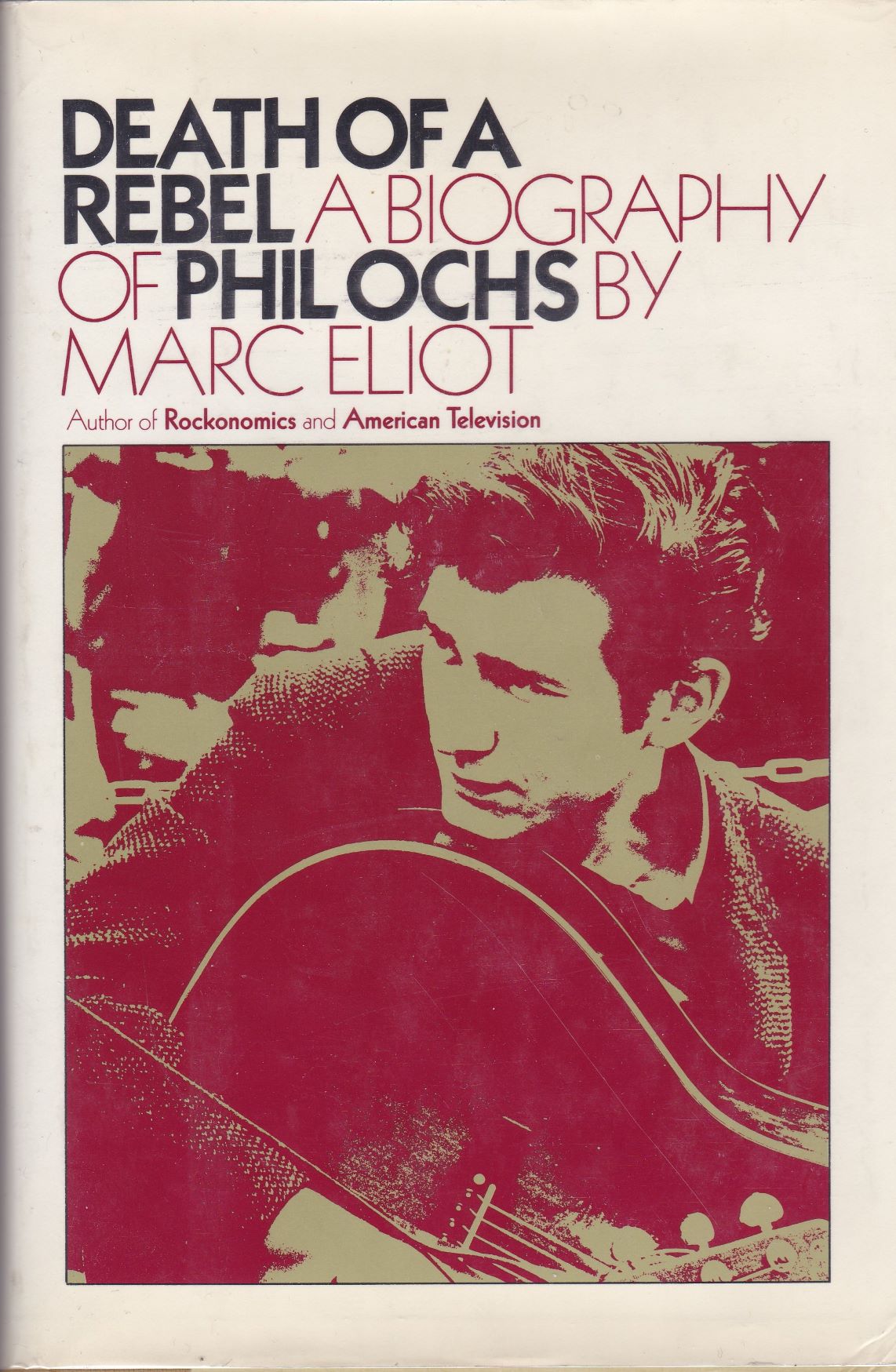
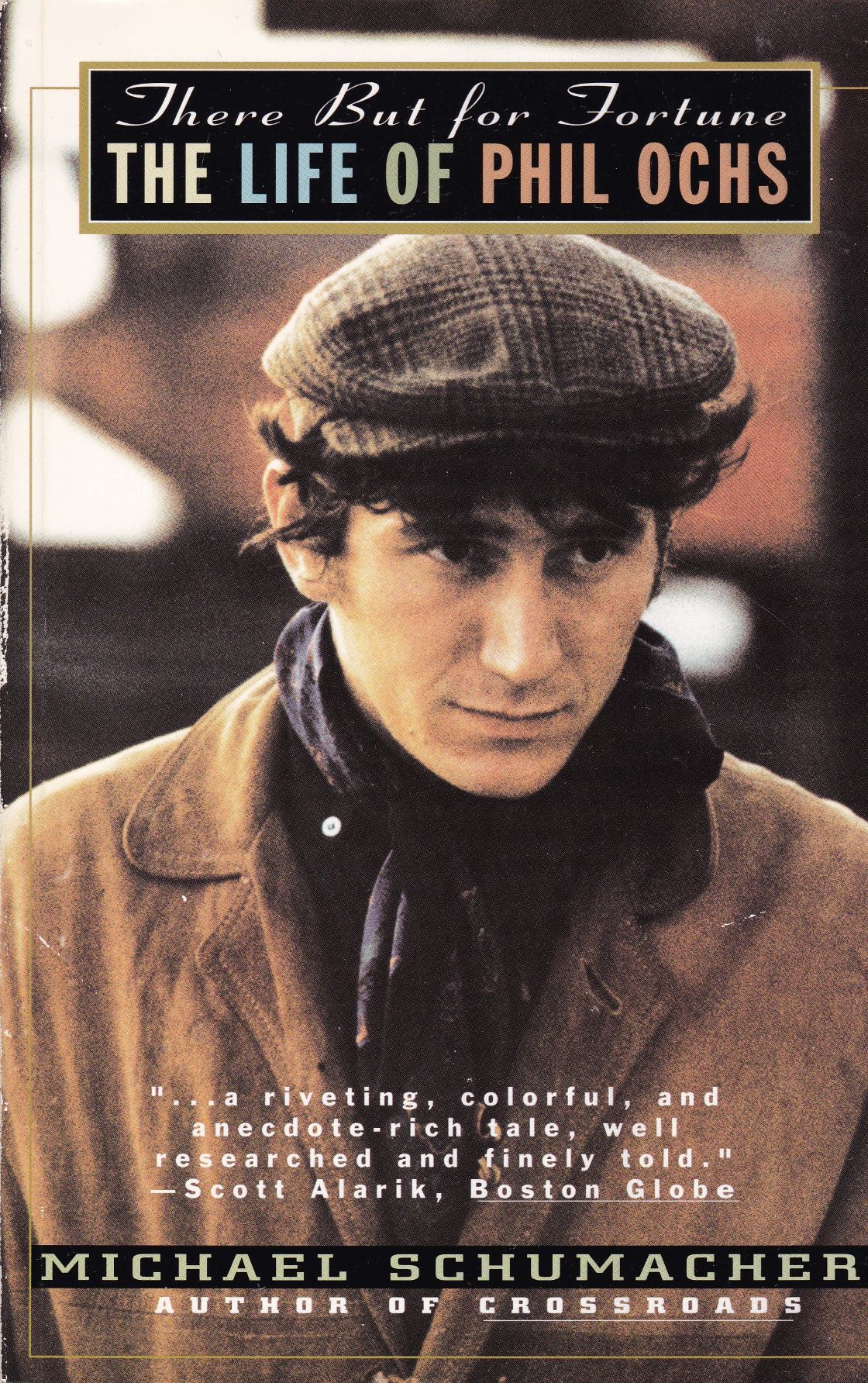
Two prominent books about Ochs’ life and career have been published; both are recommended. Schumacher has also written a concise summary of Ochs online worth finding and checking out; it is the most true boiled-down short overview of Ochs I’ve read thus far.

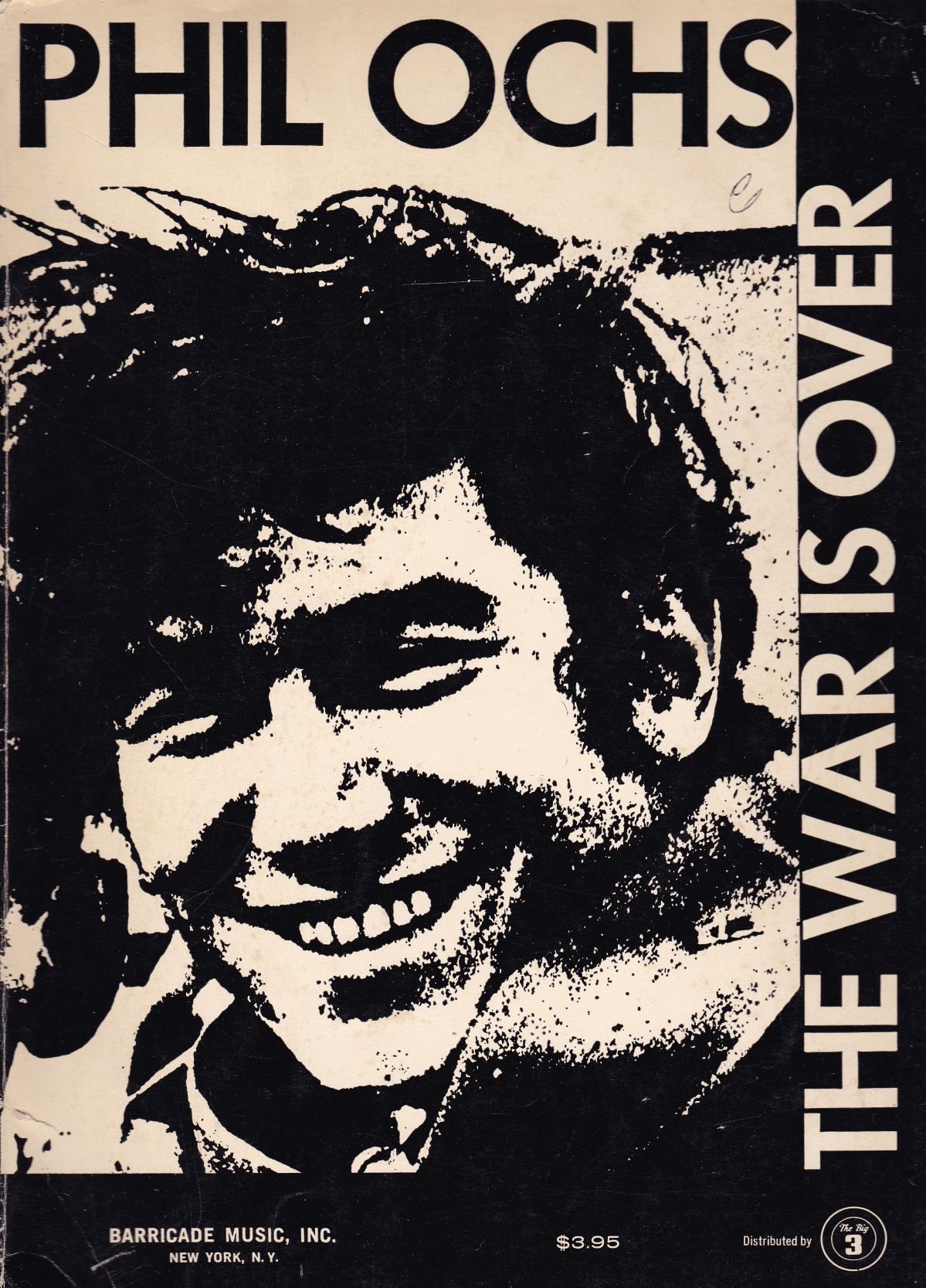
I first ran into this amazing document at a local library in 1968 when it first came out and some 40 years later, I was able to buy a copy of this rare songbook that had a limited printing. It contains the main songs recorded by then and has many visuals including large, page-sized photos taken of the singer by his wife Alice (who divorced him) and his manager-photographer Michael Ochs. It’s quite clear from the visuals that Ochs had a sense of humor, could make fun of himself, and enjoyed life until the late ’60s anyway. Later in 1976, succumbing to a sense of being a has-been and being irrelevant, in extreme depression, he hanged himself at the young age of only 35.

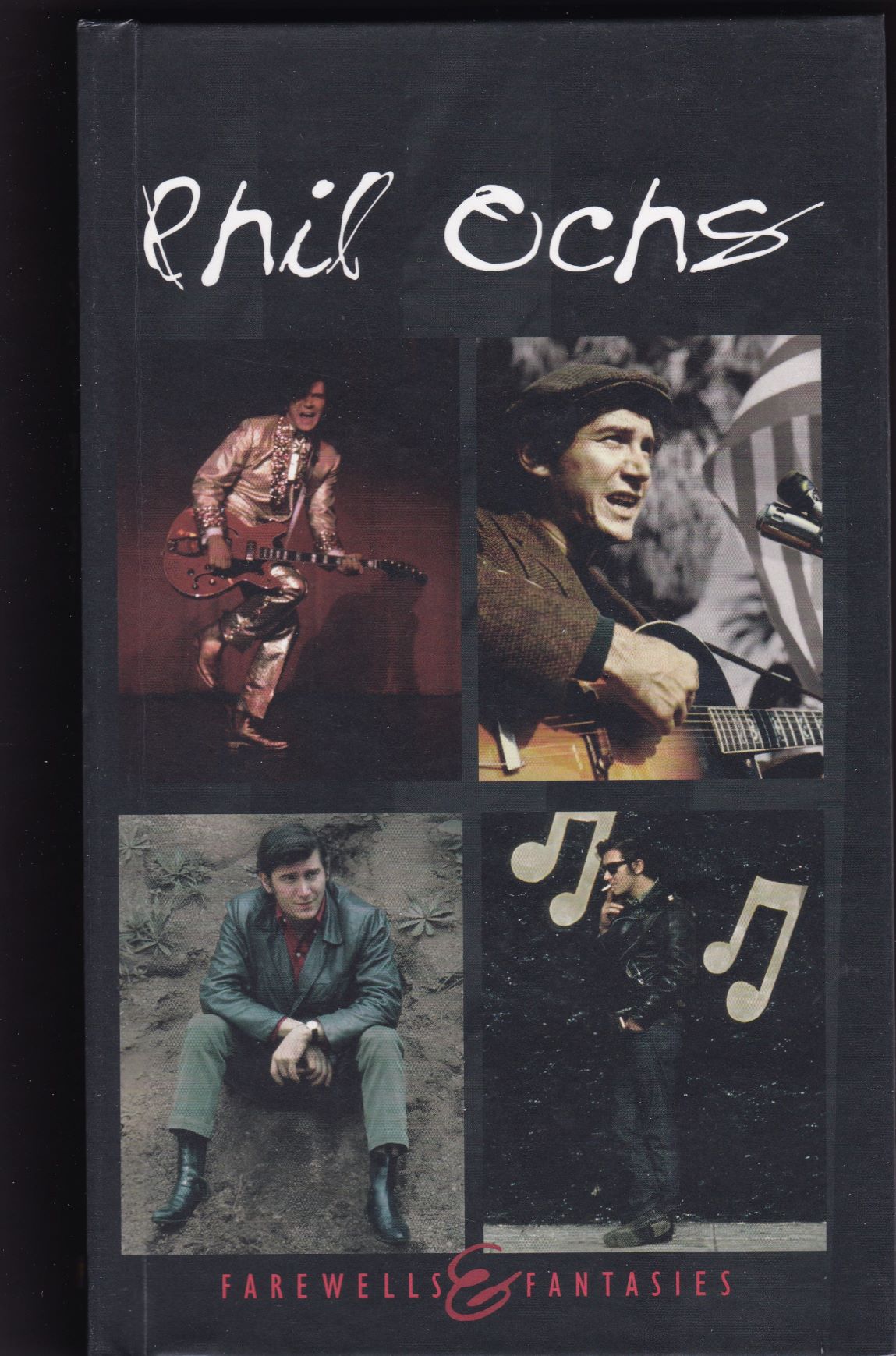
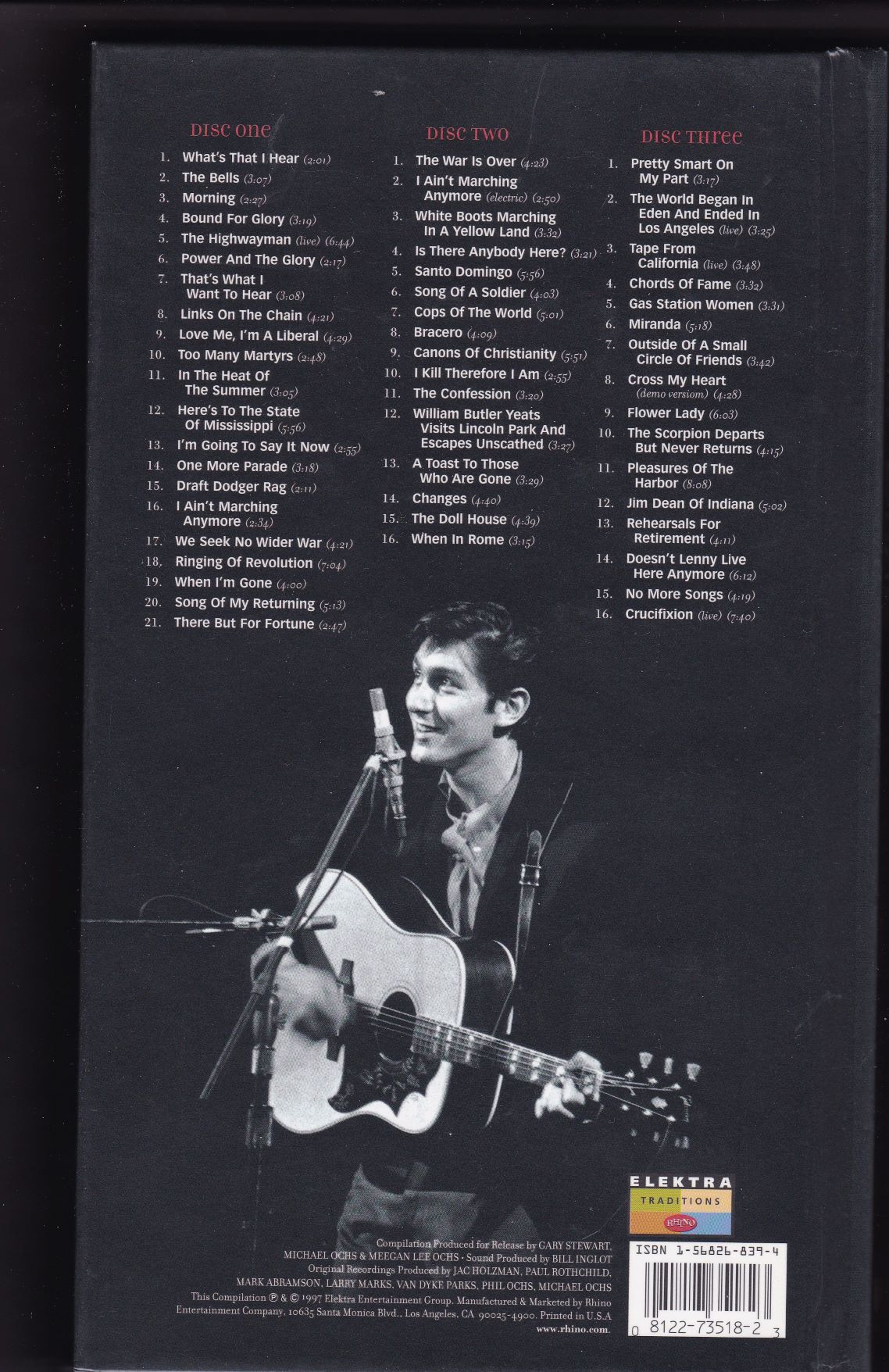
Although there are several CD compilations out there–(“The War Is Over” is one) and the hard-to-get, expensive American Troubadour Phil Ochs, the rare, out-of-print, 1997 Electra/Rhino Farewells & Fantasies retrospective is the one to get if you’re only buying one Ochs’ audio product. His daughter Meegan (pictured on Pleasures of the Harbor) and brother Michael have lovingly attended to the accompanying illustrated booklet and production of three CDs of well-chosen, representative material.

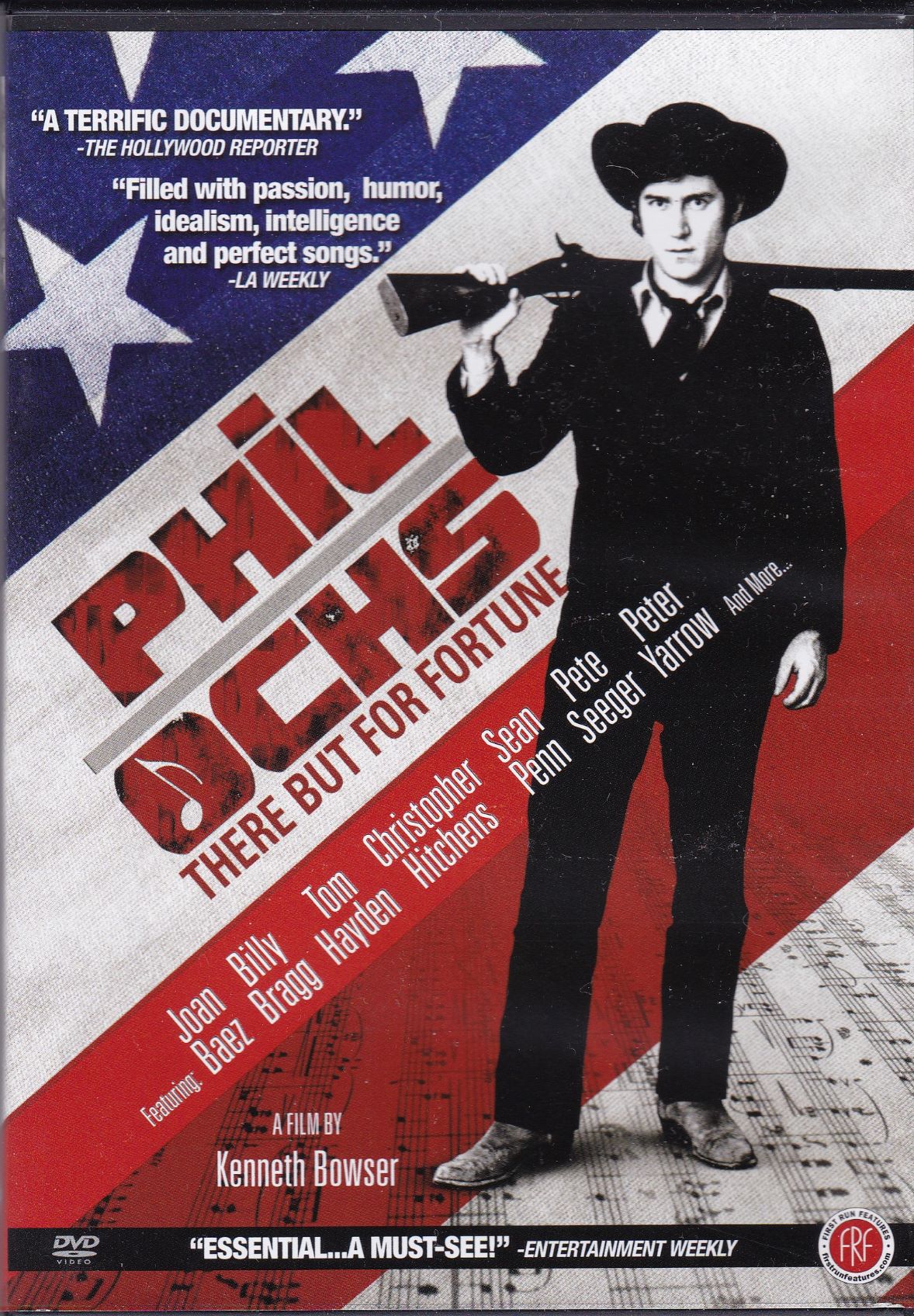
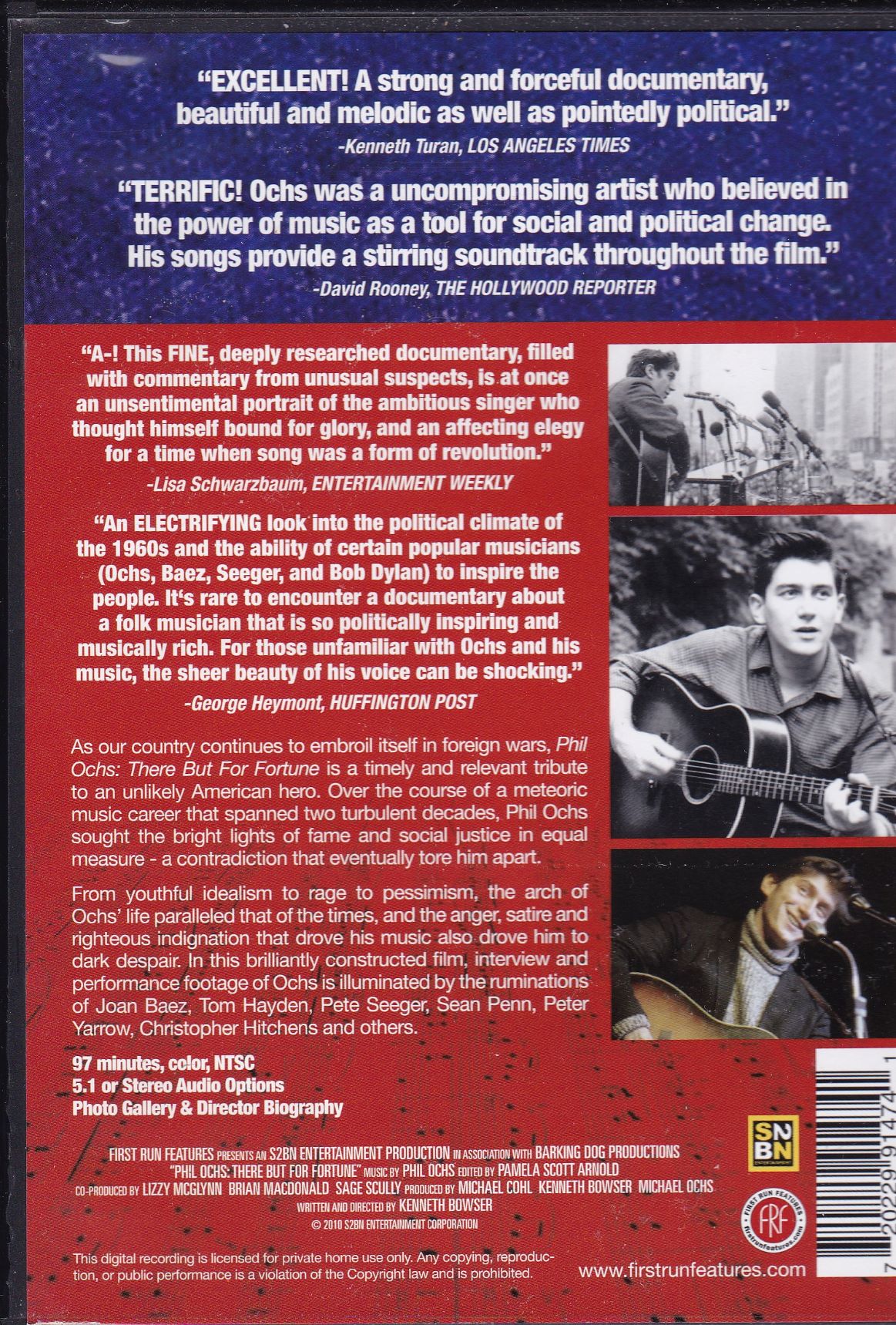
In 2010, Ochs got his first video retrospective tribute shown on PBS, which included Joan Baez, radical Tom Hayden, fellow-protest-singer-influence Pete Seeger, bad-boy-friend Sean Penn, Peter Paul and Mary’s Peter Yarrow, and radical journalist Christopher Hitchens. The result was an engaging 97-minute ode to this rebel-social activist-humanitarian, who tragically chose an unpopular, unconventional path to musical glory. Definitely, a must-have for fans.

………………………………………………………………………………

There is much, much more I could say about the folk singer who as equally interesting and even more outrageous than Bob Dylan. I will just close with the speculation that Dylan’s new 17-minute “Murder Most Foul” tribute to JFK may very well have been inspired by his friend Ochs’ mournful elegy to JFK, “The Crucifixion”.

Posted in Uncategorized | Leave a comment

Lawrence of Arabia: A Flawed Hero

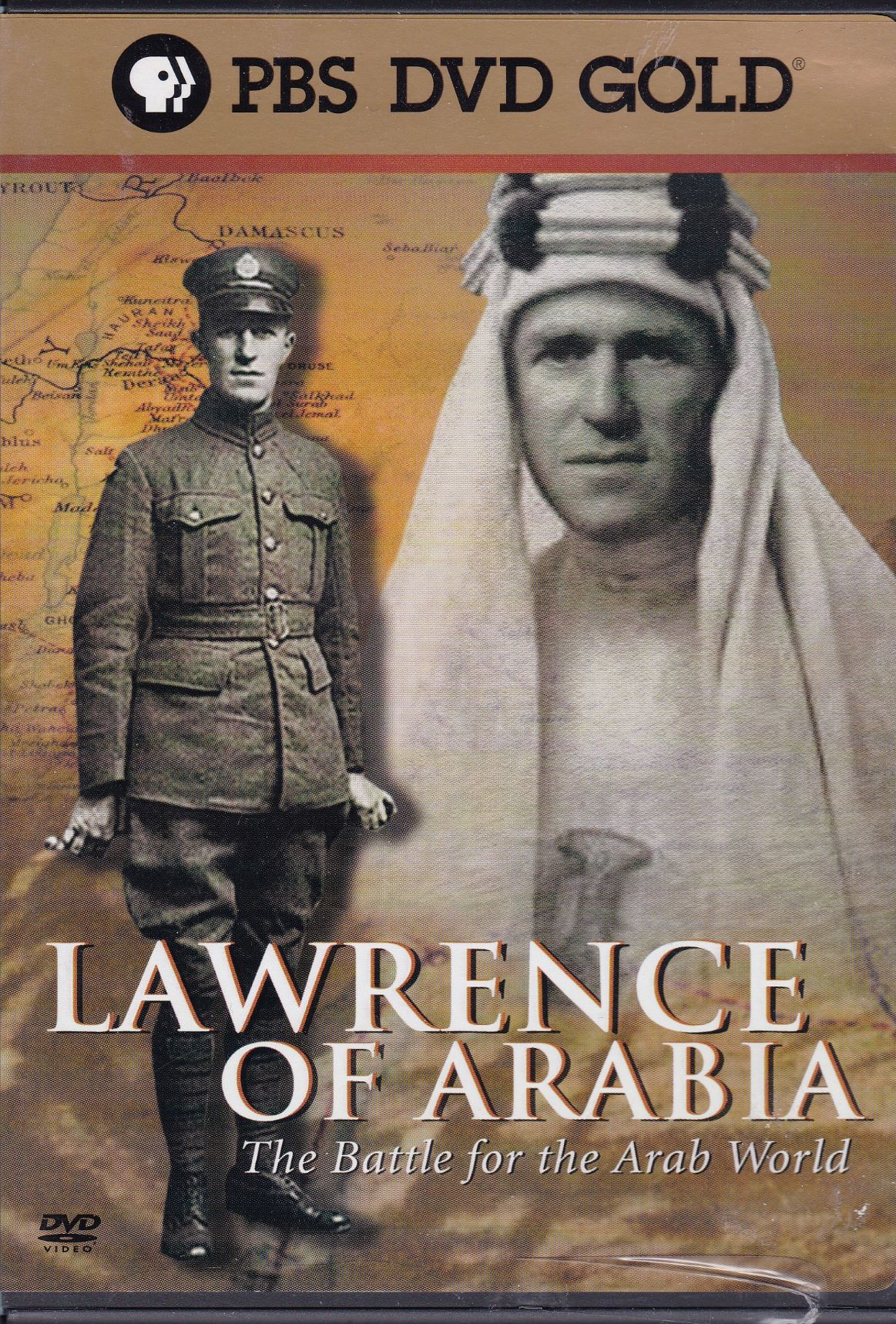
A “secretst man”, indeed, with his hidden guilt and shame of betraying his Arab friends and allies as he tried to facilitate a free independent Arab state after WWII. How he became world-famous and yet shunned the limelight and beat a retreat to Clouds Hill, his modest home in the English countryside after he’d abandoned military service and the Middle East. Quite the story complete with his love for an Arab young man, the possibly exaggerated torturous beating in Dera’a, and the real floggings he periodically chose before his unexpected accidental death at 47, riding (trying to avoid killing two cyclists) on his beloved motorcycle nicknamed Boanerges.

A fascinating two-hour watch reviewing the life-story of this unlikely hero of the British Middle East campaign. He shaped Arab-Western relations for generations to come. The movie draws on eyewitness accounts from Arabs, Westerners, and Lawrence himself and nicely complements David Lean’s epic film Lawrence of Arabia, filling in many more details and answering many questions raised by the famous movie.

Writer, director, producer James Hawes has done an excellent job of demystifying the enigmatic Lawrence of Lean’s movie. He has even shot on locations associated with Lawrence in a mix of black and white and color to create a realism and timelessness about his subject. I highly recommend this one for anyone who wants to understand and appreciate T.E. Lawrence, his fame, and his role in history better.

Posted in Uncategorized | Leave a comment

Many Days Dealing with 3 Meals a Day Still

Planning what to have with whatever limited groceries, especially with declining availability and purchase of fruits and vegetables. It’s tough and the empty shelves of sugar, salt, and chocolate products also tell a future tale of increased obesity from a free-fall sedentary lifestyle online or in front of the tv.

And if there’s no indoor movement or exercise: Da-da-da-dum. A deadly combo for down the road for millions. For have-nots and lazy types with a minimal sense of diet and exercise consequences of this duofold neglect, those dangers are massively magnified.

So these physical basics, obviously, come first as one is left to one’s own resources in an age of pandemic.

I will just mention, too, the question of inner basics as well since they affect mind, thinking, emotions, and spirit/soul. One always has to ‘put in’/input and move forward each day relative to one’s experience, interests, hobbies, curiosity, and the need for information/the need to know. Learning something new and exploring a topic further is a bare minimum for keeping one’s inner self intact.

Doing nothing but sitting on the phone, computer, or tv is generally a deadly course unless you are doing the things I mentioned above. If you are going to watch tv, watch your own freely chosen informative, education, uplifting videos. Or shows that feature intelligent conversation–something that will get one thinking and discussing with others.

There is a big diff between Googling Entertainment Tonight and Rachel Carson, for example. Sites about Nature are usually inspiring and informative. There is much to learn about the world. What have you learned today about yourself, your past, what interests you, other people, famous and great people and role models, ways of imagination and creation, the arts, and other ways of thinking and living? How have you moved forward today? What filled you up? Nature? Music? Reading? A good conversation with a friend? Helping others in some way?

Anyway, it’s all about choices even within limited and limiting contexts. How you live your one life. How you keep going and keep yourself up. How you stay connected and realize your inner self. All of that.

Posted in Uncategorized | Leave a comment

1/2 Billion More People in the World

will be living in poverty thanks to coronavirus.

And the American jobless has reached the level of the Great (1939) Depression. With some authorities predicting a summer or fall restart, we can expect many businesses to not reopen even if we’re able/ready to shop.

There is also some question if groceries and medicines may run out

How people will be able to pay the rent or mortgage is another question. As is the problem with many now not being able to retire when they had previously believed possible. Retirees with investments in stocks will take a major hit on their nest egg; even their non-stock RRSPs and RRIFs will take a hit.

Posted in Uncategorized | Leave a comment

A Super Edmo Radio Station to Exercise To

CKUA.
They have a wide range of music genres throughout the day and minimal advertising.

Posted in Uncategorized | Leave a comment

My Creative Writing Career (1980 to 2020)

“Too many lives to lead and not enough time”
–Randy Bachman, The Guess Who, “Undun”

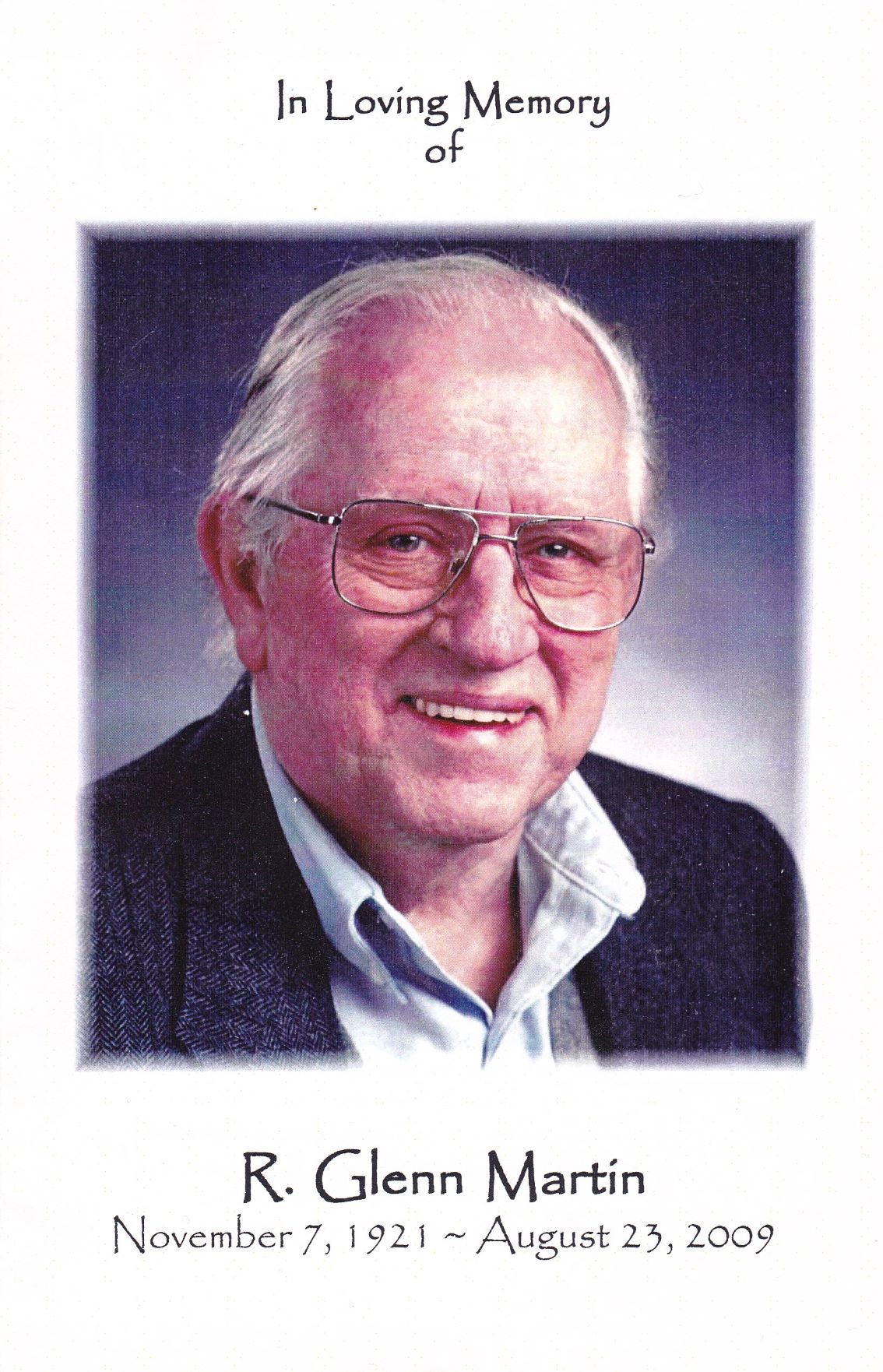
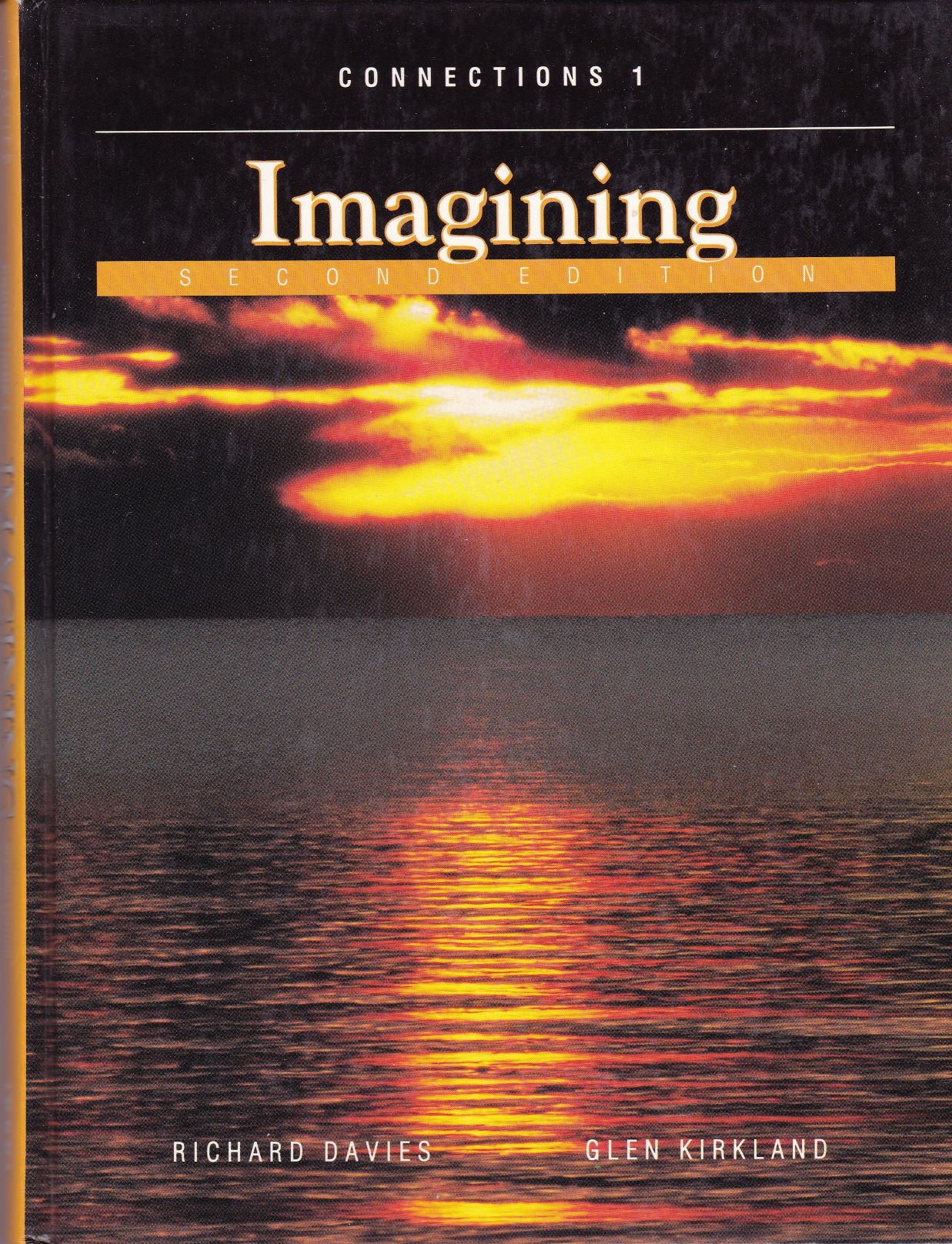
Although I had written some poetry and song lyrics in my teens and twenties, I did not write my first published serious poem until Connections 1: Imagining in 198o. (My prof Glenn Martin called it my signature poem.)

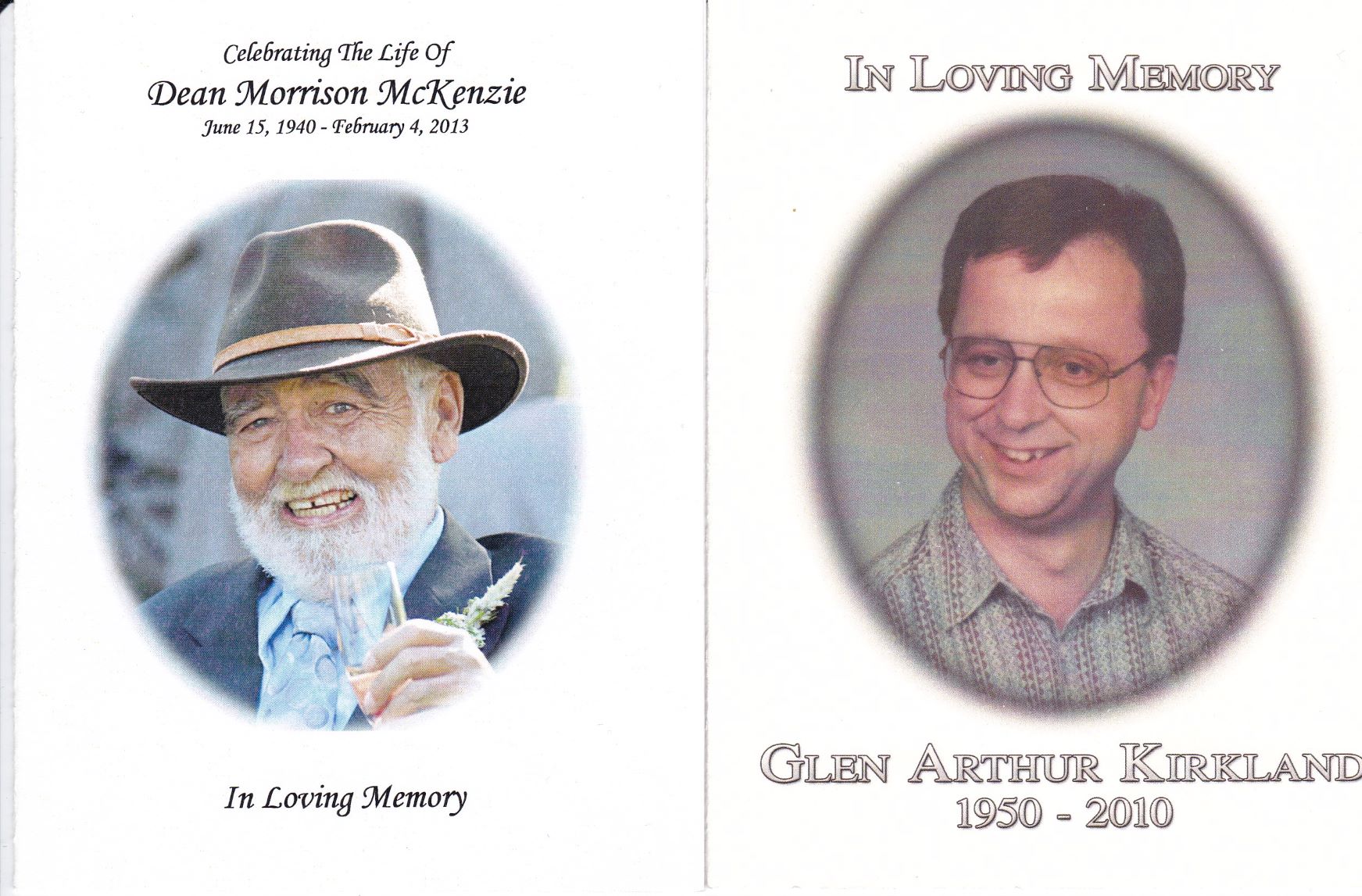
I owe my start as a serious poet to my writing partner at the time Glen Kirkland. Glen was a master teacher and had been writing poetry for some time. He elucidated the ways of free verse to me in ways that made sense and then I was off, writing poems for publication in many Canadian and American literary periodicals including Canadian Author and Bookman, Margaret Laurence Review (issue #1, the only poem), and about 20 issues of the Stroll of Poets anthology. In total, I have been published (sometimes with multiple poems) in around 100 magazines and books. My work has also been read on radio stations in London, ON, and Edmonton. Along the way, too, Glen and I read at Gage Towers on UBC campus in 1980 with many established poets, in Winnipeg at the Marlborough Hotel (more of the same), and in Halifax (with some of their poets).

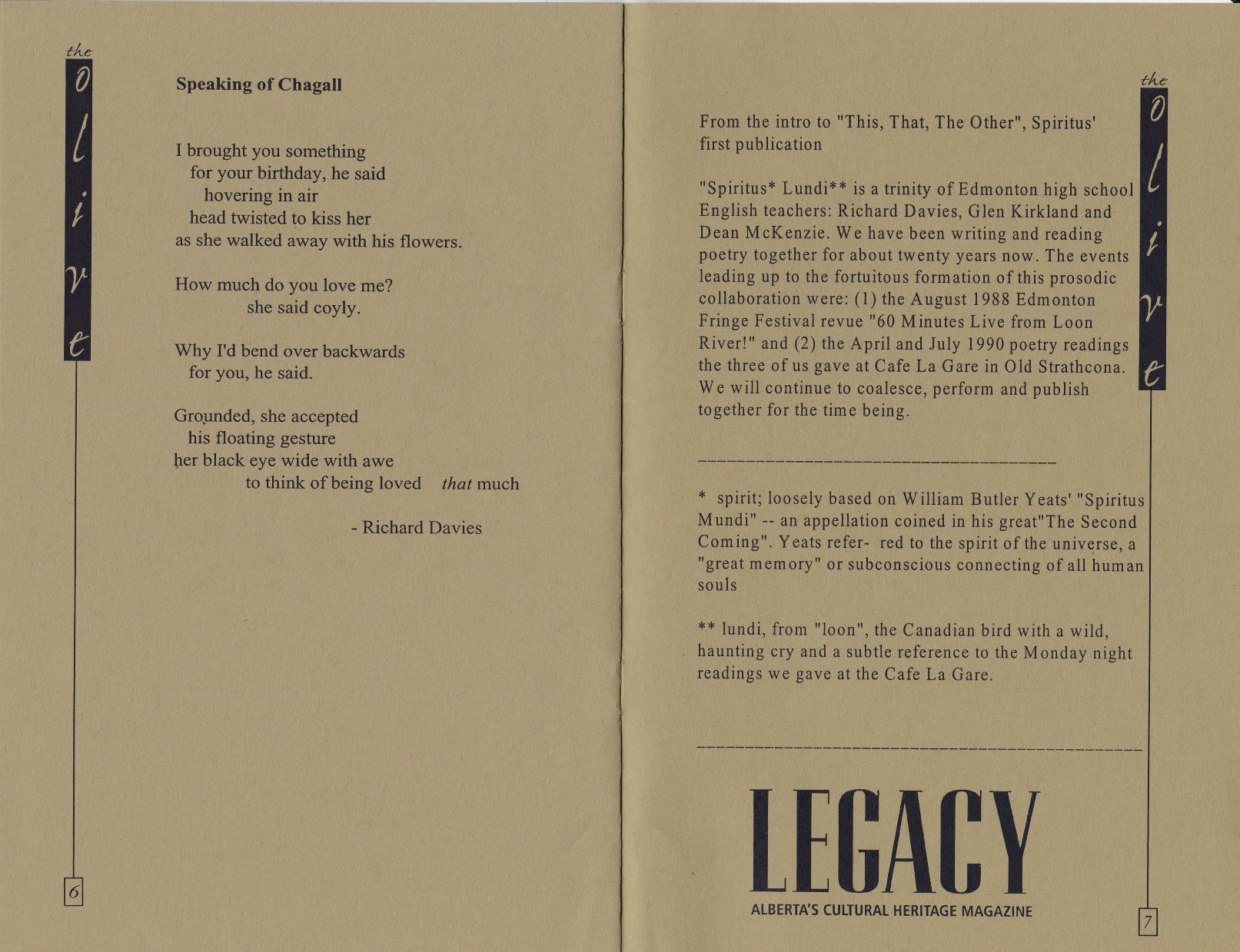
But things really picked up around 1985 when I started reading with Spiritus (Spiritus Lundi, originally) composed of three Edmonton senior high ELA  teachers: myself and Dean McKenzie from Edmonton Public and Glen who was the ELA supervisor for Edmonton Catholic. Dean dubbed us a poetic trinity–Laddio (me), Daddio (himself), and Spook (Glen representing the Holy Ghost, Catholicly speaking). We were a performance trio (me using tape recorded sounds and music) and him on guitar and bongos.

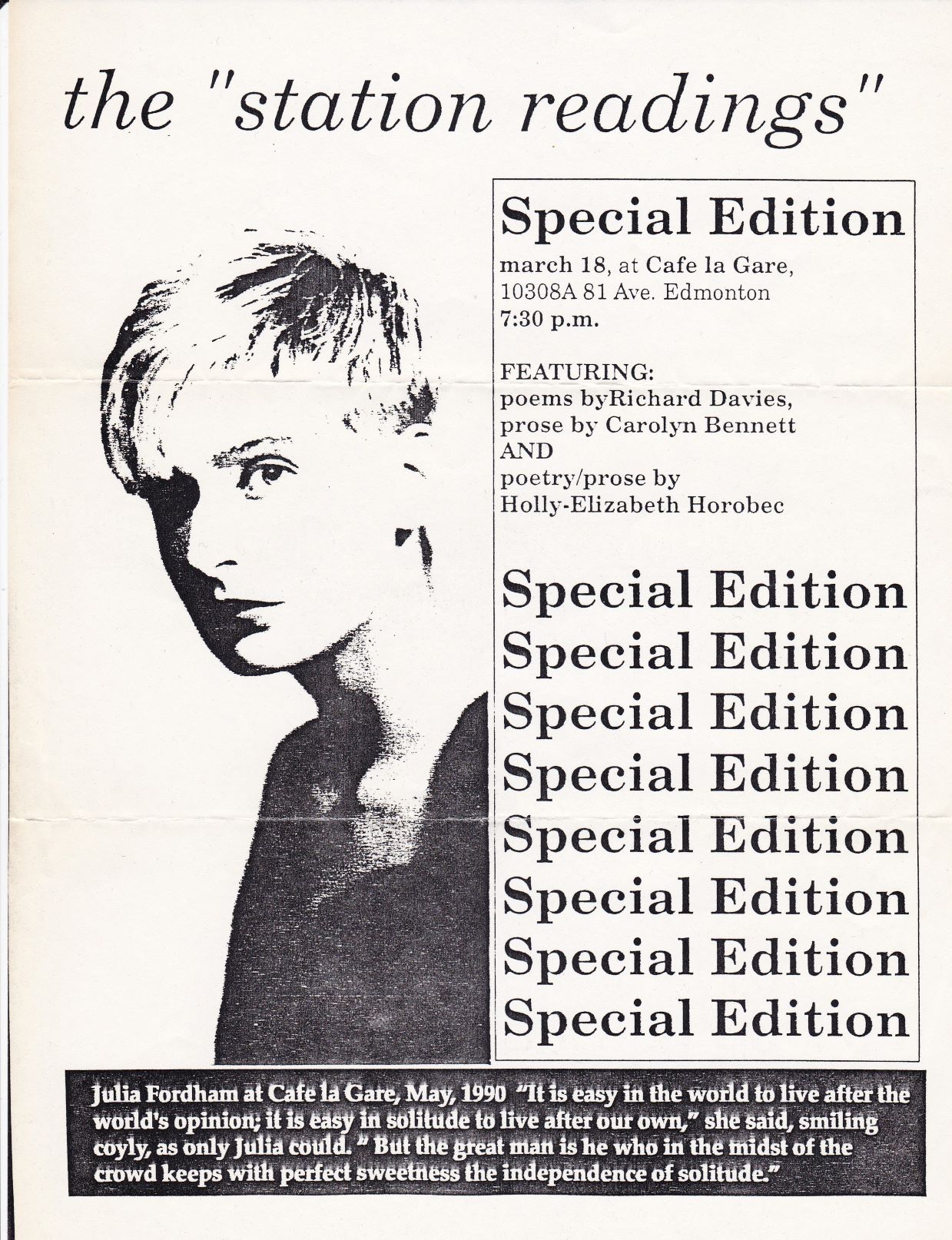
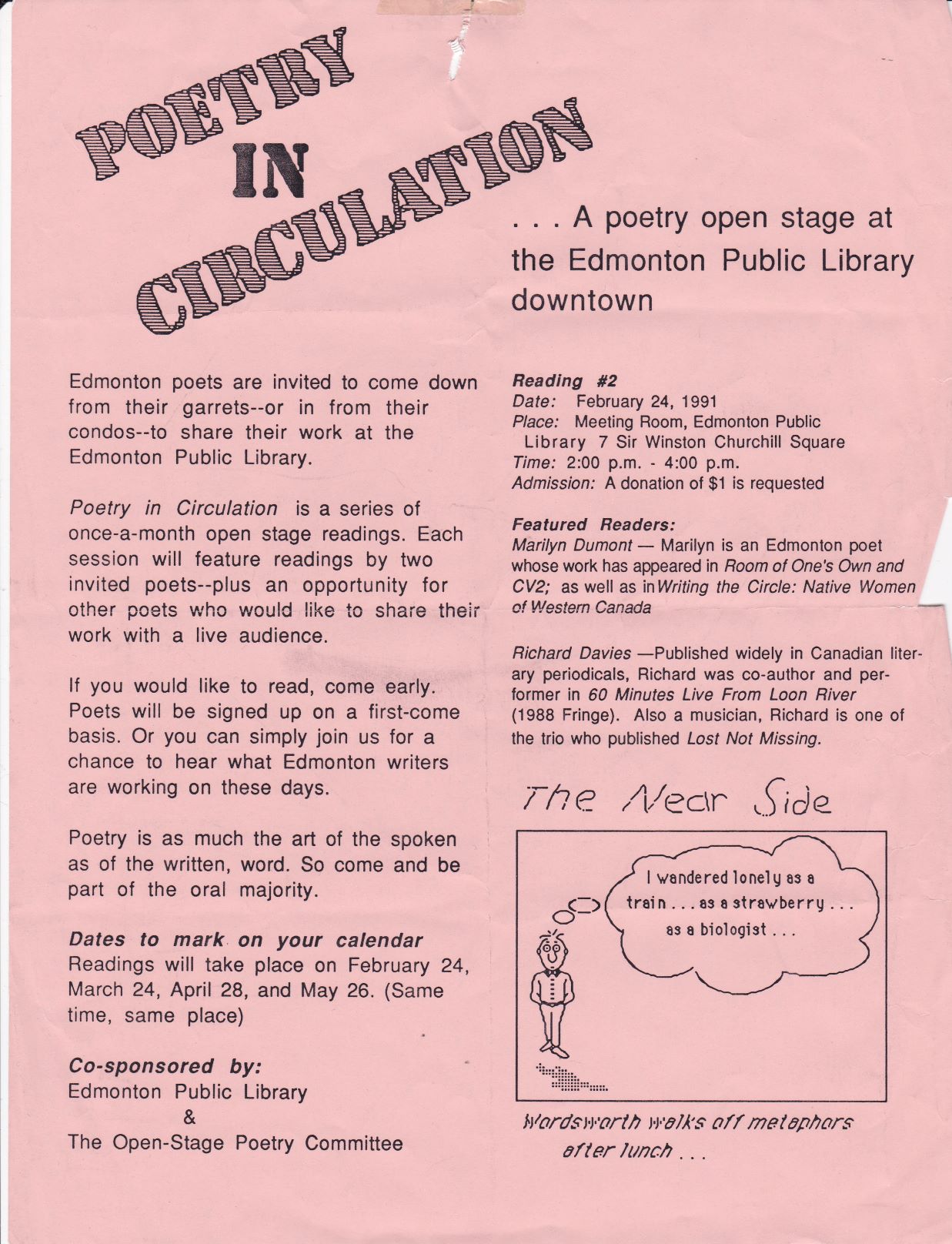
We gave memorable shows at Ike and Iggy’s pub on Whyte Ave. with Dean’s back-up percussion group, a recitation of my multi-voiced “Nordicity” at Block 1912, at ELAC conferences, at the Strathcona Legion, at the olde Courtney Blake’s pub, at La Boheme hotel-restaurant, at U of A, at Southgate Woodward’s Books in the mall, and were briefly about as close to a ‘house group’ for the Station Readings at Strathcona’s Cafe la Gare. We also read on and were interviewed CBC Radio.

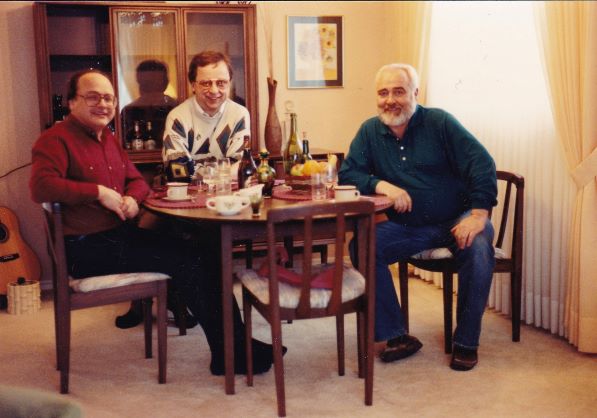
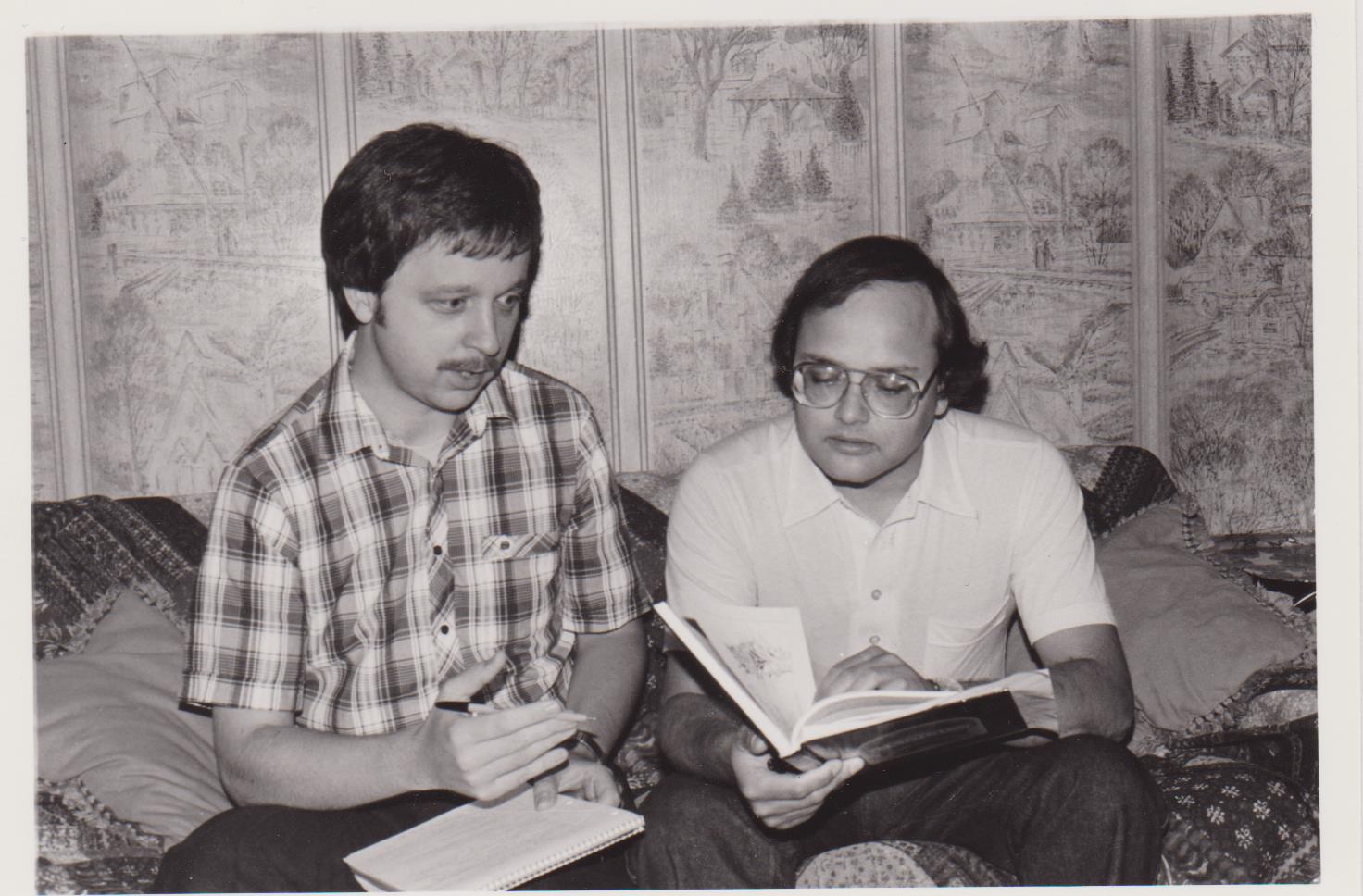
(left to right: RD, Glen Kirkland, and Dean McKenzie planning another gig)

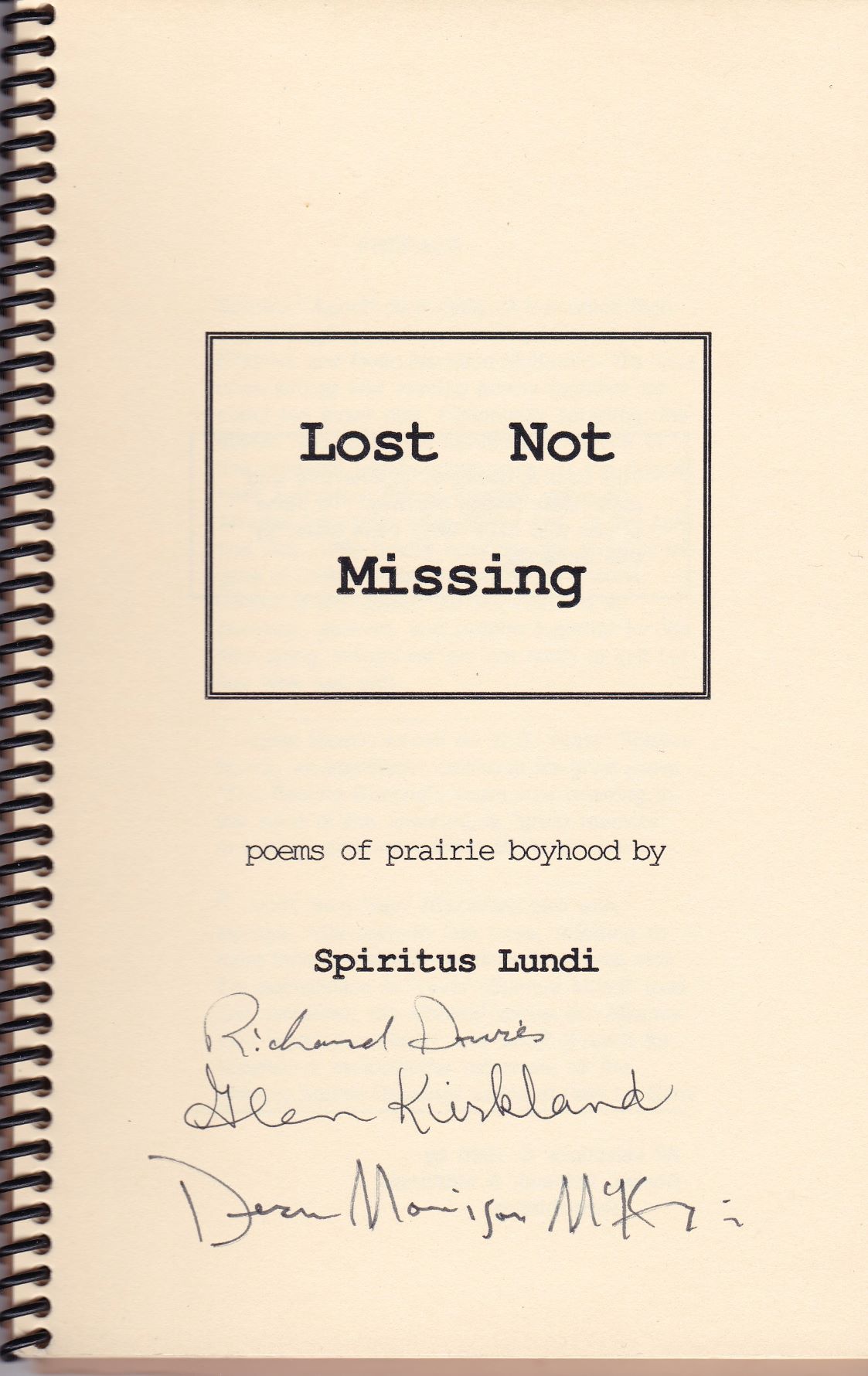
(1990: the first sold-out chapbook)

(fall 1990: here we are on a busy Saturday afternoon reading poems to passersby on the mall; eventually some people came and sat around on the floor listening at the entrance to Southgate’s Woodward’s Books)

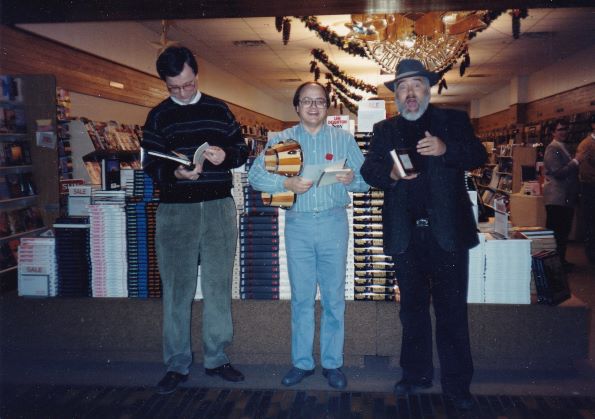
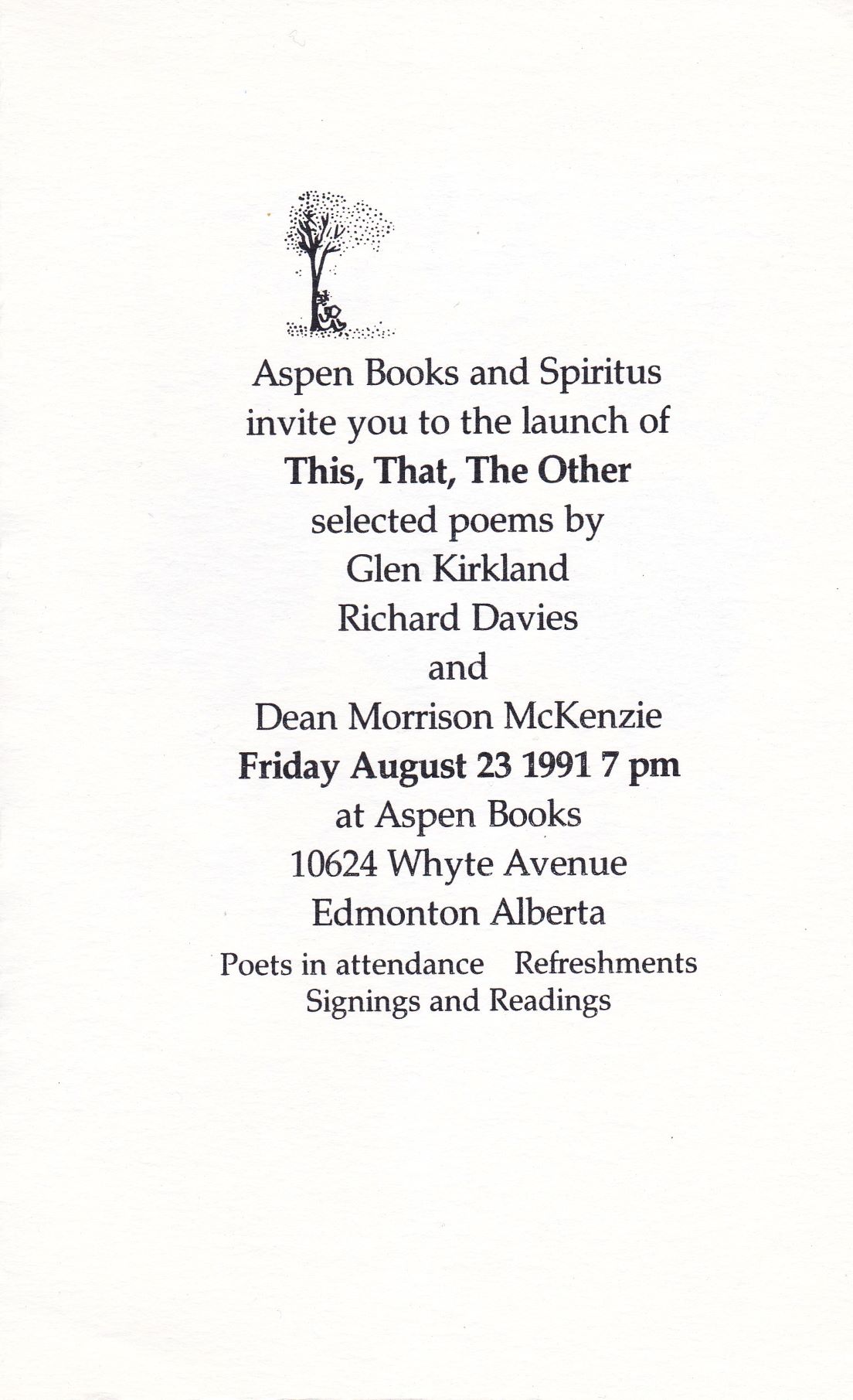
(we had a number of launches, this one at a Whyte Ave. bookstore)

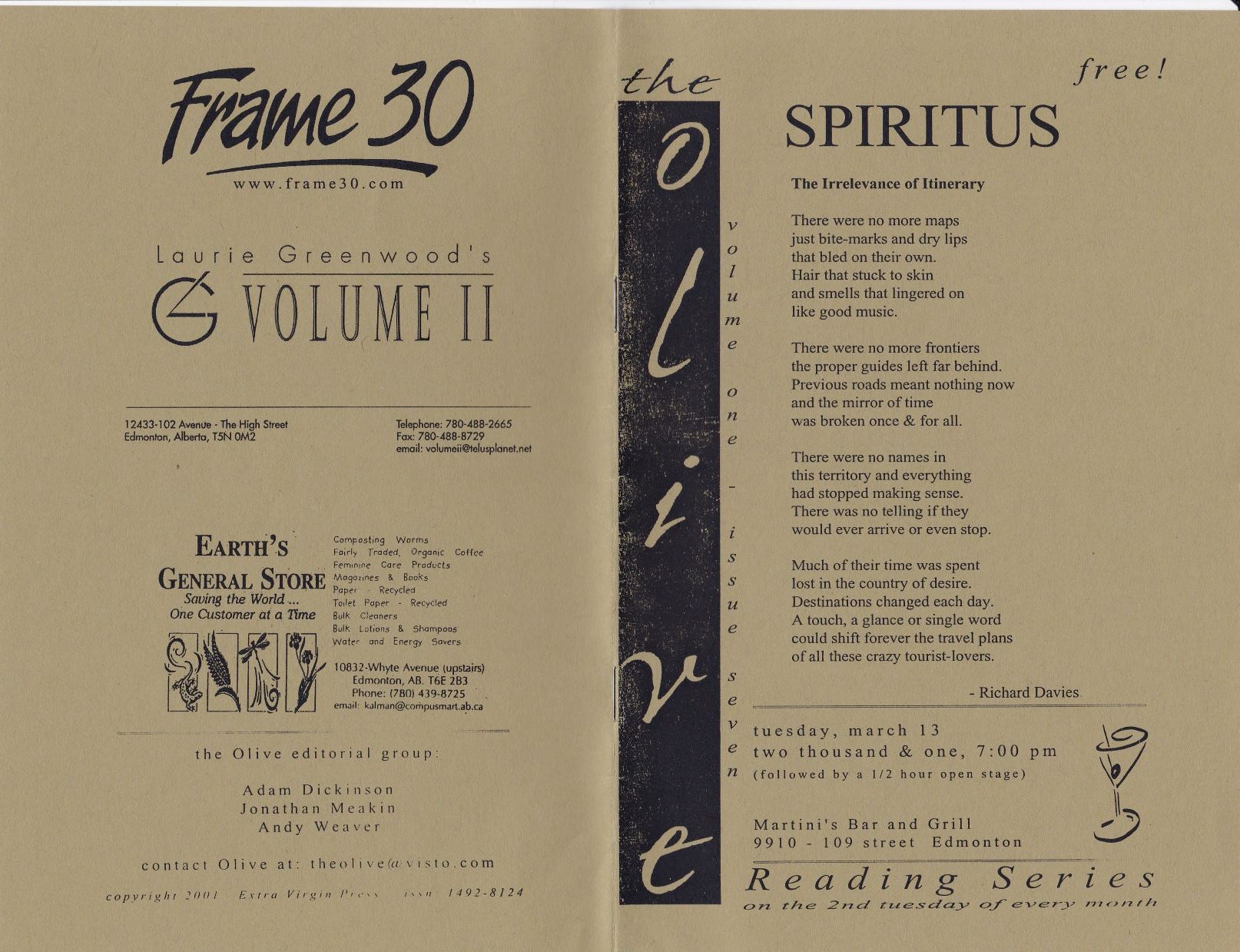
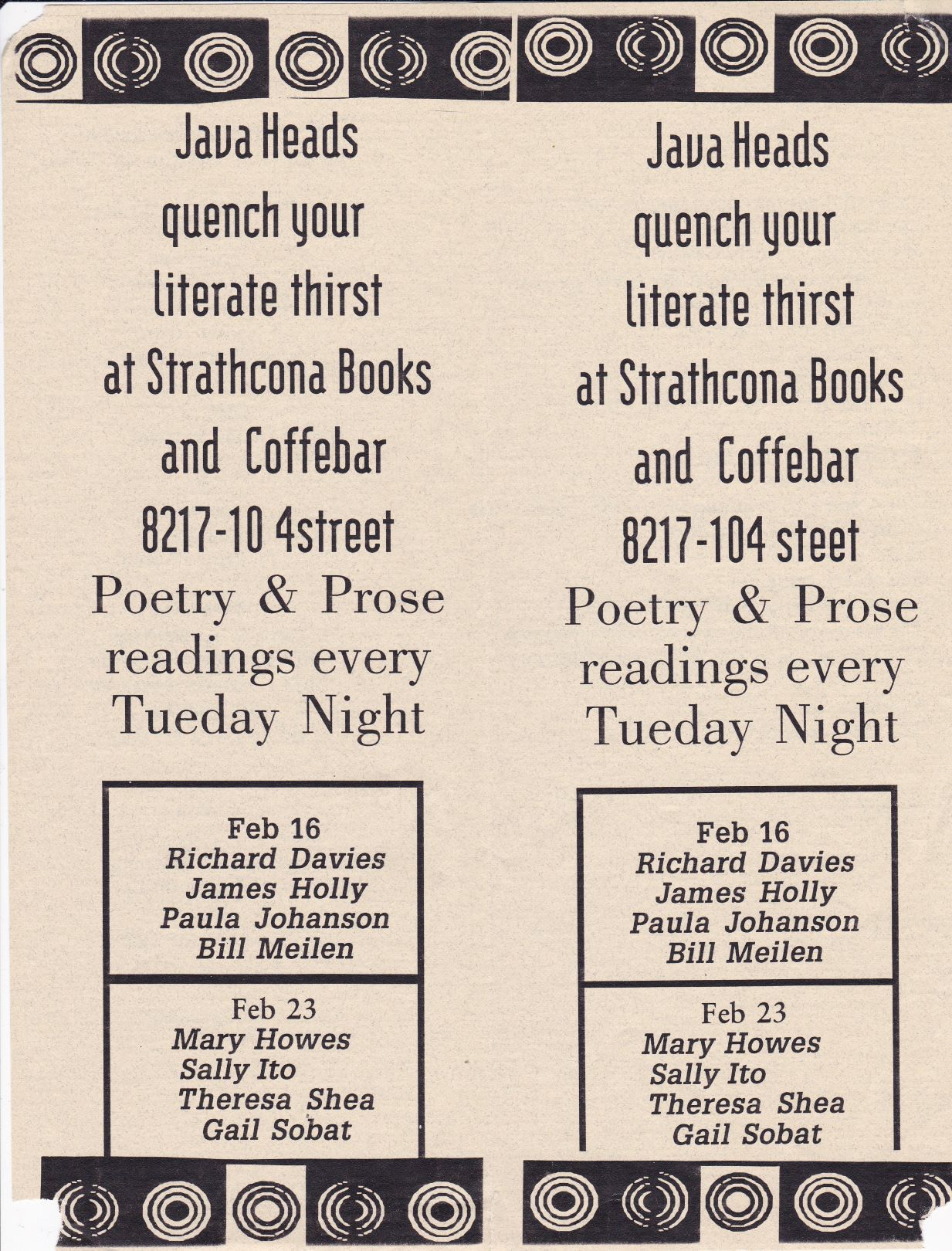
(from a program at Martini’s Olive Bar on 109 Street for a Monday evening Spiritus reading in the ’90s)

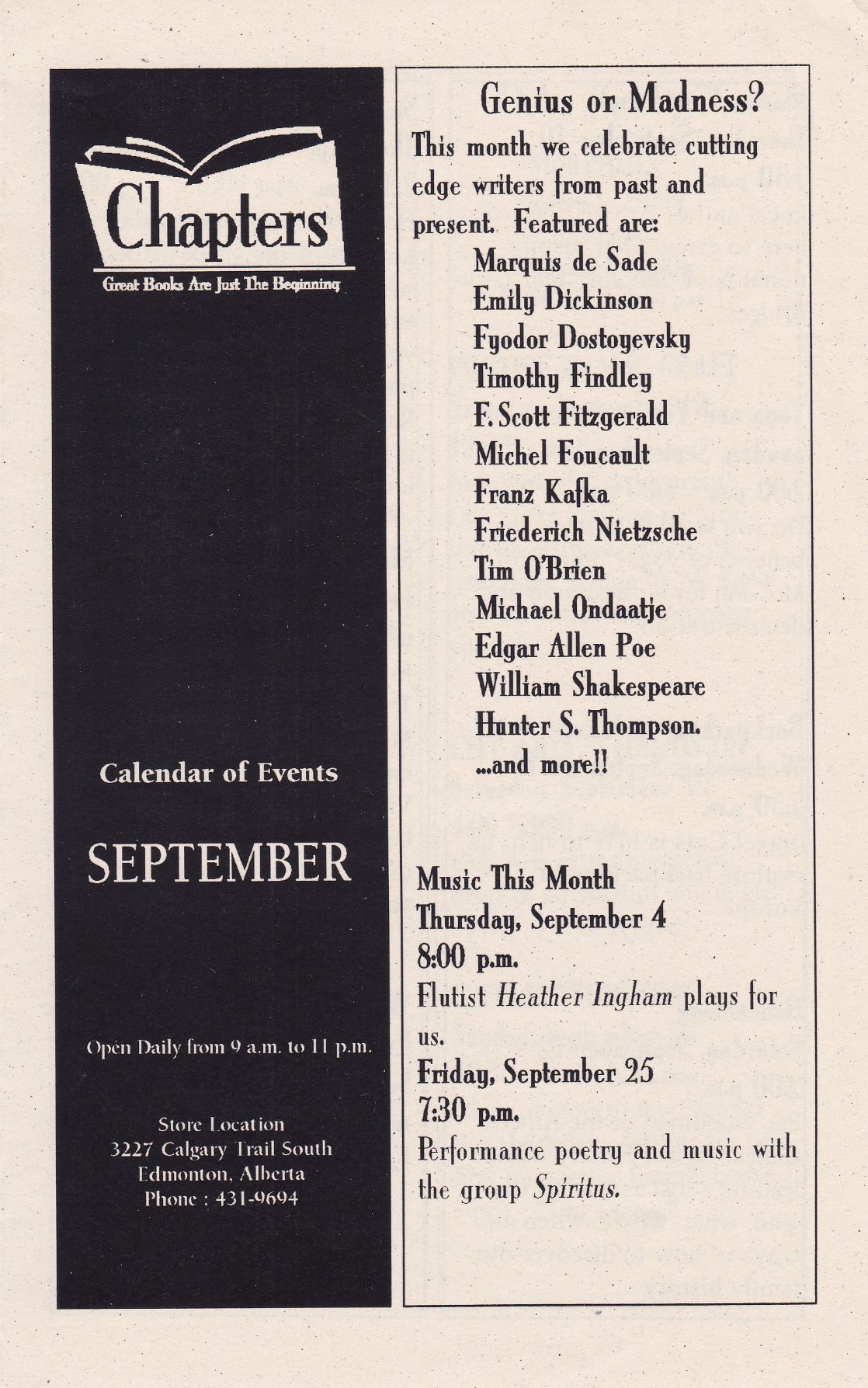
(a strange gig at South Point’s Chapters Bookstore which had just opened)

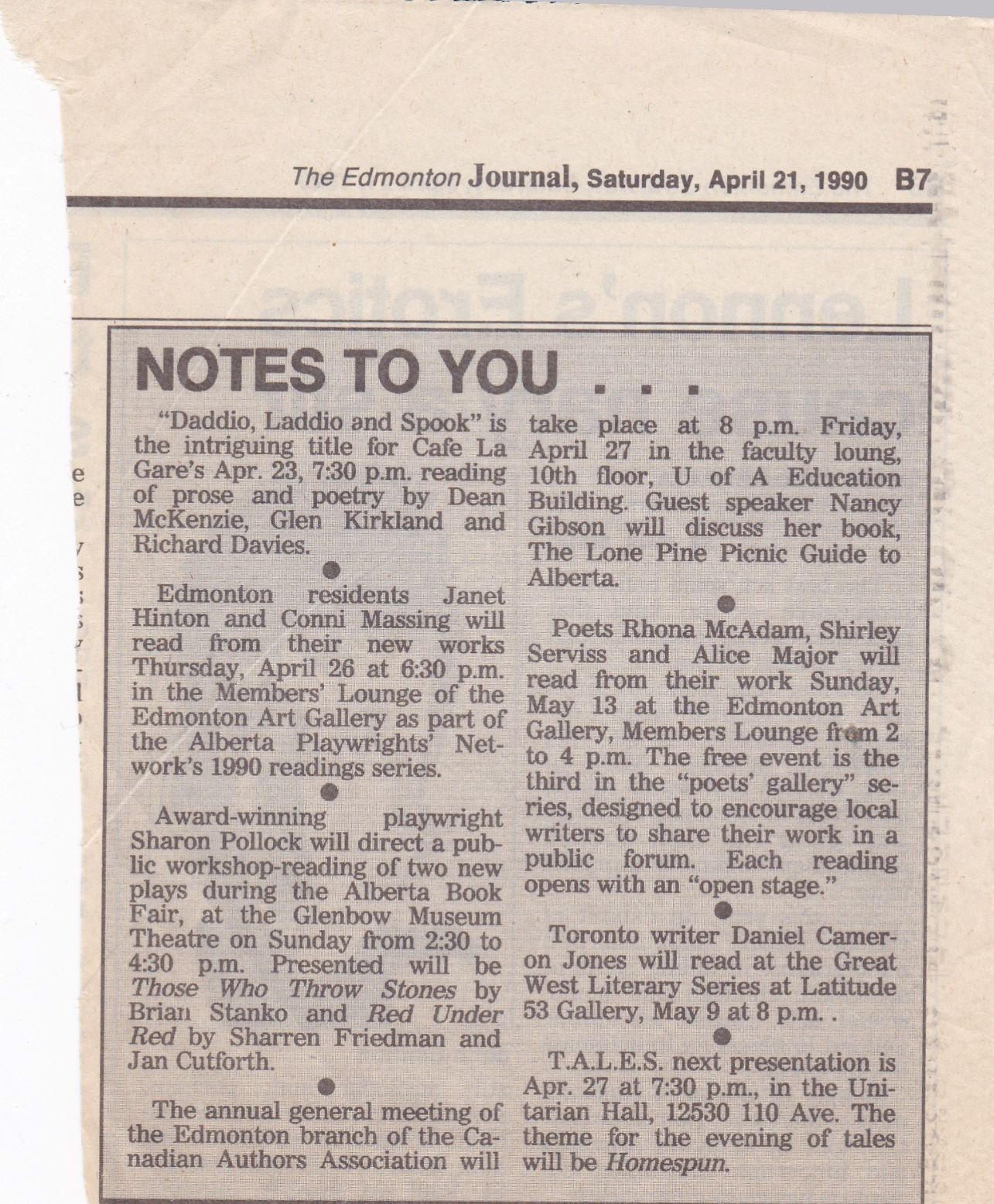
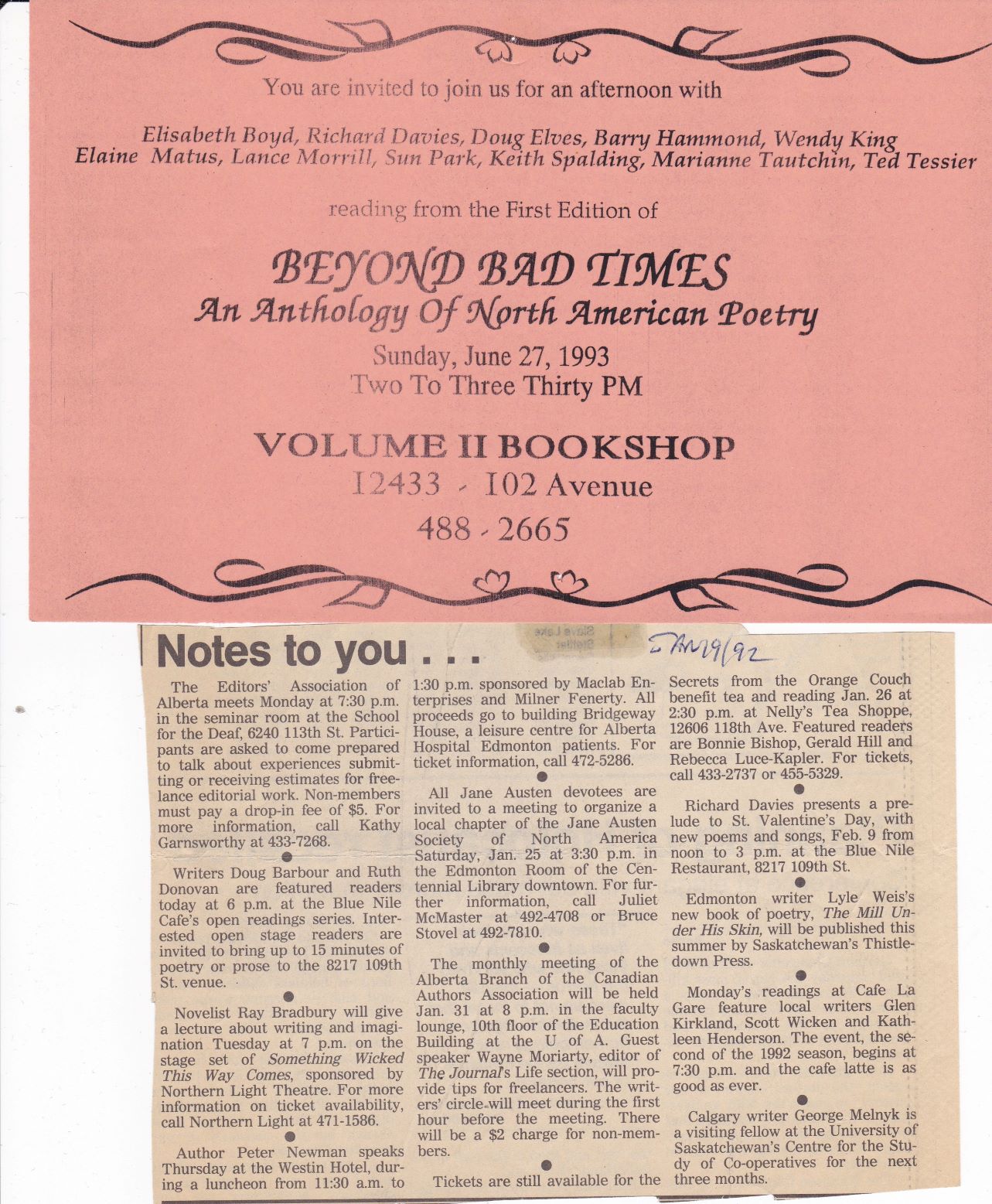
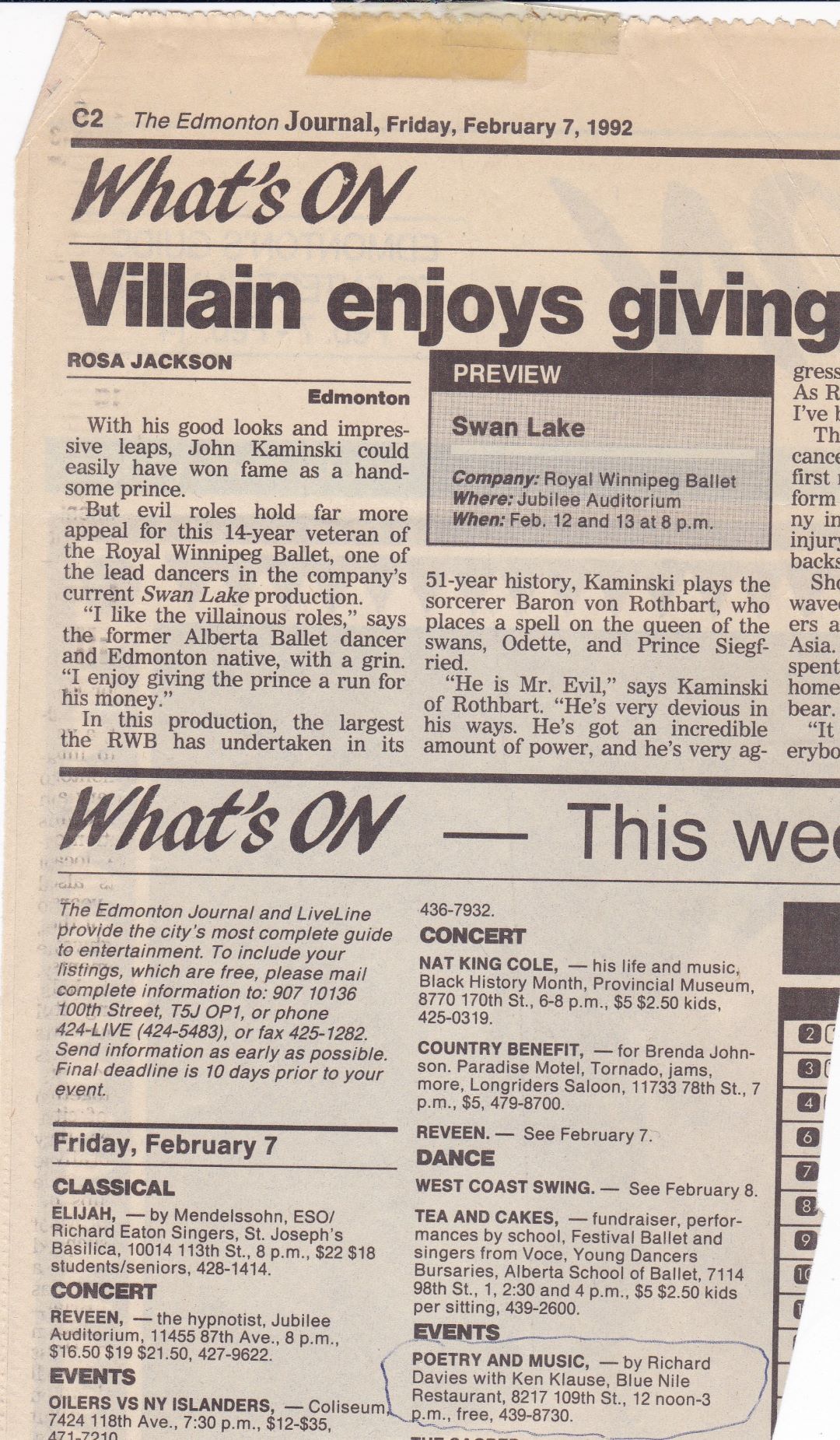
(typical of the Journal ads for our readings)

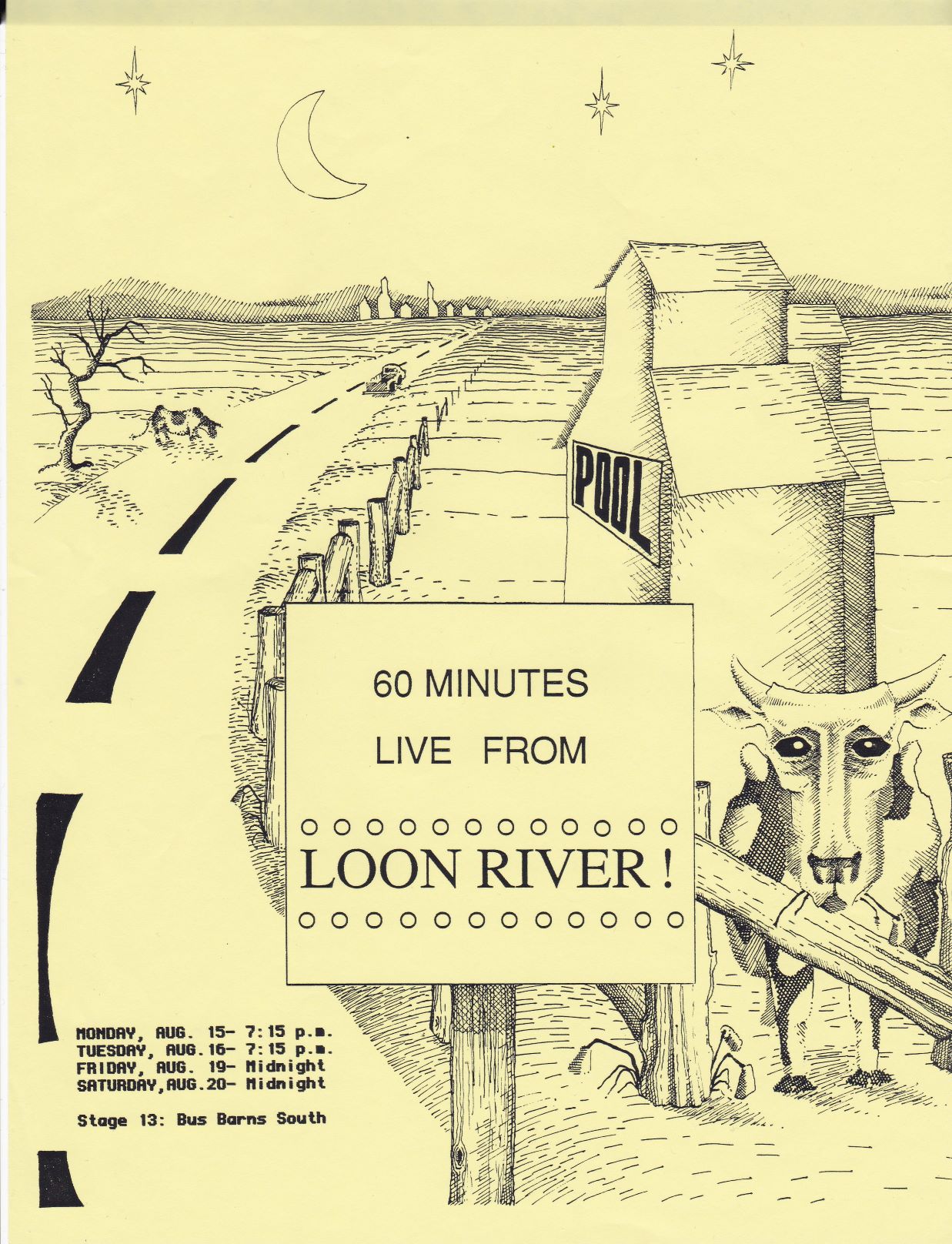
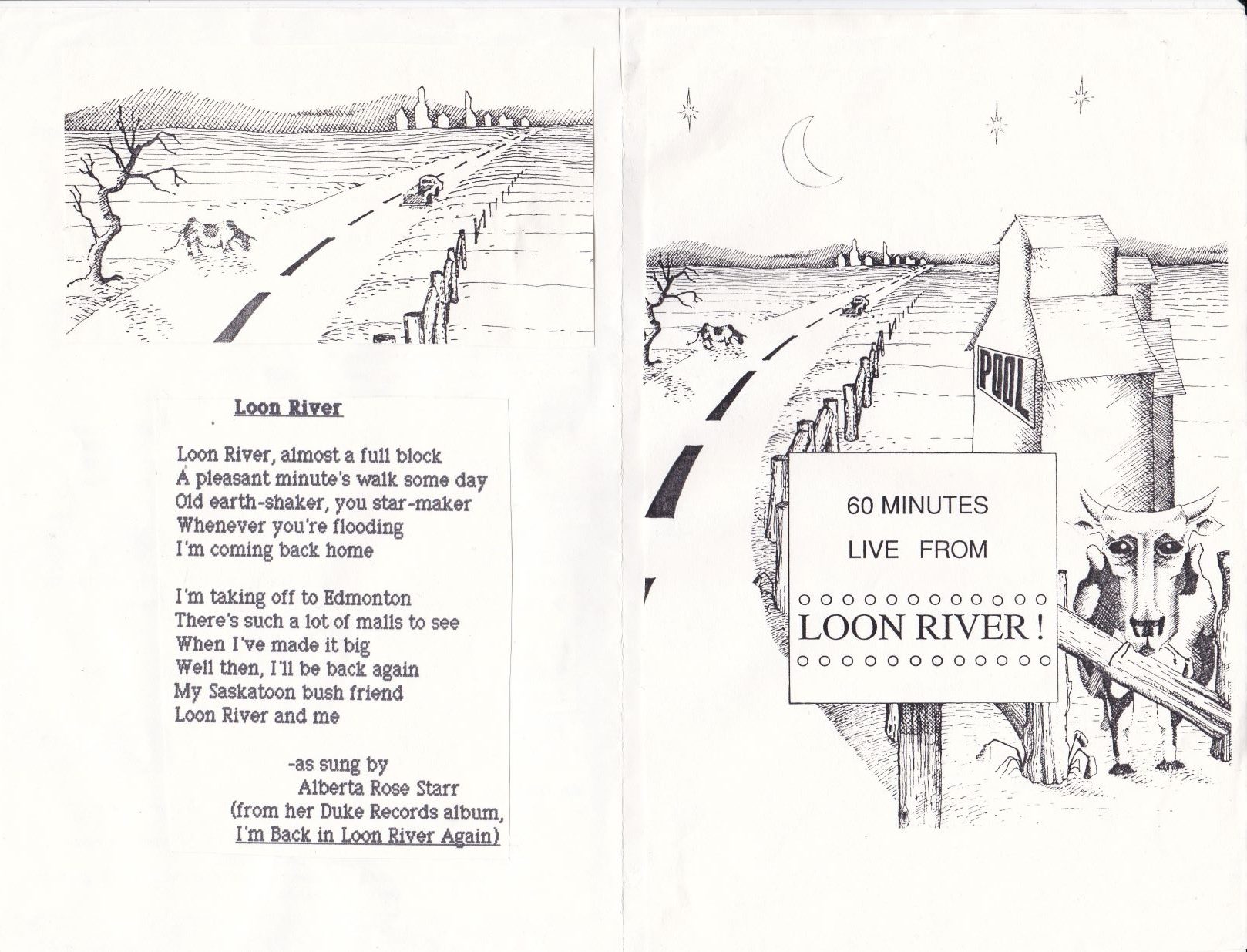
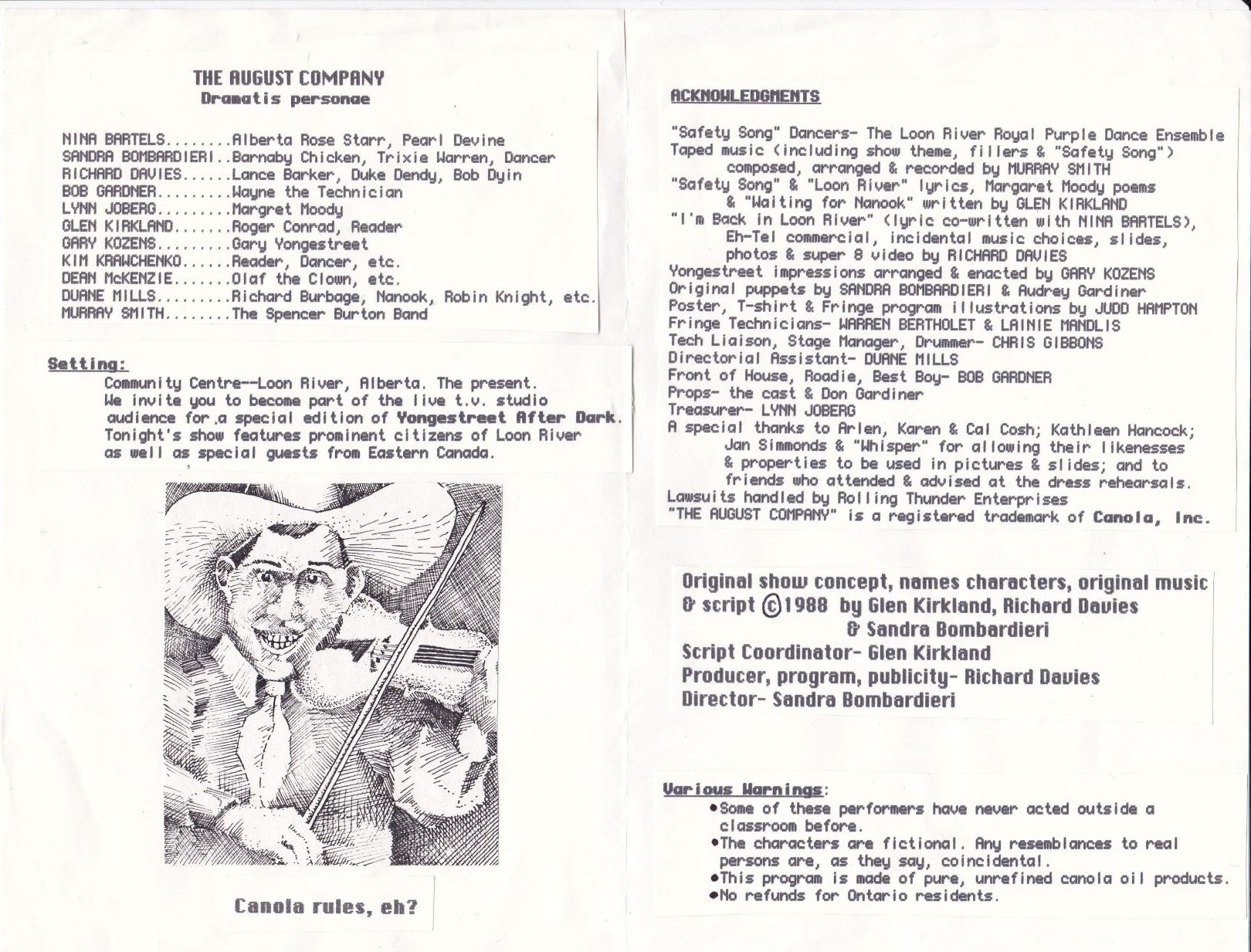
(in 1988, we led the charge into a satirical Fringe show including various teachers we knew; Dean and I collaborated on the script with Sandy Bombardieri, a Drama teacher at Strathcona High; true to form, we wrote original poems for the production)

(show program: the visuals were done by one of my nice ELA students who later went to Emily Carr school in Vancouver)

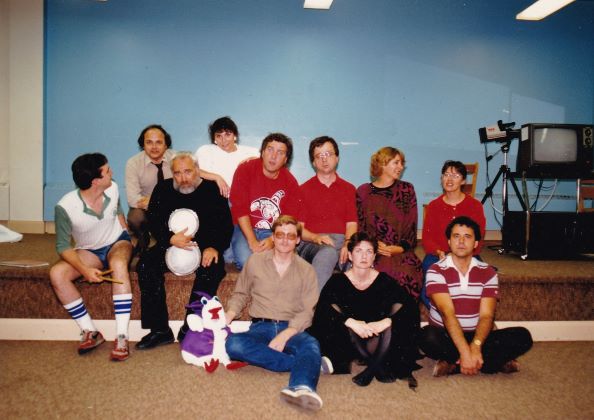
(the enthusiastic amateur cast and crew the evening before the curtain went up: RD with tie, Glen in glasses, right red shirt, Dean-o on bongos)

(after a 17-year run, we officially disbanded in 2002 as serious illnesses and cancers began to take their tolls on Dean and Glen; at Dean’s celebration, I read one of the eulogies–about his poetry and Spiritus, and recited his ribald bus lust poem with a jazz combo led by Andrew Glover; for Glen, I also gave a personally moving eulogy about his work and our relationship; RIP, guys)

(my own work with poetry began in the classroom in 1972; I also did sessions for a number of schools in town and in Calgary)

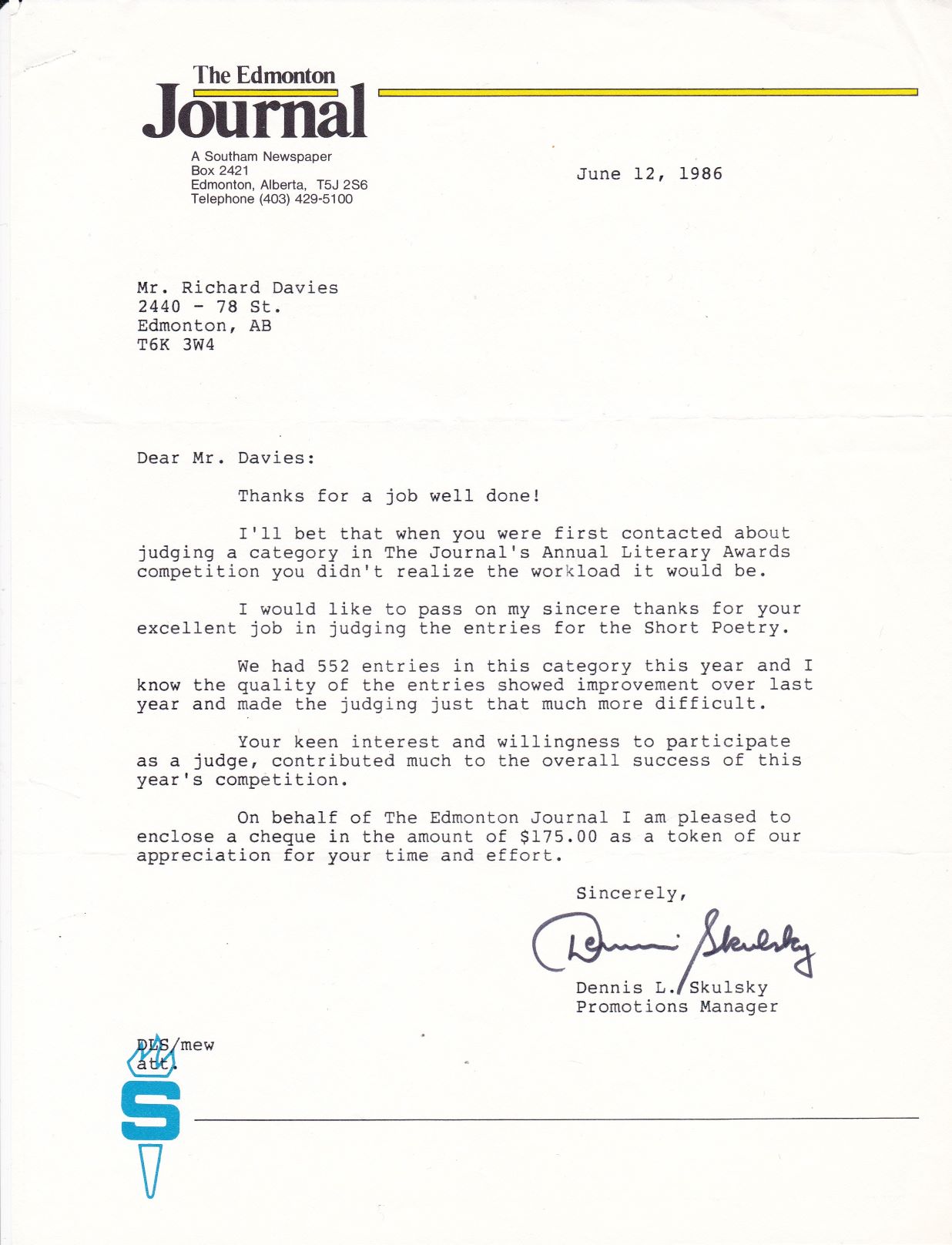
(left: Glen and I also judged poetry for the annual poetry writing contest at the Edmonton Journal; right: in the classroom and in workshops, I often presented on poetry writing for teachers and students, and held many poet sweatshops in schools I taught; at Percy Page, I coordinated a unique whole-day sweatshop with students writing poems in their ELA classes)

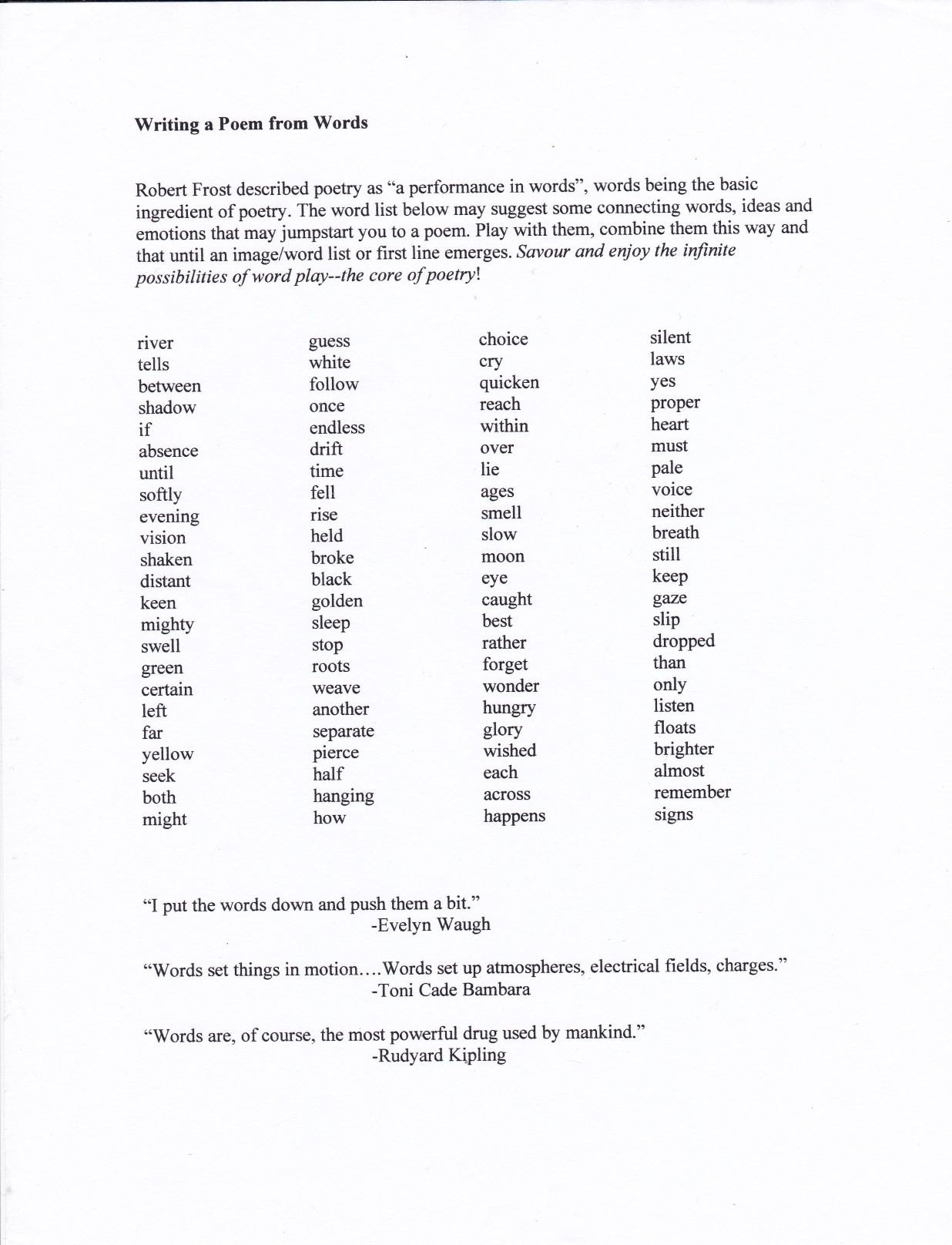
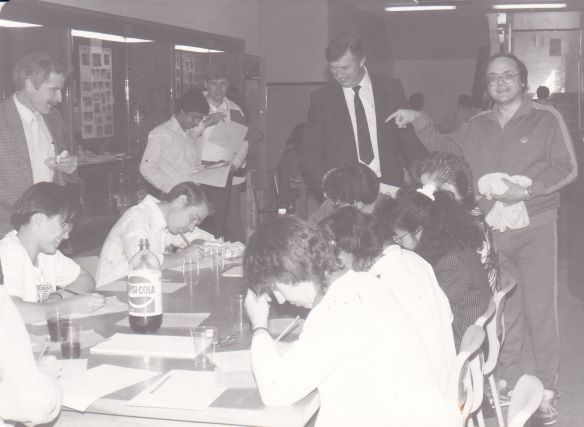
(RD dressed in sweats daring Strathcona High students to write a poem while Beethoven’s “Fifth Symphony–1st movement” played; my daughter even took part in one of these)

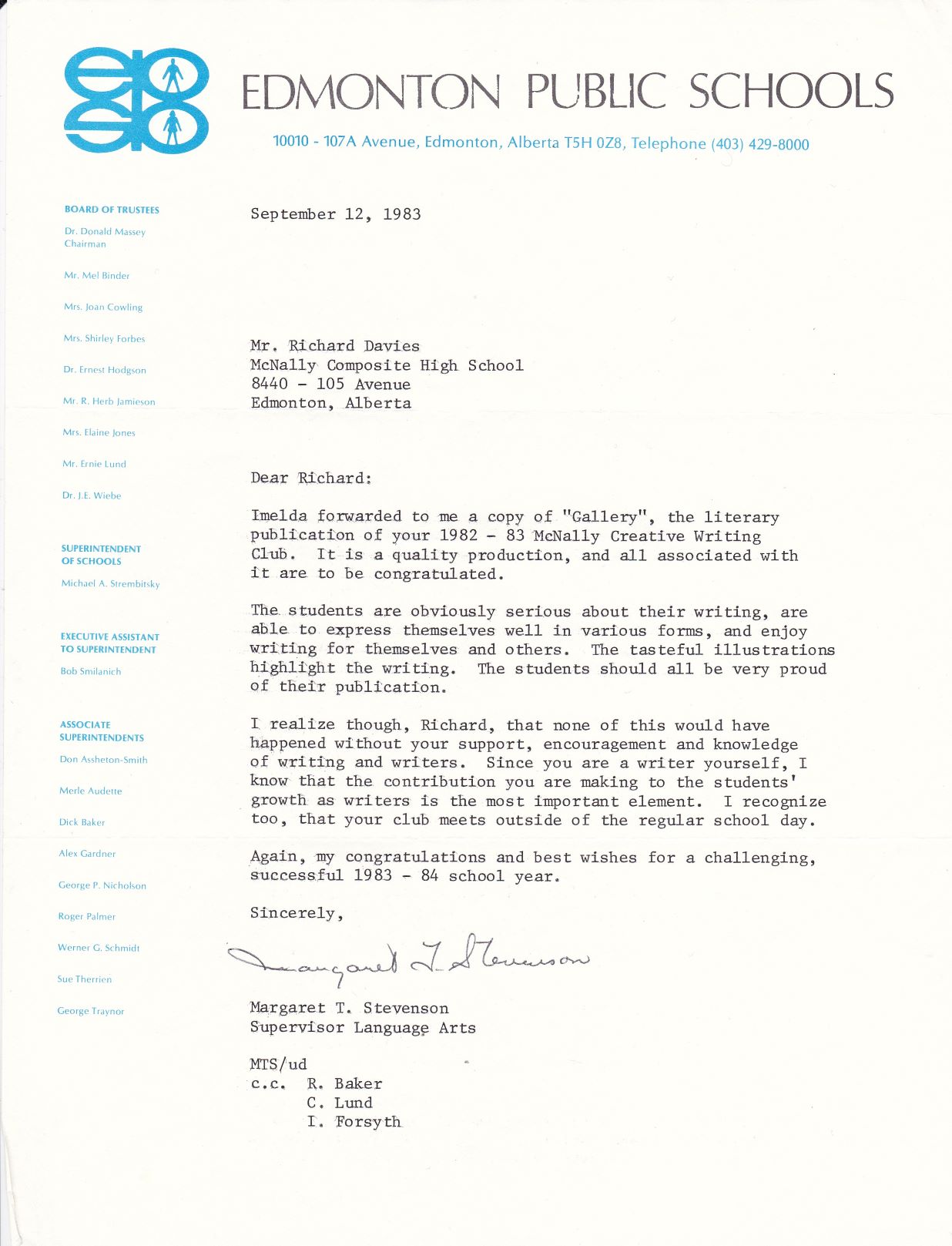
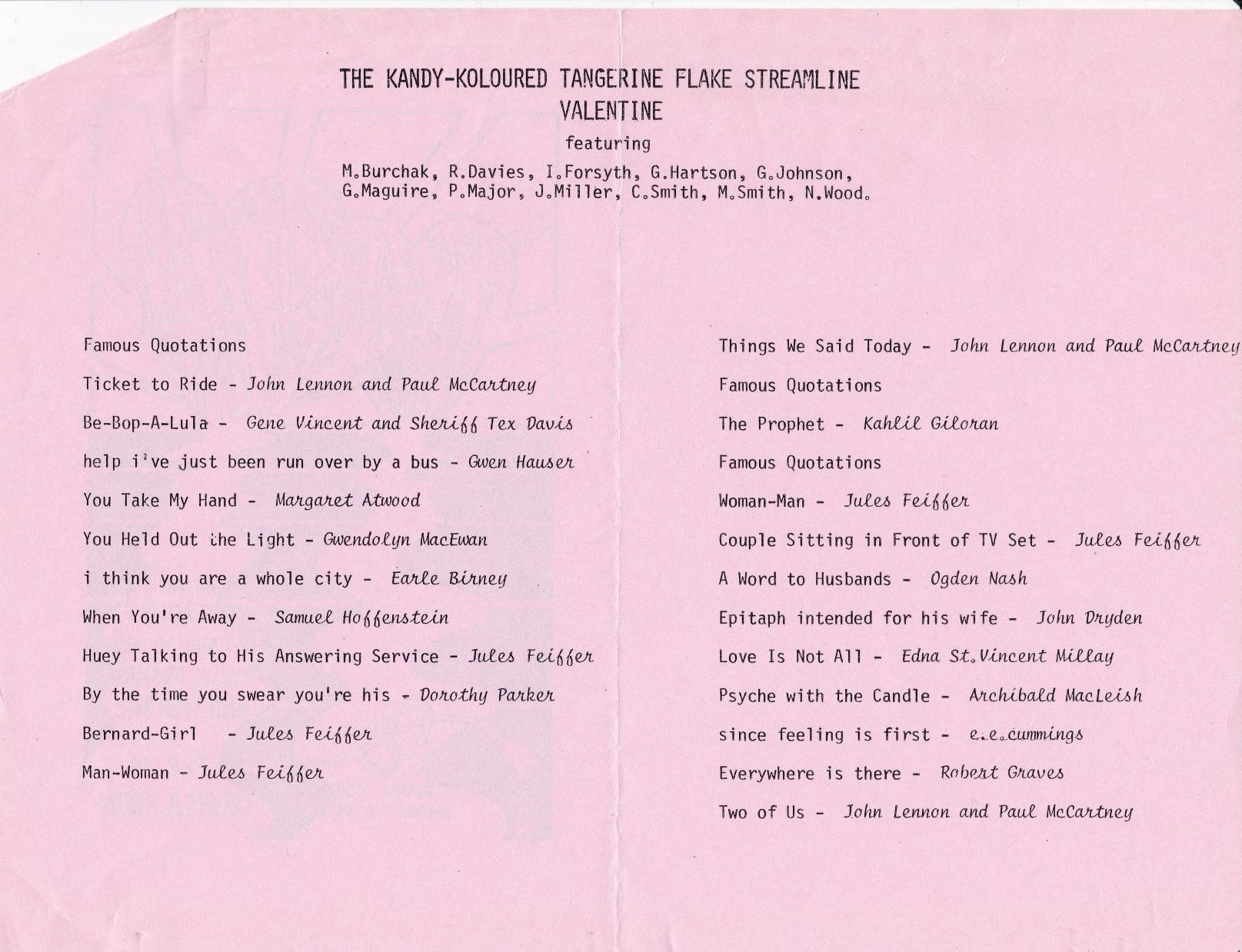
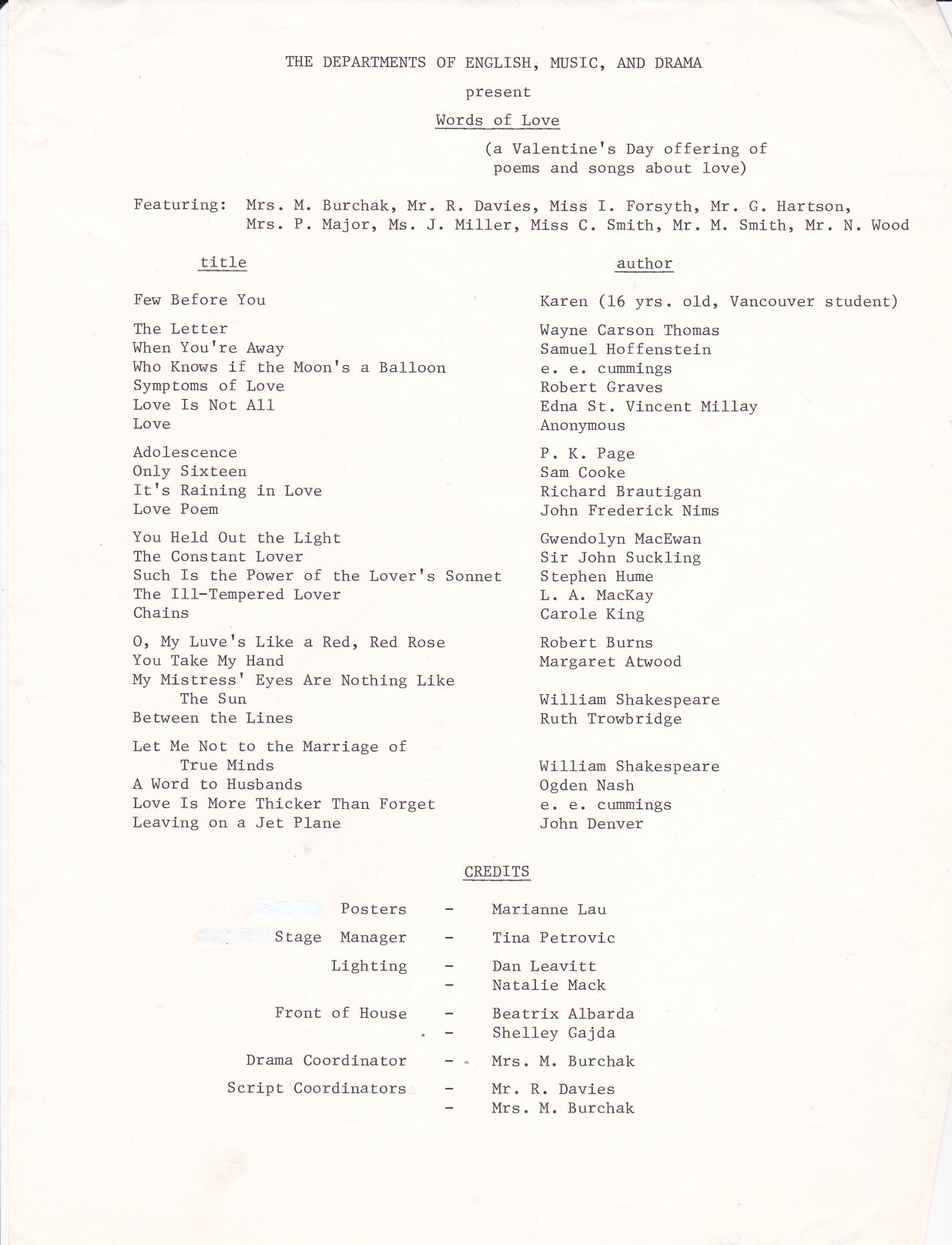
(two examples of noon-hour poetry shows I held for Valentine’s Day at McNally High featuring English colleagues there)

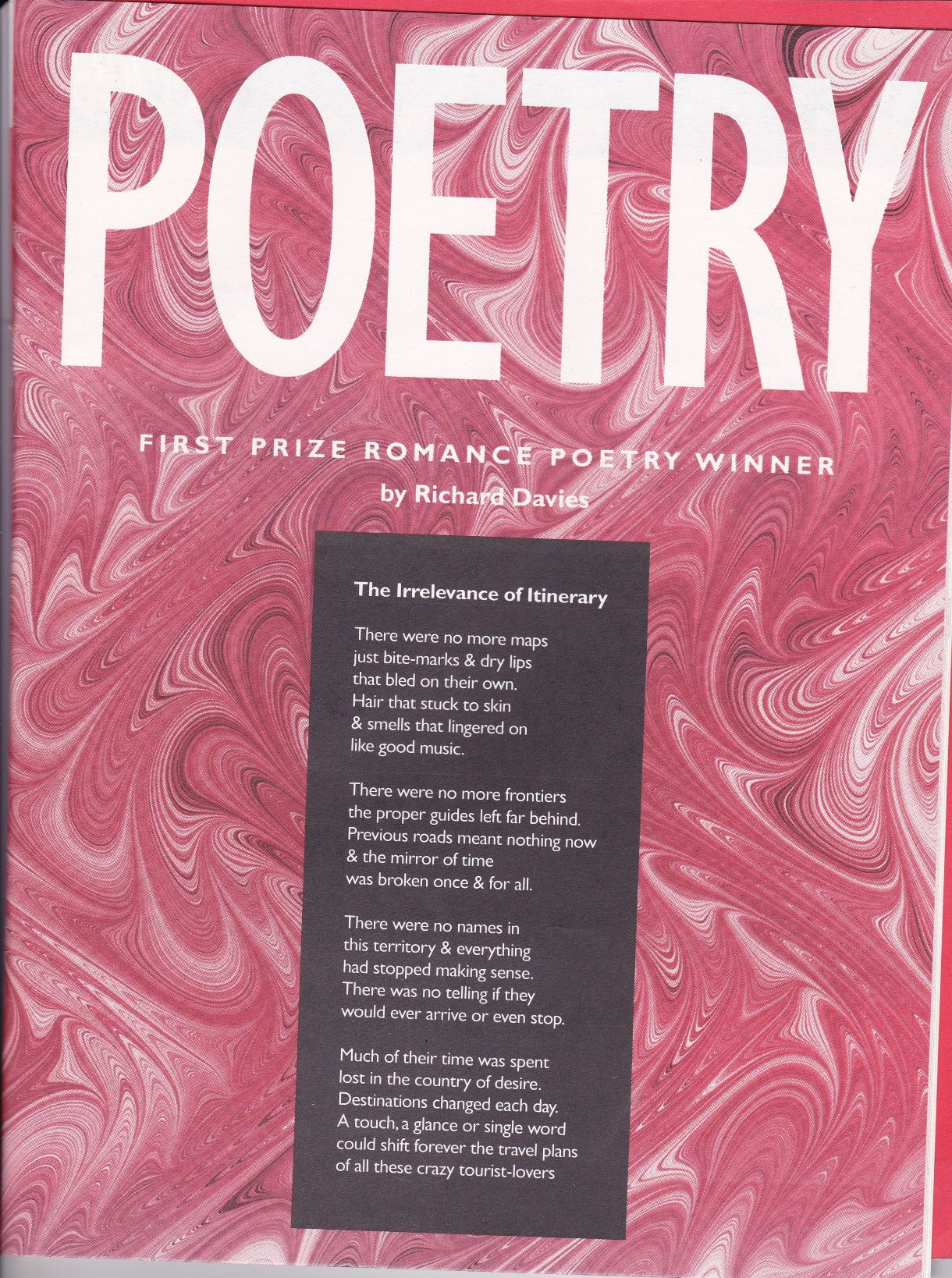
(I won my share of awards and prizes over the years: notably a Kalamalka first poetry book contest–which they subsequently disqualified me from “because I was a published author already”: the kind of Catch 22 stuff that has surfaced here and there in my overall publishing career; I won a 1st place for humor in an Alberta Poetry Yearbook contest, a 1st place in a love poetry contest for Winnipeg’s Zygote magazine, and another 1st place in an Alberta Retired Teacher Association magazine poetry contest, to name a prominent few that have been successful; when I retired from teaching in 2002, I was filmed reading and talking about poetry at Rutherford House at U of A)

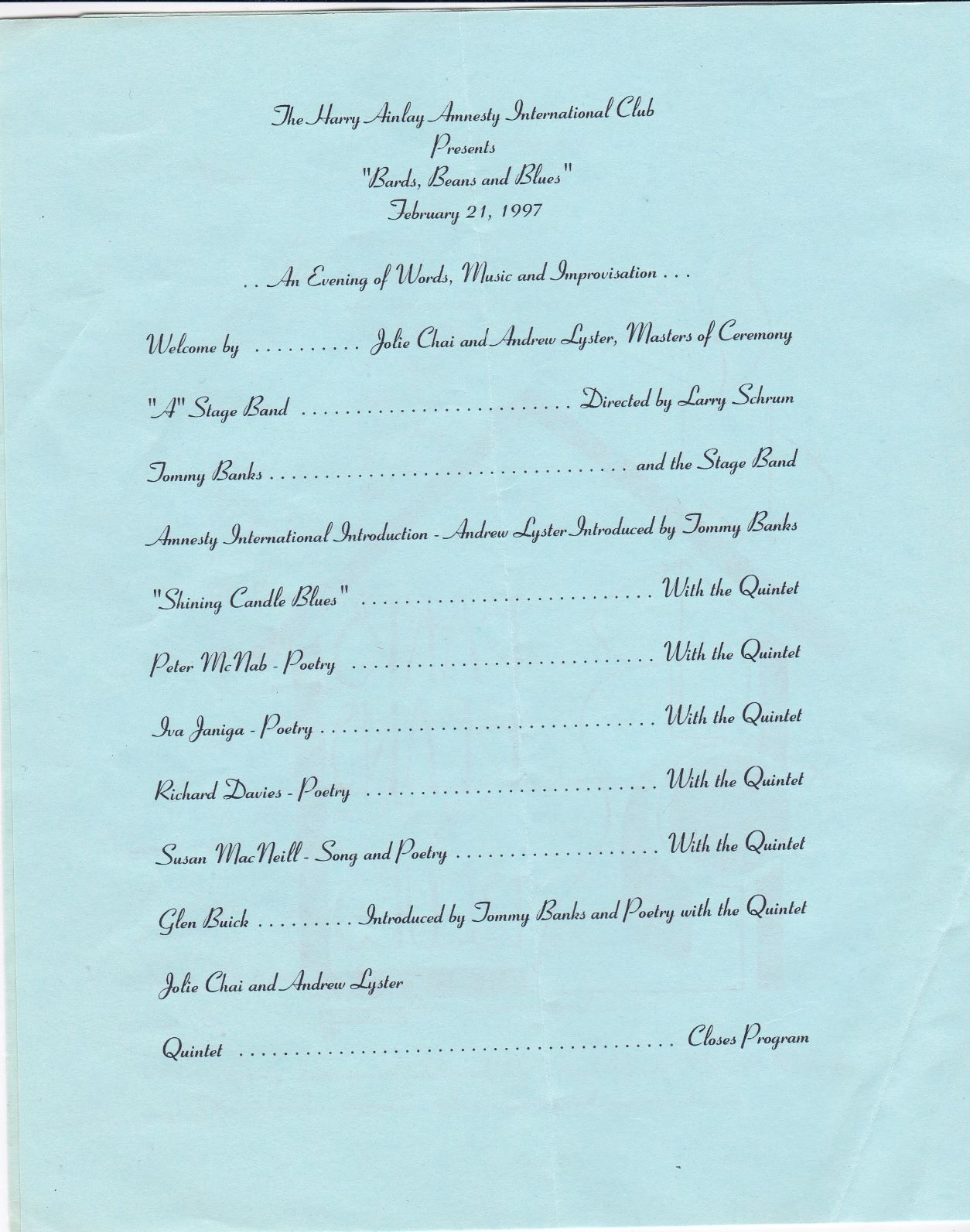
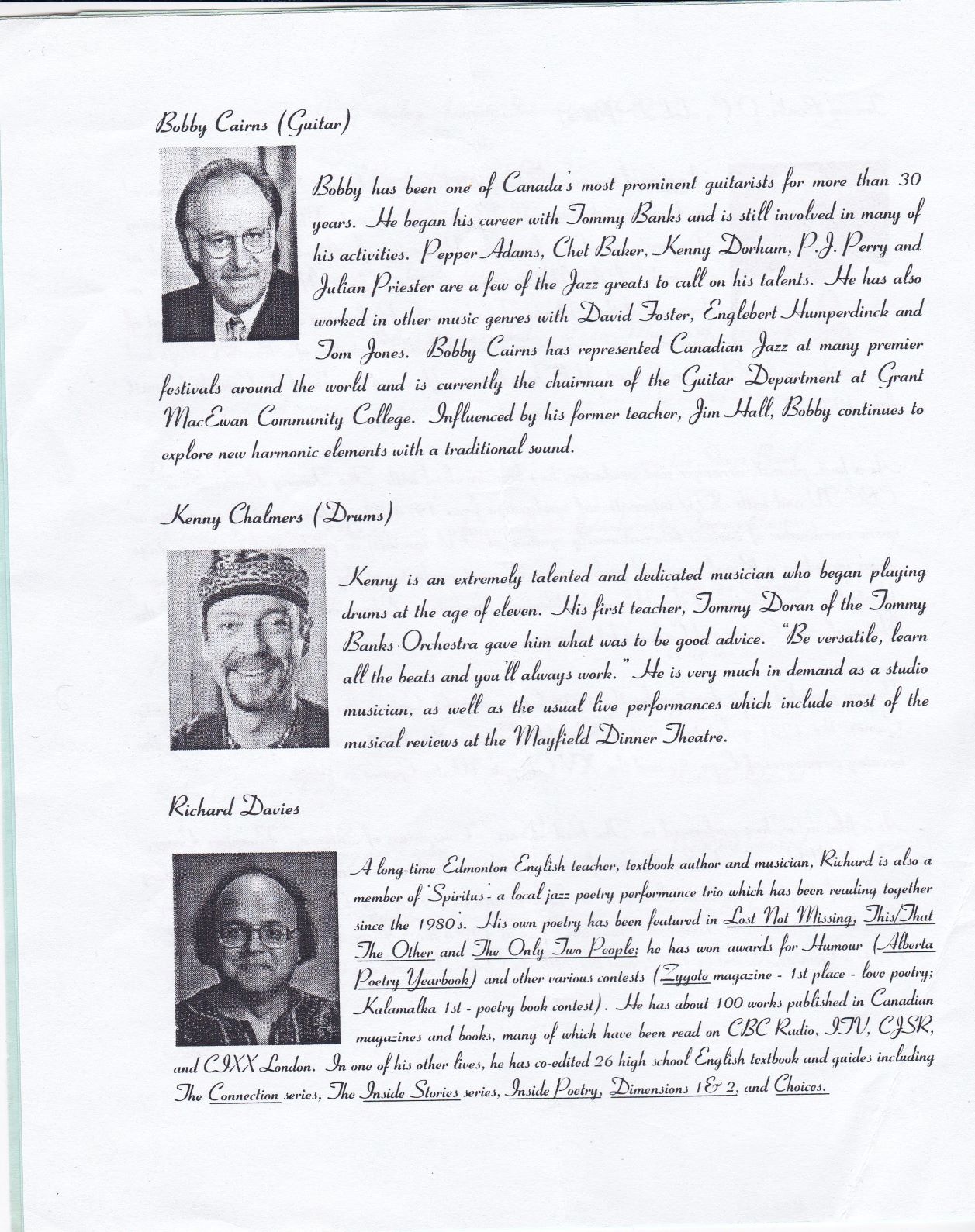
(this was a very memorable evening at Harry Ainlay High reading with the legendary Tommy Banks Trio)

(from the evening program, looking wilder and freer than usual)

(the Station Readings at Cafe la Gare were organized by well-known Edmonton novelist Thomas Trofimuk, who was a big Spiritus fan who often hung with us)

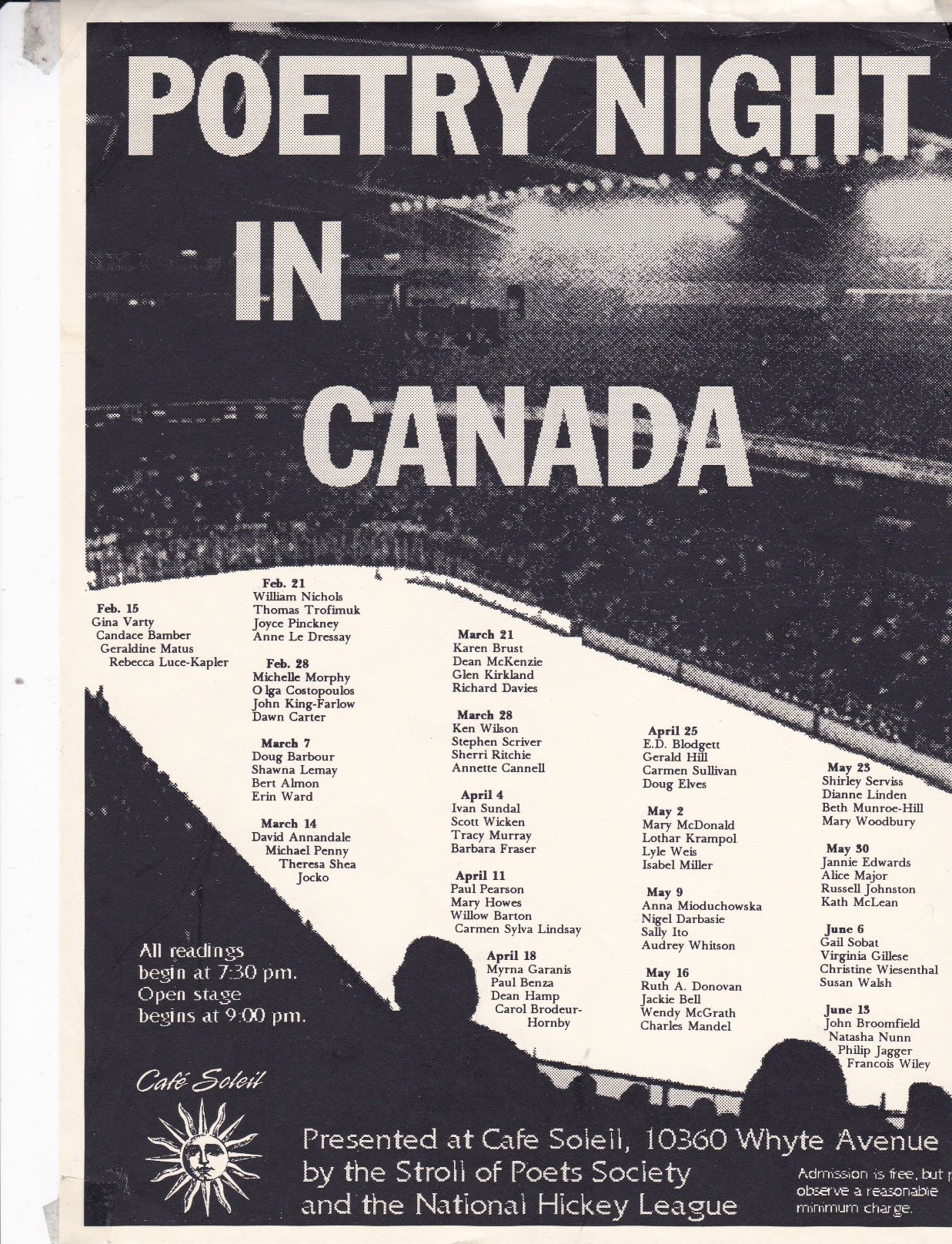
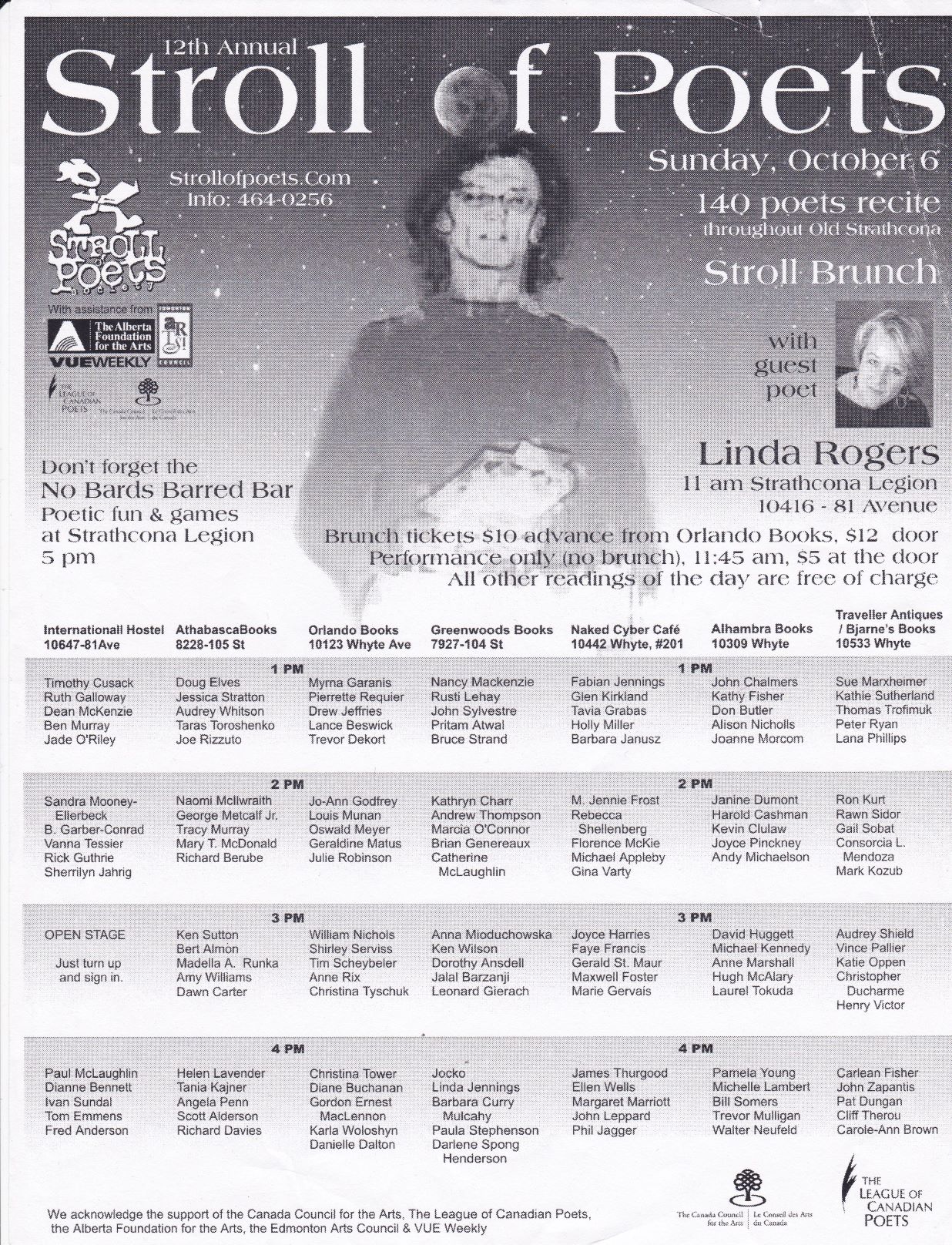
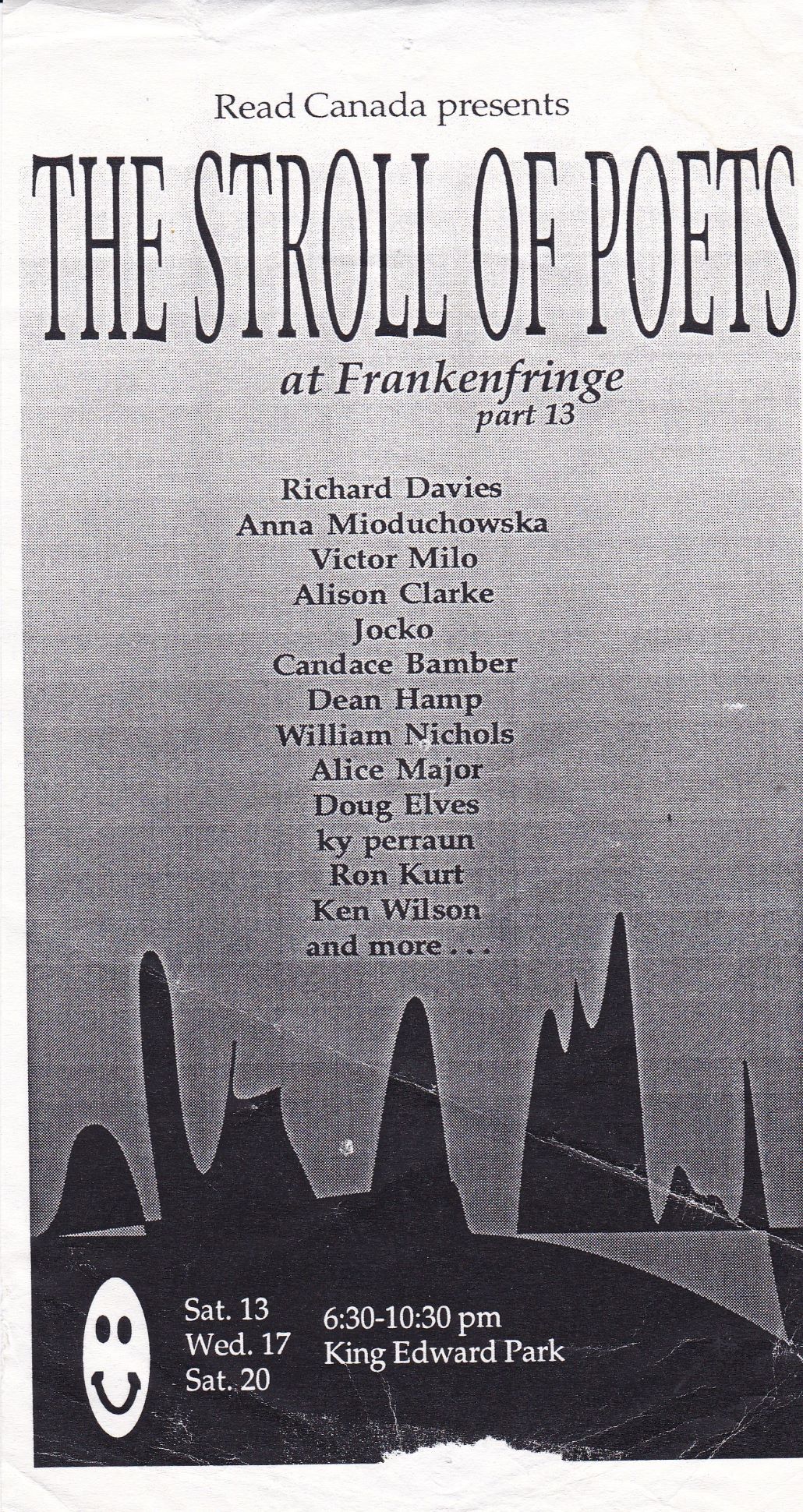
(many gigs, many places–the Stroll of Poets, of which I’m a long-time member, have been responsible for most of Edmonton’s poetry happenings and the local poetry scene  overall since 1990)

(a timely fortuitous duo: Fudge, featuring Ken Klause, fellow Strathcona music teacher on keyboards, began in 1990, playing at Strathcona functions till 2002; as indicated below, I read love poetry with Ken in some Strathcona bistros)

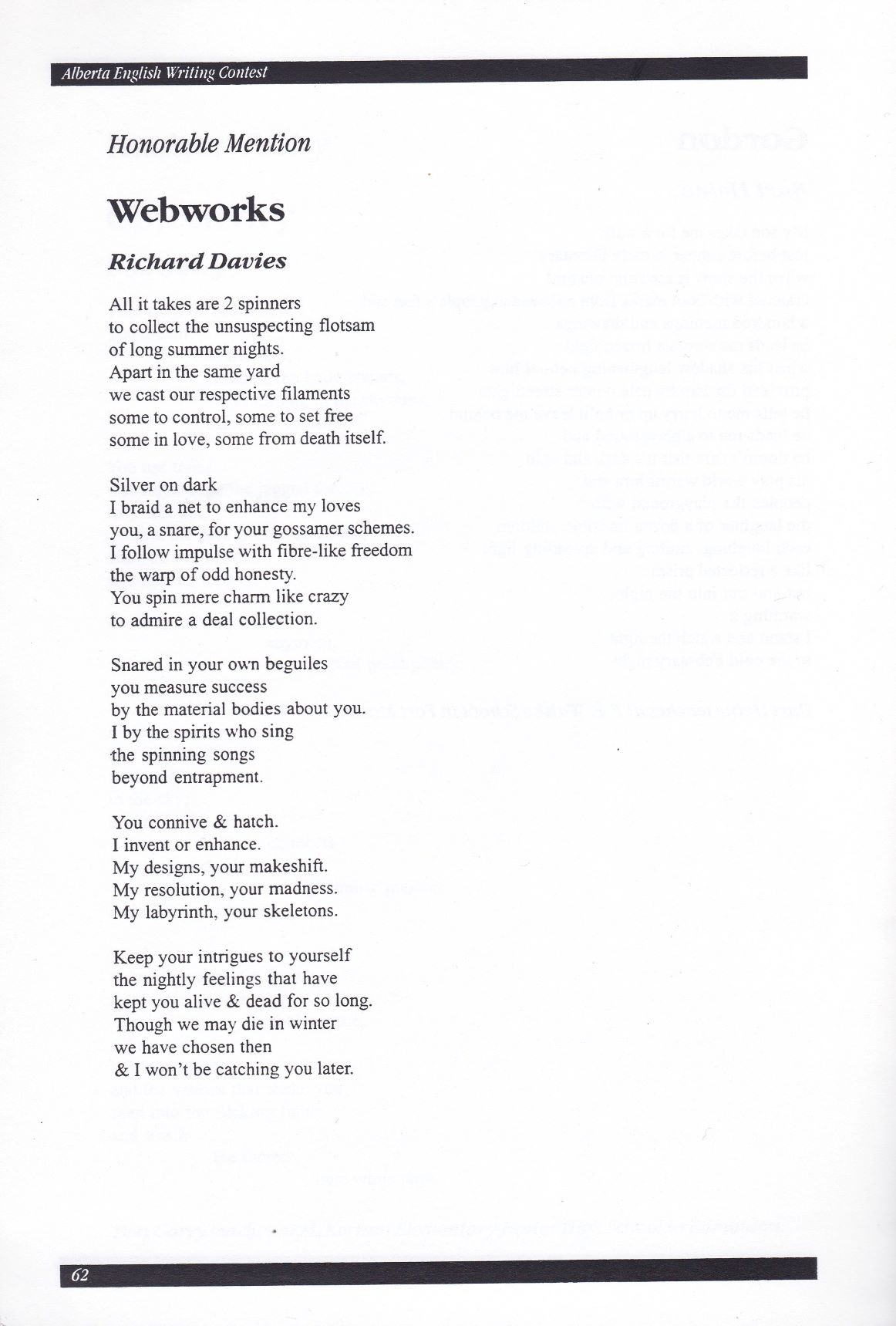
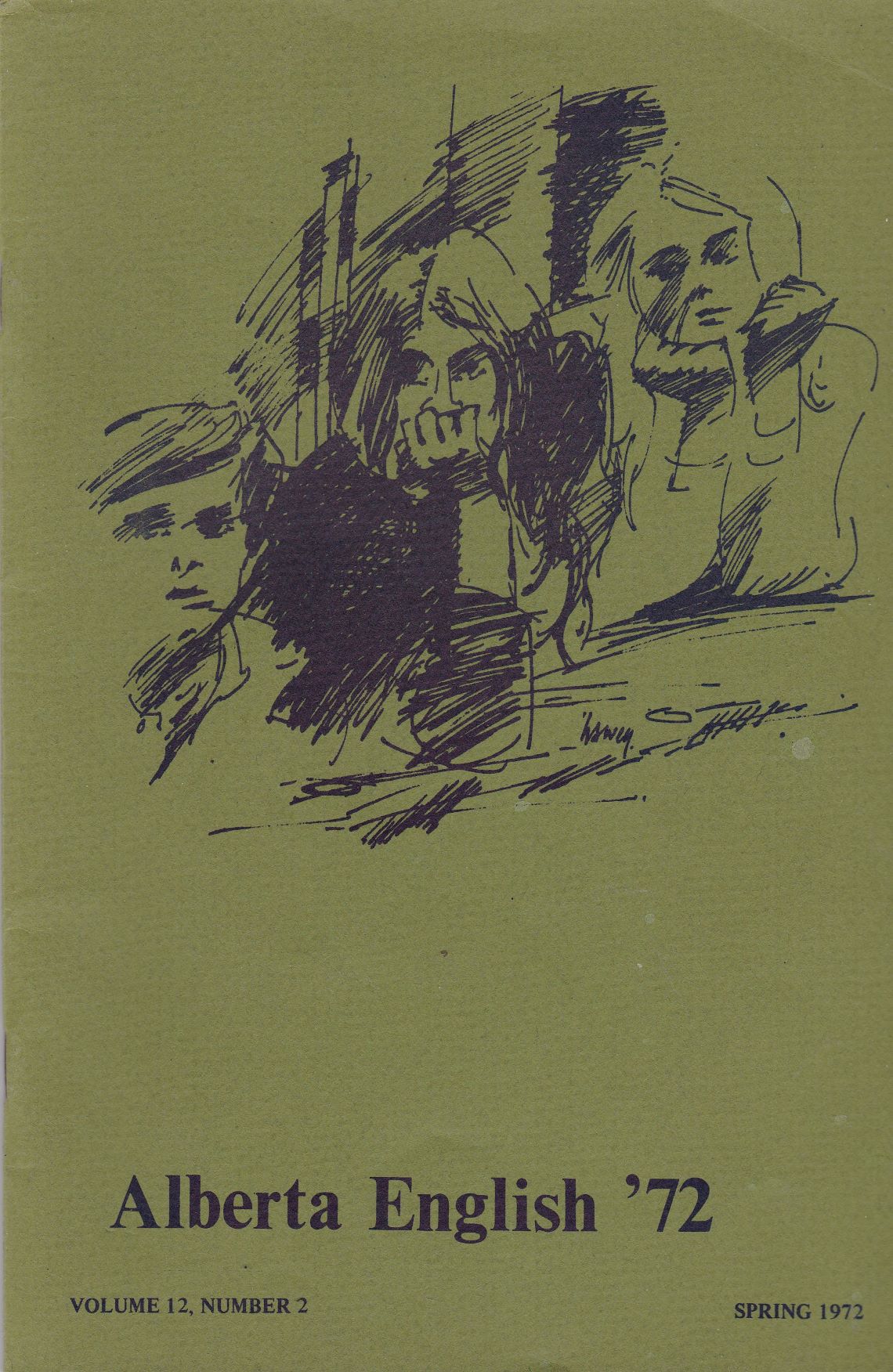
(I kept having my work published through the 1990s–above, in Alberta English)

(above: as of 2002, these were some of the notable publications and readings)

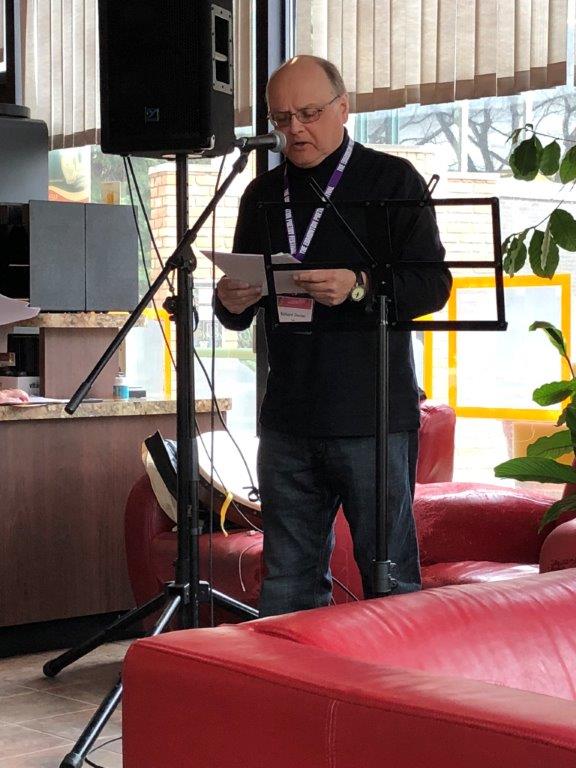
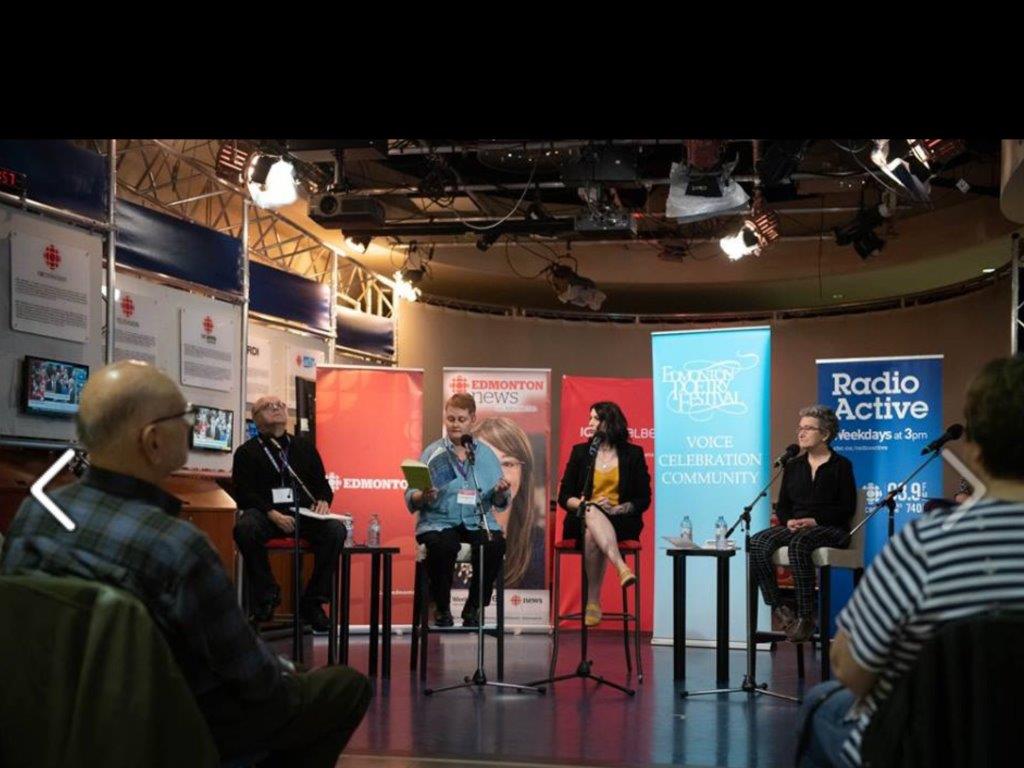
(in the 2010s, I rejoined the Stroll; left: reading at a Sunday Stroll event at a cafe on 97th Street downtown; right: reading with 4 women poets at the CBC Stage in Edmonton Centre in 2018 for the Edmonton Poetry Festival)

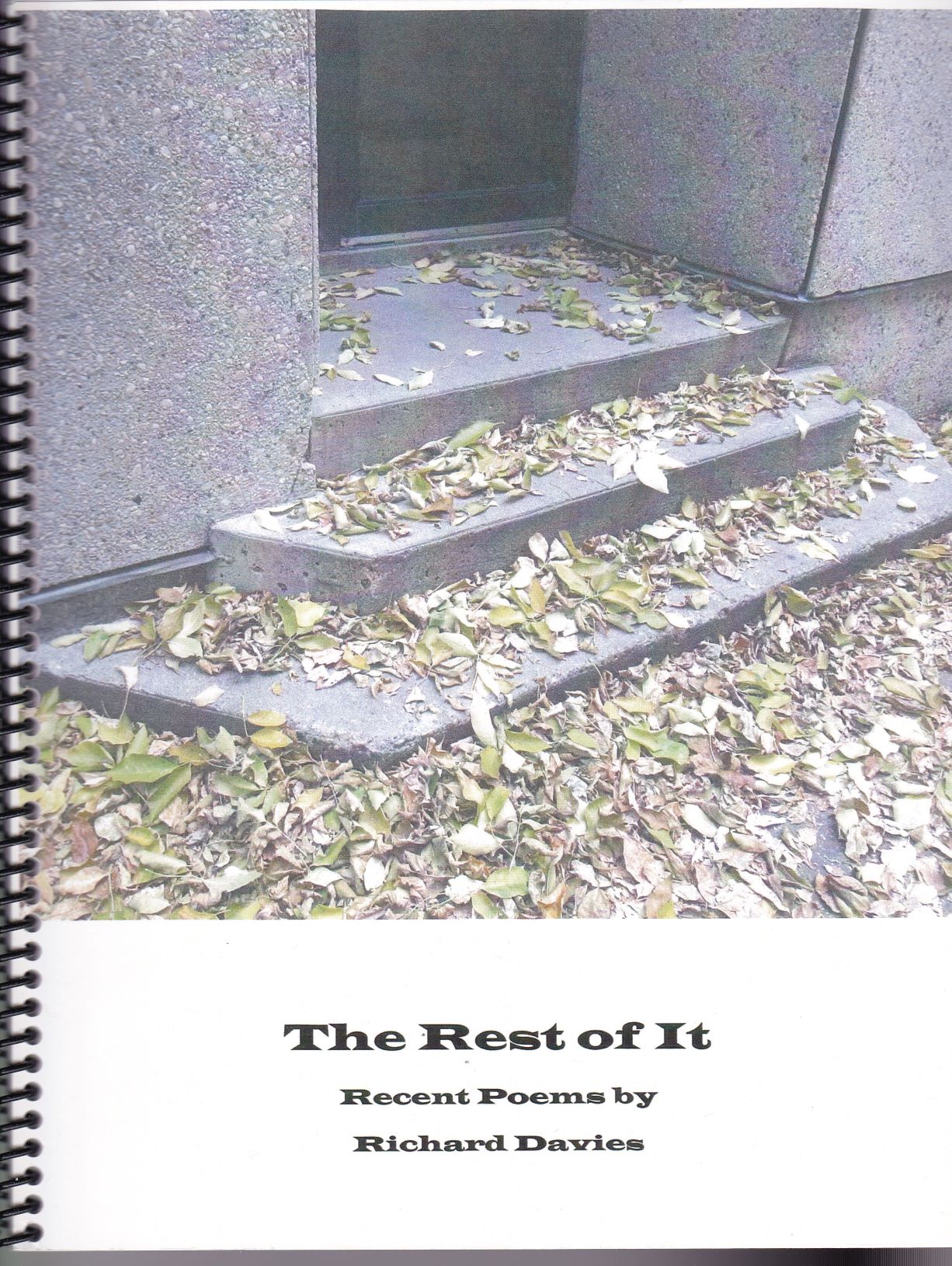
(left: 2001: my first poetry chapbook, Negative Capability, (cover photo in NY, by Strathcona Art teacher- friend Brad Burns, published purposely in the Kubrick-Clarke year; right: 2016: The Rest of It, long overdue second chapbook; Poet’s Eye photo by me: fall U of A Humanities Bldg.)

(2018: Opus: In Six Suites; a true opus uniquely wedding poetry and music; cover: my own homage to Jackson Pollock; right: back cover: signature photo by Karen Davies, Stanley Park, Vancouver)

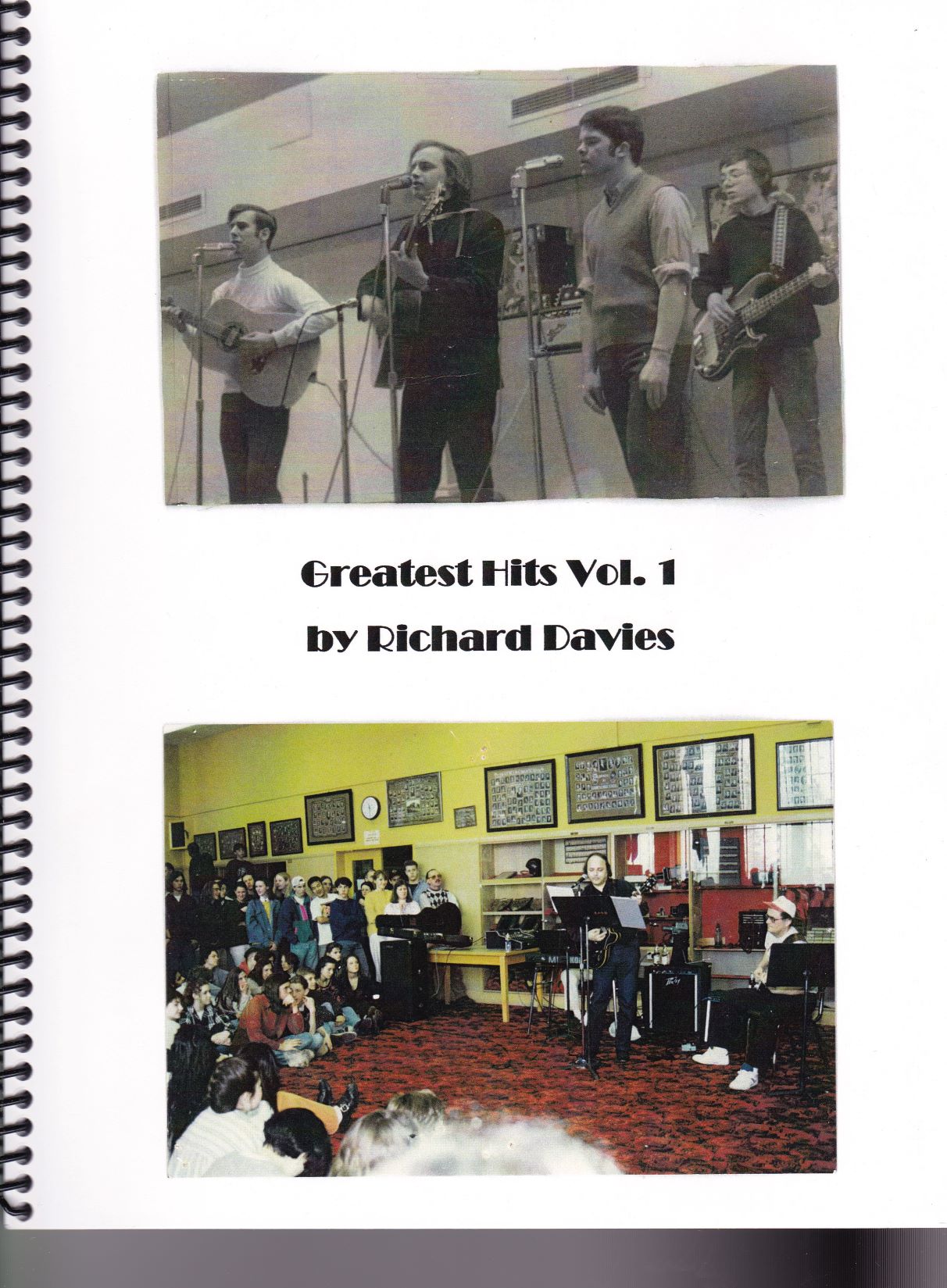
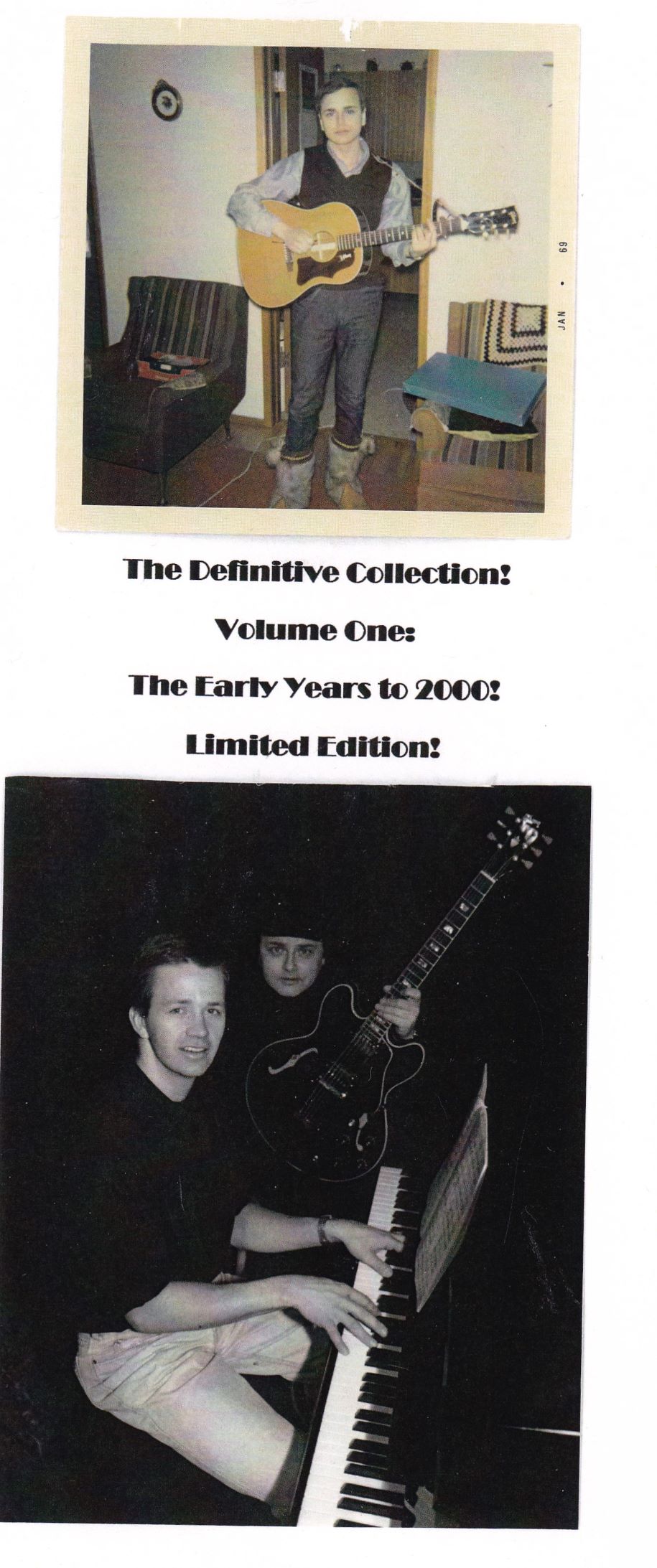
(2019: the best of my poems and some song lyrics from 1980-2000; illustrated from my music career; left, top: 1970 my folk group Clover playing Winnipeg  YMHA coffee-house; left, bottom: one of many 1990s Strathcona High concerts with Fudge II–Ken Klause and Ken Kulka; right, top: me and my old Gibson, Winnipeg, 1968–the songwriting had already begun; right, bottom: the original Fudge 199os)

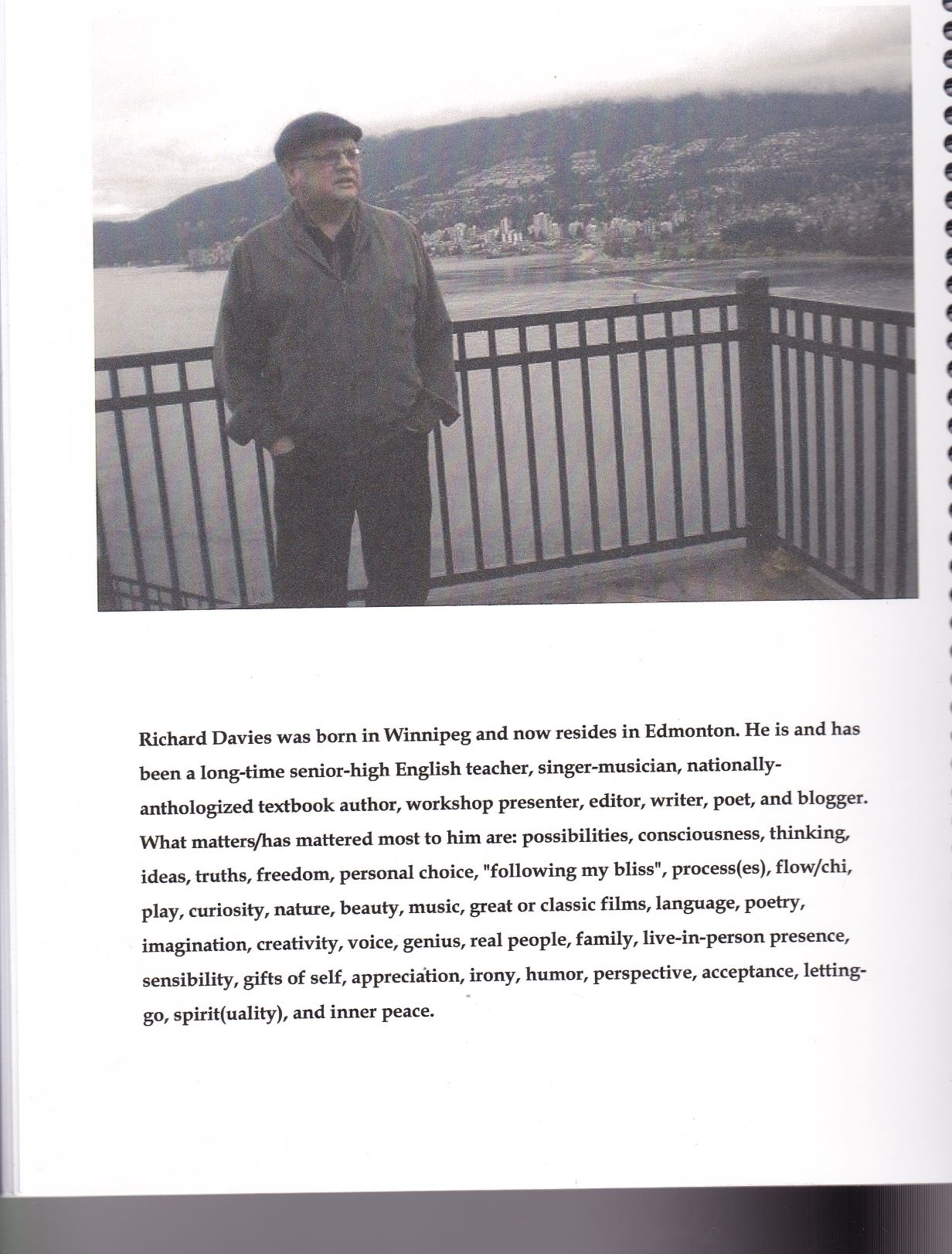
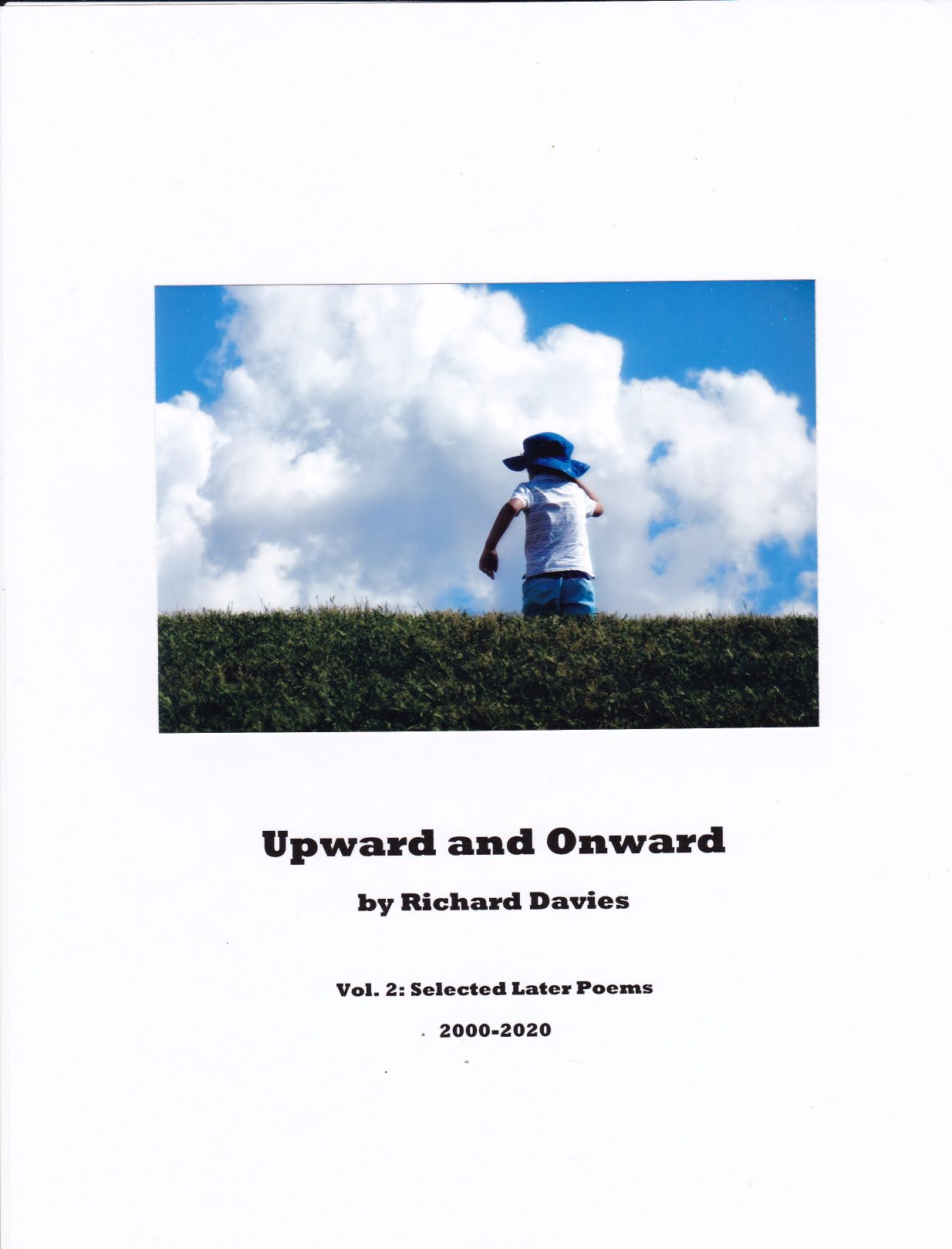
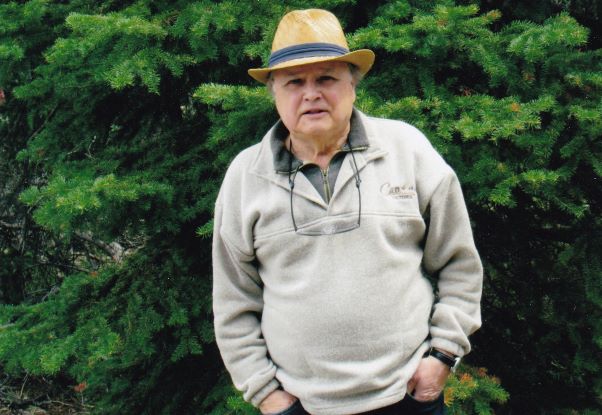
(flash-forward to today: my forthcoming chapbook, possibly the last, with poems from 2000-2020; front cover: my pic of one of my grandsons running up the hill at Jackie Parker Park, Edmonton; back cover: photo of the author, post-cataract and macular- hole surgeries, by Karen Davies in Jasper, 2019)

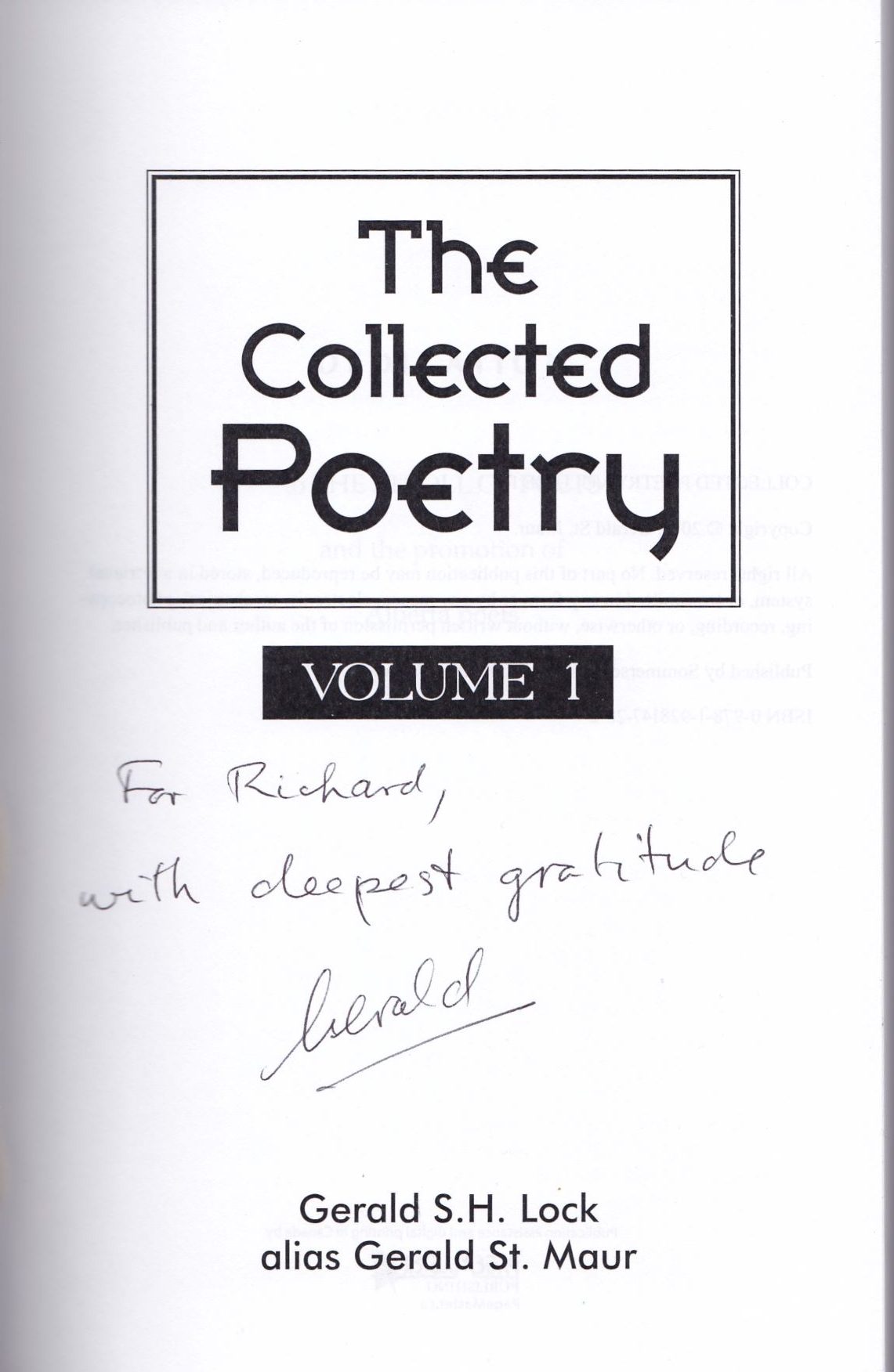
(in the 2010s, I’ve also done select editorial work and preface-writing for Stroll of Poets friends; left: Kadrush Radogoshi and Gerald St. Maur; fellow poets remain among my closest friends)

And the writing continues this year with publication of new work in Calgary’s Prairie Journal. You may have noticed also that I write for this blog pretty much every day, often contributing poems to the mix going back to its beginning. That pattern promises to continue, even as I begin to consider doing a 2021 book of prose with selections from the blog for a change. There is never a shortage of possible projects. As well, I maintain my CanLitBooks.ca blog which includes many of our country’s best poets from the mid 1850s to 2000.

Writing Awards and Recognition

2015: 1st place overall, Alberta Retired Teachers’ Association magazine contest
1998; Honorable Mention, Alberta English poetry contest
1996: Special Merit, John David Johnson Memorial Poetry Awards (U.S.)
1995: Honorable Mention, J.D. Johnson Awards (U.S.)
1995: Editor’s Choice Awards (U.S.)
1995: 1st place, Love Poetry contest, Zygote magazine
1989: Poem of Merit, Nova Scotia Poetry Awards
1986: Honorable Mention, Alberta Poetry Yearbook
1984: 1st place Humor, Alberta Poetry Yearbook
1983: Honorable Mention, Alberta Poetry Yearbook
1982: Honorable Mention, Alberta Poetry Yearbook
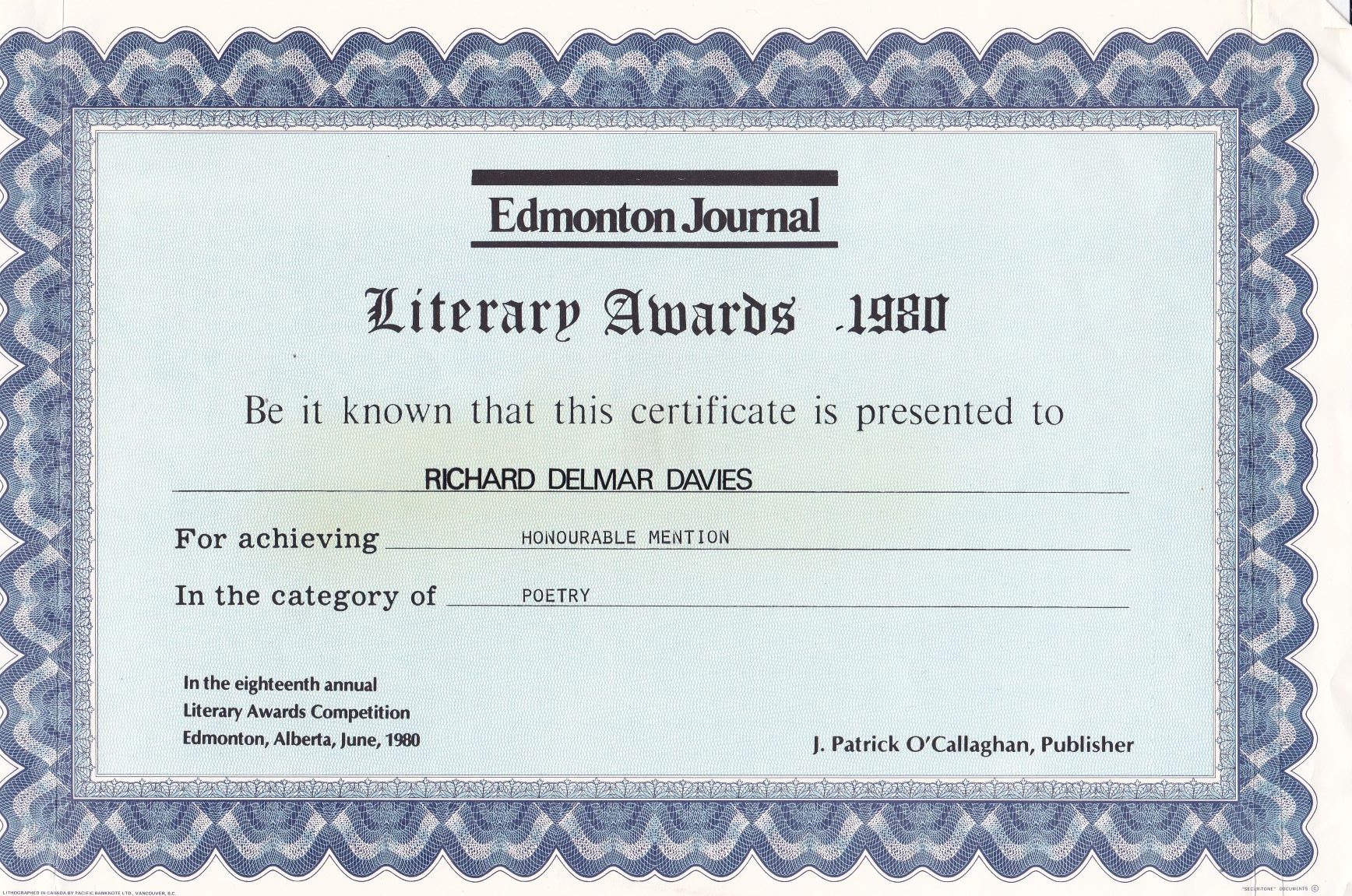
1980: Honorable Mention: Edmonton Journal Literary Awards

Posted in Uncategorized | Leave a comment

My Other Education Publications

(About as close to a mentor as I ever got, Glenn started my writing/publishing career. I had the honour to publish his “Winter Weather Forecast” in Inside Poetry and to do the eulogy at his funeral many years later.)

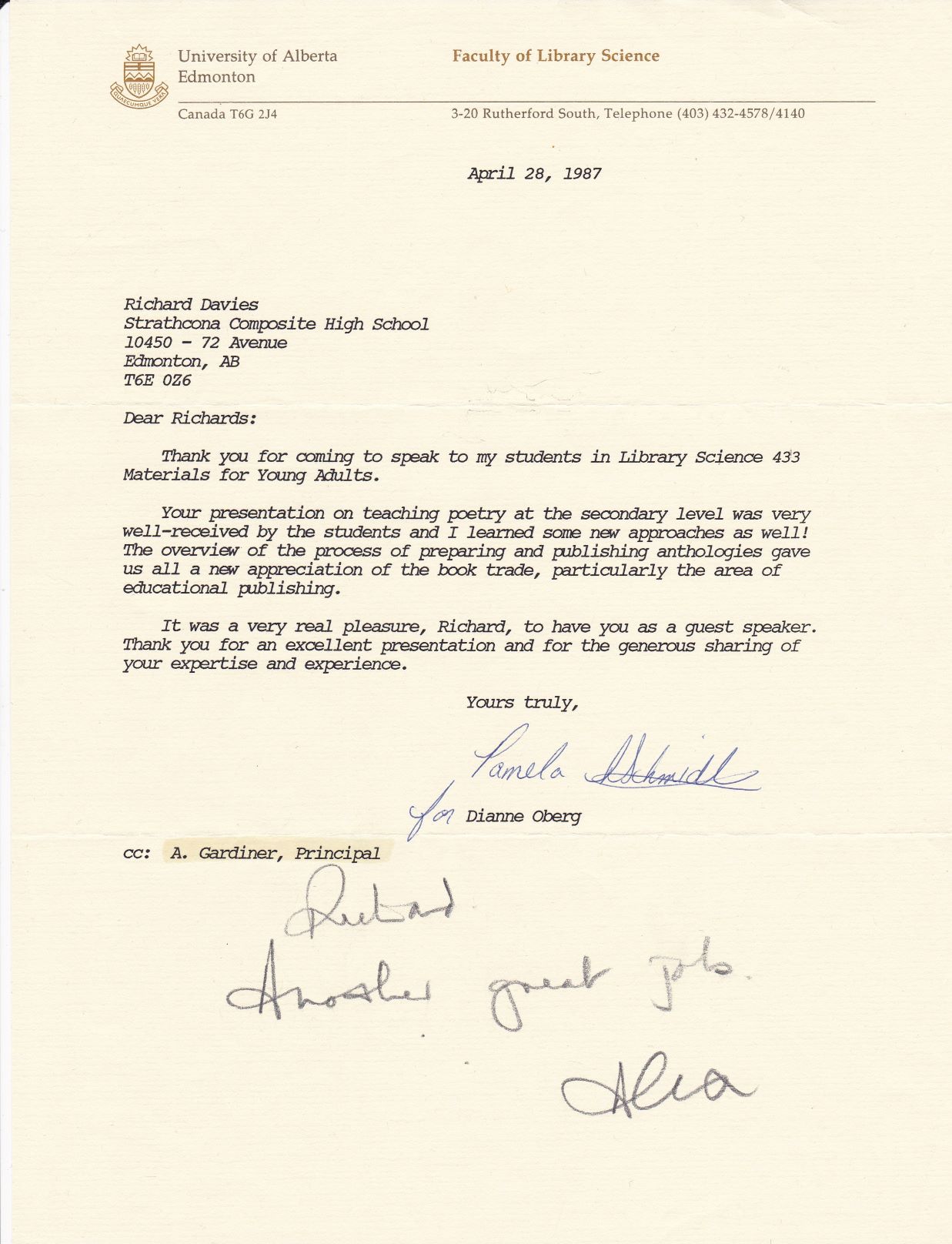
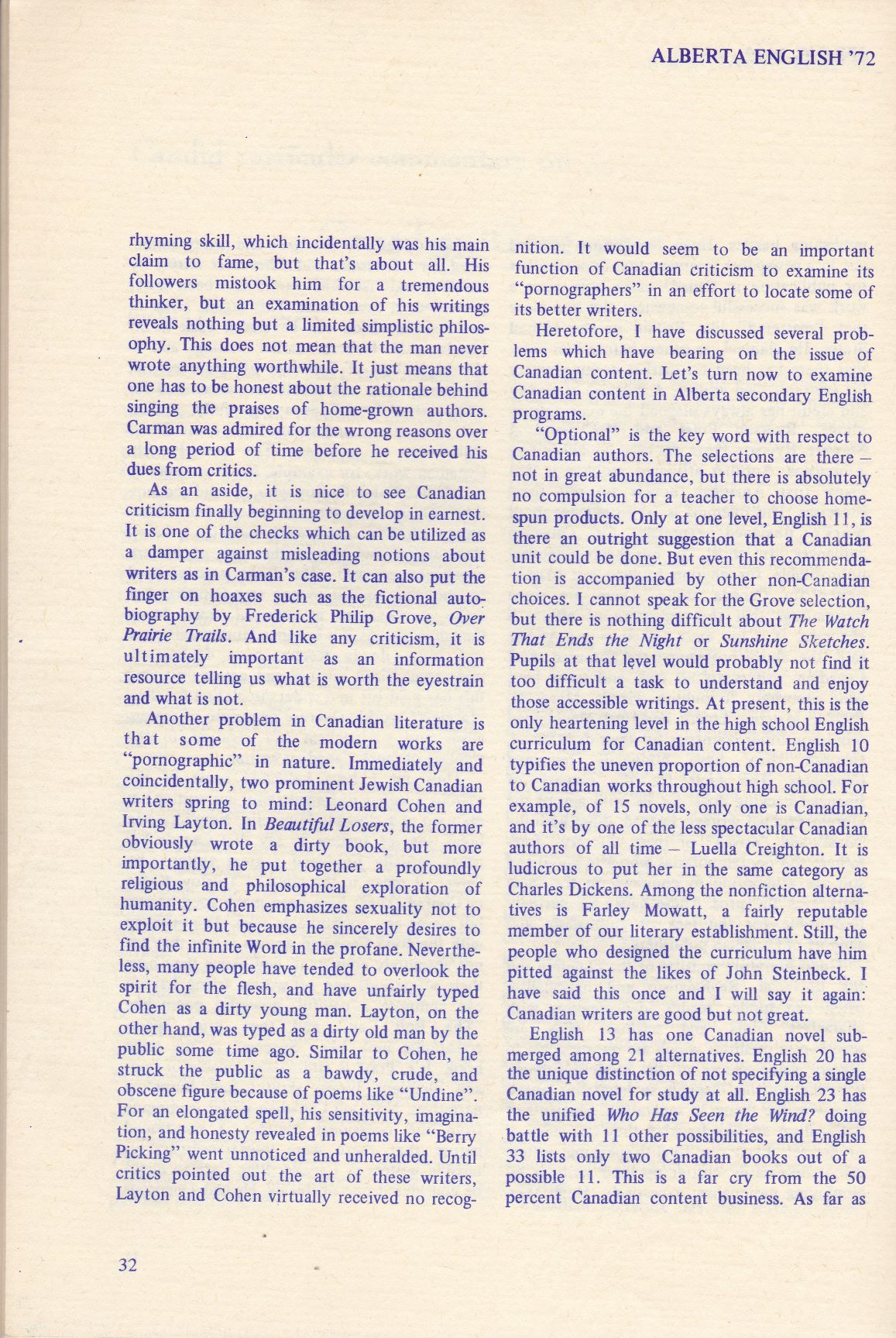
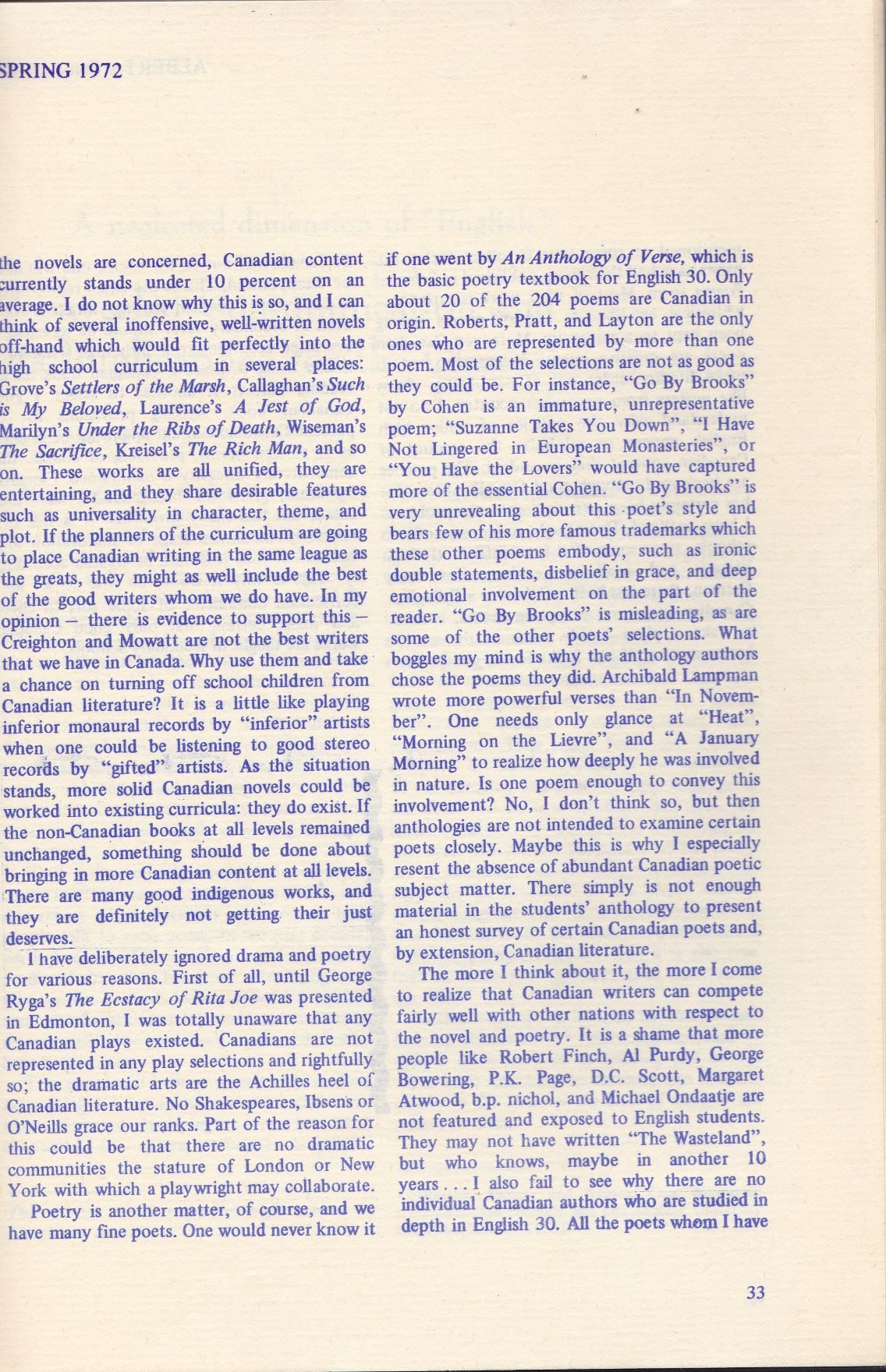
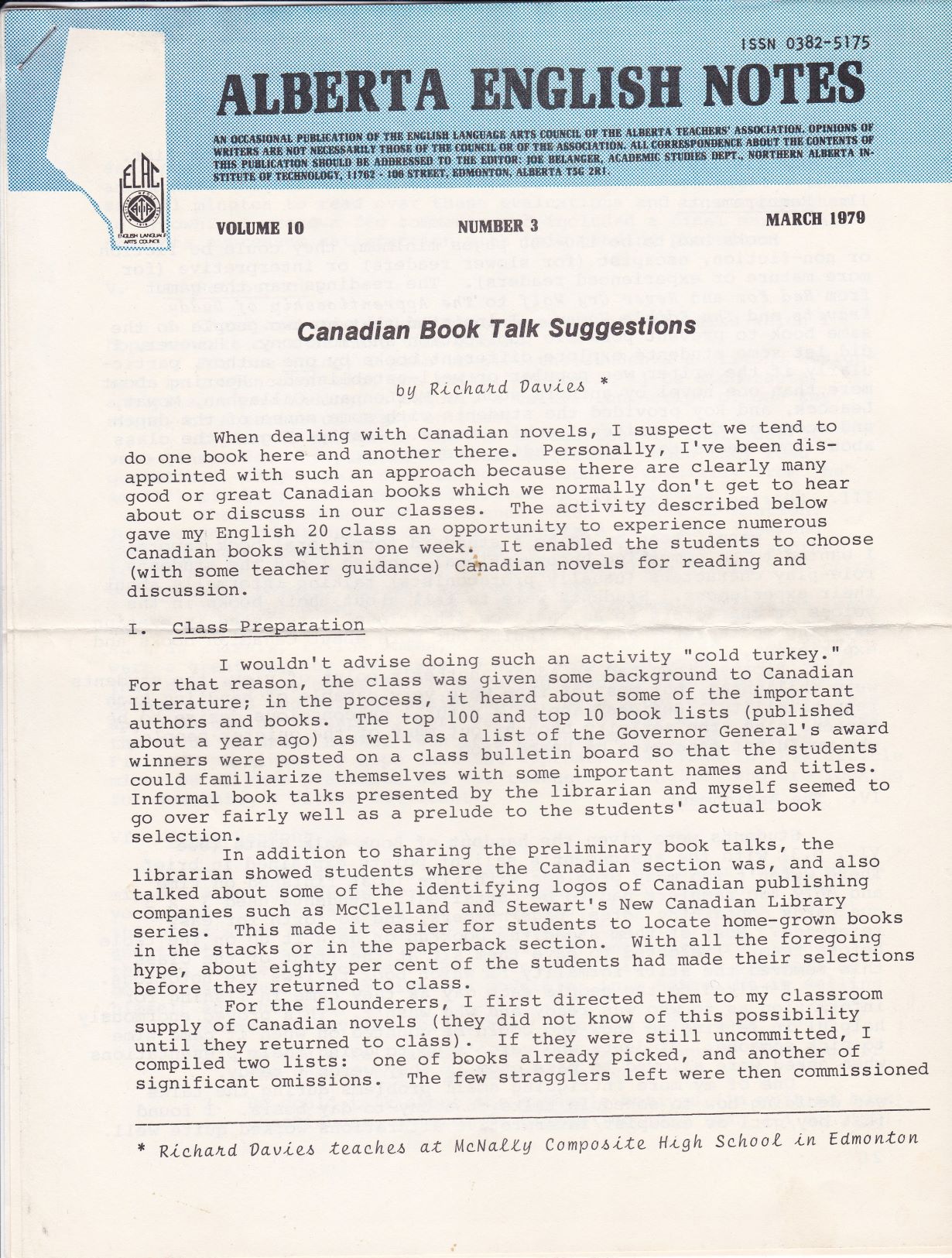
In 1972, my U of A Ed CI prof Glenn Martin asked me to contribute an article on “Canadian Content”–a topic I knew a fair bit about after a comprehensive, formative 1967 Canadian Literature course at the University of Winnipeg– to the ELA magazine he was editor of. It drew a lot of reactions from the AB field.

(excerpt from the piece)

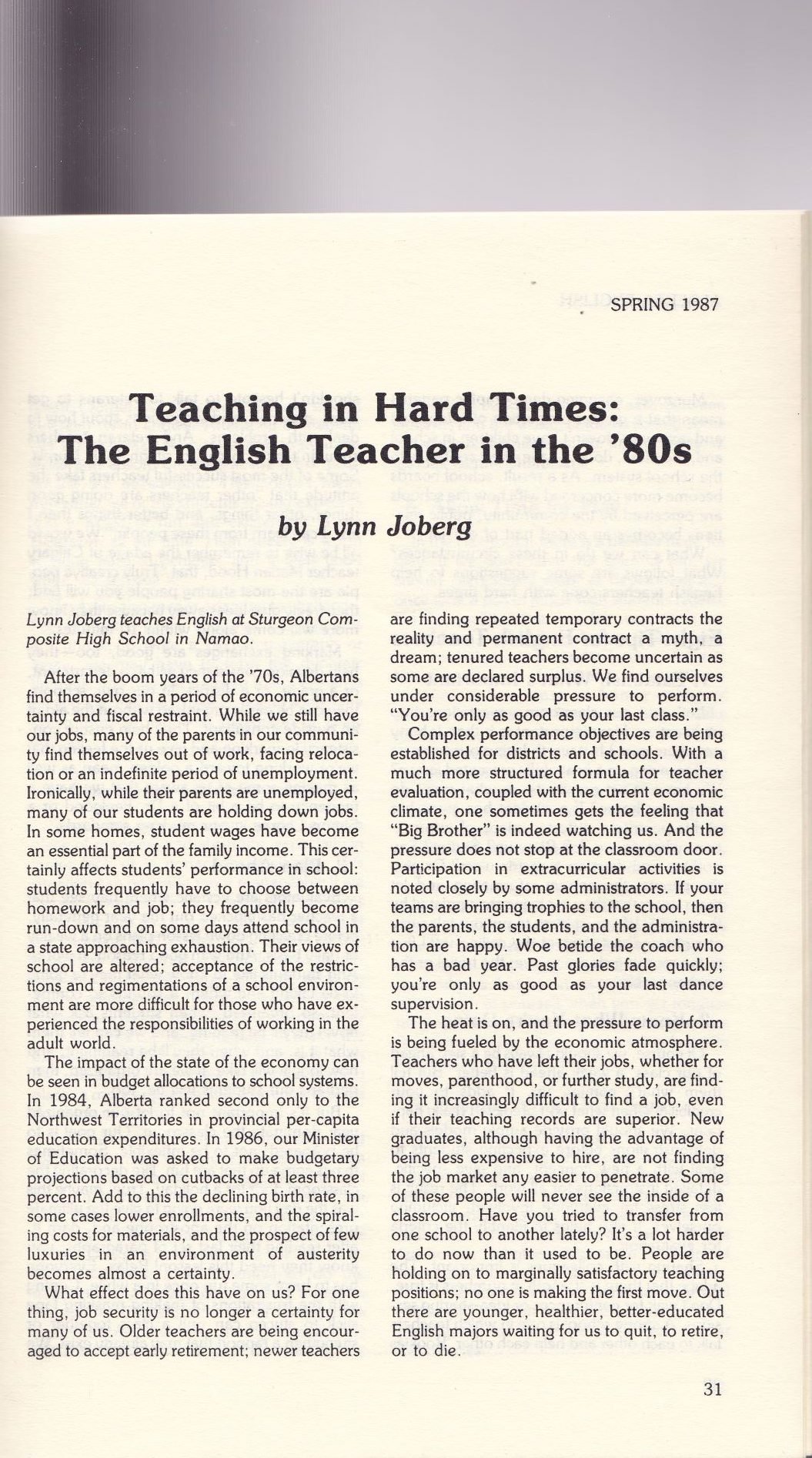
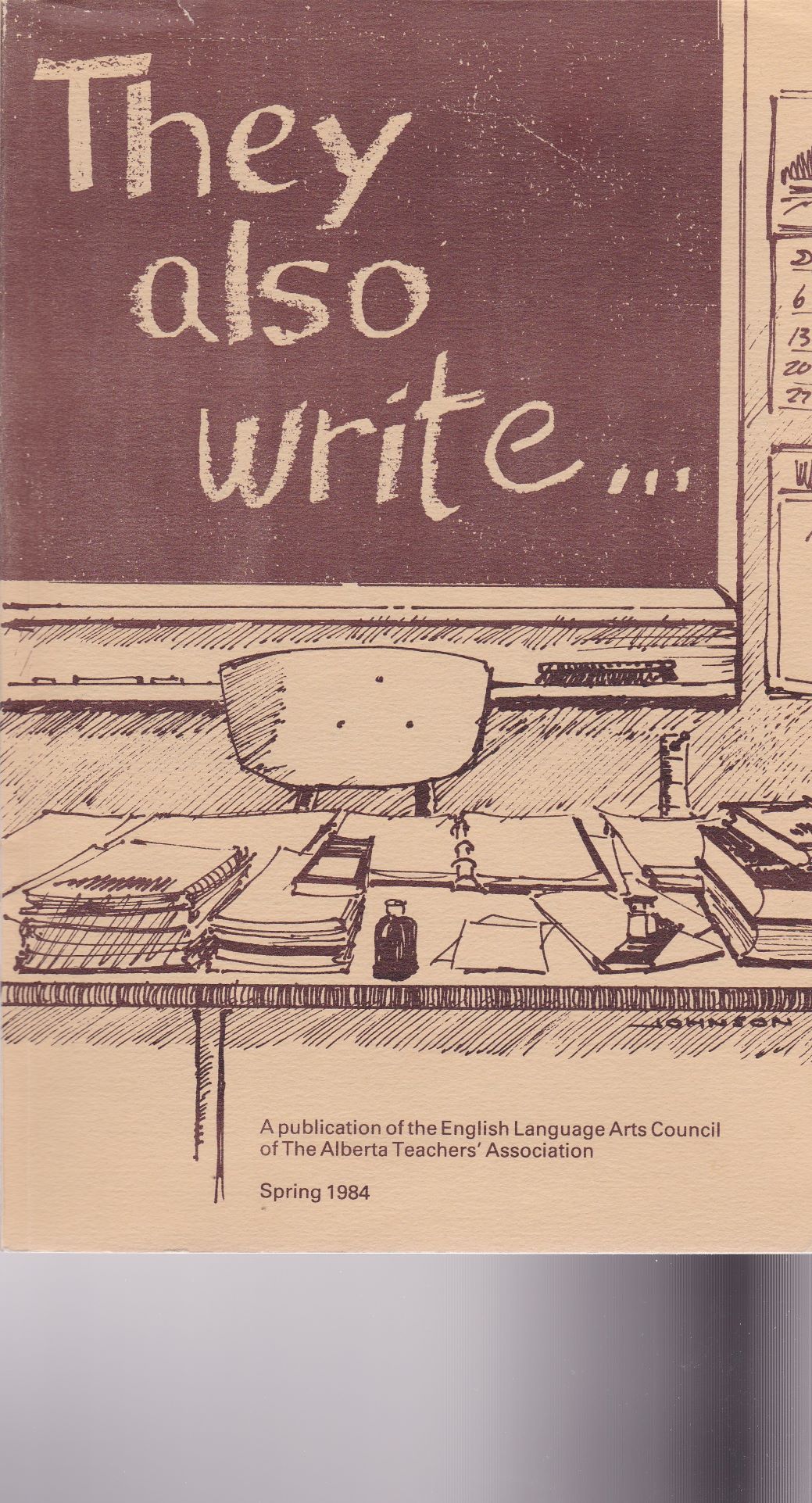
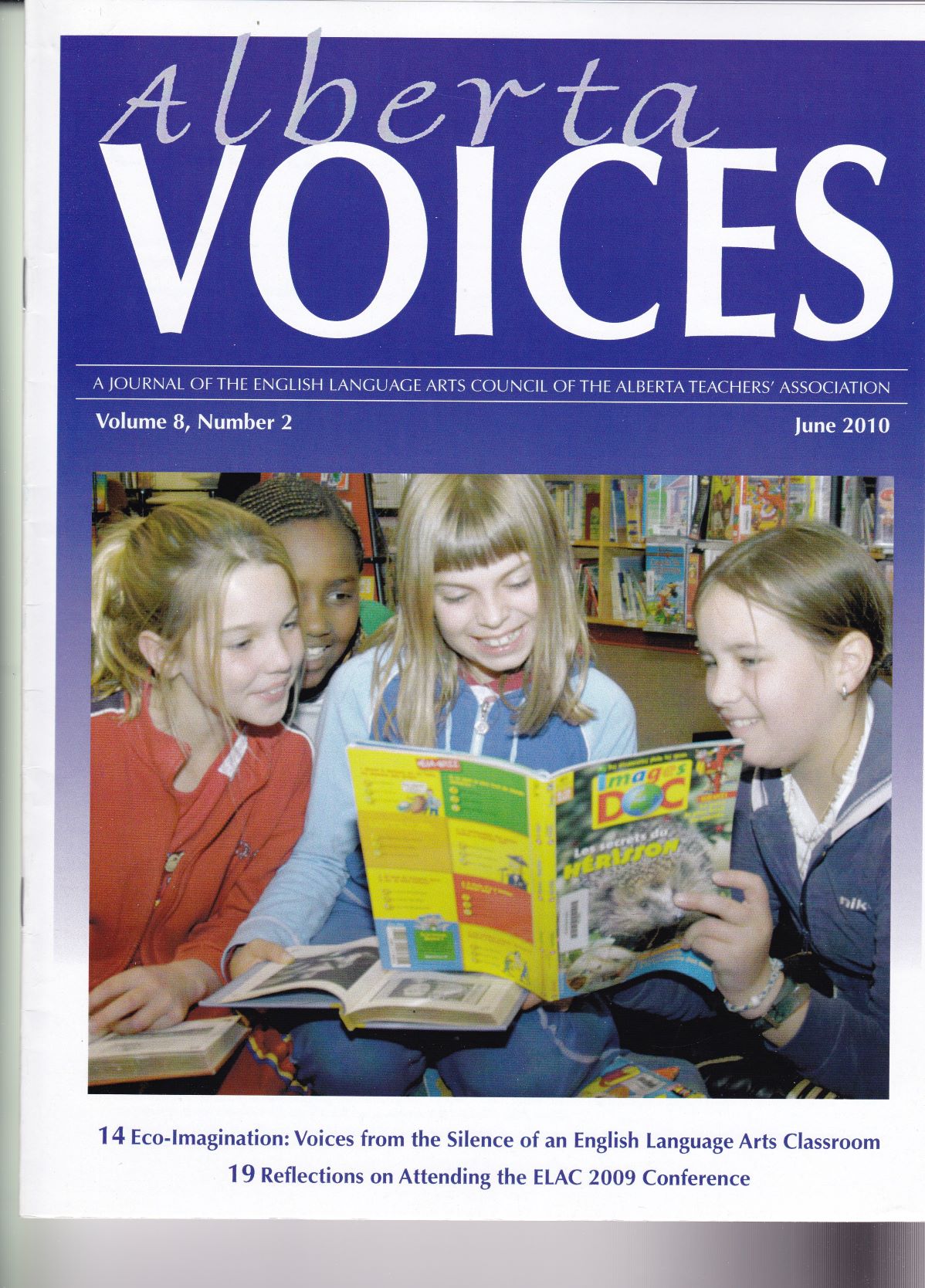
Over the years, I contributed poems and articles to AB ELA publications including

(this was a strange incident in which I wrote a speech on the topic and gave it with Lynn in Ft. McMurray; she then submitted it verbatim to AB English and took all the credit (gulp!)–i.e., this was my speech and article 100%.)

(a rare Davies-Kirkland signing of a magazine funded by ELAC which featured senior high ELA teachers who wrote poetry)

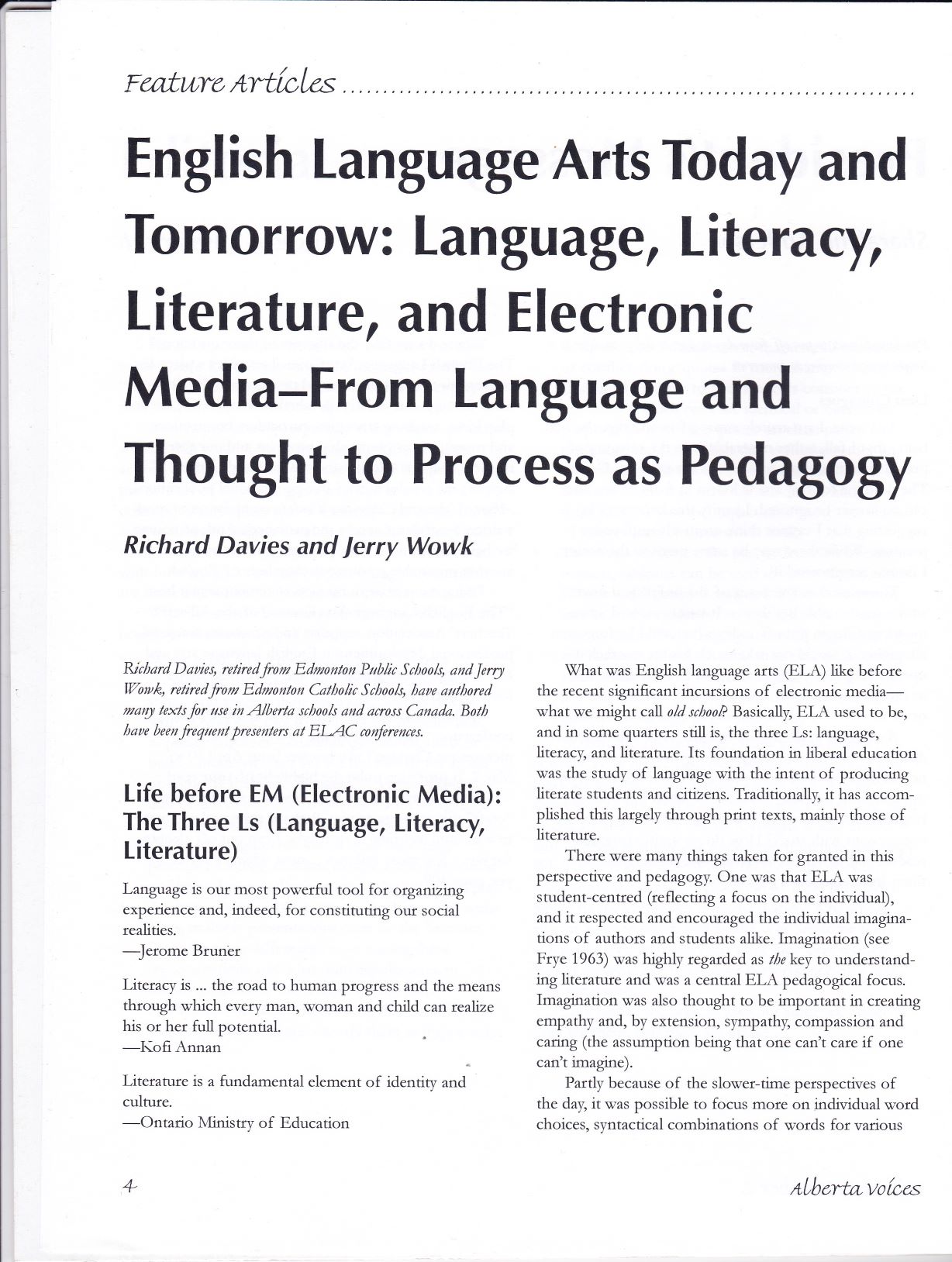
(my new writing partner, Jerry Wowk, and I contributed this landmark article which described the state of ELA in 2010 and its likely directions.)

In 2003, a big project–I was asked by Alberta Ed’s Merv Thornton and Barbara Esdale, both friends and long-time Davies-Kirkland supporters, to suggest a novels list for senior high ELA along with write-ups on each suggested book)

In 2004, Edmonton Public hired me to write 10 double-sided Literacy Tipsheets from scratch; these were printed verbatim on the following topics:

-Film as Text

-Matters of Choice in Writing

-Metacognition: An Introduction

-Sharing a Personal Response

-Listening and Notetaking Skills

-Understanding Character

-Revise Your Writing

-How to Do a Critical Response

-Responding to a Photograph

-Writing a Film Review

These documents are still definitive; nothing like them has ever been published in Canada)

(sample half of one tipsheet)

…………………………….

The Books That Got Away

-1985: with Glen, a three book series for drama for use in senior high (drafted with a sample); there was a competition to do this in the province; our ELA principal-teacher-friend, the late Bob Cameron won out, but sales ended up being modest.

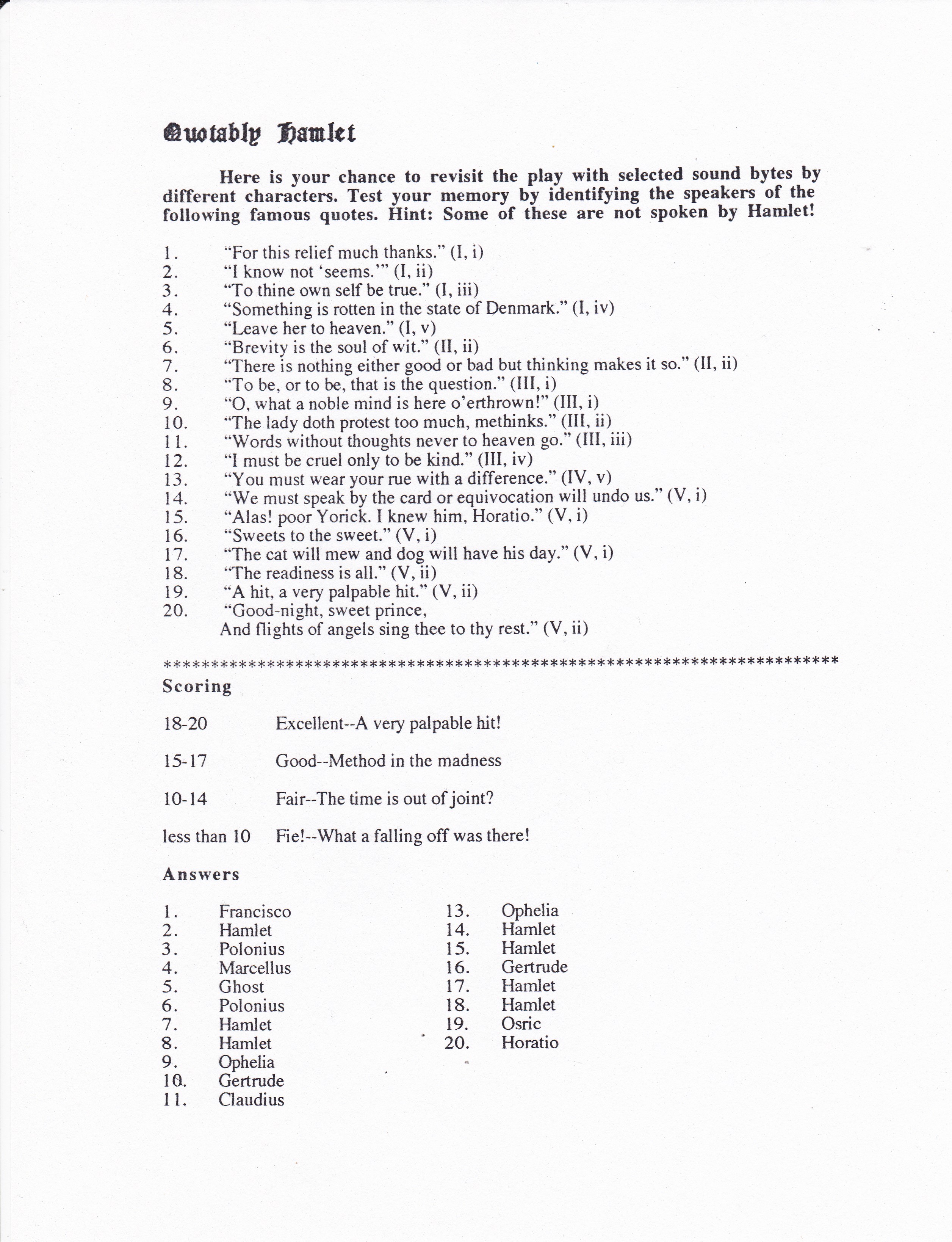
1995: Hamlet: a Shakespeare magazine submitted to Prentice-Hall by myself and film-friend Gerry; PH got cold feet after leading us down the garden path (a story destined to happen again); elsewhere in the blog, I have included samples from the magazine which had a lot of visuals, cartoons, and other humor and features like the following.

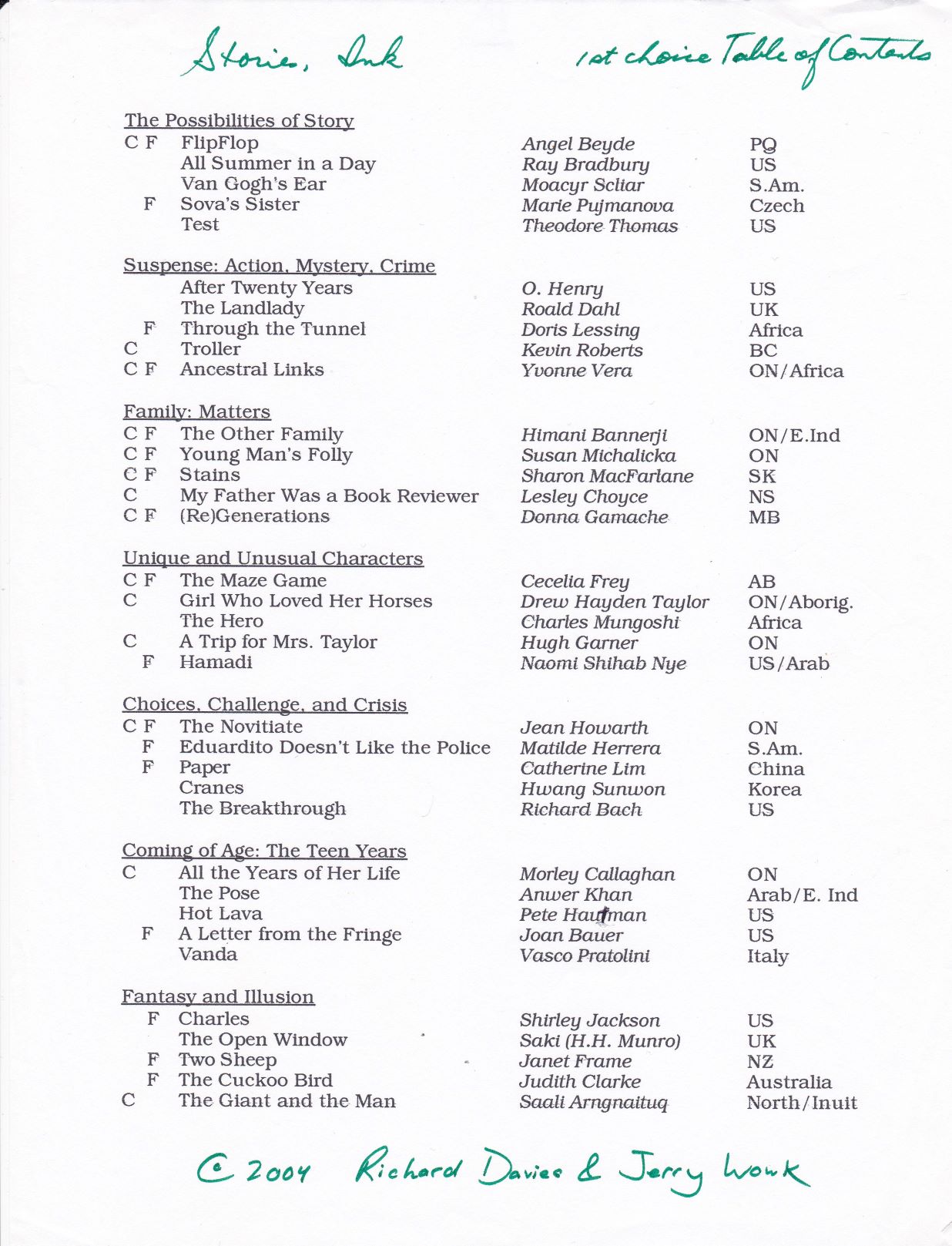
2003-4: a short story anthology for grade 9 which Jerry and I started for Harcourt; then the company just, unexpectedly, shut down; we had completed a lineup of good stories; ironically, there is still no good short story anthology for junior high out there in 2020.

2009-2010: a terrific anthology for small TO publisher Emond Montgomery which the company fecklessly chickened out on; Jerry and I worked again with my old friend-editor Tony Luengo (whom we had collaborated with on the Nelson handbook in an amazing three-month writing frenzy). Ironically, the finished book would have provided teachers, classes, and students in Canada with the ultimate critical thinking resource. Inside E-Media died a undeserved hard death when no other publishers wanted to pick it up.

Inside Electronic Media—Table of Contents

©2010 by Anthony Luengo, Richard Davies and Jerry Wowk

1: Our World of Electronic Media

  • Introduction–overview, background: screen culture, media convergence
  • E-Communication and Social Networking: SMS: texting, blogs, web forums
  • E-Entertainment: CGI and virtual reality avatars, mashups
  • E-Information: search engines, wikis, e-books
  • E-Media Literacy: managing media

 2: Reading Media Texts

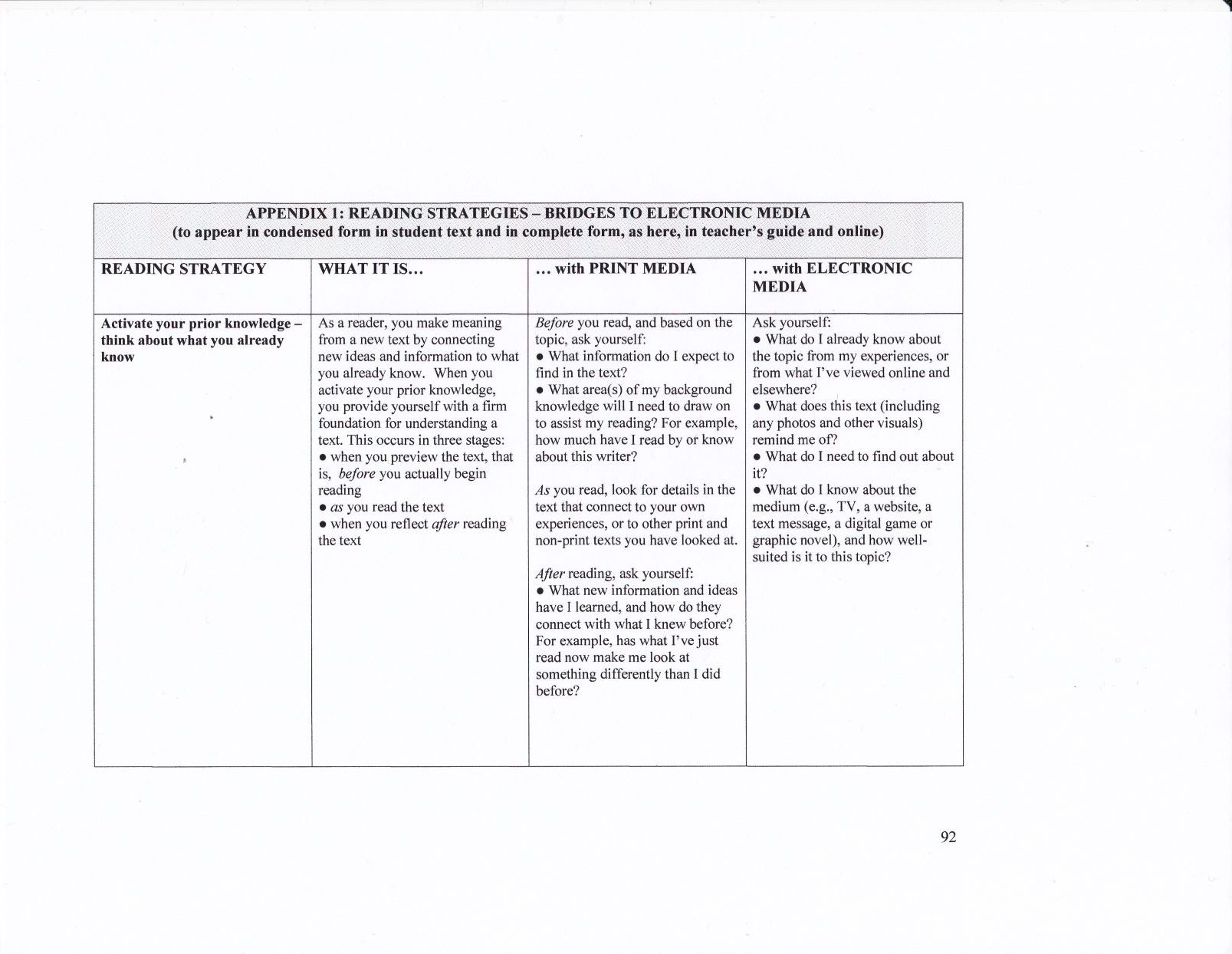
  • Using common print reading strategies to make sense of e-media (c.f. Appendix for complete chart)
  • Information, Ideas and Language of Print and E-Media texts
  • Strategic Reading of Print Media
  • Strategic Reading of E-Media:
  • Reading blogs
  • Navigating websites
  • Reading videos and other forms with moving images, words and audioexample/explication: tv commercial

3: Understanding and Responding to Visuals

  • Dealing with the language of visual texts; articulating stylistic patterns and techniques—this chapter presents four visual glossaries of terms and techniques relative to topic headings below
  • Content and Composition in Still Visuals
  • Understanding and Responding to Stills of Moving Visuals
  • Watching and Responding to Images That Move—Focus on Shots, Movements, Sound
  • Sound and Special Effects
  • Storyboarding and Editing
  1. E-Media Issues

Each of the following issues are anchored by short articles; in some cases, pro and con alternate perspectives are presented for balance; generally, article tones are positive and sometimes humorous.

  • Borrowing or Stealing?–covers ethics and legalities of plagiarism, copyright, intellectual property, and illegal downloading
  • E-Media Addictions—relative to excessive usage, negative effects on behaviours and lifestyle
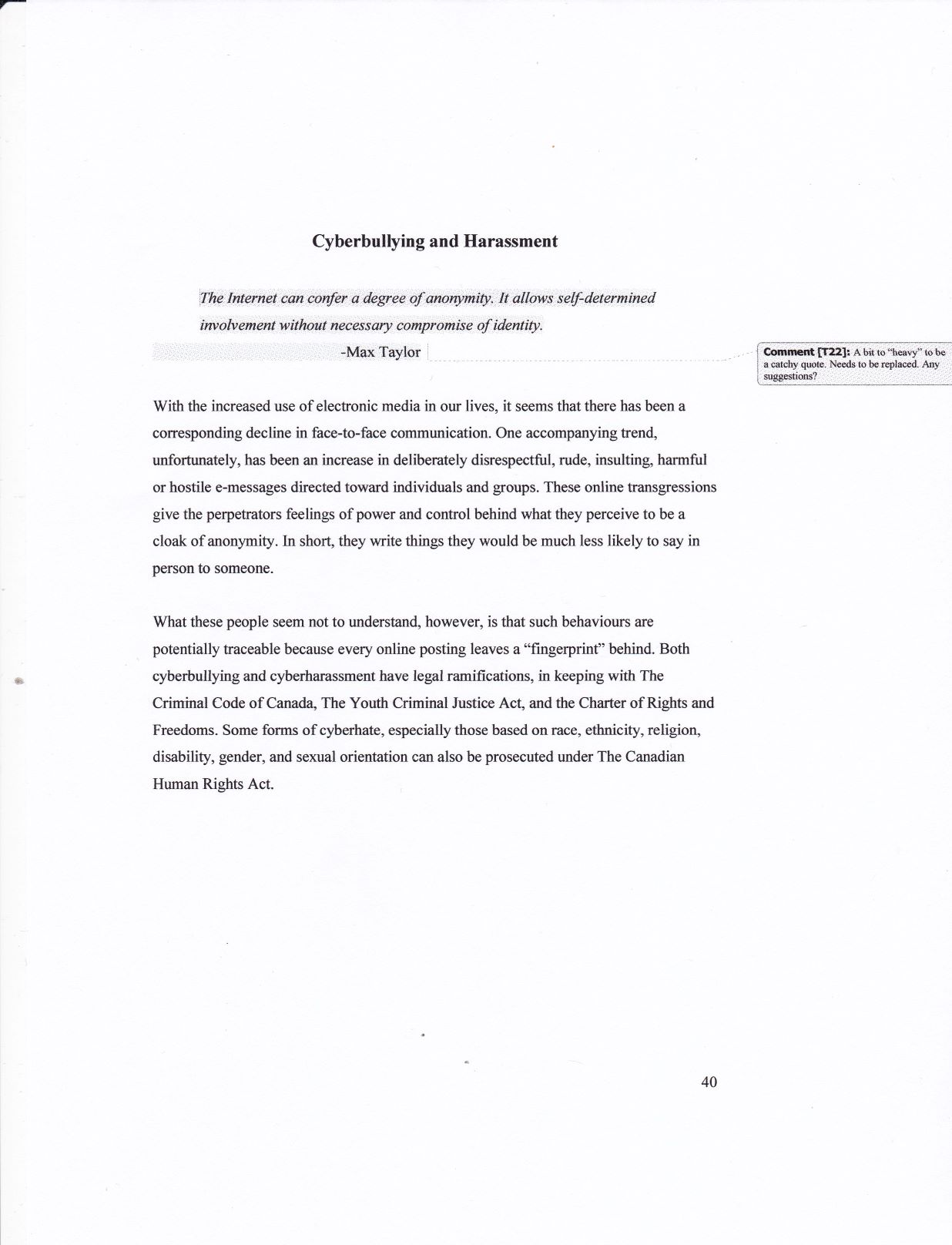
  • Cyberbullying and Harassment—covers e-courtesy, bullying of different types, cyberhate, discrimination, prejudice, and human rights
  • Media Displacement—more specific positive and negative effects on physical and mental health
  • Media Distraction: Pro and Con
  • Gatekeeping—covers vested interests and agendas as well as classification
  • Truth and Untruth in E-Media—spin, e-news vs. real news, various manipulations such as un/truth of e-media visuals in digital era
  • Retaining Privacy—privacy vs. openness/vulnerability; identity theft
  1. Forms of Mass Media

(N.B. the material on film in chapter 3 could be taught with the film material in this chapter if a teacher wanted to create a larger sub-unit on film.)

Mainly, this chapter presents an overview of the media sub-genres and discusses changes that have happened and are happening within each sub-genre; in particular, the effects of media convergence relative to the impact of smartphones and tablet computers is broadly considered.

  • Journalism: Newspapers–brief review of newspaper features, a look at Internet impact, and consideration of subscriptions as a way to survival
  • Journalism: Magazines—niche markets and e-magazines
  • Film—recent advances, mainstream and indie films, the genre types, narrative and characterization in fictional films, film as commercial product, Canadian film and stars
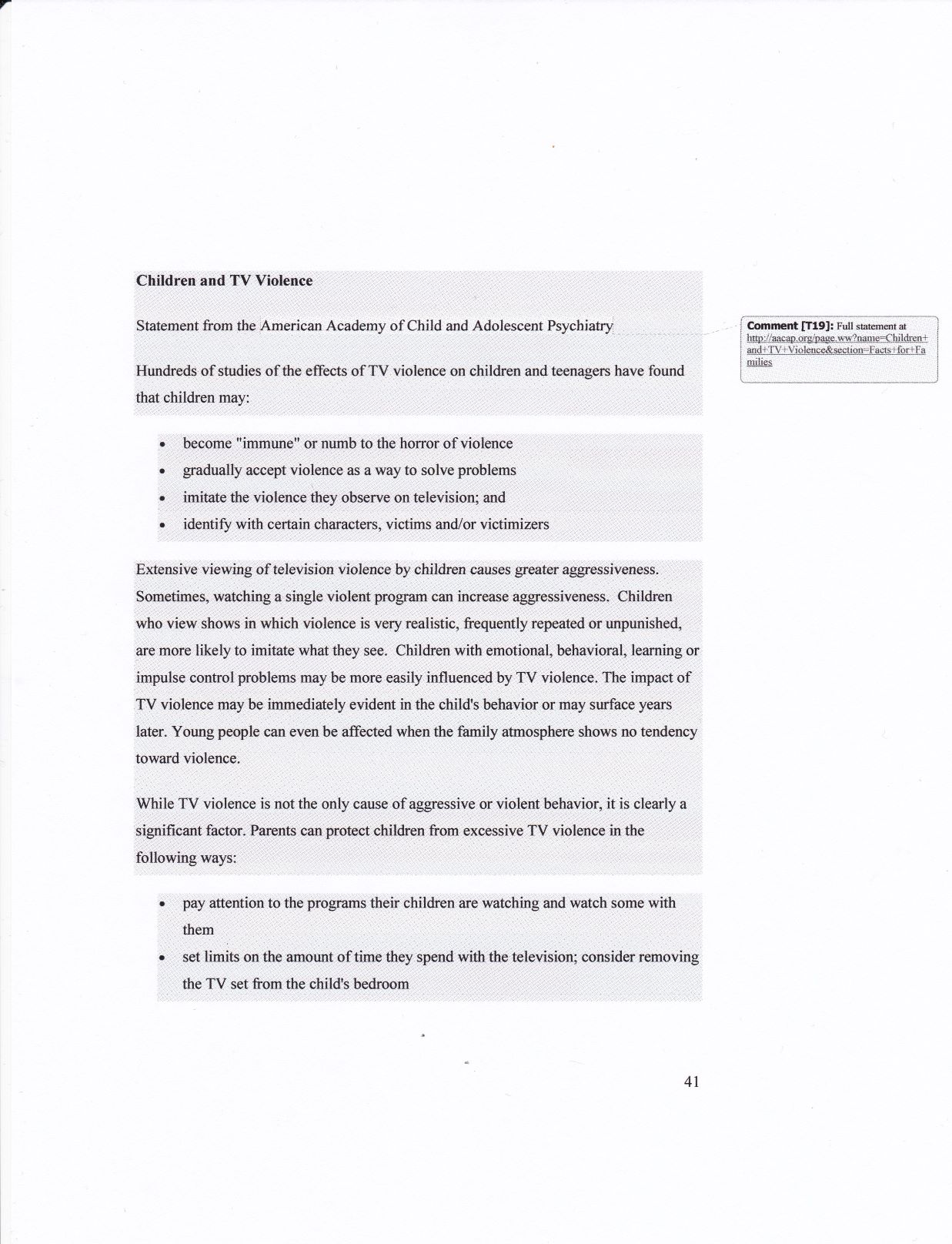
  • Television—growth of commercial tv, reality tv shows, emotional appeal of tv, children and tv violence, tv and Internet
  • Internet—issues and trends, Internet’s impact, social networking, citizen or personal journalism, commercialization, private and personal security, convergence, capacity, cloud computing and Web 3.0
  1. Advertising

(N.B. Advertising is dealt with separately from e-media genres since it is not one of them and an entity unto itself that influences the genres.)

  • Types of ads—commercial, government, PSA, political, etc.
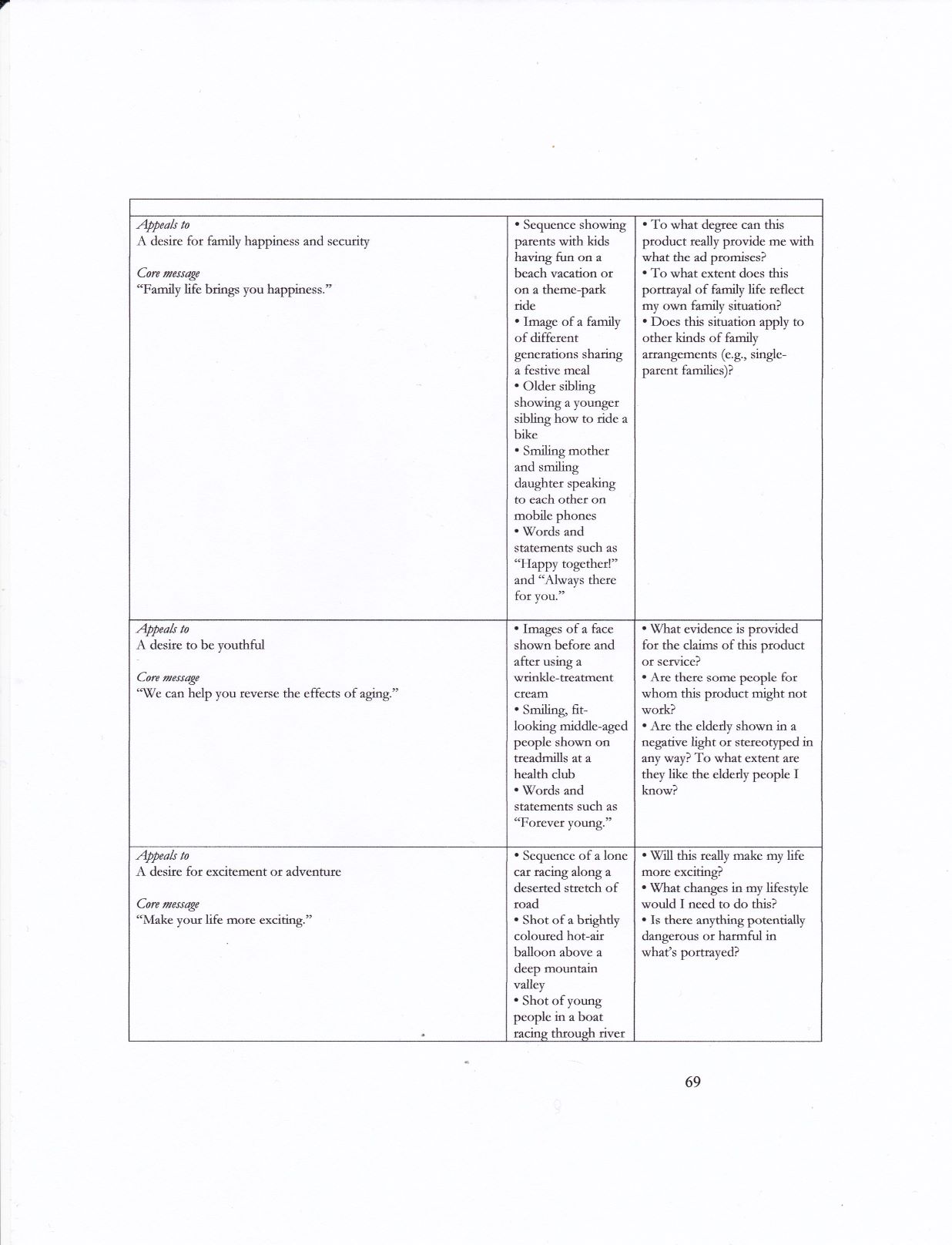
  • How Ads Try to Appeal to Target Audiences—types of appeals, examples and critical questions; also discussion/review of main elements and techniques ads use to reinforce appeals
  • Branding—including product placement
  • Consumer Awareness and Protection—resources and ad standards
  • Adbusters: A Canadian Anti-Consumerist Perspective

Appendices:

  • Reading Strategies—Bridges to E-Media: A tool for teachers and students to use when reading and viewing: 21 reading strategies—identified, how they can be used with print and e-media texts—questions/directions for application
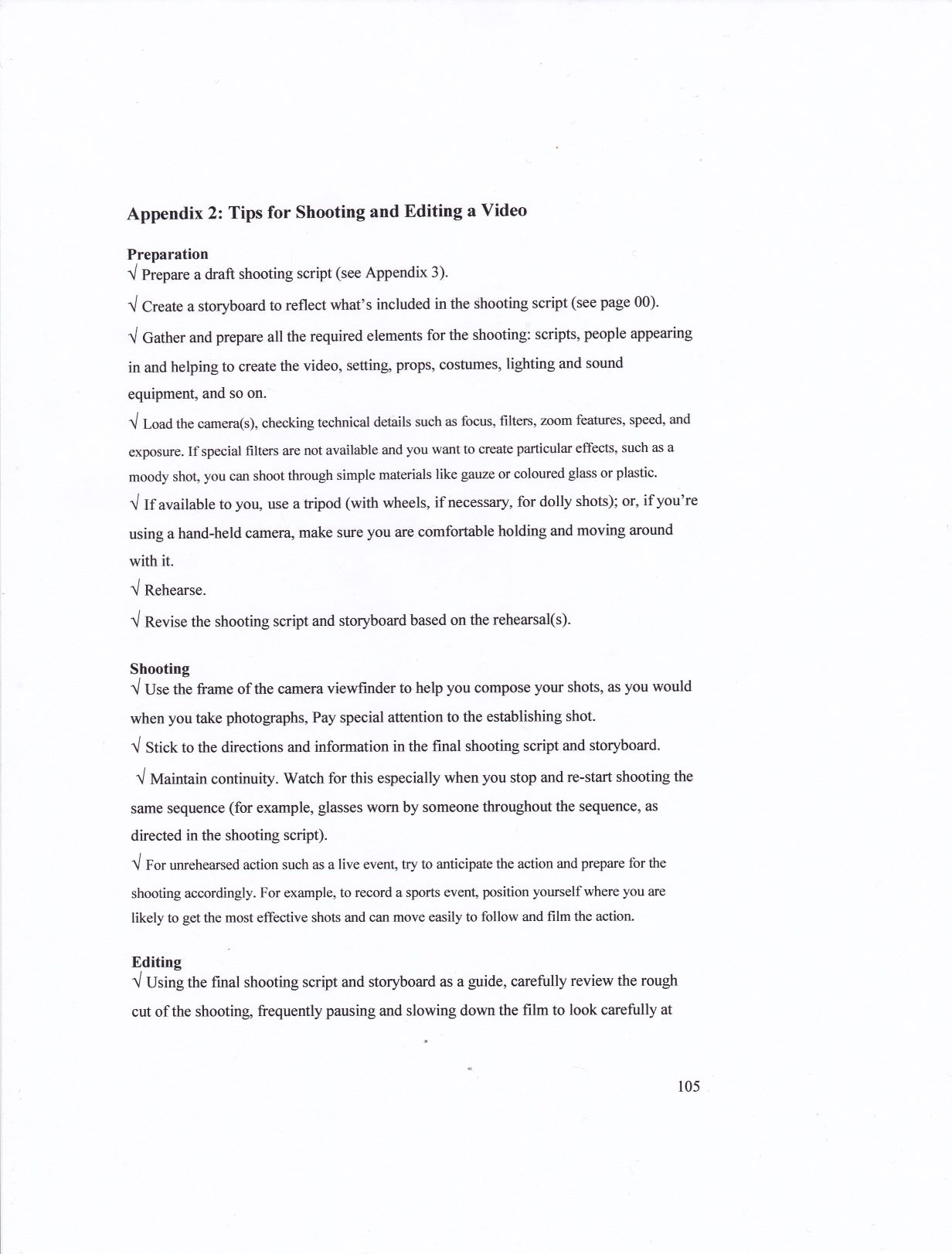
  • Tips for Shooting and Editing a Video

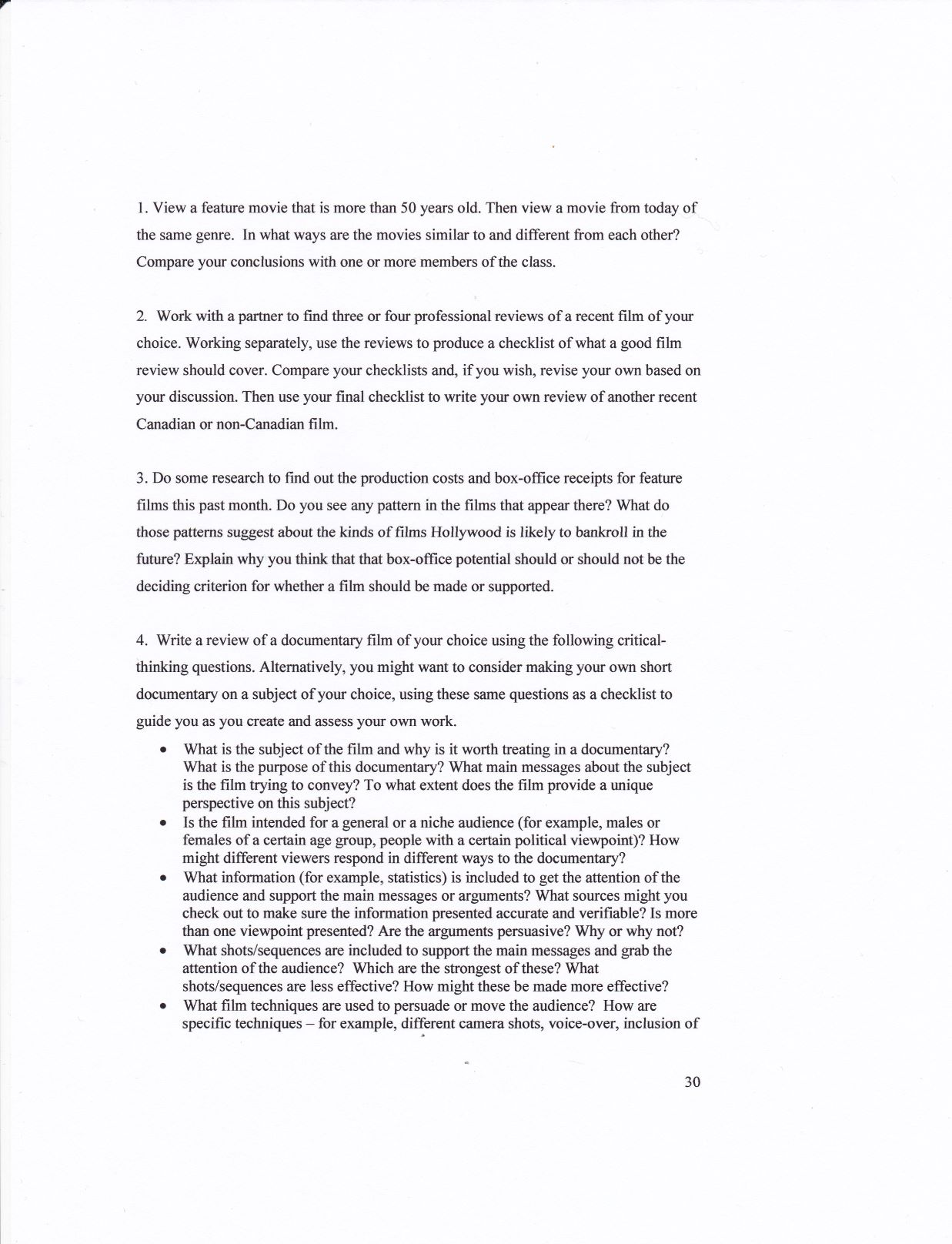
*The magazine was full of numerous illustrative examples in colour. There was also a website and accompanying video of examples and models that were written into the manuscript. I have to say that this was easily the best book I ever co-authored and the relationship with Tony and Jerry over the two years was very intelligent and focused.

Sample pages:

Woe and alas, this book may have been the best, most practical ELA book that was never published in Canada. It was a sad note on which to finish my ed publishing career, but, like all projects I learned a lot, totally believed in the project, and was grateful for the deep friendship that resulted. Yeah, after being led down the garden path one too many times, the last betrayal broke this camel’s back, and I retired from ed writing (48 years) and ed conferencing (30 years). What was left after that decision was much creative writing including two blogs and my long involvement with the Edmonton Stroll of Poets that still keep me very busy to this day.

Posted in Uncategorized | Leave a comment

As kids, our dogs teach us much

about freedom, making up our own fun, play, responsibility (who will feed, walk, let out the dog?), nonverbal communication, loyalty, friendship, love, appreciation, illness, and death.

Posted in Uncategorized | Leave a comment

Another Lifetime Ago: A Textbook Author (1978-2010)

‘There’s nothing half so real in life as the things you’ve done,” she whispered, ‘inexorably, unalterably done.’–Margaret Ayer Barnes

Hard to believe I wrote and edited 28 student textbooks and 22 teacher’s guides in a span of 38 years of publications for senior high ELA students, the totality of which went platinum (1 million sold) back in 2014. Amazingly, I still continue to receive royalties from these books in 2020. I am not aware of any other ELA authors (all grades) in Canada exceeding these numbers.
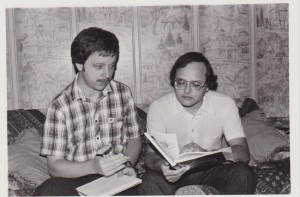
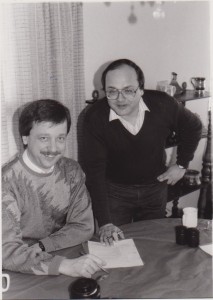
(1978: Edmonton’s Glen Kirkland and RD–the educational author duo starting out, in a basement I had just finished myself; 2nd pic: 1980s; we would eventually go on to present workshops across Canada and became well-known in the national senior high ELA teacher community; I should add that we first met in an evening grad ED CI class of 3 people at U of A–the basis for the series evolved out one of our assignments; when we decided to publish something based on this project, we, at first, considered our textbook-prof as a go-to, but he had literally stolen someone else’s project for a book not his own, so we tried a small T.O. publisher Methuen, instead, who turned us down, saying it was too expensive for them–they subsequently went under after this, coincidentally; Gage, represented by the debonair Patrick Paddy Drysdale, signed us on to do the series in a hot summer hotel room at the Macdonald in Edmonton.)

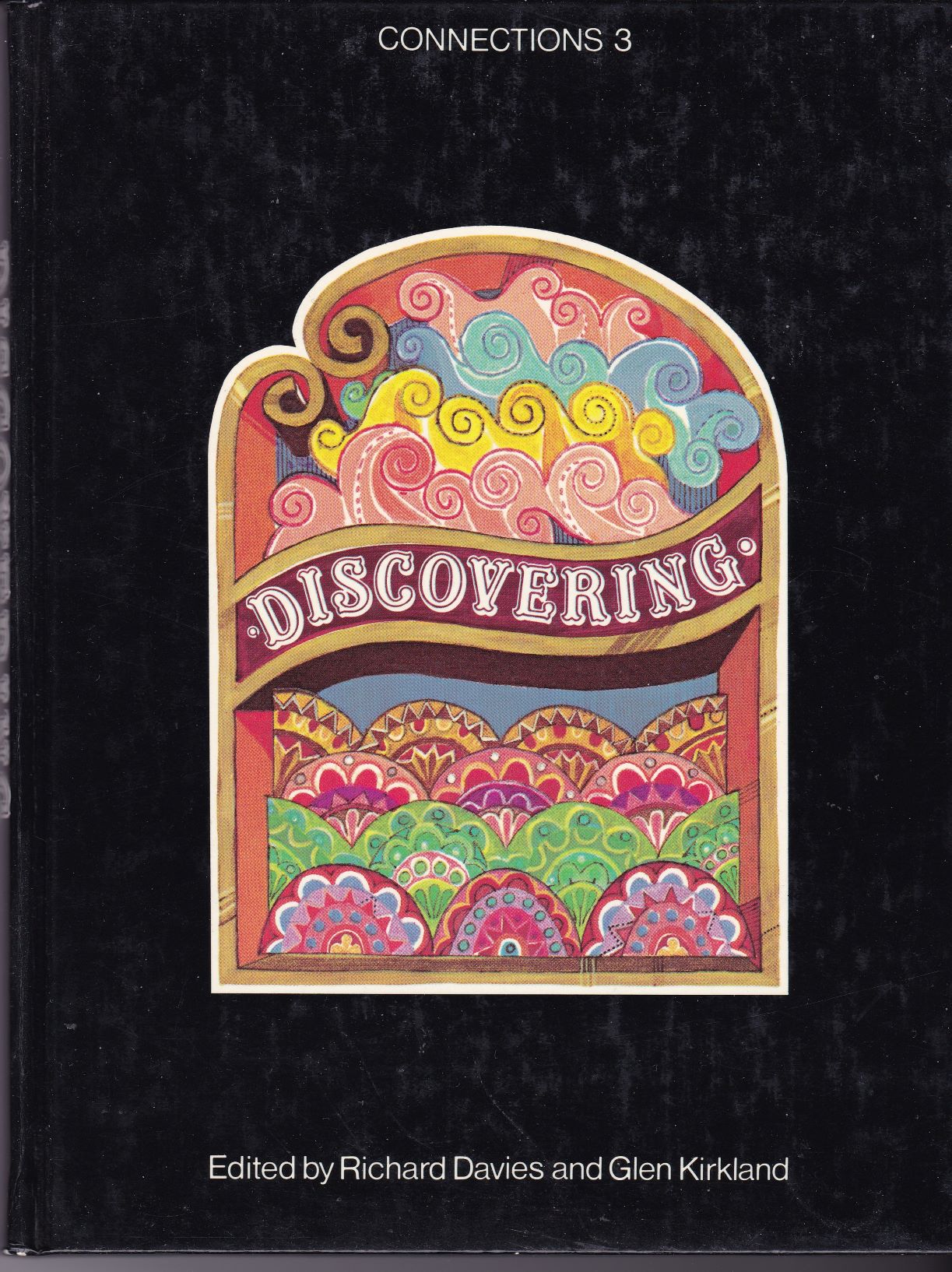
(1980, Gage, for grades 9-10: The first book of a new series for general/nonacademic students which introduced relevant thematic literature to these courses and streams; I have my first-ever textbook-published poem, “Fall” in this one; Trinidad’s Anthony Luengo at Gage held the whole project together)
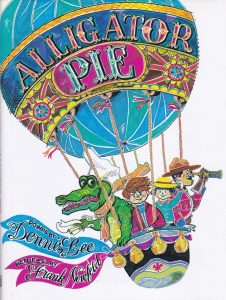
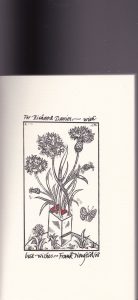
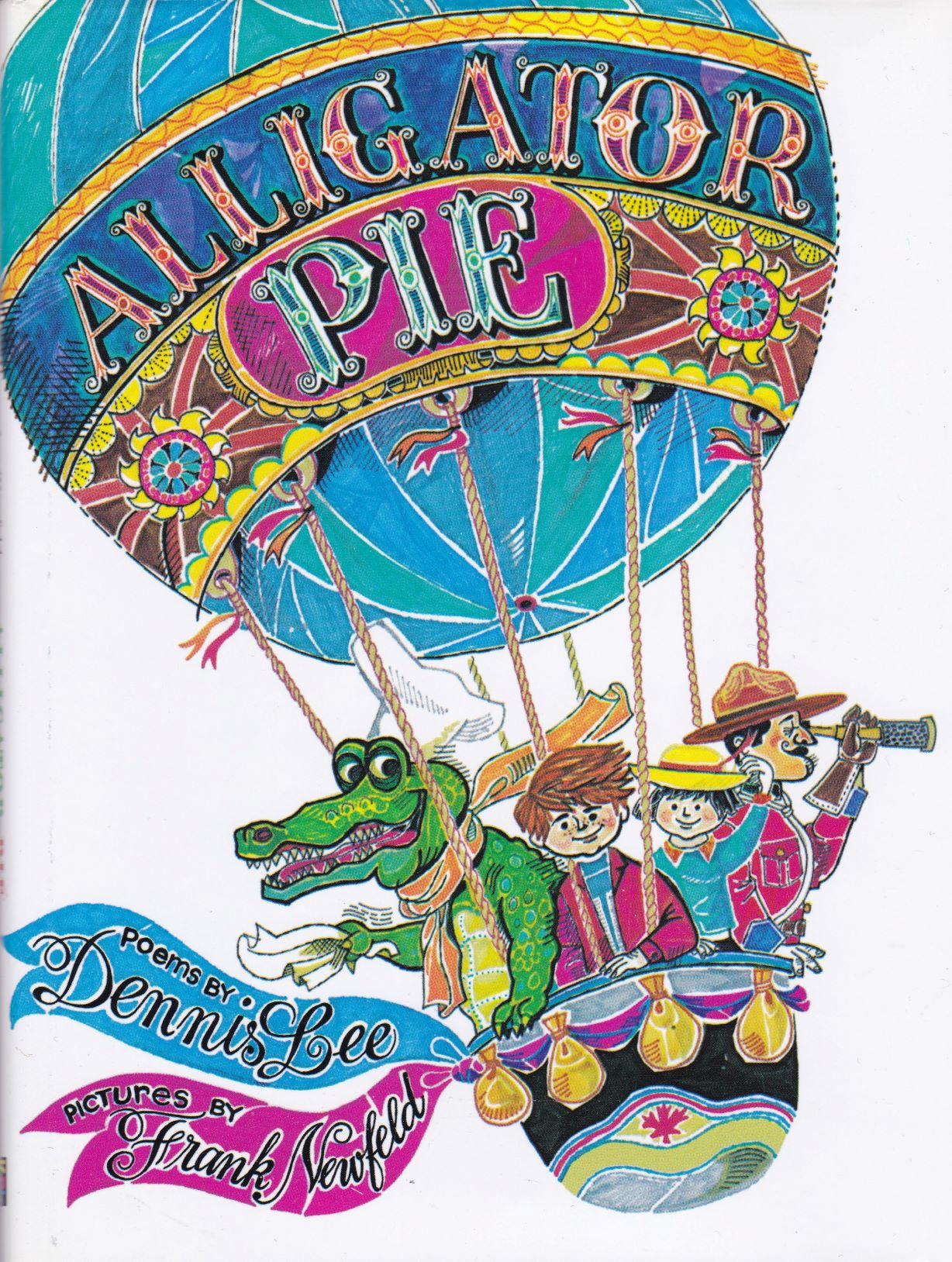
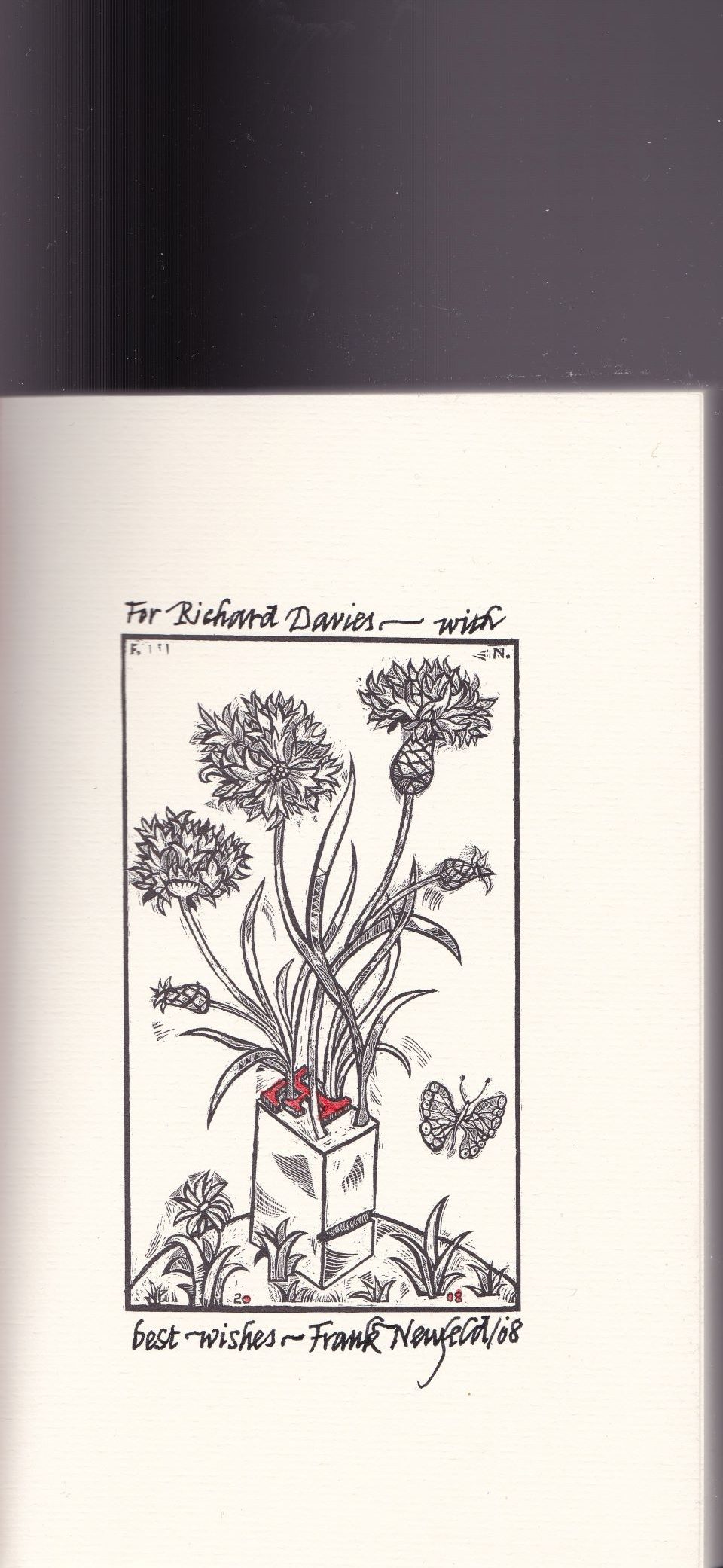
(we were also incredibly fortunate to have, as our illustrator, Frank Newfeld, who did half of the visuals and the covers for the first series and the later redo); much later, I thanked Frank for what he contributed to this successful project and he signed a copy of his book, Type, for me)

(1981, Gage, for grade 11)

(1981, Gage, for grade 12: another of my poems, a found poem satirizing advertising appeared in it; this was also the first time we experienced censorship–NL did not authorize this one because of Morley Callaghan’s “A Sick Call”; their response was “Priests don’t lie”; another story, Hugh Garner’s “The Yellow Sweater” also raised some politically incorrect eyebrows for its subject matter–a man picking up a nervous teenage hitch-hiking girl.)

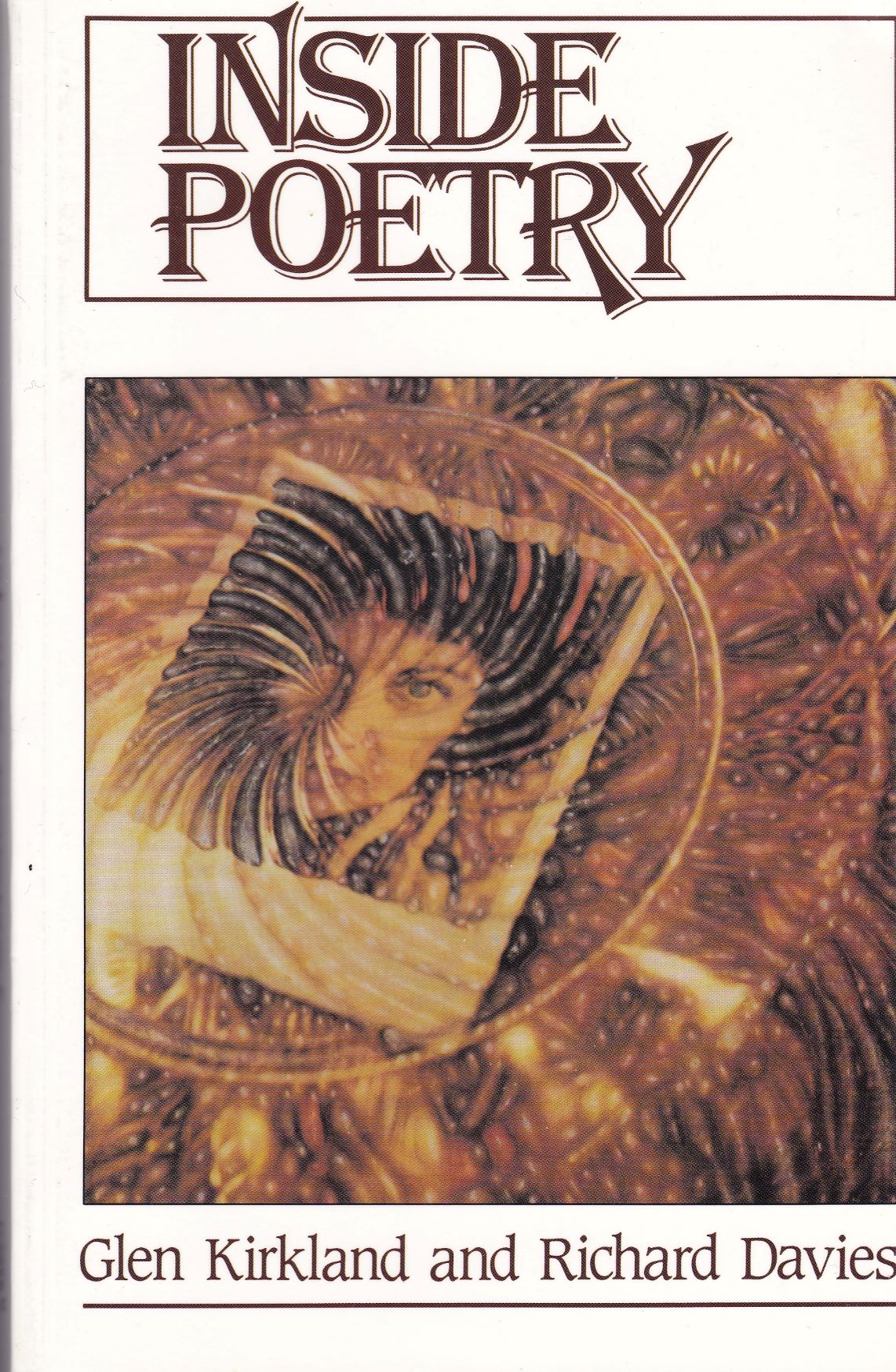
(1984: Harcourt, for grade 11, but it also got used in 10 or 12; there were too many T.O. lunch-hour cocktail-snobs who moved in at Gage and so we took our next book elsewhere when they told us “we’d never publish it with anyone but us”; so we stuck to our guns and went to Harcourt who greedily latched onto what became the poetry book of the 1980s and they published what we wrote and edited as is, no changes; this was the beginning of a long harmonious, profitable relationship with them; incidentally, IP includes my poem about a city traffic accident and a couple of essays on two book poems by my gr. 11 McNally students.)

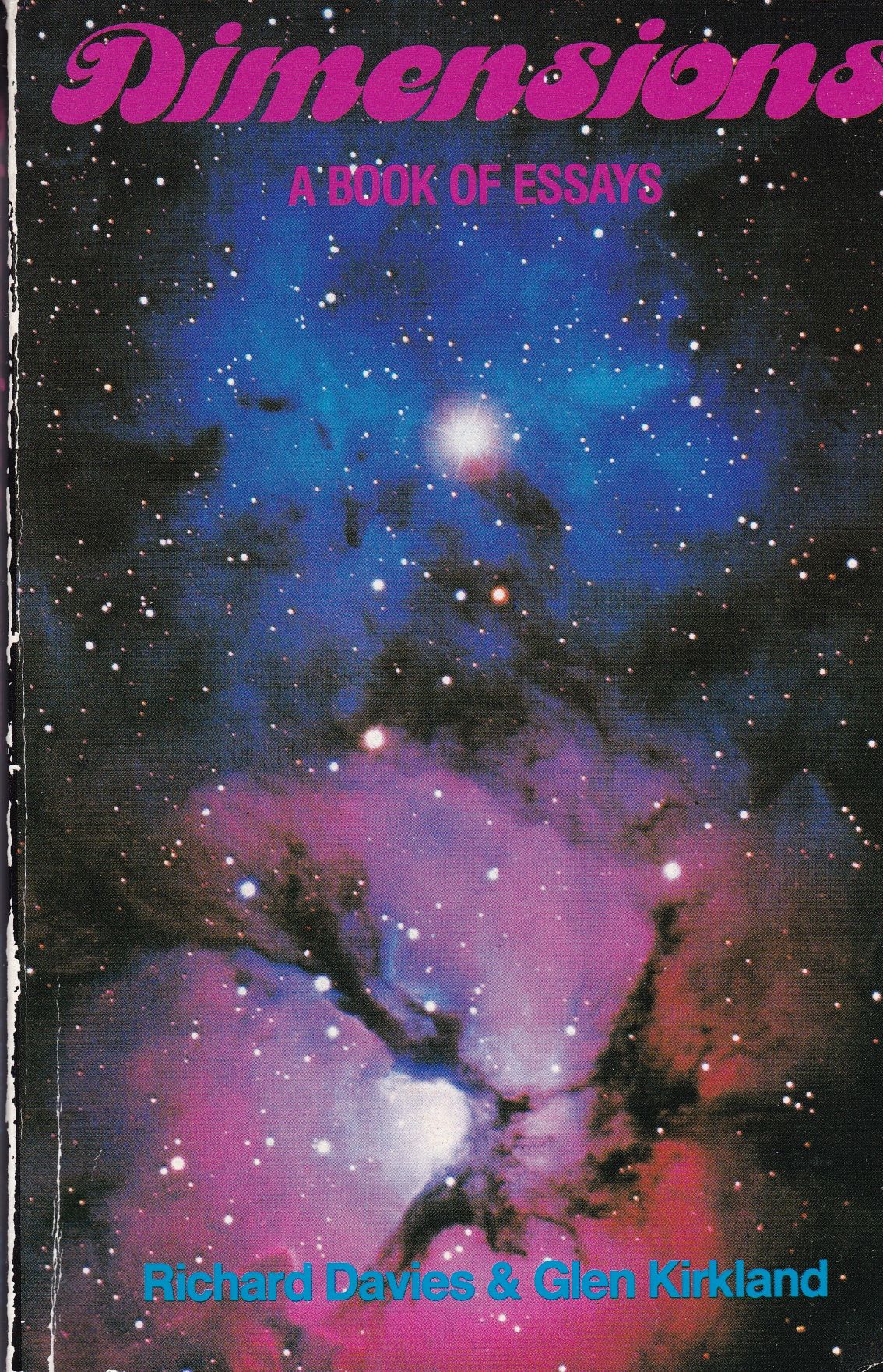
(1986: Gage–the thematic book of essays for grade 11-12 in the 1980s; we amicably got what we wanted with this one from Gage)

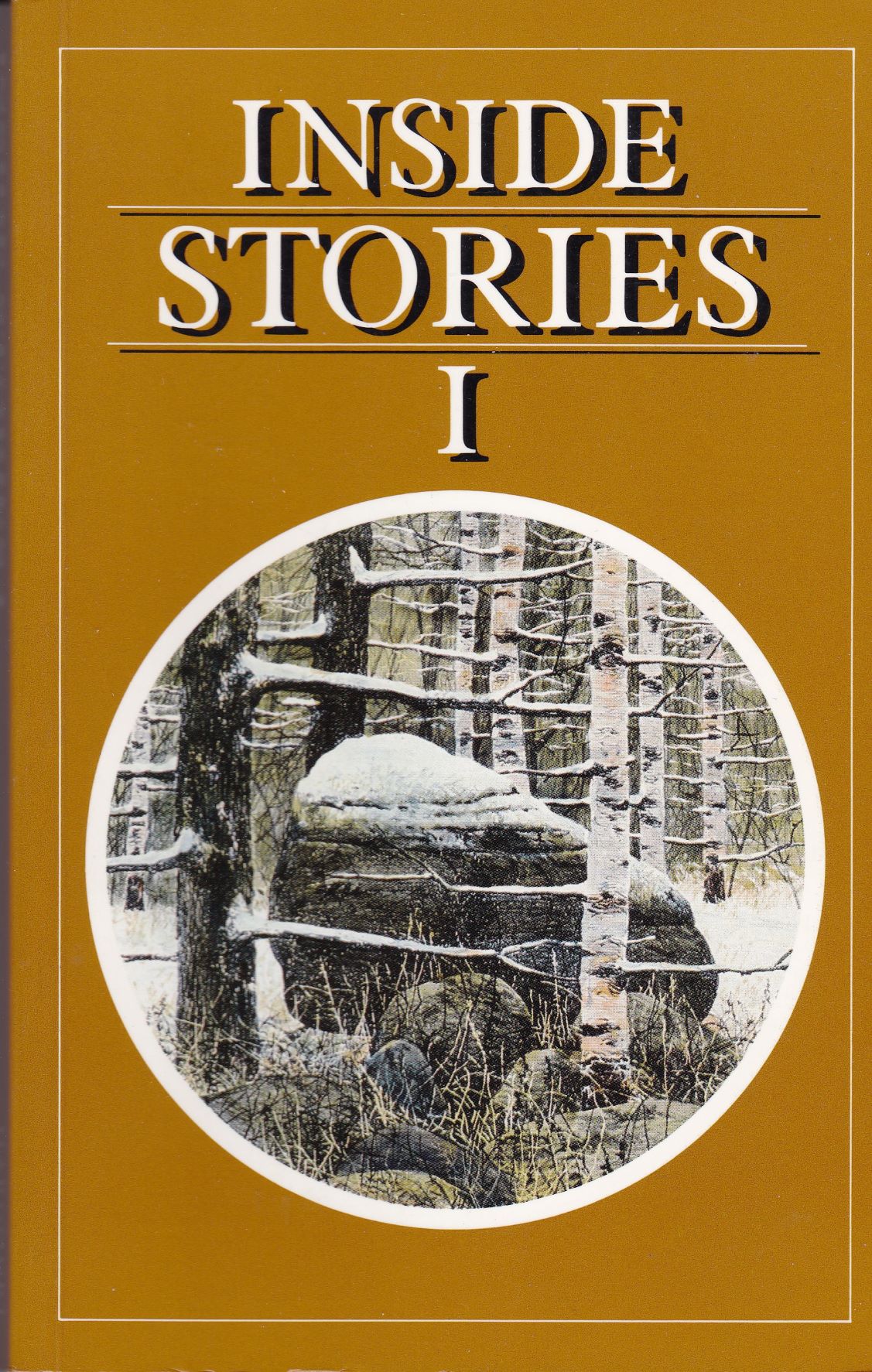
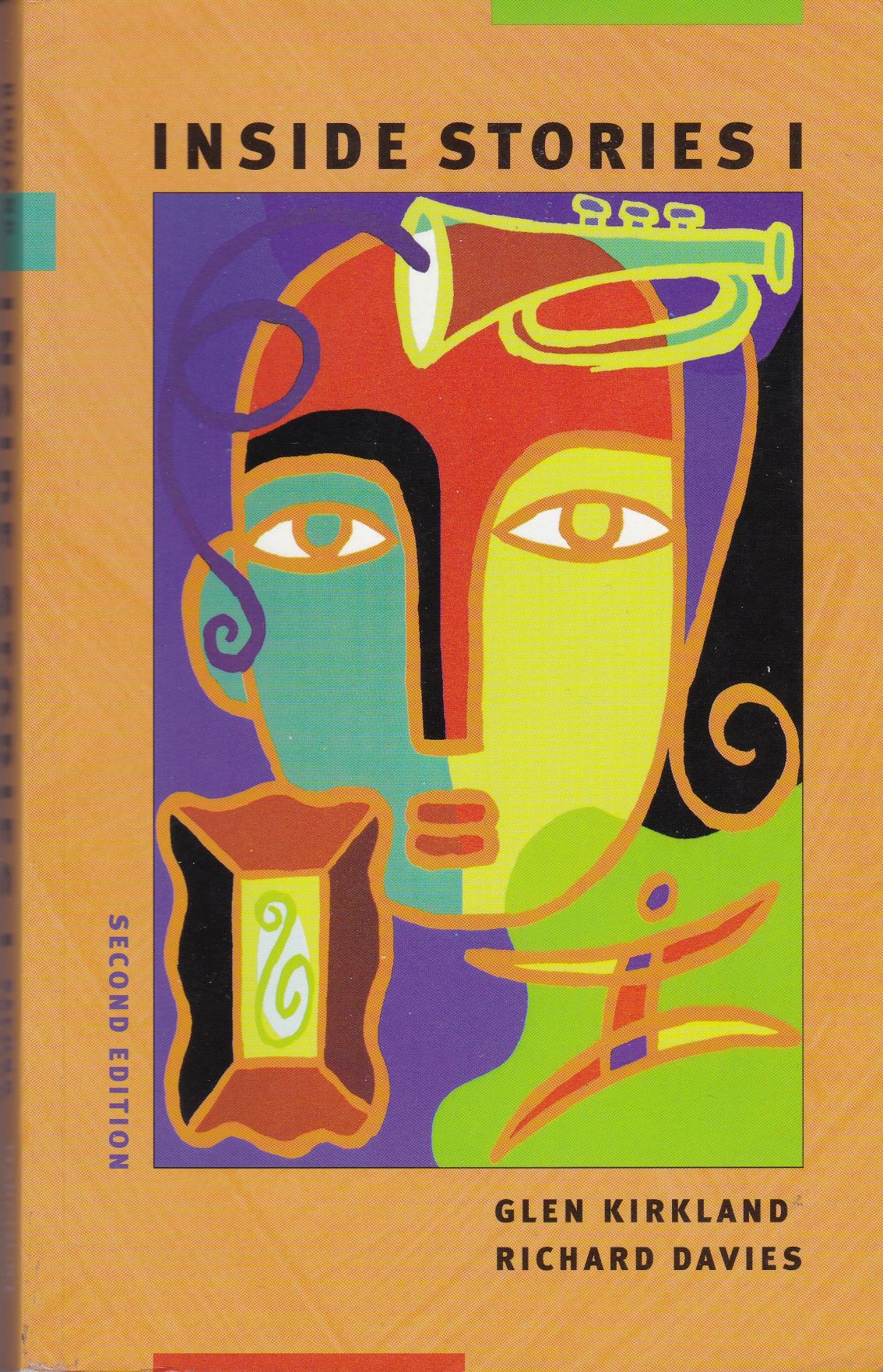
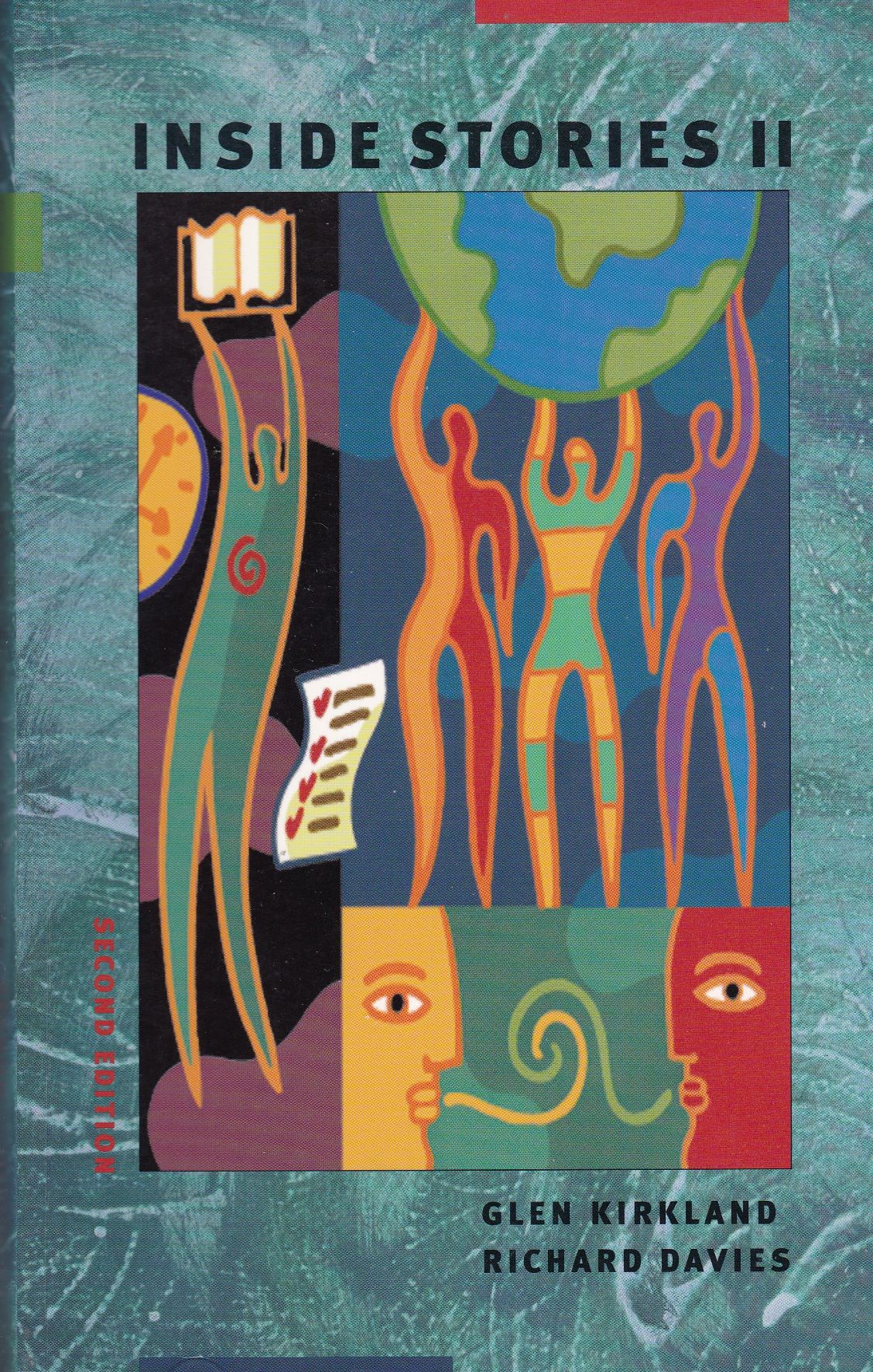
(1987, Harcourt, a short story anthology of short stories, organized by fictional elements: widely used in Canada, especially AB, BC, MB, and NS; sold 20,000 copies out of the gate to BC as did IS 2; the trust with Gage forever tainted now, we moved back to Harcourt who remained more keener allies; I suggested the book’s illustrators; an irrational censorship dispute, covered by  a former student on CBC,  arose in Ponoka-Rimbey district when one councillor took exception to Shirley Jackson’s “The Witch” for its ‘unwholesome supernatural influence’; their solution: they razor-bladed the ‘offensive’ pages out of the book despite teacher protestations.)

(1987: Harcourt: both anthologies were the beginning of a long positive relationship with editor Lydia Lou Fletcher)

(1990, Gage: the revised series did well across Canada; Gage basically left us alone again for this one; it got used in grades 9-10; “Fall” was reprinted)

(1990, Gage: used in grade 11)

(1990, Gage, for grade 12; the Connections series had become legendary by this point)

(1993, Harcourt–so what about a story anthology, organized by fictional terms for gr. 12; troubled publisher-friend Murray Lamb–who later died suddenly and tragically–took us up on this one)

(1995, Harcourt: as school budgets began to dry up, we did a cool anthology on the theme of choices–one of our least successful books)

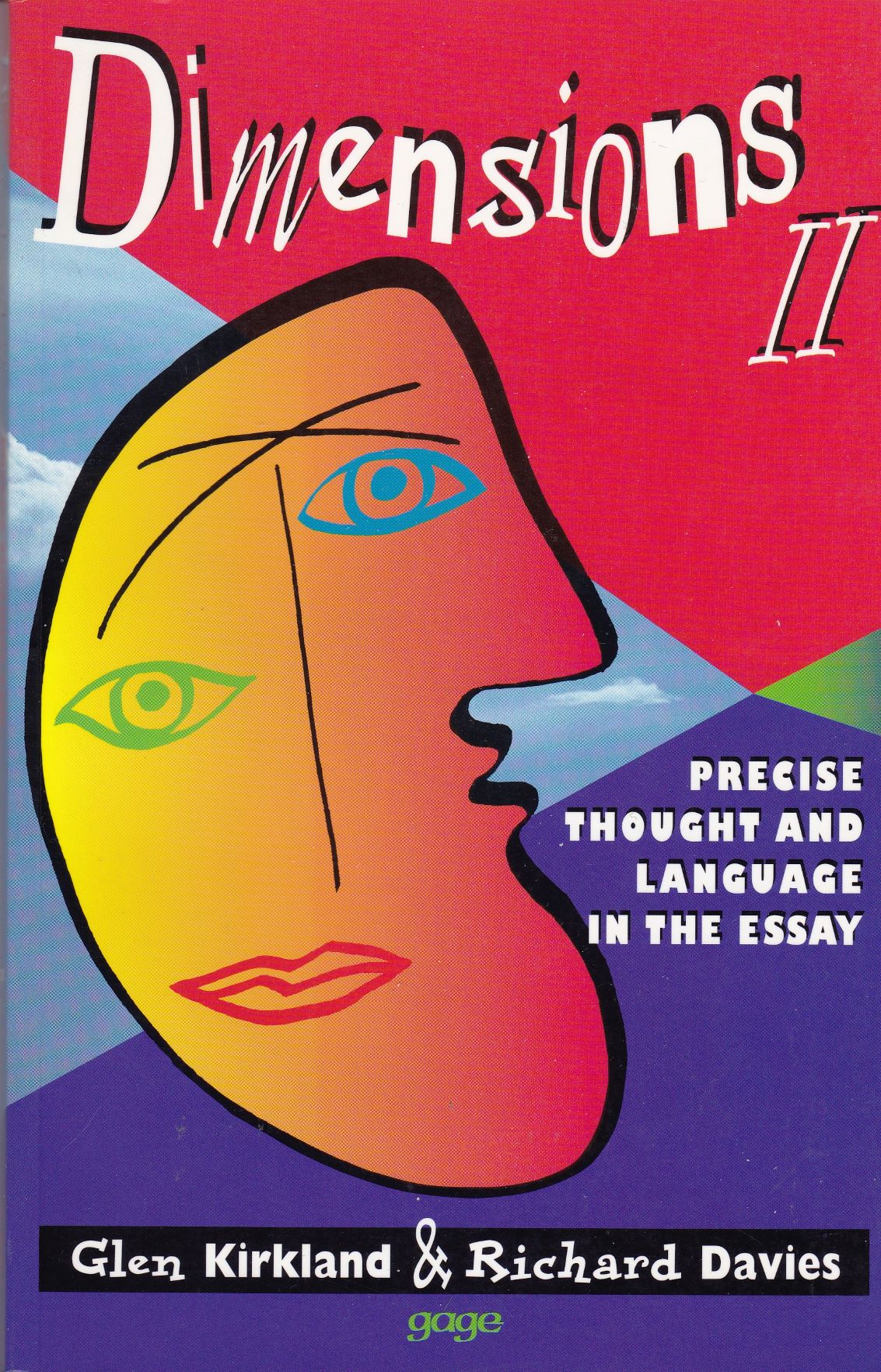
(1996, Gage: back to Gage for another thematic anthology, as a successor to Dimensions–we had a good editor, Laura Edlund for this one; Glen, sadly, began to get sick and have problems with alcohol and sleep apnea, eventually going through many health problems including a few cancers before his passing in 2010; he was never the old mentally sharp, ‘with it’ Glen after this book)

(1999, Harcourt, a thematic short story anthology for grade 9-10: Glen was M.I.A. for the most part on all the books that followed, but I agreed to leave his name on the covers and title pages, figuring his well-known name and the appearance of teamwork would help continue sales and in the hopes that he might still recover.)

(1999: Harcourt–a thematic short story anthology for grade 11; I can remember planning these books with Harcourt’s Lydia at Glen’s work, as he sadly slept through the meeting; it was very clear to her and me that I, at this point, was the real Davies and Kirkland team.)

(2000: Harcourt, a thematic short story anthology for gr. 12; I had several projects on my hand and it was time to work with someone else; Jerry Wowk was the perfect pick and he did all the support material in the textbook while I picked the themes and stories; I also contributed an essay about teaching Graham Greene’s classic “The Destructors”.)

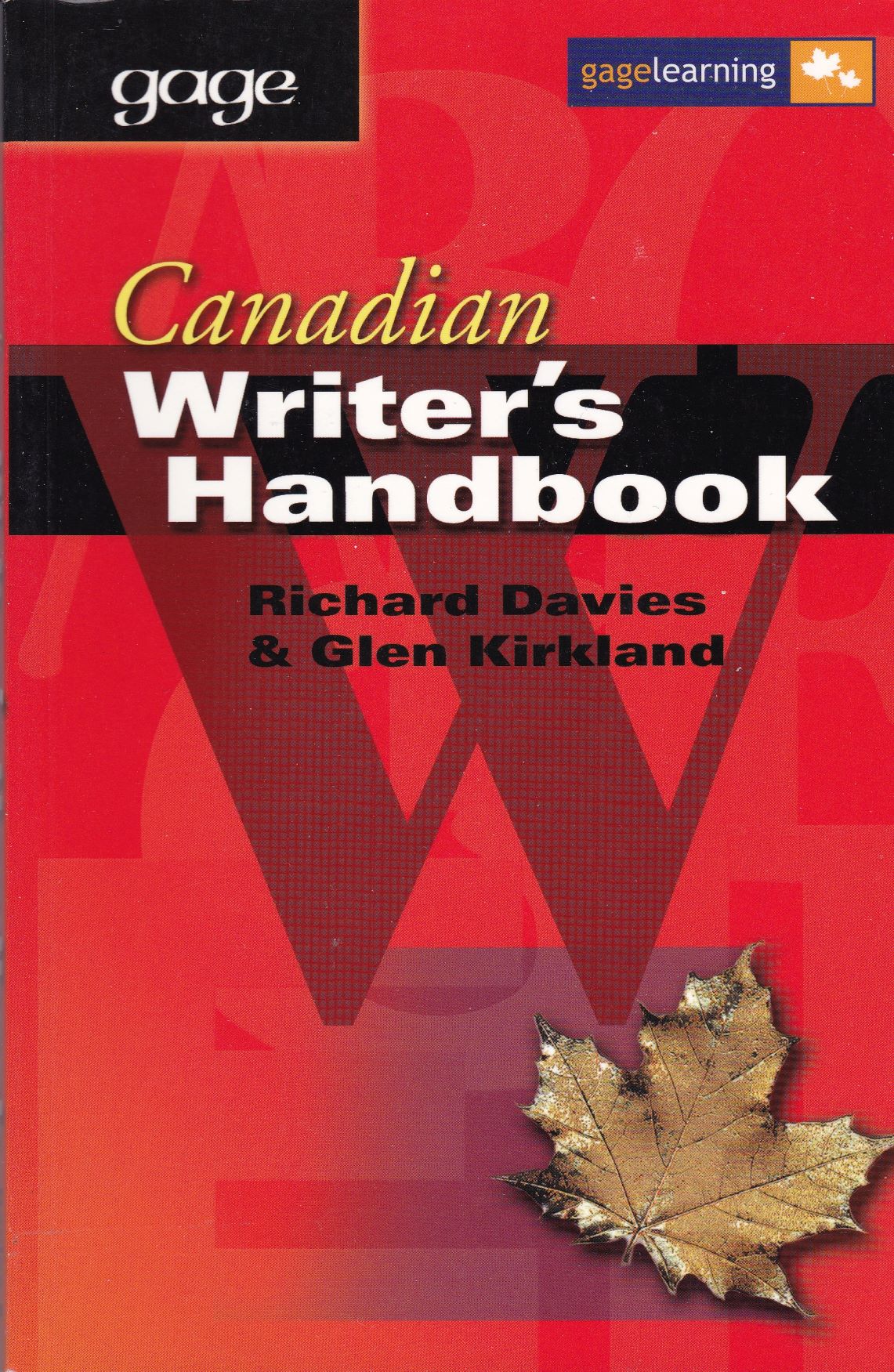
(2000, Gage; our first handbook for senior high; this book continues to sell 20 years later; Glen, surprisingly, was able, somehow, to contribute a few sections to this project, but this was his last hurrah.)

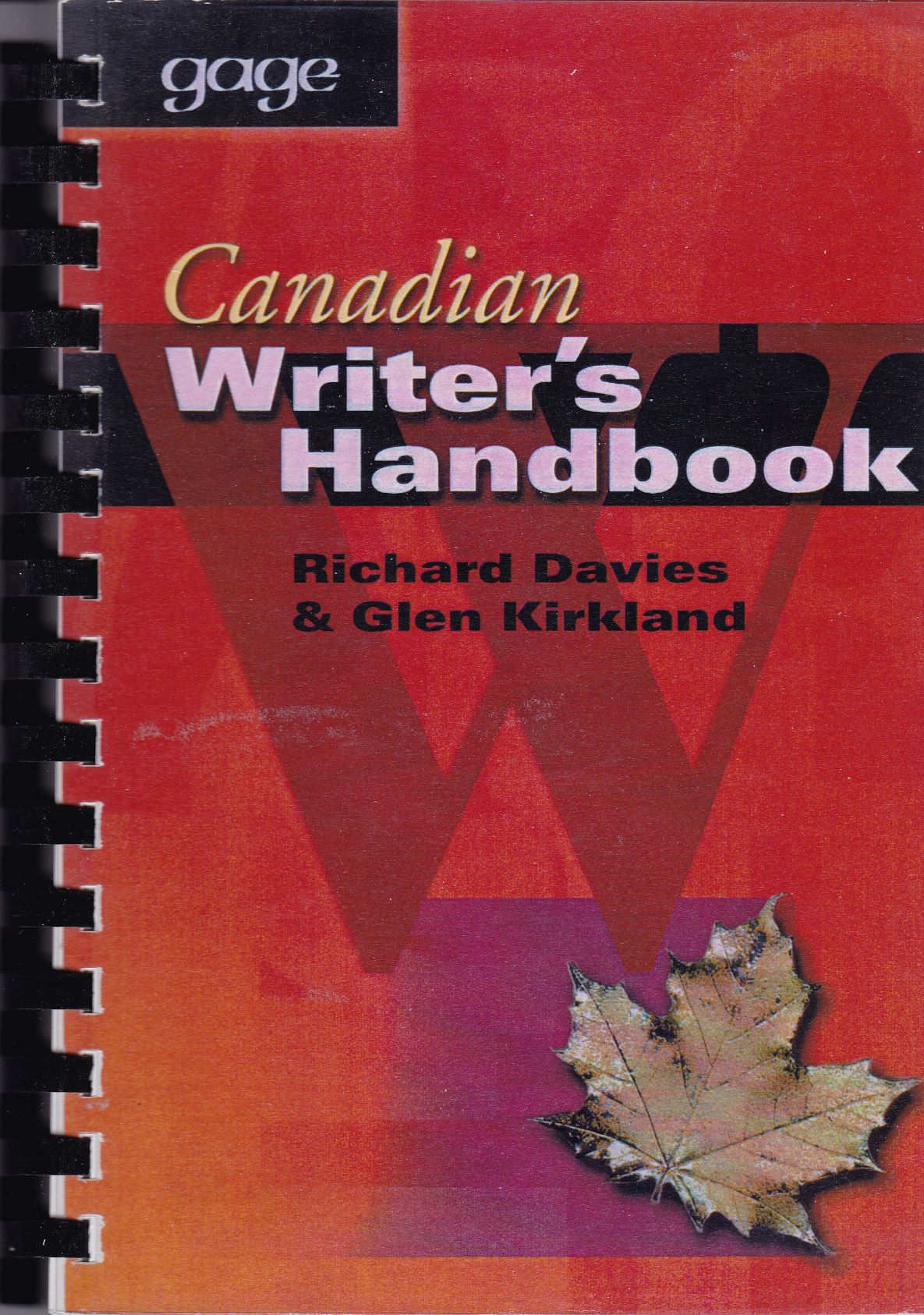
(Gage, true to form, kept us in the dark about this alternate version with a more practical coil binding; yeah, this is the one they should have published–lies flat when open, doh)

(2000: Gage–a remake of Connections I for grade 10; a nasty nervous-breakdown kinda contract dispute ensued–‘Davies and Kirkland’ stayed with Gage for our last book with them, one they finished to their liking; despite Glen’s name being credited, whatever literature is in the book was my contribution–he was pretty much out of the picture and I professionally parted company with him about this time; what a crazy 3 years doing all these books mostly by myself–I was down to teaching halftime in 2000-2001 as I also worked half-time at Alberta Film Classification; this book would be Gage’s last hurrah–they would fold soon afterward in 2003 as budgets really dried up after the 2000 round of authorizations hither and yon)

(2002: Nelson–a grade 11 replacement for Connections 2; Nelson was keen to have ‘Davies and Kirkland’ before they also realized he was very ill; I kept Glen’s name on the cover one last time as an unsung contribution to his retirement fund–in reality, this is another book without him)

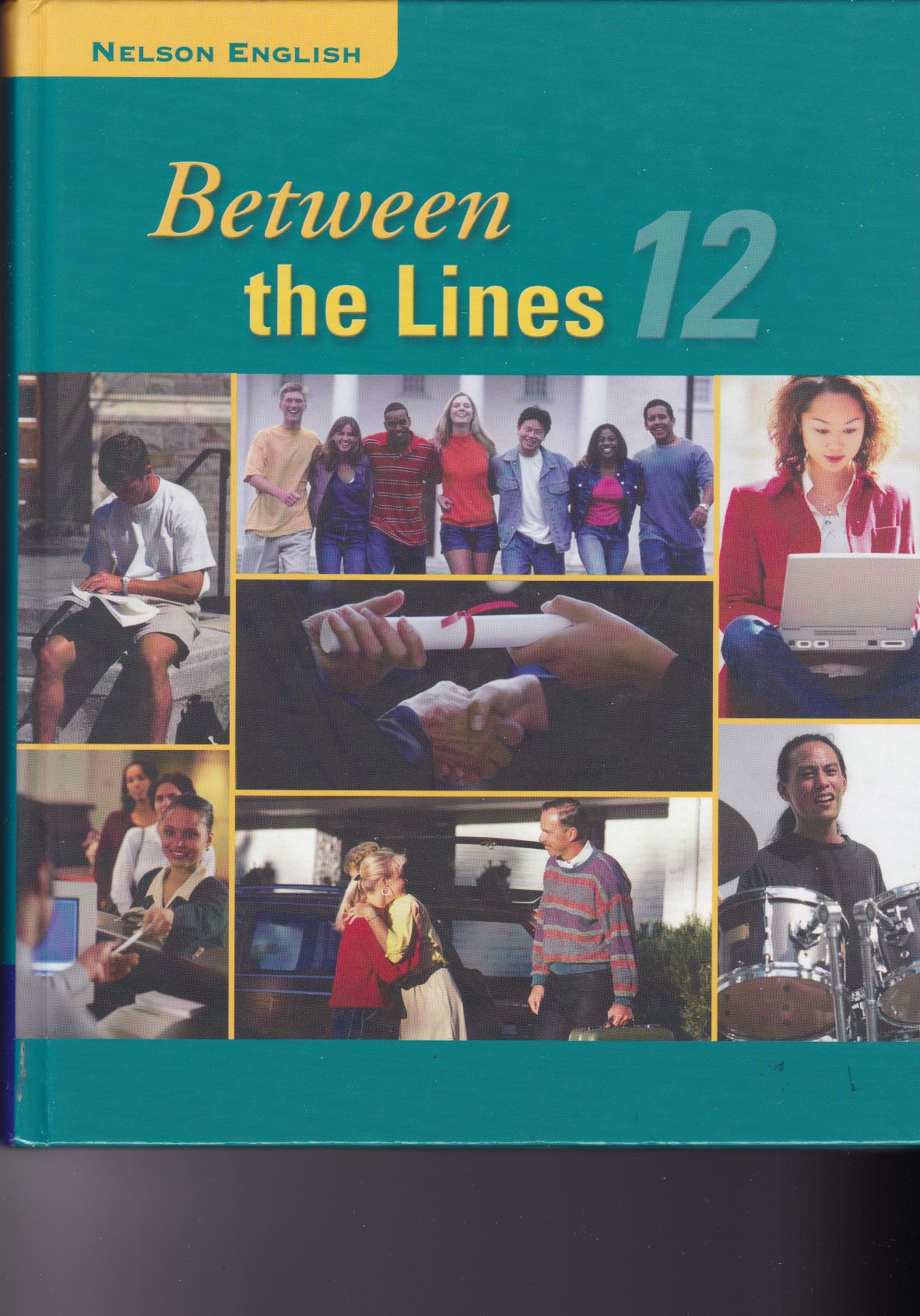
(2002, Nelson; credited as my book, a grade 12 thematic anthology replacing Connections 3; I had good editors to work with on the home stretch, notably Caron MacMenamin; as one of several homages that were to follow, I used two of Glen’s poems, both which remain/ed popular.)

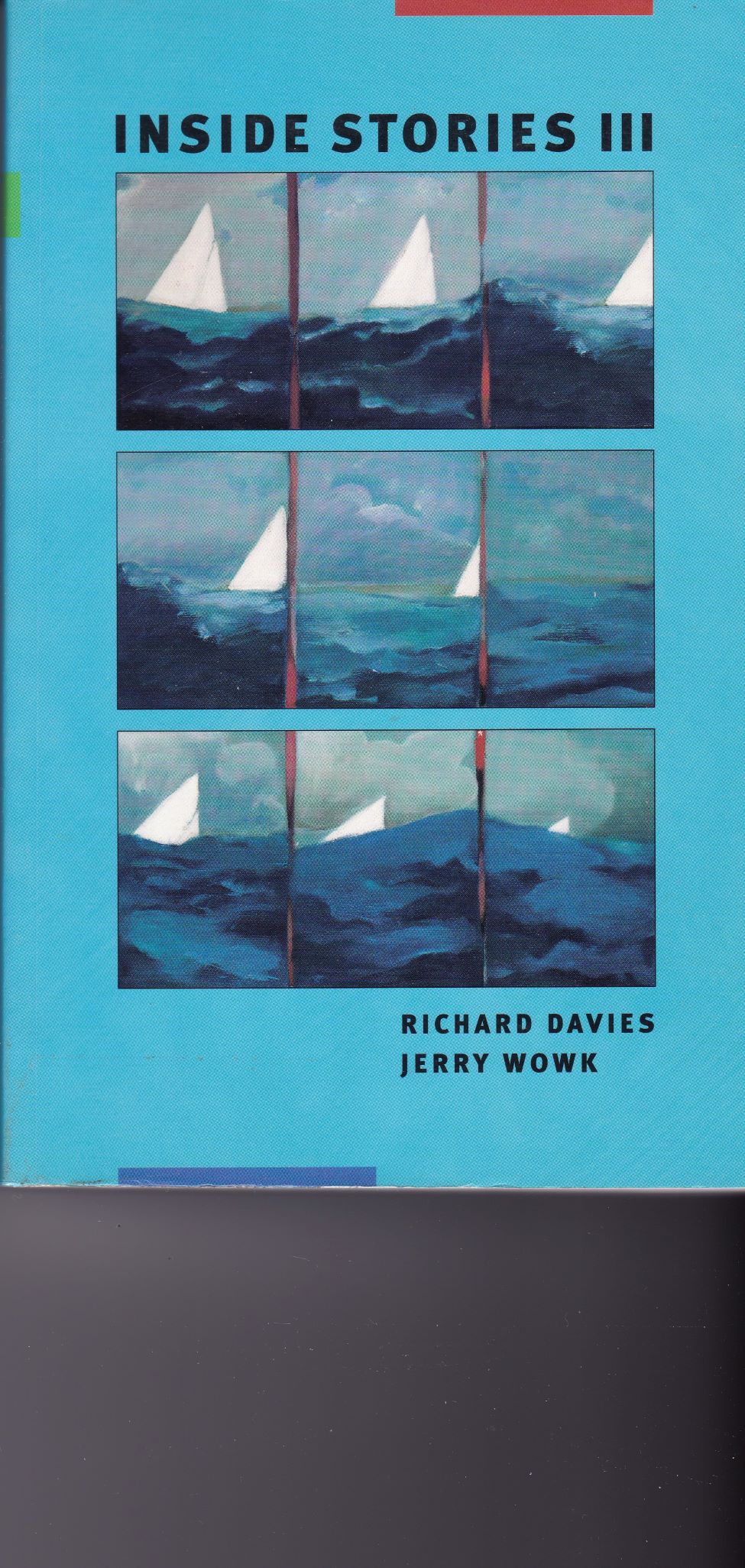
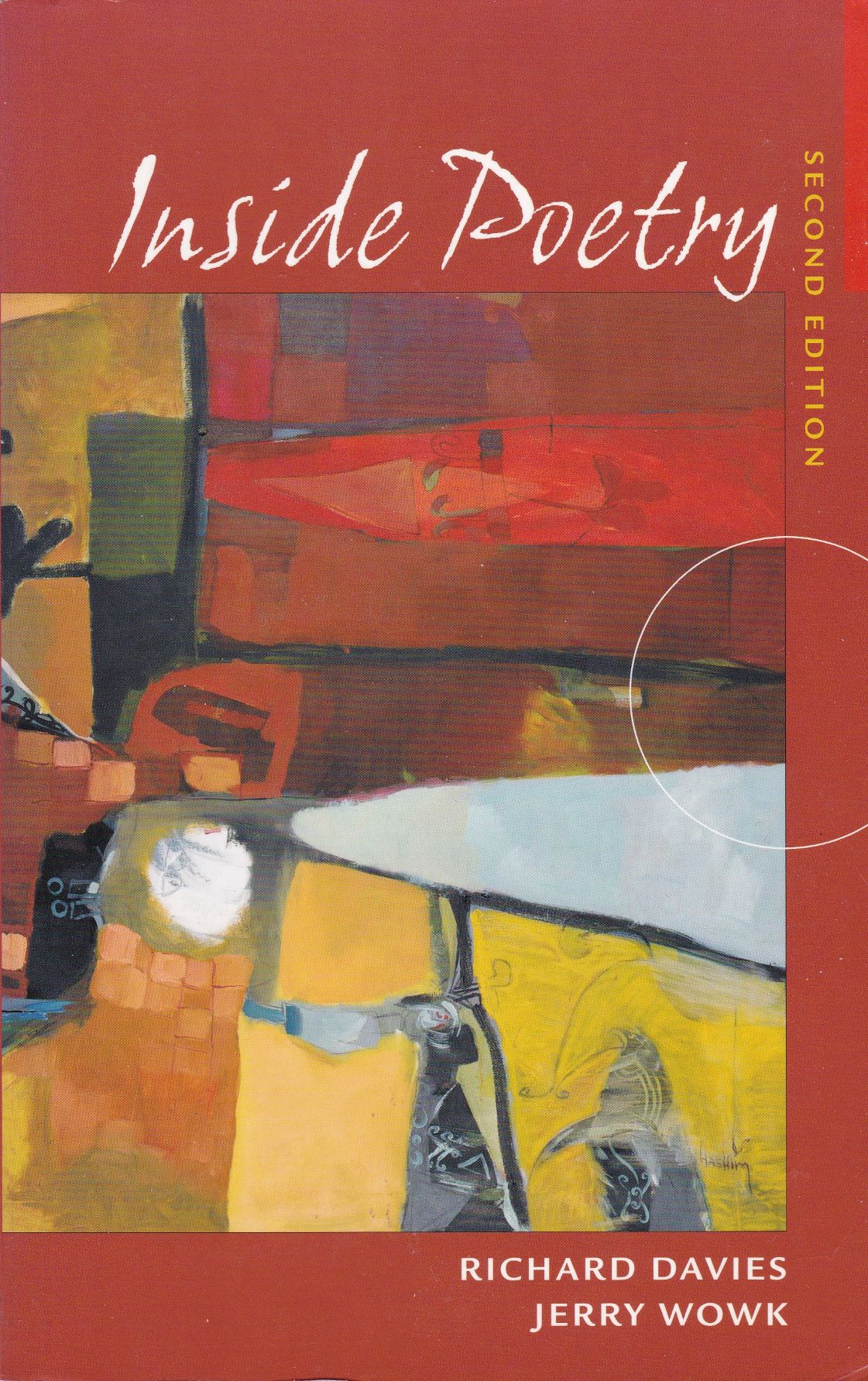
(2002, Harcourt–the revised Inside Poetry, I selected all the poems and wrote the text, Jerry ably did the questions and supporting material; this was the last hurrah for Harcourt who folded in 2004, and the end of another era)
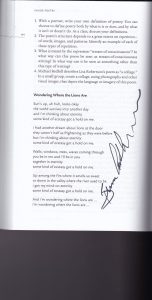
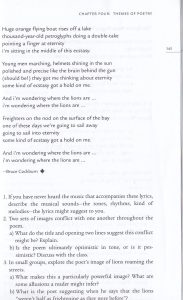
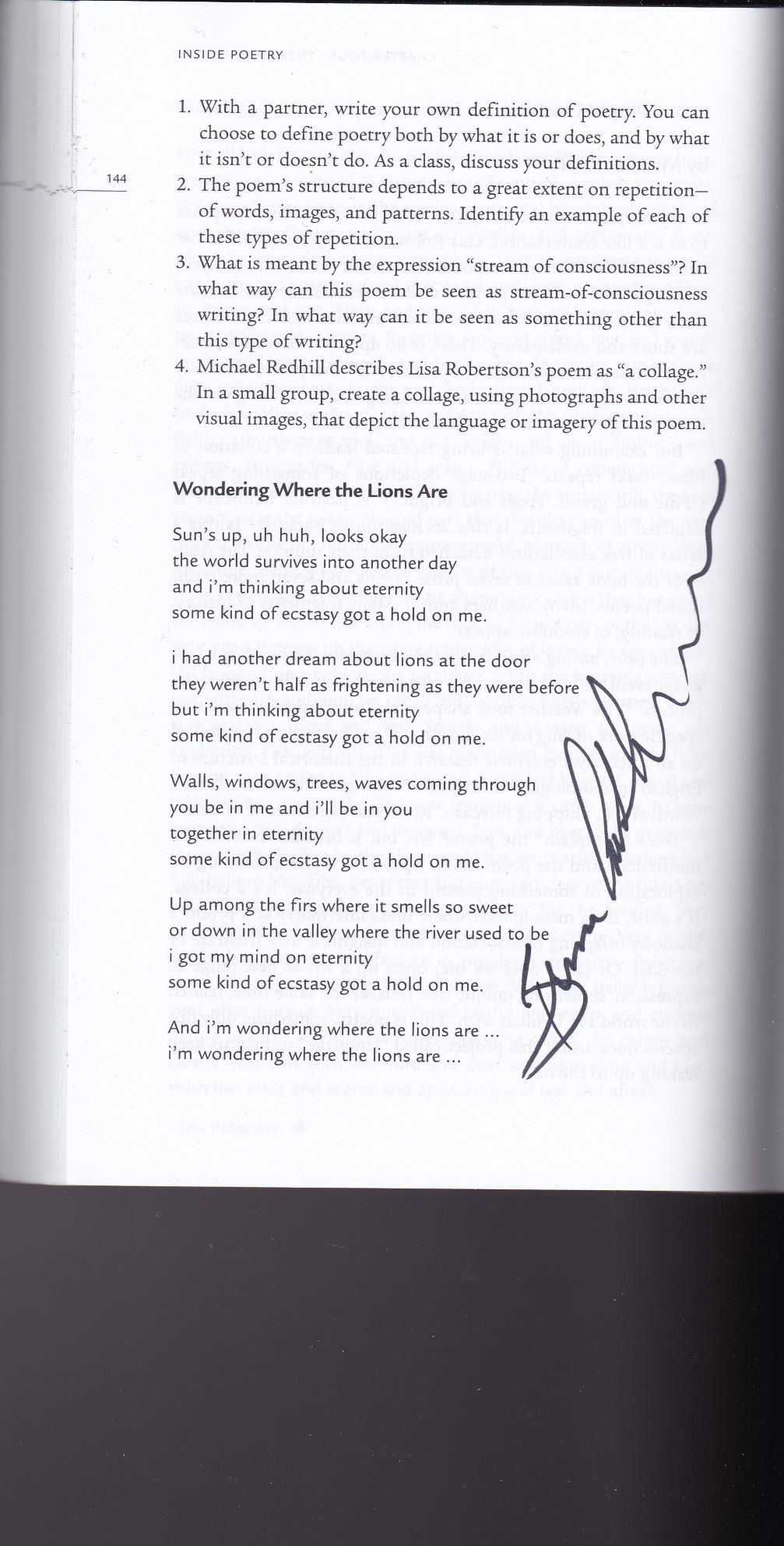
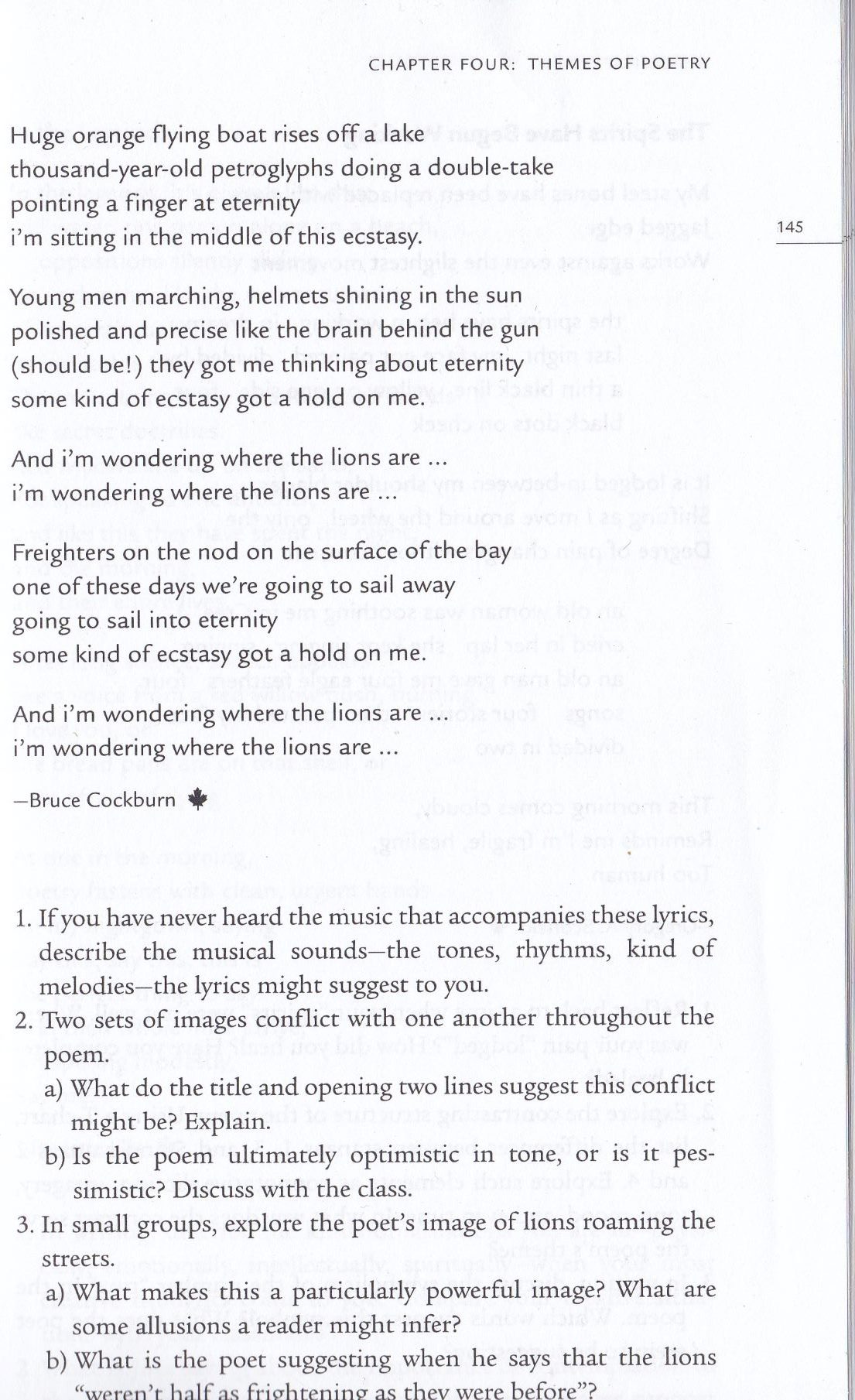
(I had the pleasure recently of having Bruce Cockburn sign my copy; I used many of his songs over the years and we finally got to meet at at the best-ever BC concert I’ve heard of many, this one locally at the Winspear.)

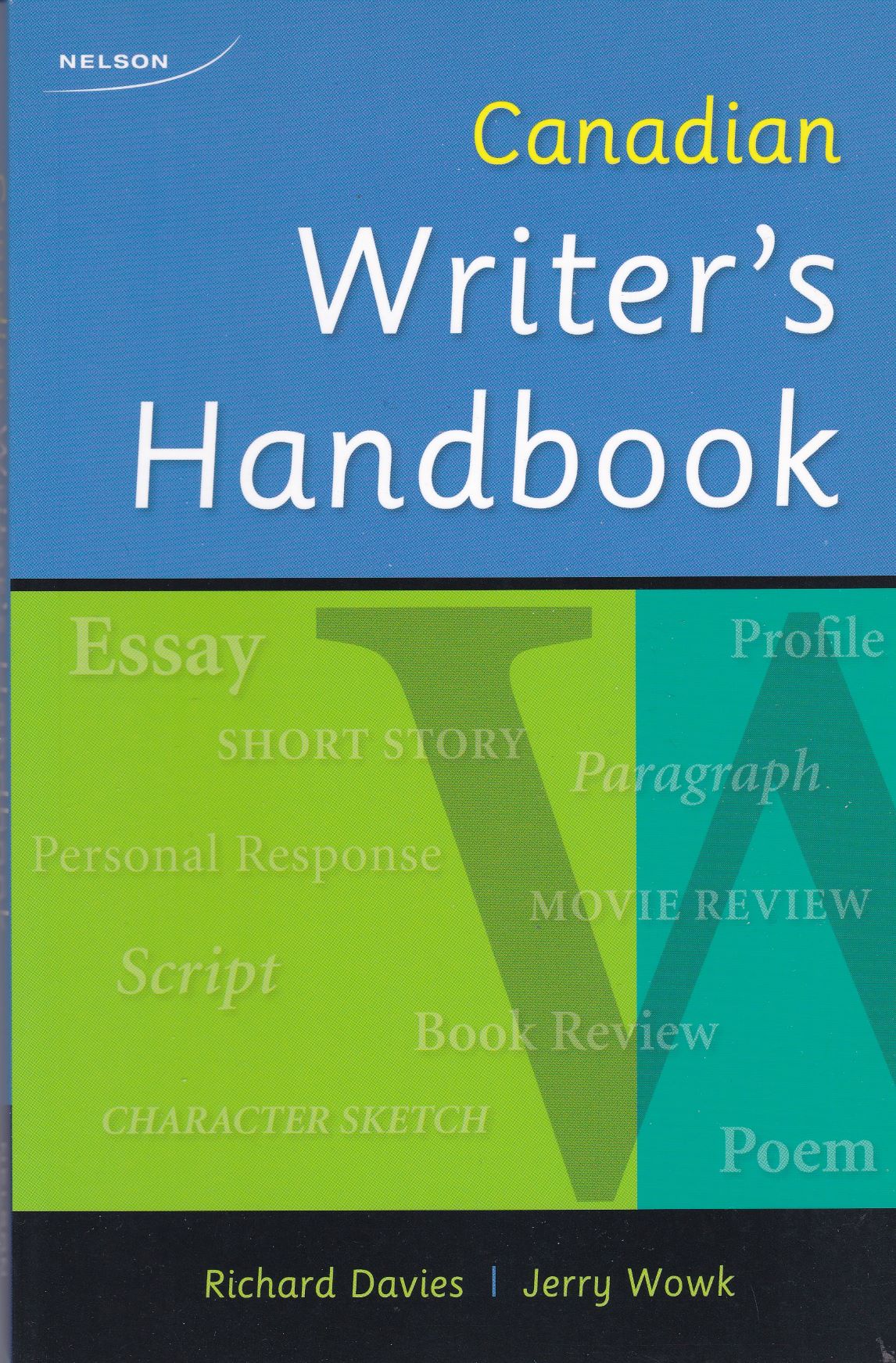
(2008: Nelson–a revision of the Gage handbook; our last for Nelson; this was a special publication commissioned by NL which had a huge guaranteed pre-sale; I was reunited with my old Gage Connections editor-friend who was then freelancing–Tony Luengo of TO; he is the best editor I ever had; Jerry and I dedicated the book to Glen and included an essay on Tennyson’s “Crossing the Bar” by my son; I also contributed a short short story, a poem, a profile of Sidney Crosby, and a movie review about Into the Wild)

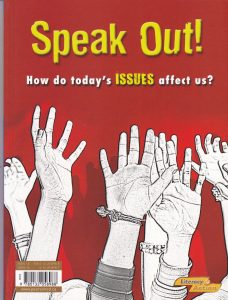
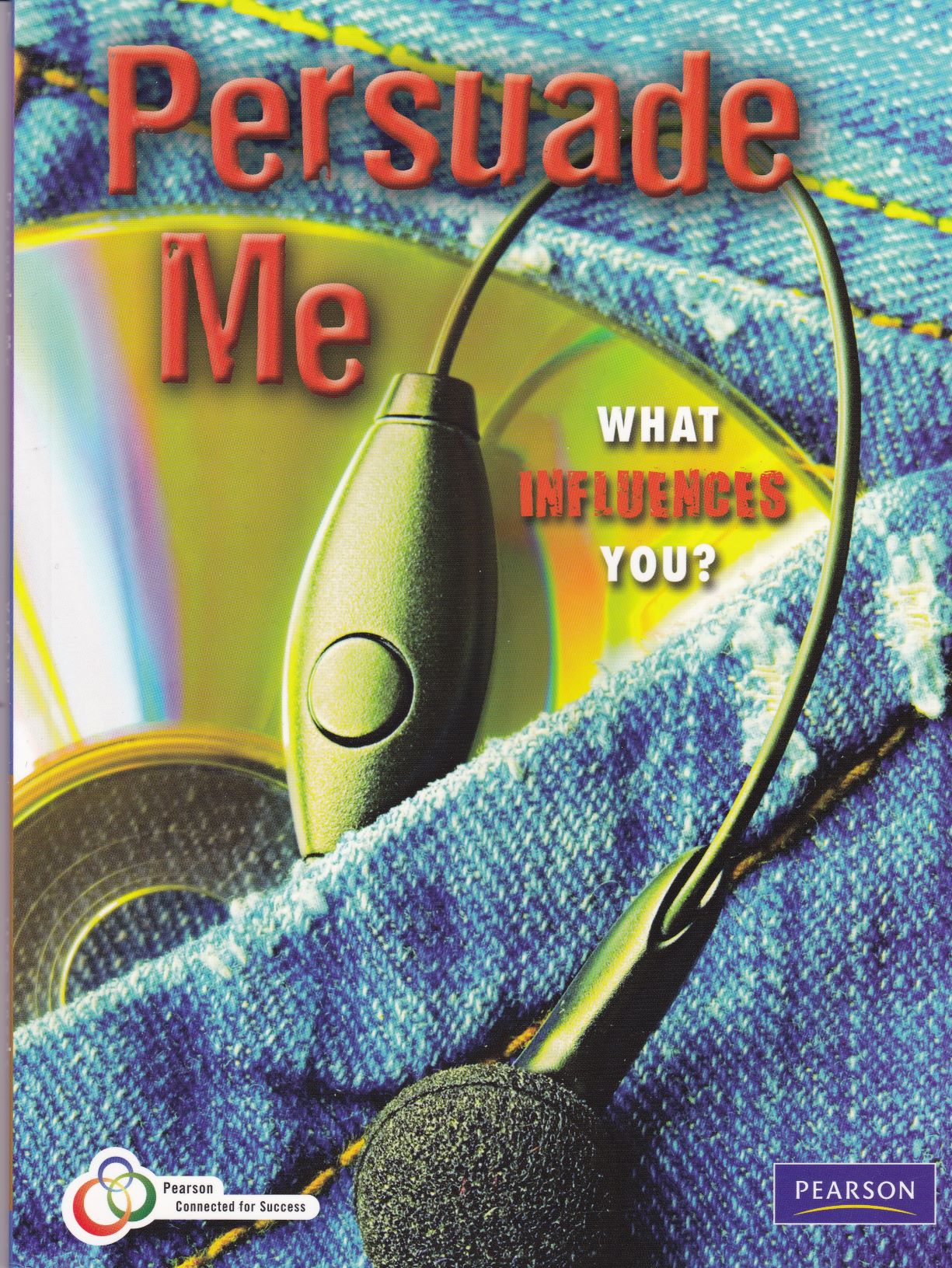
(2005-2006, Pearson: a new publisher again–6 magazines for junior high with a stellar author team which met in Vancouver and Toronto; Jerry and I were mostly involved in the planning and pre-writing, but we still receive royalties from the series)

(that was easily the most formidable editorial team I was ever involved with)

So there you have it: 28 textbooks with four publishers that continue to be used today along with 22 teacher’s guides not pictured above. I’ve been a little hesitant to say so thus far, but I have had ‘A Brilliant Career’ in education, educational publishing, and educational workshops.

Thank you again to the many fine co-writers, editors and publishers I worked with along with the many thousands of teachers and convention hosts involved in my workshops and presentations from 1980 to 2010 A.D.  And a special nod, too, to the 3,000-5,000 students across Canada who used these works over the years (1980-now) and may have found something relevant and inspiring in the process.
Posted in Uncategorized | Leave a comment