Any GOP supporters short of toilet paper

can tear out pages of their copies of Donald Trump Jr.’s book Triggered which was foisted on them by the Republican committee so that sonny boy could have an instant bestseller.

Posted in Uncategorized | Leave a comment

A Useful Frame of Reference for Teaching High School ELA

Framework for Structuring ELA Learning Experiences: Process, Context, Choice, Purpose

Our lives, daily lives, and personal experiences are a mixture of process, context, and choice. In much the same way, these same three elements can play significant roles in ELA classroom experiences and all four areas of ELA—language, literacy, literature, and electronic media. First, some clarification of each of the three elements:

Process: a series of unfolding events linked with a purpose in mind including any observable changes. Often a relational or causal order or sequence is suggested, needed, or followed during a process. The individual usually has to find what that order is or impose her/his own external order so that sense can be made of the events or observed occurrences. The process always occurs in a context or contexts and may, in fact, consist of several sub-processes itself. Sometimes a process works or succeeds, or conversely doesn’t work and fails though this latter situation would typically be due to an inappropriate application such as misreading of context. Viewed and used with understanding, process can lead to positive changes, growth, or successful communication through learning and application of learning to new processes and contexts.

Context: is the larger situation or specific environment in which a process occurs or is applied. It often limits process and the choices an individual can make. Recognizing and understanding context clarifies the available choices within a given process that can potentially lead to appropriate and successful choices on the part on the individual. Contexts are not necessarily negative or limiting and can, in fact, also be nurturing, or lead to growth and learning.

Choice: is the selection made by an individual within a process toward a goal—mastery of something or achievement of a desired outcome. Like process, choice is usually restricted or limited by contexts. It can also be an expression of an individual’s personal responsibility, values, and competencies. Choice, then, is best understood in relation to how individuals fare in process, and is a decision made while working under the constraint of context. This choice has ramifications for the individual and is an indicator of his or her ability to deal with process and context.
………………………………………………………………………………………………
In ELA, texts, lessons, units, and what students learn are basically processes that contain contexts that define parameters of experience and learning. Students work within given contexts with focus and instructions provided or suggested by teachers), experiencing whichever process, making decisions and choices along the way, by which they are ultimately evaluated. For many educators it is the student (or in the case of literature—character) choices that matter most. Those are the most obvious indicators of learning and markers of experience. Choices and the reasons for them are frequently the most interesting things in whatever learning situation.

Very importantly, too, one other important element—Purpose—emerges from the overall process of given learning units or episodes. Sometimes this purpose is explicit as in teacher directions; more often, it is implicit, emerging within the consciousness of students as they complete various tasks, sometimes metacognitively. Purpose, then, can be achievable, for example, in a completed assignment or even from a simple
understanding of the process one has just been through.

(copyright 2020 by Richard Davies)

Posted in Uncategorized | Leave a comment

Teaching the Classic “12 Angry Men” Movie in High School

12 Angry Men: How We Make Judgements and Decisions

1. Subjective/Personal Views (which get in the way, create ‘blindness’)
• On the basis of past experiences: including conflicts, personal failures
• Personal agendas, ranging from immediate distractions, frivolousness, and whims to the insistence of ‘being right’
• Prejudices: ‘us’ vs. ‘them, pigeon-holing, stereotyping, name-calling, excluding, bullying
• Care-less indifference and irresponsibility (e.g., “I don’t care”, “not my problem”); separation of self from society/others
• Emotional views (e.g., taking things personally, making smart-aleck remarks), verbal abuse, “might is right” or “majority is right” comments

2. Objective Impartial Reasoning
• Use of facts, specific evidence—an interest in accuracy and fairness
• Open-mindedness: the state of being open to argument and persuasion
• Imagination: in order to conceive of hypotheses, possible scenarios, motivation from others’ perspectives
• Empathy: being able to look beyond surfaces and to consider others, to ‘walk in someone else’s shoes’
• Curiosity: asking questions, desiring to know
• Desire to seek the truth no matter where it leads; a desire to be accurate, just and fair
• Serious-minded reflection

*Which jurors exhibited the above characteristics?

Conflicts in the Film
• Personal vs. social; the individual vs. the group
• Close-mindedness vs. open-mindedness
• Conservative vs. liberal orientation
• Frivolousness vs. serious-mindedness
• Disrespect and rudeness vs. respect and courtesy
• Satisfaction with surfaces vs. digging deeper
• Prejudice and hate vs. tolerance and understanding
• ‘Us vs. them” divisiveness vs. fundamental common humanity

*Which jurors exhibited the above characteristics?
*On what bases do people judge and exclude others?

Other Questions
1. What was the key evidence in the case?
2. Was justice finally served or obtained? Explain with reasons.
3. What were some of the other minor or incidental factors which determined the case’s outcome?

Posted in Uncategorized | Leave a comment

Re. Anti-Semitism

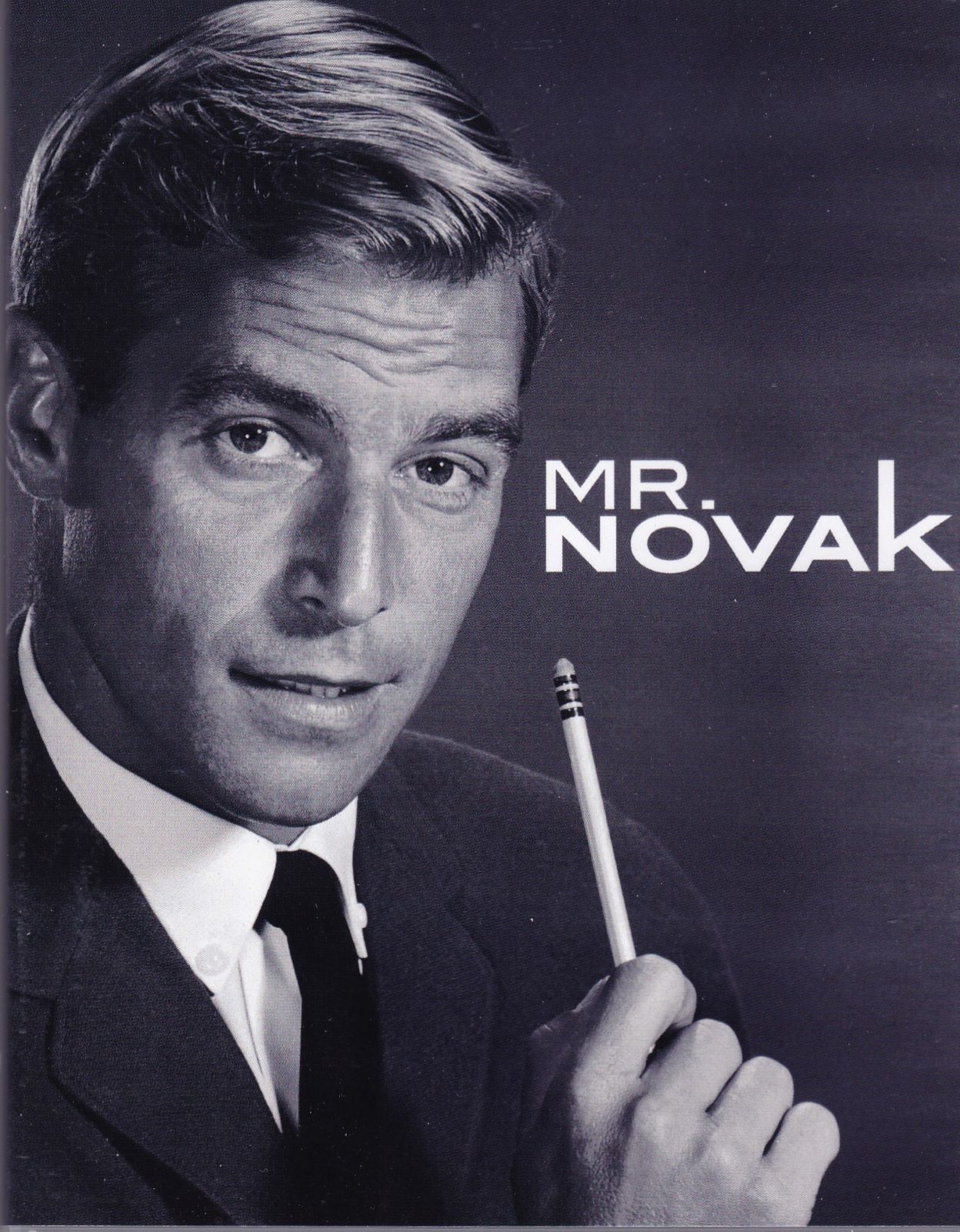
Watching an episode from 1964 tv’s Mr Novak which was about anti-semitism. Brought back memories of growing up in the ’50s and ’60s after WWII, when prejudice and discrimination against Jews in North America was more overt and common.

Everybody learns prejudice and discrimination from their parents and friends at first.
My parents held some resentments based on traditional stereotypes and, in the case of my mother, from working for Jews when she started out working. Ironically, one of my Dad’s best childhood friends was Jewish, so there were those little ironies. Inevitably jokes in series would include a Jew, a German, and sometimes a Japanese person (all three took hits in North America after WWII).

None of my school friends were openly Jewish, though I had a close Jewish friend I used to sing with in high school. He never talked of his faith. It wasn’t till I got to the University of Winnipeg in 1967, where many Jews went, that I was aware of Jewish people who were openly and unashamedly Jewish, and I started to learn and hear about their customs and personal experiences (e.g., kabbutz).

It was in university, too, that I first became aware of Jewish writers like Irving Layton, Leonard Cohen, and others, and found myself identifying and empathizing even more with people of this background. By this point, ‘they’ had become more familiar and even closer.

(I would point out, for the record, that it wasn’t until the 1980s that Canadian schools and students started to become more aware of the details of the Holocaust and what the Jewish people had gone through. Which seems a little late to me, looking back–some 40 years after WWII.)

In my teaching career, I became even more conscious of this long-suffering culture via teacher-friends and students, one of the former even taking me out for a ‘nosh’. I also learned many Jewish expressions via Mordecai Richler’s The Apprenticeship of Duddy Kravitz. In fact, Richler is my favorite Canadian author and I believe he wrote the Great Canadian Satirical Novel–the hilarious, celebrated Barney’s Version. (equally funny in film form)

(Incidentally, my daughter’s kind and smart significant other, who is also my IT blog go-to, just happens to be Jewish. I find it also interesting that two of my old Winnipeg school friends married Jews. Who’da thunk, going back to our narrow-minded roots and unenlightened growing-up times.)

So, in conclusion, my own arc of experience with people and things Jewish has been a long one on the tabula rasa of time and moved from inherited dumb-ass prejudice to a much greater empathic understanding and appreciation.

But life’s like that, isn’t it? You are often bound to change and, it’s hoped, learn. I look back now and am glad for what has been a long positive, pleasant trajectory to a much more accurate and truer, higher plain of respectful attitude and connection. Mazel tov. L’ Chaim.

Posted in Uncategorized | Leave a comment

Teaching ELA: My Final Overview/Take

(A 30-year senior-high ELA teacher-presenter-author looks back)

10 Teaching Approaches Common to Each of the 4 ELA Areas
(Language, Literacy, Literature, Electronic Media)

All four main areas, as well as all print texts, print media, and electronic media can be studied:

1) …as language and thought (the latter includes ideas, information, arguments).
When one studies any text, one looks at the language (both verbal and visual)
and the thought within the communication situation. This includes both expressive and receptive modes of language and thought. (The expression of emotions through language would similarly be part of this approach.)

2) …using critical thinking. This would include understanding of expressed meaning, interpretation, recognition of patterns, themes, and other structures. This approach is associated with inquiry, metacognition, problem-solving, and decision-making, and is an integral ‘connecting’ process within strategic reading practice, thematic study, and cross-curricular work.

3) …in terms of the so-called ‘basics’ literacy perspective of reading and writing, as well as the other four communication skill strands. These strands include the receptive skills of listening, reading, and viewing to reach understanding, and the expressive skills of speaking, writing, and representing to communicate that understanding. (A note with regard to reading as it practised across the four ELA areas, that strategic reading is considered a fundamental ‘basic’.)

4) …interactively in a collaborative manner. Students need to practise language and thought with others, sharing and exchanging experiences, views, and work. ELA activities facilitate interpersonal and social learning–a reflection of the essential communal and social aspect of language.

5) …transactionally via the interactions of readers or viewers with texts. Sense, meaning and purpose are constructed via the interactions between students and texts. As well, relative to 4), Louise Rosenblatt has pointed out, more diverse takes in understanding and meaning-making are made possible when one shares thoughts and experiences, transactionally, with others.

6) …for subject matter and content. Regardless which of the four ELA areas one is working within or developing understandings, there always is a ‘what’ that is being studied in a given lesson. Usually, there is a genre (e.g., short story, Internet) that provides the main content. Then the information of whatever lesson or selection can be examined, discussed, responded to, and so forth.

7) …for form, technique, or style. Often the structure of a text (e.g., narrative patterns, comparison-contrast) and literary elements of a selection (e.g., audience, point of view, conflict) are studied in order to learn more about the “how”, or the way in which the four areas can be illuminated. Similarly, language and its uses (e.g., connotative words, diction, syntax, grammar) are referred to for the same purpose.

8) …using the imagination and creative response. Canadian critic Northrop Frye saw literature and literature study, for instance, as educating the imagination. In one sense, this is related to the development of empathic and critical response, but in another, it also leads to creative response or acts of the imagination in response to what is received and taught. In many ways, text creation becomes as important as text study for student work in all four areas.

9) …intermedially, blending different genres and platforms (i.e., print and electronic), and across the four areas (i.e., mixing language, literacy, literature and electronic media). No longer is an ELA course a series of separate silos (as in the passé genre-study approach) It is now a more comprehensive integrated experience in which a teacher may move between short story and YouTube, or ‘do’ literacy and electronic media at the same time.

10) …in terms of process, context, and choice—experienced receptively and expressively–within whatever communication process. Whatever moment or lesson relative to any of the four ELA areas can be understood or expressed from those three aspects. It is through the consideration of these three aspects that purpose and meaning can be established or understandings thereof arrived at.

(copyright 2020 Richard Davies)

Posted in Uncategorized | Leave a comment

6 Word Memoirs

Extremely responsible, secretly longed for spontaneity.

I thought I was someone else.

I was born; some assembly required.

She said nothing could go wrong.

Time to start over, again.

Perpetual work in progress, need editor.

My life is just like yours.

Happy now that I know myself.

To paraphrase William Faulkner, I endured.

If there’s more, I want it.

The day just kept getting better.

Unfortunately, there was no other way.

When talk matters, make it count.

She read too much…into everything.

I write stories. They come true.

Became more like myself every year.

We were each other’s favorite person.

I’m not afraid of anything anymore.

The road diverged; I took it.

I will never be quite finished.

Looking to know everything about everything.

Posted in Uncategorized | Leave a comment

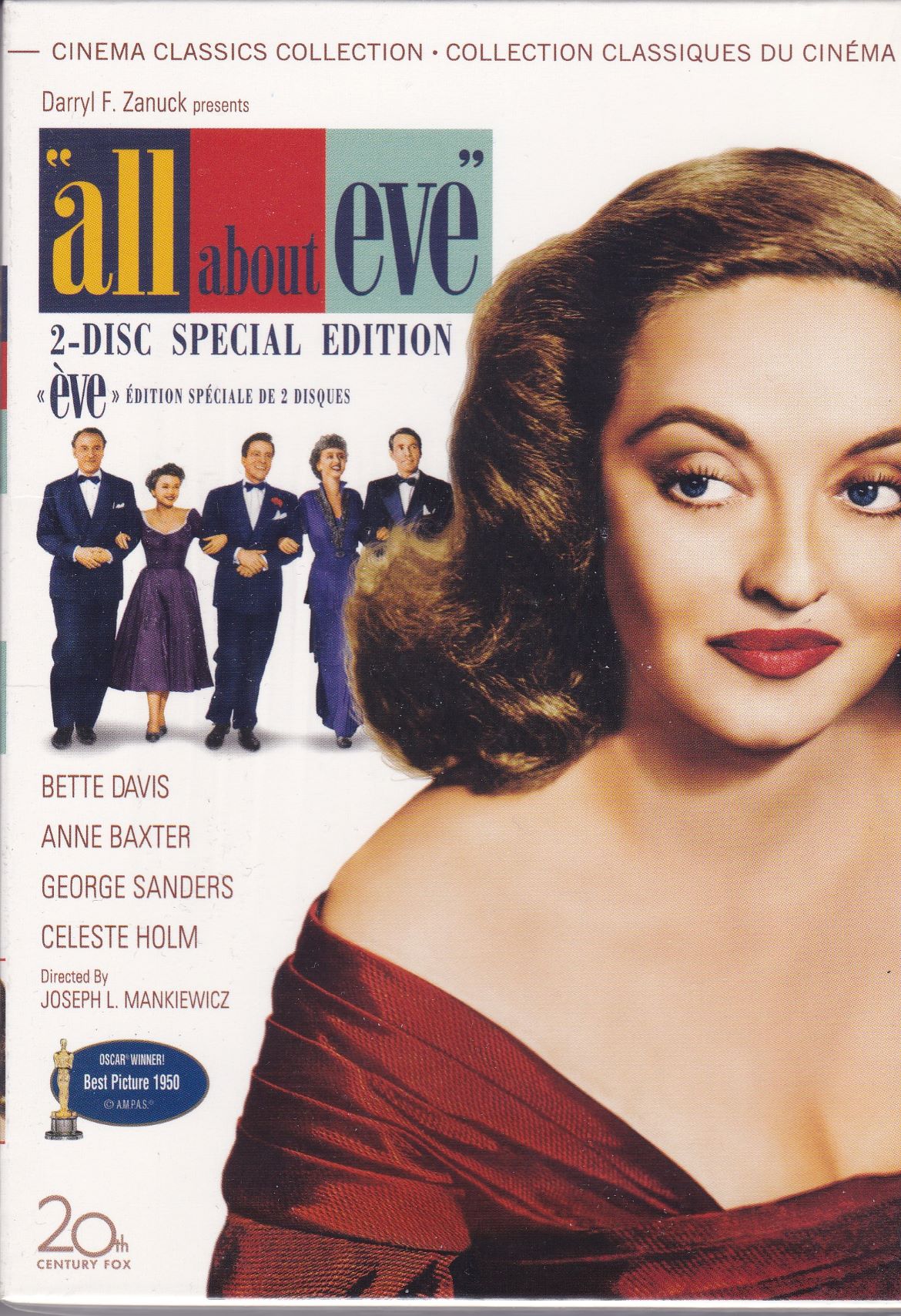
“All About Eve”: Classic Satirical Comedy of Manners, 1950

(lots of extras on this remastered version)

There is a lot to like, admire, and appreciate about this classic offering written and directed by Joe Mankiewicz. Winner of 6 AAs and Best Picture of the year, Eve continues as the definitive film about backstabbing, manipulation, and blackmailing in the (Broadway) theatre world. Ah, the subtle and not-so-subtle nasty things people will do to get to the top and be the centre of attention!

Margot, an aging sarcastic actress, is masterly played by Bette Davis in her best-ever role : “Fasten your seat-belts; it’s going to be a bumpy night”. Simultaneously nominated for Best Actress was Anne Baxter, who plays the innocent-surfaced, but treacherous understudy. (Both nominations cancelled each other out; Davis ought to have won methinks.)

George Sanders, in his personal best role, plays a witty, cynical, selfish, untrustworthy critic to a T. His scenes and narration are exceptional and he, deservedly, won a Best Supporting Actor AA.

Celeste Holm gives her best-ever performance as Karen, the continually meddlesome friend of Margot who also gets her own just deserts, deceived by Eve from beginning to end. She was nominated for Best Supporting Actress along with sharp-witted Thelma Ritter as Margot’s dresser. Two great performances which also cancelled each other out when the award was passed out.

The men in this film–Hugh Marlowe as the hot property playwright being wooed and Gary Merrill as Margot’s director-boyfriend–are equally outstanding and effective. This is truly an actors’ film with each star delivering quality performances they were never able to equal to top or even equal later in their careers. Only Marilyn Monroe in a funny perfectly-cast bimbo bit-part would go on to greater glory.

But none of this glorious acting and memorable cast would have been possible without Mankiewicz’s great lines and scenes. His skewering of the theatre world was spot-on and a concise social commentary on the many uses of people to get what they want. (He easily won for writing and directing that year.)

If I was to name a movie that shows how ‘mannerly’ and smoothly people can be to get what they want, I’d pick All About Eve. Nothing is what people say and do and there is a polite Macbethian quality to everything that unfolds in this plot. Sophisticated ‘snakes’ and gulled ones, indeed.

All About Eve still stands up in 2020 and is highly recommended. The most totally integrated, witty character study flick I can think of about ego and manipulation.

Posted in Uncategorized | Leave a comment

Pure Peanut Butter

Quite the treat on a comfort food level these days.
Highly recommended: Kraft Only Peanuts Smooth
All Natural–no sugar, no salt.
Requires storage upside down and stirring before use.
But, man, if you ever want to taste The Real Thing, this is as good as it gets.

Posted in Uncategorized | Leave a comment

“Guns, Guns, Guns”

Title of a Guess Who song.

The extent of indoctrination cannot be undertold. Guns: an acceptable, conventional part of growing up male in America.

This illustration from an American comic, 1964.

A lot of the Classics Ilustrated series with its focus on Western and pioneer literary and historical heroes also groomed young Americans to accept guns and gun violence as part of the country’s history and culture.

Posted in Uncategorized | Leave a comment

The Continuing Relevance of E.A. Poe

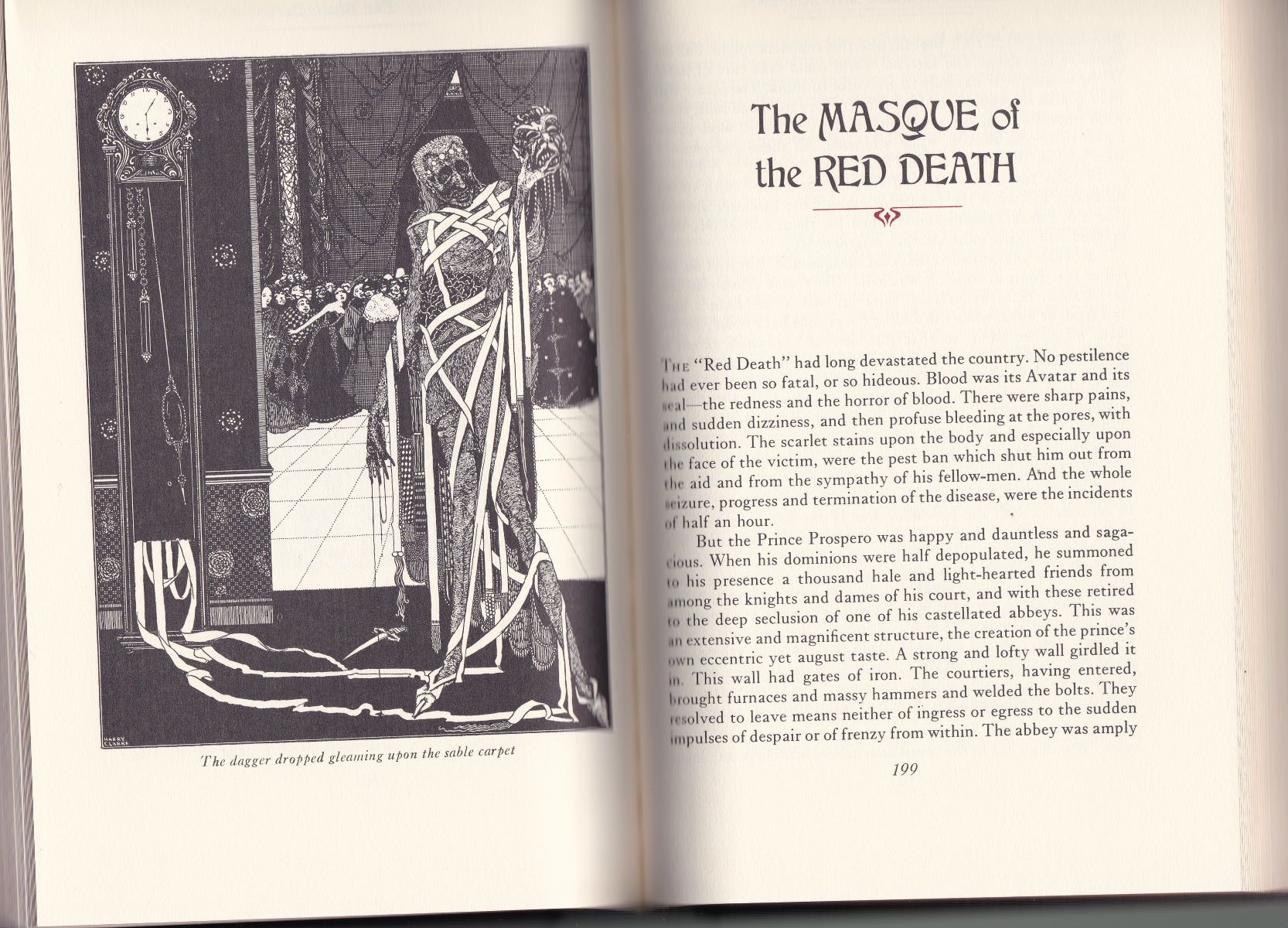
His classic plague short story: “The Masque of the Red Death”, which I had the distinct pleasure to anthologize twice for Canadian grade 12 English students. Who could have guessed how truly timeless and prophetic this tale would turn out to be?

(from the 1919 ed. with the famous Harry Clarke illustrations)

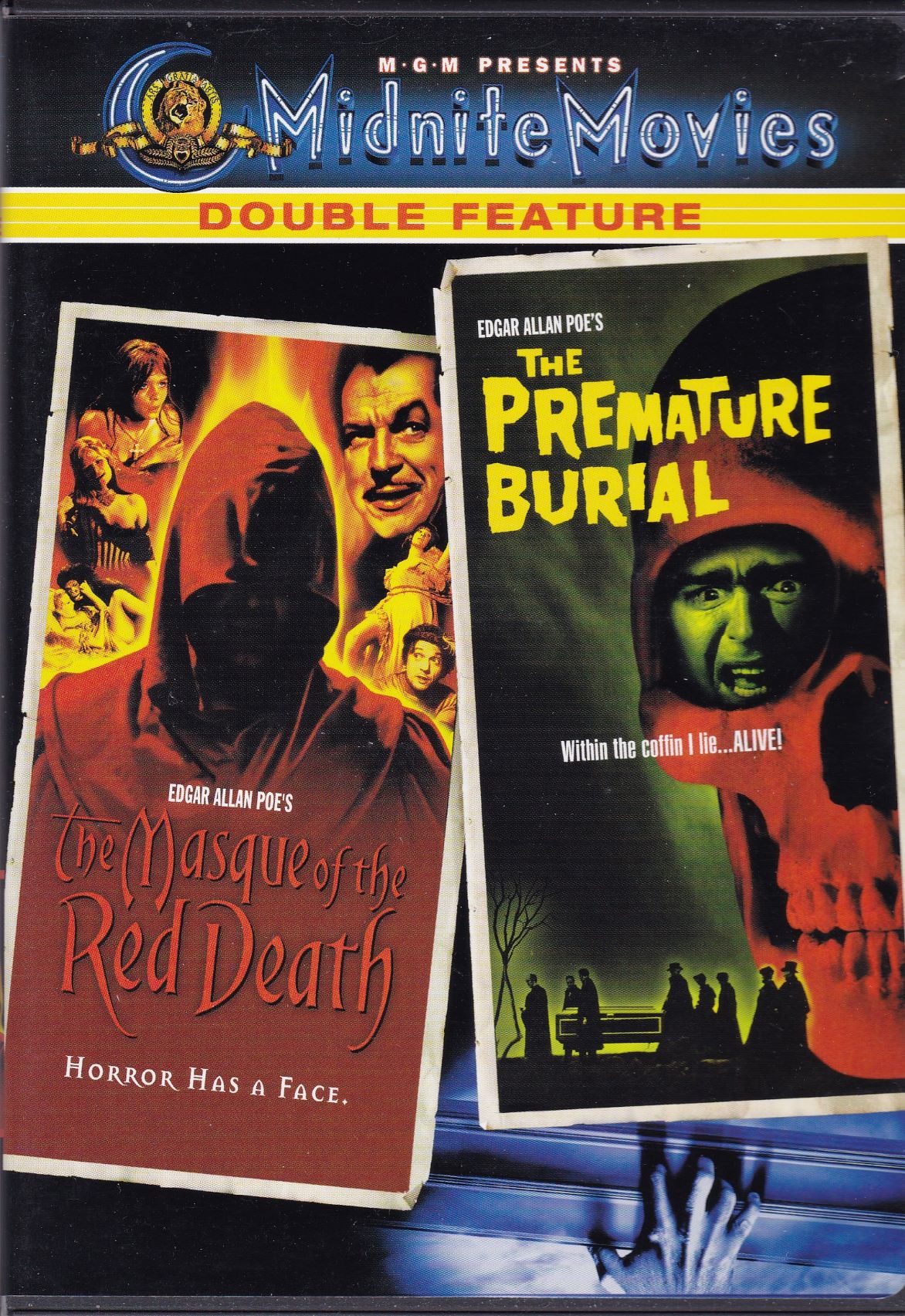
(left: from legendary director Roger Corman’s excellent 1964 movie adaptation fro American International which begins with an homage to Ingmar Bergman’s The Seventh Seal)

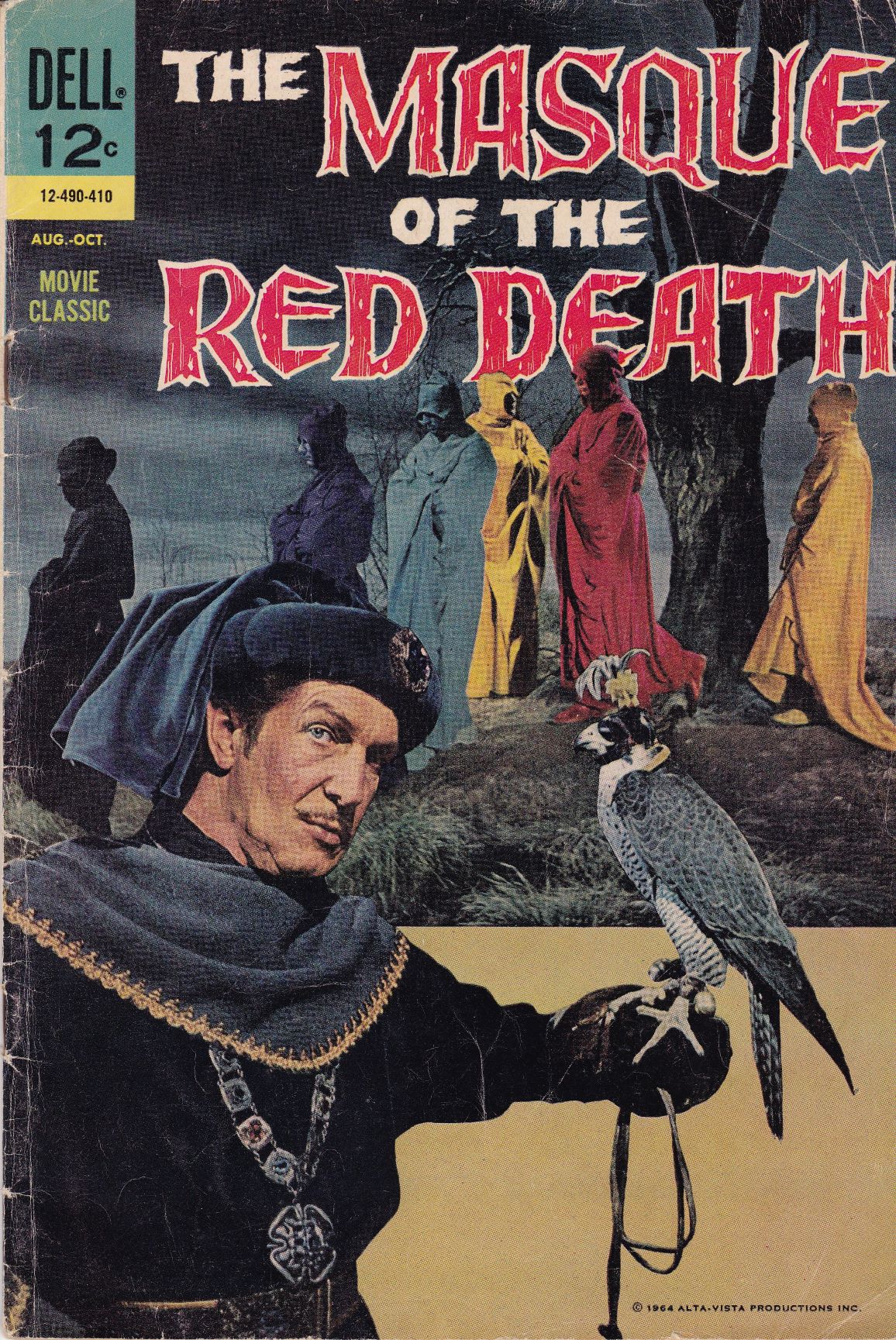
(from the Aug.-Oct. 1964 comic book based on the movie)

Posted in Uncategorized | Leave a comment