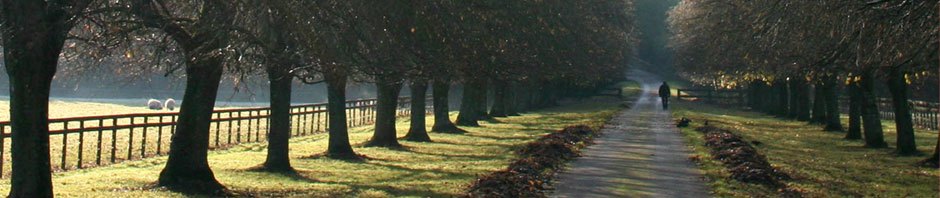

View of North Vancouver from Stanley Park
irresponsibly moving press chairs together to give the illusion that the coronavirus pandemic is over and social distancing no longer necessary.
Approving of a helicopter sweeping the street in front of the White House last Monday. These aircraft have a fatality rate which would have been greatly increased had it fallen on the crowd.
His suggestion to use disinfectants on the human body is catching on. There are reports of people gargling with bleach and washing with bleach. Now where did they get that dangerous stupid idea? Who suggested that idiocy?
The ‘cute’ sick assassination message a la John Wilkes Booth that was left for the Kentucky governor gets at the other long-standing American crazy-ness: no respect for law and elf-righteous gun-justified rights against others including authority figures (Lincoln was also a Kentuckian). That and the eternal epidemic and endemic gun violence of American social and political history.
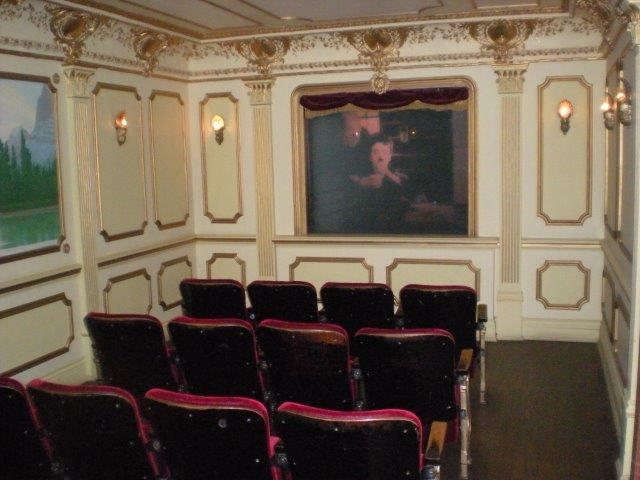
(the mini-retro-theatre in Victoria’s Provincial Museum showing a Chaplin silent movie)
I taught film during my 30 year career as a senior high ELA teacher and later worked as a film classifier over 3 years for the Province of Alberta. I am also a film aficionado and film collector. The following are reviews I have done as blog entries for Tothineownselfbetrue.ca. Most of them do not appear on Netflix.
Village of the Damned (based on John Wyndham’s The Midwich Cuckoos): May 25/20
San Francisco: May 10/20
I Never Sang for My Father: Apr. 25/20
All About Eve: Apr. 1/20
Barney’s Version: Feb. 23/20
Gandhi: Feb. 13/20
The Devil’s Disciple: Feb. 8/20
The Grapes of Wrath: Jan. 28/20
The Naked Edge: Jan. 26/20
The Muppet Christmas Carol: Jan. 6/20
Lady and the Tramp: Jan. 2/20
Straight, No Chaser: Dec. 22/19
The World of Henry Orient: Nov. 23/19
Gimme Shelter: Nov. 22/19
A Man for All Seasons: Nov. 17/19
Far from the Madding Crowd: Nov. 10/19
The Night of the Iguana: Nov. 8/19
Zelig: Oct. 6/19
Our Man in Havana: Oct. 5/19
84 Charing Cross Road: Oct. 4/19
Defending Your Life: Aug. 24/19
The Limey: Aug. 22/19
Whisky Galore: July19/19
Skyfall: June 20/19
Junior Bonner: May 20/19
Sunday Bloody Sunday: May 19/19
The Eyes of Orson Welles: May 16/19
Wuthering Heights (1970) Apr. 27/19
All the King’s Men (1949) Apr. 26/19
Brighton Rock: Apr. 21/19
No Direction Home (Dylan): Apr. 3/19
How Sweet the Sound (Baez): Apr. 3/19
Witness for the Prosecution: Mar. 2/19
Saturday Night and Sunday Morning: Mar. 1/19
A Room with a View: Feb. 25/19
I Am Not Your Negro (James Baldwin): Feb. 21/19
The Americano: Feb. 17/19
Tafelmusik: House of Dreams: Feb. 16/19
The English Masters: Blake: Jan. 17/19
How Art Made the World tv series: Jan. 10/19
An Inconvenient Truth: Dec. 22/18
A Christmas Carol & It’s a Wonderful Life: Dec. 20/18
The Devil and Daniel Webster: Dec. 16/18
An Incident at Vichy: Nov. 27/18
The Crucible: Nov. 16/18
Howards End: Nov. 11/18
West Wind: Vision of Tom Thomson: Oct. 22/18
Small Time Crooks: Sept. 22/18
Cries and Whispers: Sept. 19/18
Satchmo: Sept. 16/18
The Secret Agent: Sept. 16/18
Heart of Darkness: Sept. 16/18
The Louvre: Aug. 21/18
Away from Her: Aug. 12/19
A Matter of Life and Death: Aug. 12/18
A Bridge Too Far: July 21/18
Wuthering Heights (1939): July 18/19
The Man Who Shot Liberty Valence: July 3/18
Autumn Sonata: June 28/18
The Human Factor: June 20/18
The Sea Gull: June 14/18
Clarence Darrow: Apr. 17/18
The Prize: Apr. 12/18
Vincent van Gogh: A New Way of Seeing: Mar. 31/18
Crime and Punishment (1958): Mar. 24/18
The Golden Age of Comedy: Mar. 22/18
A Brief History of Time: Mar. 14/18
St. Pat’s: 3 Recommended Films: Mar. 12/18
Another Woman: Mar. 11/18
1984 (1956): Mar. 3/18
Death on the Nile: Feb. 12/18
Capote: Feb. 2/18
The Human Comedy: Feb. 1/18
Smiley’s People tv series: Jan. 29/18
Fast, Cheap, and Out of Control: Jan. 22/18
The Doctor’s Dilemma: Jan. 19/18
Yet Another Film List: Jan. 15/18
Suspicion: Jan. 12/18
Shadow of a Doubt: Jan. 12/18
Brideshead Revisited tv series: Jan. 12/18
Richard II: Jan. 11/18
Measure for Measure: Jan. 10/18
End of the Affair (original) Jan. 10/18
Spectre: Jan. 10/18
Tinker, Tailor, Soldier, Spy tv series: Dec. 19/17
Wings of Desire: Dec. 6/17
Last Orders: Nov. 25/17
All Is Lost: Nov. 12/17, Jan. 23/14, Oct. 28/14
Michelangelo: Self Portrait: Oct. 11/17
Reversal of Fortune: Sept. 24/17
Love and Death: Sept. 23/17
The Farthest: Voyager in Space: Sept. 23/17
Life and Times of Allen Ginsberg: Sept. 20/17
Casino Royale (Craig): July 28/17
Walt Disney: American Experience: July 22/17, Sept. 15/15
The Merchant of Venice: June 22/17
Klute: June 19/17
The Legendary White Stallions: May 25/17
Doctor Faustus: May 7/17
The Wayward Bus: Apr. 28/17
Blowup: Apr. 3/17
Wild Strawberries: Mar. 24/17
The Luck of the Irish: Mar. 16/17
O Lucky Man!: Mar. 13/17
Barabbas: Mar. 9/17
Anatomy of a Murder: Mar. 7/17
Philip Glass doc: Mar. 3/17
Joni Mitchell: Painting with Words and Music: Mar. 2/17
The Diving Bell and the Butterfly: Feb. 21/17
Frenzy: Jan. 25/17
1967, ’71,’72 Top Movies: Jan. 23/17
The Third Man: Jan. 3/17
On Her Majesty’s Secret Service: Sept. 4/16
Our Mutual Friend: July 18/16
David Copperfield: Mar. 4/16
Not as a Stranger: Feb. 29/16
Gosford Park: Feb. 20/16
The Tempest: Jan. 28/16
The Trials of Oscar Wilde: Jan. 13/16
The Spanish Earth (Hemingway): Jan. 8/16
All Quiet on the Western Front: Nov. 5/15
Come Back to the 5 and Dime, Jimmy Dean, Jimmy Dean: Oct. 30/15
The Innocents: Oct. 21/15
Separate Tables: Oct. 10/15
The Great Gatsby (1949): Oct. 1/15
This Gun for Hire: Sept. 27/15
The Red Pony: Sept. 26/15
Beckett: Sept. 25/15
Macbeth (1948): Sept. 15/15
The Devils: Sept. 15/15
Route 66 tv series: Sept. 8/15
A Separate Peace: Aug. 30/15
Cry, the Beloved Country (Poitier): Aug. 28/15
Day for Night: Aug. 21/15
Victory (Conrad’s): Aug. 15/15
Hud: Aug. 9/15
I Am Steve McQueen doc: Aug. 1/15
Nobody’s Fool (1994): July 27/15
Lord Jim: July 23/15
A Master Builder: July 22/15
Sons and Lovers: July 17/15
I’ll Be Me (Glen Campbell): June 29/15
Welles bio doc: June 12/15
Murder on the Orient Express: May 8/15
Netflix piece: Apr. 9/15
Altman doc: Apr. 6/15
Life Itself (Ebert): Mar. 31/15
Boyhood: Feb. 14/15
Edison doc: Feb. 3/15
Civilisation tv series: Jan. 16/15
The Fox: Nov. 25/14
Who Has Seen the Wind: Nov. 22/14
’60s movies: Nov. 22/14
Voyage Round My Father: Nov. 15/14
And Then There Were None: Nov. 14/14
The Romantic Englishwoman: Nov. 7/14
Charade (1963): Nov. 7/14
Hollywood Ending: Nov. 3/14
Black Like Me: Oct. 31/14
Netflix piece: Sept. 27/14
Compulsion: Aug. 27/14
The Desperate Hours: Aug. 24/14
The King in the Car Park doc: Aug. 22/14
A New Kind of Love: Aug. 21/14
Heaven Knows Mr. Allison: Aug. 16/14
Darling: Aug. 13/14
Kirk Douglas doc: Aug. 4/14
The Fugitive Kind: July 27/14
Falstaff (Chimes at Midnight): July 24/14
Sweet Bird of Youth: July 22/14
Manhattan Murder Mystery: July 20/14
The Misfits: June 16/14
My Dinner with Andre: June 13/14
The Razor’s Edge (original): June 11/14
La Dolce Vita: Apr. 5/14
War and Peace (Russian): Mar. 6/14
Shoulda Won Oscars list: Mar. 1/14
The Roman Spring of Mrs. Stone: Feb. 2/14
Revisiting Movies: A List: Jan. 4/14
A Top Film List: Jan. 4/14
Kenneth Branagh’s Macbeth: Oct. 17/13
March of the Penguins: Mar. 13/13
Care homes in Canada.
Thank God, the military issued a report.
But truth be told, these places have been majorly problematic going back to the ’60s! (cf. I Never Sang for My Father 1970 movie)
Poorly paid workers. Too many patients to look after. Not enough support. Patient abuse. Governments don’t care.
Things got 10x worse when privatization came in. The bottom line drives everything. “Screw the patients; they’re gonna die anyway! The workers are sub-human and will work for peanuts.” Government watchdogging nowhere to be found–“not our business.”
You can be sure now that a lot of private homes will close when they get lawsuited. They aren’t going to stay in biz to make less money and get sued.
So, the situation will really nosedive soon. There will be no places for old folks to go except for their families’ homes where they aren’t wanted in most cases.
Old people have already been targeted in the coronavirus. This next care-home decline and closures will be the ‘icing on the cake.”
Apparently, a bigger problem for women than men.
And what about kids?
I think we’ll see the suicide rate go up before the end of the year, especially for male breadwinners who’ve lost their jobs or businesses and can no longer provide for families.
white petals
like snowflakes
swept along
the street
to nowhere
in particular.
Early on, like most boys, I was attracted to sports, which was one way to test yourself and prove yourself to others. I played Pee Wee hockey around 9-10 and wanted to be a goalie. The community club team suited me up for 2 games, but I was not a great skater–never have been, and I went down too easily, stopping not enough pucks. My short hockey career. I did get more into baseball, playing second base and captaining the grade 6 boys’ team. No special memories there since I was an easy out at the plate. Around that time, I captained a community club team and played catcher. Again, I came up short.
Soccer, I quite enjoyed from grade 3-6, and, again, played goal. But man, those adult soccer goals are too huge to defend successfully for any kids! I also played football in grade 7, but not the position I wanted as an end. Instead, they put me in the backfield, and I was too easy to run roughshod over. I continued to play football informally with my friends in grades 8-9, but knew there were better players than me so I didn’t try out for the senior high team. I did try curling in grades 11-12 a few times, but the fine touch escaped me. I also bowled with a friend in grades 5-6 which was fun: five pin, but was never in a league.
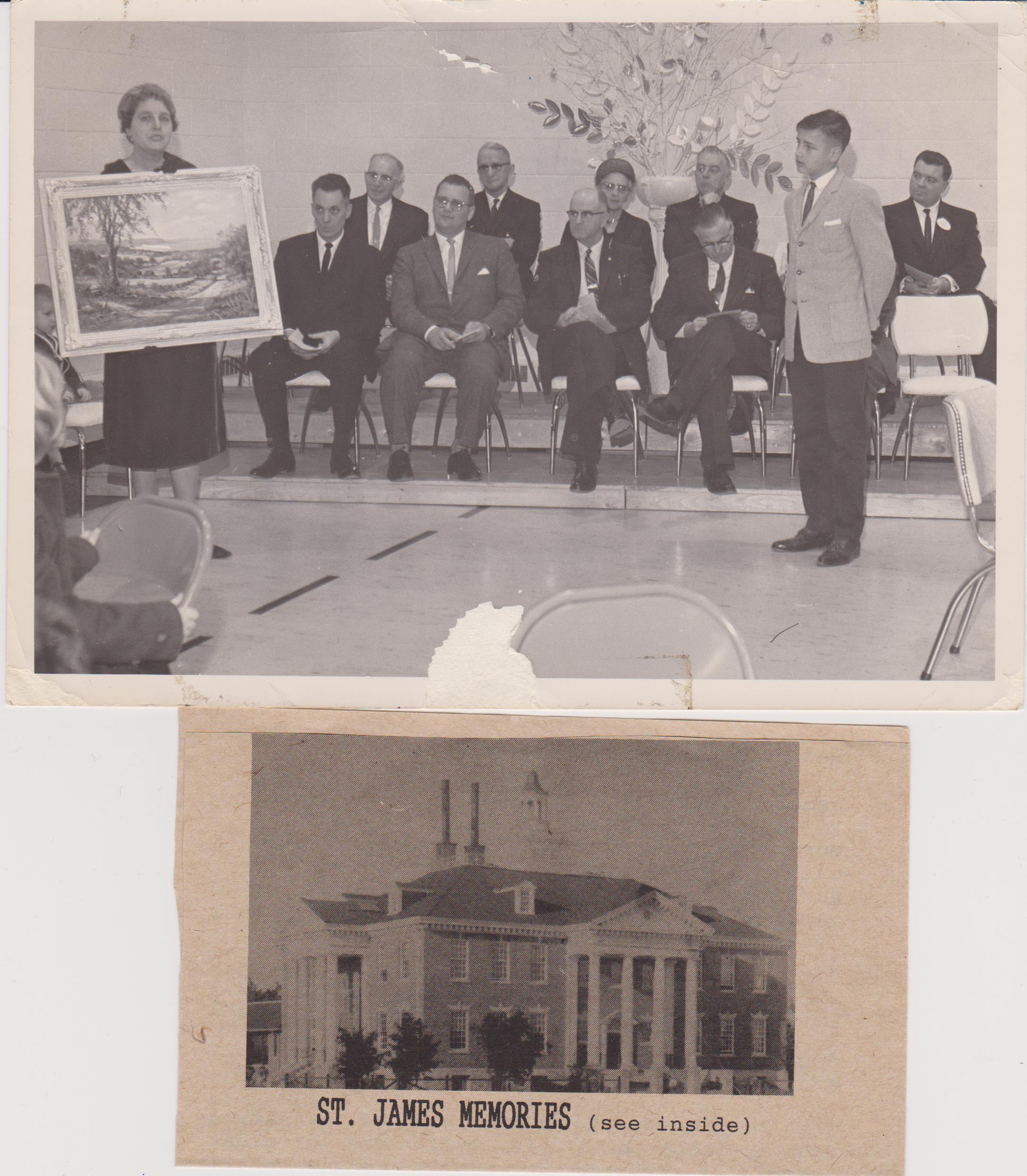
And so we get to know gradually what we’re good at or not. Sports and physical play were ok for me, but nothing outstanding or promising long-term. In grade 8, I received a painting on behalf of the school, which was covered in the local newspaper. I also spun records at sock hops in grades 7, 8, and 9, but other guys had first dibs on student radio in high school. I also won a humor writing category for the gr. 9 yearbook, and was the narrator of that year’s operetta Tom Sawyer.
…………………………………….
In high school, I was class president in gr. 10 and joined a group called FNAC–Friday Night Activities Committee–and did goofy stuff at the school’s Friday games. I also was in the chorus of the big costumed operetta The Mikado. I successfully auditioned for the part of Col. Purdy in the Drama Club production of Teahouse of the August Moon, which never got off the ground beyond rehearsals, unfortunately. In gr. 10, I started writing for the school newspaper, initially covering school sports, drawing the ire of a boys’ team for my honest coverage. I continued covering odds and ends into gr. 12 and my last column, about a fall hootenany at the school, is something I was very proud of. In gr. 11, I was in the chorus for the musical Brigadoon, entertaining the kids before practices with my folk and pop songs on guitar.
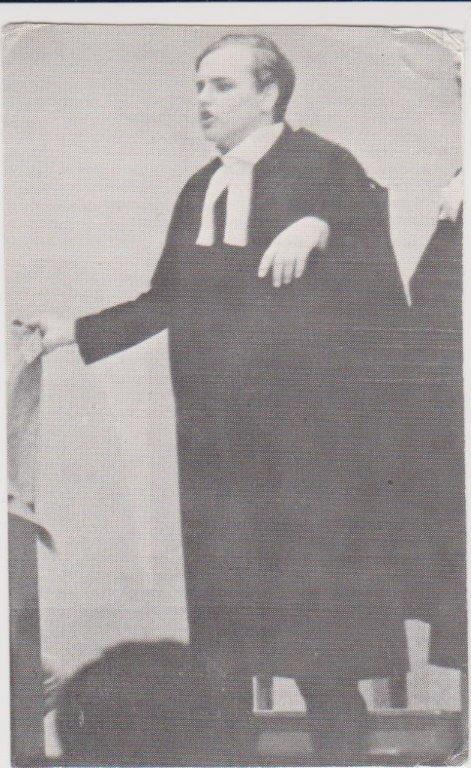
In gr. 12, I got a lead part (jury usher) in another operetta Trial by Jury. At the same time, I was the mayor of a comedy The Red Velvet Goat. That year, my friend and I performed in two friends’ collage of pieces at Manitoba Theatre Centre. I also played the butler in Wilde’s The Importance of Being Earnest in a drama evening. So, it was pretty apparent that, with my increasing knowledge of music and guitar plus my acting experience that I was headed in the direction of performance, not sports for sure. Plus, the only job I could imagine myself doing by this point was teaching English, thanks to two very inspiring teachers in the only high school subject that interested me–English.
…………………………………
In university, I bombed a drama audition which called for an improv for which I was unprepared. (Later, though, I would act in a church’s production of Gift of the Magi playing the husband. I also played Zeus in my first school posting’s production of a comedy Rape of the Belt and taught a drama course. Later, in a different high school, I directed and played Daddy in Edward Albee’s ‘The Sandbox”. In 1989 and 1992, I wrote for and acted in a teacher theatre group called The August Company at Edmonton Fringe and a teachers’ convention. In my first university, I began to perform folk music publicly as a single, in a duo, and in a group (1968-70). In my Ed year, I played a local folk club in Edmonton.
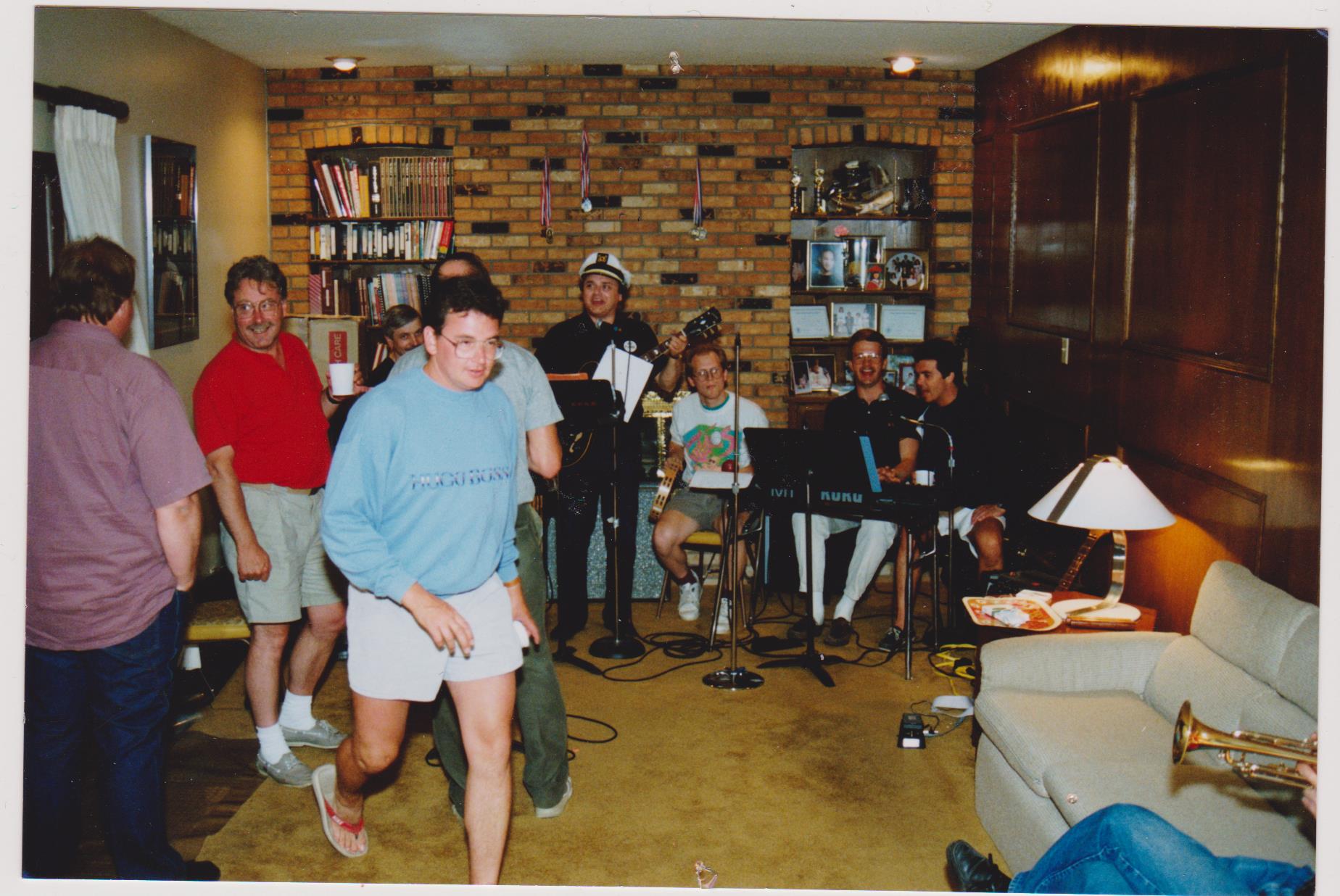
Once in the country for my first teaching position, I was in a duo, then a quartet, then a quintet, playing songs of the day in bars, lounges, halls, and clubs (1972-75). I continued doing music in schools after that for students and teacher parties up to 2002 when I played the Convention Centre. In fall, 2017, as a solo act, I played my daughter’s staff barbecue in a local park. But, beginning in university, I majored in English and trained to be a teacher, which I did for 30 years. I also presented to teacher conferences and workshops for 30 years. I have also read my poetry to audiences for 40 years. Today I still perform also through my continuing writing on my main blog Tothineownselfbetrue.ca.
And so I have been and was a live performer in the classroom and onstage from university on. That has been most of my life, certainly the core adult years. Roads not taken, but I can trace my trajectory into performance, after a misstart in sports. We all have our limits and limitations as well as our aptitudes and skills. These emerge as we go through our formative life experiences. One thing leads to another. Some things/roles work/fit and some don’t. But it is only by trying out different possibilities that we get to the life which we are destined to lead. And one certainly knows and can the rightness of an activity choice whether one might have a career and multiple career in it. Roads and choices that make one’s destiny. That and a lotta dumb luck.
(A ‘Personal Record’ to Age 25)
To understand oneself–to know how one came to believe and value what one does.
Means an excavation of signposts or trail markings from the past. In my case, it means the literature I read in my teens and twenties. From that, I drew much of what I had not experienced personally. That information from literature helped to form me, in particular.
-“David” by Earle Birney: an early poem before my time, read to my class in grade 5. It created a fascination for mountains which has never died and a long-abiding acceptance of mercy-killing, emotionally and rationally argued.
-“Someone came knocking at my wee small door” by Walter de la Mare: that poetry could be memorized, remembered, and performed–I performed this one Halloween when trick or treating in grade 6.
-“Birches” and other poems by Robert Frost: I had grown up to some extent close to nature so this was a revelation that one could write about nature and its lessons on life
-“On First Looking into Chapman’s Homer” by John Keats: my choice of poem for class presentation (gr. 12) signalling my interest in poetry, literature, and the imaginative views, perspectives, and models (pre-encounter with Northrop Frye) of literature
-“Ozymandias” by Percy Shelley: an early awareness that none of what man built would last, regardless of what ambitions or arrogance–one of the earliest poems I wrote was about the irony of my high school’s project for Canada’s centenary–and how it too (the school) would not last and be mocked finally by the (imagined later crumbling) memorial block. (This later turned out to be prophetic when the school was burned down, then knocked down some 40 years after my graduating year.
-”A January Morning” by Archibald Lampman: my second significant exposure to Canadian literature and confirming that poetry about familiar scenes such as Canadian winter existed.
-“Snake” by D. H. Lawrence: that one could have mixed feelings about nature and that man often destroyed nature out of ignorance; also that ignorant action also produced guilt afterward
-“Tintern Abbey” by William Wordsworth: that nature offered freedom, refreshment, tranquillity, and wisdom.
-“To a Skylark” by Shelley and “Ode to a Nightingale” by Keats: a confirmation that humans like nature had souls or spirits and could transcend whatever cares and limitations via nature and imagination.
–Return of the Native by Thomas Hardy: that novels could be exciting, romantic, and reflect human desires and failings. Clym possibly was an influence in my becoming a teacher. My view of working class and poor people was confirmed by Hardy’s views. Eustacia Vye was definitely the dark-haired, free-spirited romantic woman of my dreams for many a year.
–Pride and Prejudice by Jane Austen: the follies and misunderstandings of relationships as well as a number of recognizable human types
–Macbeth by William Shakespeare: the absolute best first play a high-schooler could encounter. The influence of mystery and bad human choices on character destiny. “Fair is foul and foul is fair” pretty much sums up the mixed feelings and aspects of human experience. My first major lesson on the deceptiveness of appearances soon followed in grade 12 by
–Hamlet by Shakespeare: this one covers a lot of territory certainly a lot of human angst, cynicism, mixed feelings, and the usual run of Shakespearean misunderstandings and deceptive appearances. This play is probably the ultimate work on hypocrisy although some of the works of Ibsen and Arthur Miller would vie for consideration as well. I would have to say that although this play is a tragedy, that Shakespeare’s views of love are somewhat borne out by life experience–it is often not meant to be or last.
-Read on my own in gr. 12: the easy-to-identify-with rebellious Holden in Catcher in the Rye and the secret love in D.H. Lawrence’s Lady Chatterly’s Lover–an introduction to wild, free/d love and sex; a message which resonated in the still-repressed, buttoned-down conservative-hangover of the ’50s/Eisenhower years.
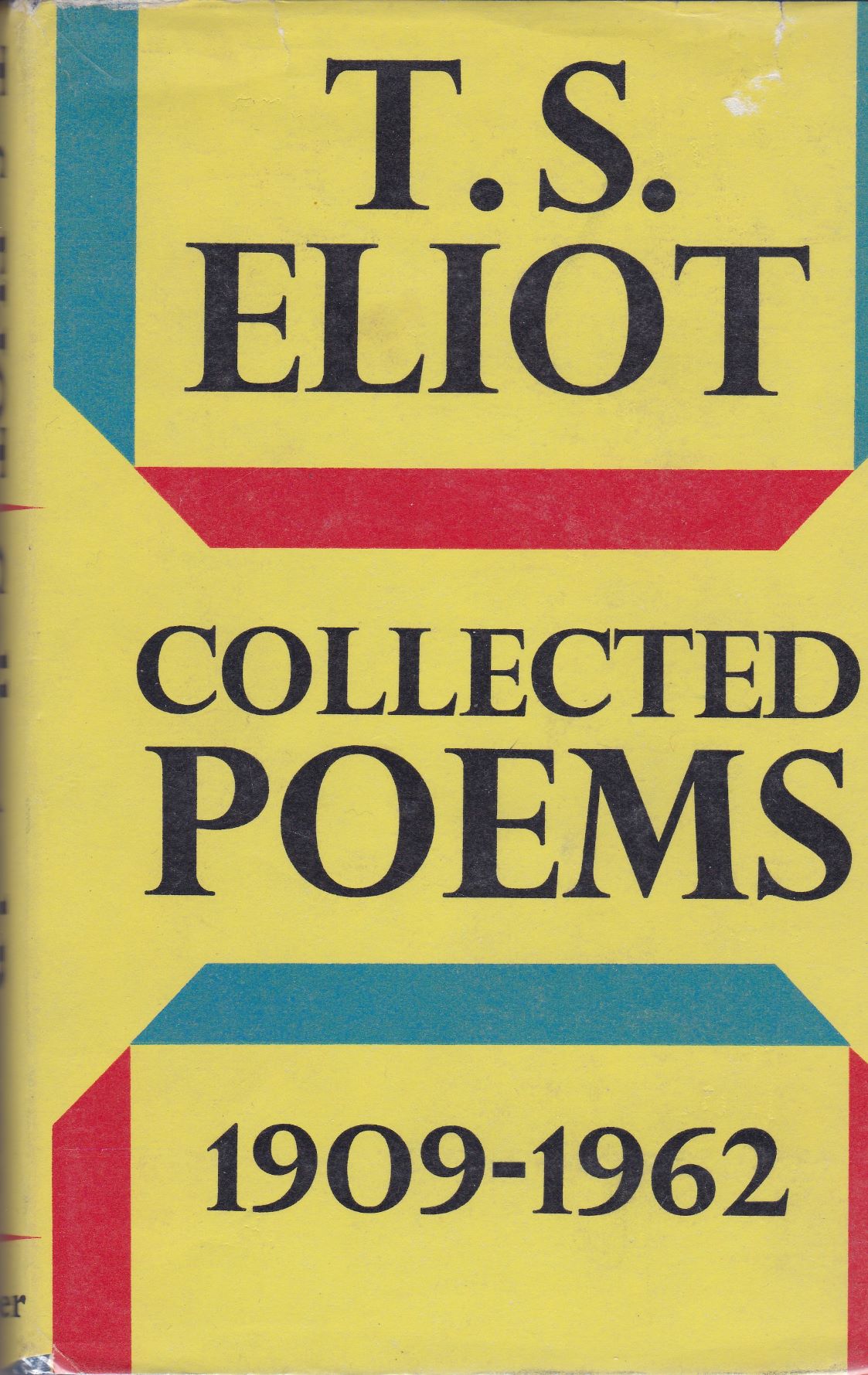
-transitioning to university first year, and my own independent public-library explorations for the first time, I discovered the poems of T.S. Eliot, notably “Preludes”, “The Love-Song of J. Alfred Prufrock”, “Portrait of a Lady”, and “The Waste Land”. For a mind which had been greatly opened by Hamlet, Eliot was the perfect writer for a questioning, rebellious lad.
-I also studied Othello on my own, encountering Laurence Olivier’s remarkable record set (1 year later I would see the memorable movie) of the play. Whatever I was missing in terms of misunderstandings in relationships was pretty much completed by this play. There was, of course, to discover so much more on the deceptiveness of appearances and much about evil and how it succeeds. Who can forget Iago? And Cathy and Heathcliff, doomed romantic lovers in Emily Bronte’s Wuthering Heights or Jane and Rochester in Jane Eyre–again the long odds against love and the role of character and choice in determining fate
-Much of what stuck from first year university was, again, poetry. “Th’ expense of spirit in a waste of shame” by Shakespeare–all anyone needs to know about the nature of lust; “Poor soul center of my sinful earth” by Shakespeare–the body-soul separation; “Let me not to the marriage of true minds” by Shakespeare–the greatest poem ever written about love; “My mistress’ eyes are nothing like the sun” by Shakespeare
–romance vs. the real in love; “The Sick Rose” by William Blake–secrecy and sexuality; “The Chimney Sweeper” by Blake– socially-sanctioned child abuse and the hopes of the poor downtrodden’; “London” by Blake–the mind-forg’d manacles in which we ‘do it to ourselves’ and the sins of the father…;“The Clod and the Pebble” by Blake–two basic views of love, both right; “They flee from me that sometime did me seek” by Thomas Wyatt–changing relationships and intimacies; “Since there’s no help” by Michael Drayton: when it’s over, it’s over, but maybe not; “The Canonization” by John Donne–an early understanding of sexuality and spirituality (later explored wide-openly when I encountered Leonard Cohen’s Beautiful Losers); “Elegy Written in a Country Churchyard’ by Thomas Gray–still a favorite study of fame vs. obscurity and the commonness of death; a great ‘levelling’/perspective poem, “The Twa Corbies” by Anonymous–the ways of nature and human nature (how quickly humans ‘move on’–shades of Gertrude and “Is My Team Ploughing?”by A.E. Housman; Antony and Cleopatra by Shakespeare–the games lovers play, unnecessarily hurting and destroying one another and themselves.
-an introductory course in Classics: The Odyssey: the hero’s journey and the drive to reach home, followed by an inherent restlessness (“Ulysses” by Tennyson–in search of one’s bliss); plays by Aeschylus, Sophocles, and Eurpides–the bizarre workings of mystery, fate, and character.
-a memorable course in Comparative Literature (in English translation): L’Etranger by Albert Camus: the ultimate story of modern man as drifter in an absurd world; I easily identified with the sensibility of Meursault; “The Death of Ivan Illych” by Leo Tolstoy: dealing with death and finding one’s ladder against the wrong wall and a strong portrait of a faithful servant–overall a memorable study of dealing with the dying; “The Metamorphosis” by Franz Kafka–if ever one needed a work that illustrates how family limits and controls children as well as the sacrifices made doing work one no longer wants to do–and how destructive these things are to the individual; Dante’s inferno section of The Divine Comedy: an introduction to human sin and the limits the damned placed on themselves and others.
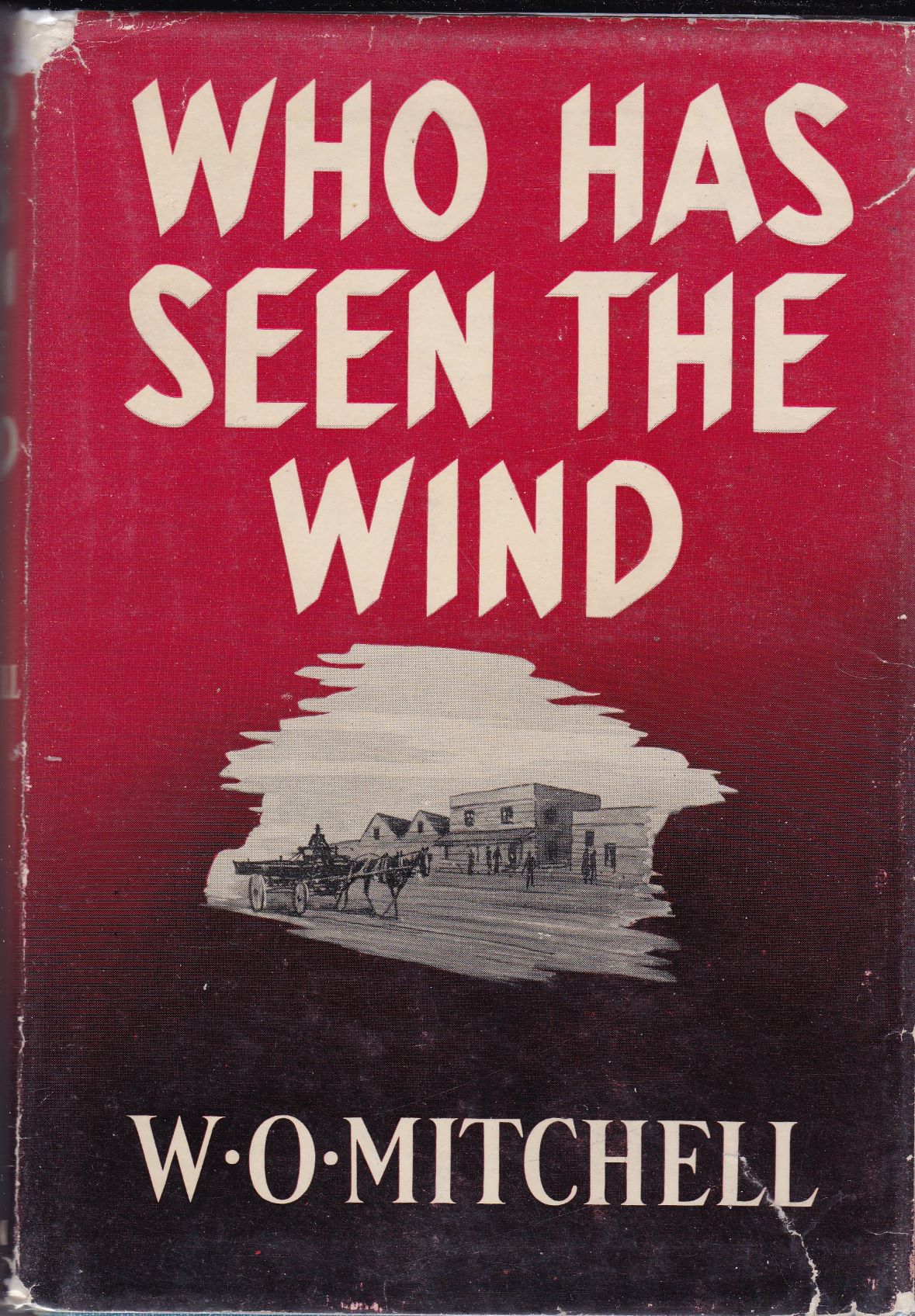
-a formative course in Canadian Literature: the nature poetry of the Confederation group–again showing Canadian preoccupation with nature, Who Has Seen the Wind–about as close to an archetypal presentation of prairie boyhood as it gets, Where Nests the Water Hen by Gabrielle Roy–my favorite portrait of simple rural folk; Under the Ribs of Death by John Marlyn–the best Winnipeg novel ever written–captures the difficulties of the Canadian melting pot of the ’20s, ’30s, and ’40s–this is a picture which lingered into Canada of the ’50s and ’60s; Settlers of the Marsh by Frederick Philip Grove–the first ‘bad’ woman of CanLit; Sunshine Sketches of a Little Town by Stephen Leacock–a charming, droll collection of Canadian humor and an introduction to the Canadian funnybone (later developed by SCTV, Wayne and Shuster, and many others); the haunting portrayal of the Canadian West by Wallace Stegner in Wolf Willow; “You Have the Lovers” by Leonard Cohen–the most beautiful poem about love-making ever written; the bawdy poems of Irving Layton–along with Cohen’s Beautiful Losers–the other (sexual) sensibility coming into play in Canlit–the stretching of topics and views of relationships; Morley Callaghan’s Stories–the view of ordinary folk and ordinary events as story-worthy.
-a many-readings course in Modern British and American Drama: (revisited from gr. 12) George Bernard Shaw’s Arms and the Man: the comedy of love and the clash between realism and romance; Henrik Ibsen’s A Doll’s House: an introduction, in-depth to the limits and limitations placed on women and the free choices of an early liberated woman; Ibsen is often thought of as a feminist but he was against any stuffy, restrictive restrictions on any human individuals; Tennessee Williams’ plays and presentation of conflicts between men and women–centering around appearances/romance and often coarser reality; and Anton Chekhov’s The Cherry Orchard–the conflict between old and new worlds with human beings’ failure to respond successfully or survive change
-an amazing course in 19th and 20th Century English Literature: an amazing tour which began with Lewis Carroll’s Alice’s Adventures in Wonderland as an allegory for 19th and 20th century life with the quest for identity, the games people play, the absurdity of life, etc.; Joseph Conrad’s incredibly prophetic The Secret Agent which sums up all one needs to know about the destructiveness and self-destructiveness of political agendas, terrorism, and violence; W.B. Yeats’ “The Second Coming”–still light years ahead of its time with all its various predictions about the human world; W.H. Auden’s so-true poems about time and love including “As I Walked Out One Evening”; the glorious poems about time by Dylan Thomas including “Fern Hill”–we are all green and dying (Bob Dylan’s “He not busy being born is busy dying”); the mystery of the Malabar caves in E.M. Forster’s A Passage to India which contain, again, man’s heart of darkness; Virginia Woolf’s A Room of One’s Own–a significant view of what any writer or creative artist needs as a base to live free; James Joyce’s A Portrait of the Artist as a Young Man–the freeing of the individual and the artist; Tom Stoppard’s Rosencrantz and Guildenstern Are Dead–the ultimate opus on games and life as performance; Graham Greene’s The Power and the Glory–a good example of the outsider figure on the lam and the archetypal conflict of the individual against society.
-a great introductory course in 20th century American Literature: Ernest Hemingway’s The Sun Also Rises–the search for meaning, purpose, and a code that works; dysfunctional male-female relationships; Theodore Dreiser’s Sister Carrie–following one’s bliss with tragic results; the illusory and delusional aspects of performance; John Steinbeck’s Grapes of Wrath–the harshness of nature and rural life; the achievement of individual and family goals against great odds; Willa Cather’s My Antonia–as in Where Nests the Water Hen–a nostalgic romantic piece about a spirited young woman and archetypal mother-figure; Lawrence Ferlinghetti’s A Coney Island of the Mind: ironic wittiness applied to contemporary life
-a memorable advanced course in Poetry: Walt Whitman’s Leaves of Grass–the ultimate sensitive, poetic response to life
-a turning-point Education methods course: Northrop Frye’s The Educated Imagination–the centrality of imagination in life and literature; and R.D. McMaster’s lecture “Why Read?” which became the foundations for my teaching of high school English for 30 years and eventually a career in high school English textbook publishing resulting in 60+ plus student texts and teacher’s guides.
…………………………………………………………………………………..
Well, some signposts and highlights, indeed. A sample of the information of literature, reading along the way, and their influence in my life. A significant part of what I have learned in life.
As can be seen from this reading list, I have been/was very lucky: ‘Born at the right time’. To have been exposed to some of that old Western culture Matthew Arnold called “the best which has been thought and said in the world”. The information of literature–part of the great information still available through the arts, but sadly no longer offered or available in many schools and universities nowadaze.
(The Value and Benefits of Literature in a Screen-Obsessed World)
As public education undergoes a major paradigmic shift and reinvention with multiple agendas (e.g., e-media literacy, chamber of commerce interests–financial planning, making money as the ultimate goal in life) crowding the plate to replace traditional school-subject offerings (such as English), some quotes review on reasons why literature and literature-teaching are valuable and beneficial in the development of people, young people especially.
“Literature is a fundamental element of identity and culture.” –(http://www.edu.gov.on.ca/eng)
“For the citizen to be conscious of the underlying myths and imaginative patterns that operate in our lives rather than being unconsciously controlled by them, is an asset. To have many such citizens is an asset to a country.”–R.D. McMaster, “Why Read?”
“The consequence of such expansion of consciousness [through the study of literature] is liberation, from the many insularities–spiritual, social, racial, or political, that compete with sullen malice to claim and narrow us.”–Northrop Frye, The Educated Imagination
“You don’t have to burn books to destroy a culture. Just get people to stop reading them.”–Ray Bradbury
“Remember/ First to possess his books; for without them/He’s but a sot as I am.”–Caliban speaking in William Shakespeare’s The Tempest
“Surely of all the arts, literature is most immediately implicated with life itself. The very medium which the author shapes the text–language–is grounded in the shared lives of human beings.”–Louise M. Rosenblatt, Language, Literacy and Values
“Learning to read books…is not just a matter of acquiring information from texts, it is a matter of learning how to read and write the texts of our lives.”–Robert Scholes, Protocols of Reading 19
“For literature remains the unexcelled means of interior exploration and connection-making.”–Sven Birkerts, The Gutenberg Elegies
“Reading a book and taking the time to ruminate and make inferences and engage in imaginative processing, is more cognitively enriching, without doubt, than the short little bits that you might get if you’re into the 30-second digital mode.”–Ken Pugh
“When students read literature, ‘horizons of possibility’ come to mind, moving them to reflect on and interpret ideas at hand; students raise questions, recognize problems, seek causes and solutions, and make connections. They explore multiple perspectives and imagine scenarios. This type of thinking is at the heart of literate thought.”–Louise Rosenblatt