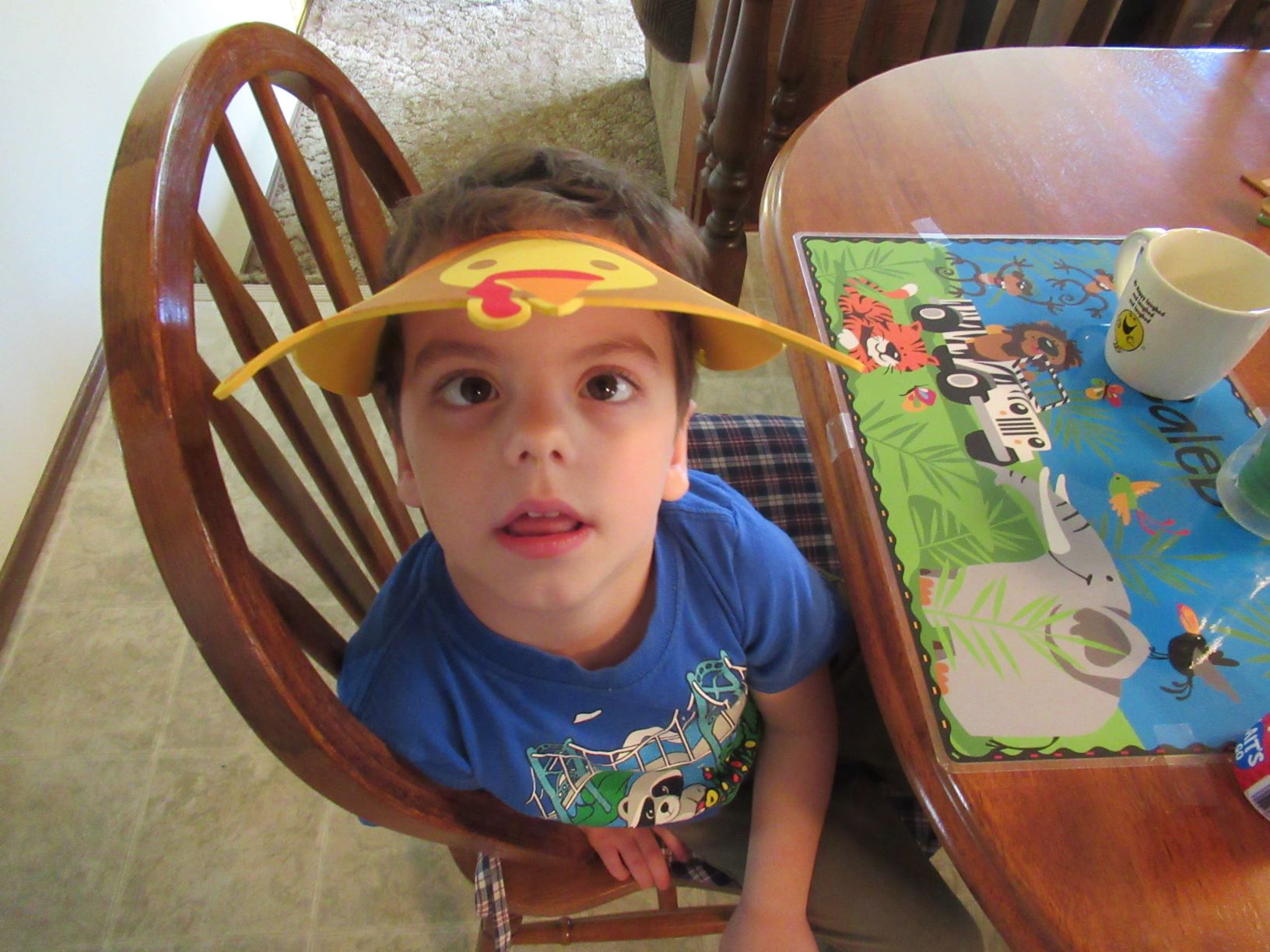
Feeding the Birds with Grandpa

Posted in Uncategorized | Leave a comment

An Untried Remembrance Day Project

One of those many ‘leftovers’ from a poetry presentation to senior high teachers I, ironically, never got to try myself.

Remembrance Day: War Poetry

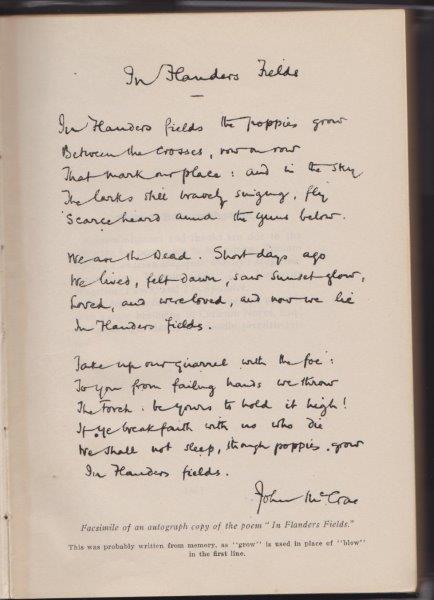
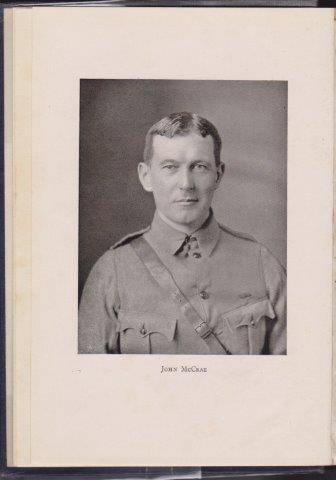
Read John McCrae’s “In Flanders Fields”, then discuss how war has provoked much writing on the theme. Invite student groups to pick one of the following poets to research via the Internet. Groups can do a brief presentation about their poet providing a brief biographical note on the writer’s involvement or response to war, followed by a reading or representation of a war poem, with some personal response to what the poet has to say about the subject.

Rupert Brooke, Wilfred Owen, Edward Thomas, Sigfried Sassoon,
Charles Sorley, Isaac Rosenberg, Julian Grenfell, Francis Ludwidge,
Robert Graves, Edmund Blunden, Ivor Gurney, David Jones,
W.N. Hodgson, Alan Seeger, Richard Dennys, E. Wyndham Tennant,
Leslie Coulson, Arthur Graeme West, Hamish Mann, Horace Bray,
Bernard Freeman, Trotter Henry, Lamont Simpson

Additionally/alternately, specific poems might be searched such as:
“The Fifth Sense” (Patricia Beer)
“The Death of the Ball Turret Gunner” (Randall Jarrell)
“Apocalypse” (D.J. Enright)
“Masters of War” (Bob Dylan)
“Goodnight Saigon” (Billy Joel)
“This Excellent Machine” (John Lehmann)
“Reason for Refusal” (Martin Bell)
“The Hand That Signed the Paper Felled a City” (Dylan Thomas)
“Hate” (James Stephens)
“The Man He Killed” (Thomas Hardy)
“Familial” aka “Family History” (Jacques Prevert)
“There Will Come Soft Rains” (Sara Teasdale)
“With God on Our Side” (Bob Dylan)
“Last Night I Had the Strangest Dream” (Ed McCurdy; Simon & Garfunkle version)
“Grass” (Carl Sandburg)
“Selective Service” (Carolyn Forche)
“Cambodia” (James Fenton)
“Ode for the American Dead in Asia” (Thomas McGrath)
“Facing It” (Yusef Komunyakaa)
“Phrase Book” (Jo Sharpcott)
“Every Day” (Ingeborg Bachmann)
“The End and the Beginning” (Wislawa Szymborska)
“The People of the Other Village” (Thomas Lux)
“The Lilacs and the Roses” (Louis Aragon)
“These Are Facts” (Ruthven Todd)
“The Naming of Parts” (Henry Reed)
“Retribution” (Ilya Ehrenburg)
“How to Kill” (Keith Douglas)
“A Front” (Randall Jarrell)

Posted in Uncategorized | Leave a comment

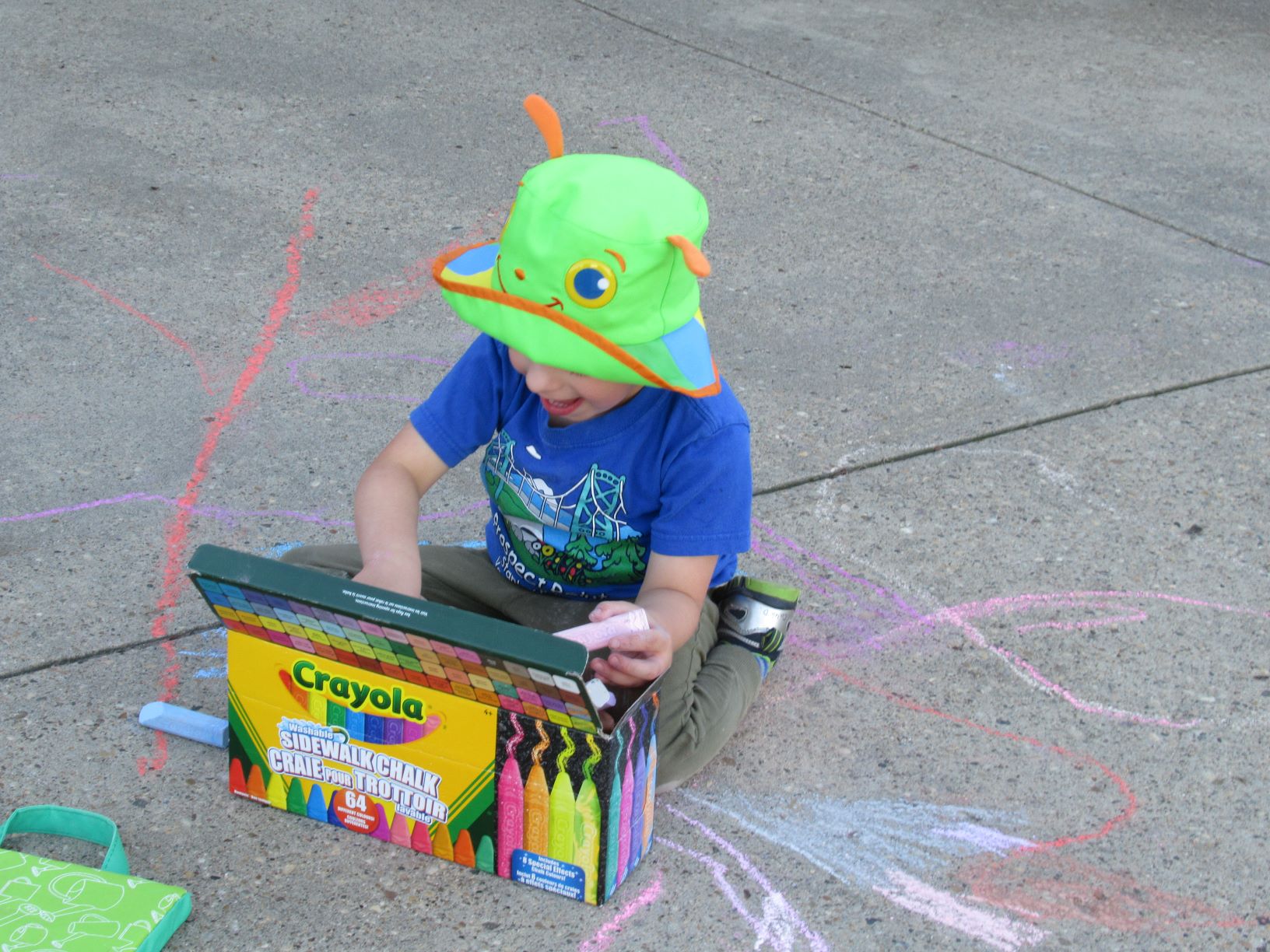
The Possibilities of Sidewalk Chalk

especially on a driveway, for 4-7 year-olds.

Posted in Uncategorized | Leave a comment

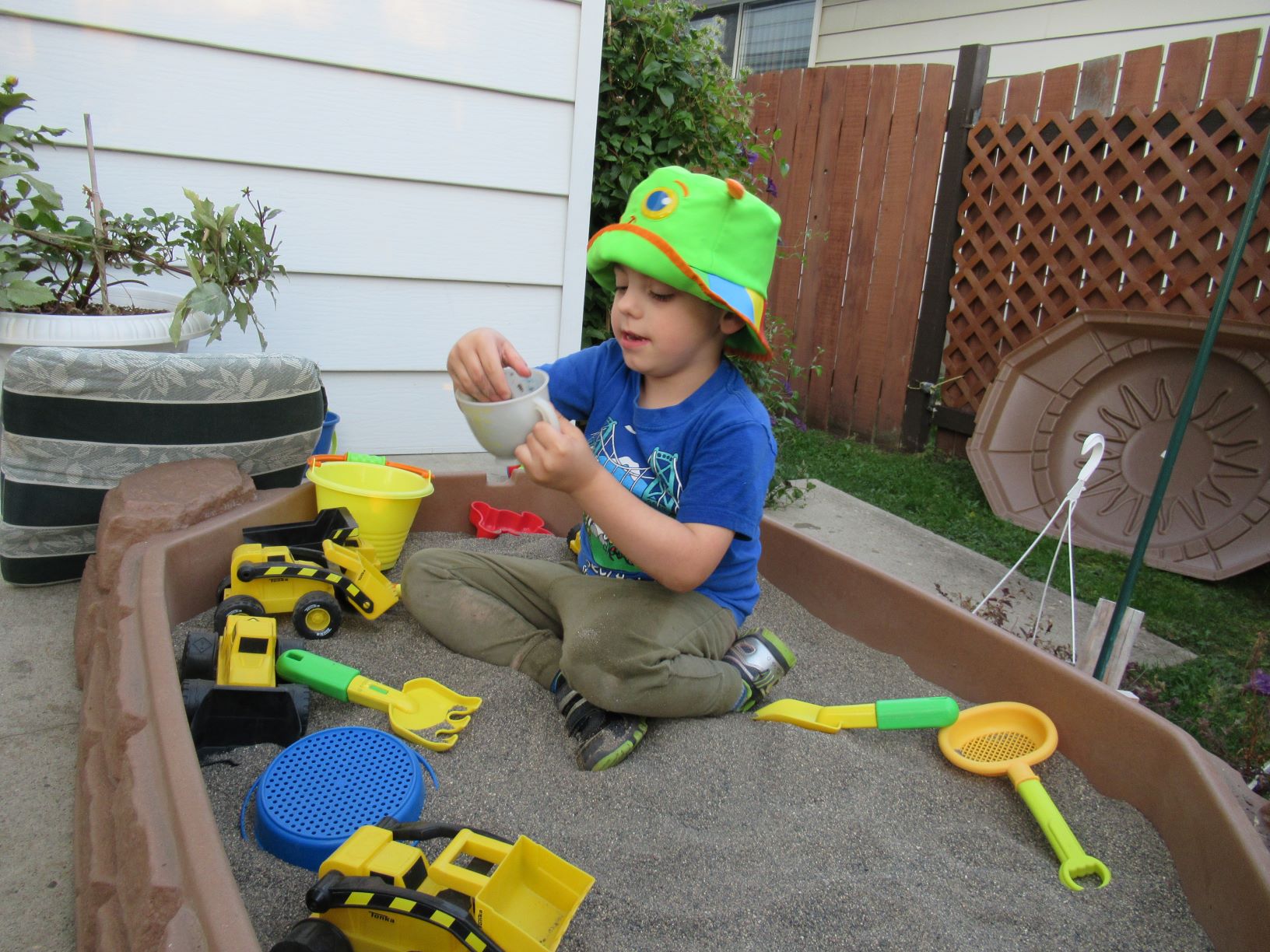
Sandbox Pleasures

with Tonka toys for boys.

Posted in Uncategorized | Leave a comment

“Gobble, gobble!”

Thanksgiving fun.

Posted in Uncategorized | Leave a comment

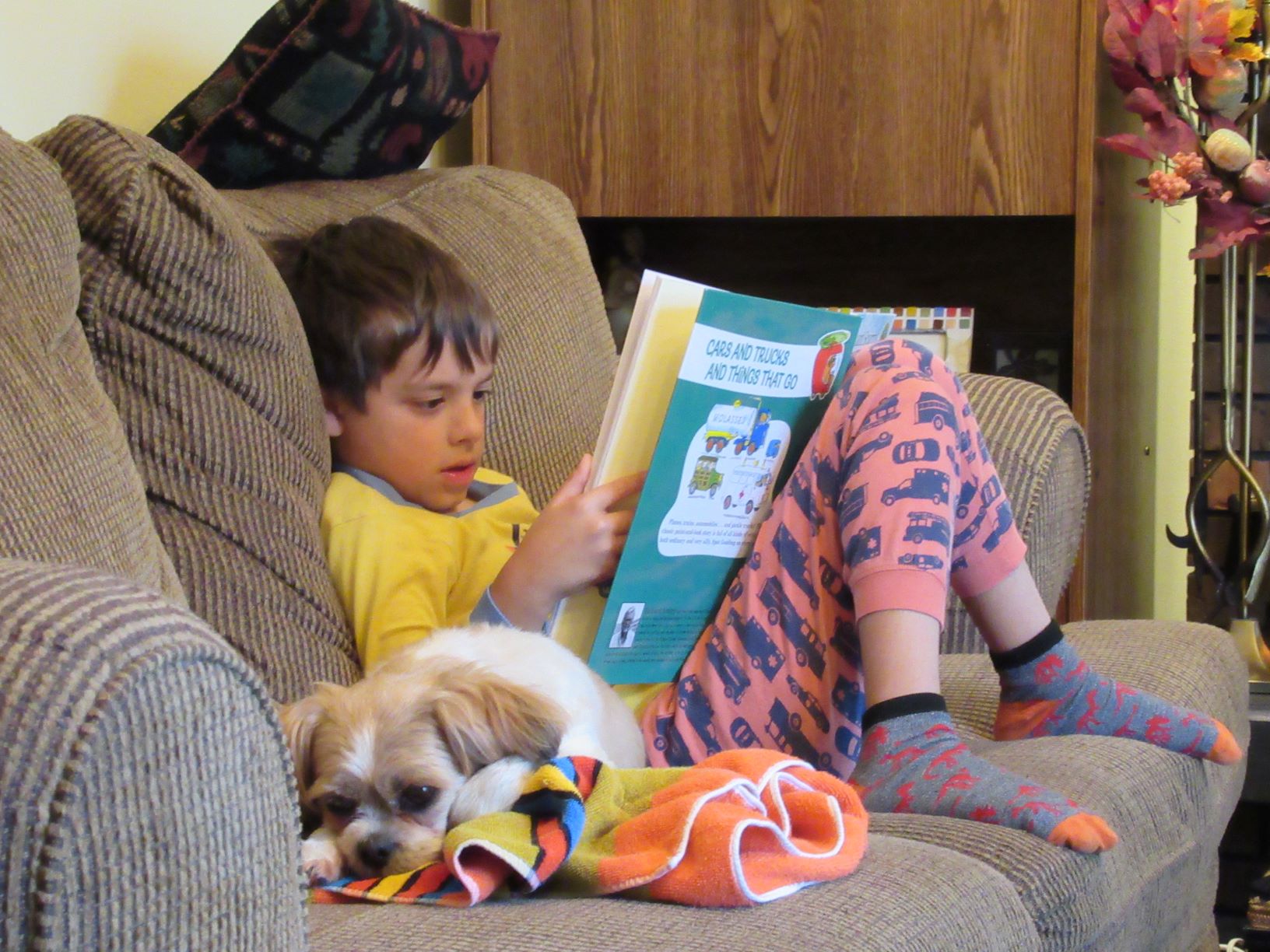
The Pleasures of Solitary Reading

Richard Scarry’s Cars and Trucks and Things That Go–a ‘must’ book for boys 4-7. Multiple plotlines and absurd possibilities.

Posted in Uncategorized | Leave a comment

Some Favorite Quotes

previously posted on October 11, 2016)

“Freedom is from within.”
–Frank Lloyd Wright

“I have to protect myself from the toxicity of this culture.”
–Kate Braverman

“Everything hinges upon our realizing the essentially transitory possibilities.”
–Viktor Frankl

“I dwell in possibility.”
–Emily Dickinson

“Language is the soul’s ozone layer.”
–Sven Birkerts

“You can never step in the same river twice.”
–Heraclitus

“Love is, above all, the gift of oneself.”
–Jean Anouilh

“To refuse The Call means stagnation.”
–Joseph Campbell

“There is nothing greater than enthusiasm.”
–Henry Moore

“The strongest principle of growth lies with human choice.”
–George Eliot

“So true inner peace occurs when one is no longer perpetually restless inside and when one no longer feels the deep, inner, life-long aloneness and alienation anymore.”
–Richard Davies

“Many people would rather die than think and many of them do.”
–Bertrand Russell

“The proper study of mankind is books.”
–Aldous Huxley

“Civilization is an exercise in self-restraint.”
–W.B. Yeats

“Perhaps the androgynous mind is less apt to make these distinctions than the single-sexed mind….the androgynous mind is resonant and porous; that it transmits emotion without impediment; that it is unnaturally creative, incandescent and undivided.”
–Virginia Woolf

“The limits of language stand for the limits of my world.”
–Ludwig Wittgenstein

Posted in Uncategorized | Leave a comment

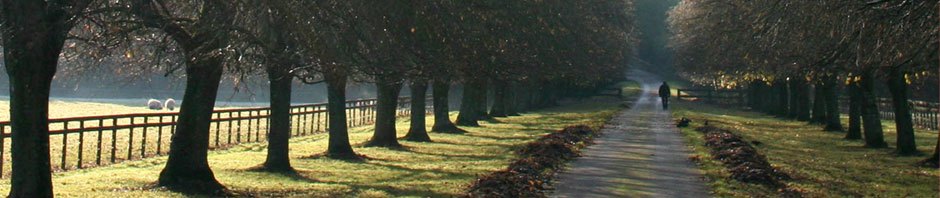
Not Bad for a Short Walk This Morning

No snow yet. Wind is down. It’s -3 C which is not too cold if you’re dressed warmly enough with something on your head and ears. It’s important to get outside at least once a day in the winter. Fresh air and all that. I never go two days in a row just cocooning.

And when it’s snowing significantly, I get my outdoors time shovelling snow the old-fashioned way. I use a wide blade and push the snow to the edges.

So far it looks like a sunny entry into November here. It’ll be a dry Halloween for the kids which is always nice for them.

Posted in Uncategorized | Leave a comment

These Strange Patterns in Passing

My wife and I have popcorn as we watch an Oilers game. Then after cleaning up, a tv commercial comes on of a young girl pouring butter over popcorn much as we were doing about half-an-hour before. Disconnected and unrelated, of course. But still you wonder given how many of these coincidences slide by during an ordinary day.

Posted in Uncategorized | Leave a comment

The Poet’s Death Bed

The coroner was greeted by the deceased’s wife at the front door when he arrived, gave his sincere condolences, and was shown upstairs to a small room with open blinds, leafy plants in one corner, and a single bed embracing the body. The only other furniture was a chest-high bureau, a tiny night table, and a tall bookshelf with a large looming bust of Shakespeare on top.

On the green walls were two undersized heads of Holmes and Watson, a poster of ‘Father Goose’ airborne in his ultra-light aircraft surrounded by geese, and a framed poster of an old Dylan Thomas LP showing an imagined boy flying freely above a fantasy town.

On the other wall was an Alex Colville showing a young woman riding her bicycle in sync with a crow in flight beside her and yet another poster of early Canadian voyageurs paddling into a mysterious mist above the morning waters.

Only then did he choose to look down at the deceased stretched out, as he had been found, on the narrow bed, covers pulled down. The man wore only modest briefs and had been left that way for the coroner to discover when he entered the room. There was no sense of struggle or signs of anguish, only a strange peaceful look on the dead man’s face.

The coroner continued his examination and wrote down his findings and verdict on a clipboard he had brought with him. It was when he stood up that he noticed a piece of paper underneath the night table which he bent over and picked up. It appeared to be a handwritten poem on both sides which went:

“It is no longer for me to say for you.
You will need to fill in the blanks yourself,
to answer the remaining questions,
to find your missing peace
and decide which dream is worth
the living and dying for.

It remains but for you
to walk alone on that beach
with nothing but your thoughts.
It is up to you to decide
if touch is the best art of all
and if an old Inner Child still lives.

It is not in this poem then
that someone will smile fondly at you
and find all you say so interesting.
It is no longer the job of this poet
to free you, to whisper your name,
or tell you where all the treasure’s hid.

No, it is you alone
who will write the last poem, love–
your very own, and tell us all
who you truly, really are.”

He thought for a moment and replaced the paper under the night table for someone else to find later. The quality of his day forever changed, he was about to leave the house when a family member appeared and inquired about the cause of death.

Normally he would have said nothing and maintained confidentiality, but he thought back to the room and what he had seen and read there which had moved him unexpectedly. “Heart failure,” he said.

Outside, the coroner got into his car, started it, and turned on the radio, immediately searching for a classical FM station. “Poor devil. Like all high romantics,” he thought to himself as the music began to flow, “his heart just gave out finally.” And he wondered, about the poem’s significance, what the poet’s life must have been like, and then, suddenly, what his own sad end might someday be.
Posted in Uncategorized | Leave a comment