(the fabulous 2-disk Criterion DVD which just came out; includes a documentary, several interviews, and a book; the pieces on how Antonioni was influenced by English photography and painting of the day are outstanding and reveal their presences in the film adding to the symbolism and atmosphere)

(also highly-recommended: the wonderful, sexy, emotional, soul-stirring musical record of a great film; NB/there is also a more complete CD version Rhino issued)
We are what we have viewed, especially at impressionable times in our lives.
I first saw Michelangelo Antonioni’s first English film in 1967, one year after it came out, in an art movie house on Portage Avenue. I was in first year university in Winnipeg at the time, when my life was opening up in a big way. I had performed with a casual improv group in an anti-Vietnam/Ban-the-bomb rally at Memorial Blvd. park on a Saturday afternoon as an actor and singer. My friend Bob Mowbray and I sang “Where Have All the Flowers Gone?’ at the end of the rally. Bob had a recorder and I played guitar.
It was a connection fostered by the late Barry Onoferson and Glen Mitchell, two budding playwrights, continuing from my SHCI days (I had performed in a program written by them on alienation at the theatre beside Manitoba Theatre Centre in gr. 12 ). I still remember riding on the back of Barry’s Harley one afternoon down Portage on a lunch-hour, and hanging out at an old apartment he once rented, of which he painted the walls black, near City Park. Bringing an old girl classmate in a mini-skirt there to listen to the Byrds’ 5 D psychedelic album (“Eight Miles High”, “Fifth Dimension”). Generally ‘living it up’, as they used to say.
Well, I give you this much context by which to recall the movie and why it had such a profound effect on me and others on my generation at the time.
Blow-Up was a mind-blower and game-changer, much as Kubrick’s 2001: A Space Odyssey was later to be. Consciousness-expansion big-time. Here was a mystery film about an English fashion color-photographer who hung out in a doss house shooting black-and-whites of the poor folks there for a serious, cool book project he wanted to do to transcend his day job. He wasn’t the most likable, pc-ish guy, but he had power and control over beautiful models and freely followed his bliss on whims. Against a background of sexy jazz music by emerging Herbie Hancock, he and his camera literally and figuratively made love to these women (models like the tallish Verushka); he was a very charismatic, sexy guy living out his dreams.
His life, though, changes dramatically, when he accidentally photographs a private tryst and murder in a quiet, deserted park. The woman (played by a young Vanessa Redgrave) in the scene wants the pictures back, and he is curious enough later to blow up black-and-white pictures from the roll until he uncovers a murder he, mistakenly, initially, thinks he has prevented.
(SPOILER) Going back to the spooky park at night with its atmospheric winds, he, indeed, finds a corpse, but when he returns to his studio, he finds all the blow-ups gone except for one, which, pointedly, resembles an abstract painting by his friend.
He then tries to get someone to return to the park with him to verify the body and his experience, but is unsuccessful; the body has disappeared in the daylight.
The movie then concludes with the young white-faced Rag week revellers of the film’s beginning, who now reveal their miming identities in a memorable tennis match. Thomas’s (the photographer) experience confirms much of what has happened to him in the film as he reaches an epiphany about the nature of life and its essential reality-illusion/appearance conflict, a theme running mysteriously through the movie. appropriately, he, too, disappears in the final frames.
I remember, in 1967, thinking how this was a definitive film of our time, the swinging sixties, and swinging London. I identified with the coolness of Thomas and the casualness and freedom of his quest to “follow his bliss”: long before I ever encountered Joseph Campbell’s work.
The revellers and ban-the-bomb marchers weren’t much different from the crazy pleasure-loving troupe I was in. I could also identify with the pictures of the poor, having seen many poor, older folks like that in my younger years.
The Loving Spoonful songs were in the air at the time and formed an interesting backdrop as radio or record music played in the studio scenes. Antonioni certainly captured the color vibrancy of the clothes and fashions of the time complete with sexy long hair and short miniskirts.
The drug scene was also captured realistically in a drug party and musical ‘happening’ with many people stoned and zombie-like (part of Antonioni’s social criticism of the time running through the film). When Thomas meets Verushka at the party unexpectedly, he asks why she isn’t in Paris, to which she stonedly answers, “I am in Paris.”
And, of course, one of my favorite groups of all time, The Yardbirds, play “Stroll On” in a club scene which turns out to be a memorable commentary on “stuff” and “things”.
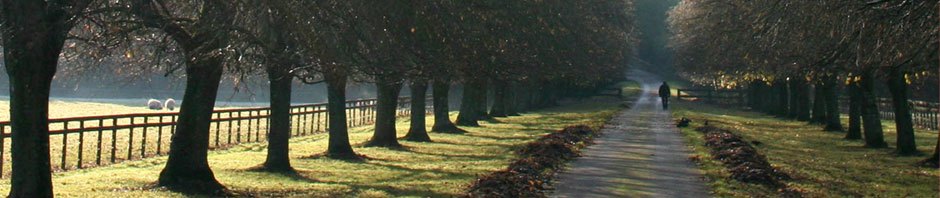
The park scenes were also truly powerful. (I often went for long walks and sought out the nature of evening, my favorite mysterious time of day. Particularly the wind-in-high-trees sound effects.)
It was a great time to be young, much in the manner Thomas kicks up his heels as he runs, innocently into the park for the first time to encounter the evil, violence, and corruption of Experience.
But I think it was the movie’s ideas and conflicts that registered most of all, my own consciousness changing, mirroring Thomas’s own loss of innocence and return to society and reality (or societal illusion?), as well as his uncomfortable, anxiety-producing collisions with the relatively unfathomable, metaphysical differences between reality and illusion.
Antonioni’s film is a masterpiece and a bona-fide classic, which moved me more into film studies. He showed that anything was possible, that–as in books (like Hamlet, Macbeth, Othello, and Return of the Native, which I’d already studied)–appearances were incredible deceptive, that illusion and reality and frameworks of subjective and objective worlds mixed ambiguously and absurdly with each other.
I would go on to study more philosophy, to study the Existentialists (like Camus), to explore and teach the worlds of dreams and reality in works like The Great Gatsby, Great Expectations, Citizen Kane, The Manchurian Candidate, Anatomy of a Murder, 2001: A Space Odyssey, and many others.
It was a mostly inner space that I would follow my bliss in for the next 50 years, writing poetry about it, authoring textbooks with works about these conflicts, teaching about it in the classroom, and living my own dream-like movie-life with its ongoing intimations of appearances and realities, illusions and realities, and burgeoning consciousness, manifested now for the past 4 years in this blog. In the end, Blow-Up changed my life, began my adult phase, and confirmed in me that exploring consciousness and ideas was perhaps the main pleasure and worthy enterprise of an examined life.