Another Edmo City Council Failure of Common Sense

Rather than allowing women in swimming pools to be naked down to the waist, a common sense solution to the imagined discrimination would have been to have men wear tops. Equality sans controversy.


Posted in Uncategorized | Leave a comment

Perfect for Relaxing after Lunch:

From Haydn’s 160 CD collected works: listening to the String Quartets, a form Haydn innovated, which was taken up by the likes of Mozart and Beethoven, both friends of his in his time.

Posted in Uncategorized | Leave a comment

Six Word Stories

by Canada’s top literary couple:

Margaret Atwood: “Longed for him. Got him. S–t.”

Graeme Gibson: “Thought I was right. I wasn’t.”

Posted in Uncategorized | Leave a comment

Always good to jump

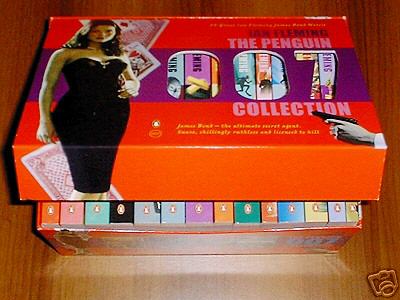
The Book Bond: Penguin 007 Collection box set

when opportunity presents itself as I have always done. Those kinds of opportunities are rapidly diminished in our brave new misleading, diluted, sanitized-for-public-consumption world.

As the woke censors and politically correct snowflake generation of editors zero in to cleanse all classics, I am glad that I have the complete, unexpurgated collection of James Bond DVDs and the complete unpurged Bond novels boxset.

Both my memory of the past and consciousness about the truth and original, author-intended accuracy about the past remain intact on this front. As Orwell said “Reality is inside the skull”.

Ones I’m betting censors will come for: 1984, Poe’s violent stories, The Call of the Wild, Huckleberry FinnLord of the Flies, Brave New World, Crime and Punishment, MacbethHamletRomeo and JulietThe Taming of the ShrewKing LearOthello. (I consider To Kill a Mockingbird as already censored or banned.)

Posted in Uncategorized | Leave a comment

A Typical Quiet, Laid-Back Evening Here Lately

What world problems, wars, and conflicts? 

………………………………………………………………..

Always ‘keep putting back into yourself’ daily on many levels and keep focusing first on personal health and survival plus an ample dose of relaxation, pleasure, and peace. First responsibility is to self and those closest to one like family and friends.

Whatever compassion for others and personal virtue one can manage beyond that, each individual typically only gets one life to make/create. In the end, one should assume responsibility for one’s own life and not blame others for one’s personal choices.

Posted in Uncategorized | Leave a comment

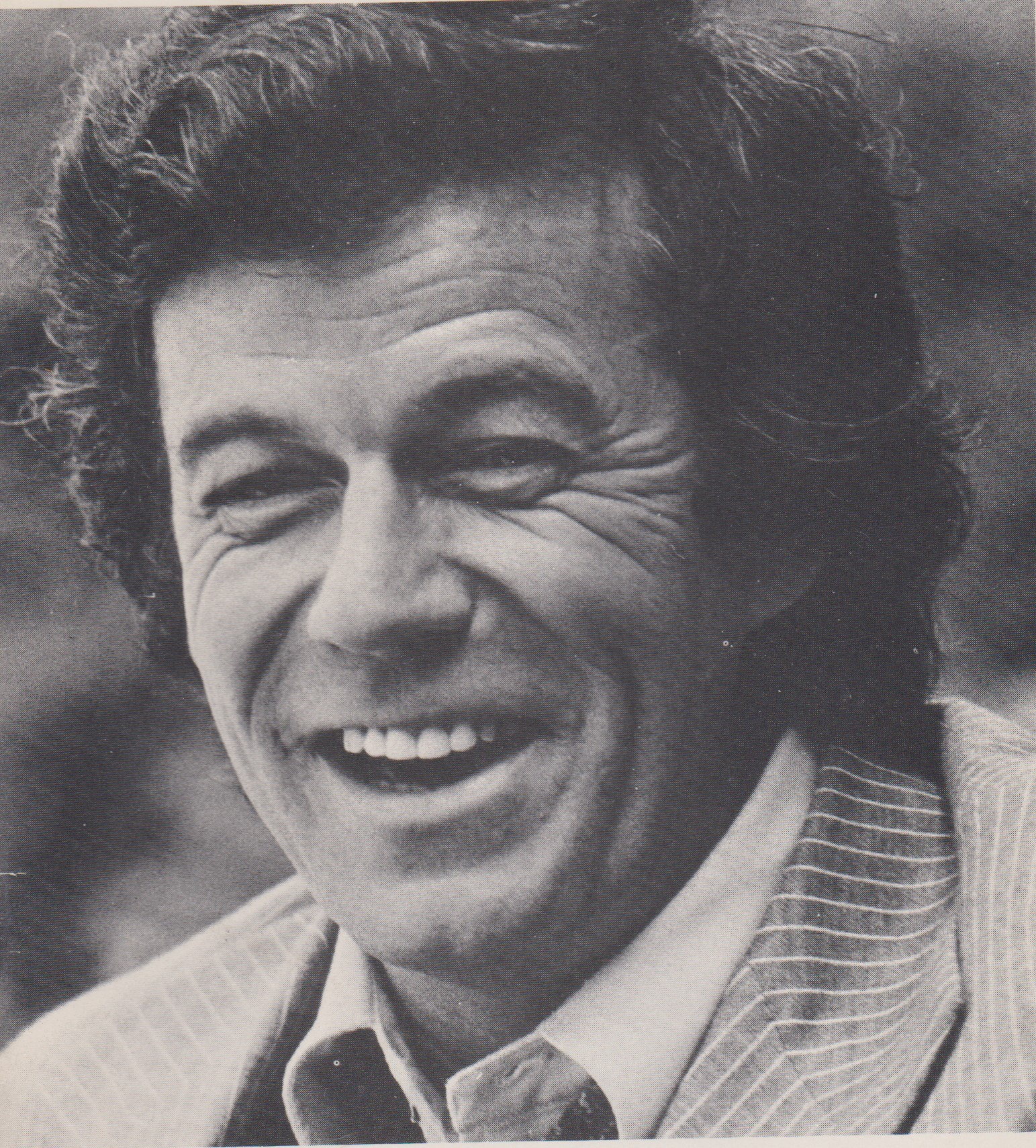
Obit: Canadian Nice-Guy Gordon, 92

As in Pinsent, one of Canada’s most popular, iconic actors, Newfoundland’s most famous ‘son’, who starred in Away from Her, winning rave reviews.

Canadian tv series

1963-65 Forest Rangers

1968-72 Quentin Durgens

1978-79 A Gift to Last

1989-93 Street Legal

1991-2006 Red Green Show

1994-99 Due South

2010-2012 Republic of Doyle

Movies

1968 The Thomas Crown Affair

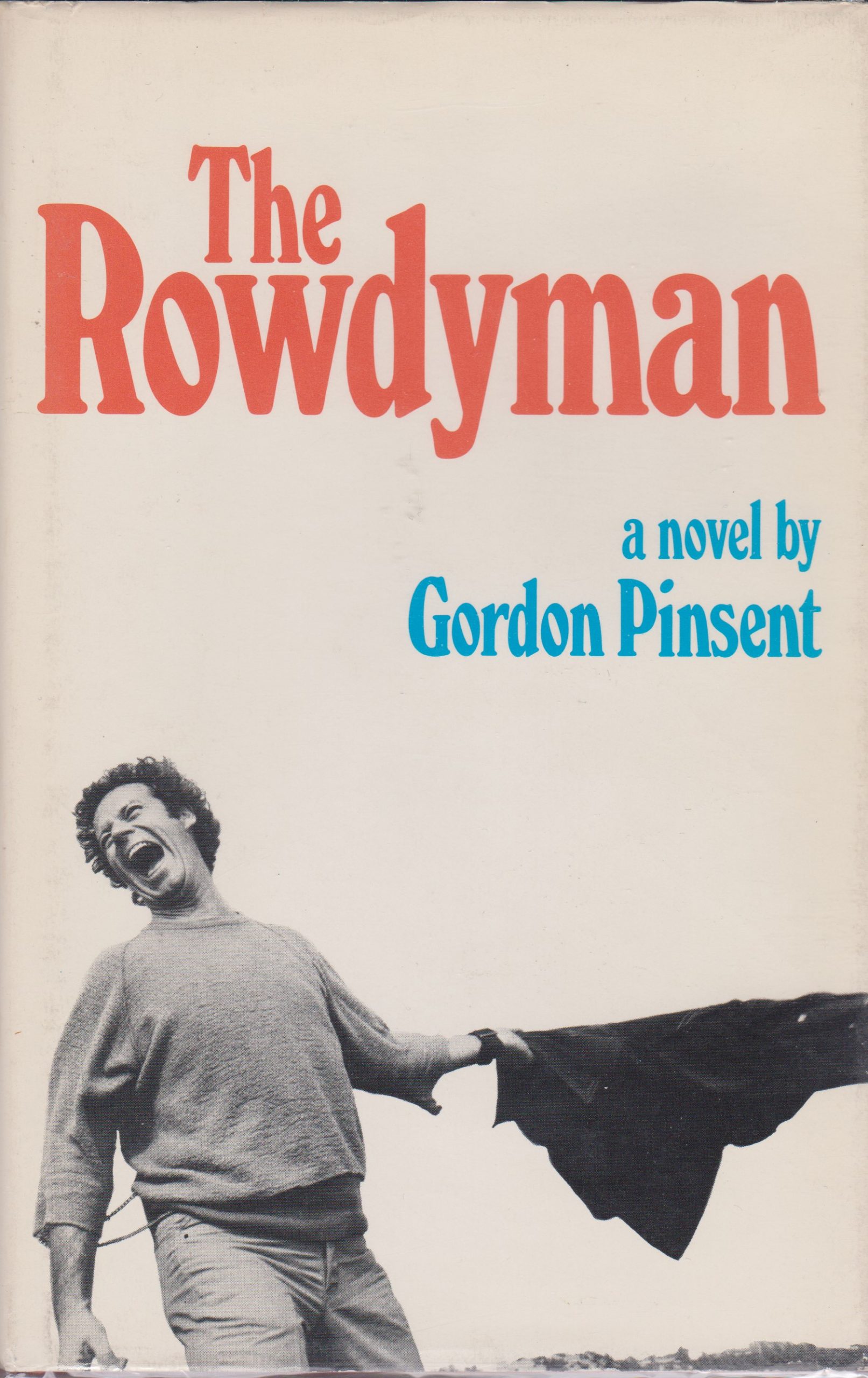
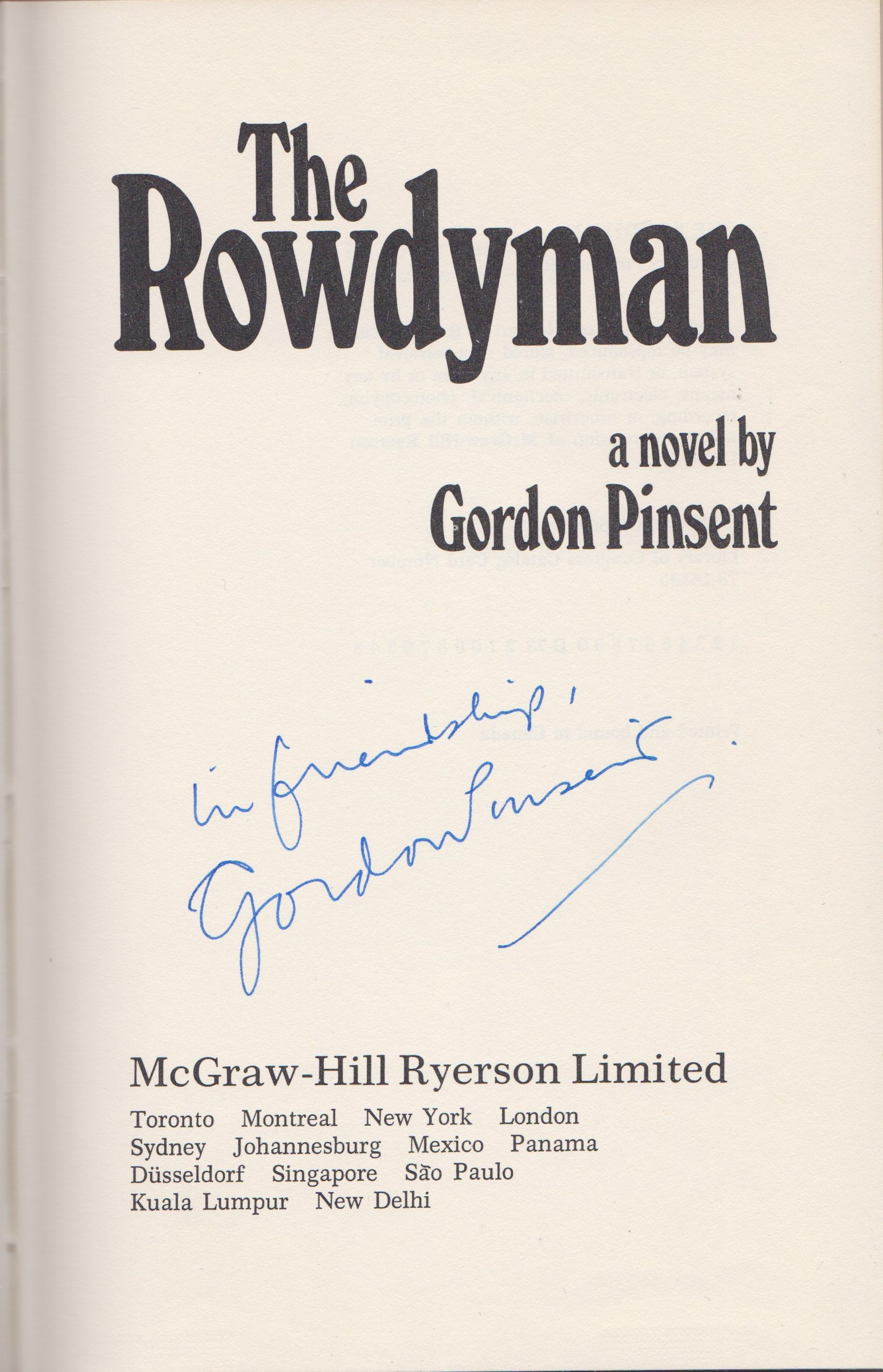
1972 The Rowdyman–written by and starring himself

1987 John and the Missus-starring plus directing

2001 The Shipping News

2006 Away from Her

**There is also, from/on GEM, available on Google, a nice documentary on Pinsent made 6 years ago. Very interesting on his character and family relationships.

Posted in Uncategorized | Leave a comment

The Great Canadian Novel

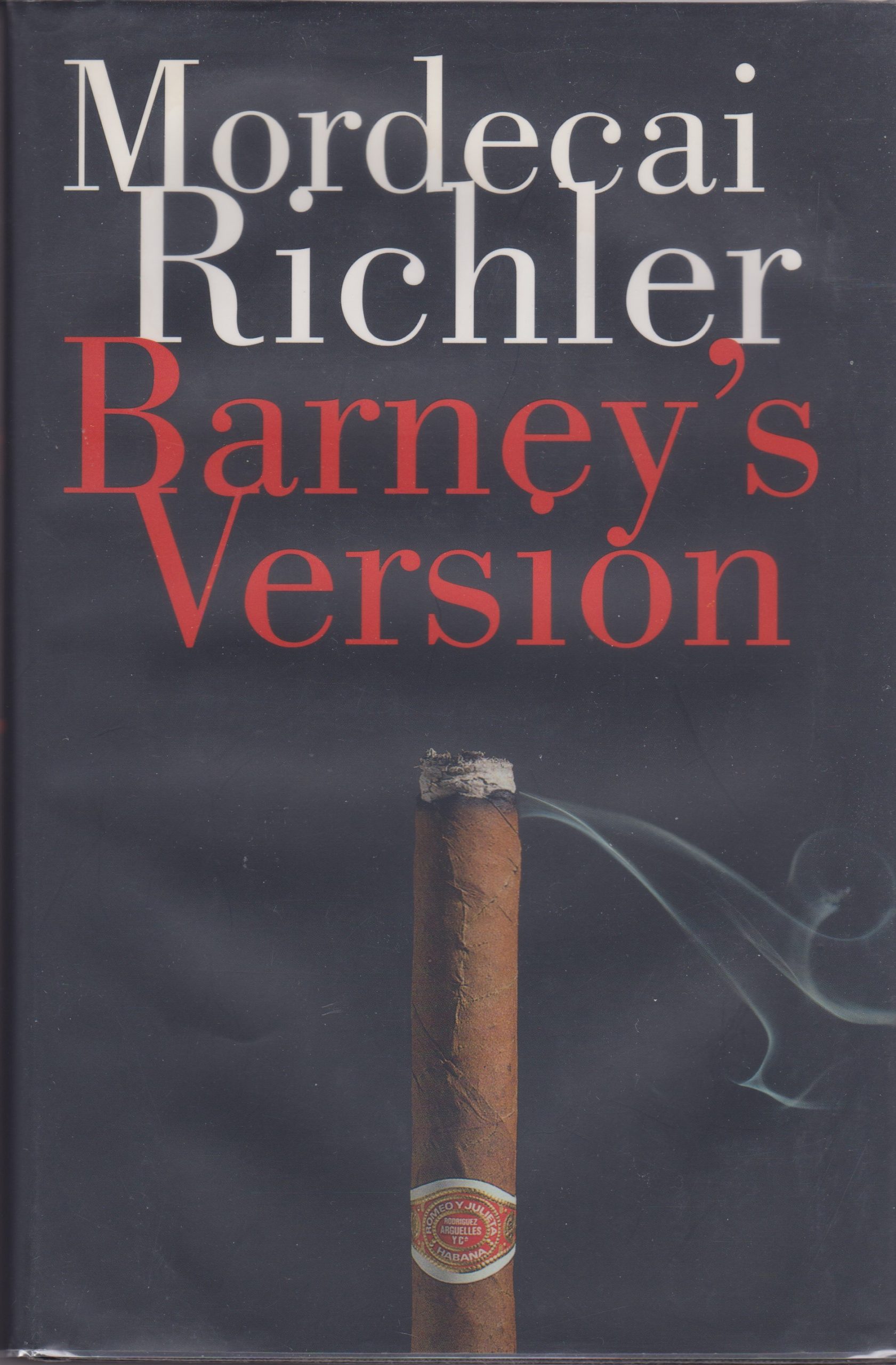
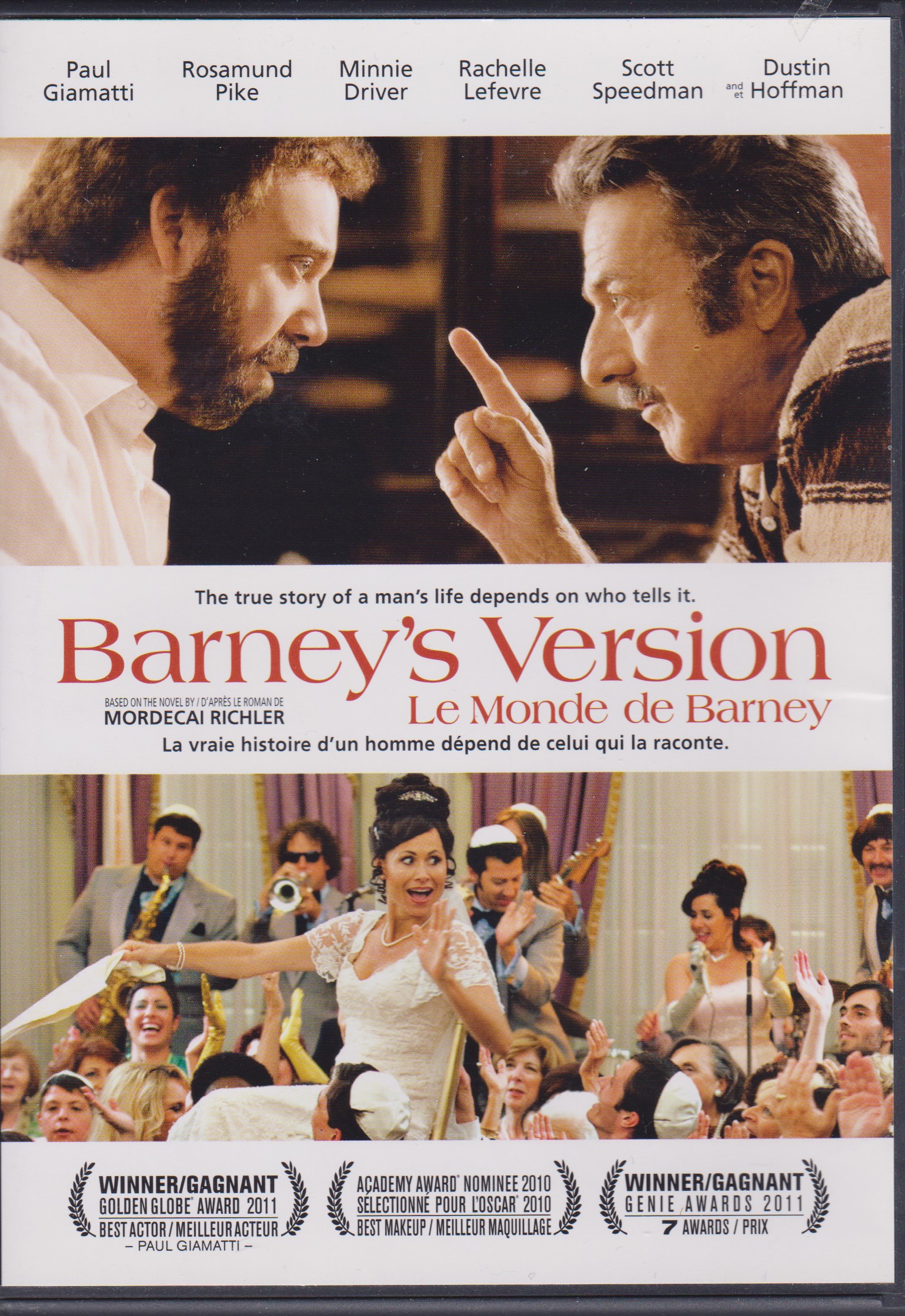
Mordecai Richler’s Barney’s Version. A very funny, entertaining Canadian movie as well, incidentally.

The ending:
“Before his brain began to shrink, Barney Panofsky clung to two cherished beliefs. Life was absurd, and nobody ever truly knew anybody else. Not a comforting philosophy, and one I certainly don’t subscribe to.”

Posted in Uncategorized | Leave a comment

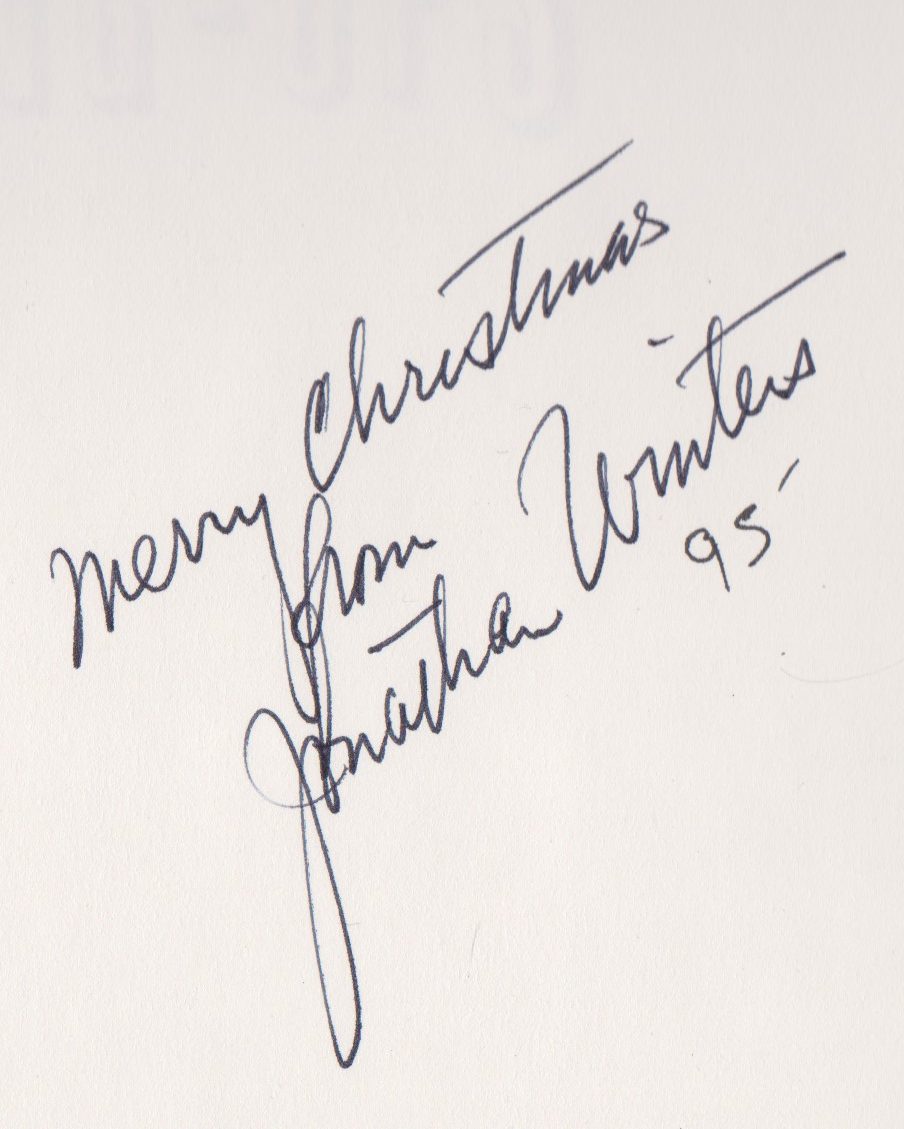
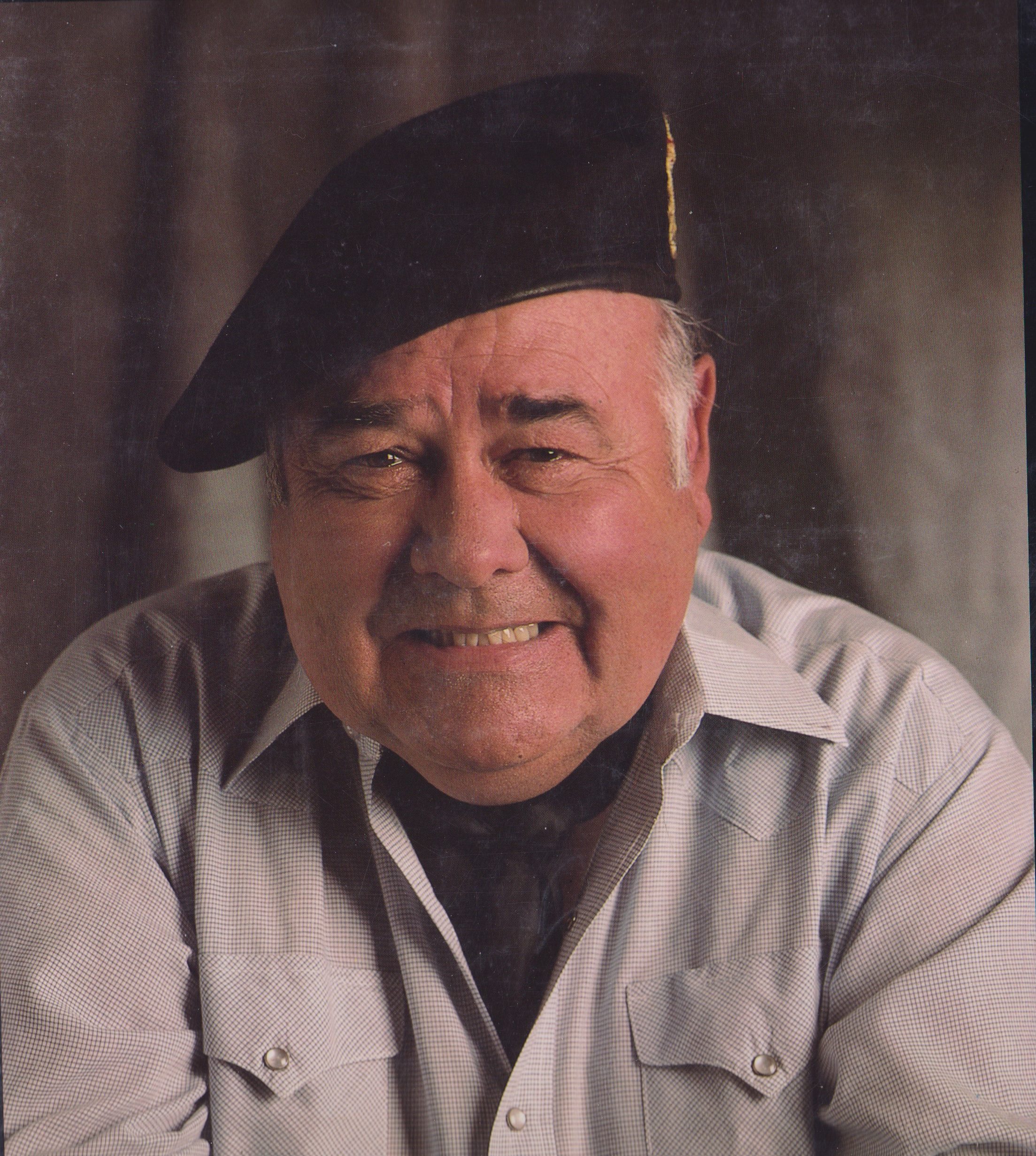
The King of Improv–Jonathan Winters

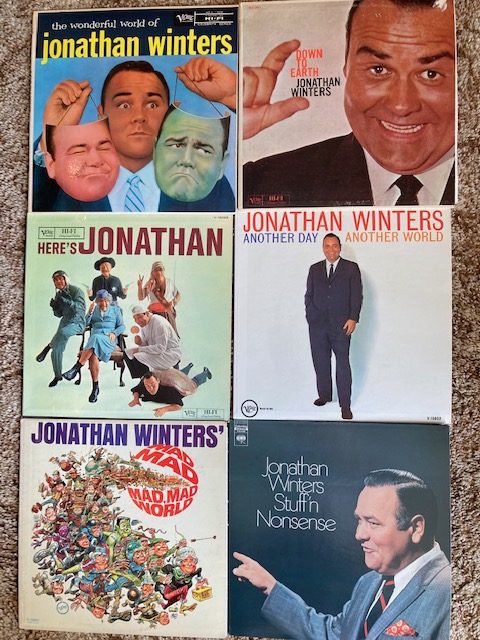
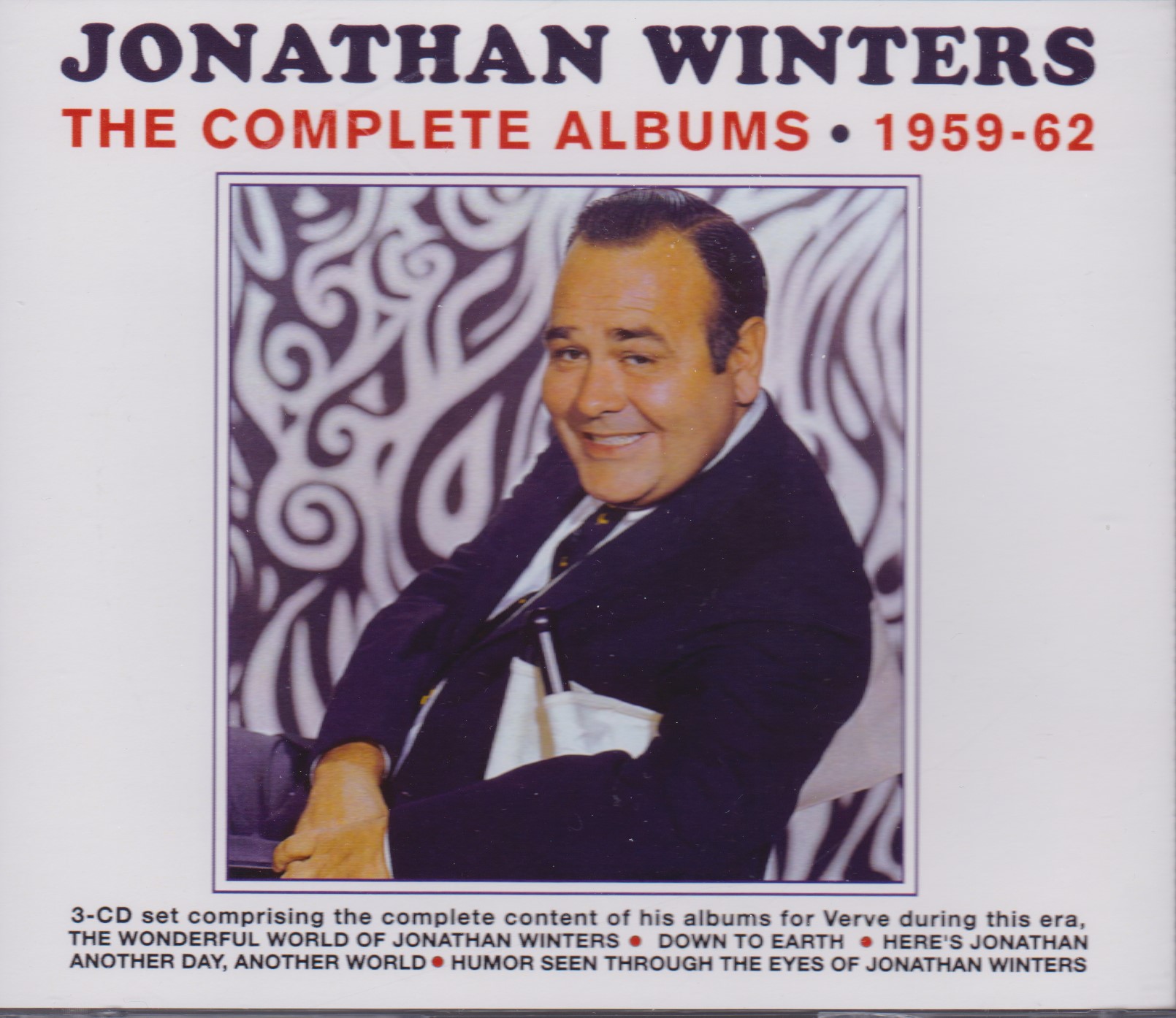
Best known for his many tv appearances on The Jack Parr Show, The Andy Williams Show, and The Tonight Show with Johnny Carson, Jonathan Winters (1925-2013) was a popular American stand-up comedian/master of voices, sound effects, facial expressions, and mimicry who released the comedy LPs shown above.

He eventually moved into movies and was featured in the satires The Russians Are Coming, The Russians Are Coming, Viva Max, It’s a Mad, Mad, Mad, Mad World, and The Loved One.

He hosted his own tv show, appeared in the last season of Mork and Mindy, and had his own show Davis Rules. Robin Williams considered him a principal mentor and a close, personal kindred-spirit friend.

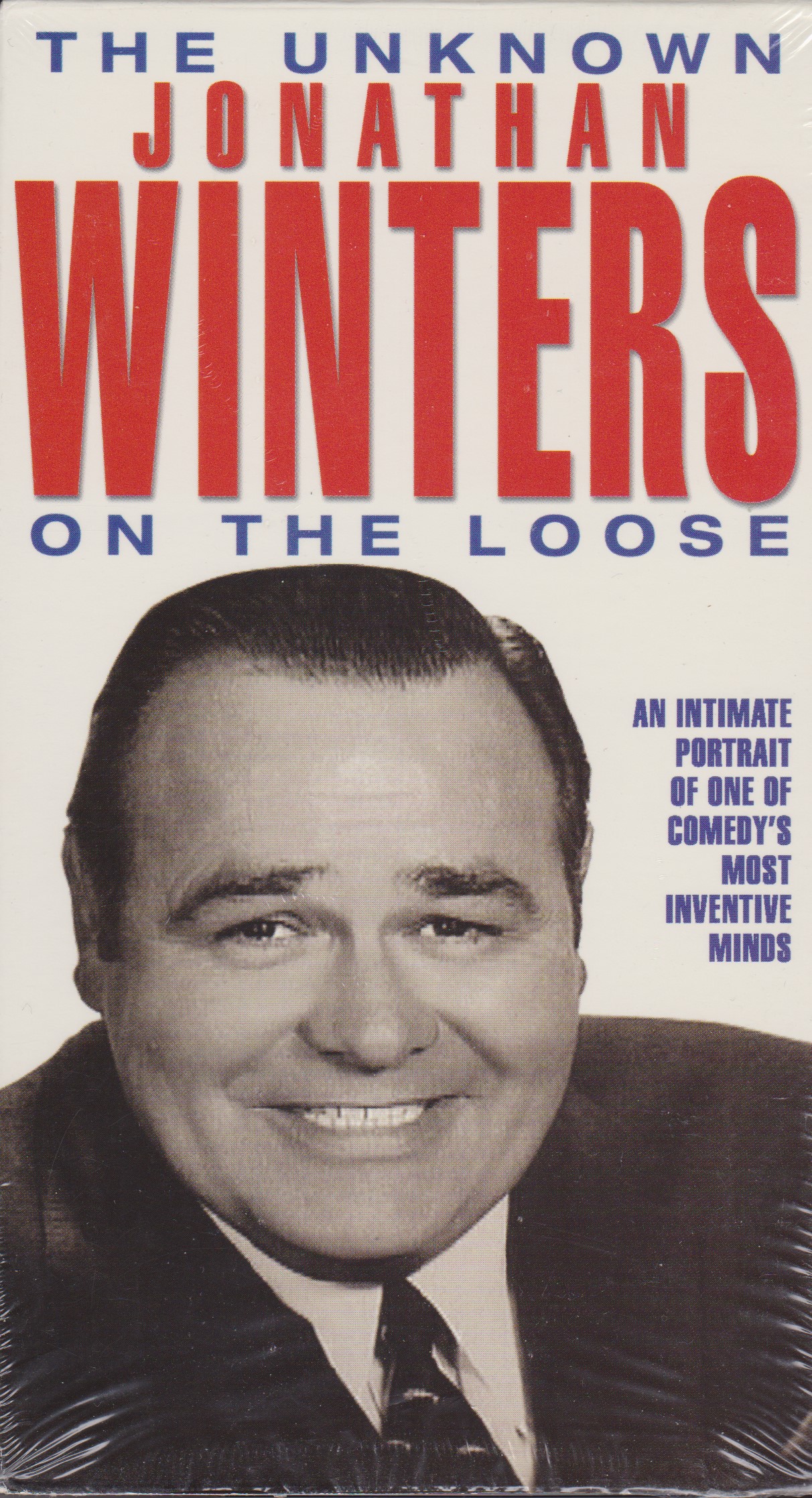
After his long tv career, Winters continued releasing CDs (including his funny phone messages and his smooth narration of A Christmas Carol) and videos (such as those below) in later life and he never quit entertaining people in structured and non-structured situations. He was an incredibly funny man who enjoyed playing eccentrics and ad-libbing wherever he went.

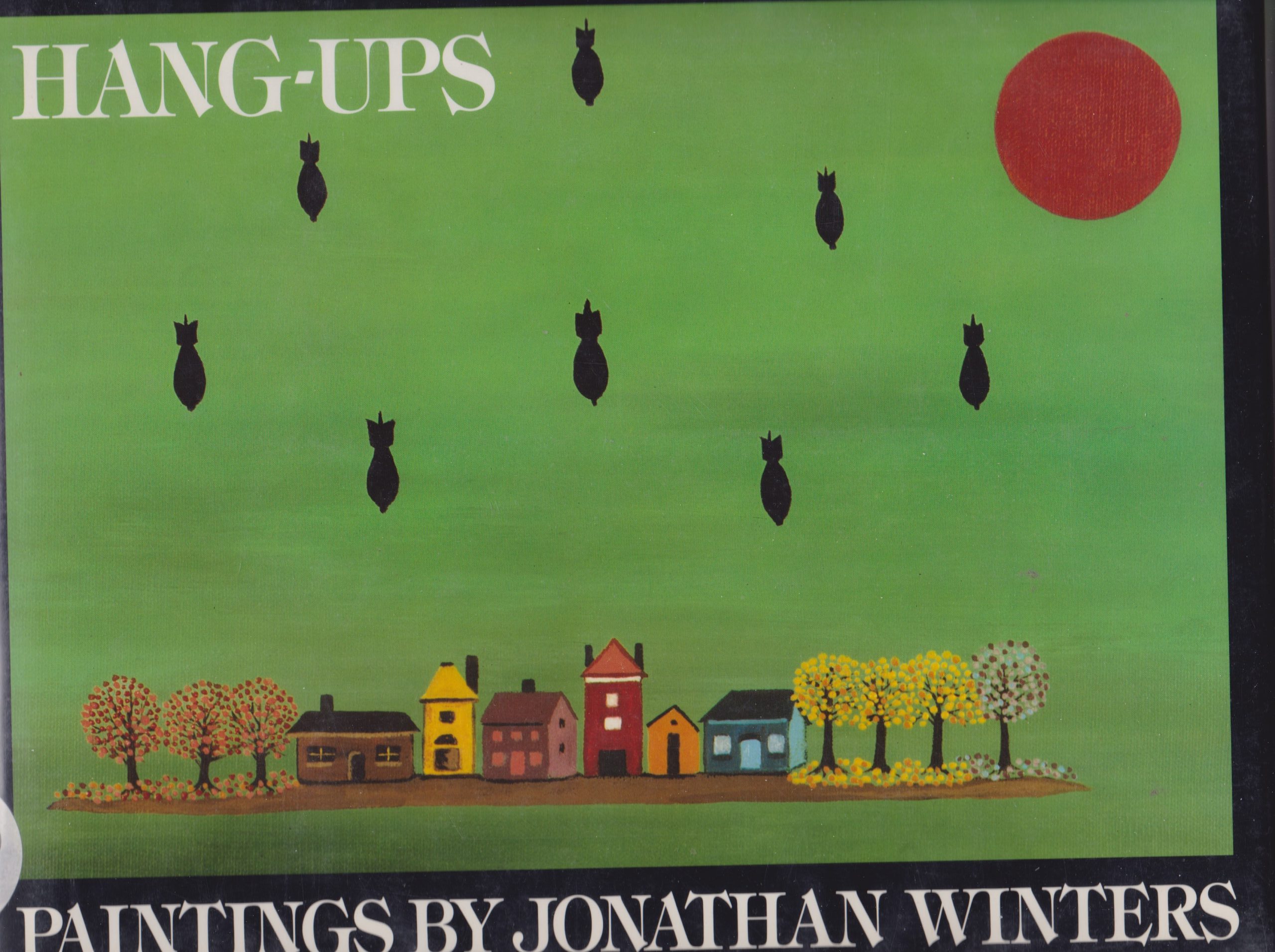
Winters was bipolar and had spent time in an mental institution after WWII, before he started doing stand-up comedy. His later painting reflects his strange, unusual ways of expressing his absurd views of life.

Another successful book he did was called Winter’s Tales which was a humorous, offbeat collection of fictional stories and anecdotes, which stand on their own, quite apart from his usual stand-up comedy.

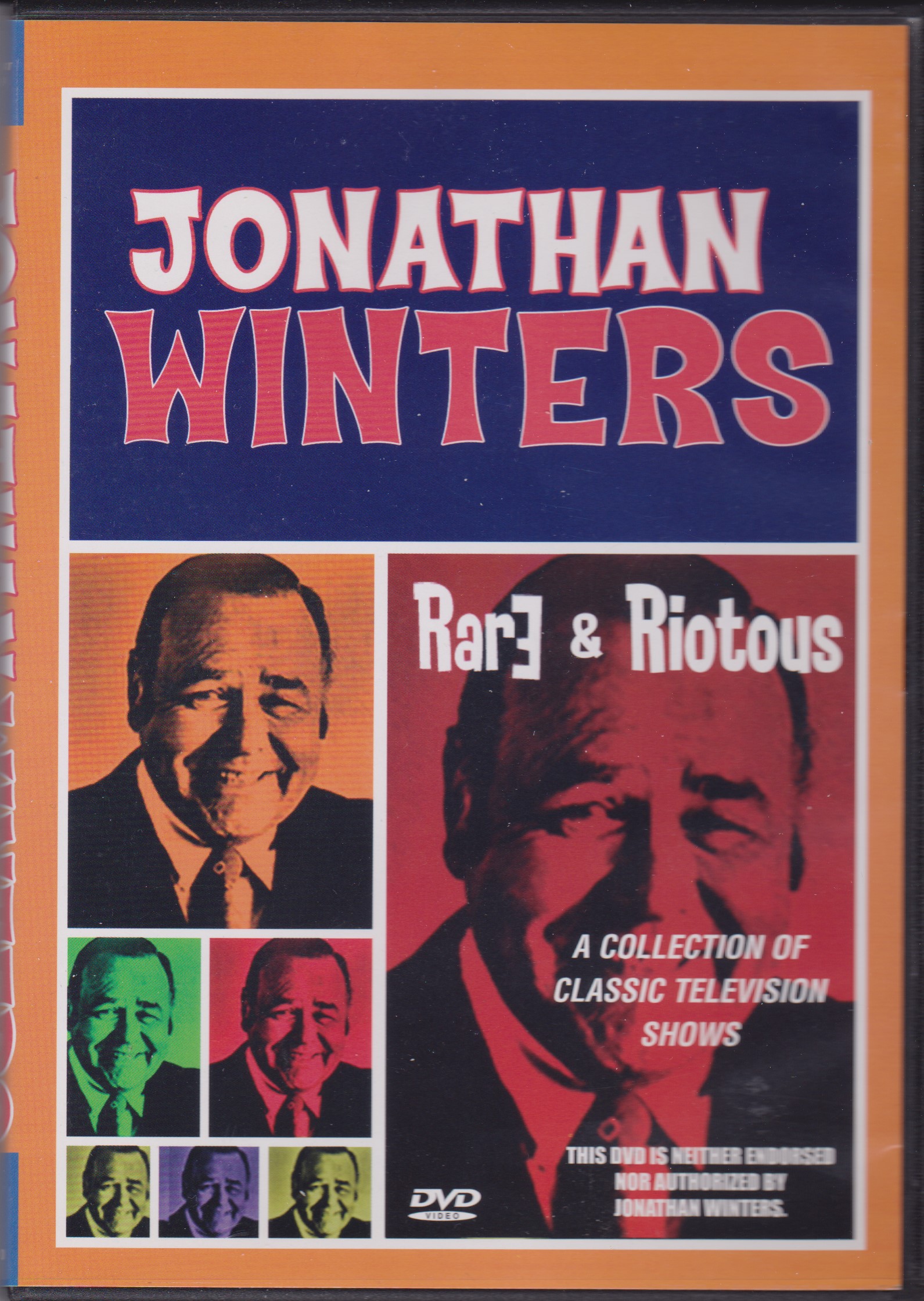
His many tv appearances have been collected in videos such as the above.

The above is a recent rerelease of his first 5 albums for Verve Records.

From an email today re. his mental problems

The first bit he does on that first record references the looney bin and drew much laughter from the drunk Vegas crowd.
He remains one of the edgiest, most candid live performers I’ve ever seen.
He slipped into his imagination publicly for all to see at the drop of a hat.
But you have to remember he was a brilliant natural ham who loved to break up his family, people at the bank, Carson and the other hosts.
He came by his talent honestly and paid a price for it; but could always rationalize and transcend his condition.
And when he was ‘on’, he was brilliant–“Gangbusters!

………………………….

Many of his interviews and tv performances are still online today.


Posted in Uncategorized | Leave a comment

The Wisdom of Aldous Huxley


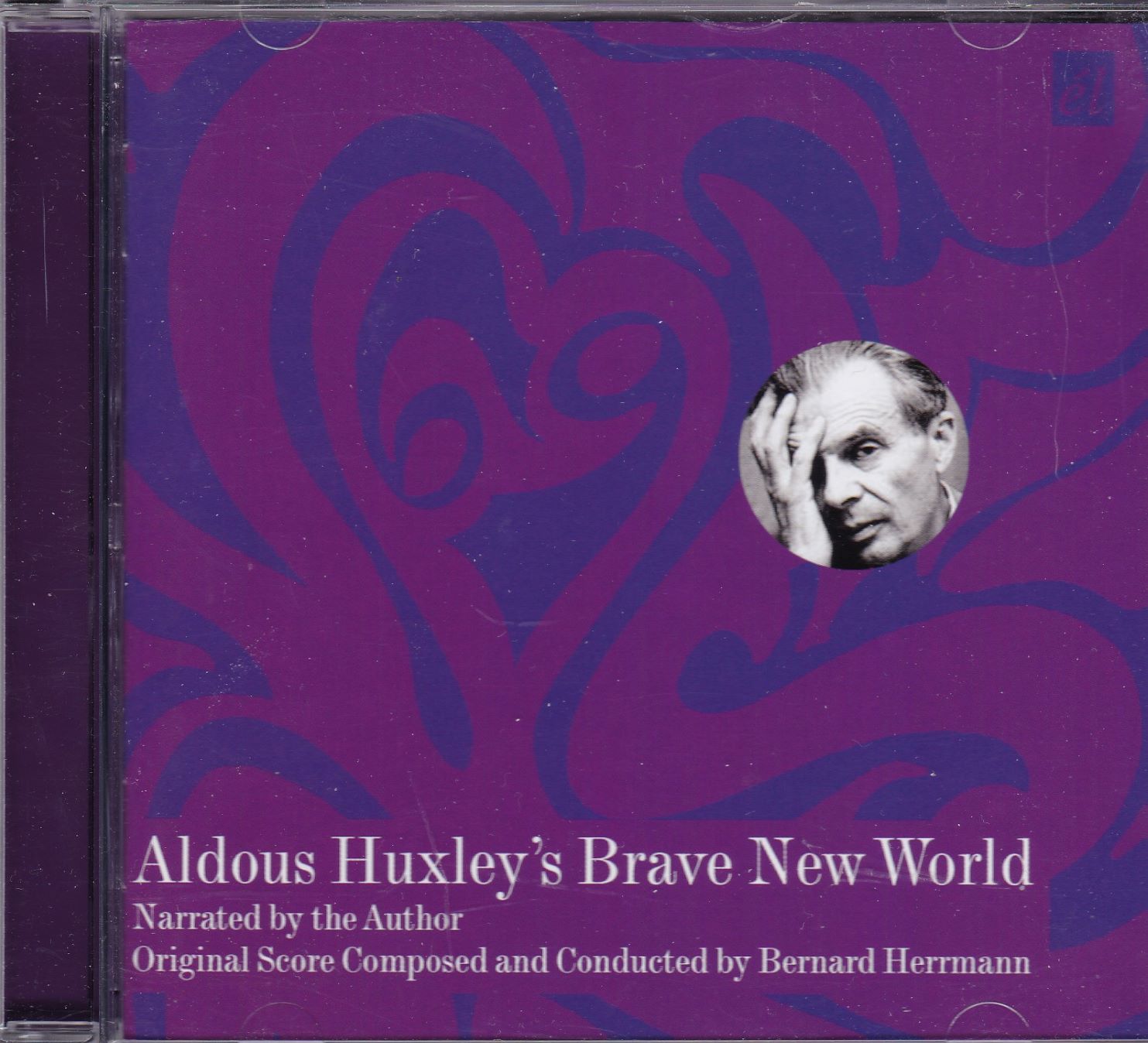
Huxley (1894-1963) was a notable intellectual, mystic, witty novelist, and consciousness expert and the author of Brave New World. He was long involved with Eastern philosophies and, notably, the human potential movement.

-All that happens means something; nothing you do is ever insignificant.

-It is necessary for us to be open to and conscious of information from all systems, sources, and worlds.

-It is necessary to balance reason with immediate experience.

-Life is short and information endless: nobody has time for everything.

-My mind is so busy thinking about values that I don’t have time to experience them.

-Everybody strains after happiness, and the result is that nobody’s happy.

-Happiness is like coke–something you get as a by-product in the process of making something else.

-Never put off the fun you can have today.

-We are all geniuses up to the age of ten.

-Children are remarkable for their intelligence and ardor, for their curiosity, for their intolerance of shams, the clarity and ruthlessness of their vision.

-The secret of genius to carry the spirit of the child into old age, which means never losing your enthusiasm.

-Societies are composed of individuals and are good insofar as they help individuals to realize their potentialities and to lead a happy and creative life.

-Technological progress has merely provided us with more efficient means for going backwards.

-A love of nature keeps no factories busy.

-My father considered a walk among the mountains the equivalent of churchgoing.

-We shall be permitted to live on this planet only for as long as we treat all nature with compassion and intelligence.

-The proper study of mankind is books.

-The writer proposes, the readers dispose.

-Every man’s memory is his private literature.

-Everyone who knows how to read has it in their power to magnify themselves, to multiply the way in which they exist, to make their life full, significant, and interesting.

-The creation by word power of something out of nothing–What is it but magic? And what may I add, what is that but literature?

-Words can be like X-rays if you use them properly–they’ll go through anything. You read and you’re pierced.

-Words form the thread on which we string our experiences.

-Words are man’s first and most grandiose invention. With language he created a whole new universe.

-Much of one’s life is a prolonged effort to avoid thinking.

-…man’s almost infinite appetite for distractions.

-The more powerful and original a mind, the more it will incline toward the region of solitude.

-If one’s different, one’s bound to be lonely.

-Facts do not cease to exist because they are ignored.

-An unexciting truth may be eclipsed by a thrilling falsehood.

-The deepest sin against the human mind is to believe things without evidence.

-The vast majority of human beings are not interested in reason or satisfied with what it teaches.

-However expressive, symbols can never be the things they stand for.

-You shall know the truth and the truth shall make you mad.

-One believes things because one has been conditioned to believe them.

-Most human beings have an almost infinite capacity for taking things for granted.

-That men do not learn very much from the lessons of history is the most important of all the lessons that history has to teach.

-It isn’t a matter of forgetting. What one has to learn is how to remember and yet be free of the past.

-Real progress is progress in charity, all other advances being secondary thereto.

-Cruelty and compassion come with the chromosomes.

-Maybe this planet is another planet’s hell.

-Freedom to be a round peg in a square hole.

-The most nearly free men have always been those who combined virtue with insight.

-At their first appearances, innovators have always been described as fools and madmen.

-I wanted to change the world. But I have found that the only thing one can be sure of changing is oneself.

-There is only one corner of the universe you can be certain of improving and that’s your own self.

-The more a man knows about himself in relation to every kind of experience, the greater his chance of suddenly, one fine morning, realizing, who in fact he is.

-Contemplation and consciousness go together. Our consciousness can be liberated by breaking the back of ego. Our most memorable experiences are ones felt/experienced upsurges of consciousness.

-Consciousness is only possible through change; change is only possible through movement.

-We don’t want to change. Every change is a menace to stability.

-If most of us remain ignorant of ourselves, it is because self-knowledge is painful and we prefer the pleasures of illusion.

-For in spite of language, in spite of intelligence and intuition and sympathy, one can never really communicate anything to anybody.

-We live together, take action, we react to one another; but always , and in all circumstances, we are by ourselves.

-You know nothing of my inner world, and yet you presume to judge that world.

-Love is a mode of knowledge.

-One touches and, in the act of touching, one’s touched.

-After silence, that which comes nearest to expressing the inexpressible is music.

-Perhaps it is good for one to suffer. Can an artist do anything if he is happy? Would he ever want to do anything? What is art, after all, but a protest against the horrible inclemency of life?

-People believe in God because they’ve been conditioned to believe in God.

-It is natural to believe in God when you’re alone–quite alone, in the night, thinking about death.

-The only truly consistent are the dead.

-There was a thing called the soul and a thing called immortality.

-It is a bit embarrassing, to have been concerned with the human problem all one’s life and find at the end that one has no more to offer by way of advice than ‘Try to be a little kinder’.

-To his dog, every man is Napoleon; hence, the constant popularity of dogs.

Posted in Uncategorized | Leave a comment

Clockworking My Way Back to 1972

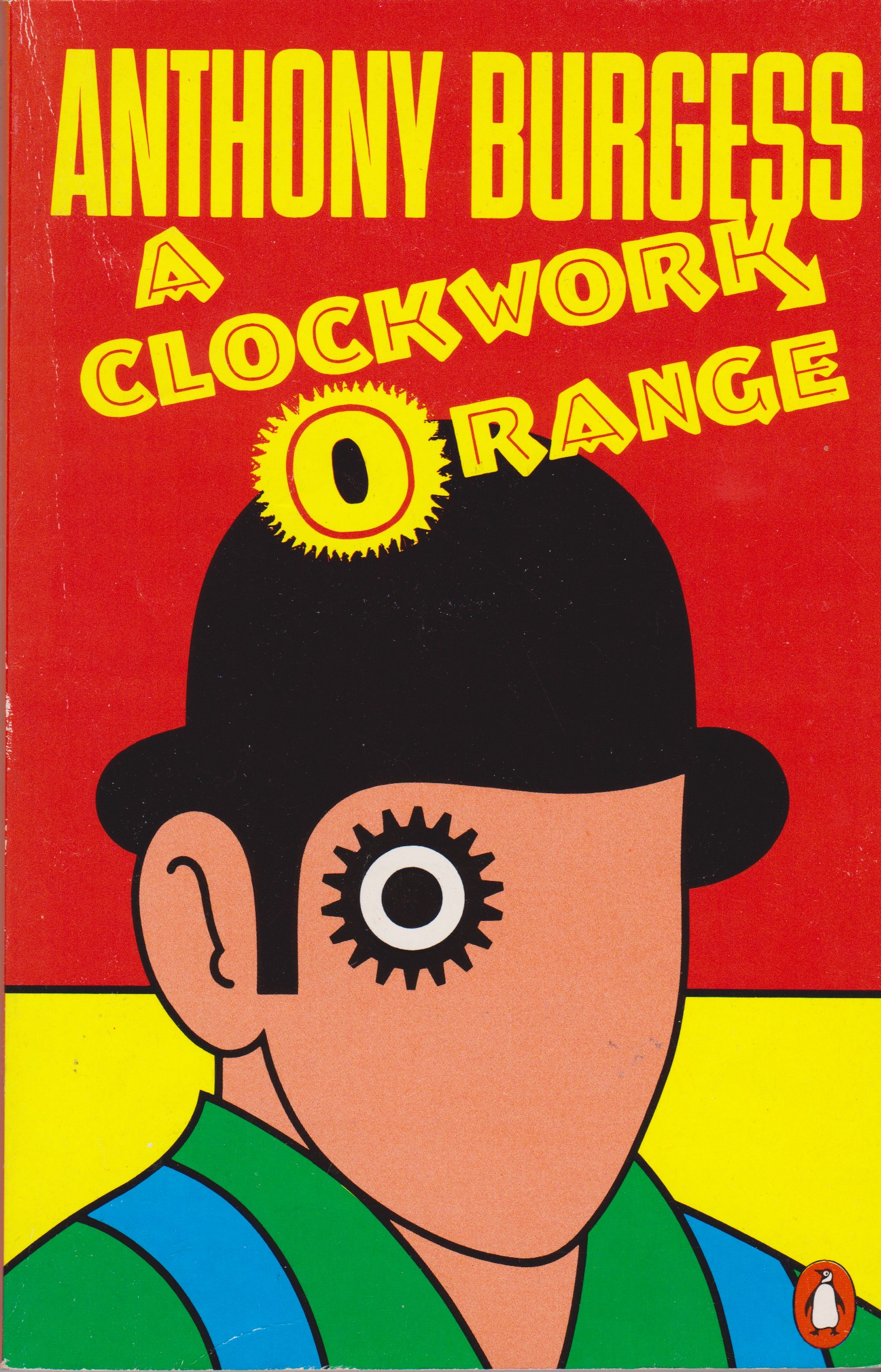
Anthony Burgess’s prophetic novella A Clockwork Orange was first published in 1962 in the U.K. It received a world-wide release in 1972, about the same time as Stanley Kubrick’ highly controversial and banned-in-the-UK 1971 movie.

The novella is narrated by a futuristic 15 year-old street thug Alex in Nadsat–an imaginative Russian-inspired argot. For curious readers wanting to engage further with the book, I include this link of Nadsat vocabulary and expressions.                             Appendix:A Clockwork Orange – Wiktionary

Alex and his droogs (mates) wreak havoc on Londoners until he is arrested and ‘rehabilitated’ by the equally sadistic Ludovico’s Technique, which conditions/destroys Alex’s inner workings, leaving him a ‘Clockwork Orange’, susceptible to violence by others.

Burgess imagined and created a unique, horrific future which prompts reader thinking and discussion about sex and violence, crime rehabilitation, free will and social control, and socially-sanctioned conditioning. This is a book about which to is impossible not to have reader/viewer moral reaction, position, or stance. (Even Burgess later had regrets about the effects of his book and Kubrick’s movie.)

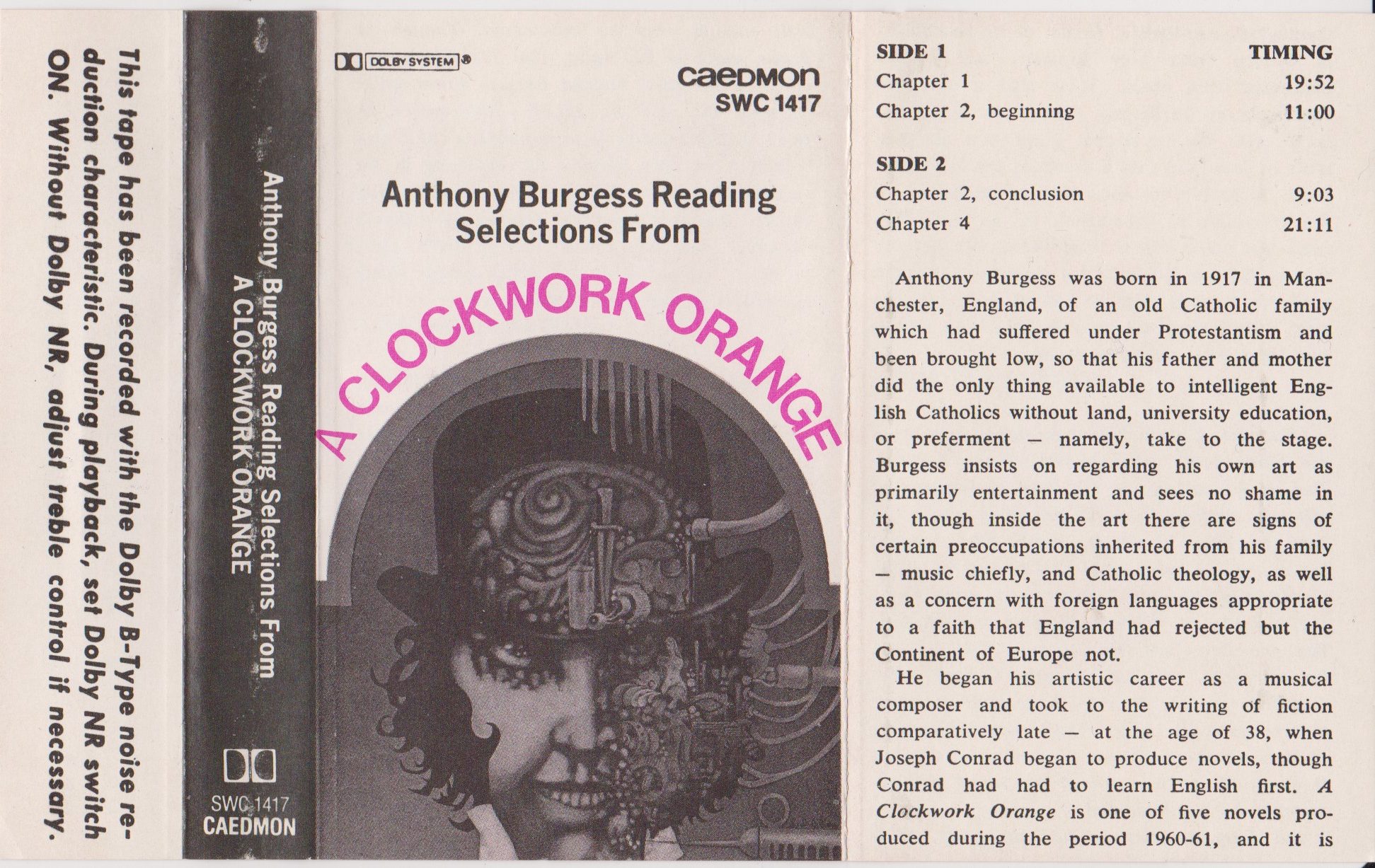
For anyone wondering what the book might sound like when it is read aloud, the author narrated it on one of the last (rare) Caedmon audio-cassettes.

From an email of mine about the book:

Kubrick’s deliberately provocative film was an over-the-top adaptation/extension of Burgess’s book. Sort of like what he did with King’s Shining, similarly pissing off the author.
Extremely controversial, it was pulled in the U.K. after police came round to Kubrick’s remote rural home to warn him of a possible break-in by thugs inspired by the movie.
Elsewhere, it played the world, sometimes in chopped form.
Burgess was also pissed at him for releasing a pictorial book version exploiting the author’s original.
So book and movie are two separate, superficially-related entities.

The book.
I find it hard to believe it was originally released in the U.K. in 1962!
Burgess had just gotten back from a Leningrad trip and used Russian language throughout Alex’s rants.
BTW/he resisted allowing a Nadsat vocab list to be attached to the book.
He was smoking 80 cigarettes a day and drinking copiously at the time he wrote the book.
He was also being checked out for cerebral damage about the same time!

The North American book version was released in 1972 with the eye-catching cover art and became a best seller just as Kubrick’s movie was landing in N. Am.
It omitted the last chapter from the originally in which Alex has settled down, is no longer hyped up, and desires to have a conventional life with wife and child.
About this, Burgess had mixed feelings, but could see the point of the now-vulnerable, beat-up Alex ending.
In years afterward, he continued to reveal mixed feelings about the book.
Which is perhaps partly reflected in his energetic Caedmon cassette/LP reading (as/after you hear it, Alex’s expressions are less obscure and what is going on becomes much clearer) which climaxes with the teeny bopper romp and Alex zonked out on Beethoven and drugs!
On the tape: no reclamation, no Ludovico’s Technique, no retributions by those Alex had wronged. No 2nd part!

What Burgess had seen (today’s relevance) of how the Soviet Union treated individuals inspired the last part of his book along with Skinnerian manipulations.
There is also something of the 1944 rape of his first wife during the blackouts by US soldiers while Burgess was off to fight in the first part as well.
So he was imaginatively writing from/out of his life.
Burgess was unquestionably, though, pro-freedom of individuals vs. the tyranny and torture by the state. Essentially, the book was serious-minded satire about an imagined dystopia.

What I immediately glommed onto when I first read the book was Alex’s voice and the colorful, powerful Nadsat language.
For me, the tour-de-force language trip drove the vigorously-written book and successfully created a brutal dystopian world every bit as powerful as Orwell’s, Huxley’s, and Bradbury’s.
Is there a lot of uncomfortable truths about individuals, hooligans, societal controls, the destructive use of technology and psychology?
Yes, and that’s what makes its truths very powerful much like the self-flagellation in Brave, and Room 101 in 1984.

And the movie? It remains a whole other sensational beast unto itself, a reflection of Kubrick’s visual and aural choices, and his most provocative film.

Posted in Uncategorized | Leave a comment